The Immediate Battle for Your Arteries: How Diet and Exercise Shape Your Vascular Health Hour by Hour
Introduction: The Immediate Battle for Your Arteries
In the ongoing quest for optimal health, much attention is rightly paid to the long-term effects of diet and lifestyle. We are constantly reminded of the cumulative impact of unhealthy choices leading to chronic conditions like heart disease, diabetes, and obesity. However, a growing body of scientific evidence reveals a more immediate, startling reality: the very meals we consume can profoundly and rapidly alter the health of our arteries within hours. Far from being a slow, insidious decline, vascular function can be crippled almost instantly by a single high-fat or high-sodium meal. Yet, amidst this concerning discovery, researchers have identified a crucial "window of opportunity" where sufficient physical activity can help mediate some of this rapid damage, offering a temporary shield against the onslaught of modern diets.
This article delves into the critical, often overlooked, acute effects of food on our cardiovascular system, exploring how high-fat and high-sodium meals trigger immediate arterial dysfunction. More importantly, it highlights the scientific backing for incorporating exercise as an emergency response, a strategic intervention that can temporarily safeguard our vital blood vessels.
Main Facts: Unmasking the Post-Meal Threat
The core findings are stark and unequivocal:
- Rapid Arterial Impairment: A single meal high in saturated fat or sodium can significantly impair artery function within hours of consumption. This isn’t just about peripheral arteries; it extends to the critical vessels supplying the heart itself.
- Compromised Coronary Flow Reserve: High-fat meals reduce the heart’s ability to compensate for potential blockages by clamping down the "coronary flow reserve," a vital safety mechanism.
- Beyond Blood Pressure: The detrimental effects of high sodium on artery function occur independently of changes in blood pressure, affecting even those considered "salt-resistant."
- Exercise as a Mitigator: Timely physical activity, specifically within 18 hours before to about 90 minutes after a meal, can attenuate the immediate negative impacts of unhealthy eating, helping to clear fats from the bloodstream and protect vascular function.
- The Ultimate Prevention: While exercise offers a valuable safety net, the most effective strategy remains avoiding the consumption of artery-damaging meals in the first place.
These insights challenge conventional thinking, underscoring that our dietary choices are not just long-term investments but hourly determinants of our vascular well-being.
Chronology of Damage: What Happens After the Bite?
The immediate aftermath of an unhealthy meal is a flurry of physiological responses that can quickly put our arteries under stress. The journey from bite to vascular impairment is remarkably swift, affecting key functions essential for cardiovascular health.
The Saturated Fat Onslaught
Studies have consistently demonstrated the swift and detrimental impact of saturated fat on arterial health. While previous discussions highlighted how a single meal high in saturated fat could impair artery function in men, as measured in the arm, the real concern lies deeper: the blood flow to the wall of the heart itself.
Researchers conducted pivotal studies to observe these effects directly. In one significant investigation, men were randomized to consume one of two meals: a high-fat meal comprising over 60% fat (half of which was saturated, containing more than an egg’s worth of cholesterol) or a low-fat counterpart that was primarily carbohydrates, less than 10% fat, and contained 50 times less cholesterol. The caloric content was kept consistent between the two meals to isolate the effect of fat composition.
Focus on the Heart’s Lifeline: The Left Anterior Descending Coronary Artery ("Widow-Maker")
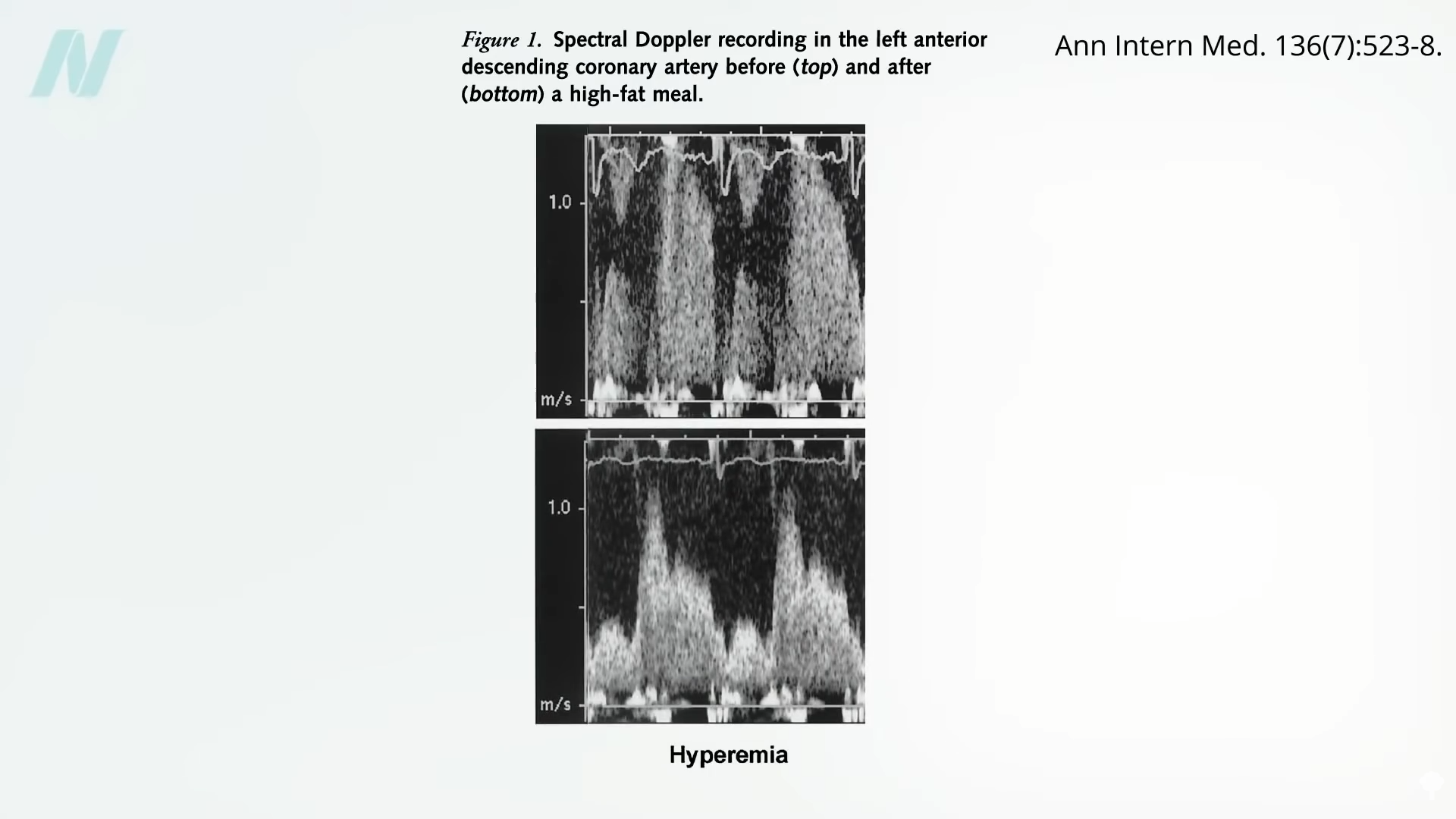
The focus of this research was the left anterior descending coronary artery (LAD), chillingly known as the "widow-maker" due to its critical role in supplying blood to a large portion of the heart. Impairment here can have devastating consequences. Using Doppler recordings, scientists observed the LAD before and after meal consumption.
Before the high-fat meal, the Doppler recording revealed a strong, healthy signal, indicative of robust blood flow. However, within mere hours after consuming the high-fat meal, this strong signal was visibly squeezed down. Images taken five hours post-meal dramatically illustrated the constriction, showing a significant reduction in arterial diameter and, consequently, blood flow. This rapid deterioration of function demonstrates the immediate inflammatory and vasoconstrictive response triggered by excessive saturated fat.
Understanding Coronary Flow Reserve: A Critical Safety Mechanism Compromised

Beyond the visible narrowing, another critical parameter was affected: the coronary flow reserve. This term refers to the extra expansion capacity of the surrounding blood vessels when a part of a coronary artery is blocked for any reason. It’s the heart’s built-in emergency bypass system, allowing increased blood flow to compensate for areas of reduced supply.
The studies found that after a single high-fat meal, the coronary flow reserve significantly decreased, a stark contrast to the low-fat meal which showed no such impairment despite identical calorie counts. This means that a high-fat meal effectively clamps down on the heart’s ability to compensate for existing or developing blockages, undermining its crucial protective mechanisms within hours. Such a rapid compromise in coronary reserve underscores the immediate vulnerability imparted by unhealthy dietary choices.
The Visible Manifestation: "Milkshake Blood" in the Retina
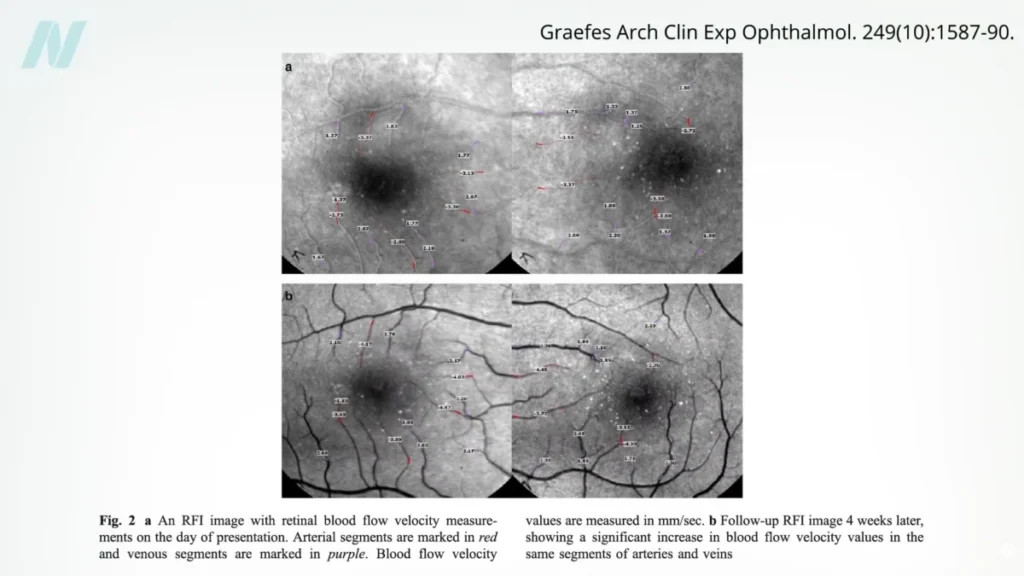
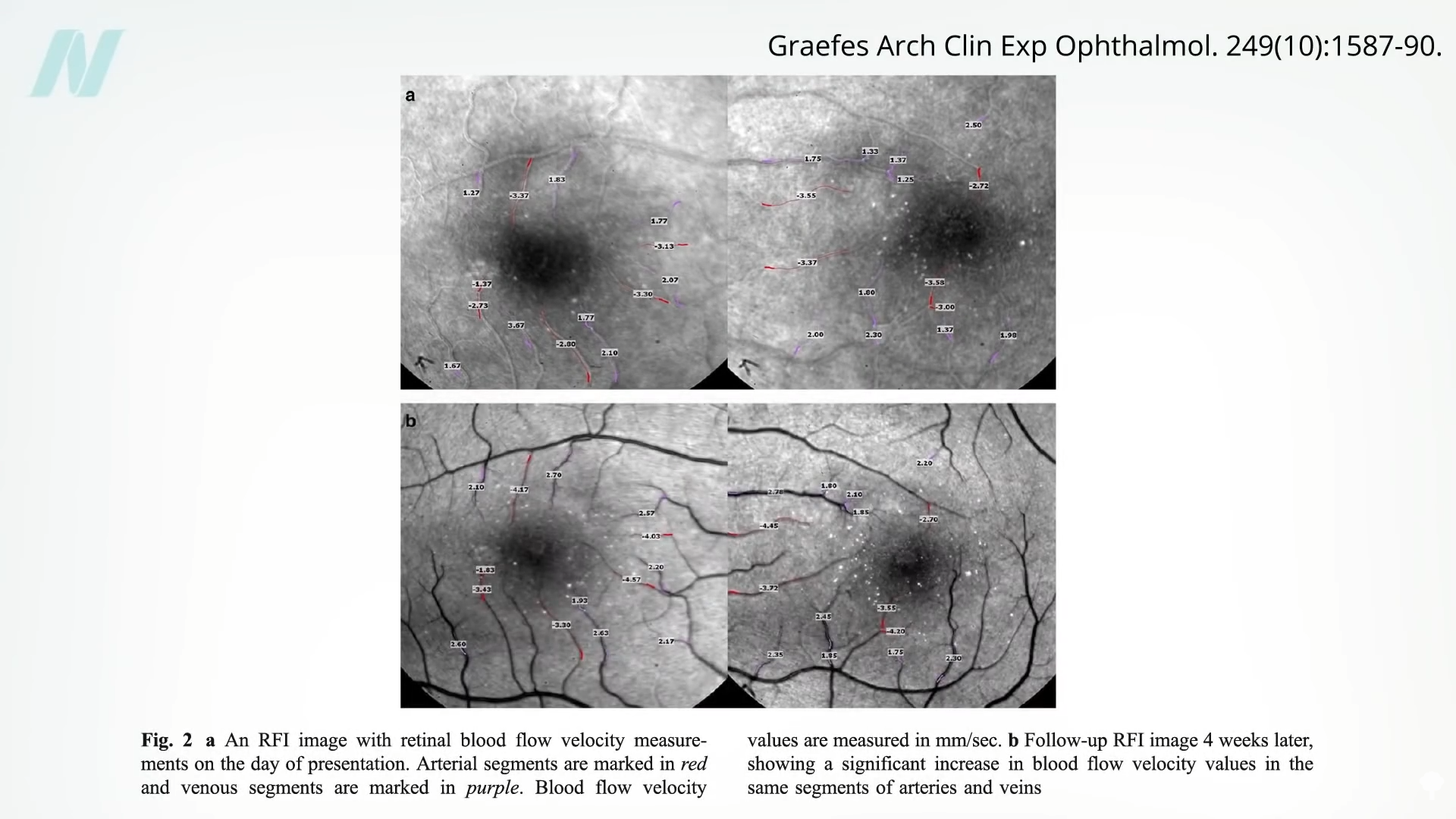
The systemic impact of high-fat meals can be so profound that, in extreme cases, its effects can even be witnessed in the delicate blood vessels at the back of the eye. Retinal images provide a dramatic visual representation of what happens when the bloodstream is overwhelmed with fat.
Before-and-after images of a retina show a striking difference. The initial image, taken after the consumption of a high-fat diet, reveals milky-colored blood vessels. This appearance, often described as "milkshake blood," is a direct result of severe postprandial lipemia – an excessive amount of fat in the blood after a meal. This thick, viscous blood struggles to flow efficiently, impacting microcirculation throughout the body.
The subsequent image, taken after a period on a low-fat diet, often aided by medication to clear fats from the bloodstream, shows clear, well-defined blood vessels. The dramatic improvement highlights the acute nature of the problem and the body’s capacity for recovery when the dietary assault is removed. While this is an extreme visual, it serves as a powerful metaphor for the internal, unseen struggle our arteries face after a fatty meal.
The Sodium Surprise: Silent Artery Assault
While saturated fat hogs much of the spotlight for arterial damage, sodium also plays a significant and often underestimated role. It’s not just about blood pressure; sodium exerts direct, immediate harm on arterial function.
Consider a typical fast-food breakfast: the McDonald’s "Big Breakfast with Hotcakes," for example. Such a meal can contain over 2,000 mg of sodium, far exceeding the American Heart Association’s (AHA) recommended daily limit of 1,500 mg for most adults. Even a seemingly modest reduction—giving someone a meal with a third less salt—can still impair artery function within an hour of consumption. Crucially, this impairment occurs independently of any increase in blood pressure.
The "Salt-Sensitive" vs. "Salt-Resistant" Myth: All Arteries Suffer
For years, the discussion around dietary sodium has centered on "salt sensitivity." Some individuals are considered "salt-sensitive," experiencing a significant spike in blood pressure after consuming salt, while others are deemed "salt-resistant," with their blood pressure remaining relatively stable regardless of salt intake. This distinction led to a misconception that salt might be acceptable for "salt-resistant" individuals.
However, recent research dispels this myth. High dietary sodium intake reduces artery function regardless of whether an individual’s blood pressure is salt-sensitive or salt-resistant. Artery function is impaired either way when transitioning from a low-salt to a high-salt diet. Visual representations of arterial function before and after increased sodium intake vividly demonstrate this universal decline. The mechanisms involve direct endothelial dysfunction, reducing the availability of nitric oxide, a crucial molecule for arterial relaxation and health. Thus, while blood pressure might not always reflect it, the internal health of our arteries is unequivocally compromised by excessive sodium.
Supporting Data: The Science Behind the Shield
Understanding the damage is only half the story. The good news is that science also offers a powerful, albeit temporary, antidote: exercise. Furthermore, scientific consensus continues to reinforce the dangers of high sodium, despite persistent attempts to sow doubt.
Exercise as an Acute Intervention
The concept that acute exercise can mitigate the damage from unhealthy eating is a cornerstone of this new understanding. Post-meal inflammation, stemming from the extended elevation of fats in the blood (postprandial lipemia) after high-fat meals, is a likely explanation for the increased risk of cardiovascular disease. However, substantial evidence suggests that acute exercise is an effective way to clear out some of that fat and reduce inflammation after a meal.
The Mechanism: How Exercise Helps Clear Fats and Reduce Inflammation
When we exercise, our muscles demand energy. This demand triggers the release of enzymes that help break down circulating fats (triglycerides) in the bloodstream, using them as fuel. This process, known as lipoprotein lipase activity, effectively "clears" the fatty blood, reducing the duration and intensity of postprandial lipemia. Additionally, exercise has anti-inflammatory effects, helping to counteract the inflammatory response induced by unhealthy meals.
The Critical Time Window: Strategic Intervention
The effectiveness of exercise is highly dependent on timing. The beneficial effects of acute exercise on postprandial lipemia appear to be relatively short-lived. Going a few days without exercising may completely negate any benefit, no matter how fit you are. The critical time window for intervention appears to be between 18 hours before the meal and around 90 minutes after the meal. This suggests that pre-meal exercise can "prime" the body to handle the incoming fat load more efficiently, and immediate post-meal activity can actively clear it.
Intensity and Duration: Practical Guidelines
So, how much exercise is needed? Research indicates that about an hour of moderate-intensity exercise can be sufficient to provide a protective effect. This doesn’t necessarily mean a grueling gym session; brisk walking, cycling, or other activities that elevate your heart rate can suffice.
The McDonald’s Experiment: Micro-Bursts of Activity for Macro Protection
A particularly illuminating study demonstrated the practical application of this principle. It took only 20 minutes of stair climbing, broken up into five-minute intervals every hour for four hours, to counteract the arterial damage caused by a classic McDonald’s breakfast. This notorious meal included hash browns, eggs, pancakes, an English muffin, sausage, and a milkshake – a potent cocktail of fat and sodium.
Following such a meal, artery function significantly decreased when subjects simply sat around after eating. However, when they engaged in the hourly stair-climbing exercises, this arterial dysfunction was prevented. This study powerfully suggests that even short, intermittent bursts of activity can attenuate the negative effects not only of prolonged sitting but also of eating a high-fat meal. The researchers concluded that "stair climbing should be incorporated as an easily accessible lifestyle strategy to protect vascular [artery] function."
Of course, the undeniable caveat remains: the other and arguably more effective way to protect artery function is to avoid consuming such artery-damaging meals in the first place. Exercise is a valuable defense, but it shouldn’t be seen as a license to indulge indiscriminately.
The Salt Controversy: Debunking Industry Claims
Despite the "seemingly unanimous consensus" among independent scientific bodies regarding the dangers of excessive dietary sodium, a persistent counter-narrative exists. Some researchers, often with funding ties to the salt industry, claim that reducing salt intake is not beneficial, or even harmful. However, the overwhelming body of evidence stands firmly against these dissenters.
Just like the saturated fat found in meat, dairy, and junk food, the science clearly indicates that sodium itself – not sodium reduction – is "the real villain." The direct impairment of artery function, independent of blood pressure changes, highlights a broader vascular impact that industry-funded studies often downplay or ignore. The mechanisms by which high sodium causes harm include reducing endothelial function, increasing oxidative stress, and promoting inflammation, all of which contribute to the progression of cardiovascular disease. The scientific community is resolute: reducing sodium intake is a critical step for universal vascular health.
Official Responses and Public Health Implications
The findings on immediate dietary impact and the role of exercise are not isolated academic curiosities; they carry profound implications for public health policy and individual health strategies.
Guidance from Health Organizations
Major health organizations worldwide, including the American Heart Association (AHA), have long issued clear guidelines regarding dietary intake. The AHA’s recommendation to limit sodium intake to no more than 2,300 mg per day, ideally aiming for 1,500 mg for most adults, is a direct response to the established link between sodium and cardiovascular disease. Similarly, guidelines on saturated fat intake, advocating for limiting it to less than 10% of daily calories (or even lower for those at high risk), are rooted in extensive research on its arterial impact.
These recommendations, often perceived as long-term goals, gain new urgency when considering the immediate, hour-by-hour damage that high levels of saturated fat and sodium inflict. The concept of "coronary flow reserve" being compromised within hours after a fatty meal underscores why adhering to these guidelines is not just about preventing disease decades down the line, but about maintaining optimal heart function in the immediate present.
The Challenge of Modern Diets
The prevalence of highly processed, high-fat, and high-sodium foods in modern diets presents a formidable public health challenge. Fast food, convenience meals, and many restaurant offerings routinely exceed recommended limits for these harmful nutrients in a single serving. This means that for many individuals, their arteries are subjected to a continuous cycle of acute damage, meal after meal, day after day. This cumulative acute damage inevitably contributes to the development and progression of chronic cardiovascular diseases.
The ease of access and affordability of such foods, combined with aggressive marketing, often overshadows the immediate biological cost. Public health campaigns need to do more than just highlight long-term risks; they must also communicate the rapid, tangible impact on arterial function that occurs with each unhealthy meal.
Education and Awareness
Empowering individuals with the knowledge of these acute effects is crucial. Understanding that a single high-fat meal can temporarily impair the heart’s ability to respond to stress, or that excess sodium can damage arteries regardless of blood pressure, can serve as a powerful motivator for healthier choices. This nuanced understanding moves beyond abstract notions of "good" or "bad" food to a more direct, cause-and-effect relationship that unfolds in real-time within the body. Educational efforts should emphasize both the primary prevention of choosing healthier foods and the secondary mitigation strategy of incorporating timely physical activity.
Implications: A Call to Action for Vascular Health
The intricate interplay between diet, exercise, and immediate vascular health presents a compelling narrative for personal responsibility and public health. The revelations about the swift onset of arterial dysfunction after unhealthy meals, coupled with the protective role of timely exercise, reshapes our understanding of daily health choices.
Prioritizing Dietary Choices: The Ultimate Preventative Measure
Ultimately, the most effective strategy for safeguarding arterial health remains prevention. Choosing a diet rich in whole, unprocessed foods, low in saturated fat and sodium, is the paramount defense. Such a diet supports robust endothelial function, maintains healthy coronary flow reserve, and prevents the "milkshake blood" phenomenon, ensuring arteries remain supple and efficient. This means prioritizing fruits, vegetables, whole grains, legumes, and lean protein sources, while minimizing fast food, highly processed snacks, and excessive animal products.
Strategic Exercise: A Powerful, Though Temporary, Protective Tool
While dietary choices are fundamental, strategic exercise emerges as a powerful secondary line of defense. Knowing that a brisk walk before or shortly after a meal can help mitigate some of the damage offers a valuable tool for those times when an unhealthy meal is unavoidable or consumed inadvertently. This isn’t an excuse for poor eating habits, but rather an informed strategy to lessen the physiological toll. Integrating regular physical activity, especially around meal times, can serve as a buffer against the immediate challenges posed by dietary indiscretions.
Long-Term Health: Accumulation of Acute Damage Leads to Chronic Disease
The repeated insult of acute arterial dysfunction, occurring after every high-fat or high-sodium meal, doesn’t simply disappear. Over time, this cumulative damage contributes significantly to the chronic diseases that plague modern society. Each instance of impaired coronary flow reserve, each episode of "milkshake blood," each hour of sodium-induced endothelial dysfunction, chips away at the long-term integrity and resilience of our cardiovascular system, paving the way for atherosclerosis, hypertension, and heart failure.
Holistic Approach: Integrating Diet and Activity for Robust Arterial Health
The findings underscore the necessity of a holistic approach to health. It’s not just about what we eat, or how much we exercise, but the synergistic interaction between these factors and their timing. Understanding these immediate impacts empowers individuals to make more informed choices, fostering a deeper connection between daily habits and their physiological consequences.
In conclusion, the science is clear: our arteries are in a constant battle, and the outcome is largely determined by what we put on our plates and how we choose to move. While the ultimate victory lies in consistent, healthy dietary choices, the strategic deployment of physical activity offers a vital, immediate defense. It’s a call to action for every meal, every day: prioritize foods that nourish and protect, and embrace movement that empowers our bodies to fight back, ensuring robust vascular health for years to come.