The Longevity Paradox: Why Nuts Boost Health, But Peanut Butter Falls Short
In a global health landscape increasingly dominated by lifestyle-related illnesses, the power of diet stands as a monumental factor in human longevity. Groundbreaking research has consistently highlighted the profound impact of nutritional choices on mortality rates, often eclipsing well-known risk factors like smoking. Yet, within the realm of seemingly healthy foods, a curious paradox emerges: whole nuts are celebrated for their life-extending benefits, while their popular processed counterpart, peanut butter, appears to offer no such advantage. This disparity prompts a critical examination of how food processing, nutritional composition, and even consumer habits shape our health outcomes.
Main Facts: The Silent Epidemic of Poor Diet
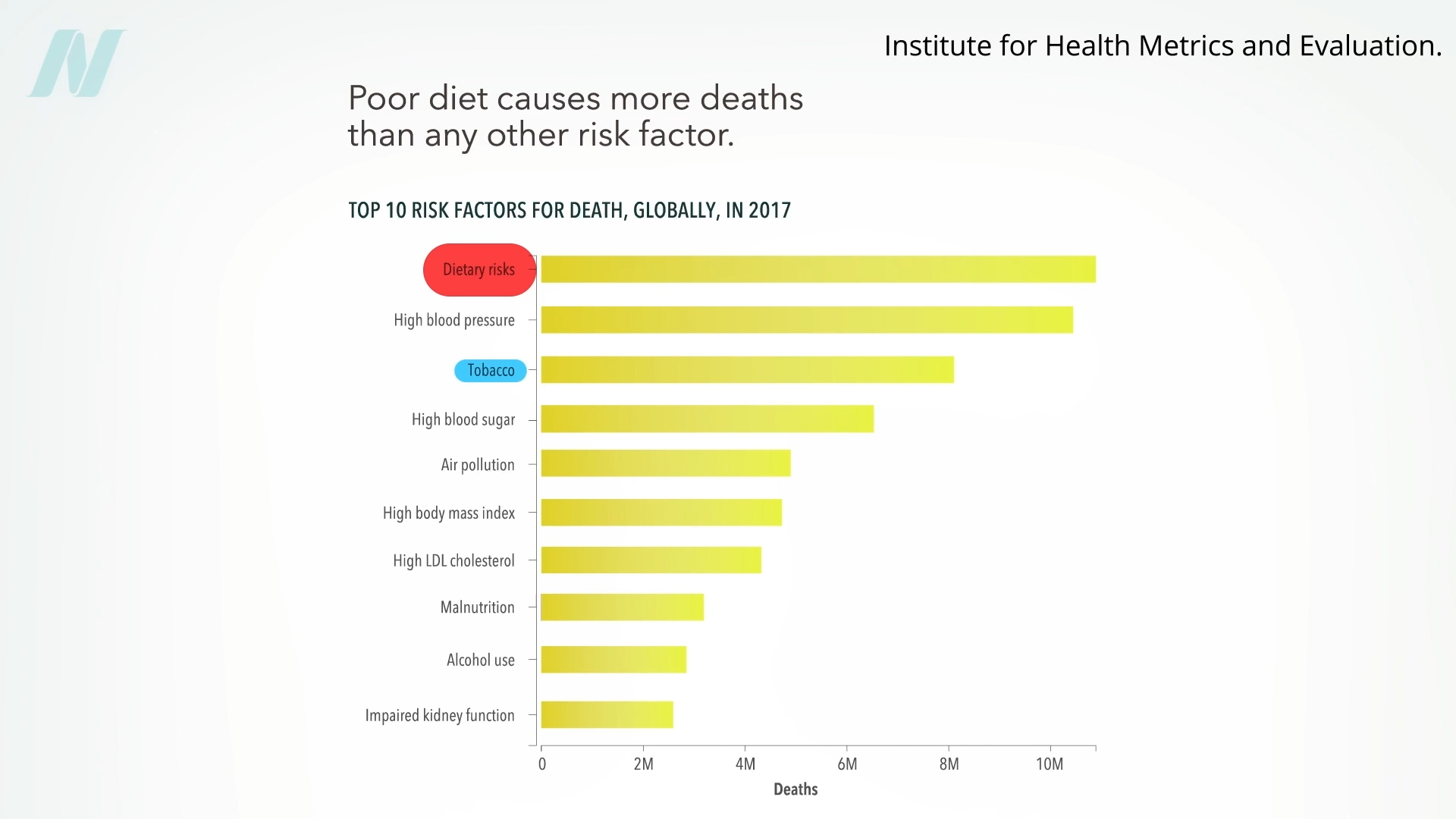
The stark reality of global health is that a suboptimal diet now claims more lives annually than any other factor, including the devastating toll of tobacco use. While cigarettes are responsible for approximately 8 million deaths each year, the collective impact of humanity’s dietary choices accounts for millions more. This alarming statistic underscores a critical public health challenge, one that often receives less immediate attention than infectious diseases or catastrophic events.
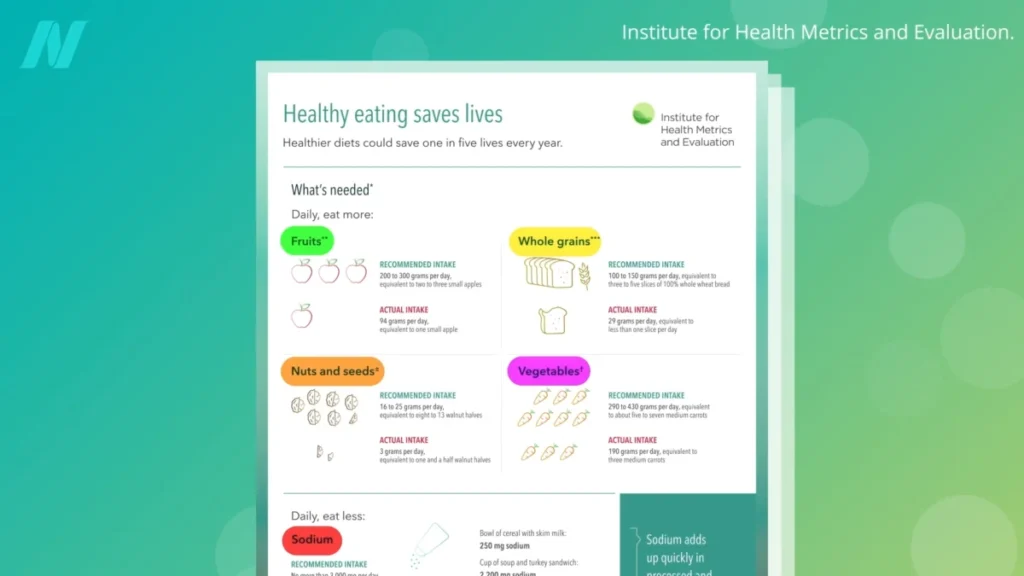
According to the largest study of risk factors for death in human history, the Global Burden of Disease (GBD) study, poor diet is the leading cause of death worldwide. The five most detrimental dietary factors contributing to this crisis are not necessarily the highly processed junk foods one might immediately suspect, but rather a combination of deficiencies and excesses: insufficient fruit intake, inadequate consumption of whole grains, a lack of vegetables, excessive salt, and notably, an insufficient intake of nuts and seeds.
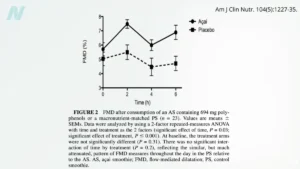
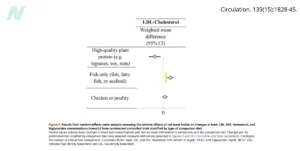
Nuts, in particular, have emerged as a cornerstone of a longevity-promoting diet. Clinical intervention trials have provided compelling evidence that regular nut consumption significantly improves arterial function, a crucial factor given that cardiovascular diseases remain among the leading causes of death globally. Beyond arterial health, the benefits of nuts extend to improving blood sugar control, lowering harmful cholesterol levels, suppressing systemic inflammation, reducing oxidative stress, and nurturing a healthy gut microbiome. These multifaceted advantages position nuts as a potent tool in the fight against chronic diseases.
However, the widely consumed peanut butter, a staple in many households, presents a confounding anomaly. While peanuts themselves—botanically legumes, but nutritionally similar to tree nuts—have demonstrated health benefits akin to their tree nut counterparts, studies evaluating peanut butter consumption have failed to establish a similar link to decreased mortality. This intriguing disconnect has propelled researchers to delve deeper into the nuances of food processing, dietary patterns, and the intricate ways our bodies interact with what we eat. The question remains: why do nuts protect against early death, but peanut butter seemingly does not?
Chronology: A Shifting Understanding of Dietary Fats and Nuts
The journey to understanding the health benefits of nuts and the potential pitfalls of processed foods has been a gradual evolution in nutritional science, marked by shifts in dietary recommendations and an increasing appreciation for whole foods.
For decades, dietary advice often focused on reducing overall fat intake, driven by concerns about heart disease and obesity. This era, particularly from the 1970s through the 1990s, sometimes painted all fats with the same broad brush, leading to a cautious approach towards fat-rich foods like nuts. However, as scientific methodologies advanced and large-scale prospective studies began to yield more robust data, a more nuanced understanding emerged.
The late 20th and early 21st centuries witnessed a paradigm shift, recognizing the critical distinction between different types of fats. Saturated and trans fats were increasingly linked to adverse health outcomes, while unsaturated fats, particularly monounsaturated and polyunsaturated fats abundant in nuts, olive oil, and avocados, were identified as protective. This realization began to elevate nuts from a calorie-dense food to a highly beneficial one.
By the early 2000s, numerous epidemiological studies and meta-analyses started consistently associating nut consumption with a reduced risk of cardiovascular disease, type 2 diabetes, and even certain cancers. The PREDIMED study (Prevención con Dieta Mediterránea), a landmark randomized controlled trial initiated in 2003, further cemented the role of nuts and olive oil within a Mediterranean diet in reducing major cardiovascular events.
It was against this backdrop of accumulating evidence for whole nuts that the specific examination of peanut butter gained prominence. The National Institutes of Health-AARP Diet and Health Study, launched in the mid-1990s, stands as one of the largest prospective health and diet studies in history, meticulously following over half a million individuals. This colossal undertaking provided an unprecedented opportunity to dissect long-term dietary patterns and their health consequences, including the differential effects of whole nuts versus peanut butter.
The findings from such extensive cohorts began to highlight the discrepancy: while the benefits of whole nuts were consistently observed, peanut butter’s impact on mortality remained elusive. This led to a deeper inquiry into the variables that could explain this divergence, from the inherent nutritional differences between tree nuts and peanuts to the industrial processing involved in creating peanut butter, and even the broader lifestyle choices of those who consume it. The chronology of this research illustrates a progression from general dietary guidelines to highly specific investigations, ultimately revealing the subtle yet significant impacts of food form on our health.
Supporting Data: Unpacking the Nutritional and Structural Differences
The core of the "nut vs. peanut butter" paradox lies in a combination of nutritional composition, processing methods, and the fundamental biological interaction with our digestive system.
The Nutritional Powerhouse of Whole Nuts
Whole nuts are nutritional powerhouses, rich in a symphony of compounds that confer their health benefits:
- Healthy Fats: Primarily monounsaturated and polyunsaturated fatty acids (MUFAs and PUFAs), including omega-3 and omega-6 fatty acids, which are crucial for heart health, reducing inflammation, and brain function.
- Fiber: A significant source of dietary fiber, both soluble and insoluble. Fiber aids digestion, promotes satiety, helps regulate blood sugar, and is vital for a healthy gut microbiome.
- Protein: A good source of plant-based protein, contributing to muscle repair, enzyme function, and overall satiety.
- Vitamins and Minerals: Packed with essential micronutrients such as Vitamin E (a potent antioxidant), magnesium (important for muscle and nerve function, blood sugar control, and blood pressure), potassium, zinc, selenium, and B vitamins.
- Antioxidants and Phytochemicals: Rich in polyphenols, flavonoids, and other bioactive compounds that combat oxidative stress and inflammation, protecting cells from damage.
These components collectively contribute to the observed benefits: improved endothelial function (the lining of blood vessels), reduced LDL ("bad") cholesterol, better glycemic control, and enhanced immune response.
Peanuts: A Legume with Nut-Like Qualities
While commonly grouped with nuts, peanuts are botanically legumes, belonging to the same family as beans and lentils. Despite this distinction, meta-analyses of numerous studies have confirmed that whole peanuts offer a similar spectrum of health benefits to tree nuts. They are rich in monounsaturated fats, protein, fiber, and various vitamins and minerals, including resveratrol (also found in red wine) and phytosterols, which contribute to their positive health profile. This evidence directly refutes the idea that the lack of benefit from peanut butter is solely due to peanuts not being "true" nuts. The issue, therefore, must lie elsewhere.
The Detriment of Processing: Added Ingredients
One of the most immediate suspects in the peanut butter conundrum is the processing involved in its production. Traditional, mass-produced peanut butter often contains a host of additives that can negate the inherent benefits of the peanuts themselves:
- Added Sugars: Many brands contain significant amounts of added sugars (e.g., high-fructose corn syrup, sucrose), contributing to excess calorie intake, increased risk of type 2 diabetes, and other metabolic issues. The NIH-AARP study did not control for sugar intake, suggesting this could be a major confounding factor, especially if peanut butter is often consumed with sugary jellies or in other sweet contexts.
- Excessive Salt: High sodium levels are a common additive, contributing to elevated blood pressure and increased risk of cardiovascular disease.
- Hydrogenated Oils/Trans Fats: To prevent oil separation and improve texture, some manufacturers add partially or fully hydrogenated oils. These can introduce unhealthy trans fats (though less common now due to regulations) or increase saturated fat content, both detrimental to heart health. While the article notes that "regular nuts are also often eaten with added oil, sugar, and salt," the degree and type of these additives in peanut butter, especially in cheaper or highly processed varieties, can be more pervasive and impactful.
Even if researchers controlled for overall dietary patterns, the quality of the peanut butter consumed could be a critical variable. "Natural" peanut butter, typically made with just peanuts and sometimes salt, represents a different nutritional profile than heavily processed versions.
The Crucial Role of Cellular Structure and Gut Health
Perhaps the most compelling explanation for the discrepancy lies in the physical form of the food: the intact cellular structure of whole nuts versus the pulverized, emulsified matrix of nut butters.
- Nutrient Bioavailability and Digestion: When we chew whole or chopped nuts, the process is incomplete. Many nut particles, even after thorough mastication, retain their cellular integrity. This means that some fats, proteins, and other nutrients remain "trapped" within the plant cell walls. While this might seem like a disadvantage for immediate absorption, it plays a vital role in gut health.
- Prebiotic Effect: These undigested or partially digested components, particularly the fiber and resistant starches encased within the cellular matrix, travel further down the digestive tract to the large intestine. Here, they act as prebiotics, serving as a food source for beneficial gut bacteria (our "friendly gut flora"). A thriving, diverse gut microbiome is increasingly linked to a myriad of health benefits, including improved immunity, reduced inflammation, better metabolic health, and even mood regulation.
- Satiety and Calorie Absorption: The intact cellular structure also influences satiety. The effort required to chew whole nuts, coupled with the slower release of nutrients, contributes to a greater feeling of fullness, potentially leading to lower overall calorie intake. Furthermore, the "trapped" nutrients mean that not all calories from whole nuts are fully absorbed by the body, effectively reducing their net caloric impact compared to an equivalent amount of nut butter where nutrients are more readily available.
- Missing in Butters: In contrast, when nuts are ground into a butter, their cellular walls are extensively ruptured. This process liberates fats and other nutrients, making them more readily available for digestion and absorption in the upper gastrointestinal tract. While this might seem efficient, it bypasses the prebiotic benefits of intact structures reaching the lower gut. The absence of this "bounty of prebiotic goodness" could be a key factor in why peanut butter doesn’t confer the same longevity benefits. This hypothesis even raises the intriguing question of whether there would be a difference between chunky and smooth peanut butter, with chunky potentially retaining some minimal structural advantages.
In essence, the transformation from a whole food to a processed paste fundamentally alters how our bodies interact with the food, impacting everything from nutrient absorption to the intricate ecosystem of our gut microbiome.
Official Responses and Expert Commentary: A Unified Message for Whole Foods
Major health organizations and nutritional experts largely concur on the importance of whole, minimally processed foods in a healthy diet. The findings regarding nuts and peanut butter align perfectly with this overarching philosophy.
The American Heart Association (AHA), for instance, recommends nuts as part of a heart-healthy diet, specifically highlighting their unsaturated fats, fiber, and other beneficial compounds. They generally advise choosing unsalted, raw, or dry-roasted nuts and caution against excessive intake of processed foods high in added sugar, salt, and unhealthy fats—a category into which many commercial peanut butters unfortunately fall.
The World Health Organization (WHO) and various national dietary guidelines around the globe consistently advocate for diets rich in fruits, vegetables, whole grains, legumes, and nuts, while simultaneously recommending a reduction in free sugars, saturated fats, and sodium. The discrepancy observed between nuts and peanut butter serves as a powerful illustration of the principles underlying these recommendations: the form in which food is consumed matters significantly.
Dr. Michael Greger, the founder of NutritionFacts.org and author of "How Not to Diet," whose work is referenced in the original article, is a prominent advocate for whole, plant-based foods. His emphasis on the importance of intact cellular structure and the prebiotic benefits for gut flora reflects a growing consensus among forward-thinking nutritionists. He often highlights that the closer a food is to its natural state, the more beneficial it tends to be.
The long-standing myth that nuts lead to weight gain due to their high-calorie content has also been largely debunked by scientific consensus. As noted in the reference to "Nuts and Obesity: The Weight of Evidence," studies show that regular nut consumption is not associated with weight gain and may even aid in weight management, partly due to their satiety-inducing fiber and protein, and the reduced absorption of calories from their intact cellular structure. This further reinforces the recommendation for incorporating whole nuts into daily diets without fear of adverse effects on body weight.
In summary, the scientific community’s "official response" to the nut-peanut butter paradox is not one of confusion, but rather a validation of established dietary principles: prioritize whole foods, be mindful of processing and additives, and recognize that the sum of a food’s parts, and how those parts are presented, can drastically alter its health impact.
Implications: Practical Guidance for Longevity and Public Health
The findings from the NIH-AARP study and subsequent analyses carry significant implications for individual dietary choices and broader public health strategies.
Practical Advice for Individuals:
- Prioritize Whole Nuts: To maximize the longevity benefits, individuals should aim to consume whole nuts. The recommendation is to eat nuts (preferably raw, unsalted, and whole or chopped) at least three times a week. Walnuts, in particular, have been highlighted for their exceptional benefits, including improved artery function.
- Choose "Natural" Peanut Butter Wisely: If peanut butter is a staple, opt for varieties that contain only one or two ingredients: peanuts, and perhaps a touch of salt. Avoid those with added sugars, hydrogenated oils, or excessive sodium. Even then, it’s important to understand that while healthier, these still lack the intact cellular structure of whole nuts and may not confer the same longevity benefits.
- Mind Your Pairings: Be conscious of what you eat with peanut butter. Combining it with sugary jellies or white bread diminishes any potential health benefits and contributes to unhealthy dietary patterns.
- Diversify Your Nut Intake: Incorporate a variety of nuts into your diet (almonds, cashews, pistachios, pecans, hazelnuts) to benefit from a broader spectrum of nutrients.
- Focus on Overall Diet Quality: Remember that nuts are just one component of a healthy diet. Their benefits are maximized when consumed as part of an overall eating pattern rich in fruits, vegetables, whole grains, and other plant-based foods, and low in processed meats, refined sugars, and excessive sodium.
Broader Public Health Implications:
- Dietary Education: There is a critical need for enhanced public education campaigns that highlight the nuances of food processing and its impact on health. Consumers often perceive all forms of a food (e.g., whole fruit vs. fruit juice, whole nuts vs. nut butter) as equally healthy, which is often not the case.
- Food Industry Reform: Policymakers and consumer advocacy groups should continue to pressure the food industry to reduce unnecessary additives like excessive sugar, salt, and unhealthy fats in processed foods, including common staples like peanut butter. Clearer labeling and stricter standards for "natural" or "healthy" claims are also crucial.
- Emphasis on Whole Foods: Public health messages should consistently reinforce the importance of consuming foods in their most natural, unprocessed state. This includes promoting home cooking and providing accessible, affordable options for fresh produce, whole grains, and nuts.
- Further Research: Continued research, potentially including intervention trials comparing the long-term effects of whole nuts versus natural nut butters, or even chunky versus smooth varieties, could provide even more granular insights. Studies exploring the precise mechanisms by which intact cellular structure influences gut health and nutrient absorption would also be valuable.
The revelation that whole nuts promote longevity while peanut butter does not serves as a powerful reminder that our diet is not merely about consuming specific nutrients, but about the intricate interplay of food form, processing, and the holistic impact on our physiology. By making informed choices, prioritizing whole, unprocessed foods, and understanding the subtle distinctions, individuals can significantly enhance their chances of living a longer, healthier life. The ultimate message is clear: when it comes to dietary health, the devil, or in this case, the longevity, is often in the details of how our food reaches our plate.