The New Standard for Family Treats: Why "Cookie Dough Bark" is Taking Over Home Kitchens
In the landscape of modern parenting and culinary trends, the intersection of convenience, nutrition, and "kid-appeal" is a difficult nexus to navigate. However, a new trend in the dessert world has managed to capture this elusive balance: the rise of "Cookie Dough Bark." This frozen, protein-forward, and lower-sugar alternative to traditional sweets is quickly becoming a staple in households across the country. By utilizing just five core ingredients, home cooks are discovering that they can provide a nostalgic, indulgent experience without the common pitfalls of highly processed, store-bought snacks.
The Core Facts: A Nutritional Evolution
At its essence, Cookie Dough Bark is a refined approach to the classic cookie dough cravings that many adults and children share. Traditional cookie doughs—even the edible variety—are often high in refined sugars and lack significant nutritional value. This new iteration, however, shifts the paradigm by utilizing a base of almond flour and nut or seed butter.
The recipe’s primary nutritional strength lies in its macronutrient profile. By incorporating fiber-rich almond flour and protein-dense peanut butter (or sunbutter for nut-free households), the bark offers a satiety factor that standard sugary treats simply cannot match. With approximately 4 grams of protein and 2 grams of fiber per serving, it serves as a functional snack rather than just an empty-calorie dessert. Furthermore, by allowing the home chef to control the level of sweeteners—such as honey or maple syrup—and the quality of the chocolate, it addresses the growing parental concern regarding excessive added sugars in children’s diets.
The Chronology of the No-Bake Movement
The popularity of this dish did not emerge in a vacuum. It is the latest evolution in the "no-bake" movement that has been gaining momentum since the early 2020s.
- Phase 1: The Rise of Energy Balls. Initially, the trend began with "bliss balls" or energy bites, which focused on dates, oats, and nut butters. While successful, they were often labor-intensive to roll and portion.
- Phase 2: The Sheet Pan Revolution. As families looked for ways to save time, the "bark" format emerged. Similar to frozen yogurt bark, this method allowed for a "spread, freeze, and crack" technique that reduced active prep time to under ten minutes.
- Phase 3: The Cookie Dough Integration. The most recent chapter involves the synthesis of the cookie dough flavor profile—traditionally associated with forbidden raw ingredients—with the efficiency of the sheet pan bark. By removing the need for eggs and heat-treated flour, the process became accessible, safe for toddlers, and shelf-stable in the freezer.
Supporting Data: Why It Works
When examining the chemical and logistical success of this recipe, it becomes clear why it has gained such rapid traction. The combination of healthy fats (from nut butter) and the freezing process creates a "fudge-like" texture that remains pliable enough to bite into but firm enough to hold its shape at room temperature for short periods.
According to nutritional data analysis of a standard batch, each 16-portion serving contains roughly 148 calories. This density is ideal for growing children, providing sustained energy rather than the rapid glucose spike associated with traditional cookies. The absence of processed fillers also means that the recipe is inherently gluten-free, provided the source of the flour is verified.
Furthermore, the "optional" nature of the chocolate topping allows for a spectrum of indulgence. For a lighter, breakfast-adjacent snack, the chocolate can be omitted or replaced with cacao nibs. For a celebratory dessert, a layer of high-quality dark chocolate provides the necessary antioxidants and flavor depth to satisfy even the most discerning palate.
Official Perspectives and Dietary Implications
Nutritionists and family feeding specialists have increasingly turned their attention to how recipes like this impact the "food relationship" in children. The core philosophy here is "de-stigmatizing" dessert. By creating a version of a treat that contains protein and fiber, parents can serve it without the guilt or the "treat-as-a-reward" dynamic.
"The goal is to move away from the binary of ‘healthy’ vs. ‘unhealthy’ foods," says one culinary consultant. "When a child can have something that tastes like a ‘forbidden’ treat—like cookie dough—but contains ingredients that actually support their growth, it shifts the entire conversation around nutrition."
The implications for household management are also significant. Because the bark is stored in the freezer and has a shelf life of up to three months, it serves as an "emergency" snack. This reduces the reliance on impulsive trips to the store for processed snacks, which often contain artificial preservatives and dyes.
Practical Implementation: A Guide to Success
For those looking to integrate this into their weekly meal prep, the process is deceptively simple.
The Essential Steps
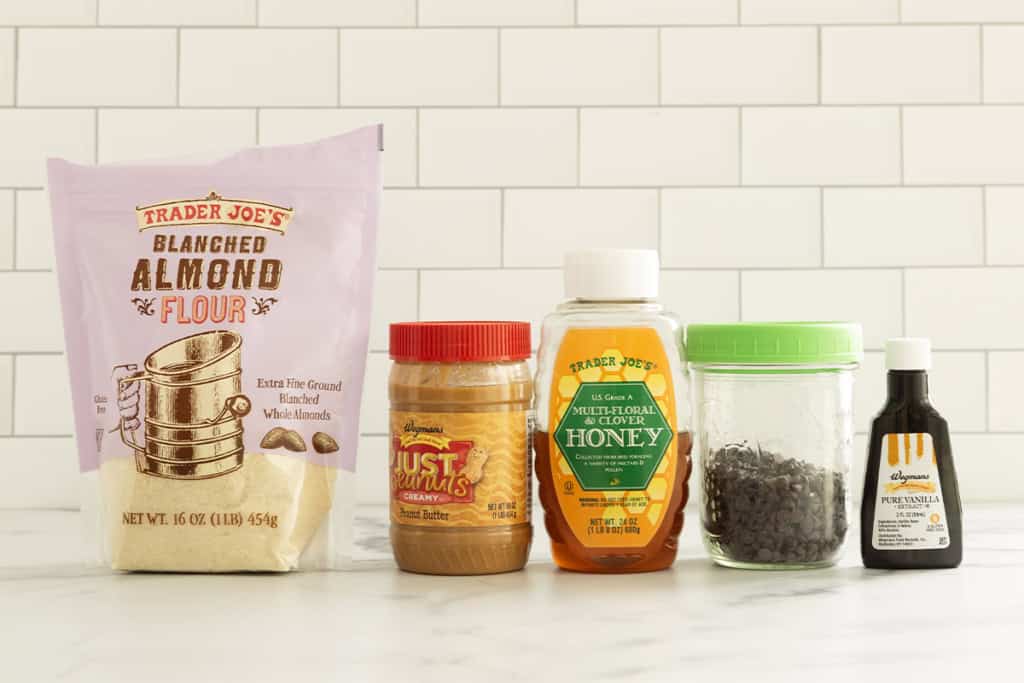
- The Base Formulation: Combine your almond flour, nut butter, and sweetener in a medium bowl. The texture should resemble a thick, workable dough.
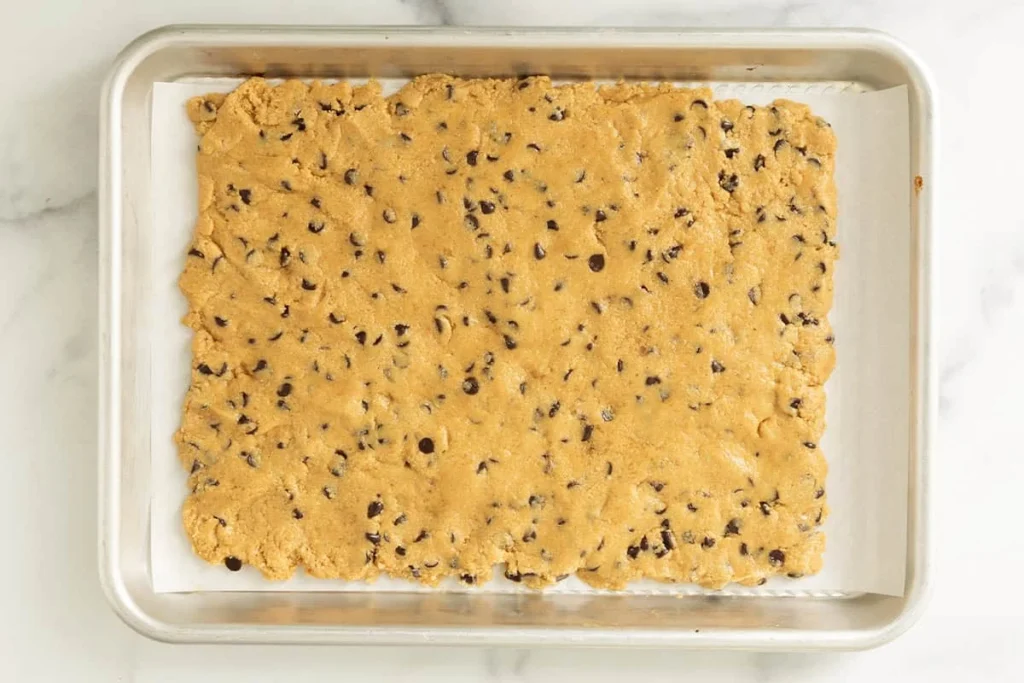
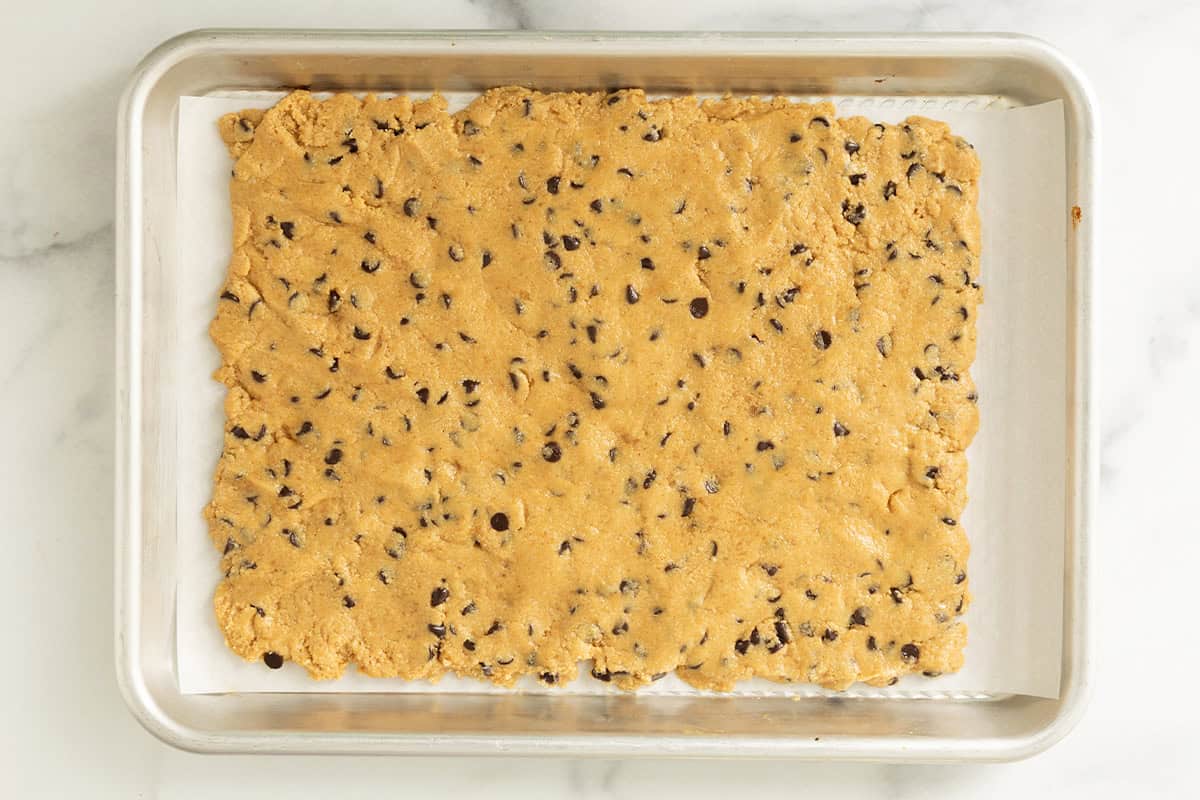
- The Press: Line a baking sheet with parchment paper. Transfer the dough and press it firmly into an even layer. The thickness of this layer will determine the "snap" of the bark once frozen.
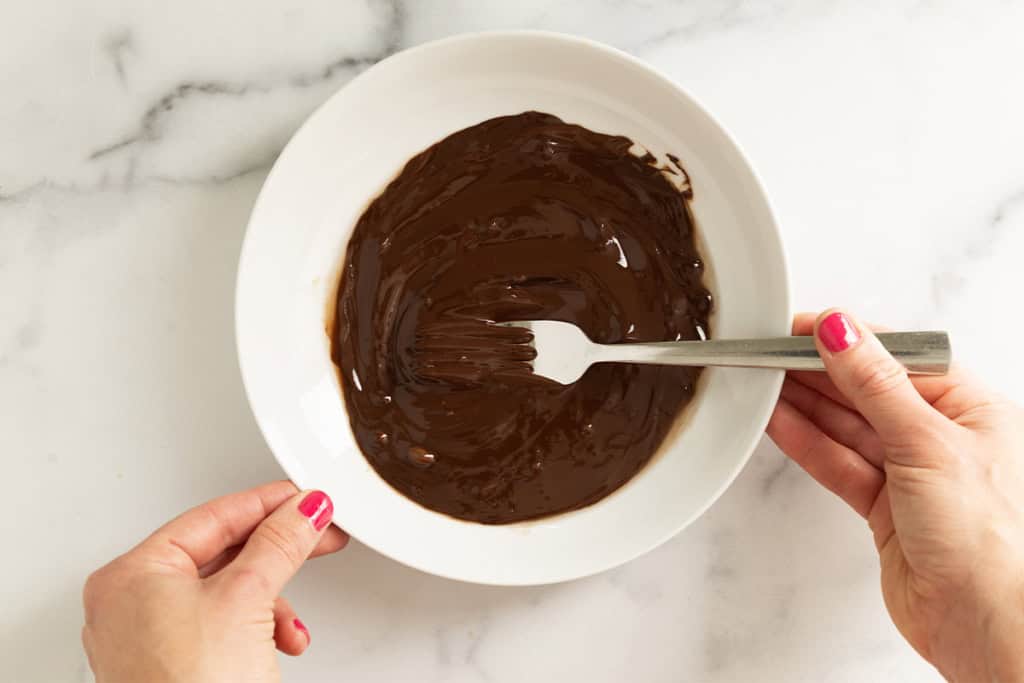
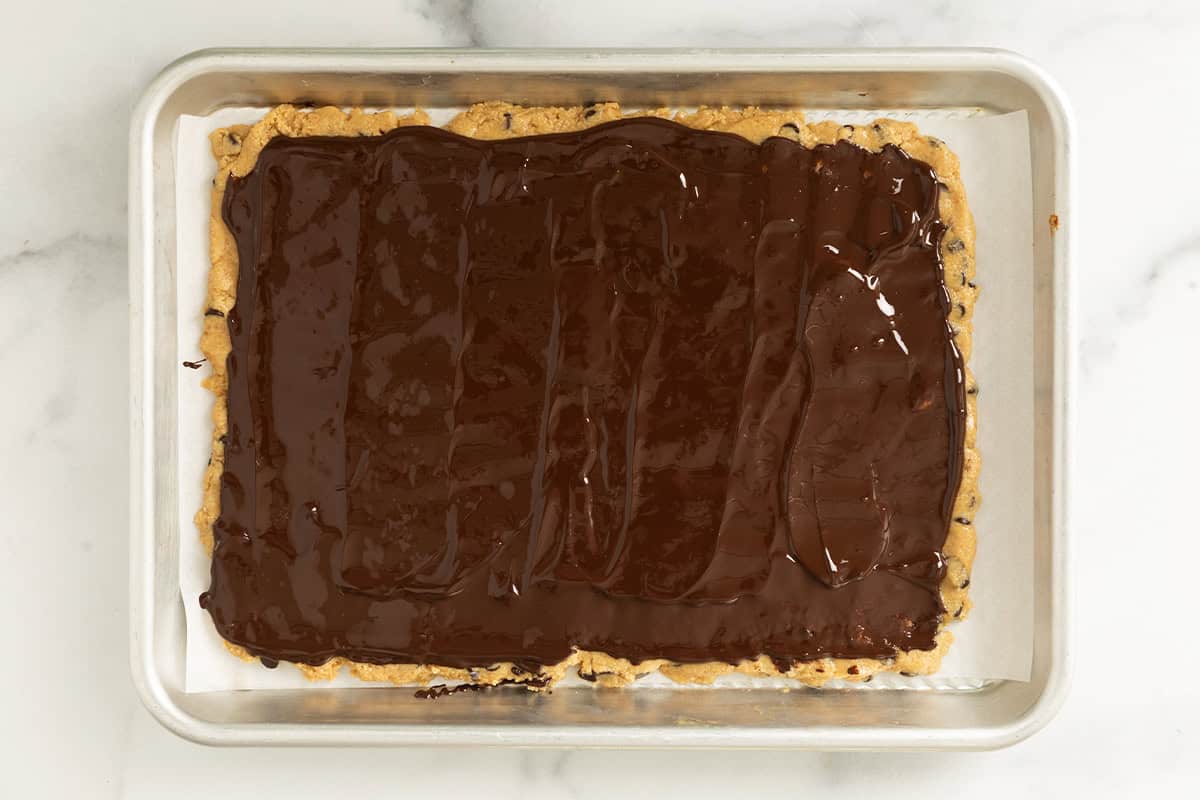
- The Coating: Melt your chocolate chips with a small amount of coconut oil. This addition is crucial; the coconut oil helps the chocolate set to a "snap" consistency rather than a hard, brittle one that shatters aggressively.
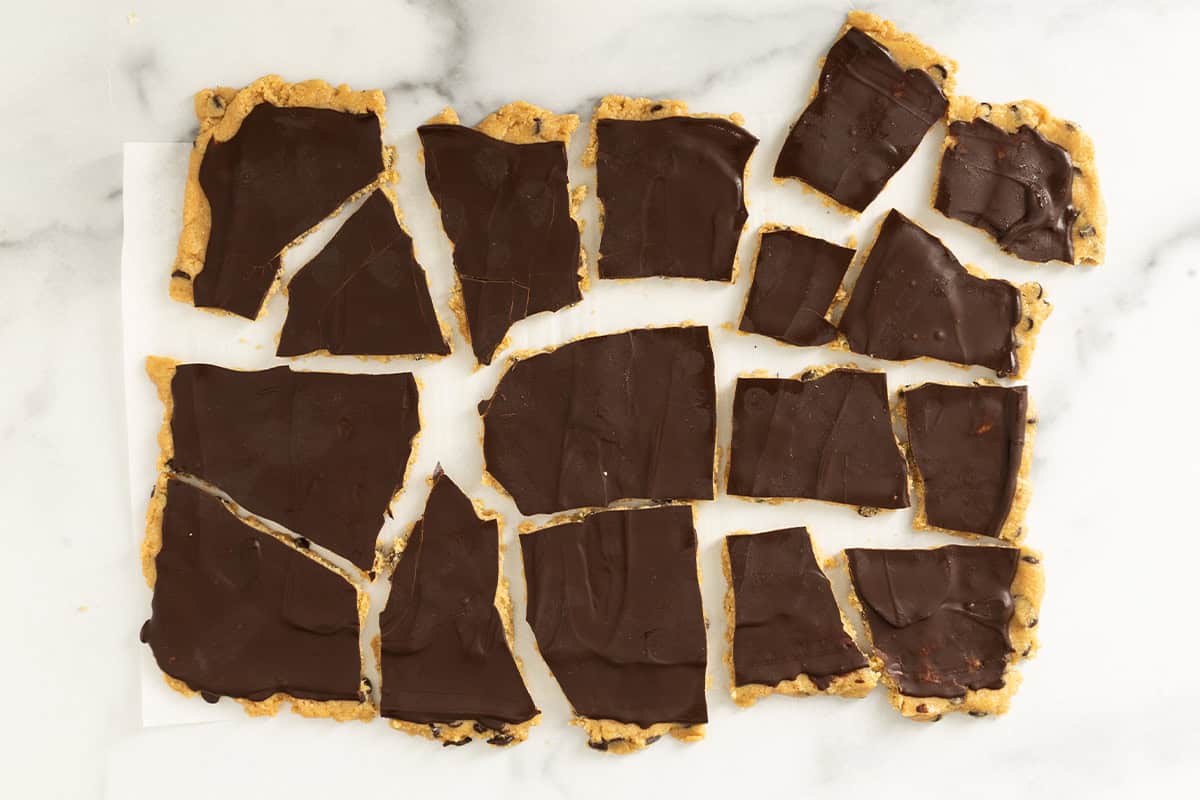
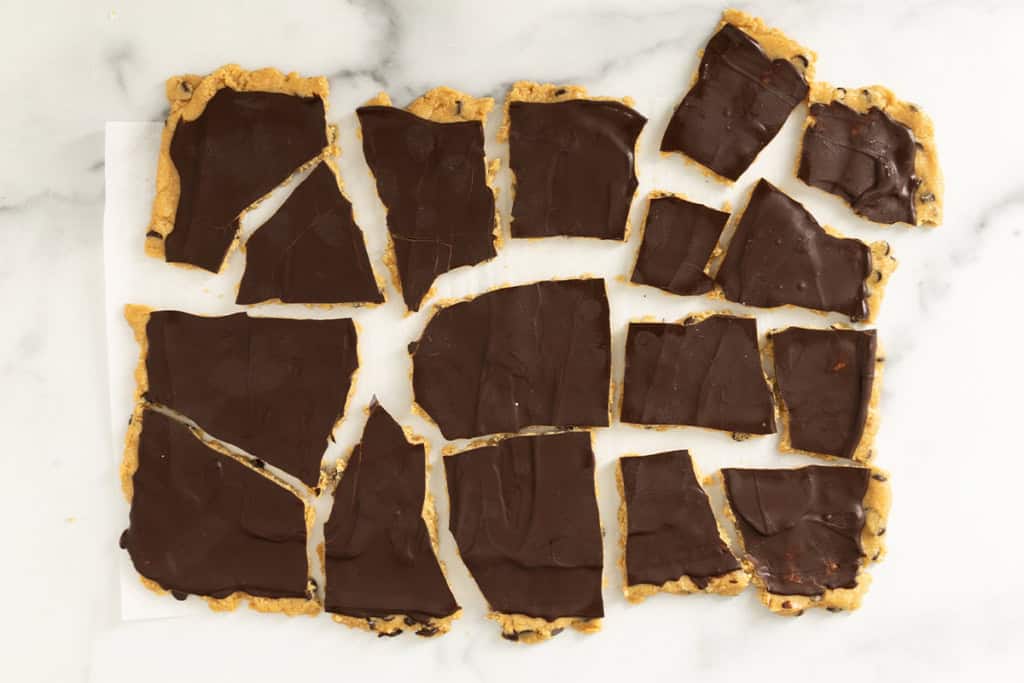
- The Freeze: A minimum of one hour in the freezer is required. Once solid, use a knife or simply your hands to break the sheet into irregular, rustic pieces.
Pro-Tips for Customization
- Nut-Free Adaptations: For schools or playgroups with nut allergies, sunflower seed butter is the industry-standard substitute. It offers a remarkably similar mouthfeel and color.
- Sugar Reduction: If you are looking to further minimize the glycemic impact, you can omit the chocolate topping and instead use a sprinkle of hemp hearts or shredded coconut on top of the dough.
- Storage Strategy: Always store in a heavy-duty, airtight zip-top bag. Because the bark is high in natural fats, it can absorb odors from other items in the freezer if not sealed properly.
Broader Implications: The Future of Home Snacking
As we look toward the future of home cooking, the success of the Cookie Dough Bark suggests that the modern family is looking for "stealth health." We no longer have the time to bake complex, time-consuming desserts, nor do we want the nutritional fallout of store-bought snacks.
The movement toward recipes like this is indicative of a larger cultural shift: we are prioritizing efficiency without compromising on the sensory joy of eating. Whether it is a quick bite for a toddler after school, or a late-night treat for a parent after a long day, the Cookie Dough Bark provides a solution that is as emotionally satisfying as it is physiologically beneficial.
By mastering these five basic ingredients, home cooks are not just making a dessert; they are reclaiming the pantry. They are demonstrating that with a bit of planning and the right ingredients, the "treats" we feed our families can be just as nourishing as the meals themselves. As this recipe continues to circulate in online forums and family kitchens, it stands as a testament to the fact that when we simplify, we often end up with something much better than what we started with.