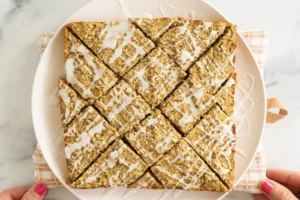
The Rise of the Homemade Breakfast: A Deep Dive into Gluten-Free Oat Bars
In the evolving landscape of modern dietary needs, the quest for a gluten-free breakfast that satisfies the palate without sacrificing convenience remains a significant hurdle. For many families, the struggle to find store-bought, gluten-free options that are both nutritious and kid-friendly is an ongoing battle. Enter the artisanal, homemade gluten-free breakfast bar: a solution that balances the nostalgic, chewy comfort of brown sugar and cinnamon oatmeal with the structural integrity required for a busy morning commute.
These bars represent a shift in home baking, moving away from the overly crunchy, nut-heavy profiles of commercial granola bars toward a softer, more satiating experience. By utilizing a deliberate combination of oat flour and rolled oats, these bars capture the essence of a classic oatmeal bowl, re-engineered for portability.
Main Facts: The Anatomy of a Perfect Breakfast Bar
The primary appeal of this recipe lies in its texture and flavor profile. Unlike traditional granola bars, which often rely on sticky binders and excessive sugar to maintain their shape, this recipe focuses on a "thick, chewy" crumb.

The structural success of the bar is predicated on three pillars:
- The Oat Foundation: A mix of oat flour for a smooth, cohesive base and rolled oats for the necessary chew.
- The Binding Strategy: The use of eggs and honey ensures the bars remain sturdy, avoiding the crumble that plagues many gluten-free baked goods.
- Controlled Temperature Baking: By baking at a lower temperature (325°F), the bars remain pale and tender, preventing the hardened, overly-baked edges that occur at higher heat.
These bars are not merely a snack; they are a purposeful breakfast item designed to be shelf-stable for three days or frozen for up to three months, making them an ideal candidate for meal prep.
Chronology: The Evolution of the Recipe
The journey to developing a reliable gluten-free bar requires a precise understanding of ingredient behavior. The development of this recipe followed a specific, iterative process:
Phase 1: Dry Ingredient Integration
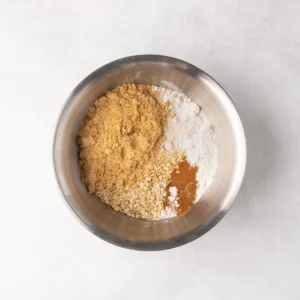
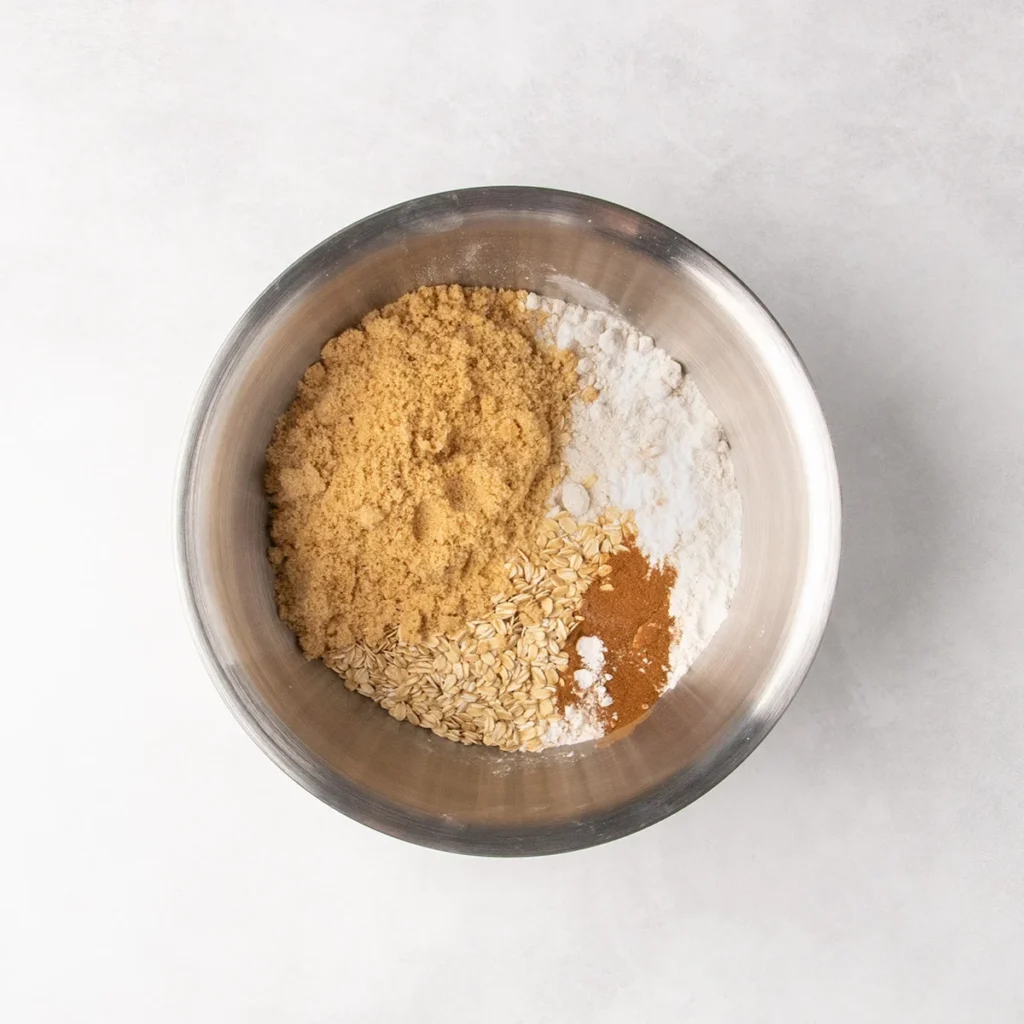
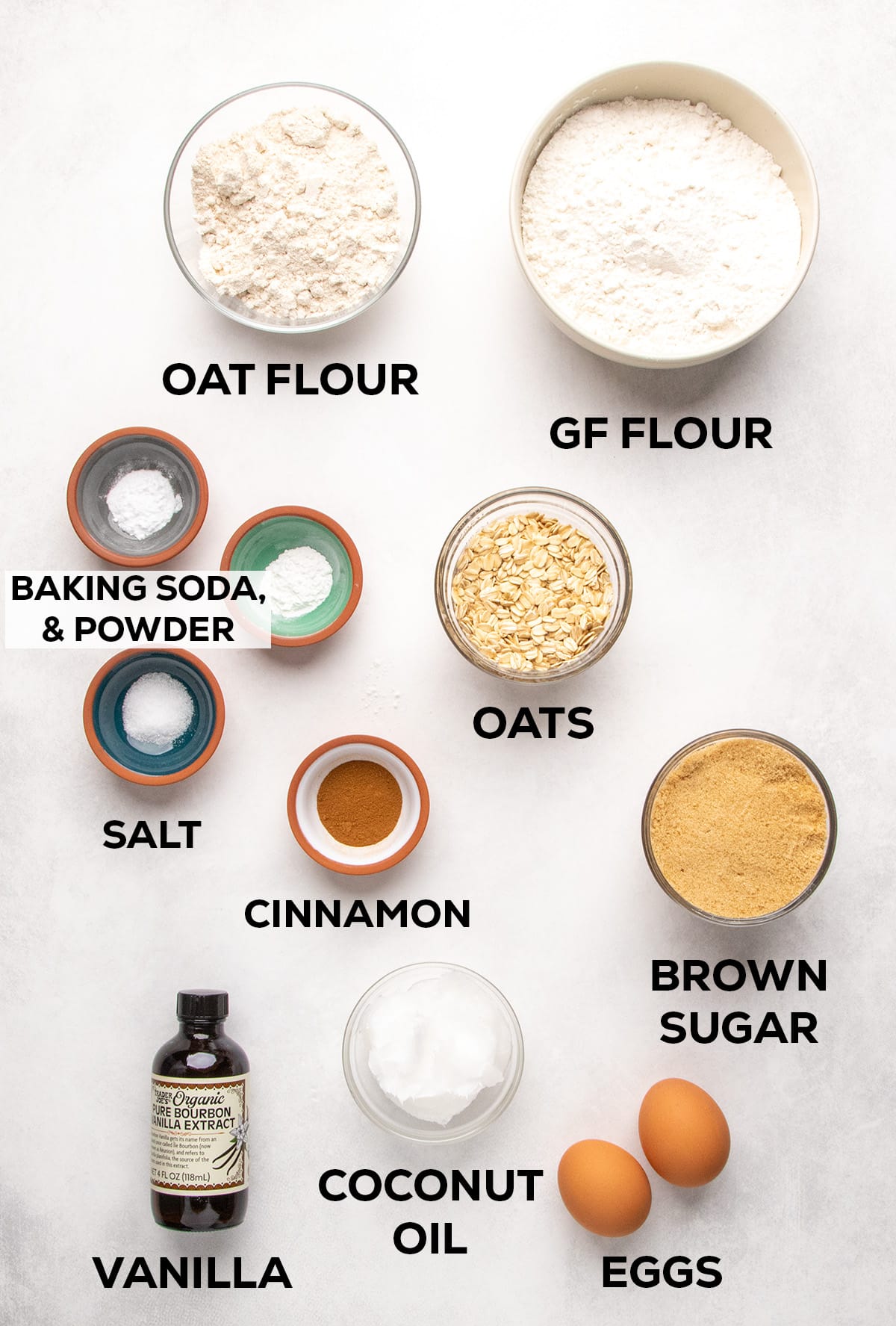
The process begins with the careful whisking of dry ingredients—gluten-free flour (with xanthan gum), oat flour, leaveners, salt, and cinnamon. This step is critical; it ensures that the leavening agents are evenly distributed, preventing the bitter metallic aftertaste that can occur if baking powder clumps. The brown sugar is broken down by hand to ensure no moisture-induced clumps survive, which would otherwise lead to uneven baking.
Phase 2: The Wet-Dry Marriage
The introduction of wet ingredients—beaten eggs, melted coconut oil, and vanilla extract—marks the transition from powder to dough. The moisture level here is kept intentionally low. Because the dough is not meant to be a loose batter, it requires a "squeezing" test to ensure cohesion.
Phase 3: The Architectural Roll
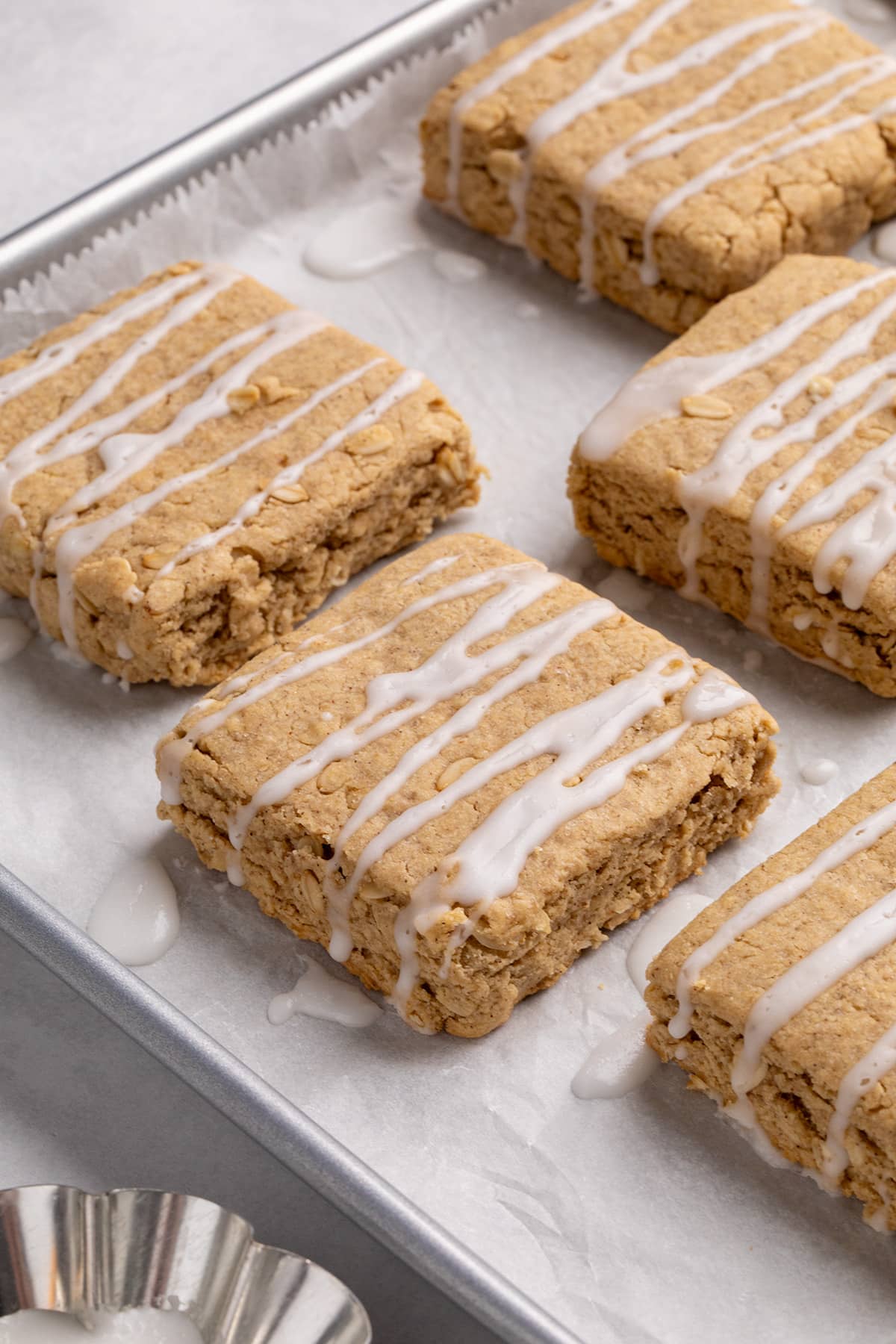
Unlike many bars that are baked in a large pan and sliced post-bake, this recipe employs a rolling technique. The dough is pressed into a square and rolled to a consistent 3/4-inch thickness. By using a bench scraper to sharpen the edges into "walls," the baker encourages the dough to rise vertically rather than spreading horizontally.
Phase 4: The Bake
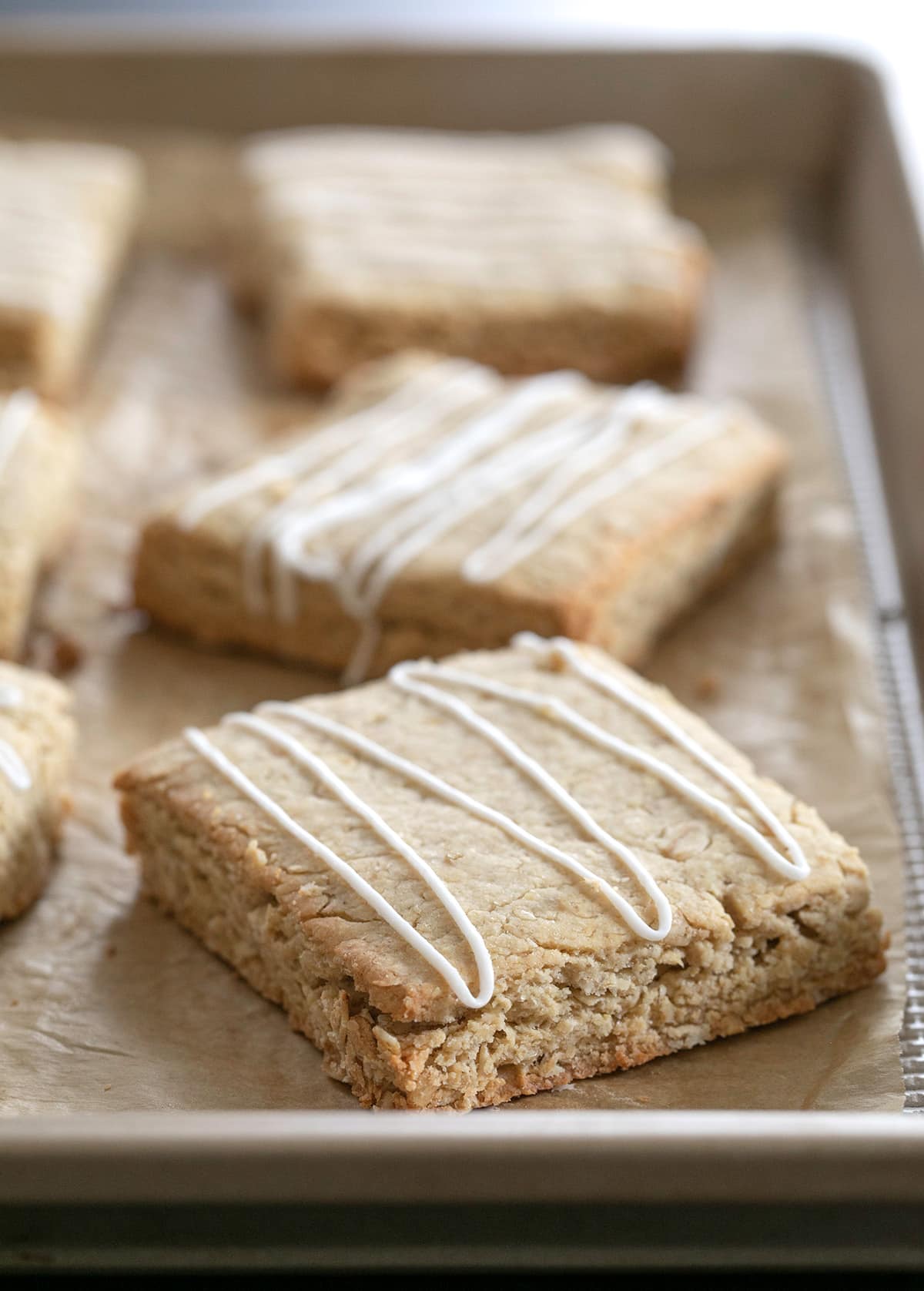
A final, short bake of 12 to 14 minutes at 325°F completes the process. This specific duration and heat level prevent the sugars from caramelizing into a hard crunch, maintaining the soft, chewy integrity of the oat structure.
Supporting Data: Ingredient Composition and Substitutions
For the home cook, the versatility of these bars is a significant advantage. The following data outlines the core components and the flexibility offered for those with additional dietary restrictions.
| Component | Function | Potential Substitutions |
|---|---|---|
| Fat | Texture and preservation | Refined coconut oil (standard), shortening, or melted butter (note: drier result). |
| Binder | Structural integrity | Eggs (standard), "Chia eggs," or commercial egg replacers (e.g., Just Egg). |
| Oats | Flavor and texture | Quinoa flakes (for flour) or rolled buckwheat (for texture). |
The Gluten-Free Flour Factor
The efficacy of the recipe is highly dependent on the flour blend. The use of "Better Batter" or a high-quality "1-to-1" blend is recommended. For blends lacking sufficient binder, adding 1/4 teaspoon of xanthan gum is the industry-standard "fix" to prevent the bars from falling apart.
Official Expert Perspectives: Tips for Success
Culinary experts emphasize that while the recipe is straightforward, the "human factor" in handling the dough is where most errors occur.
- The Moisture Trap: The most common mistake is over-hydrating the dough. If the mixture appears dry, water should be introduced sparingly—by the teaspoon—only to specific dry patches. Excess liquid is the primary cause of spreading and loss of structural integrity.
- The Temperature of Fats: The use of solid, refined coconut oil is paramount. Unlike liquid oils, refined coconut oil returns to a solid state as the bars cool, providing the "bite" and structural stability that prevents the bars from becoming oily or greasy.
- The Sharp Edge Technique: The use of a bench scraper is not aesthetic; it is structural. By creating clean, vertical edges, the heat penetrates more evenly, allowing for a uniform rise.
Implications: The Future of Home-Baked Convenience
The rise in popularity of these specific breakfast bars signals a broader trend in consumer behavior. As families become more aware of the quality of their ingredients, they are turning away from the high-sugar, highly processed bars found in the center aisles of grocery stores.
Nutritional Considerations
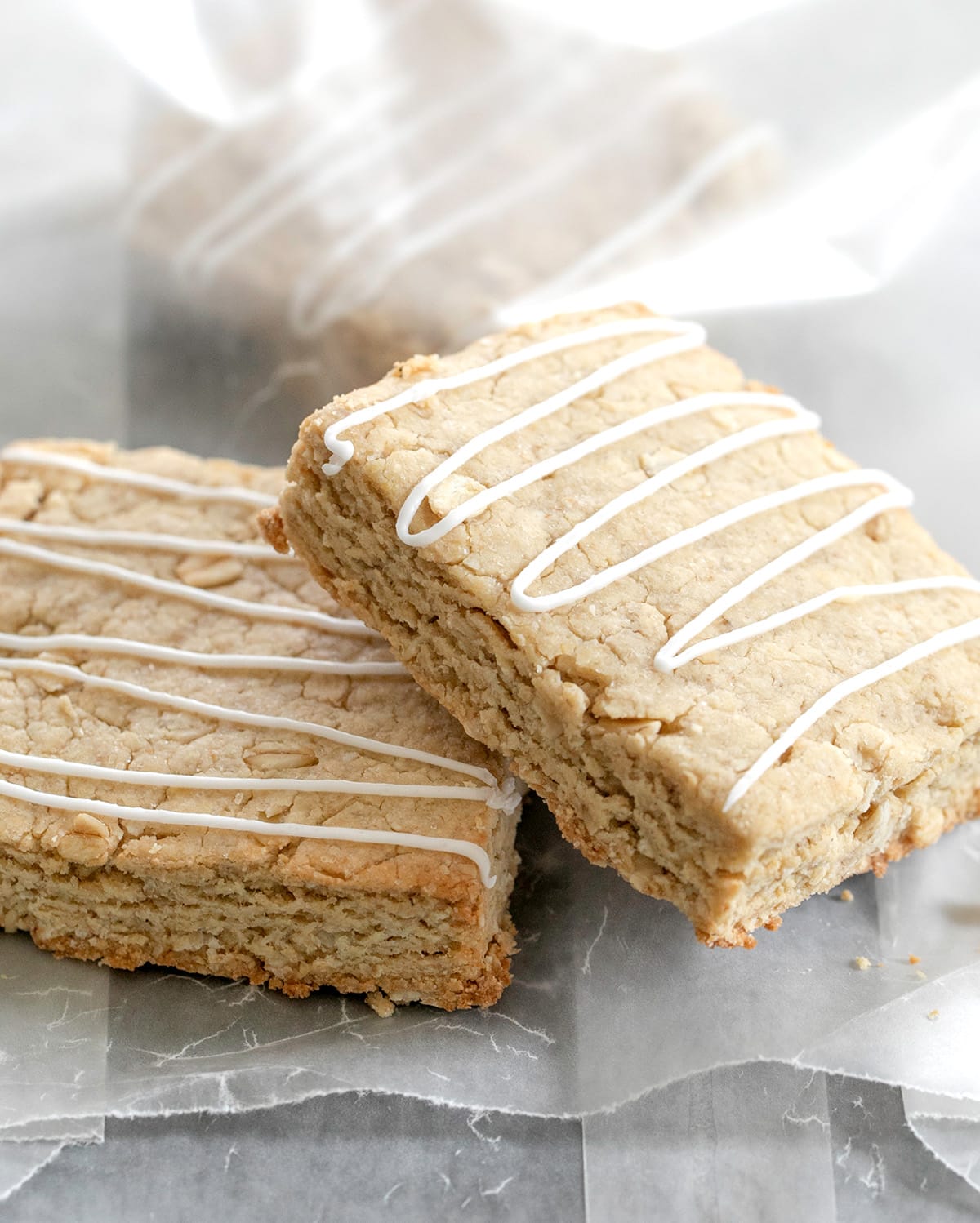
With approximately 369 kcal per serving, these bars are designed as a substantial meal-replacement item. They offer a moderate balance of protein (5g) and fiber (3g), which—when paired with a piece of fruit or a protein-rich beverage—provides a stable glycemic response for a busy morning.
Economic and Dietary Accessibility
The move toward homemade bars also addresses the "gluten-free tax," where store-bought specialty items command a premium price. By sourcing bulk oat flour and rolled oats, the cost-per-serving of these bars is significantly lower than retail options. Furthermore, the ability to substitute coconut oil for butter and eggs for seeds makes this a highly inclusive recipe for households navigating multiple allergies, including dairy and egg sensitivities.
Sustainability and Storage
The storage instructions—freezing individual bars for up to three months—reflect a modern, efficient approach to meal planning. By moving away from the "daily baking" model, these bars support the hectic schedules of modern families while ensuring that the "gluten-free" label does not mean a sacrifice in flavor or enjoyment.
In conclusion, these gluten-free breakfast bars serve as a template for what the future of home baking looks like: functional, transparent, and undeniably delicious. By combining the simplicity of pantry staples with the precision of proper baking technique, the humble oat is elevated into a reliable, transportable breakfast solution that proves that "good for gluten-free" is no longer a limitation, but a standard of excellence.