The Rise of the Watermelon Fry: A Culinary Innovation for Health-Conscious Families
In the ever-evolving landscape of childhood nutrition and creative home cooking, few trends have captured the imagination—and the appetites—of families quite like the "Watermelon Fry." What began as a simple, playful way to encourage children to consume more fruit has blossomed into a viral culinary phenomenon. By utilizing a crinkle cutter to transform the humble, spherical watermelon into familiar, dippable sticks, parents are successfully turning snack time into an interactive experience. This article explores the mechanics, nutritional implications, and cultural impact of this vibrant summer trend.
Main Facts: The Anatomy of a Watermelon Fry
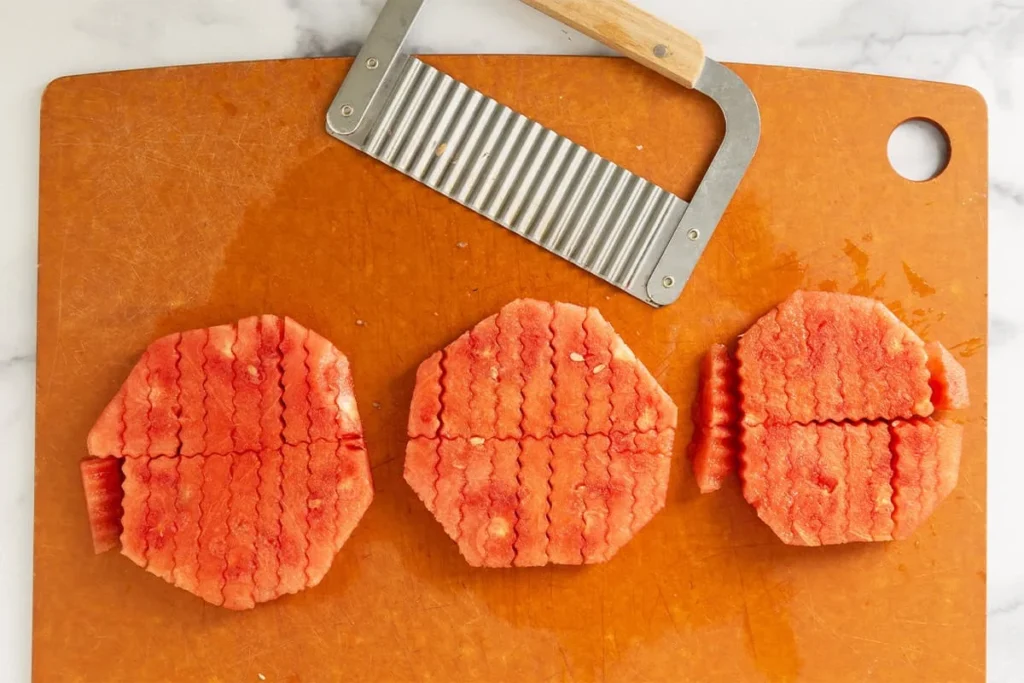
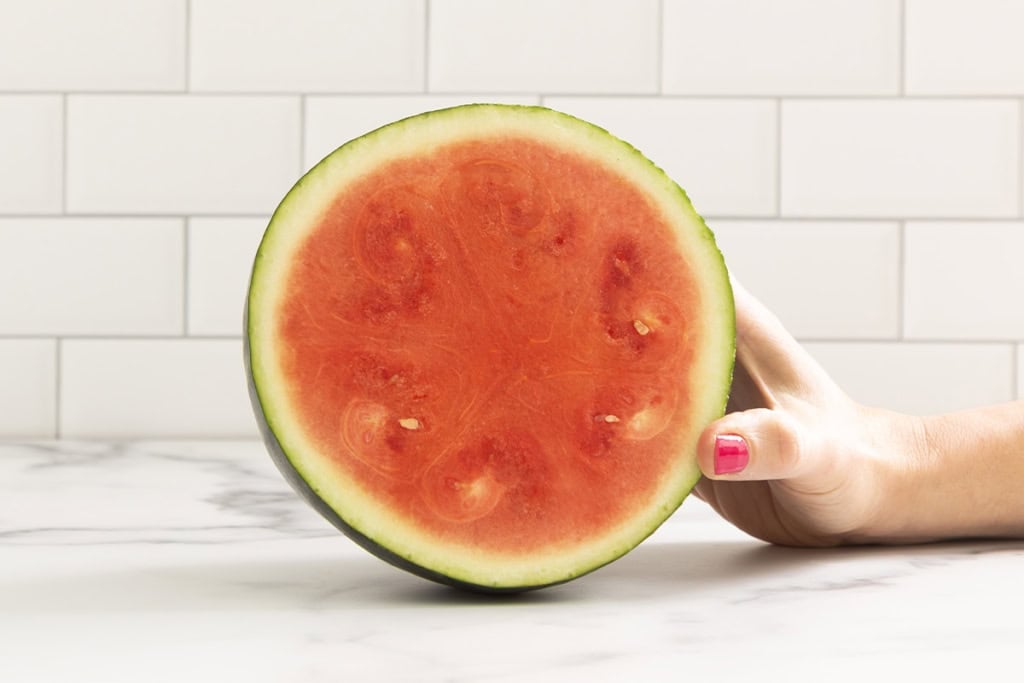
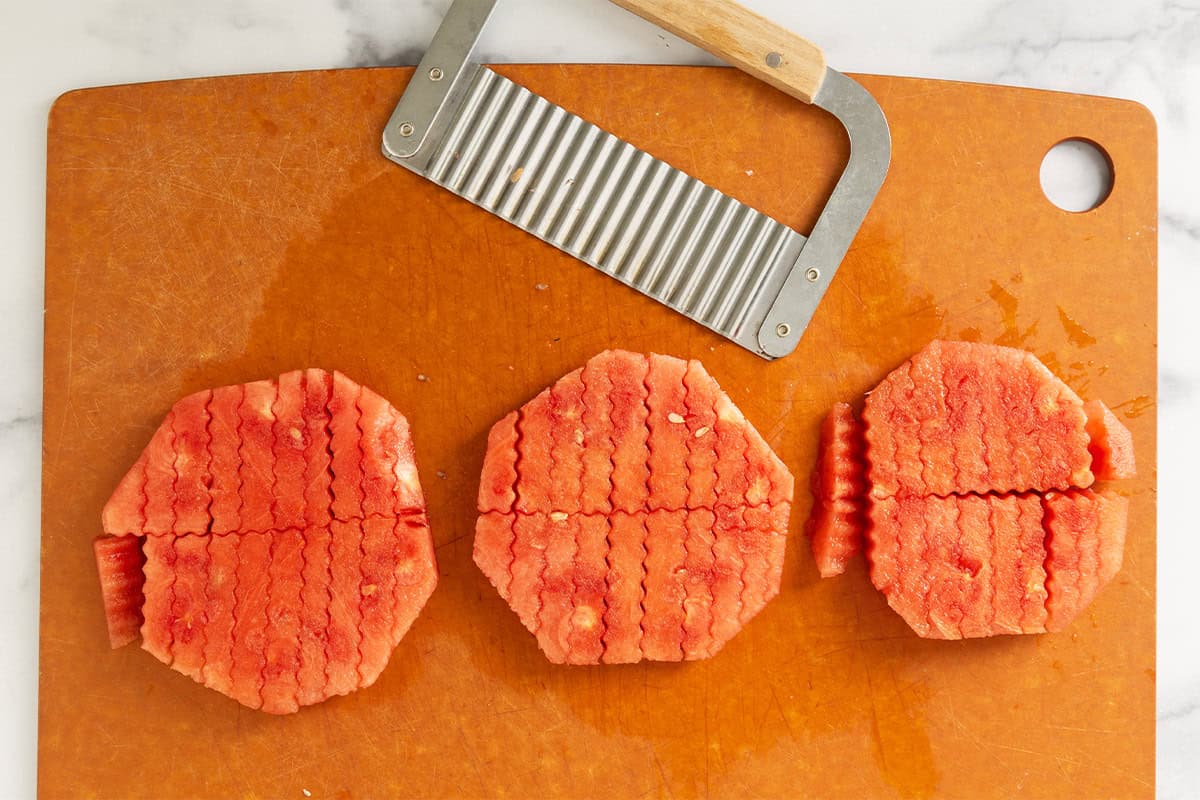
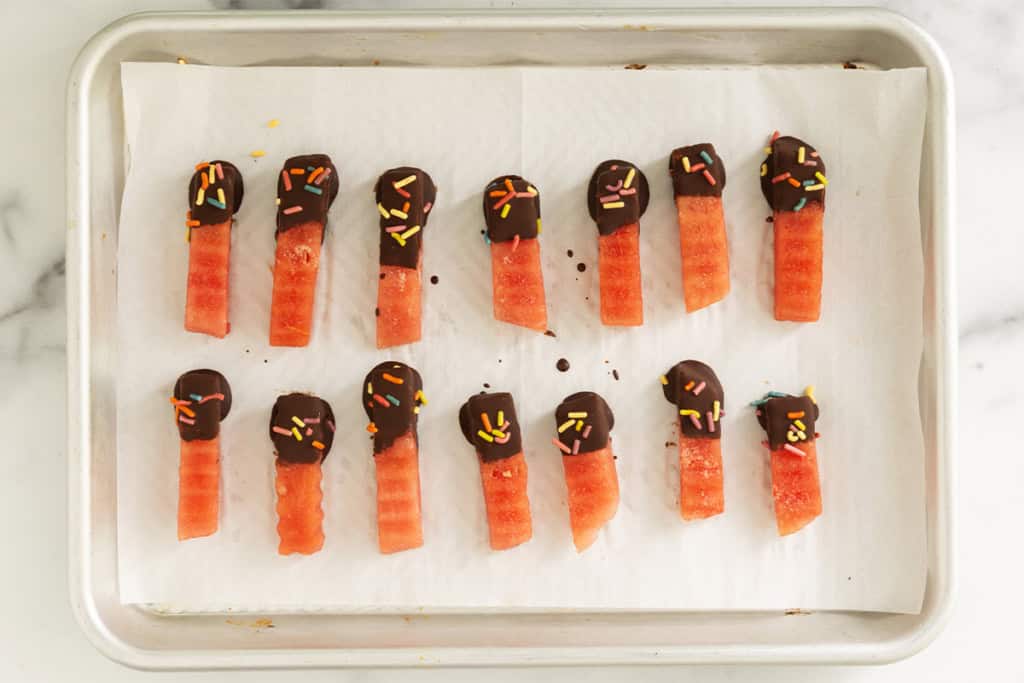
At its core, the Watermelon Fry is a masterpiece of simplicity. It requires only one primary ingredient—a fresh, ripe watermelon—and a singular kitchen tool: a zig-zag slicer, commonly referred to as a crinkle cutter.
The process involves slicing the fruit into long, uniform batons that mimic the visual appearance of traditional potato French fries. This visual mimicry is intentional; child psychologists and nutritionists often point to "food play" as a critical component in overcoming sensory aversions in picky eaters. By presenting fruit in a shape associated with fun, handheld snacks, the barrier to entry for hesitant children is significantly lowered.
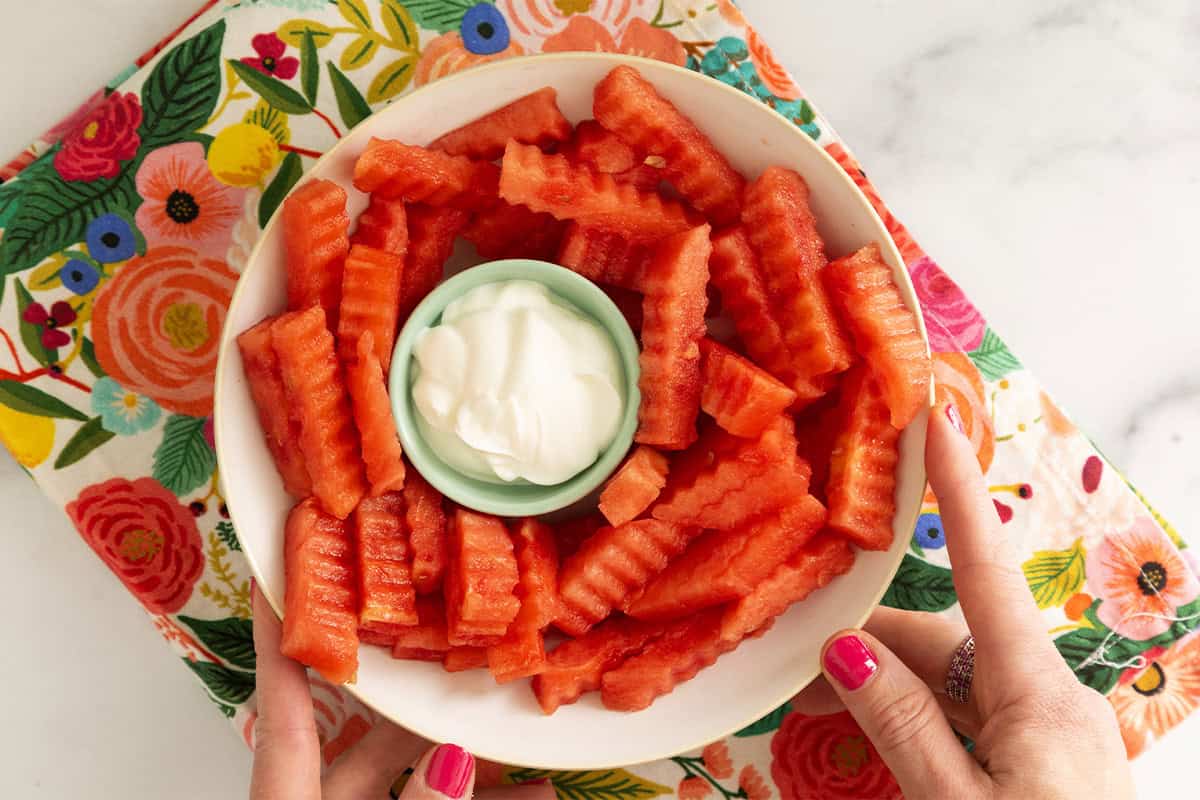
Unlike processed snacks, which often contain excessive sodium, hydrogenated oils, or artificial preservatives, the Watermelon Fry remains entirely whole-food based. It is hydrating, naturally sweet, and devoid of the refined carbohydrates found in standard fried potatoes.
Chronology: From Kitchen Hack to Household Staple
The trajectory of the Watermelon Fry follows the path of many modern food trends—born from the necessity of parents to keep their children engaged with healthy food, and accelerated by digital platforms that prioritize visual appeal.
- The Early Development Phase: Initially, the concept emerged in niche parenting blogs and nutrition-focused communities. Parents were looking for ways to utilize large quantities of seasonal watermelon without reverting to standard wedges or cubes, which can often result in messy, juice-drenched faces and clothing.
- The "Crinkle Cut" Revolution: The introduction of the zig-zag slicer was the turning point. When the edges of the melon were given a ruffled texture, the tactile experience changed. It provided a better grip for toddlers and added a "gourmet" aesthetic that elevated the snack from a basic side dish to a party-worthy appetizer.
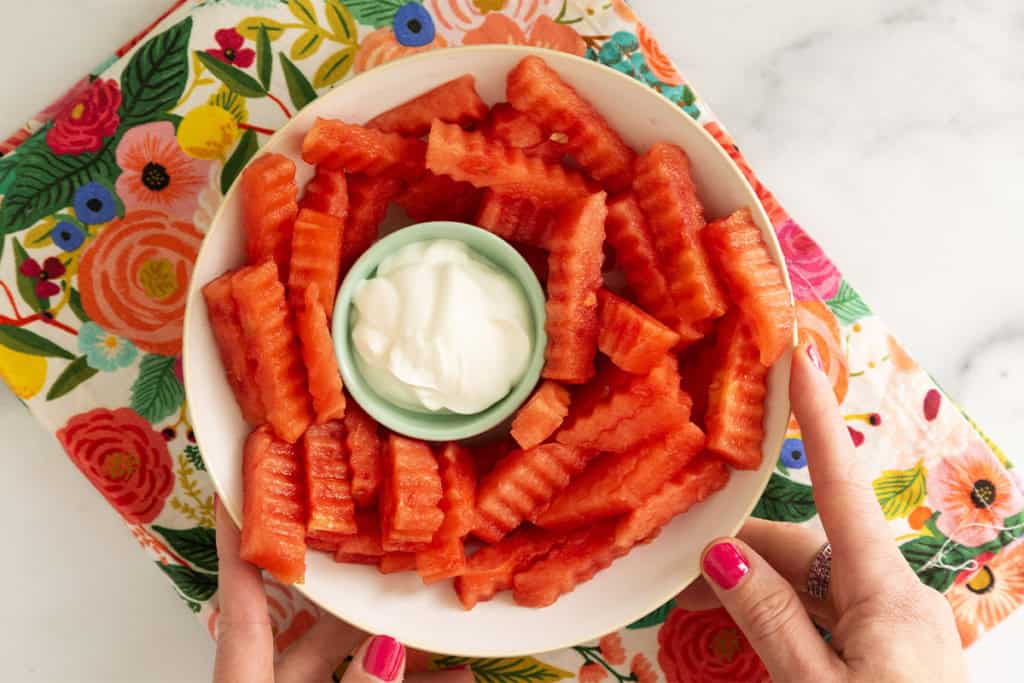
- Digital Proliferation: Over the last several years, the concept gained momentum on social media. Short-form videos demonstrating the satisfying "crunch" of the cut and the aesthetic appeal of a plate of watermelon fries alongside a side of yogurt dip made the concept highly "shareable."
- Mainstream Adoption: Today, the Watermelon Fry is a staple in many households, especially during the summer months. It is now commonly featured in party planning guides, toddler nutrition workshops, and, as of 2026, has become a standard suggestion for creative, low-stress catering at children’s events.
Supporting Data: Why It Works
The effectiveness of this snack lies at the intersection of psychology and nutrition.
Sensory Integration
For many children, the transition to new foods is hampered by sensory overload. Watermelon is an ideal candidate for introduction because of its high water content, soft texture, and mild, sweet flavor. By altering the geometry of the fruit, parents are leveraging the "novelty effect." A child who refuses a standard slice of watermelon may be curious enough to try a "fry," which feels more like a treat than a chore.
Nutritional Profile
From a dietary perspective, watermelon is a powerhouse. A one-cup serving provides significant hydration, as the fruit is approximately 92% water. It is rich in Vitamin A and Vitamin C, both of which are essential for immune support in growing children. Furthermore, it contains lycopene, a potent antioxidant associated with heart health.
When paired with a protein-rich dip, such as a Greek yogurt-based sauce, the glycemic impact of the fruit is balanced, providing a more sustained energy release. This makes it an ideal afternoon snack compared to sugary, processed granola bars.
Official Responses and Expert Perspectives
Nutritionists and pediatric dietitians have largely lauded the move toward "fruit-based frying."
"When we talk about ‘getting kids to eat their fruits and vegetables,’ we are often talking about presentation," says one leading expert in pediatric feeding dynamics. "The Watermelon Fry is brilliant because it doesn’t force the child to change their palate; it changes the context. It respects the child’s autonomy by allowing them to dip and experiment, which are two key developmental behaviors in toddlers."
However, experts do offer one caveat: safety. Parents are reminded to ensure that the pieces are cut into sizes appropriate for their child’s developmental stage to prevent choking, particularly for infants and younger toddlers.
Implications: The Future of Playful Nutrition
The implications of the Watermelon Fry trend go far beyond a single recipe. It signals a broader shift in how parents approach the "picky eater" narrative. Instead of focusing on the "battle of the dinner table," the focus is shifting toward "culinary creativity."
Beyond Watermelon
The success of this method has led to a wider movement of "crinkle-cutting" other produce. Parents are now applying the same technique to:
- Apples: Crinkle-cut apple sticks offer a satisfying crunch that mimics potato chips.
- Mangoes: These become sweet, tropical fries that are easy to manage.
- Pears: An excellent option for softer, fiber-rich snacking.
Culinary Sustainability
Furthermore, the trend encourages the purchase of whole produce rather than pre-packaged, pre-cut fruit. This reduces plastic waste and lowers the overall cost of snacking, as a single large watermelon is significantly cheaper per serving than pre-packaged fruit cups or processed snacks.
Social and Community Impact
In community settings—such as first birthday parties, summer potlucks, and school events—the Watermelon Fry has proven to be an inclusive snack. Because it is naturally gluten-free, nut-free, and vegan, it serves as a safe and refreshing option for groups with diverse dietary restrictions. It removes the stress of navigating complex allergen lists, providing a universally enjoyed, hydrating, and nutritious solution for large gatherings.
Conclusion
The Watermelon Fry is more than just a passing fad; it is a testament to the power of simple, thoughtful food preparation. By combining the natural appeal of a beloved fruit with a bit of architectural flair, parents have unlocked a sustainable way to promote healthy eating habits. As we look toward the future of childhood nutrition, the success of this "snack hack" serves as a reminder that sometimes, the most effective way to improve a child’s diet is to simply change the way we hold the knife.
Whether it is served at a backyard barbecue with a side of coconut yogurt or enjoyed as a quiet, refreshing snack on a humid afternoon, the Watermelon Fry represents the perfect marriage of health, fun, and simplicity. As more families adopt this practice, we can expect to see further innovations in how we present healthy foods, proving that with a little creativity, every meal can be an opportunity for both nourishment and joy.