The Sacred Soils of Western Australia: A Journey Through Time and Terroir
By Christina Pickard
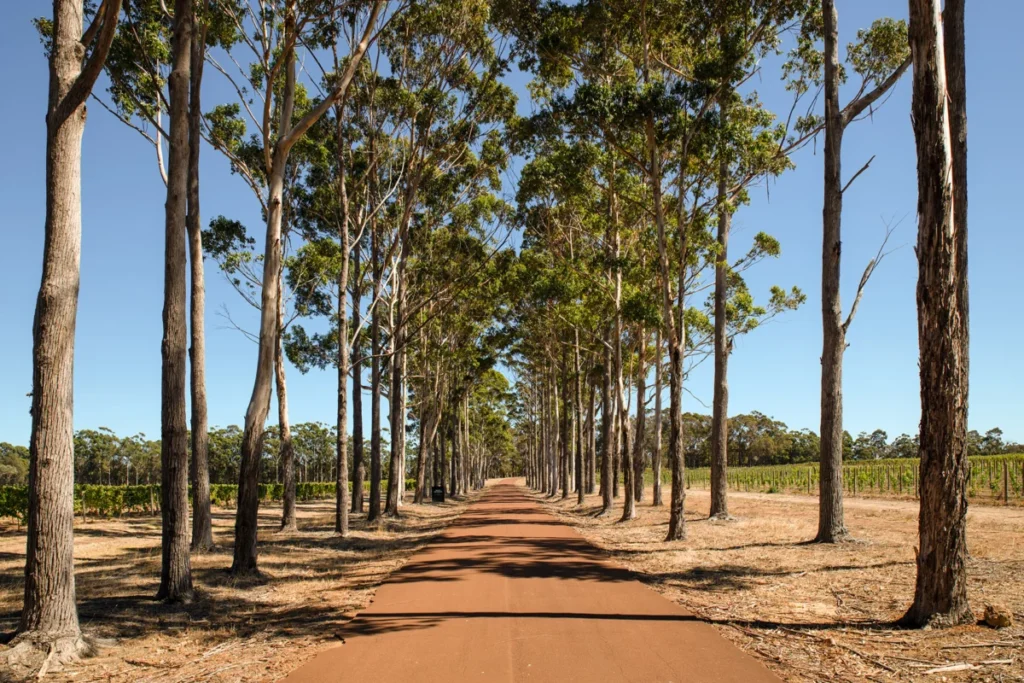
"Kiss the hallowed ground," my Western Australia-born husband quipped as I prepared to depart on a solo expedition to his homeland. While the comment was delivered with a smirk, there is an undeniable sense of the sacred regarding the pristine, prehistoric landscape of "W.A." It is a land defined by soils of incomprehensible age and a biological record found nowhere else on Earth.
For the uninitiated, Western Australia is a study in isolation. Its sheer distance from the rest of the world—and even the rest of Australia—has historically earned it the nickname "Wait Awhile," a gentle jab at the relaxed, unhurried pace of life in the state. Perth, the only true metropolis in the region, sits in lonely splendor, a 28-hour drive across the vast, red-dusted outback to the nearest major city, Adelaide. Yet, this very isolation has served as a crucible for excellence. The state’s three primary wine regions—Swan Valley, Margaret River, and Great Southern—have transcended their remote geography to become global icons, producing world-class Cabernet Sauvignon, Chardonnay, Riesling, and an array of innovative, cool-climate expressions.
The Chronology of Cultivation: From Ancient Roots to Modern Renaissance
The history of viticulture in Western Australia is not merely a timeline of planting; it is a layered narrative of Indigenous heritage, colonial disruption, and a late-20th-century viticultural revolution that continues to evolve today.
The Swan Valley: The Cradle of Tradition
Fifteen miles northeast of Perth lies the Swan Valley, Australia’s second-oldest wine region. Long before European arrival, the Whadjuk Noongar people inhabited these lands, viewing the Swan River as the path of the Waugal, a giant rainbow serpent. The arrival of English settlers in 1829 brought permanent, often violent, change to the landscape.
However, the subsequent waves of immigrants, particularly from Croatia, transformed the valley into a food and wine bastion. While the region struggled during the 2010s to shake a reputation for being somewhat "dusty" and stagnant, a new guard has arrived. Today, producers like Vino Volta and Corymbia are spearheading a movement focused on minimal intervention and heritage vine preservation, breathing life back into this historic corridor.

Margaret River: The Star-Studded Blockbuster
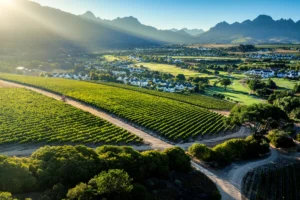
If the Swan Valley is the "forgotten classic," Margaret River is the modern blockbuster. Located 180 miles south, this eucalyptus-dotted peninsula produces a mere 2% of Australia’s wine but claims an outsized portion of its prestige. Wine production here is relatively young, initiated in the late 1960s by pioneers like Tom Cullity of Vasse Felix and Bill Pannell of Moss Wood. Their vision for Cabernet Sauvignon and Chardonnay set a standard of quality that remains largely unparalleled, anchored by the region’s unique Mediterranean climate and cooling maritime influence.
Great Southern: The Untamed Frontier
Further south, the Great Southern region represents the final, most isolated frontier. Stretching over 5,800 square miles, it is a vast, sparsely populated expanse of mountainous terrain and maritime influence. With only about 50 wineries, it is a destination for the intrepid traveler, offering wines defined by the "purity and rawness" of the Southern Ocean.
Supporting Data: Why Western Australia Stands Apart
The secret to Western Australia’s success lies in its geography and soil science. The region possesses some of the oldest geological formations on the planet.

- Climatic Precision: In Margaret River, the cooling influence of the Indian Ocean allows for a long, slow ripening period. As Virginia Willcock, the longtime winemaker at Vasse Felix, notes, the ocean acts as a natural air conditioner, turning a 30°C (86°F) day into a much more temperate 25°C (77°F) environment.
- The Power of Clones: W.A. remains free from the scourge of phylloxera, allowing many of its vines to grow on their own rootstock. The famous gin gin Chardonnay clone, known for its low yields and high intensity, and the Houghton Cabernet clone, have become the benchmarks of quality for the region.
- Diurnal Swings: In the inland reaches of Great Southern, specifically the Frankland River subregion, extreme diurnal temperature ranges—the difference between daytime highs and nighttime lows—create wines with incredible concentration, acidity, and structural integrity.
Official Perspectives: Voices from the Vines
The shift in Western Australia’s wine identity is best articulated by those who tend the soil.
Arch Kosovich, senior winemaker at John Kosovich Wines, observes a distinct shift in cultural perception. "What we’re doing here is cool again," he says, reflecting on the renewed interest in traditional, fortified, and old-vine wines. "It got forgotten about, but it’s getting airplay again."
Dale Tilbrook, a Wardandi Bibbulmun woman and expert in native "bush tucker," highlights the importance of re-integrating traditional knowledge with modern agriculture. Through her work at the Maalinup Aboriginal Gallery, she emphasizes the sensory connection to the land, using native ingredients like lemon myrtle, salt bush, and finger-lime to illustrate the depth of the Australian terroir.

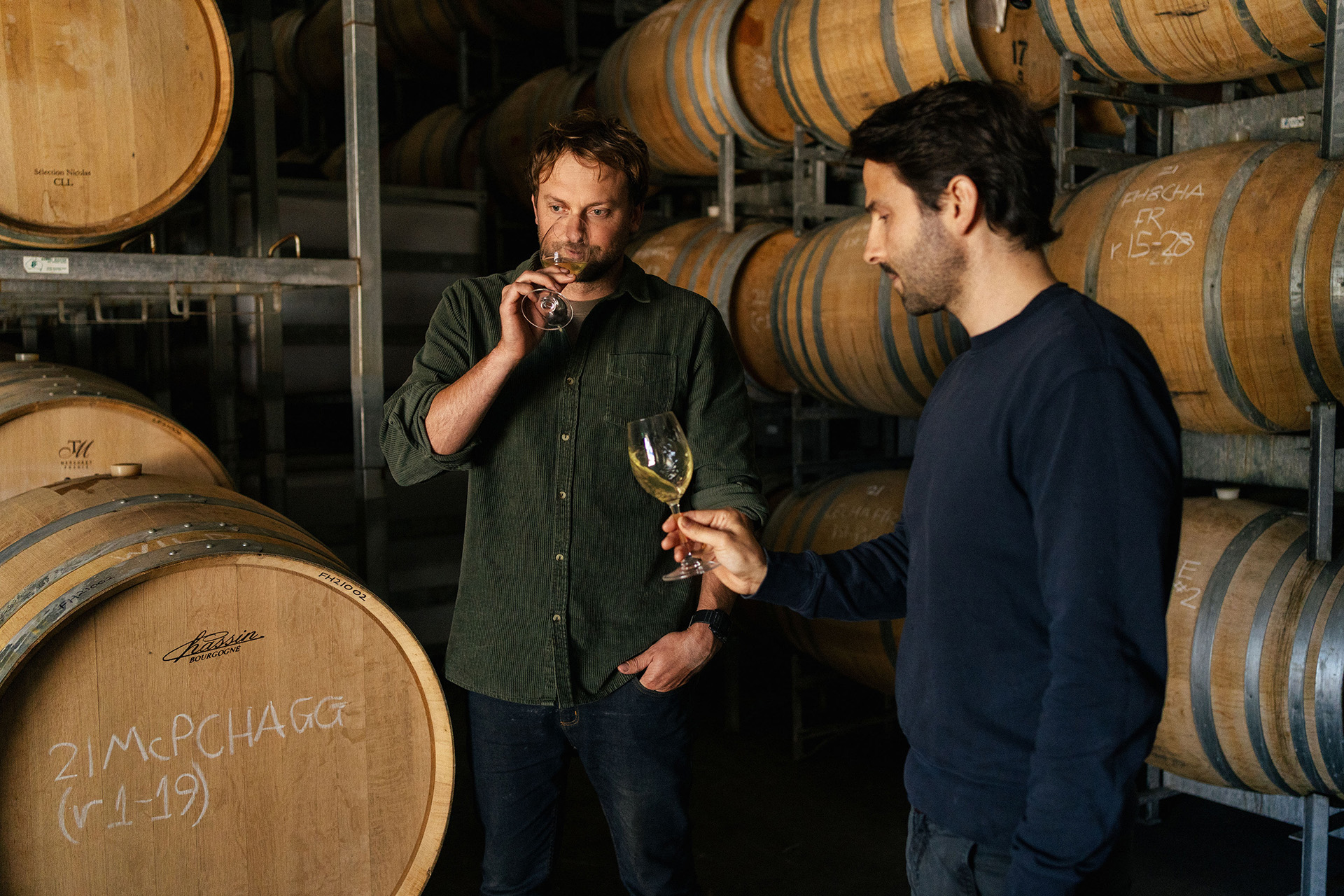
Nic Peterkin of L.A.S. Vino describes the internal drive that led to the "young gun" movement in Margaret River. "A whole new generation of winemakers came around all at the same time and were thinking the same thing: ‘Why isn’t there a wine that I relate to?’ Well, let’s do it ourselves," he explains. This ethos has led to the rise of alternative varieties and "fun" wines like pét-nats and orange wines, existing alongside the region’s traditional prestige.
The Implications of a New Era
The "Wait Awhile" philosophy is rapidly giving way to a "Do It Better" mandate. The implications for the region are profound, particularly concerning conservation and innovation.
Protecting the Heritage
The establishment of The Swan Valley Old Vine Charter in 2024 is a landmark moment. With urban encroachment threatening the historic landscape, this charter serves as a legal and cultural framework to protect century-old vines. It signals that Western Australia is no longer content to merely produce wine; it is committed to preserving its history.

Sustainability and Innovation
The move toward sustainable viticulture is not just a trend in W.A.; it is an existential necessity. From the concrete eggs used for fermentation at Vasse Felix to the wild-yeast experiments at La Violetta, the winemakers of this region are balancing tradition with cutting-edge science. The focus on single-site expressions, particularly in the Great Southern, suggests that the future of Western Australian wine is rooted in a hyper-local interpretation of place.
Conclusion: A Hallowed Return
As I traveled through the Great Southern, dodging kangaroos on single-lane roads and listening to the chatter of black cockatoos in the 300-year-old karri trees, the "hallowed ground" my husband spoke of became reality. Whether one is sipping a mineral-streaked Riesling from a 1965 block at Forest Hill or a daring "Pirate Blend" from a boutique maker in Margaret River, the theme is the same: a profound respect for a raw, pristine landscape.
Western Australia is no longer just a distant destination for those willing to endure the drive. It is a world-class theater of viticulture where history is being honored, and the future is being crafted with precision and passion. I reached down beneath a towering eucalyptus, the camphorous scent filling the air, and finally understood the impulse to kiss the earth. In a world that often moves too fast, Western Australia forces you to slow down, listen to the land, and taste the timelessness in the glass.