The Evolution of the Protein Treat: Why These Chocolate Chip Cookies Are Changing the Game
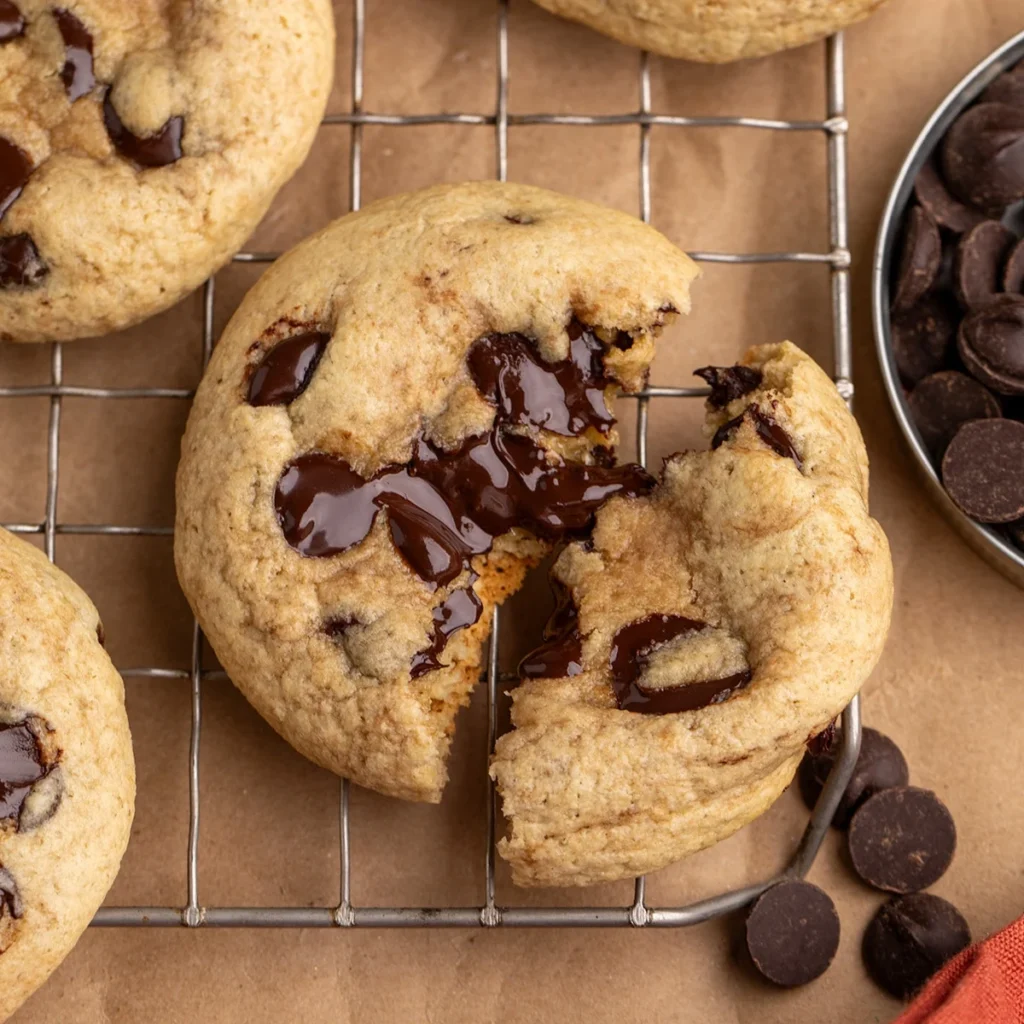
For years, the intersection of "health-conscious snacking" and "indulgent dessert" has been a culinary wasteland. Fitness enthusiasts have long been forced to choose between chalky, dense protein bars that taste like sweetened cardboard or decadent cookies that provide nothing but a sugar crash. However, a new approach to baking is challenging this status quo. By shifting the focus from nut-butter bases to a more nuanced use of protein powder, home bakers are finally achieving the "holy grail": a cookie that tastes like a classic bakery treat while packing a significant nutritional punch.
Main Facts: The Anatomy of a High-Protein Cookie
The recipe in question, designed by gluten-free baking expert Nicole Hunn, centers on a radical departure from traditional "protein cookie" methodology. Most commercially available and amateur-made protein cookies rely heavily on nut butter to provide structure. While this yields a cookie, it often creates a dense, heavy texture that tastes predominantly of peanuts or almonds.
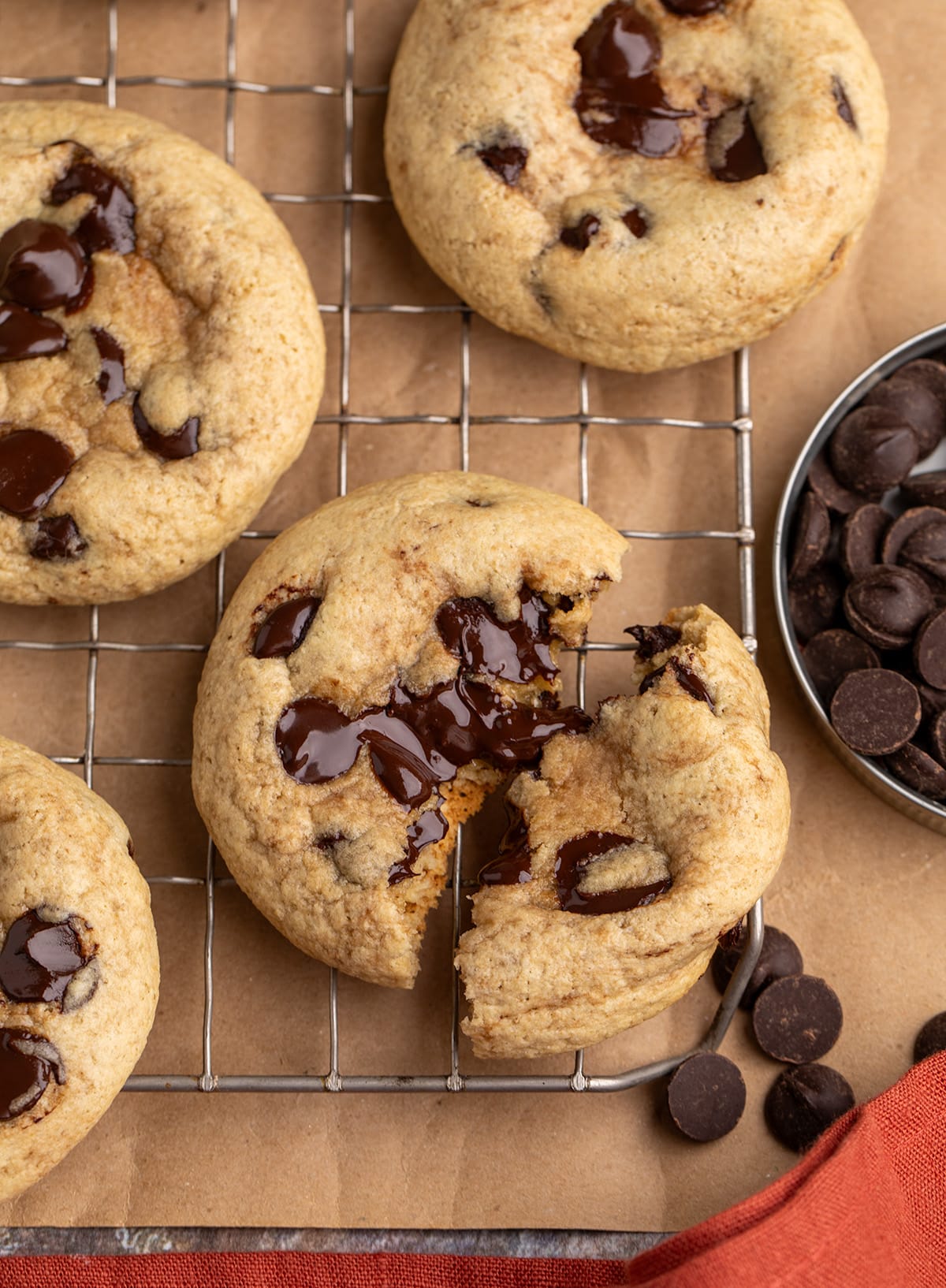
This new iteration pivots to a blend of finely ground oat flour and high-quality protein powder. By doing so, the cookies maintain a soft, chewy crumb reminiscent of a traditional brown-sugar-based chocolate chip cookie. Each serving delivers 10 grams of protein, a substantial amount for a dessert item, all while maintaining the buttery, lightly sweet profile that consumers demand. The core secret lies in the moisture management: utilizing melted butter, eggs, and a precise ratio of sugars to counteract the inherent dryness typically associated with protein-fortified flours.

Chronology: From Concept to Kitchen Staple
The development of this recipe followed a structured, trial-and-error approach common in professional recipe testing.
- Phase 1: The Texture Problem. Initial testing highlighted that protein powder acts as a sponge, aggressively soaking up moisture. Early prototypes were described by testers as "chalky" and "unpalatable."
- Phase 2: The Structural Shift. Moving away from nut-butter foundations, the kitchen moved to oat flour as the primary structural component. This provided a neutral base that allowed the flavor of the butter and chocolate to shine through.
- Phase 3: The Thermal Management. The most critical discovery was the importance of the "under-bake." Because protein powders can dehydrate rapidly in the oven, researchers found that removing the cookies when the edges were just barely golden—while the centers remained soft—allowed for a natural "carry-over" cooking process. This ensured the cookies set to a soft, chewy texture rather than a crisp, brittle one.
- Phase 4: Optimization. The final step involved scaling the recipe for home kitchens, determining that 1.5-tablespoon portions weighing approximately 2.25 ounces offered the perfect ratio of surface area to chew, ensuring consistent baking times across the entire batch.
Supporting Data: A Nutritional Breakdown
When analyzing the nutritional profile, it is clear that this recipe targets a specific demographic: the "macro-conscious" consumer who refuses to sacrifice the sensory experience of a treat.
| Nutrient | Amount per Serving |
|---|---|
| Protein | 10g |
| Calories | 284 kcal |
| Total Fat | 15g |
| Carbohydrates | 28g |
| Fiber | 2g |
| Sugar | 16g |
While the calorie count is comparable to a standard cookie, the inclusion of 10 grams of protein significantly alters the glycemic impact of the snack. By incorporating protein, the digestion of the sugars is slowed, theoretically preventing the rapid insulin spikes associated with traditional baked goods. The inclusion of trace amounts of minerals like iron and calcium further elevates the profile beyond "empty calories."
Official Insights: The Science of the "No-Fail" Method
In explaining the methodology, experts emphasize that consistency is the result of chemistry. The instruction to "mix until just combined" is not merely a suggestion; it is a chemical necessity. Over-mixing the batter develops the proteins in the oat flour and the powder itself, which can lead to a stringy, rubbery texture.
Furthermore, the "well" method—creating a crater in the center of the dry ingredients to introduce the wet ingredients—is a professional technique used to prevent the rapid clumping of protein powder. When protein powder hits liquid too quickly, it creates un-dissolvable pockets. By slowly drawing the dry mixture into the center, the cook ensures a homogeneous, smooth dough that guarantees uniform texture in every bite.
Implications for the Health-Conscious Baker
The success of this recipe has broader implications for the future of home baking and the gluten-free industry.
Bridging the Gap
The most significant implication is the dissolution of the "health food" stigma. For years, "gluten-free" or "high-protein" was synonymous with "compromised taste." This recipe proves that with correct flour-to-fat ratios, these labels can coexist with high-end culinary standards. This is a crucial shift for households where one member may require a specific diet, as it allows for the preparation of a single, inclusive meal that satisfies everyone regardless of their dietary restrictions.
Economic and Practical Considerations
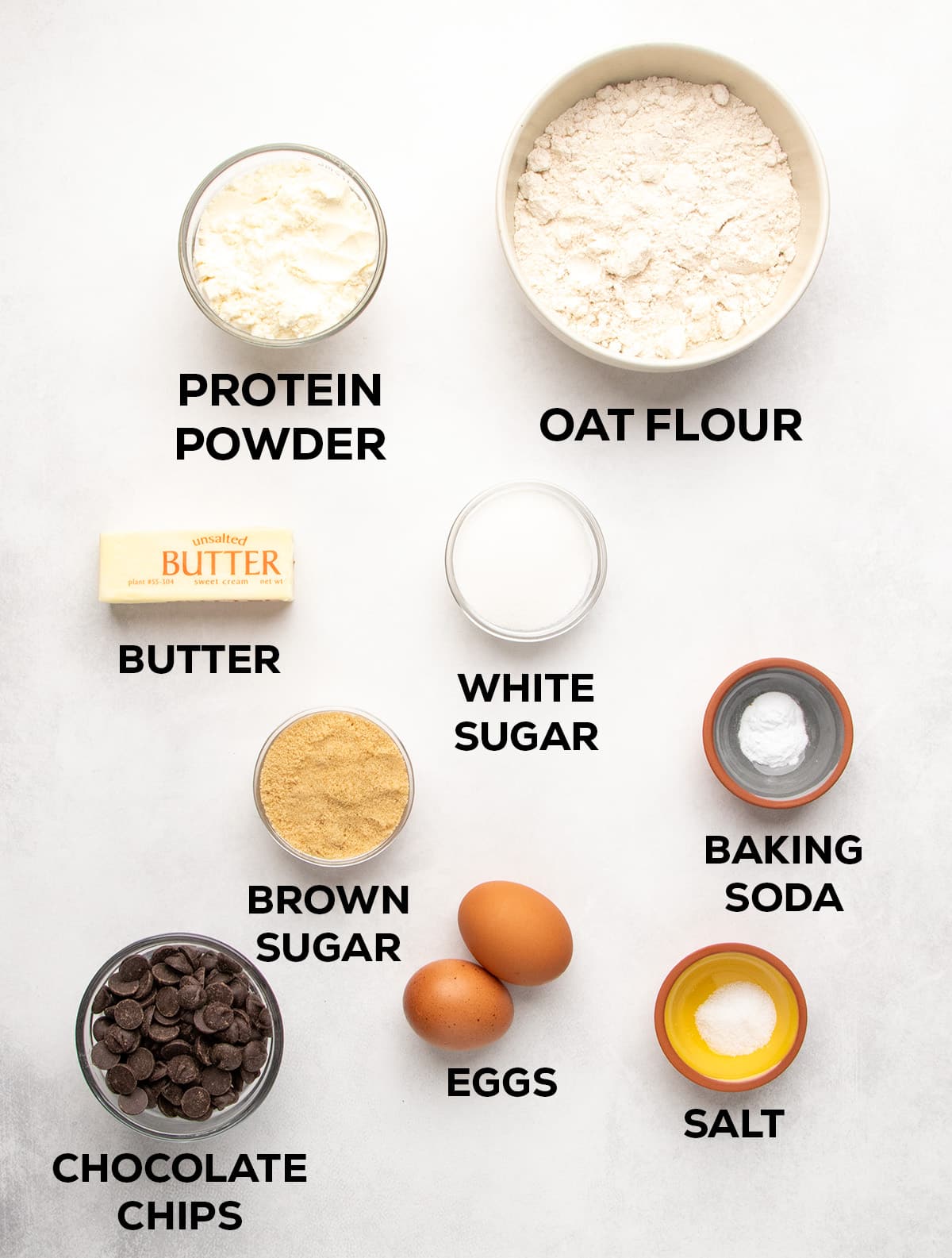
The move toward using pantry staples like oats and standard protein powders makes this recipe accessible. Unlike specialty health-store products that often require expensive, niche ingredients like monk fruit sweeteners or gums, this recipe uses accessible components. The ability to freeze the dough for up to three months also speaks to the modern need for convenience, allowing users to keep high-protein snacks on hand without the need for preservatives found in store-bought protein bars.
The Challenge of Substitutions
The article notes that while the recipe is robust, it is also a system of delicate balances. Substitutions, while possible, come with warnings. For instance, using sugar alternatives like erythritol or monk fruit, while reducing the calorie count, removes the "hygroscopic" property of real sugar—the ability to hold onto moisture. Without sugar, the protein powder will dominate, leading to a dry result. This serves as a cautionary tale: health-conscious baking is not just about removing ingredients, but about maintaining the structural integrity of the food.
Looking Forward
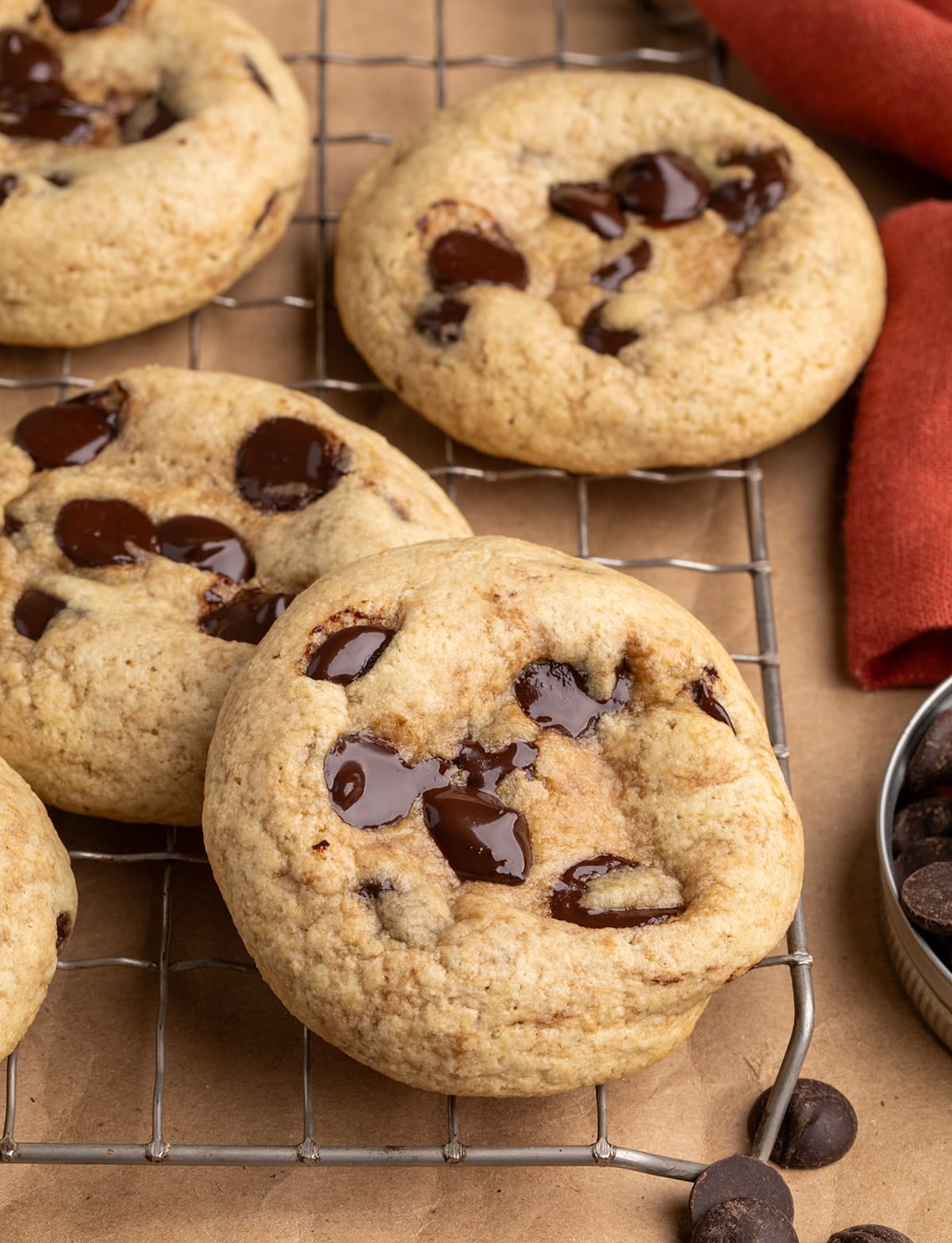
As the demand for high-protein, allergen-friendly snacks continues to rise, the professional consensus is that recipes like this will become the new baseline. By focusing on the "experience" of eating—the texture, the aroma, and the visual appeal—rather than just the nutritional statistics, home bakers are successfully redefining what it means to eat for both health and pleasure.
The ultimate takeaway is that the "good for you" category of food is rapidly expanding to include items that actually taste good. As more people move away from highly processed, shelf-stable protein bars, the kitchen counter is poised to become the new laboratory for nutritious, delicious, and deeply satisfying treats. This isn’t just a recipe for a cookie; it is a template for a lifestyle that refuses to compromise on quality, proving that when it comes to the future of food, the best is yet to be baked.