The Science of the Perfect Gluten-Free Blueberry Muffin: A Culinary Breakthrough
For many navigating the challenges of a gluten-free lifestyle, the quest for the "perfect" muffin—one that possesses the structural integrity of a bakery-grade pastry without the gritty, crumbling texture often associated with wheat-free baking—has long been a source of frustration. Most home bakers find that their attempts at gluten-free blueberry muffins result in sunken centers, muted flavors, or a dense, leaden crumb.
However, a new approach to formulation, championed by experts like Nicole Hunn of Gluten Free on a Shoestring, is changing the narrative. By applying specific chemical principles—such as the manipulation of protein structure through xanthan gum and the strategic use of temperature gradients—home bakers can now replicate the towering, craggy-topped blueberry muffins that define the gold standard of professional bakeries.
Main Facts: The Anatomy of a Muffin
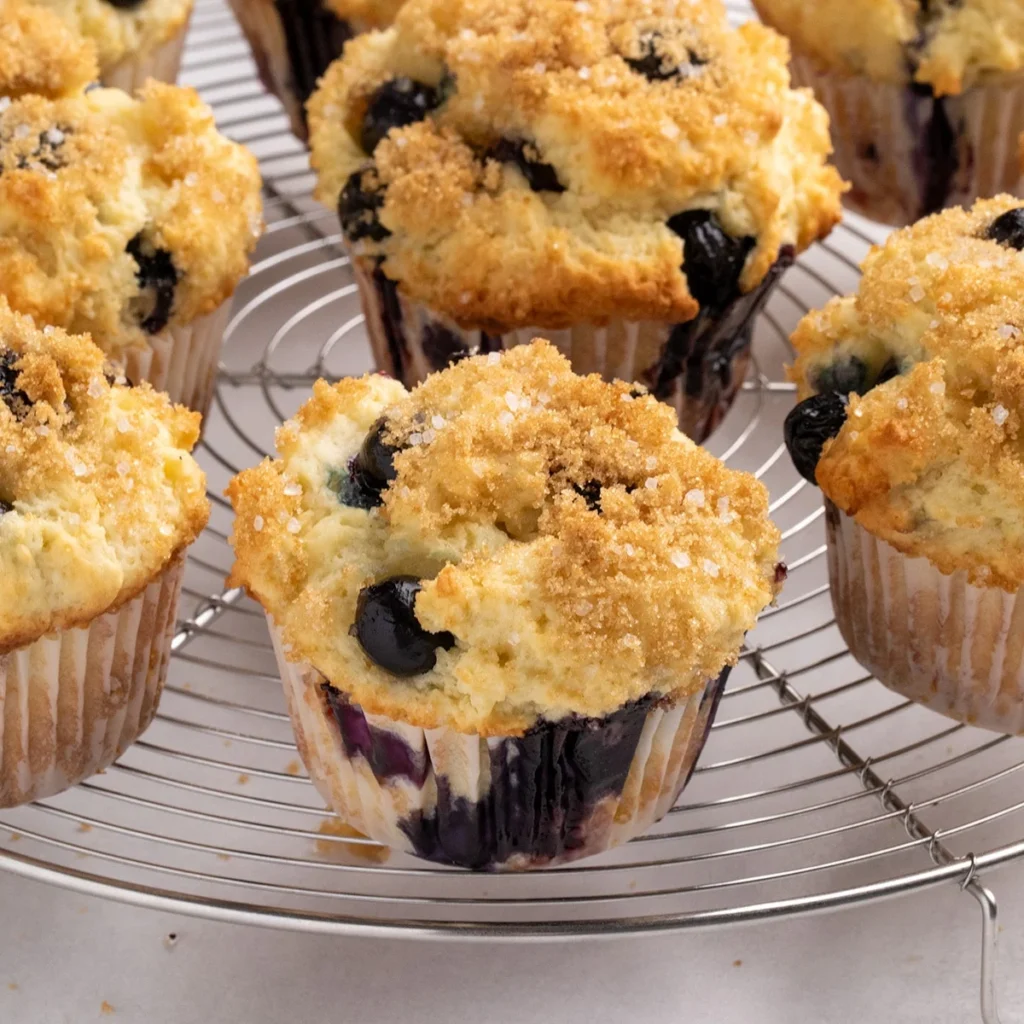
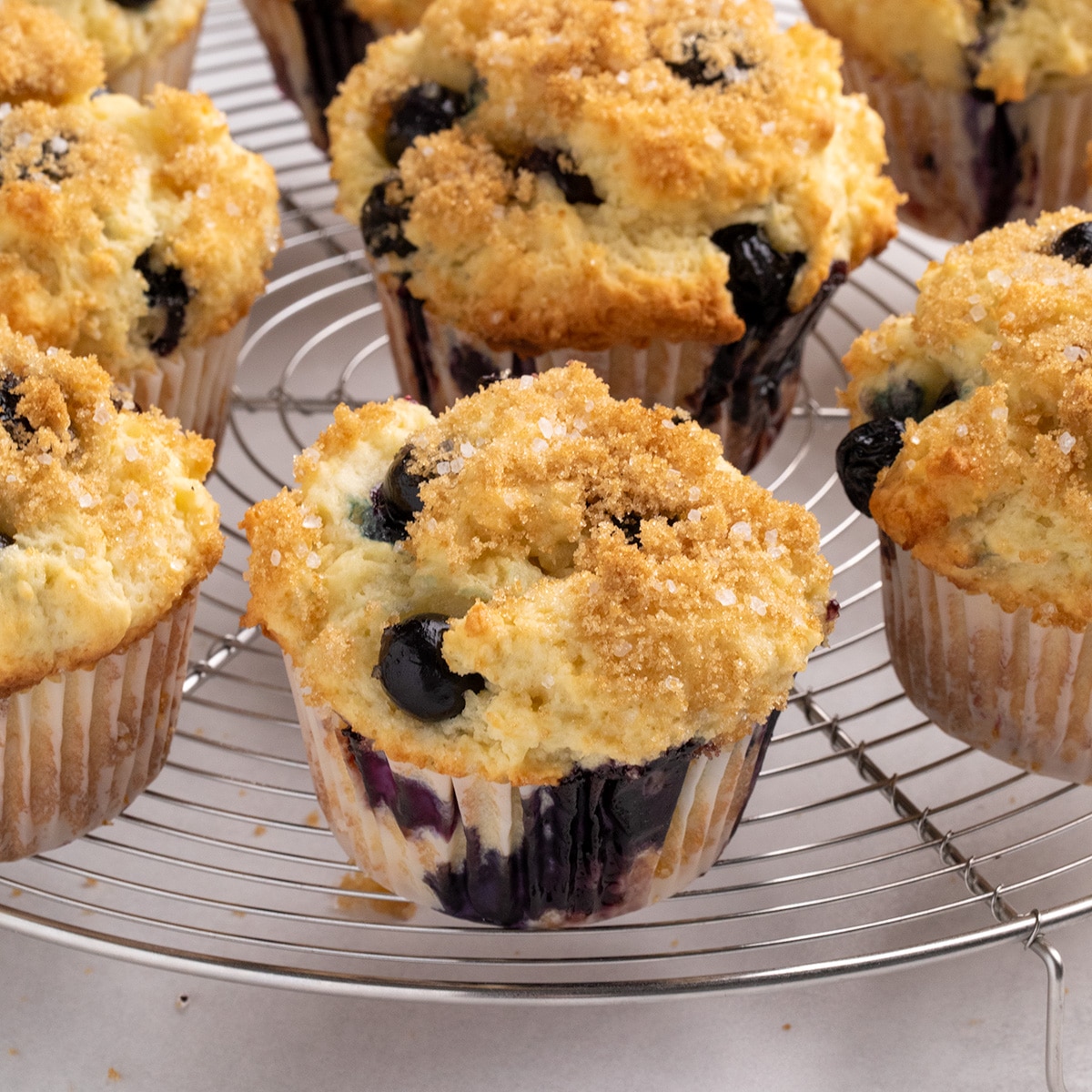
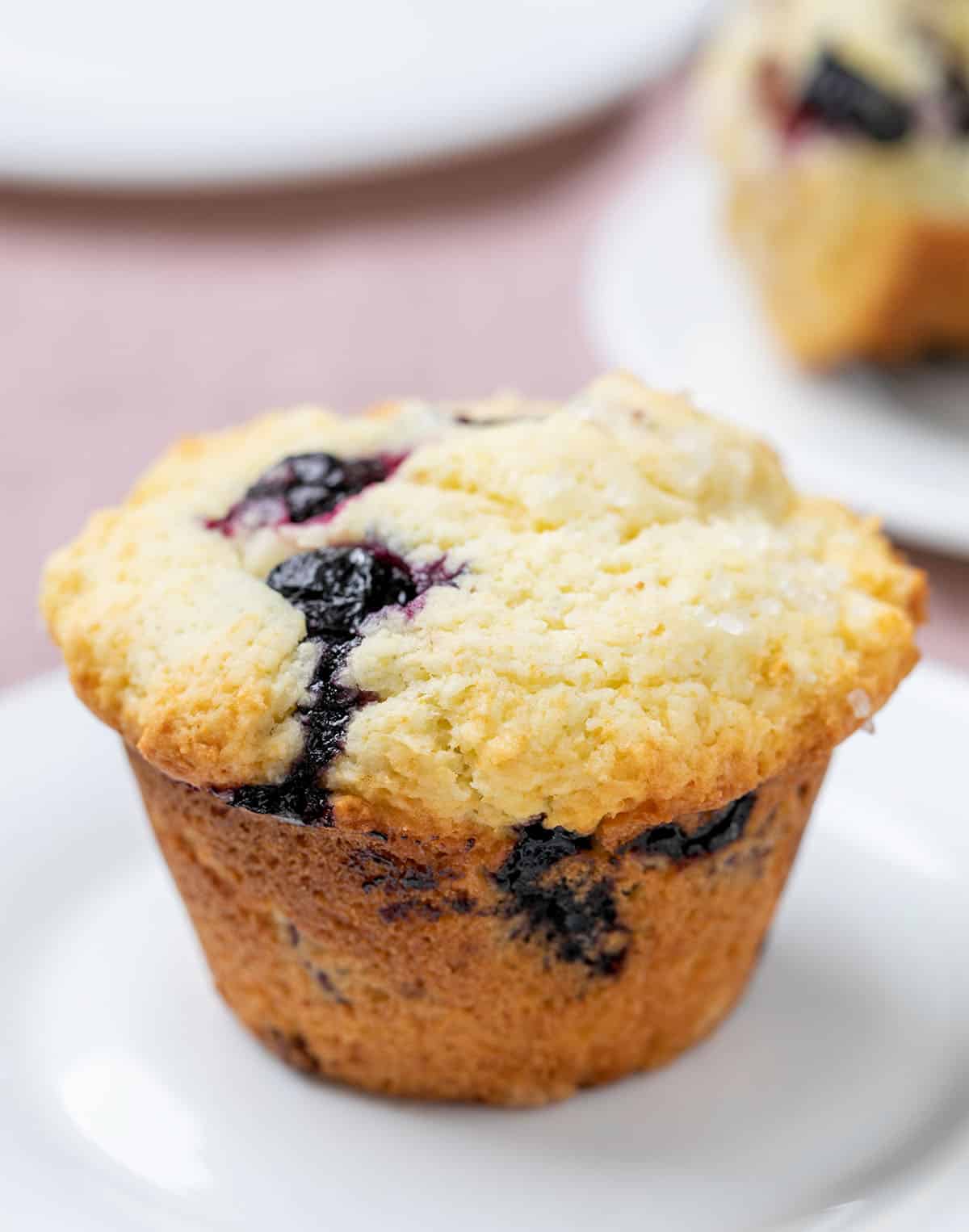
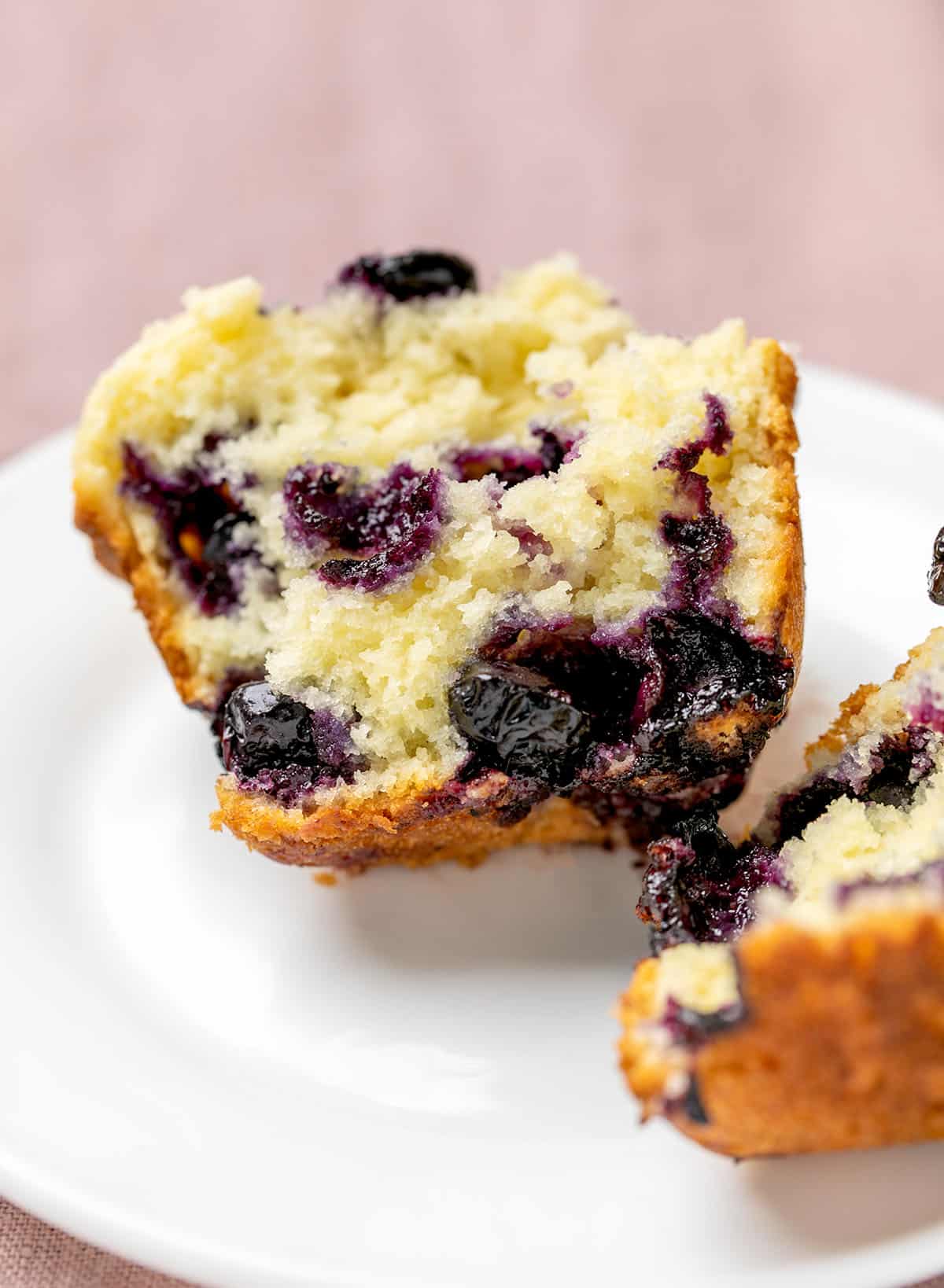
The hallmark of a superior blueberry muffin is not merely its flavor, but its architecture. A successful muffin must have a high, domed top and a moist, airy interior that can suspend heavy, juice-laden fruit without succumbing to the weight.
In traditional baking, wheat gluten provides the elastic network that traps gases produced by leavening agents. In gluten-free baking, that network is absent. To compensate, this refined recipe utilizes a "triad of stability":

- Increased Xanthan Gum: This hydrocolloid acts as a binder, mimicking the elasticity of gluten. By increasing the dosage slightly beyond the standard amount found in many pre-mixed gluten-free flour blends, the batter gains the necessary viscosity to hold its shape during the rapid expansion of the bake.
- Cornstarch Integration: This serves to "soften" the flour blend, ensuring that the crumb remains tender rather than tough, despite the higher levels of xanthan gum required for structure.
- The Thermal Shock Method: By initiating the bake at 400°F and subsequently dropping the temperature to 350°F, the baker triggers an immediate "oven spring." The high initial heat forces the leavening agents to react instantly, setting the structure of the dome before the internal steam can collapse it.
A Chronological Guide to Execution
Achieving bakery-quality results requires a disciplined approach to the mixing process. The methodology is designed to minimize the overworking of the batter, which is critical in gluten-free baking.
Phase 1: The Wet-Dry Integration (0–10 Minutes)
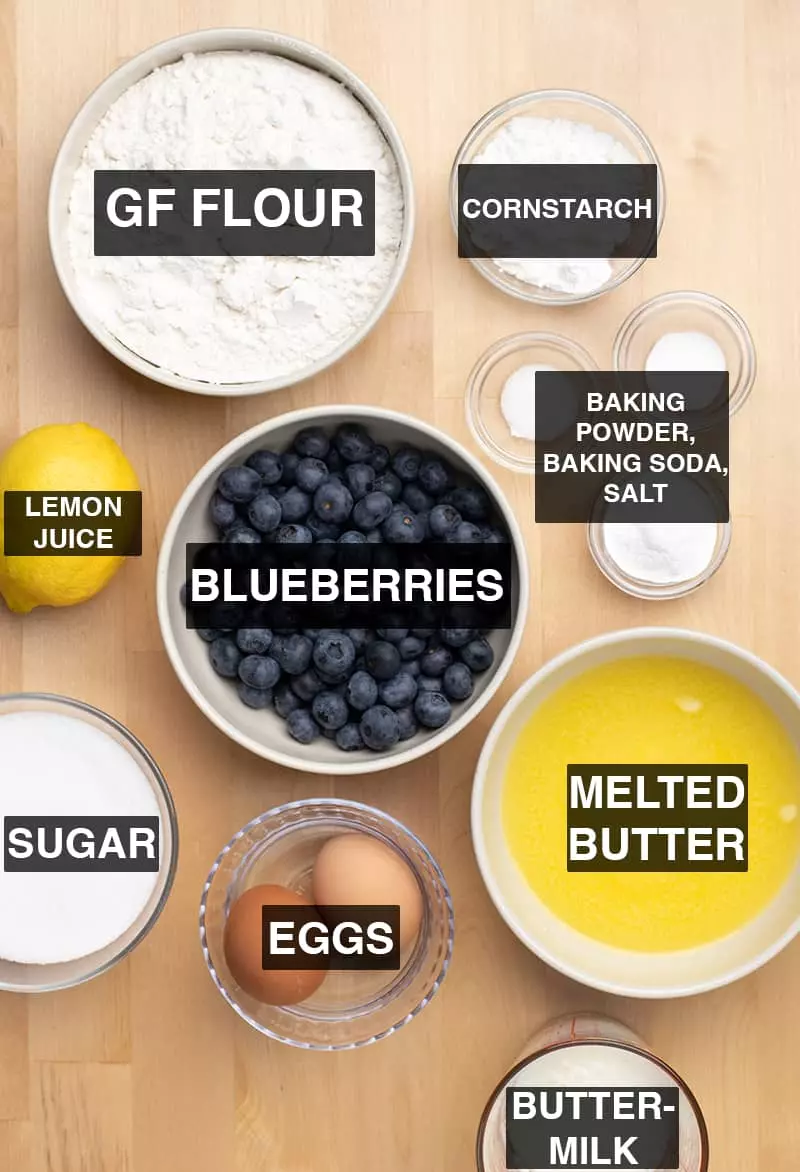
The process begins with whisking the liquid components—melted, cooled butter, buttermilk, and eggs—separately. The buttermilk is not merely a flavor choice; its acidity is a functional requirement, reacting with the baking soda to generate carbon dioxide. Once the wet and dry ingredients are combined, the batter must be handled with care.
Phase 2: The Suspension Strategy (10–15 Minutes)
A common failure point is the "sinking berry" syndrome. By tossing blueberries in a small portion of the dry flour mixture before folding them into the batter, the fruit is coated in a fine layer of starch. This reduces the friction between the heavy, wet berries and the batter, preventing them from plummeting to the bottom of the muffin tin during the baking process.
Phase 3: The Thermal Gradient Bake (25–35 Minutes)
The muffins are placed in a 400°F oven for exactly 10 minutes. This is the "lift" phase. Following this, the heat is reduced to 350°F for the remaining 10 to 12 minutes. This second phase is the "drying" phase, where the moisture is gently evaporated from the interior, ensuring the muffin is fully cooked through without creating a scorched, bitter exterior.
Supporting Data: Ingredient Roles
The success of this recipe relies on the chemistry of its individual components. Below is the breakdown of why each ingredient is non-negotiable:
- Buttermilk: Provides the necessary acidity to activate baking soda. Without it, the leavening process is incomplete, leading to dense, flat muffins.
- Lemon Juice: Beyond its bright citrus notes, the acidity of lemon juice acts as a secondary leavening booster, ensuring the batter remains light.
- Coarse/Brown Sugar Topping: A bakery-style crust is achieved by the caramelization of coarse sugar or brown sugar sprinkled on the crown. This provides a textural contrast to the soft interior.
- Room Temperature vs. Frozen Berries: Contrary to popular belief, frozen berries are superior for this application. Because they are not thawed before folding, they maintain their structural integrity and do not bleed anthocyanins (the blue pigment) into the batter, which would otherwise result in a muddy, purple-tinted crumb.
Official Guidance: Troubleshooting and Variations
For those with specific dietary restrictions beyond gluten, the recipe offers flexibility:

- Dairy-Free Adaptation: To substitute for buttermilk, a blend of plain dairy-free yogurt and unsweetened non-dairy milk (such as coconut or soy) is recommended. This maintains the essential acidity and viscosity.
- Egg Replacements: While the recipe performs best with standard large eggs, it can be adapted using "chia eggs" or commercial replacers. Users should anticipate a slight reduction in "lift," but the crumb structure remains largely intact.
- The "Empty Well" Technique: If a batch does not fill all 12 wells of a standard muffin tin, it is vital to fill the empty wells with a small amount of water. This prevents the metal from overheating and warping, and ensures an even distribution of heat across the tin.
Implications for the Home Baker
The implications of these findings extend beyond a single muffin recipe. They highlight a significant evolution in home-baking science: the ability to bypass expensive equipment and complex, multi-day proofing processes to achieve professional results.
The primary lesson for the gluten-free community is that "good for gluten-free" is a standard that no longer applies. By focusing on the scientific role of each ingredient—the binder, the acid, the starch, and the temperature—the home baker can achieve a product that is indistinguishable from, or perhaps even superior to, traditional wheat-based alternatives.

Nutritional Considerations
While these muffins are a treat, they are also a testament to how refined formulations can manage caloric density. A single muffin typically contains approximately 309 kcal, with a balanced profile of 48g of carbohydrates and 12g of fat. While not a low-calorie food, the inclusion of fruit and the absence of refined wheat flours offer a more accessible option for those managing celiac disease or non-celiac gluten sensitivity.
Final Thoughts on Storage
The longevity of gluten-free baked goods is often shorter than their wheat-based counterparts due to the lack of gluten’s moisture-retaining properties. To maximize the life of these muffins, it is advised to store them in an airtight container at room temperature for no more than 48 hours. For longer storage, flash-freezing the muffins on a wire rack before sealing them in a freezer-safe bag is the most effective method. When ready to consume, a brief toast or a gentle warm-up in the oven restores the "fresh-baked" quality, essentially "resetting" the starch structure of the crumb.
In conclusion, the path to the perfect blueberry muffin is paved with precise measurements and an understanding of thermal dynamics. By adhering to these professional-grade techniques, the gluten-free baker can master the art of the muffin, proving that dietary restrictions need not be a barrier to culinary excellence.