The Shark PowerDetect Speed: A New Challenger in the High-Stakes Vacuum Wars
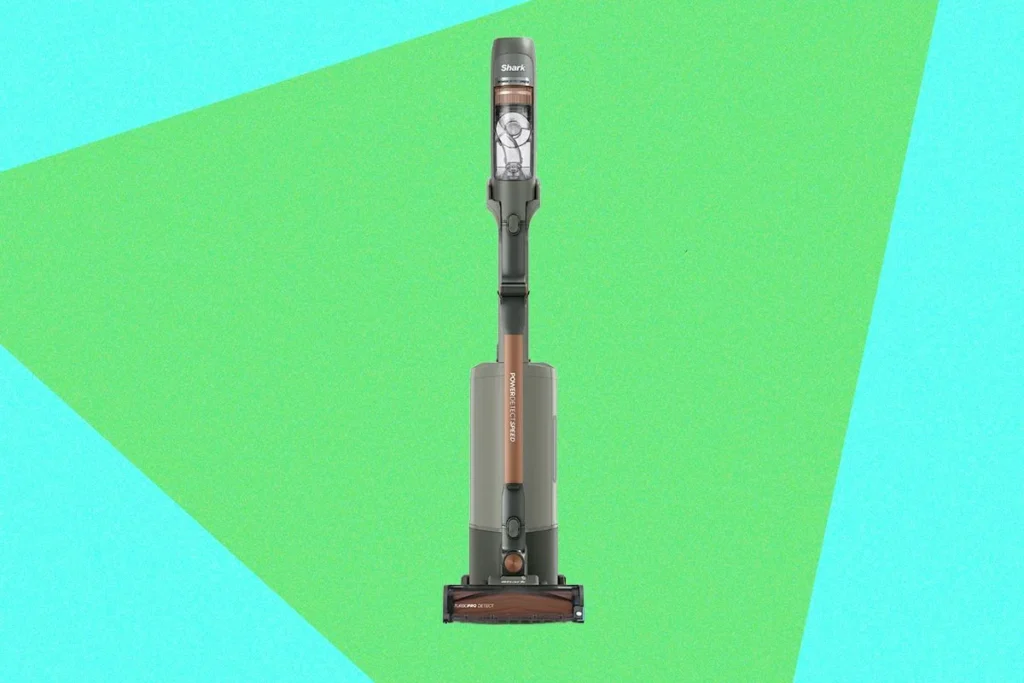
In the high-stakes arena of home maintenance technology, the battle for the "best cordless vacuum" crown has long been dominated by a single household name: Dyson. However, a new contender has emerged, challenging the status quo with a blend of intuitive automation and effortless maneuverability. The Shark PowerDetect Speed, the latest entry in the brand’s expanding ecosystem, is proving that premium performance no longer requires a four-figure price tag.
By balancing intelligent floor-sensing technology with a design that prioritizes user ergonomics, Shark has delivered a machine that doesn’t just clean—it adapts. For homeowners weary of the constant wrestling matches required by traditional vacuums on high-pile rugs, or the frustration of bent-over cleaning sessions, the PowerDetect Speed offers a compelling, sophisticated alternative.
Main Facts: The Anatomy of the PowerDetect Speed
The Shark PowerDetect Speed is designed to solve the two most common grievances among vacuum users: physical fatigue and the complexity of manual settings. At its core, the device utilizes a proprietary "PowerDetect" system. This sensor-driven technology continuously monitors both the floor surface type and the concentration of debris.
Unlike older models that require users to toggle between "hard floor" and "carpet" modes, the PowerDetect Speed dynamically adjusts its suction power and brush roll speed in real-time. This ensures that the motor isn’t straining unnecessarily on hardwoods, while providing maximum agitation when it hits a patch of embedded dirt on a rug.
Ergonomic Innovation
Perhaps the most notable feature for the average user is the "FlexWand" design. The wand of the vacuum is articulated, allowing it to bend at the middle. This seemingly simple mechanical shift removes the need for the user to physically crouch or crawl on the floor to reach underneath low-clearance furniture like sofas, beds, or credenzas.
Furthermore, the unit features an intelligent light-detection system. In the "Clean & Empty" configuration—which includes a self-emptying base station—the vacuum motor bar is equipped with dual-light technology. It projects a blue laser light when it detects hard flooring, highlighting microscopic dust that often remains invisible to the naked eye, and switches to a brighter, broad-spectrum headlight when it senses carpet.
Chronology of the Testing Phase
To determine where the PowerDetect Speed truly stands, it underwent a rigorous, multi-stage testing process. The objective was to measure the machine against the industry’s "Gold Standard"—the current lineup of Dyson cordless vacuums.

The Initial "Break-in" Period
During the first few days of testing, there were minor operational hitches. The vacuum head occasionally locked into its upright, parked position, creating a temporary interruption in flow. However, as the mechanical joints loosened through consistent use, this issue completely vanished. This suggests that the PowerDetect Speed, like many high-precision tools, requires a short "break-in" phase for the hinges and sensors to calibrate to the user’s handling style.
The Five-Stage Stress Test
The evaluation process involved five distinct cleanup scenarios:
- Sand Extraction: Testing the ability to pull fine particles from deep within carpet fibers.
- Debris Management: A "Cheerio test" to measure the vacuum’s ability to intake larger, solid items without clogging.
- Litter Cleanup: Assessing performance on granular materials across hard surfaces.
- Staircase Maneuverability: Testing the weight distribution and ease of handling in tight, vertical spaces.
- General Surface Versatility: A comparative analysis of suction performance on varied rug thicknesses.
Supporting Data: How It Stacks Up Against the Giants
The results of these tests provided a surprising snapshot of the current market. Out of a possible 20 points, the Shark PowerDetect Speed secured an impressive 15. This score puts it in direct competition with—and occasionally ahead of—models that cost significantly more.
Comparative Scoring
- Dyson Gen5Detect ($800): Outperformed the Shark, maintaining the top spot in the category.
- Dyson V16 Piston Animal ($980): Remained the overall performance leader, though at a significantly higher price point.
- Shark PowerDetect Speed: Scored a 15, notably ahead of the Dyson V15 Detect and the V8 Cyclone.
The most telling data point was the vacuum’s behavior on thin rugs. While many Dyson models struggle with "suction lock"—where the vacuum creates such a strong seal that it lifts the rug off the floor or stalls the motor—the Shark PowerDetect Speed navigated these transitions with fluid ease. It demonstrated a nuanced suction control that prevented it from "eating" the rug, a common frustration for consumers using high-powered units on lighter area rugs.
Where the Shark Needs Improvement
While the PowerDetect Speed excelled in agility and rug performance, it did show a slight weakness in hard-floor debris pick-up compared to the Dyson "Fluffy Optic" brush head. The Dyson specialized heads are engineered specifically for hard floors, and in side-by-side trials, they required fewer passes to clear litter than the Shark. However, outside of that specific niche, the Shark’s performance was largely indistinguishable from its more expensive counterparts.
Official Responses and Industry Context
In an era where home automation is becoming the standard, Shark’s move to push "sensing" technology into the mid-tier price range is a strategic shift. While Shark has not issued a formal "response" to these specific testing scores, the company’s recent press materials emphasize a commitment to "frictionless cleaning."
Industry analysts note that Shark’s primary strength has always been its "anti-hair wrap" technology and its ability to innovate on the physical form factor of the vacuum. By incorporating a self-emptying base, Shark is attempting to capture a demographic that values time-saving convenience over the raw, industrial-grade power that Dyson typically markets to enthusiasts.

"The vacuum market is no longer just about suction power," says independent home-appliance analyst Marcus Thorne. "It’s about user experience. If a user has to bend down, struggle with a cord, or manually swap heads, they aren’t going to use the machine. Shark is winning by reducing the barrier to entry for daily cleaning."
Implications: Is the Premium Price Still Worth It?
The existence of a mid-priced vacuum that performs within a hair’s breadth of an $800+ machine creates a significant dilemma for the average consumer. For years, the narrative has been that if you want a clean home, you must invest in the most expensive hardware available. The PowerDetect Speed effectively dismantles that narrative.
The Value Proposition
For the household with mixed flooring, the PowerDetect Speed is likely the superior choice over many high-end Dysons. Its ability to transition from thick carpet to bare hardwood without manual intervention is a genuine quality-of-life upgrade. Furthermore, the "FlexWand" technology addresses the physical toll of housework, making it an excellent choice for elderly users or those with back issues who previously found traditional uprights too cumbersome.
The "Dyson Gap"
However, the Dyson ecosystem still holds advantages for those with specific needs. If your home is 90% hardwood floors and you require the absolute best in optical dust detection, the Fluffy Optic heads remain the market leaders. Similarly, if your home is subject to extreme levels of pet dander or specialized allergens, the filtration systems found in the highest-tier Dyson units may still offer a measurable advantage in air quality.
Conclusion: A New Standard
The Shark PowerDetect Speed is a wake-up call for the vacuum industry. It demonstrates that the gap between "premium" and "attainable" is closing rapidly. By focusing on smart, adaptive technologies that minimize the physical effort required by the operator, Shark has created a product that is not just a tool, but a genuine home assistant.
For the consumer, the implication is clear: you no longer need to pay a premium for the brand name to achieve a high-level clean. As the PowerDetect Speed proves, sometimes the best vacuum isn’t the one with the highest price tag—it’s the one that makes the job feel like less of a chore. With its combination of speed, ease of use, and intelligent sensing, it is a formidable choice for any modern home.