The Evolution of the Protein Snack: Why These Chocolate Chip Cookies Are Changing the Game
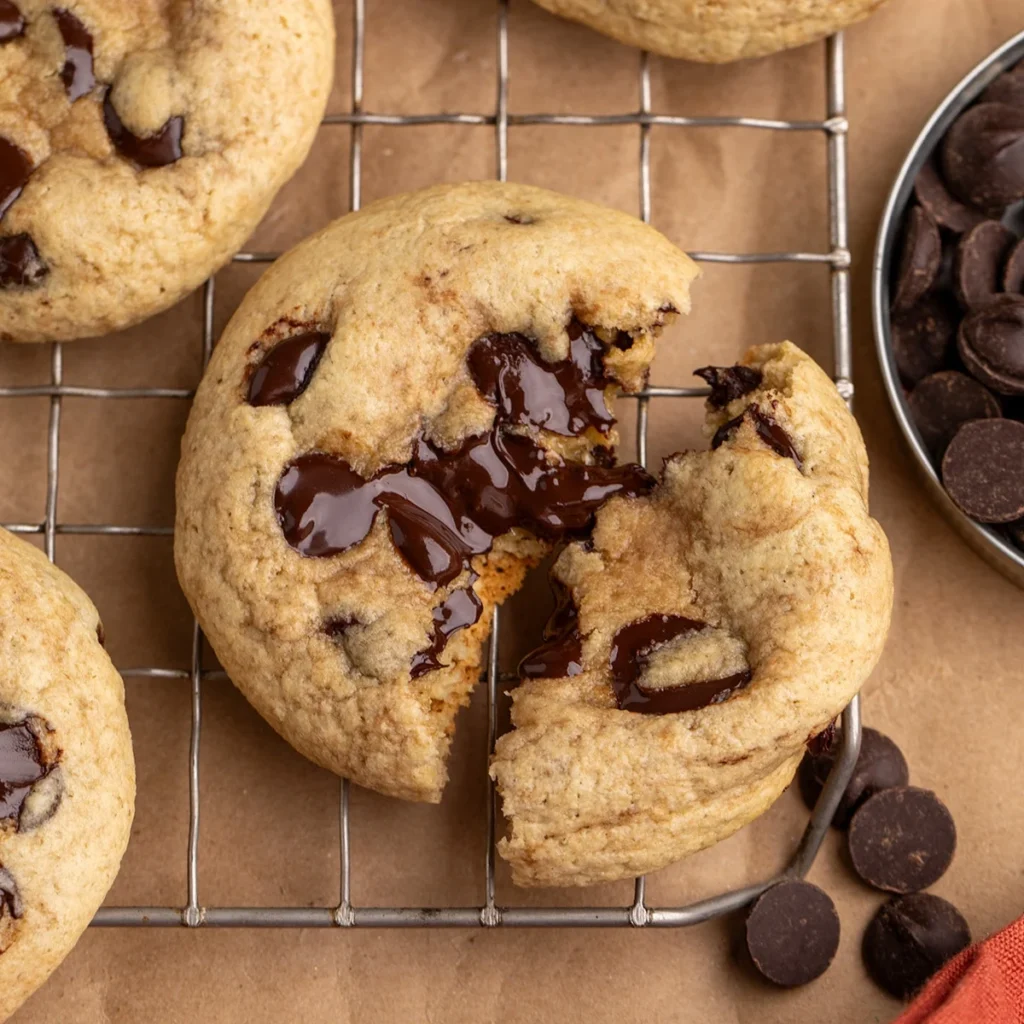
For years, the world of protein-enriched snacking was dominated by dense, chalky bars and shakes that tasted more like a chemistry experiment than a treat. Consumers often found themselves choosing between functional nutrition and genuine culinary enjoyment. However, a new approach to baking is bridging that gap, proving that you don’t need to sacrifice the buttery, chewy texture of a classic chocolate chip cookie to achieve a significant protein boost.
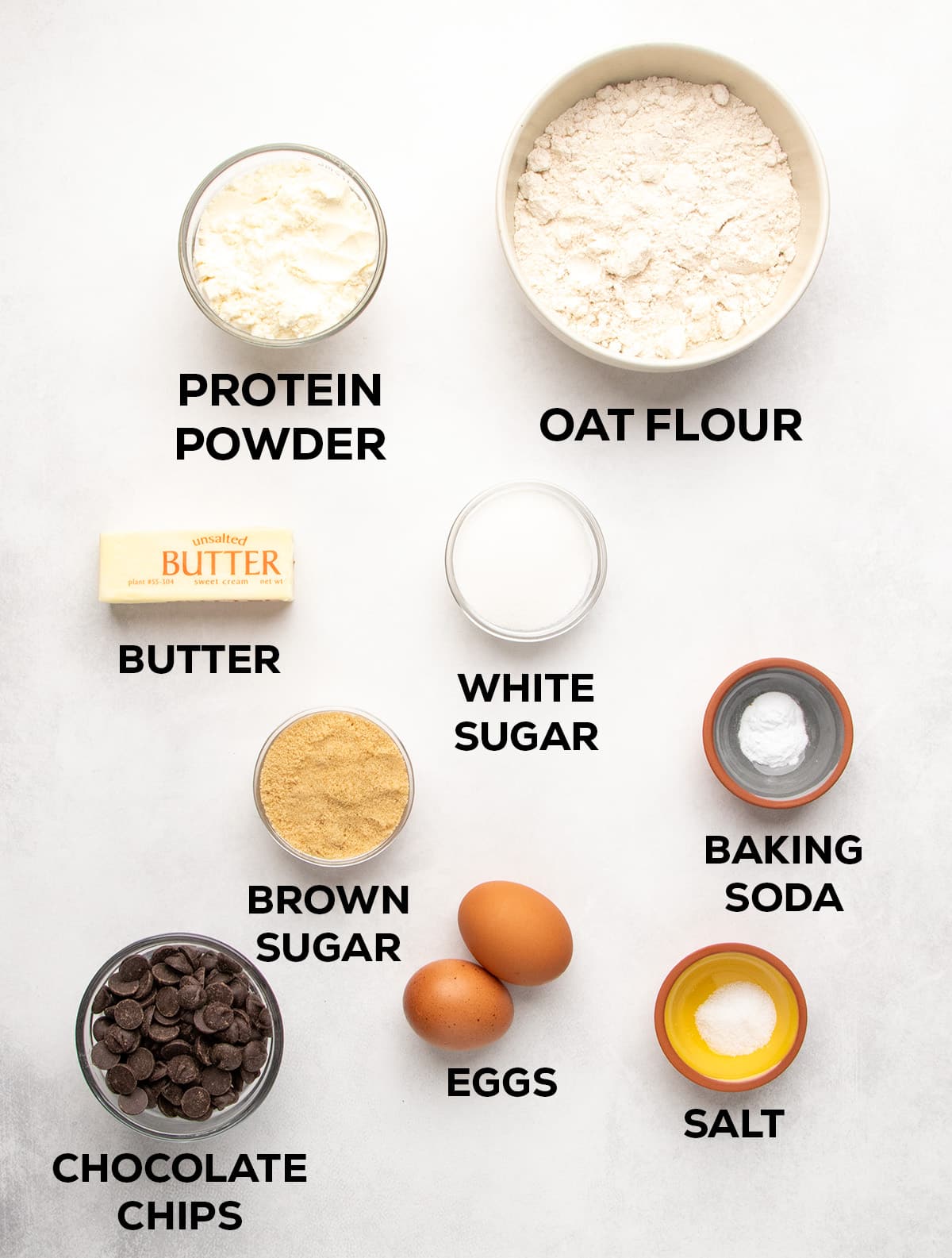
The latest recipe making waves in the gluten-free community is a refined, protein-packed chocolate chip cookie that delivers 10 grams of protein per serving. By moving away from the traditional reliance on nut butters—which often dictate the flavor profile of "healthy" baked goods—this recipe utilizes protein powder and oat flour to achieve a result that tastes, first and foremost, like a decadent dessert.
Main Facts: Redefining Functional Baking
The core innovation of this recipe lies in its structural engineering. Most homemade protein cookies rely heavily on almond or peanut butter to provide both structure and protein. While effective, this often results in a heavy, oily cookie with a distinct nutty flavor that can overpower the chocolate.

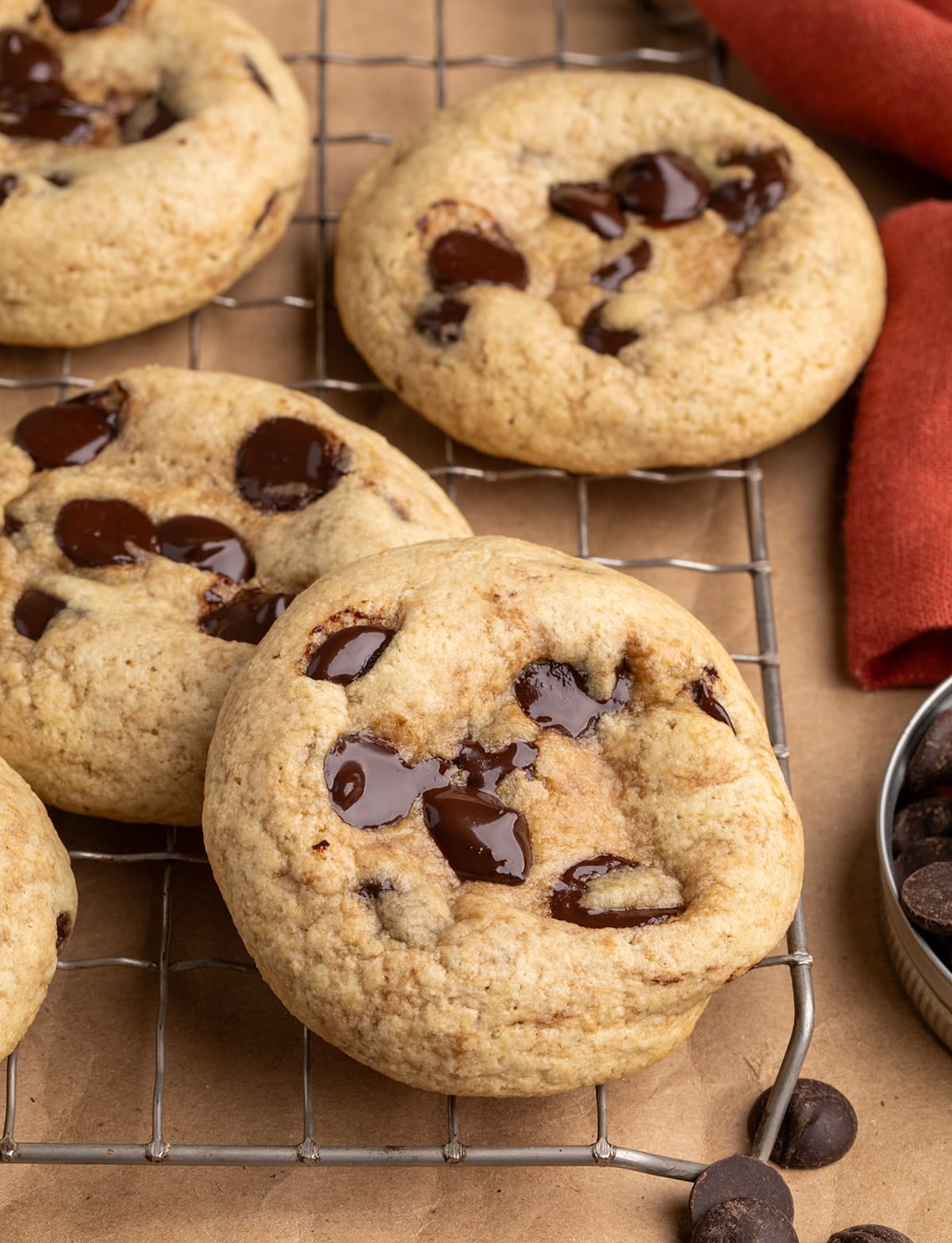
By pivoting to a combination of finely ground oat flour and high-quality protein powder, the texture is transformed. The inclusion of melted butter, eggs, and a precise blend of white and brown sugars ensures that the cookies remain soft and chewy rather than dry or brittle.
Key Nutritional Profile (Per Cookie):
- Protein: 10 grams
- Calories: 284 kcal
- Fiber: 2 grams
- Carbohydrates: 28 grams
- Fat: 15 grams
The recipe is designed for both the fitness enthusiast and the home baker who demands quality. It eliminates the "chalky" aftertaste associated with many protein powders by balancing the dry ingredients with enough moisture-rich fats and sugars to keep the crumb tender.
Chronology: The Journey from Concept to Perfect Cookie
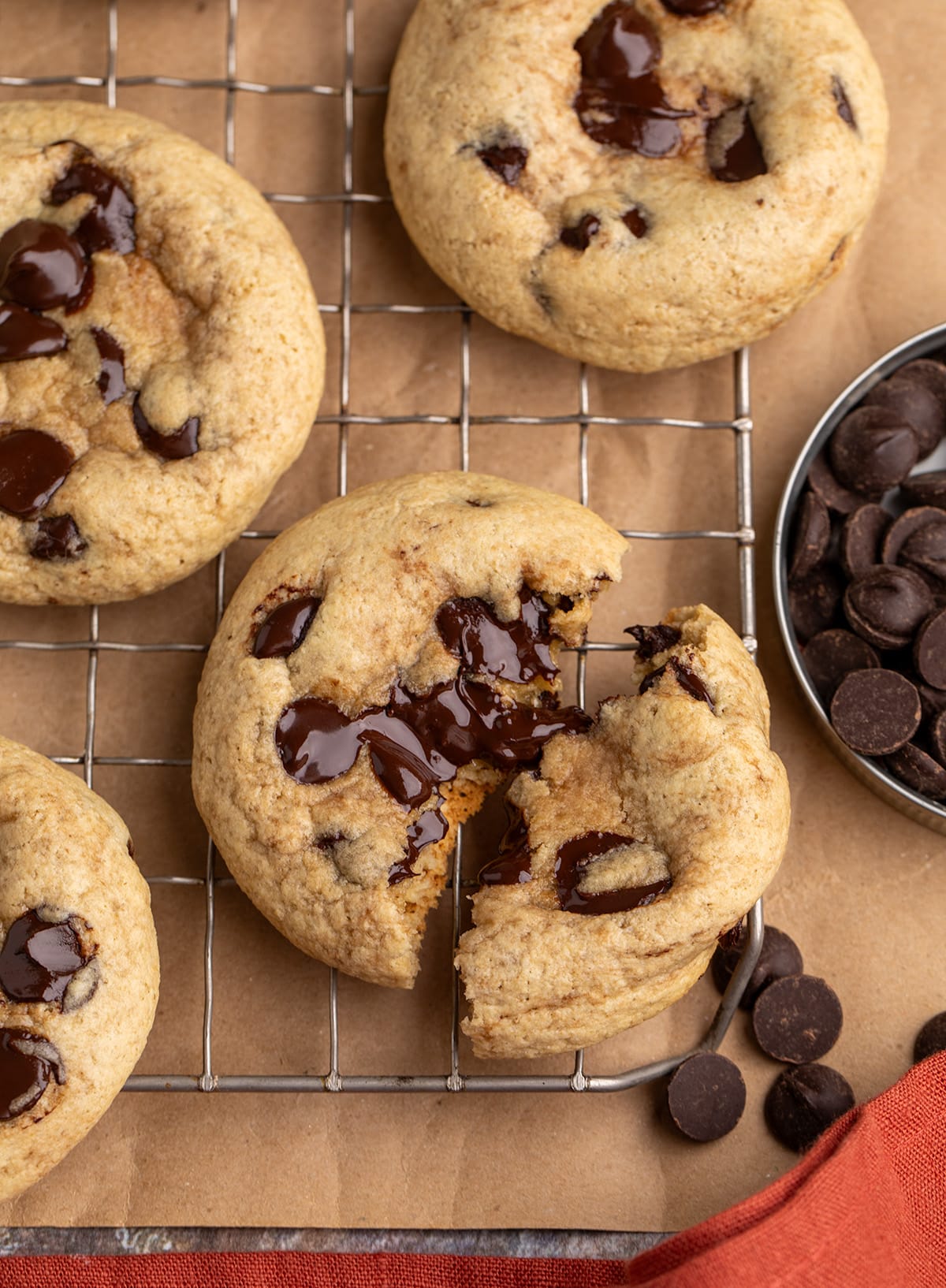
The development of this recipe followed a rigorous testing process, emphasizing the "soft-baked" standard. The chronology of the development phase highlights three critical shifts in technique:
- The Flour Swap: Early prototypes utilized almond flour exclusively. While delicious, the high fat content of almond flour combined with protein powder led to a cookie that lacked the desired "chew." Moving to finely ground oat flour provided the necessary structure to support the protein powder without drying out the dough.
- Temperature Control: The baking process was refined to address the tendency of protein powder to dehydrate rapidly in the oven. The discovery that pulling the cookies when the tops are still pale—leaving them to finish setting on the cooling rack—was the turning point. This "carry-over cooking" is the secret to their signature soft texture.
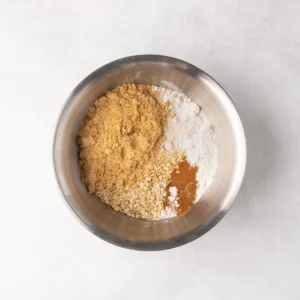
- Ingredient Integration: To prevent the protein powder from clumping, the method now emphasizes a thorough whisking of all dry ingredients before the introduction of any liquids. This ensures that leavening agents like baking soda are evenly distributed, preventing "pockets" of unrisen dough.
Supporting Data: The Science of the "Protein Cookie"
The challenge with incorporating protein powder into baked goods is the denaturation of proteins under heat and their natural affinity for water. Protein powders, particularly whey, are highly absorbent.
Why This Formula Succeeds
- Hydrophilic Balance: By using brown sugar, which contains molasses, the recipe introduces moisture that is more stable during the baking process than white sugar alone.
- Thermal Management: Baking at 325°F (a slightly lower temperature than standard cookie recipes) is a deliberate choice. It allows the cookies to rise and set without rapidly evaporating the moisture from the protein powder.
- Leavening Efficiency: The combination of protein powder and oat flour requires precise leavening. The use of baking soda, when activated by the moisture of the eggs and butter, provides just enough lift to keep the cookie light without causing it to collapse as it cools.
Official Perspective: The Philosophy of "Gluten-Free on a Shoestring"
Nicole Hunn, the creator behind the Gluten Free on a Shoestring platform, has long advocated for a standard where gluten-free cooking is indistinguishable from traditional baking. In her view, the goal is to eliminate the "good for gluten-free" qualifier.
"The objective," Hunn notes, "is to create food that stands on its own merits." Her philosophy centers on the idea that dietary restrictions—whether for health, fitness, or medical necessity—should not necessitate a decrease in quality. By optimizing the ratio of ingredients in these protein cookies, the recipe seeks to normalize the inclusion of supplemental nutrition in everyday comfort foods.
Hunn emphasizes that the secret to the recipe’s success is not in the "health" label, but in the adherence to traditional baking mechanics—mixing, folding, and timing—that have defined classic pastry arts for decades.
Implications: The Future of Home-Baked Nutrition
The popularity of these protein-forward cookies has significant implications for the home-baking market. As consumers become more conscious of their macronutrient intake, the demand for "stealth health"—baked goods that provide nutritional benefits without signaling a "diet" food—is skyrocketing.
A More Sustainable Path
By preparing these cookies at home, consumers avoid the preservatives, stabilizers, and excess packaging associated with store-bought protein snacks. Furthermore, the ability to substitute ingredients—such as using vegan butter or collagen peptides—allows the recipe to adapt to various dietary needs, including dairy-free or specific protein preferences.
Long-Term Storage and Convenience
The resilience of this dough also makes it an excellent candidate for meal prep. The cookies can be stored in a sealed container for up to five days or frozen for up to three months. This longevity challenges the necessity of purchasing individually wrapped, ultra-processed snacks.
The Allergen-Friendly Horizon
The provided substitutions for eggs and oats demonstrate the versatility of this base formula. Whether one is dealing with celiac disease, egg allergies, or specific macro goals, the structural integrity of the cookie remains intact. This adaptability ensures that the recipe remains relevant across diverse household needs, effectively proving that nutritional efficiency can be both simple and delicious.

In conclusion, these chocolate chip protein cookies represent a successful marriage of culinary tradition and modern dietary science. By focusing on the fundamentals of texture and flavor, they provide a blueprint for how we might view the future of snacks: as something that nourishes the body while satisfying the spirit. Whether enjoyed as a post-workout recovery snack or a mid-afternoon treat, these cookies offer a compelling case for the power of intentional, home-prepared nutrition.