The Silent Killer and the "Win-Win" Solution: Is Potassium Chloride the Key to a Healthier Future?
Main Facts
In the complex tapestry of modern nutrition, few threads are as detrimental to public health as the imbalance of dietary sodium and potassium. High dietary sodium intake, often synonymous with excessive salt consumption, stands as the single leading dietary risk factor globally. This ubiquitous ingredient, a staple in processed foods and many home kitchens, is estimated to contribute to millions of deaths annually, primarily through its insidious impact on blood pressure. Hypertension, or high blood pressure, aptly dubbed the "silent and invisible killer," rarely presents symptoms but is a potent precursor to a cascade of life-threatening conditions including stroke, heart attack, and debilitating kidney damage. Its widespread prevalence and often asymptomatic nature make it one of the most challenging public health crises of our time.
Conversely, potassium, a vital mineral, has largely become the "forgotten nutrient." Human physiology evolved on a diet inherently rich in potassium and remarkably low in sodium, a pattern drastically inverted in contemporary Western diets. This seismic shift reflects a move away from traditional plant-based foods—fruits, vegetables, roots, and tubers—which are naturally abundant in potassium, towards highly processed, sodium-laden foods that are often stripped of this essential mineral. Consequently, potassium is now classified as a "nutrient of public health concern," with a staggering 98% of the U.S. population failing to meet the recommended minimum daily intake. This deficiency is not merely a statistical anomaly; low potassium intake itself is directly implicated in the development of high blood pressure and cardiovascular disease.
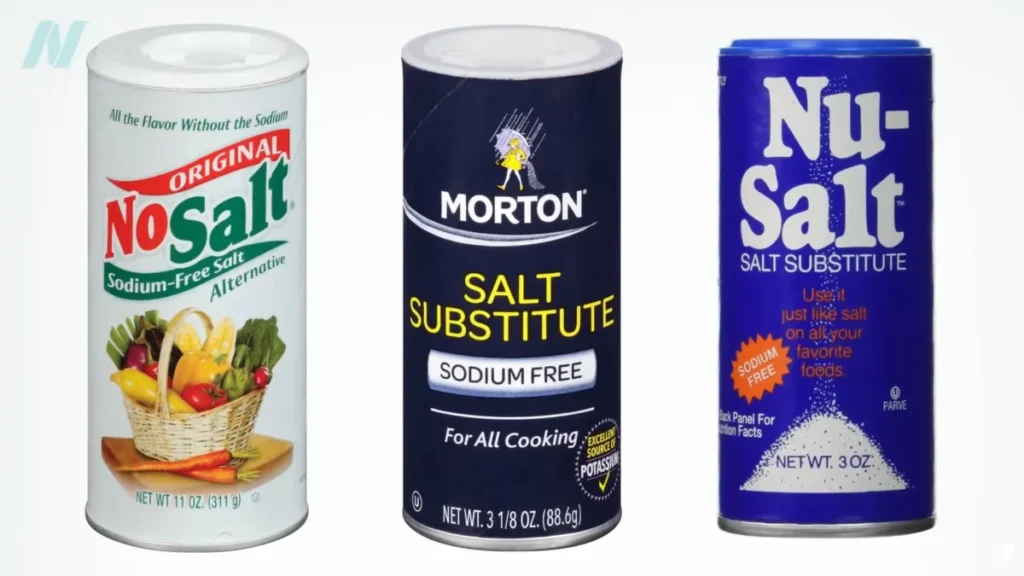
Amidst this critical imbalance, a compelling solution is emerging from rigorous scientific inquiry: potassium chloride. This naturally occurring mineral salt, structurally similar to common table salt (sodium chloride), presents a seemingly elegant "win-win" proposition. By substituting potassium chloride for a portion of traditional salt, individuals can simultaneously reduce their detrimental sodium intake while augmenting their much-needed potassium levels. This dual action holds the potential to counteract the adverse health effects of the modern diet, offering a powerful intervention in the global fight against hypertension and its deadly consequences. The prospect of achieving the benefits of an ancestrally aligned, high-potassium diet without compromising taste or convenience is igniting a crucial discussion about the future of dietary recommendations and food manufacturing.
Chronology
The narrative of human dietary evolution and its divergence from optimal health is central to understanding the current sodium-potassium dilemma.
Evolutionary Context
For millennia, human ancestors thrived on diets characterized by their proximity to nature. Paleolithic diets, for instance, were overwhelmingly plant-based, featuring an abundance of fruits, leafy greens, root vegetables, and tubers, complemented by lean protein sources. This dietary pattern naturally delivered high levels of potassium, crucial for myriad physiological functions including nerve impulse transmission, muscle contraction, and maintaining fluid balance. Critically, these diets were inherently low in sodium. The human kidney, a marvel of evolutionary adaptation, became highly efficient at conserving sodium, a scarce commodity in the ancestral environment. This genetic predisposition, once a survival advantage, now renders us particularly vulnerable to the flood of sodium in the modern food supply.
The Rise of Sodium
The industrial revolution and the subsequent advent of processed foods marked a dramatic turning point. As societies urbanized and lifestyles accelerated, convenience foods, often high in salt, sugar, and unhealthy fats, became commonplace. Salt, initially used as a preservative, evolved into a pervasive flavor enhancer. Food manufacturers discovered that sodium not only extended shelf life but also made foods more palatable, driving consumer demand. The hidden nature of sodium in pre-packaged meals, snacks, and restaurant offerings meant that individuals were consuming far more than they realized, often without adding a single grain of salt at the table. This systemic shift transformed sodium from a valuable nutrient into a leading dietary villain.
Growing Awareness & Early Research
The medical community began to connect high salt intake with hypertension in the mid-20th century, though definitive proof and widespread acceptance took time. Early epidemiological studies observed higher rates of hypertension in populations with higher salt consumption. By the late 20th and early 21st centuries, a robust body of evidence, including observational studies and initial controlled trials, solidified the link between sodium and elevated blood pressure. Public health campaigns emerged, urging reduced salt intake, though often met with challenges in changing ingrained dietary habits and industry practices.
Potassium’s Emergence
While sodium’s detrimental effects garnered significant attention, the critical role of potassium remained relatively underappreciated for a longer period. Research gradually highlighted potassium’s counterbalancing effects on sodium, demonstrating its capacity to mitigate blood pressure elevation and offer direct cardiovascular protection. Meta-analyses began to confirm that higher potassium intake reduced stroke risk, even independent of blood pressure effects. This growing understanding underscored that the issue wasn’t just about reducing sodium, but also about restoring the crucial sodium-potassium balance that had been disrupted over centuries of dietary evolution. This dual focus paved the way for exploring solutions that addressed both sides of the equation, with potassium chloride emerging as a promising contender.
Supporting Data
The scientific evidence supporting the benefits of reducing sodium and increasing potassium intake, particularly through salt substitutes like potassium chloride, is robust and compelling, drawing from a combination of observational studies and gold-standard randomized controlled trials (RCTs).
The Silent Killer: Hypertension and its Toll
Hypertension remains a global health emergency. Affecting an estimated 1.28 billion adults aged 30-79 worldwide, it is a primary driver of cardiovascular disease. The mechanism is clear: excess sodium leads to increased fluid retention in the body, which elevates blood volume and places greater strain on blood vessel walls, raising blood pressure. Over time, this constant pressure damages arteries, making them stiffer and narrower, a condition known as atherosclerosis. This arterial damage is the direct precursor to heart attacks, strokes, and kidney failure. In the United States alone, hypertension contributes to over half a million deaths annually, and its treatment and management incur billions of dollars in healthcare costs, placing an immense burden on individuals, healthcare systems, and national economies. The insidious nature of hypertension lies in its asymptomatic progression, often remaining undetected until severe damage has occurred.
Potassium: The Neglected Nutrient
While sodium’s dangers are widely acknowledged, potassium’s crucial role is often overlooked. This essential electrolyte is vital for maintaining cellular function, regulating fluid balance, transmitting nerve signals, and facilitating muscle contractions, including those of the heart. Low potassium intake, or hypokalemia, directly contributes to hypertension by impairing the kidneys’ ability to excrete sodium and by adversely affecting vascular tone. When potassium levels are insufficient, the body struggles to counteract the effects of sodium, leading to a rise in blood pressure. The fact that 98% of the U.S. population fails to meet the recommended daily intake of potassium highlights a severe dietary deficiency with profound public health implications. Foods rich in potassium include bananas, avocados, spinach, sweet potatoes, beans (like black beans and kidney beans), lentils, and citrus fruits. Integrating these whole, plant-based foods into the diet is the ideal approach, as they offer a spectrum of other beneficial nutrients.
The Science of Salt Substitution
The concept of using potassium chloride as a salt substitute is not merely theoretical; it is backed by an impressive body of clinical evidence.
Randomized Controlled Trials (RCTs)
Randomized controlled trials, considered the highest standard of scientific evidence, have unequivocally demonstrated the efficacy of both sodium reduction and potassium supplementation in lowering blood pressure. Studies show that reducing sodium intake directly leads to a significant decrease in blood pressure, while conversely, providing individuals with extra potassium also results in measurable blood pressure reductions. This dual impact provides a strong rationale for salt substitutes that address both aspects simultaneously.
A comprehensive review of 10 studies, encompassing 11 randomized controlled trials, revealed that simply swapping a portion of regular sodium chloride with potassium chloride led to significant reductions in blood pressure among individuals with hypertension. These findings suggest that such substitutes are not only therapeutic for existing conditions but also hold promise for preventing the onset of hypertension in at-risk populations.
Preventing Hypertension
One particularly impactful randomized controlled trial demonstrated the preventative power of potassium chloride. In this study, households had their standard salt replaced with a blend containing just a quarter potassium chloride. Remarkably, at this modest level of substitution, many participants either couldn’t detect a taste difference or, in some cases, even preferred the taste of the potassium-enhanced salt. More importantly, the use of this quarter-strength salt substitute was associated with a staggering 50% reduction in the risk of developing hypertension. This result underscores the immense potential for public health interventions that incorporate salt substitutes, particularly in populations where home cooking is a primary source of sodium intake.

Mortality and Cardiovascular Events
Beyond blood pressure reduction and hypertension prevention, the most compelling evidence comes from studies examining long-term health outcomes, including cardiovascular disease and all-cause mortality.
-
The Veterans’ Home Study: A groundbreaking study conducted in a veterans’ retirement home involved randomizing five kitchens to either use regular salt or a 50/50 blend of potassium chloride for their meals. Crucially, neither the cooks nor the diners were aware of the salt type being used, eliminating potential bias. Over a period of approximately two and a half years, participants in the half-potassium group experienced a remarkable 40% reduction in their risk of dying from cardiovascular disease. This intervention also translated into a tangible increase in life expectancy, with participants living up to nearly a year longer. The researchers calculated that the life expectancy difference observed at age 70 was "equivalent to that which would have naturally occurred in 14 [years]," implying that merely switching to a half-potassium salt effectively made individuals more than a decade younger in terms of their risk of death. This finding provides a powerful testament to the life-saving potential of such a simple dietary modification.
-
The China Salt Substitute and Stroke Study: Perhaps the most definitive evidence comes from a massive, recent randomized controlled trial conducted in China. Involving an unprecedented scale of 600 villages and over 20,000 participants, this five-year study assigned participants to either receive a salt substitute made of a quarter potassium chloride or continue using regular salt. The results were unequivocal: the salt substitute not only significantly reduced strokes and cardiovascular events in general but also led to a reduction in the risk of death from all causes combined. This monumental study provides robust, real-world evidence of the profound public health benefits achievable through widespread adoption of potassium chloride salt substitutes. China served as an ideal setting for this study because up to 75% of the population’s sodium intake originates from salt added during home cooking or at the dining table, making household-level interventions particularly impactful.
Independent Benefits of Potassium
It’s also crucial to highlight that potassium offers protective effects beyond its direct influence on blood pressure. Research indicates a reduction in stroke risk that is independent of blood pressure effects. This can be attributed to potassium’s other beneficial actions, such as reducing clot formation, decreasing arterial stiffening, and mitigating the generation of harmful free radicals. These multifaceted protective mechanisms further solidify potassium’s status as a critical nutrient for cardiovascular health. Ultimately, while high sodium intake is associated with a 20% increased risk of premature death, higher potassium intake is linked to a corresponding 20% reduced risk of dying prematurely, painting a clear picture of the stakes involved.
Official Responses and Industry Stance
Despite the overwhelming scientific evidence, the widespread adoption of potassium chloride salt substitutes has faced a complex interplay of public health recommendations, industry inertia, and consumer perceptions.
Public Health Recommendations
Major public health organizations globally, including the World Health Organization (WHO), the Centers for Disease Control and Prevention (CDC), and the American Heart Association (AHA), have long advocated for reduced sodium intake as a cornerstone of cardiovascular health. Their guidelines consistently recommend consuming less than 2,300 milligrams of sodium per day, with an ideal limit closer to 1,500 milligrams for most adults. Simultaneously, these bodies emphasize increasing potassium intake through a diet rich in fruits and vegetables. While some organizations have cautiously endorsed salt substitutes as a strategy for sodium reduction, specific, forceful recommendations for potassium chloride substitutes are still gaining momentum. The sheer volume and quality of recent evidence, particularly the large-scale China study, are likely to accelerate these discussions and potentially lead to more explicit guidance. The Mayo Clinic, for instance, in a review, suggested the possibility of "Achieving the Benefits of a High-Potassium, Paleolithic Diet, Without the Toxicity," indicating a positive view from some medical thought leaders.
Food Industry Inertia
A significant hurdle to the broader adoption of potassium chloride substitutes lies within the food industry. While the evidence is compelling, many food companies have been slow to reformulate their products. Several factors contribute to this inertia:
- Taste Perception: Although studies show many consumers cannot distinguish between regular salt and substitutes, or even prefer the latter, some may perceive a slight metallic or bitter aftertaste, particularly if the potassium chloride concentration is too high. This perception, even if minority-held, can deter widespread industry adoption driven by profit motives.
- Consumer Acceptance and Marketing: Introducing "salt substitutes" might inadvertently label products as "diet" or "medical," potentially reducing their appeal to the general public. Marketing strategies would need to effectively communicate the health benefits without alienating consumers.
- Cost and Supply Chain: While potassium chloride is a naturally occurring mineral, integrating it into existing large-scale food production processes may incur initial costs related to sourcing, reformulation, and quality control.
- Regulatory Hurdles: The regulatory landscape around food additives and health claims can be complex, potentially slowing down the approval and widespread use of new formulations.
- The "Hidden" Sodium Problem: In countries like the U.S., where the majority of sodium intake comes from processed and restaurant foods, the responsibility for change primarily rests with manufacturers and food service providers. This contrasts with regions like China, where home cooking is a larger contributor, making individual household adoption more impactful. While food companies certainly have the capacity to switch to healthier salt blends, the motivation to do so without strong regulatory pressure or consumer demand can be limited.
Regulatory Landscape
The regulatory environment plays a crucial role. Governments can implement policies to encourage or mandate sodium reduction in processed foods. This could include setting targets for sodium levels, offering incentives for reformulation, or even considering the explicit recommendation or labeling of salt substitutes. For instance, some countries have implemented voluntary sodium reduction targets, but these have often yielded limited success without stronger enforcement mechanisms. The compelling evidence from recent large-scale trials provides a powerful argument for policymakers to re-evaluate existing regulations and consider more proactive measures to promote potassium chloride alternatives.
Implications and Future Outlook
The profound implications of incorporating potassium chloride as a salt substitute extend far beyond individual dietary choices, touching upon global public health, economic burdens, and the future of food policy.
Transformative Potential
The data unequivocally points to the transformative potential of potassium chloride salt substitutes. If widely adopted, these substitutes could significantly reduce the incidence of hypertension, strokes, heart attacks, and premature deaths on a global scale. Imagine a world where a simple swap in the kitchen or a reformulation by food manufacturers could effectively make populations "a decade younger" in terms of cardiovascular risk. This is not merely an incremental improvement but a fundamental shift in managing one of the leading causes of preventable mortality. The dual benefit of simultaneously reducing a harmful nutrient (sodium) and increasing a protective one (potassium) offers an unprecedented opportunity to address a critical dietary imbalance that has plagued modern societies for decades.
Addressing Safety Concerns
Despite the compelling benefits, the question of safety naturally arises, as highlighted by concerns about the "inclusion of potentially fatal salt substitutes in the food supply." While the vast majority of individuals can safely consume potassium chloride, there are specific populations for whom high potassium intake can be problematic. Individuals with impaired kidney function, who struggle to excrete excess potassium, or those on certain medications that can elevate potassium levels (such as ACE inhibitors or potassium-sparing diuretics), may be at risk of hyperkalemia (dangerously high potassium levels). This critical caveat necessitates careful consideration and highlights the need for physician guidance in specific cases. However, for the general healthy population, especially given the widespread potassium deficiency, the benefits far outweigh the risks. A nuanced approach to public health messaging and product labeling would be essential to ensure safe and effective use, guiding those at risk to consult healthcare professionals.
Challenges and Opportunities
The path to widespread adoption of potassium chloride salt substitutes is fraught with challenges but also rich with opportunities:
- Education: A major hurdle is the lack of public awareness regarding the sodium-potassium imbalance and the benefits of potassium. Physicians also need to be better educated on the importance of potassium intake and the utility of salt substitutes, as few currently advise patients to consume more potassium-rich foods. Comprehensive public health campaigns are needed to demystify potassium chloride and highlight its advantages.
- Policy: Governments and international health organizations have a critical role to play in incentivizing or mandating the food industry to reformulate products with lower sodium and higher potassium content. This could involve clear guidelines, tax incentives, or even regulatory frameworks for salt substitutes in various food categories.
- Research: Continued research into optimal potassium chloride ratios, long-term health outcomes across diverse populations, and effective communication strategies will further solidify the evidence base and address remaining questions.
- Taste Engineering: Further innovation in food science to refine the taste profile of salt substitutes could overcome consumer resistance and accelerate industry adoption.
A Call to Action
The evidence is clear: potassium chloride salt substitutes offer a powerful, practical, and palatable solution to a critical public health crisis. As one commentary aptly asked, "Is Salt Substitution Ready for Prime Time?" The answer, supported by extensive research, increasingly appears to be a resounding yes. The opportunity to achieve the benefits of an ancestrally aligned, high-potassium diet without compromising convenience or taste is within reach. It demands a concerted effort from policymakers, the food industry, healthcare providers, and individuals to embrace this "win-win" strategy, moving towards a healthier, less disease-burdened future. The urgency to address the silent killer of hypertension and the pervasive deficiency of potassium has never been greater, and potassium chloride stands as a beacon of hope in this vital endeavor.
Doctor’s Note
This article is the second in a three-part series exploring the critical balance of salt and potassium in our diets. For a foundational understanding, readers are encouraged to review the first installment, "The Mineral Intake Recommendations Only 1 in 6,000 U.S. Adults Meet." The series concludes with an essential discussion on the safety and efficacy of these substitutes in "Are Potassium Chloride Salt Substitutes Safe and Effective?"
For a deeper dive into the scientific underpinnings of sodium’s impact, refer to "The Evidence That Salt Raises Blood Pressure," which details the randomized controlled trials proving the link.