The Ultimate Guide to Perfect Gluten-Free Breakfast Bars: Achieving Bakery-Quality Texture at Home
In the ever-evolving world of gluten-free baking, few challenges are as persistent as achieving the "perfect" texture. Whether it is the crumbly nature of gluten-free muffins or the rock-hard consistency of store-bought granola bars, the quest for a snack that feels satisfying—rather than merely "diet-friendly"—remains a priority for home bakers. Enter the gluten-free breakfast bar: a thick, chewy, and nostalgic square that captures the essence of brown sugar and cinnamon oatmeal without the reliance on traditional wheat.
This article explores the technical nuances behind creating these breakfast staples, the methodology for achieving bakery-style results, and the implications for those navigating dietary restrictions in their daily routines.
Main Facts: The Science of the Oat Bar
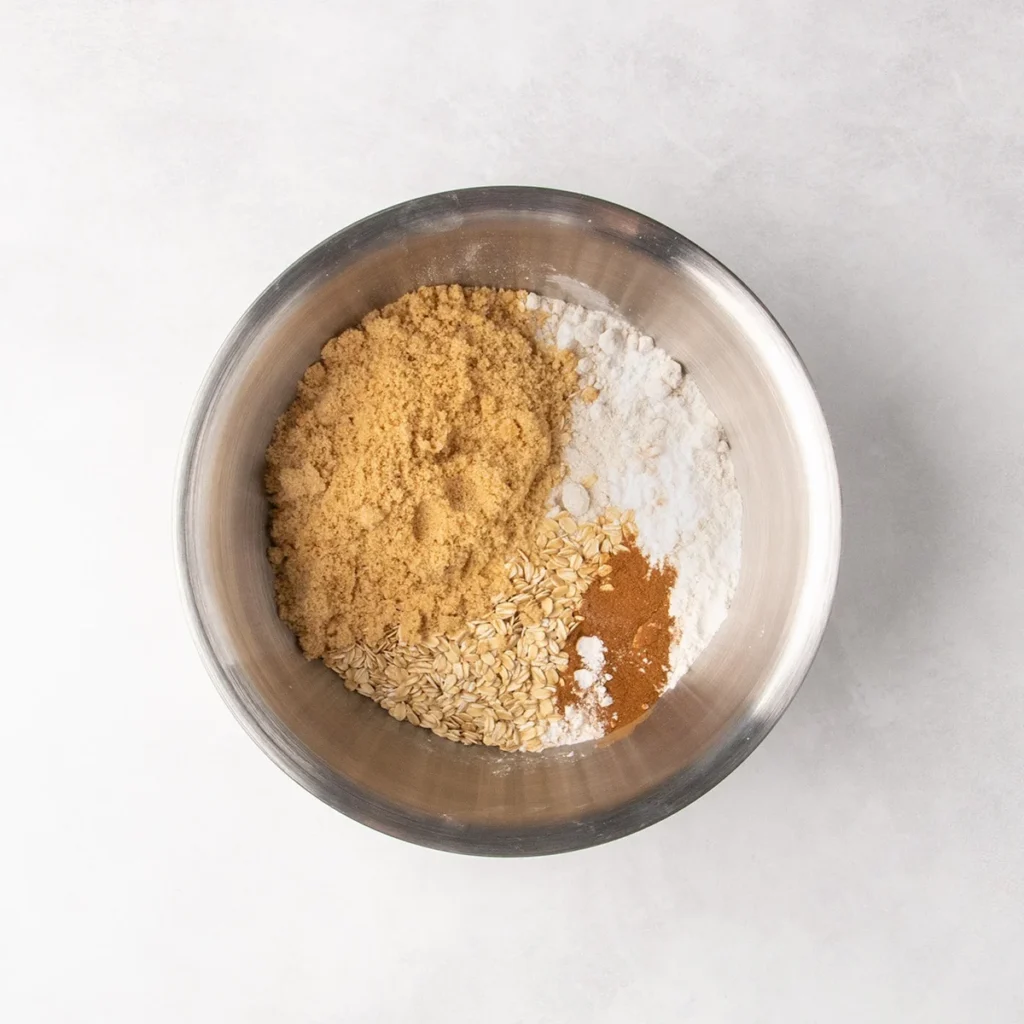
The success of a gluten-free breakfast bar hinges on the interplay between oat flour and rolled oats. While many commercial granola bars lean heavily on nuts and seeds for structure, these bars prioritize the flavor profile of traditional oatmeal. By utilizing oat flour to provide a smooth, chewy foundation and whole rolled oats to add essential texture, bakers can create a product that mimics the density of a classic bar without becoming a "crunchy" nuisance.

Key characteristics of this specific recipe include:
- The Binding Agent: A precise balance of brown sugar, honey, and melted coconut oil creates a cohesive, sturdy structure that is notably less sticky than standard commercial granola bars.
- Temperature Control: By baking at a lower temperature (325°F), the bars avoid the Maillard reaction that leads to deep browning, instead remaining pale, soft, and moist.
- Structural Integrity: These bars are designed to be "grab-and-go" ready, resisting the common pitfall of crumbling during travel.
Chronology: The Evolution of the Recipe
The journey to a reliable gluten-free bar has been marked by trial and error. Historically, the gluten-free community was forced to rely on heavy, flavorless flour blends that required excessive gums to stay together.
- The Early Stages: Initial attempts at breakfast bars often involved high-heat baking, which resulted in bars that were either burnt on the edges or doughy in the center.
- The Shift in Technique: Bakers discovered that the secret lay in "sharpening the edges." By treating the dough similarly to a biscuit or shortbread—rolling it to a uniform thickness and using a bench scraper to create vertical walls—the bars rise upward rather than spreading out into a thin, brittle sheet.
- Modern Optimization: Today’s approach emphasizes the importance of refined coconut oil. Unlike liquid oils, refined coconut oil remains solid at room temperature, which provides the necessary "snap" and structure to the bar once cooled, ensuring a clean bite.
Supporting Data: Ingredient Chemistry
To understand why this recipe works, one must look at the specific requirements for gluten-free binders and fat sources.
The Role of Flour Blends
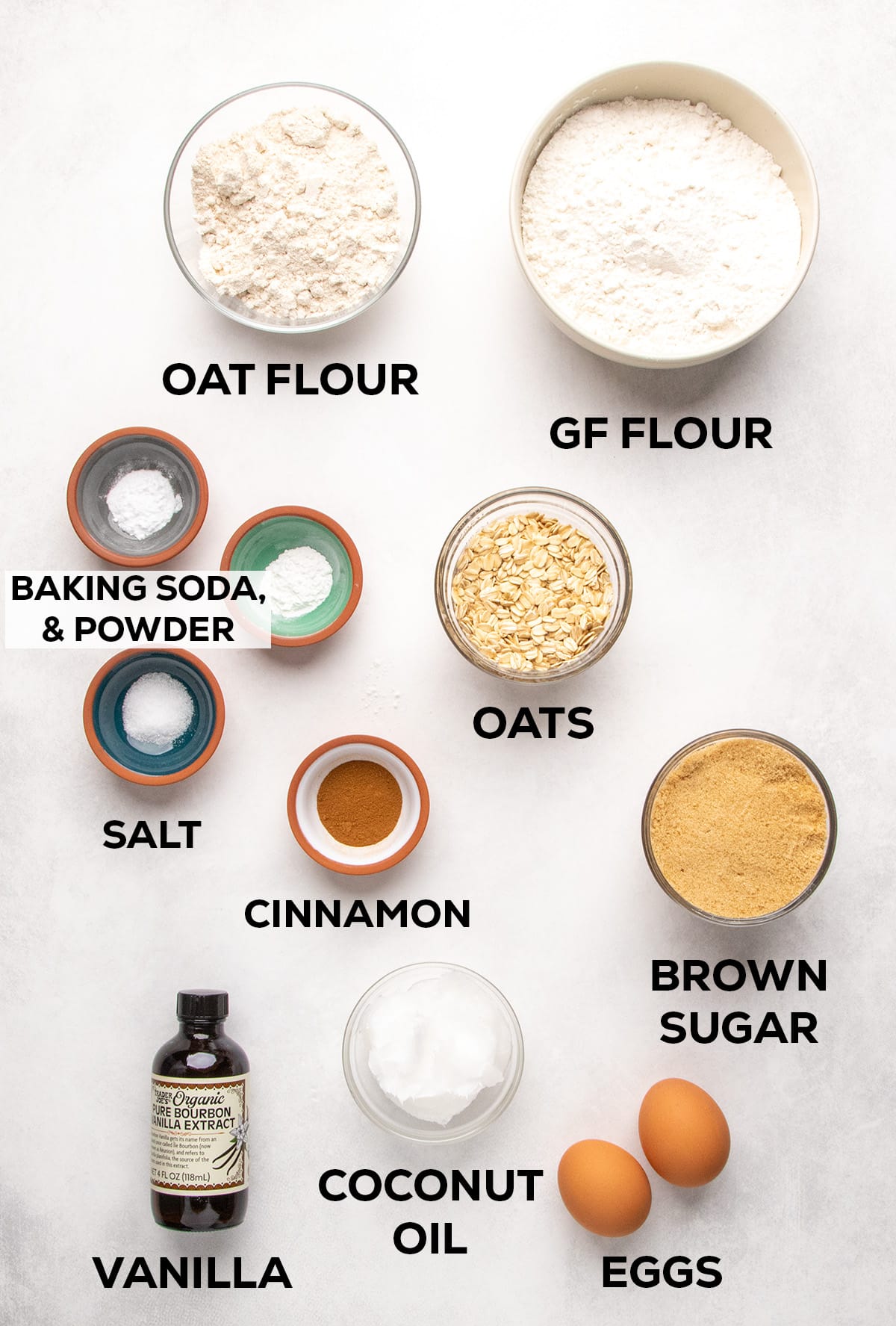
The recipe performs optimally with high-quality all-purpose gluten-free flour blends. For those using blends like Bob’s Red Mill 1-to-1, the addition of an extra 1/4 teaspoon of xanthan gum is vital. Xanthan gum acts as the "glue" that replaces the elasticity lost by removing gluten. Without this component, the bars would lose their structural integrity, resulting in a loose pile of oats rather than a unified bar.
Fat and Moisture Ratios
The choice of coconut oil is not merely a flavor preference. Coconut oil provides a higher saturated fat content than many vegetable oils, which is essential for the "chew" factor. The inclusion of honey provides a hygroscopic quality—meaning it attracts moisture from the air—which keeps the bars soft over several days of storage, a significant improvement over sugar-only recipes which tend to go stale quickly.
Official Guidance: Expert Tips for the Home Baker
To achieve professional results, experts recommend adhering to the following protocols:
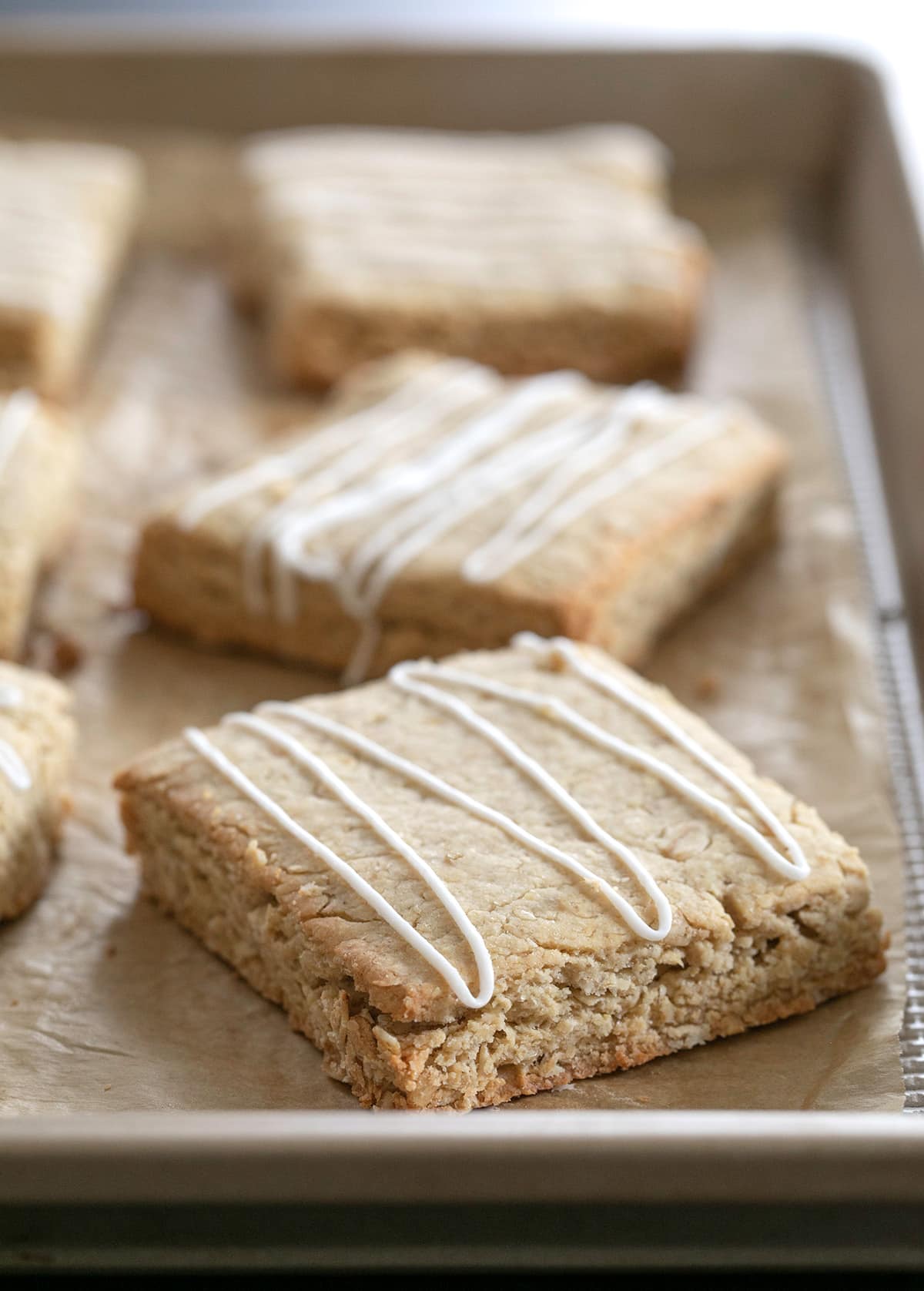
- Mind the Water: When mixing the wet and dry ingredients, the dough should appear somewhat dry and crumbly. Only add lukewarm water to visible dry pockets. Over-hydrating the dough is the leading cause of "spreading," which ruins the desired thick, rectangular shape.
- The Bench Scraper Technique: Never skip the step of squaring off the edges. Using a straight edge to push the dough into a tight square forces the structure to build height. This is the difference between a sad, thin cookie and a satisfying, substantial bar.
- Temperature Consistency: Always use refined coconut oil that is solid at room temperature. If the oil is too warm, the dough will be impossible to roll; if it is too cold, it will be brittle. Aim for a "cool room temperature" consistency.
Implications for Dietary Lifestyles
The rise of the homemade gluten-free breakfast bar has significant implications for families managing Celiac disease or gluten sensitivity.
Economic Impact
Commercial gluten-free products are notoriously expensive. By mastering the art of the homemade bar, families can significantly reduce their grocery bills. Furthermore, the ability to bulk-prepare these bars and freeze them for up to three months allows for a level of convenience that matches pre-packaged goods, without the additives or preservatives often found in processed foods.
Nutritional Customization
One of the most profound implications of this recipe is the ability to adjust the nutritional profile. Unlike store-bought bars, which often contain hidden fillers, high-fructose corn syrup, or excessive preservatives, this recipe is transparent. Bakers can control the sugar content, substitute ingredients for allergy needs (such as using quinoa flakes instead of oats for those with oat sensitivities), and ensure the kitchen remains a safe space from cross-contamination.
The Social Component
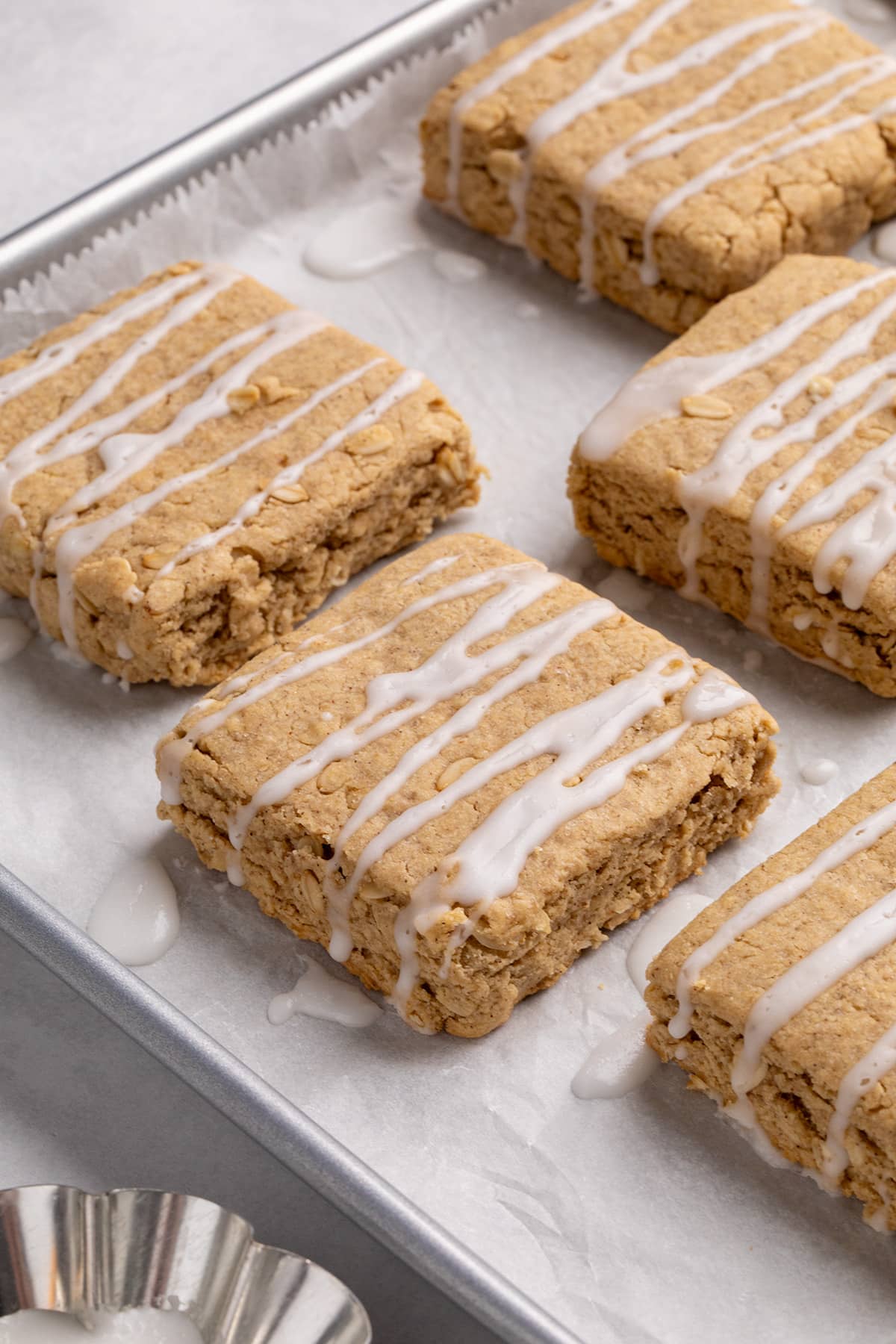
For children with dietary restrictions, feeling "left out" during breakfast or snack time is a common challenge. Creating a bar that is visually appealing—especially with the addition of a light confectioners’ glaze—allows children to enjoy a treat that looks and tastes like a conventional bakery item. This fosters a positive relationship with gluten-free eating, moving the focus from "what is missing" to "what is being enjoyed."
Conclusion: A New Standard for Breakfast
The evolution of gluten-free baking has reached a point where the distinction between "regular" and "gluten-free" is rapidly fading. These breakfast bars serve as a testament to that progress. By focusing on fundamental baking techniques—such as controlling dough moisture, managing fat states, and utilizing proper shaping methods—home bakers can produce a snack that is not only safe for those with dietary restrictions but also genuinely delicious for everyone.
As we look toward the future of home cooking, the emphasis remains on accessibility and quality. Recipes like this provide the necessary tools for anyone to step into the kitchen and create something that is not just "good, for gluten-free," but truly excellent by any culinary standard. Whether you are prepping for a busy work week or looking for a wholesome snack for the family, these cinnamon-brown sugar bars offer a reliable, delicious, and deeply satisfying solution to the breakfast dilemma.