The Art of the Perfect Slice: Mastering Gluten-Free Chocolate Banana Bread
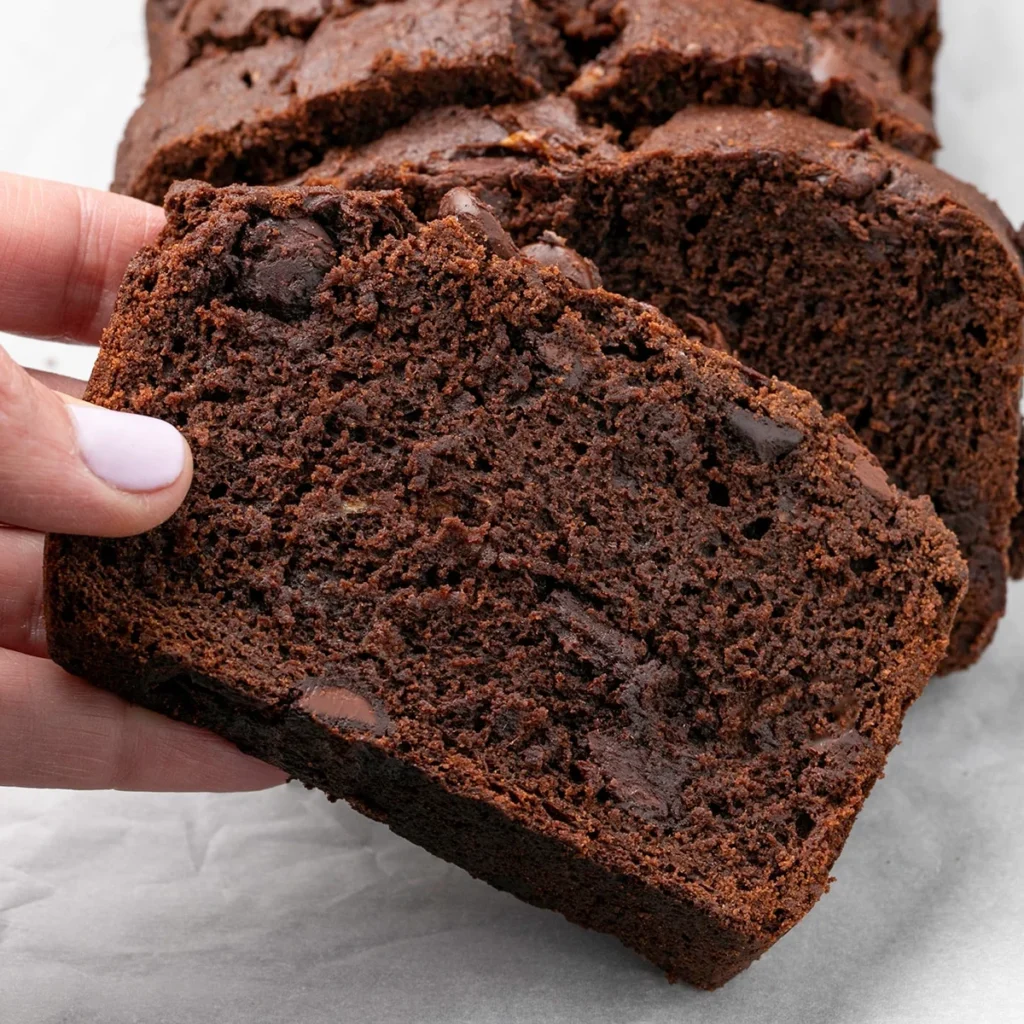
In the world of gluten-free baking, achieving the delicate balance between moisture, structure, and flavor has long been the "holy grail" for home bakers. Often, gluten-free loaves are either too crumbly, too dense, or lacking in the depth of flavor found in traditional wheat-based recipes. However, a new approach to the classic banana bread—infused with the intensity of premium chocolate—is changing the narrative, offering a decadent, fudgy alternative that satisfies even the most discerning palate.
This guide explores the mechanics, the science, and the professional techniques behind creating a gluten-free chocolate banana bread that defies the common pitfalls of wheat-free baking.
Main Facts: The Anatomy of a Better Loaf
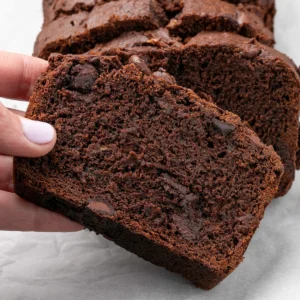
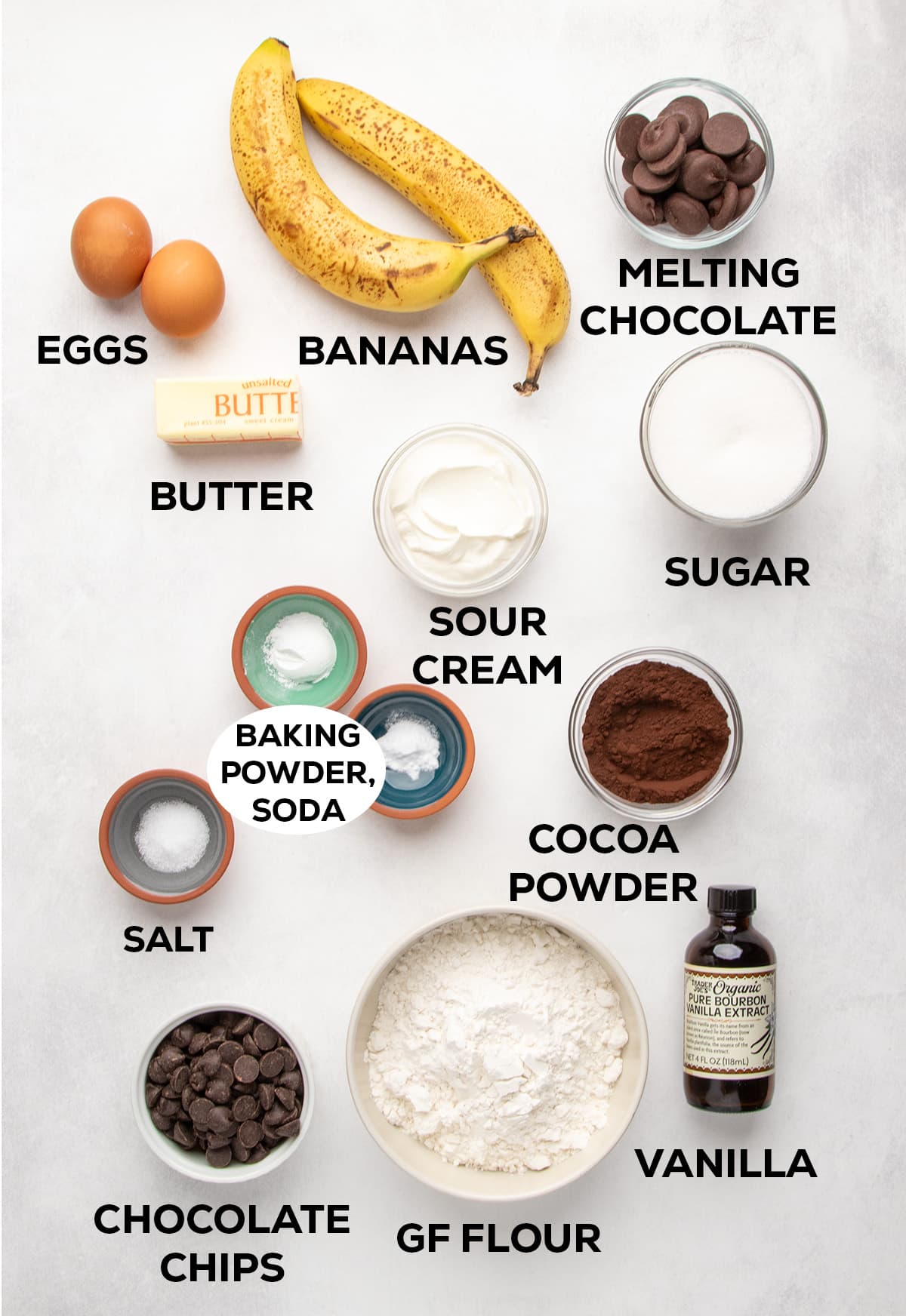
The primary challenge in gluten-free baking is the absence of wheat protein, which provides the necessary elasticity and structure. To compensate, this recipe utilizes a strategic combination of cocoa powder and melted chocolate, which not only provides a deep, luxurious flavor profile but also influences the loaf’s physical structure.
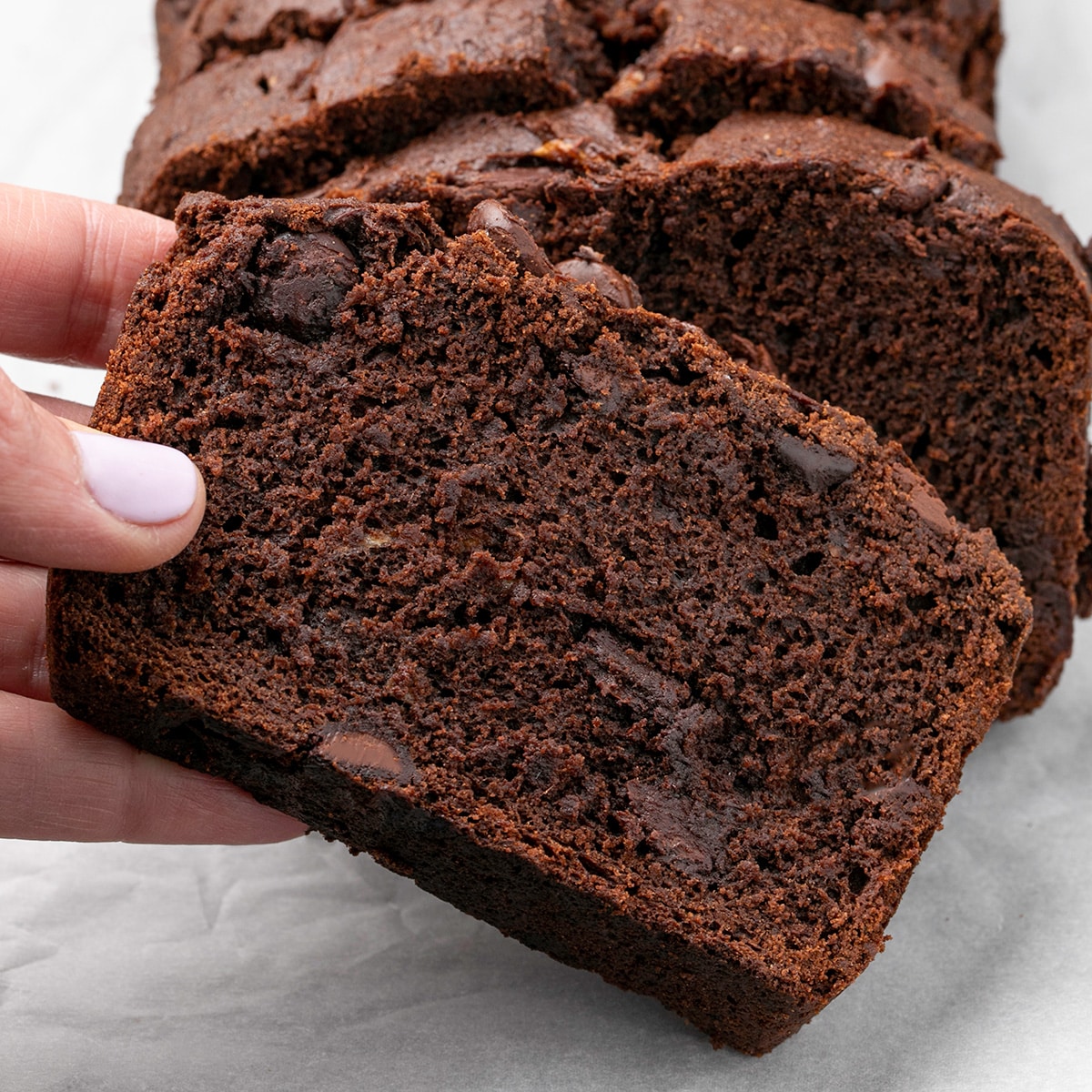
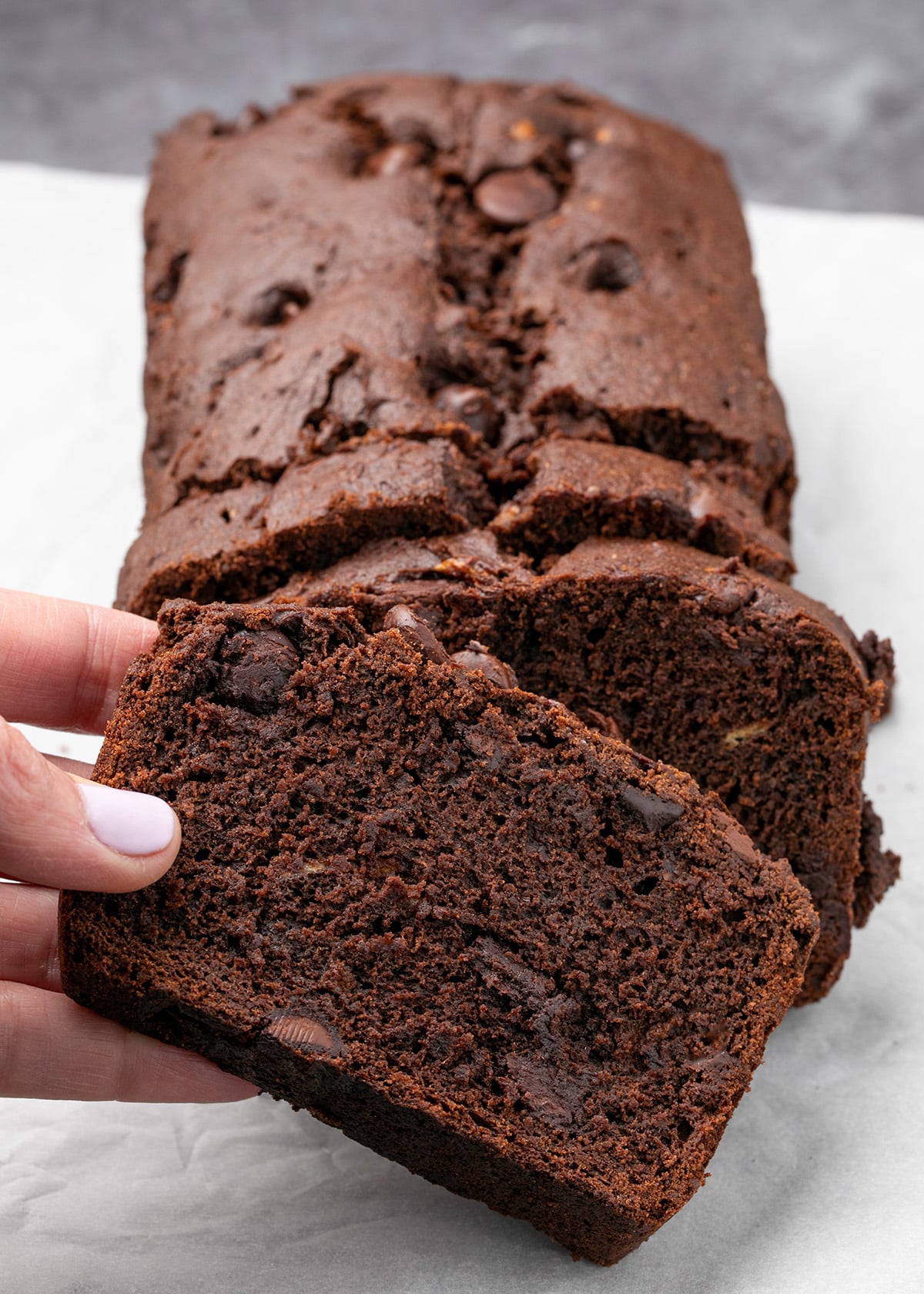
Unlike standard banana bread, which relies heavily on the fiber of the fruit, this version incorporates both mashed bananas and small, firm chunks of fruit. This dual-action approach ensures that the banana flavor is not lost behind the intensity of the cocoa, but rather exists as a distinct, sweet contrast to the dark, fudgy crumb. By beating the mashed bananas directly into the wet ingredients, the recipe maximizes moisture release, ensuring a tender bite that stays soft long after it has left the oven.
Chronology: The Evolution of the Recipe
The development of this specific recipe followed a rigorous testing phase to ensure consistent results across various kitchen environments.
- Initial Formulation: Early iterations relied on a single egg, which produced a functional, if somewhat flat, loaf.
- Structural Refinement: Testing revealed that increasing the egg count to two significantly improved the rise and provided a more stable structure, essential for holding the heavy, chocolate-laden batter.
- Temperature Control: Researchers identified that using a light-colored, cast-aluminum loaf pan was critical. Because the batter is naturally dark, visual cues for doneness (like browning) are unreliable. Lighter pans reflect heat more effectively, preventing the exterior from scorching before the center has fully set.
- The Cooling Period: A critical, often overlooked phase is the cooling process. The recipe now mandates a full 45-minute cool-down to allow the starches to properly set, preventing the loaf from collapsing or crumbling during slicing.
Supporting Data: Scientific Insights into Ingredients
Success in this recipe is tied to the chemical interaction of the components.
The Role of Chocolate
The recipe calls for a high-cacao content melting chocolate—ideally around 65%. This percentage provides enough cocoa butter to emulsify into the batter, contributing to a "fudgy" rather than "cakey" texture.
Flour Blend Considerations
The choice of gluten-free flour is paramount. According to technical testing:
- Better Batter Original: Excellent for structure without additional additives.
- Bob’s Red Mill 1-to-1: Requires an additional 1/2 teaspoon of xanthan gum to compensate for the weight of the chocolate and fruit.
- Nicole’s Best: Provides a balanced multipurpose result that mimics the behavior of all-purpose wheat flour.
Nutritional Profile
Each serving (approximately 1/10th of a loaf) contains roughly 363 kcal, with 17g of fat and 5g of dietary fiber. The high fiber content is largely derived from the bananas and the gluten-free flour blend, offering a slightly more satiating experience than traditional refined-flour quick breads.
Official Recommendations and Expert Guidance
When preparing this loaf, professional bakers emphasize the "process of integration."
1. The Emulsification Process
Melting the chocolate and butter together at reduced power in 30-second intervals is not merely about liquefaction; it is about creating a stable emulsion. When this mixture is combined with eggs and sour cream, it forms a rich foundation that supports the dry ingredients.
2. The "Sour Cream" Factor
There is no substitute for the acidity provided by sour cream in this recipe. The acid reacts with the baking soda to assist in the rise. If sour cream is unavailable, high-fat Greek yogurt is the only recommended alternative, as it maintains the necessary moisture content and acidity levels.
3. The Importance of Ripeness
The sugar content in this bread is derived heavily from the natural fructose in the bananas. The use of naturally ripened bananas is non-negotiable. Oven-ripening—the practice of heating bananas in their skins—is discouraged by experts because it blackens the peel without developing the internal sugars, resulting in a bland final product.
Implications: Troubleshooting and Storage
Why Loaves Collapse
The most frequent issue reported by home bakers is the "sunken center." This phenomenon occurs when the exterior sets too quickly while the interior remains under-baked. As the loaf cools, the steam trapped inside creates pressure that the under-baked crumb cannot support, leading to a collapse. The recommendation is to use an oven thermometer; many home ovens run 15–25 degrees hotter than the dial suggests.
Proper Storage for Longevity
Gluten-free items tend to dry out faster than wheat-based counterparts due to the nature of rice-based flours.
- Short-term: Store at room temperature in an airtight container for no more than 48–72 hours.
- Long-term: Freeze individual slices. To "refresh" the bread, a light spritz of water followed by a short stint in a 300°F toaster oven will return the slice to its original, fresh-baked state.
Dietary Adjustments
For those seeking dairy-free options, the shift to high-quality, block-style vegan butter (such as Miyoko’s) is essential. Tub-style margarines contain too much water and oil, which will result in a greasy, unstable crumb. Similarly, when replacing eggs, the use of chia or flax "eggs" is acceptable, but the resulting loaf will be denser and will require careful monitoring of the baking time.
The Final Word on Technique
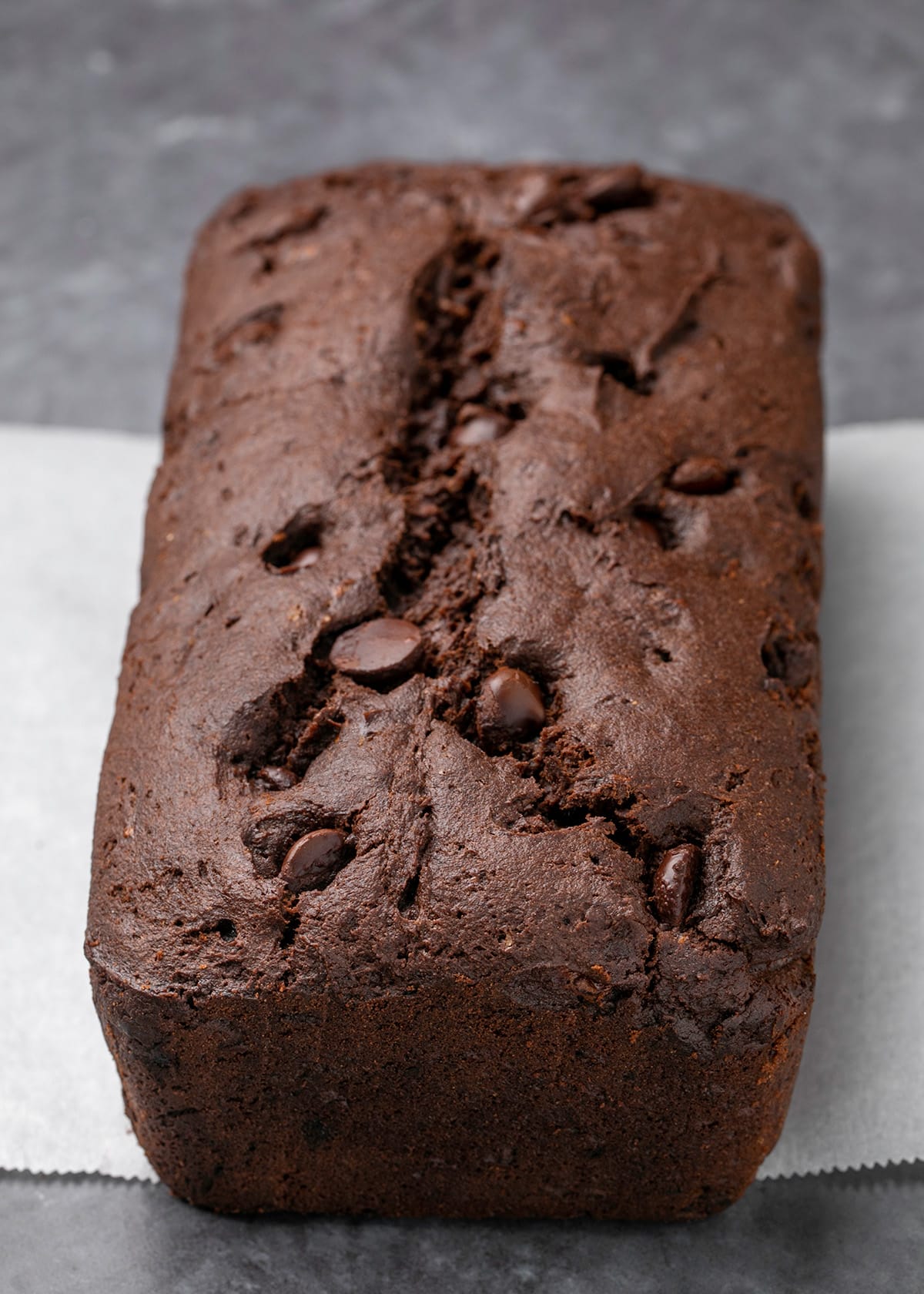
The ultimate takeaway for the home baker is the necessity of patience. By respecting the cooling time and ensuring the oven environment is calibrated correctly, this recipe transitions from a "challenging gluten-free project" to a reliable, bakery-quality staple. Whether served as a morning treat or a sophisticated dessert, this chocolate banana bread proves that dietary restrictions do not necessitate a compromise in culinary excellence.