The Ultimate Time-Saver: Why the "Taco Mac" One-Pot Method is Revolutionizing Modern Meal Prep
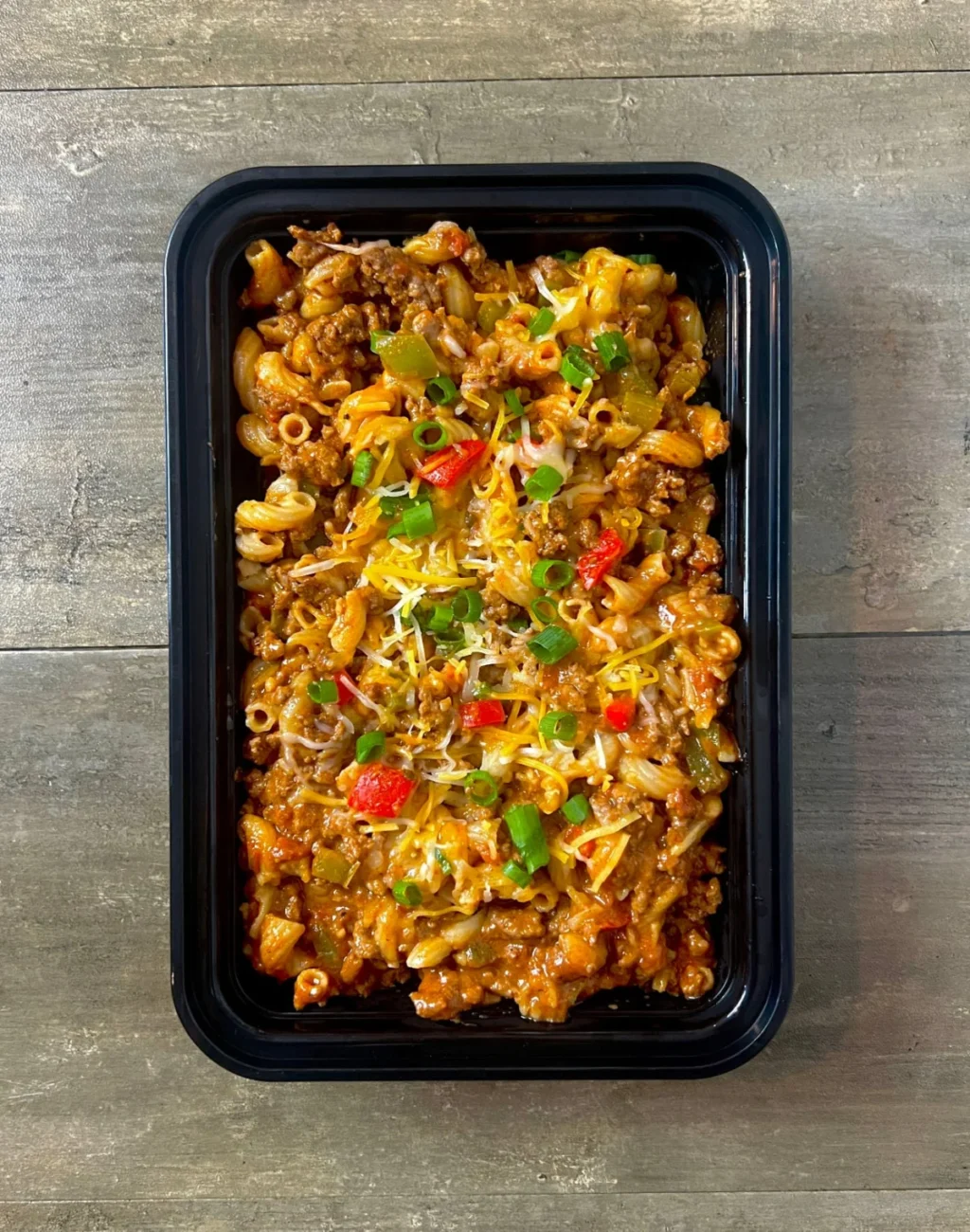
In an era defined by the frantic pace of modern life, the intersection of nutritional necessity and culinary efficiency has never been more critical. For the health-conscious professional, the student, or the busy parent, the prospect of spending hours in the kitchen after a grueling workday is often a deterrent to maintaining a clean diet. Enter the "Taco Mac"—a culinary innovation that promises to bridge the gap between comfort food cravings and strict macronutrient targets. By consolidating the classic flavors of a beef taco with the hearty satisfaction of pasta into a single, 35-minute one-pot preparation, this recipe has emerged as a gold standard in the meal-prep community.
Main Facts: The Anatomy of a High-Performance Meal
The Taco Mac is not merely a recipe; it is a strategic logistical solution to the "what’s for dinner" dilemma. Designed to yield five distinct, nutrient-dense servings, the dish is engineered for those who prioritize efficiency without compromising on satiety.
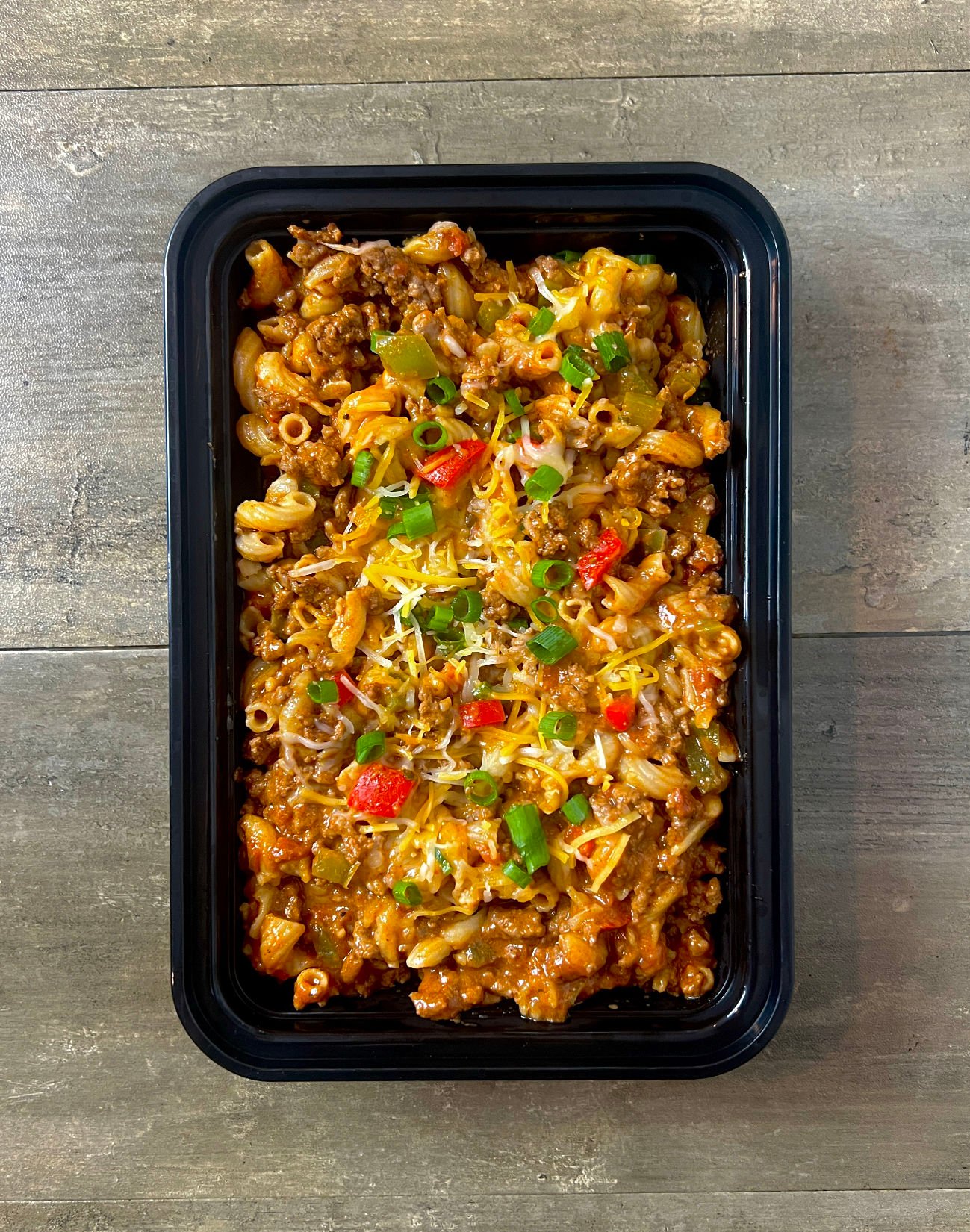
At its core, the recipe utilizes lean ground beef, which provides a high-quality protein source, paired with fiber-rich peppers and classic macaroni noodles. The fusion of these ingredients creates a balanced profile that addresses the common pitfalls of meal prepping—namely, the tendency for food to lose its texture or flavor after three days in the refrigerator. By utilizing a one-pot method, the starch from the pasta thickens the sauce, ensuring that the cheese binds perfectly to the protein and vegetables, creating a cohesive, flavorful experience that holds up exceptionally well across a five-day work week.
Chronology: The 35-Minute Workflow
The brilliance of this dish lies in its streamlined workflow, which minimizes both active labor and post-cooking cleanup.
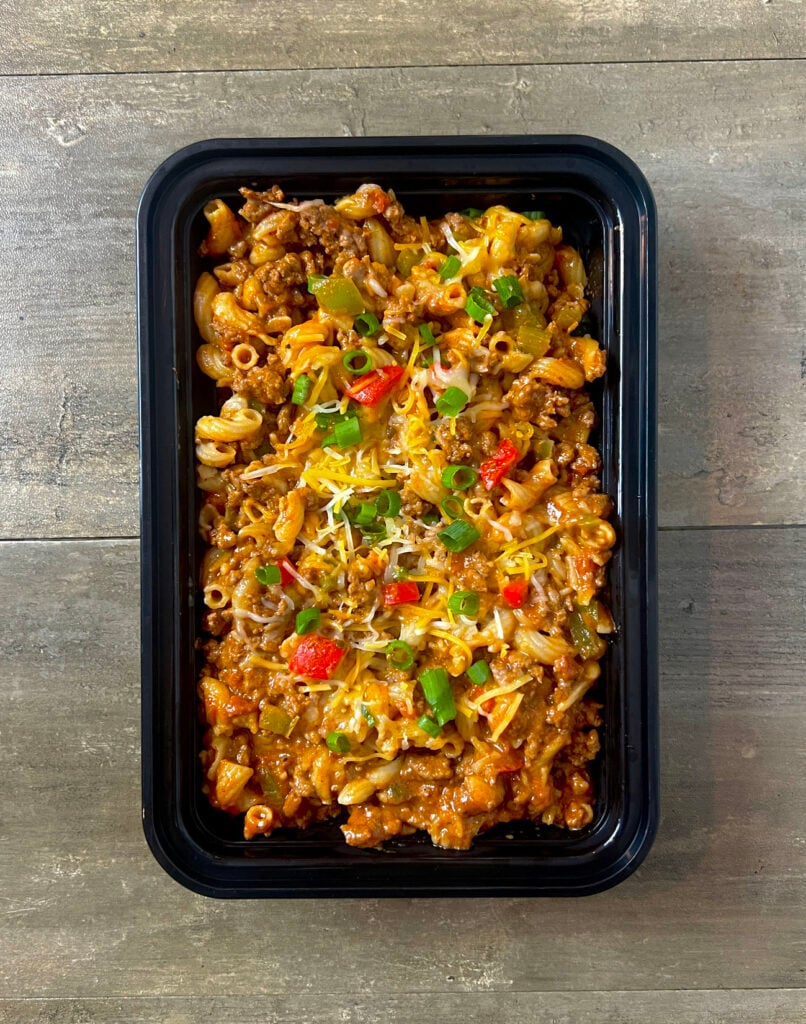
Phase 1: Preparation (Minutes 0–10)
The process begins with the mise-en-place. Because the recipe relies on a single vessel, the prep is minimal. The lean beef is browned alongside finely diced peppers. This stage is crucial; the caramelization of the beef provides the foundational savory notes, while the peppers release their natural sugars, softening under the heat to provide a nuanced sweetness that cuts through the richness of the cheese.
Phase 2: The One-Pot Synthesis (Minutes 10–25)
Once the beef is browned and the aromatics are softened, the liquid base and the dry macaroni are introduced. This is the "magic" phase of the recipe. Unlike traditional methods where pasta is boiled separately, the one-pot approach allows the noodles to absorb the seasoned liquid—a broth infused with taco-inspired spices. This not only imbues the pasta with deeper flavor but also ensures that the starch remains in the pot, creating a naturally velvety texture once the cheese is folded in during the final minutes.

Phase 3: Plating and Cooling (Minutes 25–35)
The final stage involves portioning the mixture into five equal containers. Allowing the dish to cool slightly before sealing is a technical necessity; this prevents excess condensation from forming inside the containers, which would otherwise compromise the integrity of the pasta texture over the following days.
Supporting Data: The Nutritional Breakdown
The Taco Mac is meticulously balanced to cater to those following specific dietary regimens, particularly those focused on hypertrophy or weight management. Each serving provides a robust 674 calories, making it a substantial main dish that can comfortably anchor a daily diet.

The Macronutrient Profile per Serving:
- Protein (54g): Essential for muscle protein synthesis and recovery.
- Carbohydrates (61g): Provides the necessary glycogen replenishment for active individuals.
- Fat (24g): Sourced primarily from the lean beef and cheese, providing sustained satiety.
- Fiber (7g): Crucial for digestive health and blood sugar regulation.
These numbers confirm that the dish is not merely "food," but a functional tool. The high protein content—exceeding 50 grams per serving—is particularly noteworthy, as it places this meal in the same category as specialized high-protein supplements or expensive lean-meat entrees, yet it remains significantly more cost-effective.

The Evolution of the One-Pot Philosophy
The rise of one-pot recipes like Taco Mac represents a broader shift in culinary culture. Historically, the Western kitchen was defined by the multi-vessel process: one pot for boiling, one skillet for sautéing, and a separate saucepan for the sauce. However, the modern movement toward "minimalist cooking" has challenged these traditions.
Food scientists and home economists suggest that the one-pot method is superior for home meal prep for two primary reasons: flavor retention and nutrient density. In a multi-step cooking process, flavor components are often lost to the sink during the draining of pasta water. In the one-pot method, every element—the starch, the seasoning, and the fats—remains concentrated in the final product.

Implications for the Modern Consumer
The adoption of a standardized meal prep routine like the Taco Mac has profound implications for lifestyle management. By removing the decision-making fatigue associated with daily cooking, individuals are statistically more likely to adhere to their nutritional goals.
Financial Impact
The economic argument for Taco Mac is compelling. By purchasing ingredients in bulk—large packs of lean beef, family-sized boxes of pasta, and standard taco seasoning—the cost per serving is significantly lower than ordering takeout or purchasing pre-packaged "healthy" meals from grocery stores. When extrapolated over a month, this simple switch can save a household hundreds of dollars while simultaneously improving the overall quality of food intake.

Social and Behavioral Benefits
Meal prep is often viewed as a chore, yet the "30-minute window" promoted by this recipe transforms the perception of the task. It turns cooking from a nightly obligation into a once-weekly project. This shift creates a psychological "win," as the individual enters the work week knowing that their nutritional needs are secured, thereby reducing the stress-induced consumption of high-calorie, low-nutrient convenience foods.
Expert Recommendations for Customization
While the base recipe is nutritionally optimized, culinary experts suggest that the "Taco Mac" format is highly adaptable.

- Vegetable Density: For those seeking to increase micronutrient intake, adding frozen spinach or finely diced zucchini during the final five minutes of cooking adds volume and essential vitamins without significantly altering the flavor profile.
- Spice Profiles: The dish serves as a blank canvas. Enthusiasts often experiment with smoked paprika, chipotle powder, or fresh cilantro to elevate the flavor profile.
- Protein Alternatives: While lean beef is the standard, ground turkey or even high-protein plant-based crumbles can be substituted to adjust the fat-to-protein ratio according to specific dietary preferences.
Conclusion: Sustainability in the Kitchen
The Taco Mac is more than just a quick meal; it is a microcosm of the modern approach to health and wellness. It recognizes that time is the most limited resource for the contemporary individual and provides a solution that does not sacrifice taste or nutritional integrity. By mastering the 35-minute, one-pot workflow, you are not just preparing lunch—you are reclaiming your time, optimizing your budget, and taking direct control of your physiological output.
As the meal-prep landscape continues to evolve, the Taco Mac stands as a testament to the fact that complexity is not a prerequisite for quality. Whether you are a fitness enthusiast looking for consistent protein or a busy professional seeking a reliable dinner, this recipe provides a blueprint for success in the kitchen and beyond.

| Recipe Summary Table | Category | Details |
|---|---|---|
| Total Prep Time | 10 Minutes | |
| Total Cook Time | 25 Minutes | |
| Total Time | 35 Minutes | |
| Total Servings | 5 | |
| Primary Cuisine | American / Meal Prep | |
| Dietary Highlights | High Protein, High Fiber, One-Pot |
For those interested in optimizing their weekly schedule, the inclusion of this dish as a "staple" allows for a predictable shopping list, further streamlining the grocery experience and minimizing food waste—an added environmental benefit to this efficient culinary choice.