The Unsung Hero: How Oatmeal Emerged from Obscurity to Revolutionize Diabetes Management
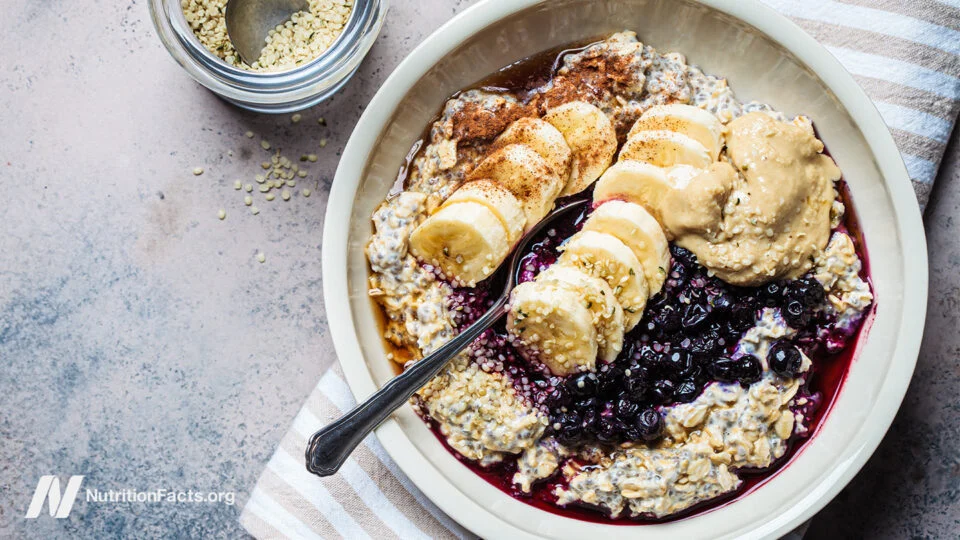
In an era before insulin offered a lifeline, a humble grain, oats, played a surprisingly pivotal role in prolonging and improving the lives of individuals grappling with diabetes. Long dismissed by some, and lauded as "magical" by others, the oatmeal diet, pioneered over a century ago, is now experiencing a profound scientific vindication, revealing its potent ability to combat insulin resistance and significantly improve blood sugar control. Modern research not only confirms the historical observations but also unveils the intricate mechanisms through which this ancient food fosters a healthier gut microbiome, thereby offering a powerful, yet often overlooked, dietary intervention for diabetes.
A Glimpse into the Past: Oatmeal’s Forgotten Legacy
The story of oatmeal as a therapeutic intervention for diabetes begins in the early 20th century, a period marked by desperate searches for effective treatments. In 1903, German physician Carl von Noorden introduced his groundbreaking "oatmeal diet," a regimen that, despite initial skepticism from the medical community, began to yield astonishing results. His findings, published in a medical landscape devoid of modern pharmacological solutions for diabetes, slowly gained traction as the sheer weight of anecdotal and clinical evidence mounted.
One of the early adopters and staunch advocates was acclaimed American physician James B. Herrick. Initially doubtful of von Noorden’s claims, Herrick cautiously applied the oatmeal diet to his own patients and was reportedly "astonished" by the outcomes. This growing body of positive experiences culminated in a significant medical proclamation in 1909, asserting that "no case of juvenile or adolescent diabetes should be deprived of the benefits of the oatmeal cure." This was a powerful statement, underscoring the perceived efficacy of the diet, particularly for younger patients for whom other interventions were virtually non-existent.
The renowned Elliott Joslin, founder of the world’s oldest and largest diabetes clinic, further cemented oatmeal’s reputation. Joslin, a titan in the field of diabetes care, described the effects of oatmeal as "sometimes magical," candidly referring to the oatmeal cure as an "unsolved mystery" and "one of the greatest puzzles in diabetes." Even then, however, clinicians had some crucial clues: the strict exclusion of animal protein was found to be essential, as its presence appeared to "annihilate the favorable action of oatmeal-type diets." This early observation, born from empirical practice, foreshadowed a profound understanding that modern science would only fully illuminate decades later.
Bridging the Century Gap: Modern Science Validates Historical Insights
More than a century later, the "unsolved mystery" of oatmeal’s efficacy has largely been unraveled, and the early clues regarding animal protein have been decisively confirmed. Contemporary nutritional science now unequivocally demonstrates that high intake of animal protein can intensify insulin resistance – the fundamental physiological defect underlying prediabetes and type 2 diabetes. Conversely, a diet rich in plant-based foods, including whole grains like oats, is known to enhance insulin sensitivity, effectively reversing or mitigating the core problem. This stark contrast highlights the prescient, albeit unexplained, wisdom of early diabetes practitioners.
The overarching consensus in modern epidemiology and clinical research firmly establishes that a higher consumption of whole grains, particularly oats, is significantly associated with a lower risk of developing diabetes. This is not merely a correlational observation; a wealth of randomized controlled trials has provided robust evidence. These studies consistently report that oats profoundly improve both short-term and long-term blood sugar control in individuals with diabetes, often alongside the beneficial side effect of lowering cholesterol levels. The historical "magic" is now understood through precise molecular and physiological pathways.
The Power Within: Beta-Glucan and the Gut Microbiome
At the heart of oatmeal’s therapeutic prowess lies its unique composition, particularly a fermentable fiber known as beta-glucan. This soluble fiber is not merely roughage; it’s a bioactive compound that interacts dynamically with the human body, particularly our internal ecosystem – the gut microbiome.
The "Why": Unpacking Oatmeal’s Benefits

Research indicates that one of the primary mechanisms behind oatmeal’s cholesterol-lowering effects, and increasingly its blood sugar benefits, is its remarkable ability to manipulate the gut microbiome. Oats act as a potent prebiotic, selectively fostering the growth of beneficial intestinal bacteria such as Lactobacillus and Bifidobacteria. These microscopic allies, often referred to as "fiber-feeders," are crucial for optimal digestive and metabolic health.
When these beneficial gut flora consume the fermentable fiber from oats, they produce short-chain fatty acids (SCFAs). These SCFAs, including acetate, propionate, and butyrate, are not merely metabolic byproducts; they are powerful signaling molecules with widespread systemic effects. They possess significant anti-inflammatory properties, contribute to gut barrier integrity, and, crucially, play a direct role in improving insulin sensitivity and alleviating the symptoms of type 2 diabetes. This intricate interplay between dietary fiber, gut bacteria, and host metabolism forms the scientific bedrock of oatmeal’s therapeutic action.
Dozens of randomized controlled trials have specifically explored how the types of fiber found abundantly in oats and beans can improve long-term blood sugar control in people with diabetes. The evidence points to the gut bacteria, selectively promoted by a fiber-rich diet, as key players in mitigating the metabolic dysregulation characteristic of type 2 diabetes. Thus, the synergy of a lack of detrimental animal protein and fat, coupled with an abundance of prebiotic fiber, explains why oatmeal diets were integrated into clinical routines for diabetes treatment decades ago.
Rapid and Lasting Results: The Two-Day Oatmeal Intervention
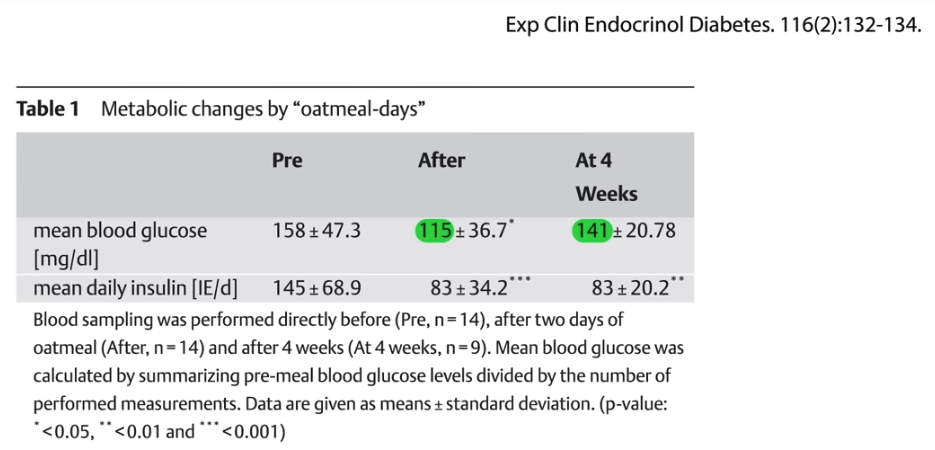
Perhaps one of the most compelling aspects of the oatmeal diet is the speed and duration of its beneficial effects. Clinical studies have shown that even a few days of consuming oatmeal can yield significant and lasting improvements. A particularly striking randomized, controlled, crossover trial demonstrated that patients on an oatmeal diet experienced an approximate 40% reduction in insulin needs in just two days, a remarkable outcome when compared to a mere calorie-restricted diet. More impressively, a measure of long-term blood sugar control (HbA1c) taken four weeks later continued to reflect this benefit.
Other recent studies corroborate these findings: a mere two days on an oatmeal-centric diet significantly reduced the required insulin dosage and improved blood sugar levels, with these beneficial effects persisting for up to four weeks. Consider the profound implications: patients with uncontrolled type 2 diabetes, after only two days on the oatmeal diet, experienced a 40% reduction in their insulin dose, accompanied by an almost normalization of their average blood sugars. Crucially, researchers observed a lasting significant reduction of insulin dosage and ameliorated mean blood sugars for weeks after the participants were dismissed from the study, even as they resumed their regular diets. This suggests a powerful "reset" mechanism initiated by the short-term dietary intervention.
Beyond just oats, broader dietary patterns rich in plant-based foods amplify these effects. When individuals with diabetes adopt a diet abundant in oats, beans, fruits, vegetables, and nuts, the population of their gut’s fiber-feeding bacteria surges. This proliferation leads to a significant increase in beneficial short-chain fatty acids, resulting in a measurable drop in fasting diabetic blood sugars by about 25% within a single month. The greater the diversity and abundance of these fiber-promoted short-chain fatty acid producers, the more pronounced the improvement in participants’ hemoglobin A1c levels, a gold standard for assessing long-term blood sugar control. These findings underscore the holistic power of a plant-forward dietary approach.
The Glycemic Index of Oatmeal: Nuances for Optimal Control
While oatmeal, in general, is beneficial, understanding the nuances of different oat preparations is important for optimizing blood sugar management. The concept of the glycemic index (GI) helps categorize foods based on how quickly they raise blood sugar.
The "wholiest" form of oats is the groat, which is the intact oat kernel with only its inedible outer husk removed. These are the least processed and retain the most fiber and nutrients.
- Steel-cut oats (also known as pinhead or Irish oats) are groats that have been sliced into two to four pieces. Due to their minimal processing and larger particle size, they are considered a low-glycemic-index food, typically averaging under 55. This means they are digested slowly, leading to a gradual and sustained release of glucose into the bloodstream.
- Scottish oatmeal is coarsely ground oat groats, offering a texture between steel-cut and rolled.
- Old-fashioned rolled oats are made by steaming oat groats and then flattening them. This process makes them quicker to cook but slightly increases their GI to around 55, still within the low-to-medium range.
- Instant oats, however, are steamed longer and rolled even more thinly. This extensive processing increases their surface area and makes them digest much faster, resulting in a higher glycemic index of 79. While still better than some highly processed breakfast cereals that can reach GIs in the 80s or 90s, instant oats should be consumed with more caution by individuals managing diabetes.
For optimal blood sugar control, prioritizing less processed, "intact" whole grains like oat groats or steel-cut oats is generally recommended, as they deliver the most sustained benefits through their slower digestion and higher fiber content.
A Critical Caveat: The "Downside" of Success
Despite its impressive benefits, the oatmeal diet comes with a crucial "downside": it can work too well, too quickly. This remarkable efficacy necessitates a serious medical consideration. For individuals currently managing diabetes with medication, particularly insulin or other blood sugar-lowering drugs, initiating an oatmeal-rich diet without professional guidance can be dangerous.
The rapid and significant reduction in blood sugar levels and insulin needs means that physicians must be prepared to swiftly deprescribe or significantly adjust medication dosages. Failure to do so could lead to dangerously low blood sugar levels, a condition known as hypoglycemia, which can manifest with symptoms like dizziness, confusion, tremors, and, in severe cases, loss of consciousness.
Therefore, any attempt to implement an oatmeal diet as a therapeutic intervention for diabetes must be performed under close medical supervision. This is especially critical for patients who may have difficulties recognizing or reporting symptoms of low blood sugar, such as the elderly or those with cognitive impairments. The powerful therapeutic potential of oatmeal is undeniable, but it underscores the importance of a collaborative approach between patients and their healthcare providers to ensure safety and optimize outcomes.
Implications and Practical Integration: Harnessing the Power of Oats
The re-emergence of oatmeal as a potent tool in diabetes management carries significant implications for healthcare. It highlights the often-underestimated power of dietary interventions and calls for a re-evaluation of nutritional guidance within standard medical practice. For patients, it offers an empowering, accessible, and cost-effective strategy to significantly impact their health trajectory.
Beyond mere consumption, understanding how to integrate oats into a balanced, plant-centric diet is key. Oatmeal, particularly the less processed varieties like steel-cut or rolled oats, forms an excellent base for a wholesome breakfast. Many experts advocate for a "BROL" base – barley, rye, oats, and lentils – creating a diverse fiber foundation.
Jazzing Up Your Oatmeal:
- Sweet Sensations: For those who prefer a sweet profile, incorporating frozen dark red cherries, cocoa powder, dates, and nuts like walnuts or pumpkin seeds can create a delicious and nutrient-dense meal. The natural sweetness from fruits and dates, combined with the healthy fats from nuts, balances the meal and adds additional fiber and antioxidants.
- Savory Adventures: Oatmeal can also be transformed into a savory dish, challenging traditional breakfast norms. Think beyond the sweet and explore options with sautéed greens, mushrooms, herbs, a dash of curry powder, or roasted vegetables. Savory oatmeal bowls can be incredibly satisfying and offer a versatile platform for incorporating a wide array of vegetables and spices, making it suitable for any meal of the day.
The story of oatmeal and diabetes is a compelling narrative of historical wisdom meeting modern scientific validation. From its early, "magical" reputation to its current understanding as a powerful prebiotic and insulin-sensitizing food, oats stand as a testament to the profound impact that simple, whole foods can have on complex health conditions. As research continues to uncover the intricate links between diet, gut health, and metabolic function, oatmeal remains a shining example of how embracing natural, plant-based nutrition can truly revolutionize health outcomes. Its enduring legacy and scientifically affirmed benefits position it as an indispensable component in the ongoing fight against diabetes, provided its implementation is guided by careful medical oversight.