The Unsung Hero: How Oatmeal Revolutionized Diabetes Management – Then and Now
Introduction: A Glimmer of Hope in a Pre-Insulin World
In an era predating the miraculous discovery of insulin, a diabetes diagnosis was often a death sentence. The medical community grappled with limited understanding and even fewer effective treatments for a condition that ravaged millions. Yet, amidst this despair, a humble grain—oatmeal—emerged as an unexpected beacon of hope, not merely prolonging lives but, in some cases, dramatically improving them. This historical intervention, initially met with skepticism, has since been validated by a century of scientific inquiry, revealing that the "oatmeal cure" was far from a placebo, embodying profound truths about diet, gut health, and metabolic regulation that resonate deeply with modern diabetes management.
A Historical Breakthrough: The Oatmeal Diet’s Ascendance
The story of oatmeal’s pivotal role in diabetes care begins in the early 20th century with German physician Carl von Noorden. In 1903, von Noorden published groundbreaking findings detailing an "oatmeal diet" that appeared to stabilize blood sugar levels and extend the lives of his diabetic patients. His assertions were initially met with considerable doubt within the scientific community, as dietary interventions for such a severe metabolic disorder seemed simplistic. However, the sheer weight of accumulating evidence gradually swayed the critics.
Among those initially skeptical was acclaimed American doctor James B. Herrick. After witnessing astonishing results firsthand with his own patients, Herrick became a staunch advocate. His experience contributed significantly to the growing consensus, culminating in a remarkable proclamation in 1909: "no case of juvenile or adolescent diabetes should be deprived of the benefits of the oatmeal cure." This was a powerful endorsement, especially considering the rapid and fatal progression of type 1 diabetes in young individuals before insulin.
The influence of the oatmeal diet extended to one of the most towering figures in diabetes research, Elliott Joslin, founder of the world’s oldest and largest diabetes clinic. Joslin, deeply impressed by its effects, described them as "sometimes magical," candidly admitting that the underlying mechanisms remained an "unsolved mystery" and "one of the greatest puzzles in diabetes." Despite the enigma, clinicians observed a crucial clue: the diet’s favorable action was "annihilated" if animal protein was not strictly excluded. This observation, made over a century ago, foreshadowed a critical understanding that modern science would later confirm.
Unraveling the Mystery: Modern Science Validates Ancient Wisdom
The "unsolved mystery" that puzzled Joslin and his contemporaries has largely been unraveled by contemporary nutritional science. We now understand that, indeed, animal protein intake can intensify insulin resistance—the hallmark physiological dysfunction underlying prediabetes and type 2 diabetes. Conversely, plant-based foods, rich in fiber and beneficial compounds, are known to enhance insulin sensitivity, which is the exact opposite and desired metabolic state. This fundamental insight provides a powerful scientific underpinning to the historical efficacy of von Noorden’s oatmeal diet.
The Power of Whole Grains: Oats and Blood Sugar Regulation
Beyond historical anecdotes, modern research unequivocally supports the benefits of whole grains, particularly oats, for diabetes management. Numerous studies have consistently demonstrated a strong inverse association between higher whole grain consumption and the risk of developing diabetes. More specifically, over a dozen randomized controlled trials have confirmed that oats significantly improve both short-term and long-term blood sugar control in individuals with diabetes, alongside the added benefit of lowering cholesterol levels.
The key to oats’ remarkable metabolic impact lies largely in a fermentable fiber called beta-glucan. This soluble fiber is responsible for many of the health benefits associated with oats, from its ability to lower LDL cholesterol to its profound effects on glucose metabolism. Beta-glucan creates a viscous gel in the digestive tract, which slows down the absorption of glucose into the bloodstream, thereby preventing sharp spikes in blood sugar after meals. This slower, more sustained release of energy is crucial for stable blood sugar control.

The Gut Microbiome Connection: Fiber’s Profound Impact
One of the most exciting areas of discovery regarding oatmeal’s benefits is its interaction with the gut microbiome. The human gut harbors trillions of bacteria, collectively known as the gut microbiota, which play a critical role in overall health, including metabolism. Beta-glucan, along with other fibers found in oats, acts as a potent prebiotic, selectively fueling the growth of beneficial bacteria, such as Lactobacillus and Bifidobacteria.
These beneficial gut flora ferment the dietary fiber, producing an array of short-chain fatty acids (SCFAs), including butyrate, propionate, and acetate. SCFAs are not merely waste products; they are powerful signaling molecules with widespread systemic effects. Butyrate, for instance, is a primary energy source for colonocytes and plays a vital role in maintaining gut barrier integrity and reducing inflammation. Propionate and acetate have been linked to improved insulin sensitivity, appetite regulation, and even a reduction in cholesterol synthesis.
This intricate dance between dietary fiber, gut bacteria, and SCFA production helps explain why a high-fiber, plant-based diet can significantly alleviate type 2 diabetes. By fostering a diverse and robust community of fiber-feeding gut bacteria, these diets essentially recalibrate the body’s metabolic machinery, shifting it towards enhanced insulin sensitivity and more stable blood sugar levels. When we combine the lack of insulin-resistance-promoting animal protein and fat with an abundance of prebiotic fiber, the "magical" effects observed by Joslin become scientifically comprehensible.
Rapid and Lasting Results: The Two-Day Oatmeal Intervention
Perhaps one of the most compelling aspects of the oatmeal diet’s efficacy is the speed and longevity of its benefits. Several modern studies have replicated and expanded upon the historical observations, suggesting that even a few days of consuming oatmeal can yield beneficial effects that persist for weeks afterward.
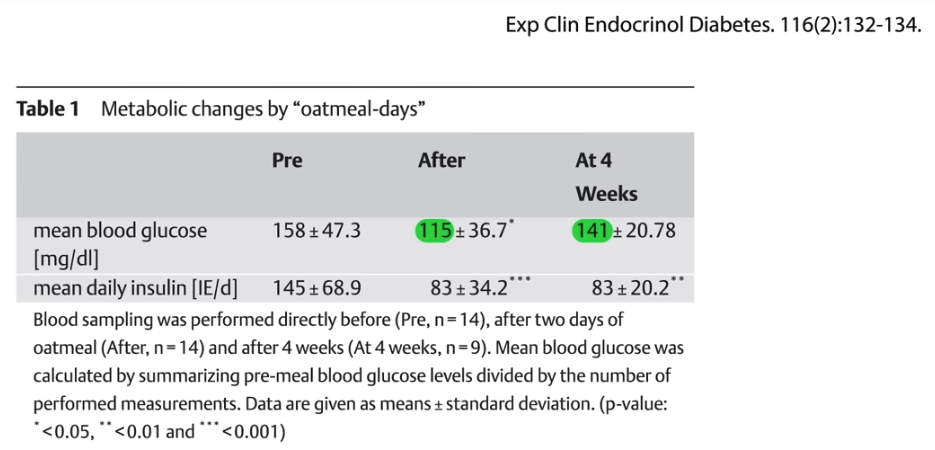
In a particularly illuminating randomized, controlled, crossover trial, participants experienced a dramatic reduction in insulin needs—approximately 40%—in just two days of following an oatmeal-rich diet, compared to a control group on a calorie-restricted diabetic diet without oats. What’s more, a measure of long-term blood sugar control (reflected in HbA1c levels) taken four weeks later continued to show significant improvement, demonstrating a sustained metabolic benefit.
Other recent studies have corroborated these findings. A two-day oatmeal intervention not only significantly reduced required insulin dosages and improved blood sugar levels but also maintained these beneficial effects for up to four weeks. Astonishingly, patients with uncontrolled type 2 diabetes on this short-term oatmeal diet achieved an almost normalization of average blood sugars alongside their 40% insulin dose reduction. Crucially, these improvements were observed even after participants had resumed their regular diets, highlighting a powerful, lasting metabolic reset initiated by the brief dietary intervention.
Broader dietary patterns further reinforce this. When individuals are placed on a diet rich in oats, beans, fruits, vegetables, and nuts—a comprehensive high-fiber, plant-based approach—the population of their beneficial gut fiber-feeders proliferates rapidly. This surge in beneficial bacteria, churning out short-chain fatty acids, leads to a significant drop in fasting diabetic blood sugars—around 25%—within a single month. The greater the diversity and abundance of these fiber-promoted SCFA producers, the more pronounced the improvement in long-term blood sugar control, as measured by hemoglobin A1c levels.
Medical Implications and the Need for Close Supervision
The potent effects of an oatmeal-rich diet carry significant implications for clinical practice. Its ability to rapidly and profoundly impact blood sugar levels means that such an intervention should never be undertaken without close medical supervision. Physicians must be prepared to swiftly deprescribe or significantly adjust patients’ blood sugar-lowering medications to prevent potentially dangerous episodes of hypoglycemia (low blood sugar).
Patients who might have difficulties recognizing or reporting symptoms of low blood sugar, such as the elderly or those with certain neurological conditions, would require even more stringent monitoring. The "downside" of trying an oatmeal diet, ironically, is that it may work too well, necessitating immediate adjustments to existing pharmaceutical regimens. This underscores the need for greater integration of nutritional science into medical training and routine clinical care, empowering healthcare providers to safely guide patients through effective dietary interventions.
Optimizing Oatmeal: Glycemic Index and Preparation
Not all oats are created equal when it comes to their impact on blood sugar. The degree of processing significantly affects an oat product’s glycemic index (GI)—a measure of how quickly a food raises blood glucose levels. Generally, the less processed, the better.
- Oat Groats: These are the "wholiest" of oats, with only the inedible outer husk removed. They have the lowest GI.
- Steel-Cut Oats (Pinhead or Irish Oats): Made by slicing oat groats into two to four pieces, steel-cut oats are minimally processed. They are considered a low-glycemic-index food, typically averaging under 55. Their robust texture requires longer cooking times but yields a chewier, more satisfying result.
- Old-Fashioned Rolled Oats: These are oat groats that have been steamed and then flattened. This process reduces cooking time but slightly increases their GI, usually around 55.
- Instant Oats: Steamed for longer and rolled even more thinly, instant oats are the most processed. While convenient, their GI score of 79 makes them a high-glycemic-index food. Although still better than many refined breakfast cereals that can reach into the 80s or 90s, they should be consumed with more caution by individuals managing diabetes.
Choosing less processed oat varieties, such as steel-cut or old-fashioned rolled oats, is crucial for maximizing their blood sugar-stabilizing benefits.
Jazzing Up Your Oatmeal: A Culinary Canvas for Health
Beyond its health benefits, oatmeal offers incredible versatility as a culinary base. A simple "BROL" (Barley, Rye, Oats, Lentils) base or just plain oats can be transformed into a nutrient-dense and delicious meal.
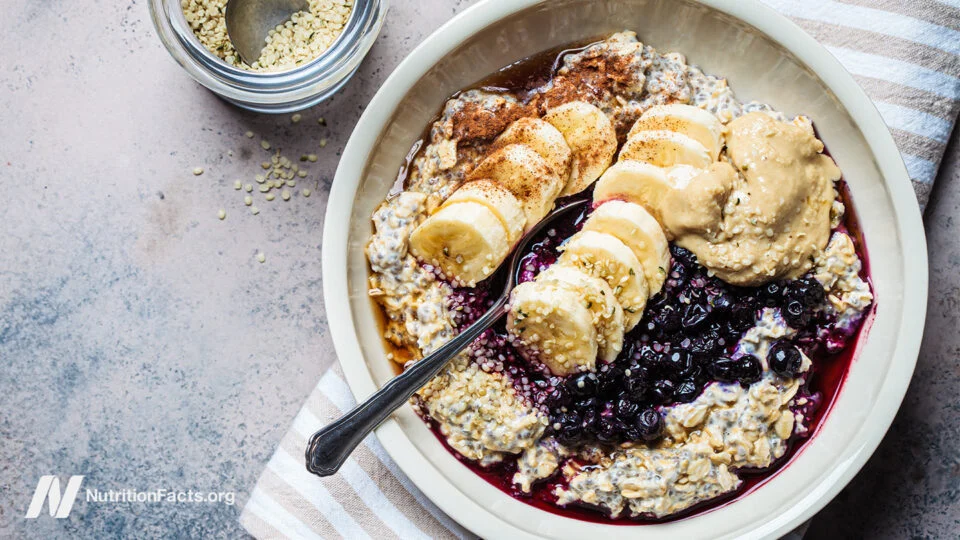
For those with a sweet tooth, the possibilities are endless. Consider a "chocolate-covered-cherry sensation" made with frozen dark red cherries, cocoa powder, dates for natural sweetness, and a sprinkle of walnuts or pumpkin seeds for healthy fats and protein. Other popular sweet additions include berries, sliced bananas, apples, cinnamon, nutmeg, and various nuts and seeds (chia, flax, hemp) for an extra boost of fiber and omega-3s.
For a more adventurous and equally nutritious approach, oatmeal can be easily turned savory. Imagine a BROL bowl topped with sautéed greens like spinach or kale, perhaps with some mushrooms, herbs (thyme, rosemary), a dash of turmeric or curry powder, or even roasted vegetables. Savory oatmeal can be a fantastic canvas for incorporating more vegetables and legumes into your diet, offering a satisfying and nutrient-rich alternative to traditional breakfast fare.
Conclusion: A Timeless Dietary Intervention
From Carl von Noorden’s initial skepticism-inducing findings to Elliott Joslin’s "unsolved mystery," and finally to the detailed molecular explanations offered by modern nutritional science, the story of oatmeal and diabetes is a compelling testament to the power of simple, whole foods. The humble oat, rich in beta-glucan and other fermentable fibers, plays a profound role in enhancing insulin sensitivity, modulating the gut microbiome, and stabilizing blood sugar levels.
The ability of a two-day oatmeal intervention to significantly reduce insulin needs and maintain improved blood sugar control for weeks underscores its remarkable efficacy. However, this potency demands respect and professional guidance. As we move forward in the fight against diabetes, integrating well-researched dietary interventions like the oatmeal diet, under strict medical supervision, offers a powerful, accessible, and historically validated tool in the arsenal against this pervasive global health challenge. The future of diabetes management increasingly points towards a holistic approach where food, once again, takes its rightful place as powerful medicine.