The Urban Alchemy of Northwest Philadelphia: A Case Study in Imaginative Gardening
In the heart of Northwest Philadelphia, where the dense grid of urban architecture often leaves little room for the wild, one resident is redefining the boundaries of the home garden. Asha, a local gardener whose work has gained recognition from the Pennsylvania Horticultural Society (PHS), has transformed a modest lot surrounding an urban twin house into a living laboratory of whimsy, productivity, and ecological stewardship. By blurring the lines between ornamental design and food production, Asha’s garden serves as a compelling model for what can be achieved in small-scale urban spaces.
Main Facts: A Canvas of Found Objects and Flora
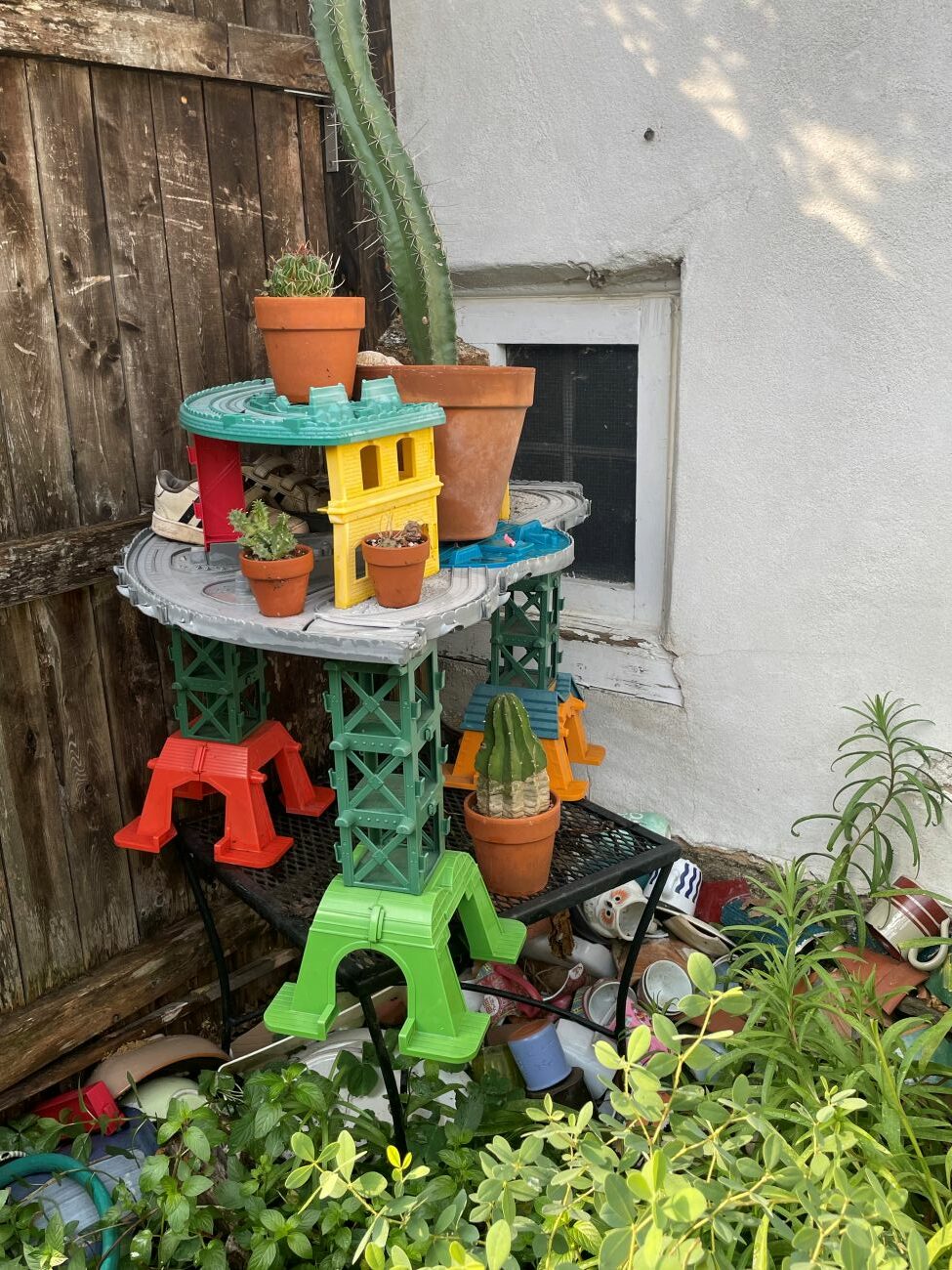
Asha’s garden is not merely a collection of plants; it is a narrative composed of salvaged materials and intentional horticulture. Visitors are greeted by an array of repurposed household items—ranging from vintage claw-foot tubs to fragments of broken pottery—that serve as both functional garden elements and playful aesthetic statements.
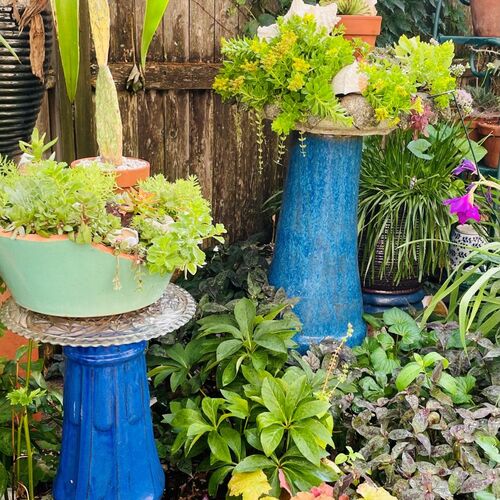
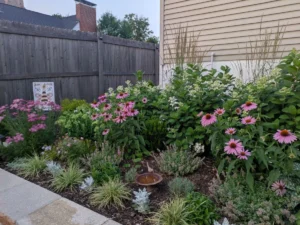
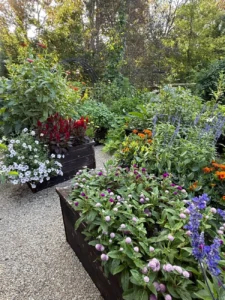
The garden’s core philosophy is twofold: to provide a sustainable source of food for her family and to cultivate a sense of wonder in the next generation. This is achieved through a dense, layered planting scheme where edible crops like kale (Brassica oleracea) and ornamental varieties grow in close proximity. This intermingling of the utilitarian and the aesthetic challenges the traditional notion that a "productive" garden must be separate from a "beautiful" one.
Chronology: From Concrete to Canopy
The evolution of this urban oasis has been a gradual process of discovery and adaptation. Like many urban gardeners, Asha began with the constraints of limited space and poor soil, typical of the Philadelphia residential landscape.
- Initial Phase: The early years focused on clearing the site and establishing a basic foundation. The priority was creating a functional space that could survive the heat island effect of the city.
- The "Play" Integration: Recognizing the need to involve her children in the gardening process, Asha began integrating toys and interactive elements into the planting beds. This phase turned the act of "toiling" into a shared family experience.
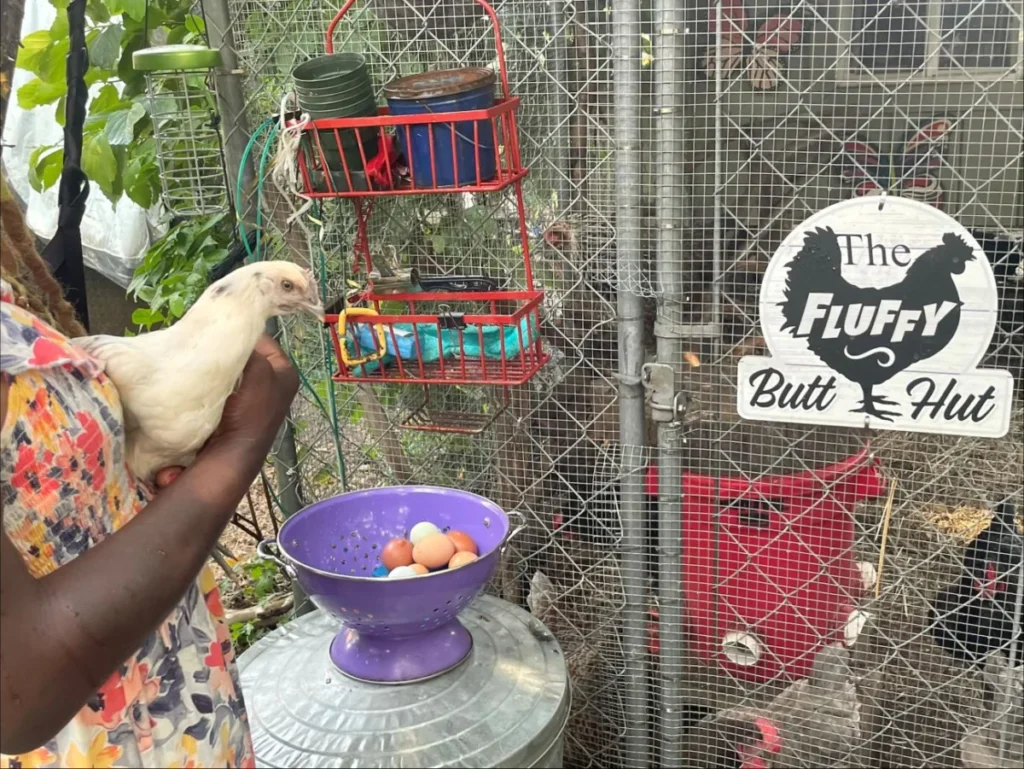
- Ecological Expansion: As the garden matured, the focus shifted toward biodiversity. The introduction of chickens for egg production and the installation of a managed beehive turned the property into a self-contained ecosystem.
- External Collaboration: Most recently, the garden expanded beyond the boundaries of the lot. By securing permission from neighbors, Asha has extended her green footprint along the shared driveway, incorporating shrubs such as Rosa ‘Meiggili’ (Peach Drift rose) and Hibiscus syriacus (Rose of Sharon).
Supporting Data: The Anatomy of a High-Yield Garden
The success of Asha’s garden can be quantified by its density and variety. Despite the small square footage of an urban twin house lot, the garden features an impressive list of plant species, including:
- Ornamentals: Heuchera ‘Caramel’ (coral bells), Tinantia pringlei (spotted widow’s tears), and Helleborus cultivars.
- Pollinator Support: Allium ‘Millenium’ and a variety of native flowering shrubs that sustain the local bee population, resulting in community-sourced honey flavored by the diverse nectar profiles of the neighborhood.
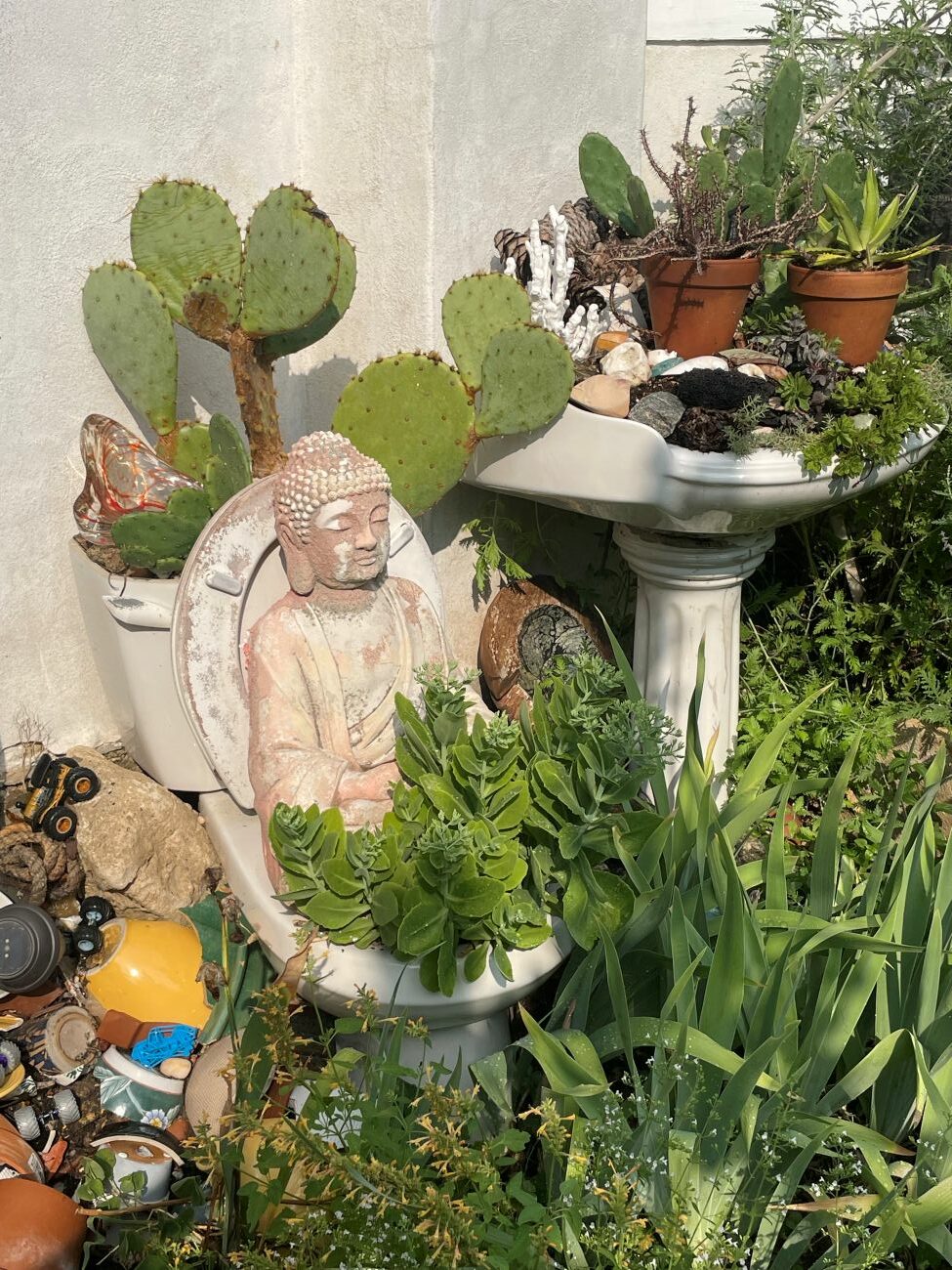
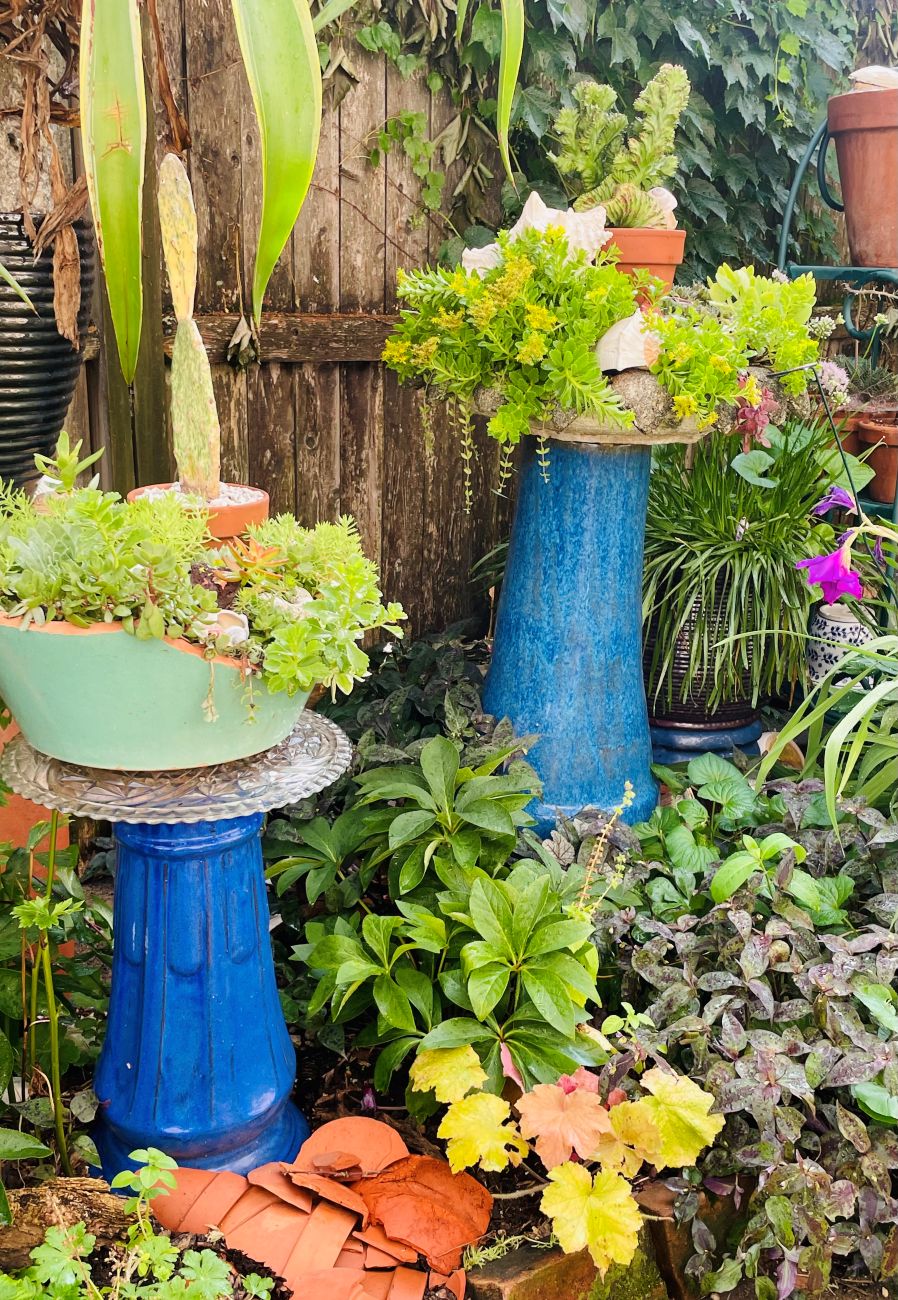
- Succulent Collections: A significant portion of the garden is dedicated to heat-tolerant succulents and cacti, which are showcased in creative, repurposed containers. These plants, along with shells and terra-cotta shards, form intricate, mosaic-like arrangements that minimize water waste while maximizing visual impact.
The garden’s status as a PHS finalist for the best combination of edibles and ornamentals underscores the horticultural validity of her approach. The judges noted that the design does not sacrifice productivity for aesthetics, nor does it let the edible aspect diminish the visual charm of the home’s exterior.
Official Responses and Philosophical Implications
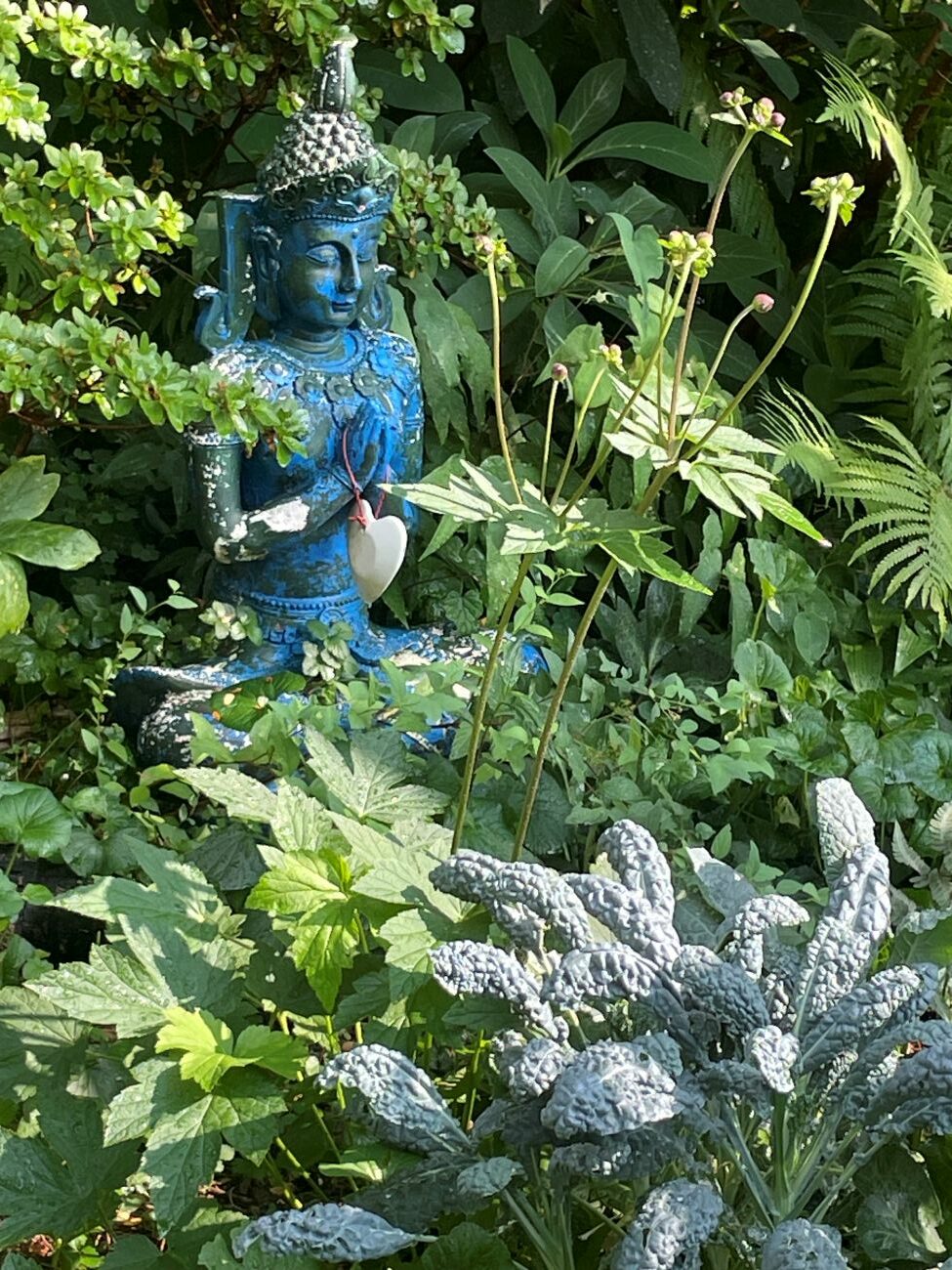
The "irreverent" placement of garden ornaments—such as a blue Buddha statue perched on a porcelain throne or a flame-red flamingo marking a claw-foot tub—has sparked discussion within the local gardening community. While some traditionalists might balk at the mixing of religious icons with salvaged plumbing, Asha views this as a vital component of the garden’s personality.
"Maintaining a sense of humor is surely in keeping with Buddhist philosophy," she notes. This perspective suggests that the garden is not a static museum piece, but a reflection of the human experience—messy, playful, and constantly changing.
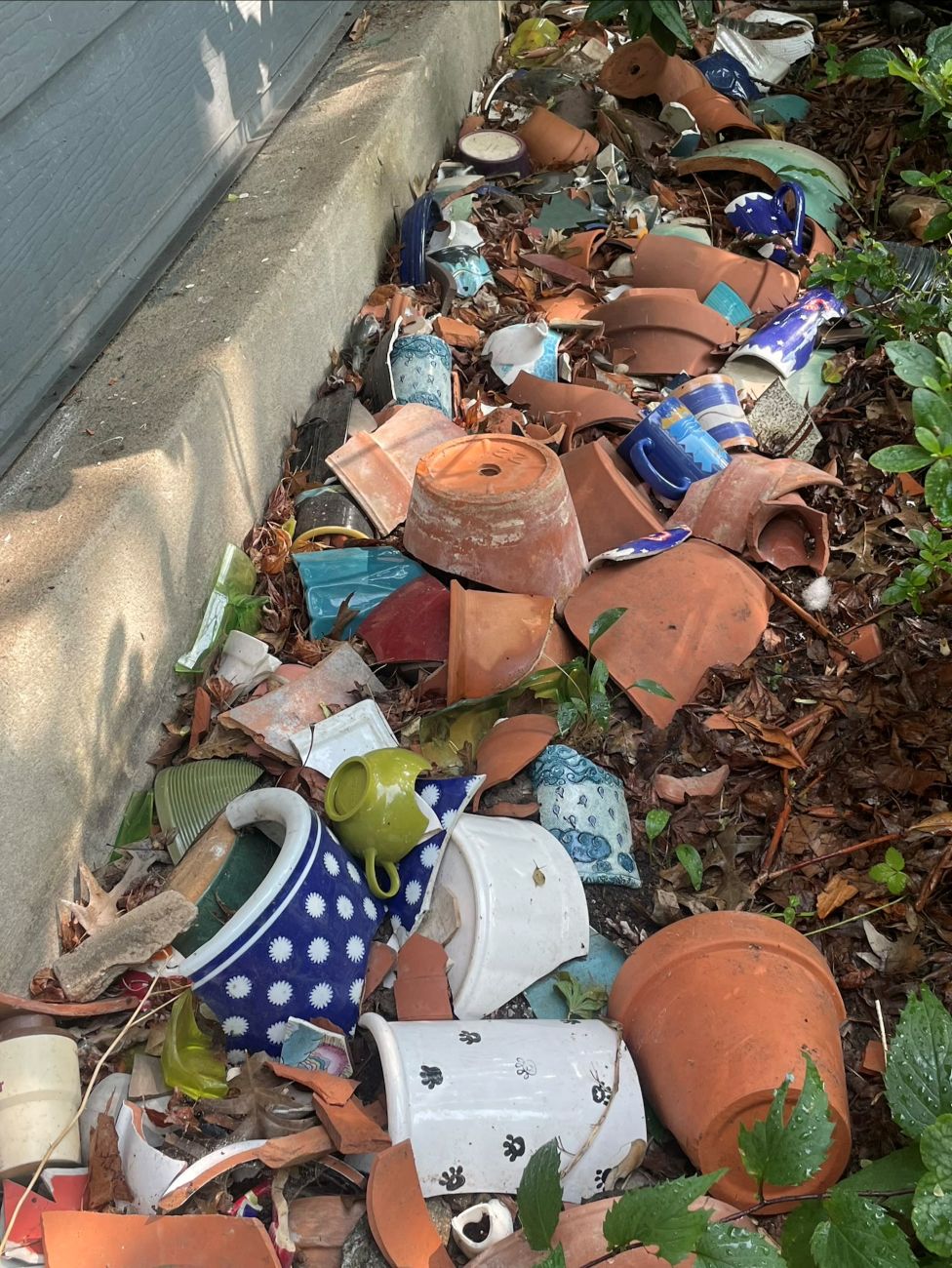
The broader implication of Asha’s work is a pushback against the "pristine" aesthetic of suburban landscaping. By embracing broken pottery and children’s toys, the garden validates the idea that urban gardening should be an extension of the home’s interior life. It suggests that if we want to encourage future generations to value nature, we must first allow them to play in it.
The Ecological Impact: A Micro-Haven
Beyond the aesthetic, the garden provides a crucial environmental service. In an area dominated by impervious surfaces, Asha’s garden acts as a sponge, managing rainwater runoff and providing essential forage for urban pollinators. The use of succulents, which require minimal supplemental irrigation, demonstrates a sophisticated understanding of water conservation.
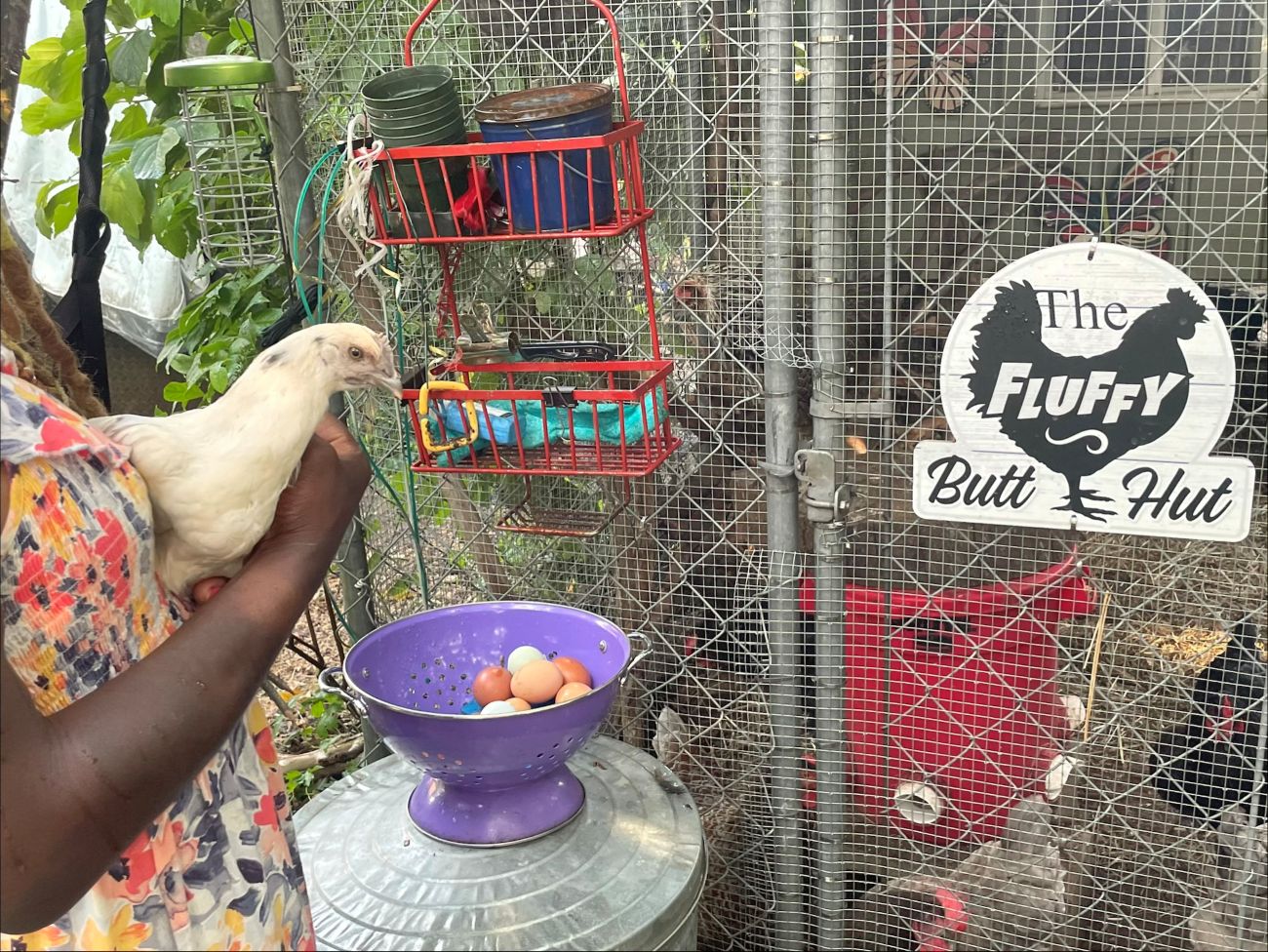
Furthermore, the integration of chickens and bees creates a closed-loop system. The chickens provide nutrient-rich compost, while the bees ensure that both the ornamental flowers and the vegetable crops thrive. This cyclical approach to gardening is a blueprint for urban resilience, showing that even a "twin house" lot can produce a significant portion of a household’s needs while supporting the surrounding environment.
Cultivating the Future: Advice for Urban Gardeners
For those looking to replicate this success, Asha’s journey offers several key takeaways:
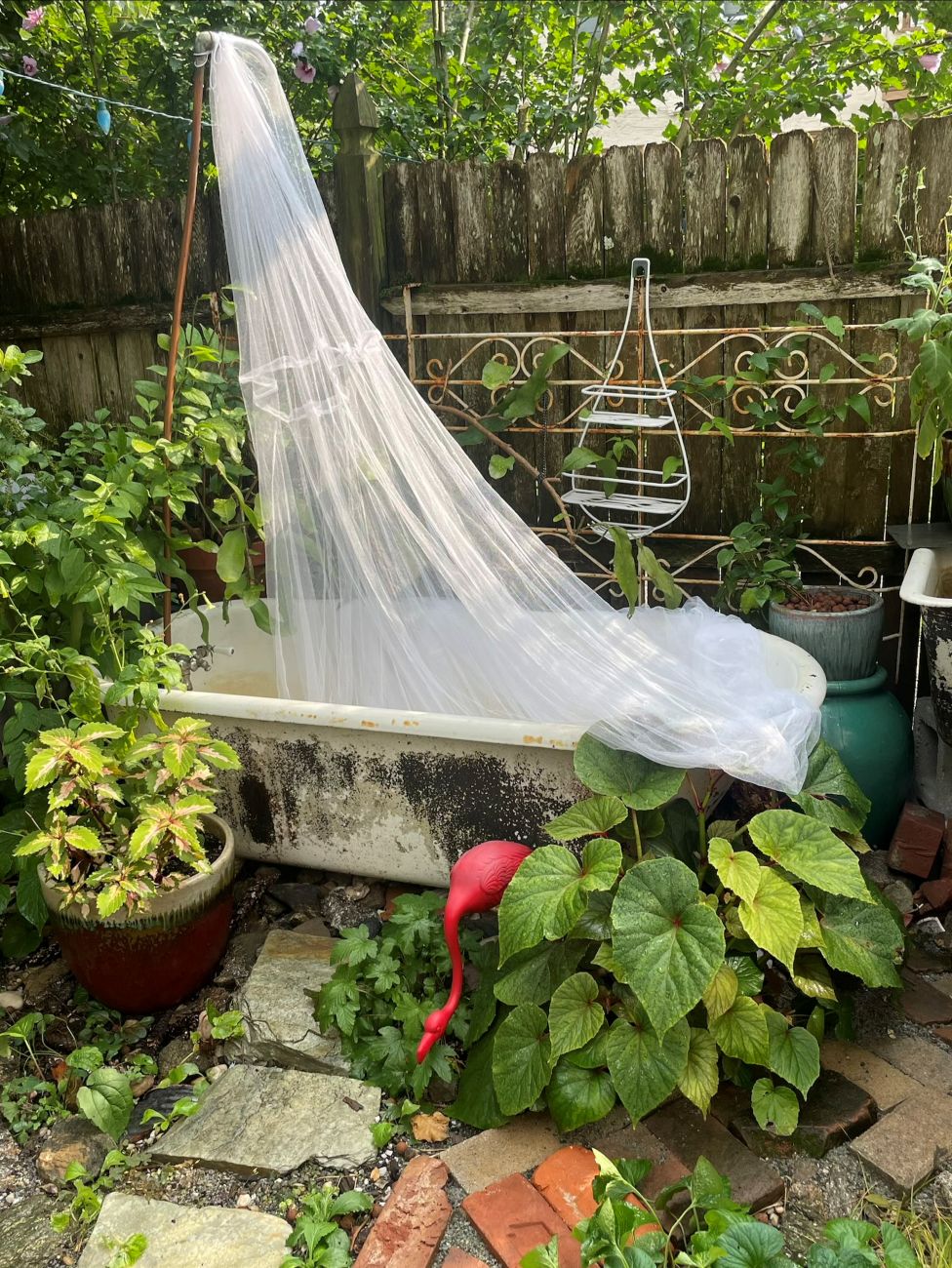
- Don’t Fear the "Found": Repurposed objects, when used with intention, can add layers of character that store-bought ornaments cannot replicate. Whether it’s an old tub or a collection of broken pots, look for items that tell a story.
- Prioritize Interaction: If you are gardening with children, build the garden for them. If they can play in the dirt alongside the succulents, they are far more likely to develop a lifelong appreciation for horticulture.
- Collaborate with Neighbors: Your garden’s potential is not limited by your property line. Simple conversations with neighbors about tending to shared spaces like driveways or alleyways can significantly expand your planting area.
- Embrace the "Mess": A truly productive garden is never perfectly neat. Allow for the presence of toys, gardening tools, and natural cycles of decay, as these are the hallmarks of a space that is being lived in and used.
Conclusion: A Living Legacy
Asha’s garden in Northwest Philadelphia stands as a testament to the power of imagination. In a city often defined by its historical significance, she is creating a new kind of history—one written in the soil, the petals of her roses, and the laughter of children playing amidst the cacti.
As we look toward a future where urban density continues to rise, the ability to create productive, beautiful, and sustainable spaces becomes not just a hobby, but a necessity. Asha has proven that we do not need vast tracts of land to make a difference; we only need a bit of soil, a creative eye, and the willingness to let our gardens grow alongside our lives.
How to Get Involved
Do you have a unique garden space that defies the norm? We invite our readers to share their own horticultural journeys. Whether you have a balcony, a community plot, or a massive backyard, your story could inspire others.
Submission Guidelines:
- Photos: Please submit 5–10 high-resolution images.
- Details: Include a brief description of the plants featured, your location, and how long you’ve been cultivating your space.
- The "Why": We are particularly interested in your successes, your hard-won lessons from failures, and your hopes for your garden’s future.
Submissions can be made via our Garden Photo of the Day Submission Form. We look forward to seeing the diverse ways our community brings beauty to the world.
Note: For those interested in improving their own horticultural skills, we recommend resources like "The Nature of Oaks" by Doug Tallamy for ecological insights, or "Pruning Simplified" for those looking to master the technical side of shrub and tree maintenance. These resources are essential for any gardener looking to transition from a casual hobbyist to a skilled steward of their land.