Unmasking the Silent Threat: How Legacy Pesticides Could Fuel Alzheimer’s Disease
The perplexing question at the heart of modern neuroscience is how to effectively combat Alzheimer’s disease, a devastating neurodegenerative condition. While genetic predispositions like the APOE e4 allele are well-known risk factors, emerging research increasingly points to a powerful, yet often overlooked, environmental contributor: the breakdown products of common pesticides, particularly DDE, a metabolite of the infamous DDT. Startling new data suggests that exposure to these pervasive chemicals may elevate Alzheimer’s risk to a degree comparable to carrying the "Alzheimer’s gene" itself, prompting an urgent re-evaluation of our environmental health strategies.
Main Facts: The Unsettling Link Between Pesticides and Cognitive Decline
The conventional understanding of Alzheimer’s disease often places a heavy emphasis on genetics. Indeed, a growing roster of susceptibility genes has been identified, shedding light on the intricate biological pathways involved in the disease’s progression. However, these genetic factors collectively account for less than half of all diagnosed Alzheimer’s cases, leaving a significant portion unexplained. This "missing heritability" strongly suggests that external, non-genetic influences play a critical role in determining who develops the disease and who remains cognitively intact.
Perhaps the most compelling evidence for this environmental influence comes from studies involving identical twins. Despite sharing identical genetic blueprints, if one twin develops Alzheimer’s, the other often does not. This powerful observation underscores the profound impact of lifestyle, environment, and other non-inherited factors on disease manifestation, shifting the focus beyond a purely genetic determinism to a more holistic understanding of risk.
Among the environmental contenders, a particular class of chemicals—chlorinated pesticides—has garnered significant attention. DDE (dichlorodiphenyldichloroethylene), a persistent breakdown product of DDT (dichlorodiphenyltrichloroethane), stands out as a primary concern. The U.S. Environmental Protection Agency (EPA) has long classified many chlorinated pesticides, including DDE, as probable human carcinogens due to their documented links to various cancers. Yet, recent research has unveiled a more insidious threat: an association not primarily with increased cancer mortality, but with an elevated risk of "other-cause mortality," specifically pointing towards conditions like diabetes and dementia. While the connection between pesticides and diabetes has been explored previously, the burgeoning evidence linking DDE directly to Alzheimer’s disease presents a critical new frontier in public health.

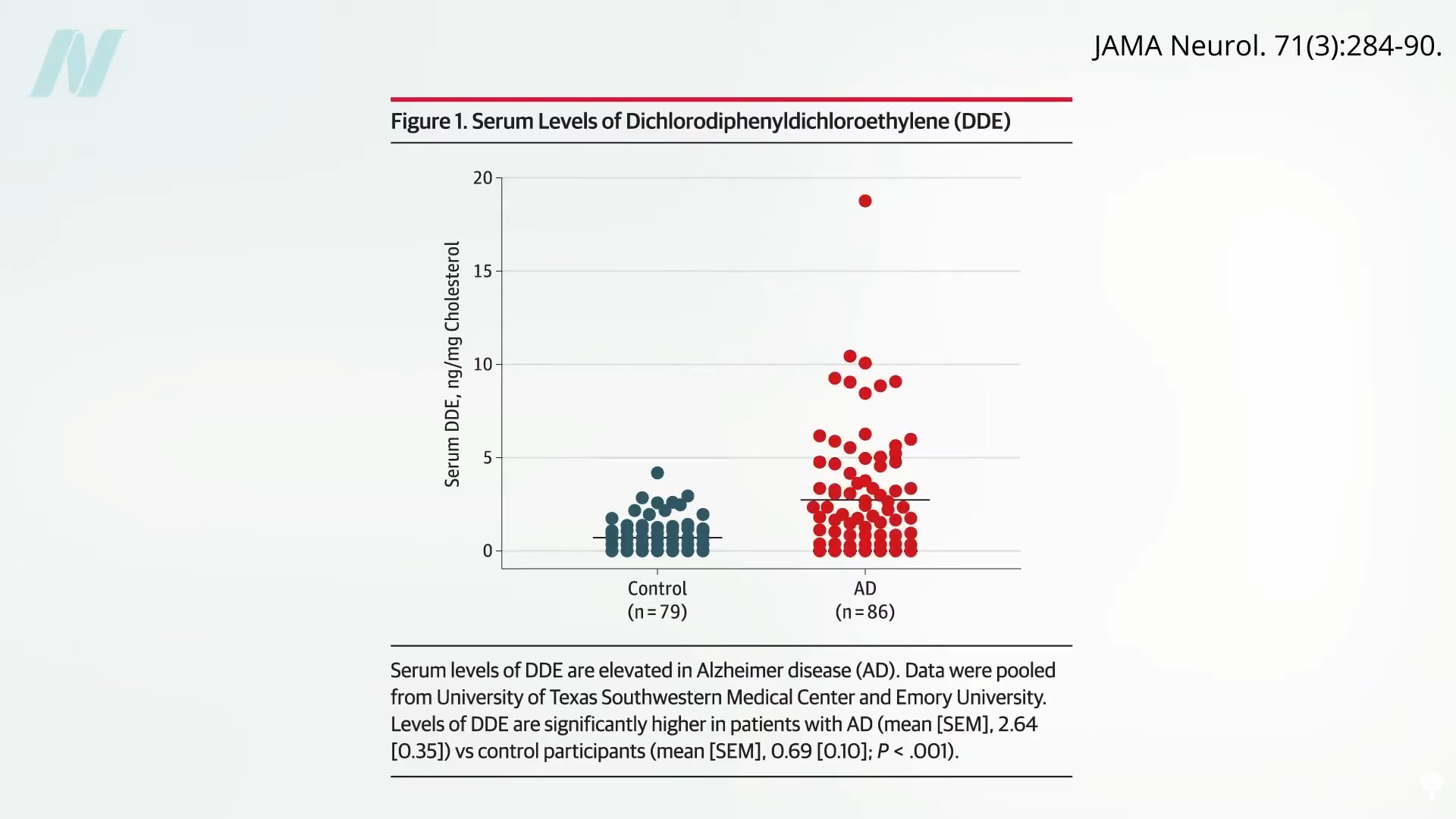
A groundbreaking study conducted by a research team at Rutgers University provided compelling initial evidence. The scientists found significantly higher blood levels of DDE in patients diagnosed with Alzheimer’s disease compared to age-matched control subjects without the condition. This correlation was not subtle; those individuals with the highest detectable levels of DDE in their bloodstream faced approximately four times the odds of developing Alzheimer’s dementia. This finding alone highlights DDE as a potent and potentially modifiable risk factor, challenging the notion that Alzheimer’s is solely a consequence of genetic fate. The implications are profound: if an environmental contaminant can exert such a significant influence on disease risk, then understanding its pathways and mitigating exposure becomes a paramount public health priority.
Chronology: The Enduring Legacy of DDT
To fully grasp the current threat posed by DDE, it’s essential to understand the history of its parent compound, DDT. Introduced in the 1940s, DDT was hailed as a revolutionary pesticide. Its exceptional efficacy in controlling insect-borne diseases like malaria and typhus, coupled with its broad-spectrum agricultural applications, led to its widespread adoption globally. In the United States alone, DDT production soared, reaching an astonishing peak of approximately 180 million pounds per year. It was used extensively on farms, in homes, and in public health campaigns, shaping agricultural practices and disease control strategies for decades.
However, the scientific community gradually began to uncover the darker side of this chemical marvel. Rachel Carson’s seminal 1962 book, "Silent Spring," served as a powerful catalyst, exposing the devastating ecological consequences of DDT’s indiscriminate use. Carson meticulously documented how DDT bioaccumulated in ecosystems, poisoning wildlife, particularly birds, and disrupting delicate food chains. Her work ignited a nascent environmental movement and prompted a critical re-evaluation of pesticide policies.
The growing body of evidence regarding DDT’s environmental persistence and its potential harm to human health eventually led to its ban for most uses in the United States in 1972. Many other developed nations followed suit, recognizing the long-term dangers. Despite these bans, the story of DDT and its metabolites, like DDE, is far from over. These chemicals are classified as Persistent Organic Pollutants (POPs) due to their remarkable resistance to degradation in the environment. They are fat-soluble, meaning they readily accumulate in the fatty tissues of living organisms and persist for decades, even centuries.
Today, more than 50 years after the U.S. ban, the enduring legacy of DDT is still profoundly felt. Its breakdown product, DDE, continues to contaminate the bloodstreams of over 90% of Americans. This ubiquitous presence is a testament to its environmental tenacity and its ability to cycle through ecosystems and enter the human food chain. Alarmingly, DDE is often found at the highest levels among all detected persistent pollutants in the human body, underscoring the ongoing and pervasive nature of this exposure. The historical triumph of DDT in pest control has thus bequeathed a complex and challenging environmental health problem to subsequent generations, a problem that now appears to extend to the very fabric of our cognitive health.
Supporting Data: Unpacking the Scientific Evidence
The association between DDE exposure and Alzheimer’s disease is not merely correlational; scientific investigations are beginning to uncover plausible biological mechanisms. The initial findings from the Rutgers study, which identified significantly higher DDE levels in Alzheimer’s patients, laid a crucial groundwork. Further research, including autopsy studies, has confirmed that blood levels of DDE serve as a reliable proxy for DDE concentrations within the brain itself, establishing a direct link between systemic exposure and cerebral accumulation. This is critical, as it confirms that the chemical can reach the very organ it is suspected of harming.
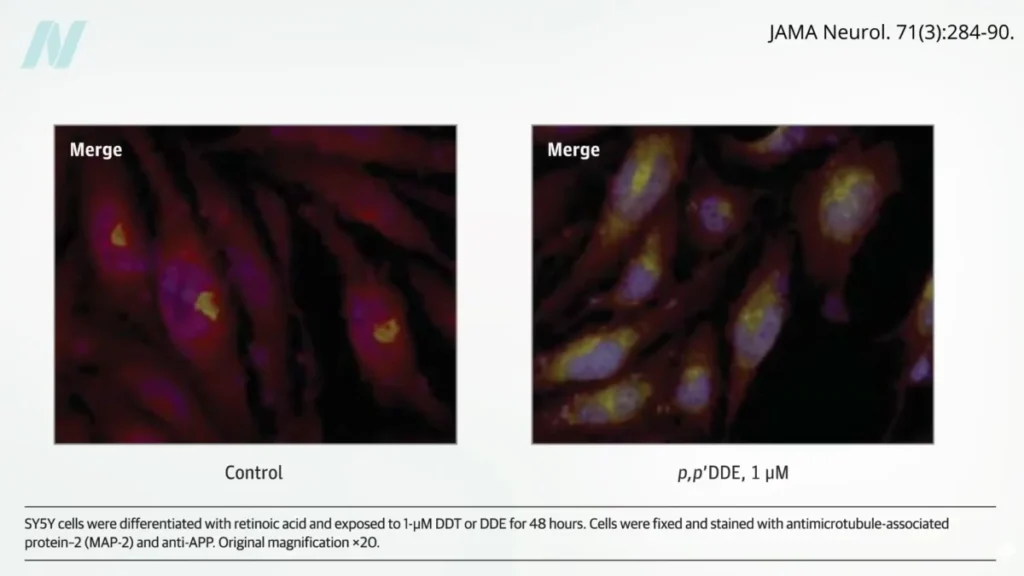
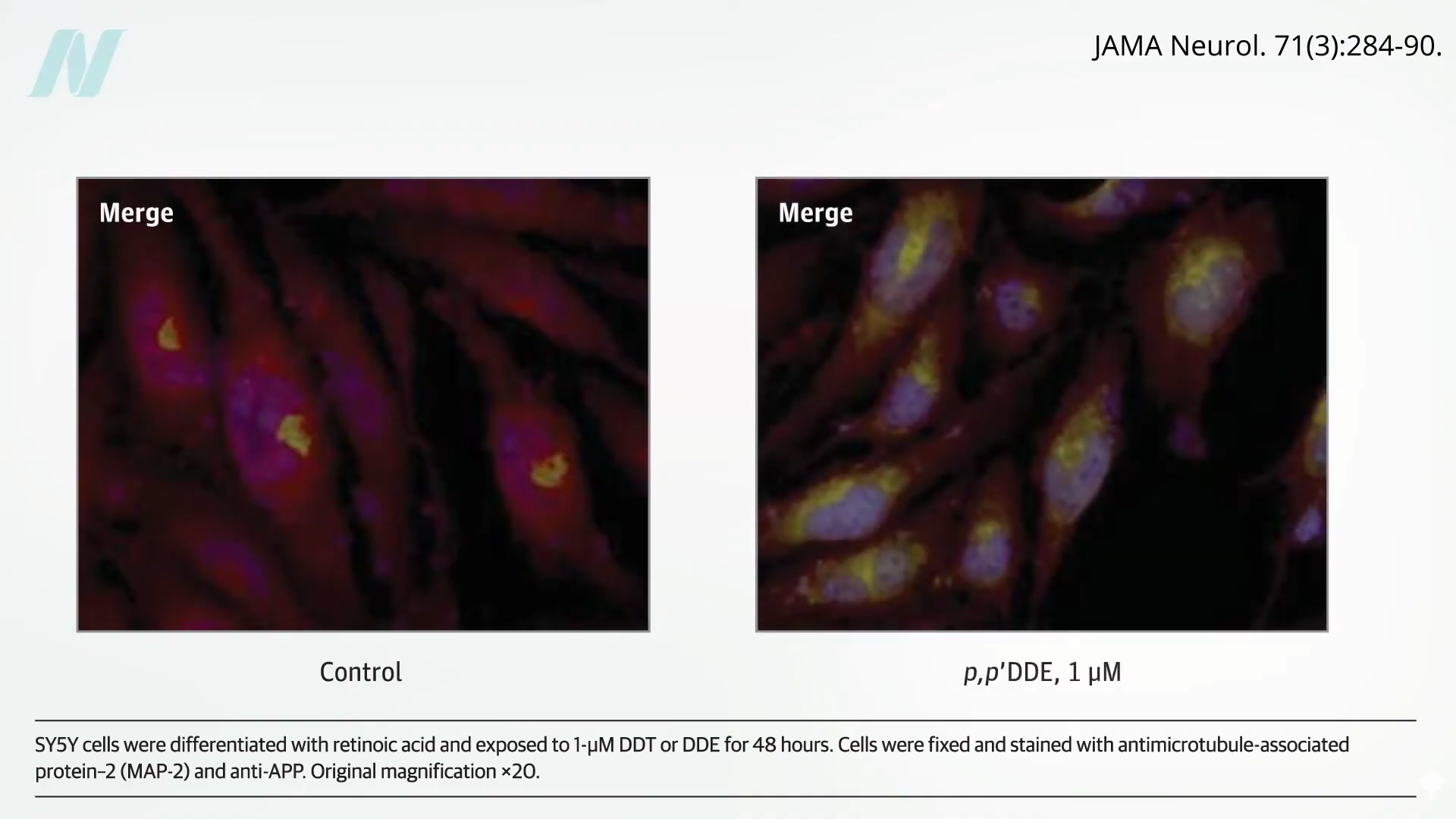
Beyond observational studies, in vitro experiments have provided mechanistic insights. In laboratory settings, human brain cells exposed to DDE showed a marked increase in the levels of amyloid precursor protein (APP). APP is a transmembrane protein that, when abnormally cleaved, leads to the formation of amyloid-beta peptides. These peptides are the primary constituents of amyloid plaques, a hallmark pathological feature of Alzheimer’s disease. The accumulation of these "sticky proteins" is central to the amyloid cascade hypothesis, one of the leading theories explaining Alzheimer’s progression. The observation that DDE can directly stimulate APP production in brain cells, even at concentrations found in highly exposed individuals within the general population, provides a compelling biological pathway through which this pesticide metabolite could contribute to neurodegeneration. This direct cellular effect strengthens the argument that DDE is not just a marker of risk but an active participant in the disease process.
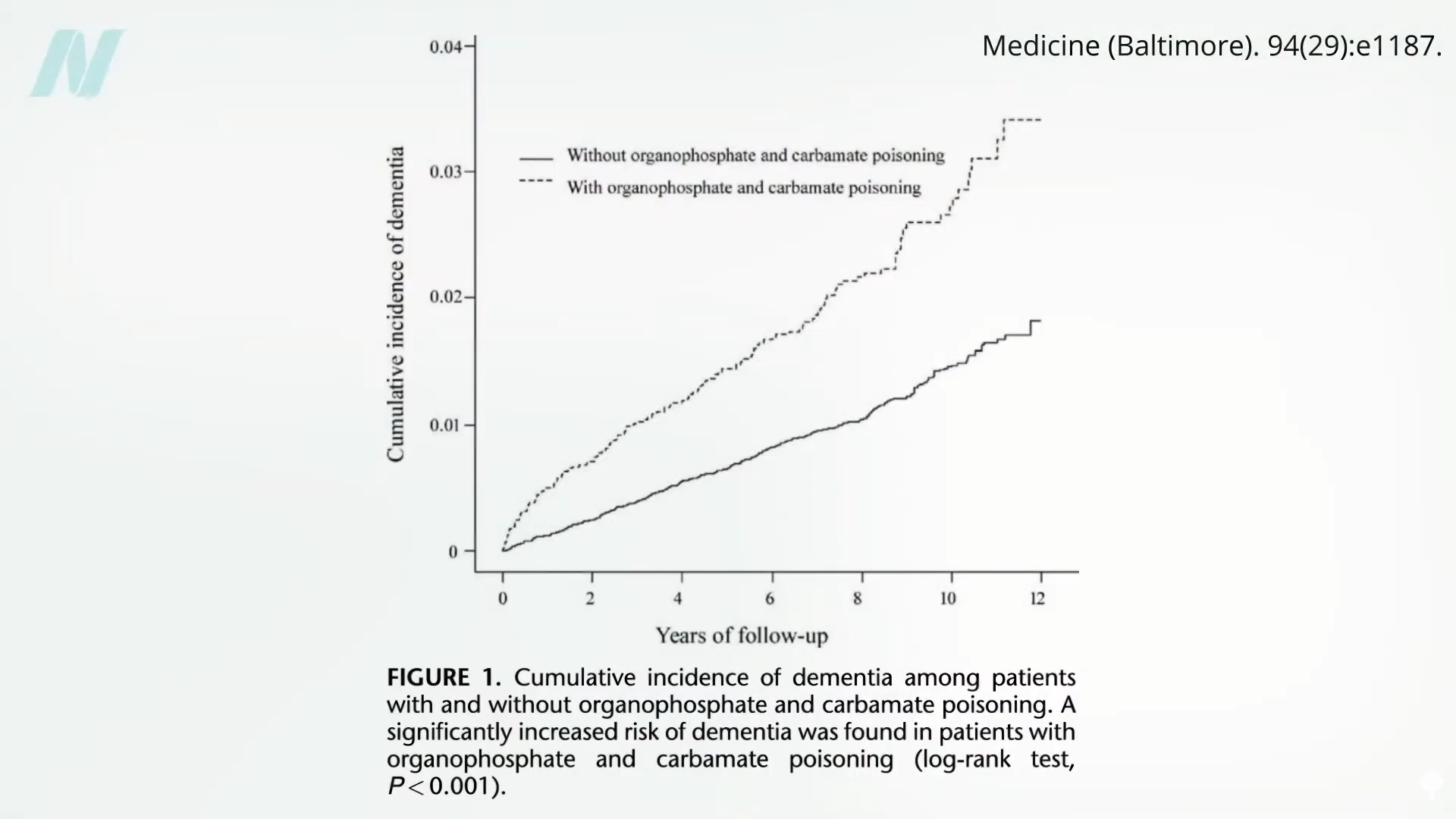
The link between pesticides and cognitive impairment extends beyond DDE and Alzheimer’s specifically. Broader epidemiological data consistently demonstrates an increased risk of dementia among individuals who have experienced acute pesticide poisoning. Studies have shown that such exposures can double the risk of developing dementia, highlighting the neurotoxic potential of these chemicals when present at high concentrations. While acute poisoning represents a more dramatic exposure scenario, it provides a crucial reference point for understanding the long-term consequences of chemical insult to the nervous system.
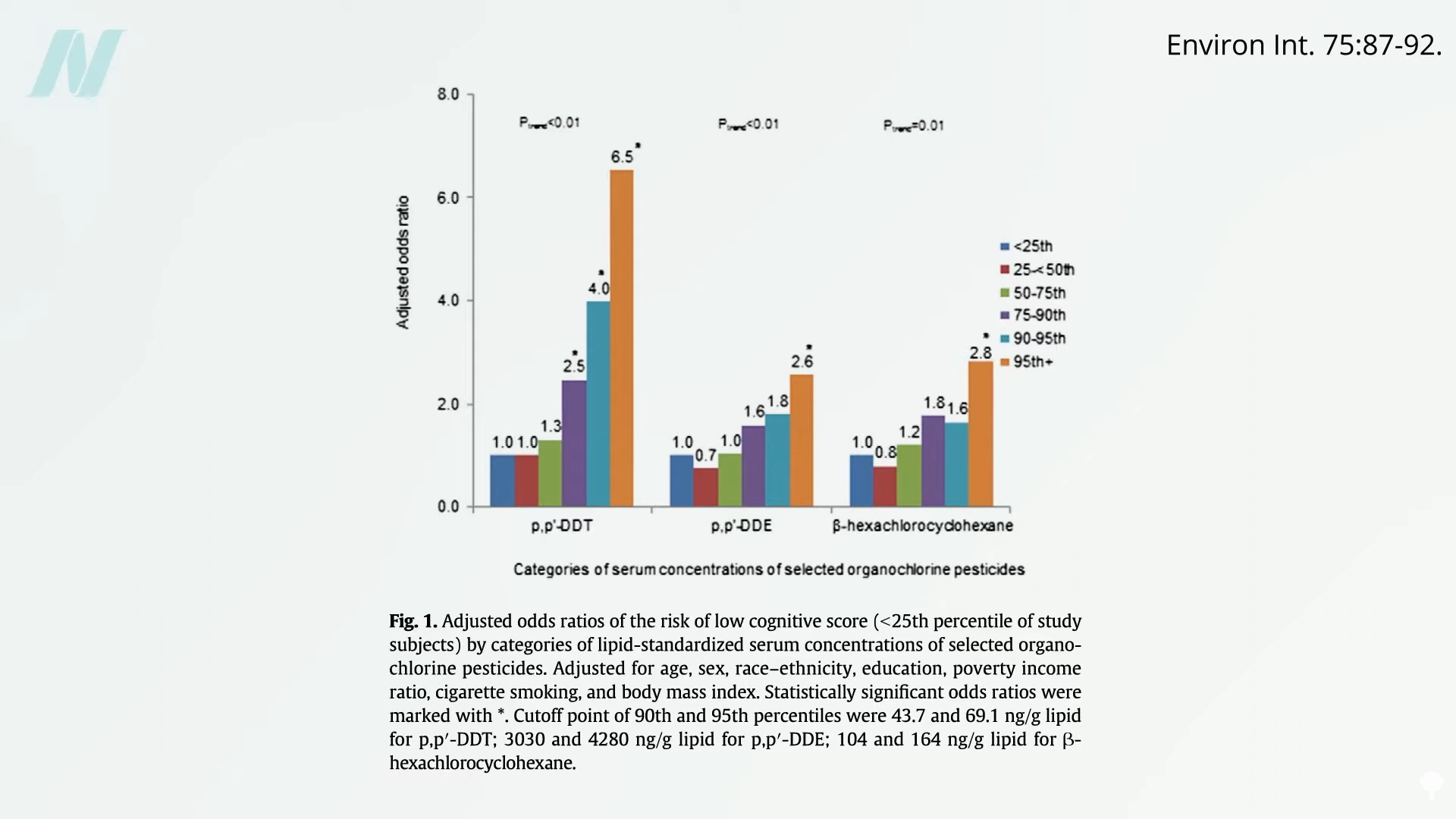
Furthermore, studies involving U.S. elders have linked chronic exposure to DDT and DDE with a general increased risk of cognitive decline. This broader association suggests that these legacy pollutants may contribute to a spectrum of neurocognitive deficits, not exclusively Alzheimer’s. Cognitive decline encompasses a range of impairments, from memory loss and difficulty with problem-solving to executive function deficits, all of which can significantly impact quality of life. The confluence of these studies—from direct measurement in Alzheimer’s patients, to in vitro mechanistic validation, to broader epidemiological links with acute poisoning and general cognitive decline—paints a consistent and concerning picture: environmental exposure to DDE poses a significant threat to brain health.
Official Responses: Regulatory Gaps and Public Health Challenges
The U.S. Environmental Protection Agency (EPA) has long recognized the hazardous nature of chlorinated pesticides like DDT and its metabolites. As noted, DDE is classified as a "probable human carcinogen," a designation that reflects substantial evidence of its cancer-causing potential. The 1972 ban on DDT was a landmark decision, driven by increasing scientific understanding of its environmental persistence and adverse effects. This regulatory action, while crucial, primarily addressed the active use of DDT.
However, the challenge with persistent organic pollutants (POPs) like DDE lies in their enduring presence in the environment and, consequently, in the human body, decades after their use has ceased. The current regulatory framework is largely geared towards newly introduced chemicals or those still in active production and use. Addressing the widespread contamination from legacy pollutants presents a unique and complex public health dilemma. There are no straightforward "official responses" in terms of immediate bans or widespread cleanup operations for a chemical that is already globally dispersed and bioaccumulated.
Instead, the official response has largely shifted to monitoring, research, and public health advisories where applicable. Agencies like the EPA and the Centers for Disease Control and Prevention (CDC) conduct biomonitoring studies, such as the National Health and Nutrition Examination Survey (NHANES), which track levels of various environmental chemicals, including DDE, in the U.S. population. These data are vital for understanding exposure trends and identifying at-risk populations.
The implications of DDE’s link to Alzheimer’s disease introduce a new layer of urgency for public health authorities. While direct regulatory action on DDT/DDE use is largely historical, there is a pressing need for increased awareness and education regarding persistent environmental contaminants. This includes supporting research into effective detoxification strategies, promoting dietary guidelines that minimize exposure, and advocating for broader environmental policies that address the legacy of industrial pollution. The classification of DDE as a probable carcinogen has already spurred some public health messaging, but its potential role in neurodegenerative diseases like Alzheimer’s demands an even more robust and targeted official response that acknowledges the long-term, intergenerational impacts of these pervasive chemicals. The challenge is not to ban something already banned, but to manage and mitigate the consequences of its historical prevalence.
Implications: Dietary Choices and Future Health
The pervasive presence of DDE in the human body, decades after the ban on DDT, raises a critical question: how does this legacy pollutant continue to enter our systems? The answer lies predominantly in our food supply. DDE, being fat-soluble, has a strong propensity to bioaccumulate and biomagnify up the food chain. This means that as it moves from soil and water into plants, then into animals that consume those plants, and finally into humans who consume those animals, its concentration increases dramatically at each trophic level.
This biological process explains why certain dietary choices can significantly influence an individual’s DDE burden. Research consistently shows that animal products—meat, fish, poultry, eggs, and dairy—are the most contaminated food sources. When food samples from supermarkets across the United States were analyzed for persistent organic pollutants (POPs) like dioxins, PCBs, and DDE, the results were stark. Toxin levels were found to be five to ten times higher in animal-derived foods compared to plant-based foods. For instance, a previous study highlighted that breast milk from a vegetarian mother contained significantly lower levels of DDT, DDE, and other banned pesticides compared to that of her non-vegetarian sister, with DDE levels being four times lower in the vegetarian individual. This pattern is observed across the board for a wide array of persistent pollutants, underscoring the role of diet as a primary exposure pathway.
Unfortunately, conventional cooking methods offer little protection against these persistent toxins. DDE and similar pollutants are not destroyed by heat; in fact, processes like cooking that reduce fat content or evaporate water can sometimes lead to an even greater concentration of these chemicals in the remaining food matrix. This makes reducing dietary intake a crucial strategy for minimizing exposure.
The implications of these findings are profound for public health and individual decision-making. If DDE exposure can indeed increase the risk of Alzheimer’s disease to a degree comparable to carrying the APOE e4 gene, then dietary interventions become a powerful tool in prevention. Adopting a diet rich in plant-based foods and minimizing consumption of animal products, particularly those higher in fat, emerges as a practical and potentially highly effective strategy for reducing one’s lifetime burden of DDE and other persistent organic pollutants.
Beyond individual choices, these findings call for broader societal awareness and action. While DDT is banned, other persistent chemicals continue to be used, and the global environmental burden of POPs remains a significant concern. Continued research into detoxification mechanisms, both biological and environmental, is essential. Furthermore, educating the public about the hidden dangers of legacy pollutants in the food chain can empower individuals to make informed choices that protect their cognitive health. The battle against Alzheimer’s disease is multifaceted, and by addressing environmental factors like pesticide exposure through conscious dietary choices, we can unlock a powerful, often overlooked, avenue for prevention and mitigation, offering a beacon of hope in the fight against this debilitating condition.