Unmasking the Silent Threat: How Lingering Pesticides May Drive Alzheimer’s Disease
Main Facts
The specter of Alzheimer’s disease looms large, a devastating neurodegenerative condition affecting millions worldwide. While much public discourse focuses on genetic predispositions, emerging research suggests that environmental factors, particularly exposure to persistent organic pollutants (POPs) like the DDT metabolite DDE, may play an equally, if not more, significant role in its development. Startling findings indicate that high levels of DDE in the bloodstream could increase the risk of Alzheimer’s disease as profoundly as carrying the APOE e4 allele, often referred to as the "Alzheimer’s gene." This revelation shifts the narrative from an immutable genetic fate to one where lifestyle and environmental choices offer a powerful leverage point in disease prevention.
Despite a growing catalog of genes linked to Alzheimer’s susceptibility, these genetic factors collectively account for less than half of all diagnosed cases. The compelling evidence from studies involving identical twins, who share identical genetic blueprints, often reveals a discordance in Alzheimer’s diagnoses – if one twin develops the disease, the other frequently does not. This crucial insight underscores the profound influence of non-genetic elements, prompting scientists to look beyond heredity and delve into the myriad environmental contributors that shape brain health over a lifetime. Among these, the legacy of certain chlorinated pesticides stands out as a potent, yet often overlooked, public health challenge.
One such chemical is DDE, the primary breakdown product of DDT, a pesticide once lauded for its effectiveness but later banned due to its severe ecological and health impacts. The U.S. Environmental Protection Agency (EPA) has classified DDE and other chlorinated pesticides as probable human carcinogens. However, recent studies have unveiled a more insidious threat: an association not primarily with increased cancer mortality, but with heightened risks for other-cause mortality, leading researchers to speculate about links to conditions like diabetes and, critically, dementia. The connection between pesticides and diabetes has been explored previously, but the burgeoning evidence for a direct link to Alzheimer’s disease presents a critical new frontier in understanding and combating this pervasive illness.
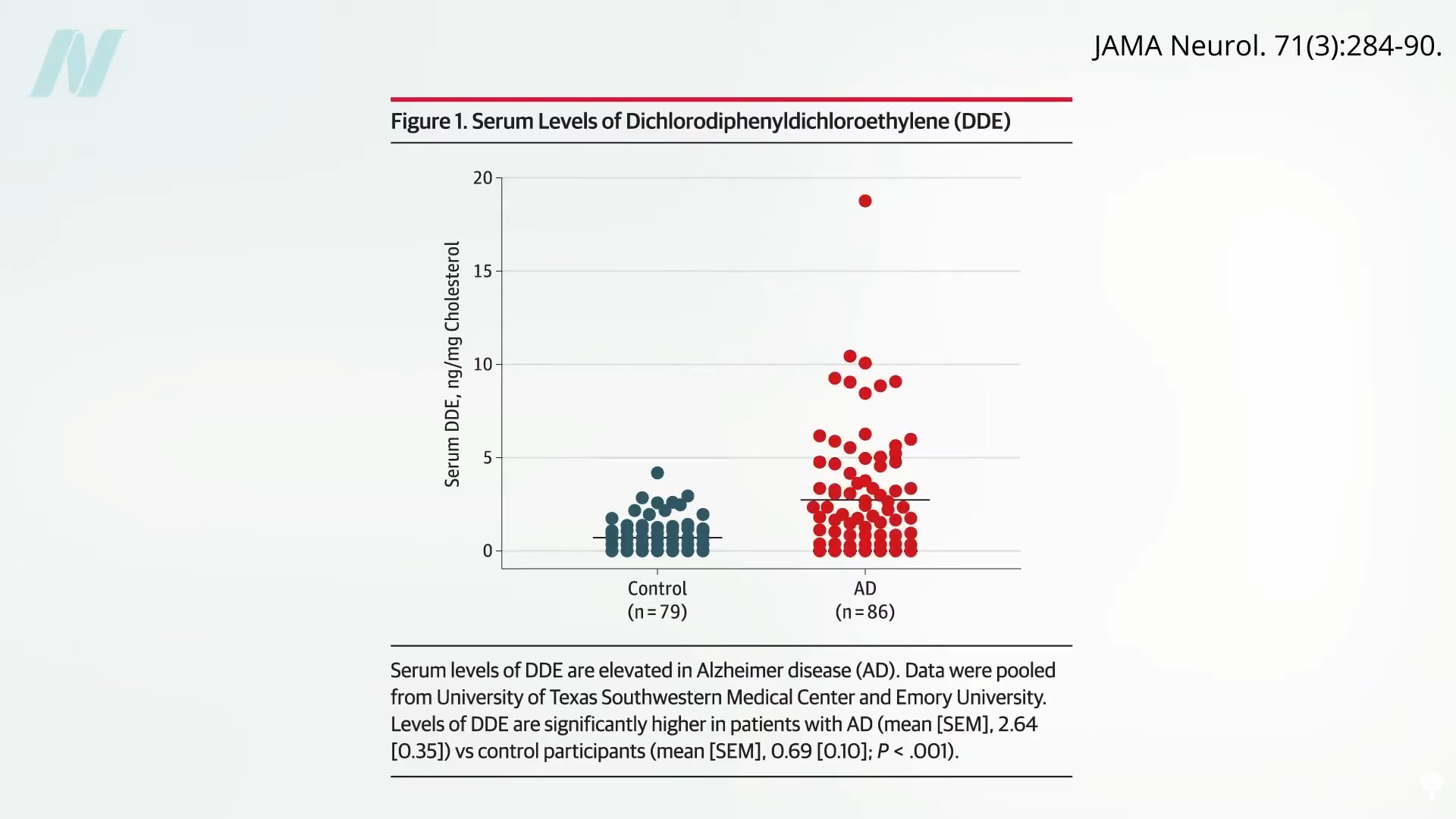
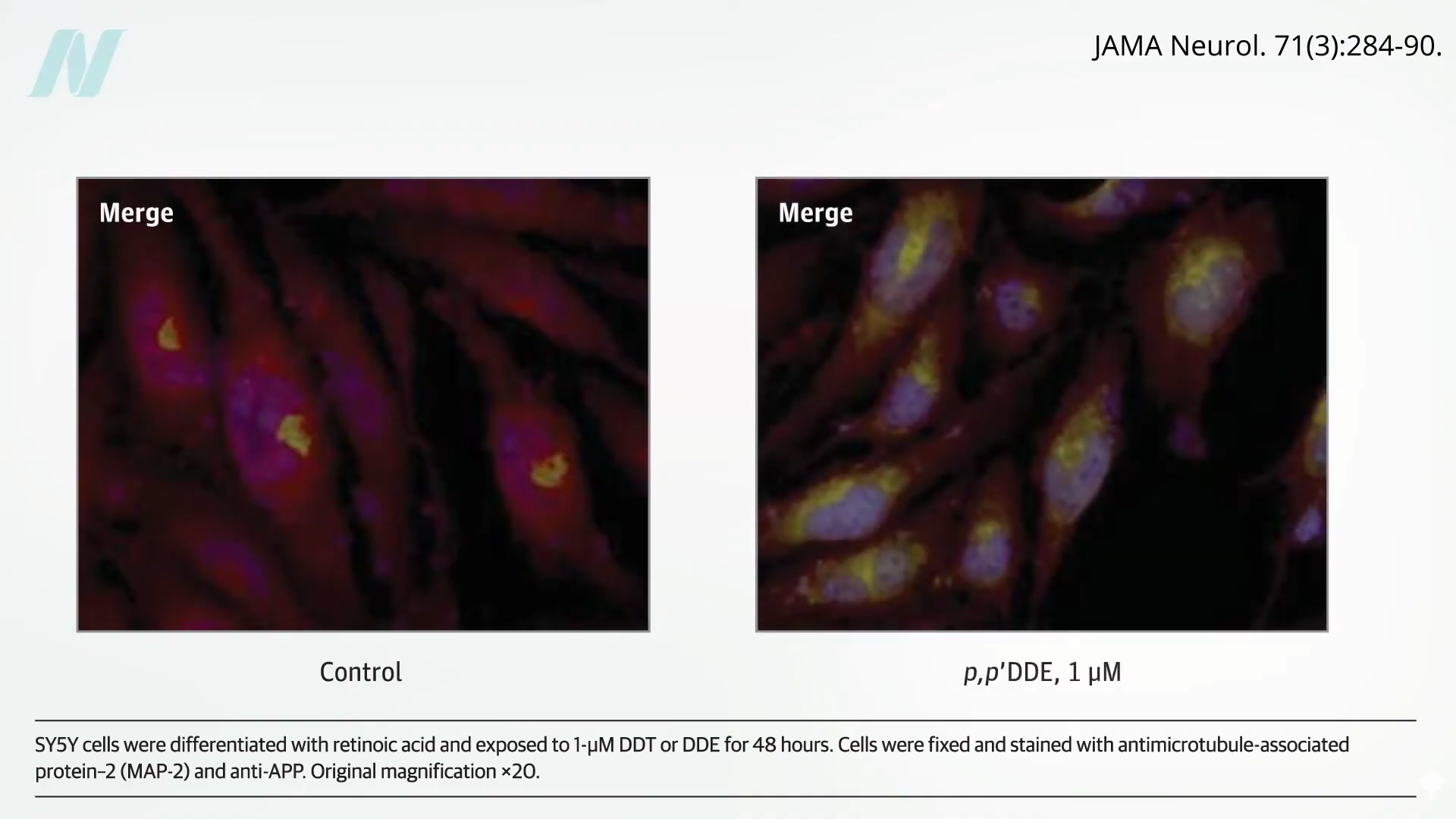
A pivotal research team at Rutgers University discovered significantly elevated blood levels of DDE in patients diagnosed with Alzheimer’s disease compared to healthy control groups. Autopsy studies further corroborate that blood levels serve as a reliable indicator for concentrations of these chemicals within brain tissue. Those individuals exhibiting the highest DDE levels faced approximately four times greater odds of developing dementia attributable to Alzheimer’s. Beyond mere correlation, laboratory experiments using human brain cells in petri dishes have provided a potential mechanistic explanation: DDE was observed to increase the levels of amyloid precursor protein, a key component in the formation of the sticky amyloid plaques characteristic of Alzheimer’s pathology. This convergence of epidemiological data, post-mortem analysis, and cellular mechanistic studies paints a clear, albeit concerning, picture of DDE’s role in neurodegeneration.
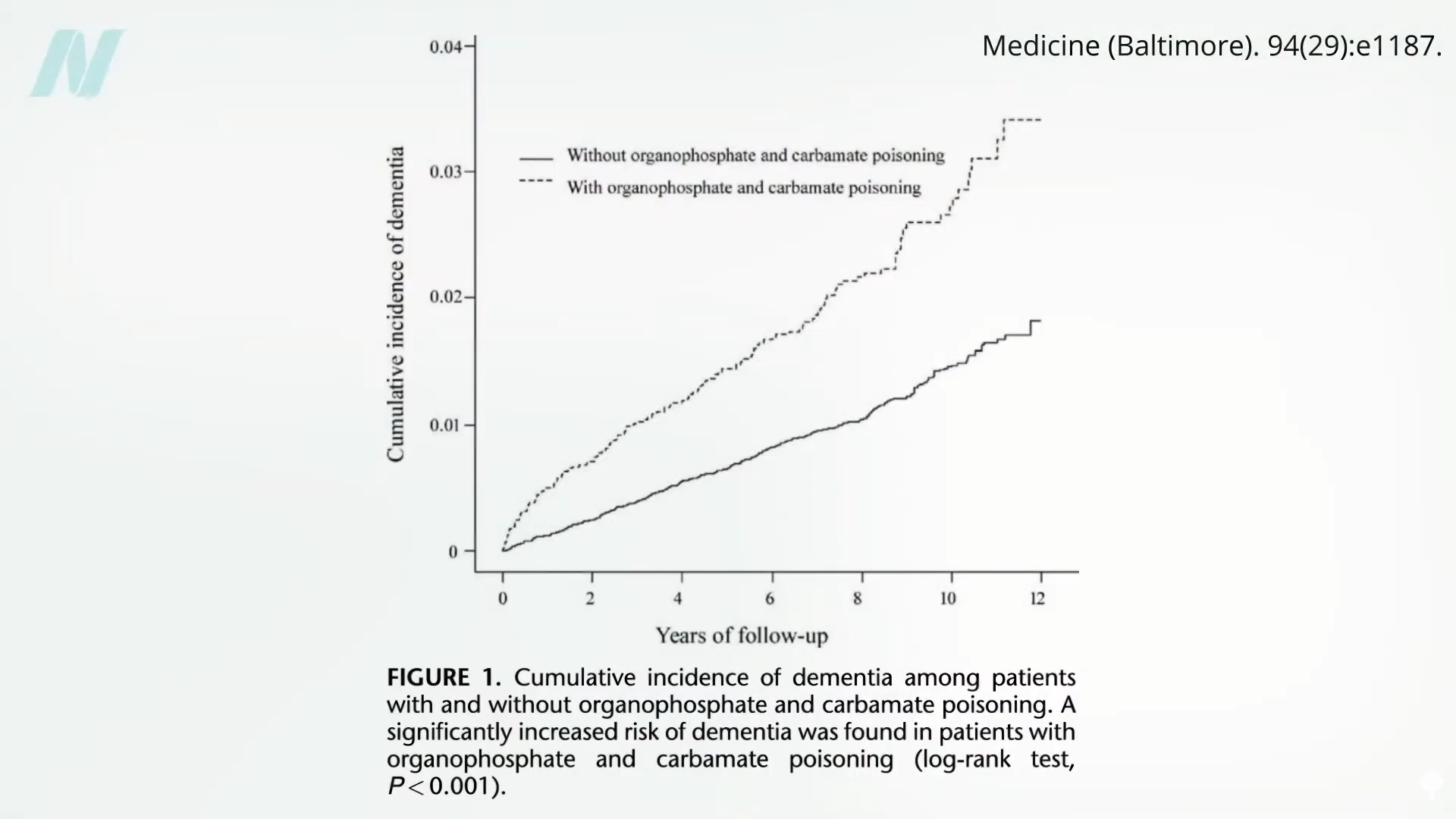
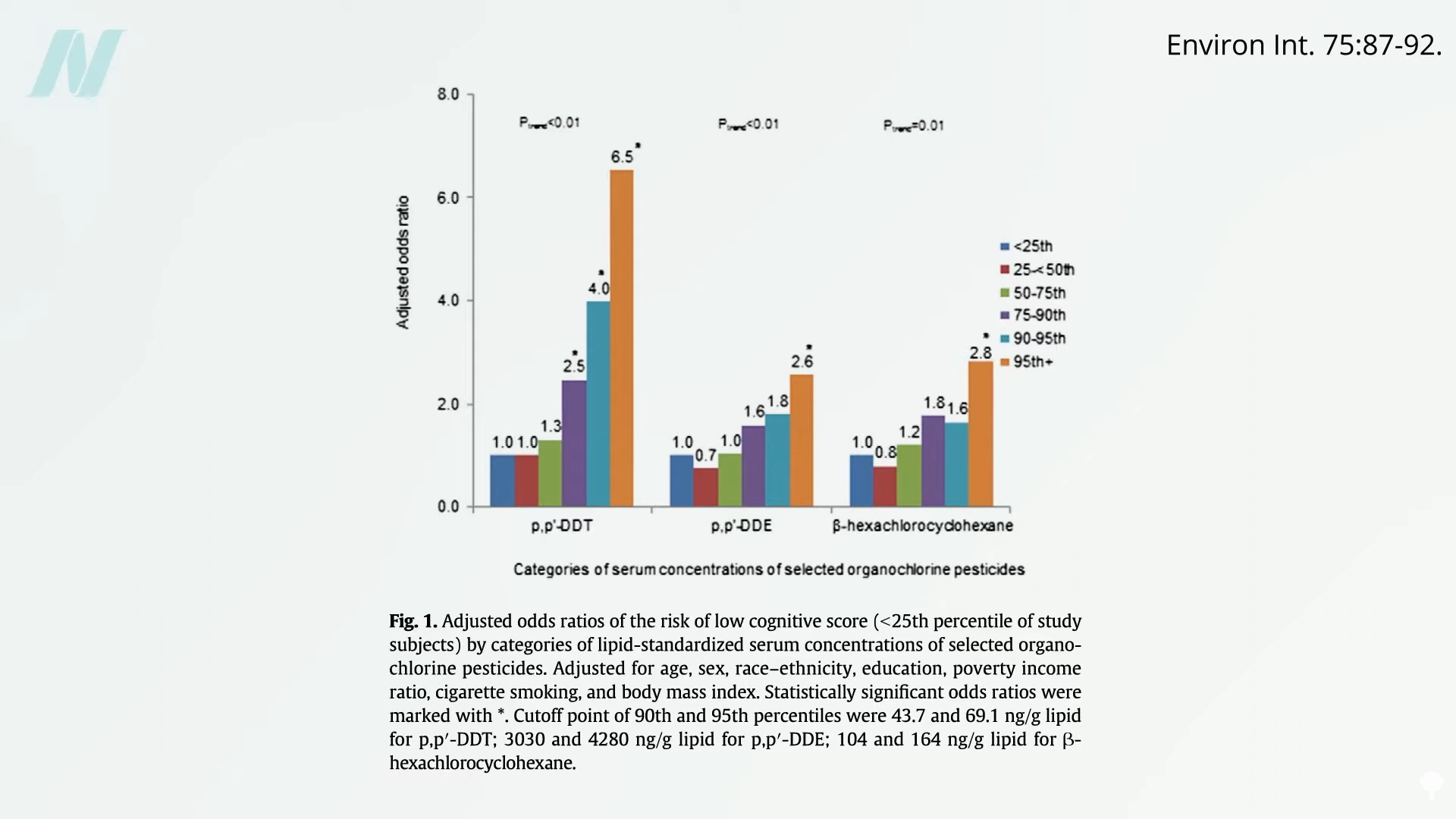
Furthermore, the impact of pesticide exposure on cognitive function extends beyond DDE. Broader data indicates that individuals who have experienced acute pesticide poisoning face approximately double the risk of developing dementia. Among the elderly population in the United States, exposure to DDT and its persistent metabolite DDE is also significantly associated with an increased risk of general cognitive decline, suggesting a widespread impact on brain health across various severities of exposure. The persistence of these chemicals in the environment and in human bodies, decades after their widespread use, means that their legacy continues to unfold, silently contributing to the burden of chronic diseases like Alzheimer’s.
Chronology

The story of DDT and its enduring impact on human health is a complex saga stretching over eight decades, marked by triumph, controversy, and a slow reckoning with unforeseen consequences.
The Dawn of the Pesticide Era (1940s-1950s)
DDT (dichlorodiphenyltrichloroethane) was first synthesized in 1874, but its insecticidal properties were not discovered until 1939 by Swiss chemist Paul Hermann Müller, who was awarded the Nobel Prize in Physiology or Medicine in 1948 for his groundbreaking work. Its introduction revolutionized pest control and public health. During World War II, DDT was extensively used by Allied forces to control insect-borne diseases like typhus and malaria, saving countless lives. Post-war, its application broadened dramatically, becoming a cornerstone of agricultural practices globally. Farmers embraced it for its effectiveness against a wide range of pests, leading to increased crop yields and economic benefits. From the 1940s through the early 1970s, the United States alone was churning out approximately 180 million pounds of DDT annually at its peak, spraying it indiscriminately on crops, forests, and even directly on people to combat insects. It was seen as a miracle chemical, a symbol of human ingenuity triumphing over nature’s challenges.
The Seeds of Doubt: "Silent Spring" and Growing Concerns (1960s)
Despite its initial acclaim, whispers of DDT’s darker side began to emerge. Scientists and naturalists observed alarming declines in bird populations, particularly predatory birds like eagles and ospreys, whose eggshells were thinning, leading to reproductive failure. The chemical’s persistence in the environment and its tendency to accumulate in the food chain became increasingly evident.
The turning point came in 1962 with the publication of Rachel Carson’s seminal book, "Silent Spring." Carson, a marine biologist and conservationist, meticulously documented the devastating ecological effects of DDT and other synthetic pesticides. Her book, a meticulously researched exposé, argued that these chemicals were poisoning not just pests, but entire ecosystems, including wildlife and humans. "Silent Spring" ignited a fierce public debate, raising widespread environmental awareness and sparking the modern environmental movement. It challenged the prevailing assumption that chemicals were inherently safe and highlighted the interconnectedness of all living systems.
The Ban and Lingering Legacy (1970s-Present)
The public outcry and scientific evidence presented by Carson and others eventually led to regulatory action. In 1972, the U.S. Environmental Protection Agency (EPA) banned the agricultural use of DDT, citing its environmental persistence and potential harm to wildlife and humans. Many other developed nations followed suit. However, DDT’s story did not end with the ban. Its chemical structure makes it incredibly stable, meaning it degrades very slowly in the environment. Its primary breakdown product, DDE, is even more persistent and lipophilic (fat-loving), allowing it to bioaccumulate in the fatty tissues of living organisms.
Decades later, the legacy of DDT continues to impact human health. Despite being banned for over 50 years, DDE still contaminates the bloodstreams of more than 90% of Americans, often found at the highest levels among all persistent organic pollutants measured. This widespread contamination is a testament to its environmental persistence and its continuous cycling through ecosystems and food webs. The insidious nature of these chemicals lies in their ability to travel far from their original application sites, entering the food chain and accumulating in human bodies over decades, potentially contributing to chronic diseases like Alzheimer’s long after their initial use. The scientific community’s understanding of DDE’s health impacts has evolved from primarily focusing on its carcinogenic potential to recognizing its wider systemic effects, particularly on neurological health.
Supporting Data
The connection between persistent organic pollutants (POPs) like DDE and neurodegenerative diseases is not merely anecdotal; it is supported by a growing body of scientific evidence derived from various research methodologies, ranging from population-level epidemiology to cellular mechanistic studies.
Beyond Genes: The Power of Environment
The discussion around Alzheimer’s disease frequently highlights genetic risk factors, particularly the APOE e4 allele. While carrying one copy of APOE e4 can double or triple one’s risk, and two copies can increase it by 10 to 15 times, these genetic predispositions are far from deterministic. The "single most compelling" piece of data illustrating our potential control over the disease comes from studies of identical twins. Despite sharing identical genes, if one twin develops Alzheimer’s, the other usually does not. This profound observation unequivocally demonstrates that genetics alone do not dictate destiny when it comes to Alzheimer’s. Instead, it places a spotlight on the myriad environmental and lifestyle factors that interact with our genetic makeup to influence disease onset and progression. This understanding empowers individuals, shifting the focus from an unchangeable genetic lottery to modifiable elements within our control.
DDE and Alzheimer’s: A Mechanistic Link
DDE, or p,p’-DDE, is the most stable and prevalent metabolite of DDT. Its chemical properties allow it to readily cross the blood-brain barrier, making the brain a potential target for its toxic effects. The Rutgers study, which found significantly higher blood levels of DDE in Alzheimer’s patients, was a crucial epidemiological finding. Patients with the highest quartile of DDE levels in their blood were found to have approximately four times the odds of having Alzheimer’s dementia compared to those with the lowest levels. This magnitude of risk is comparable to, if not exceeding, that associated with carrying a single copy of the APOE e4 gene.
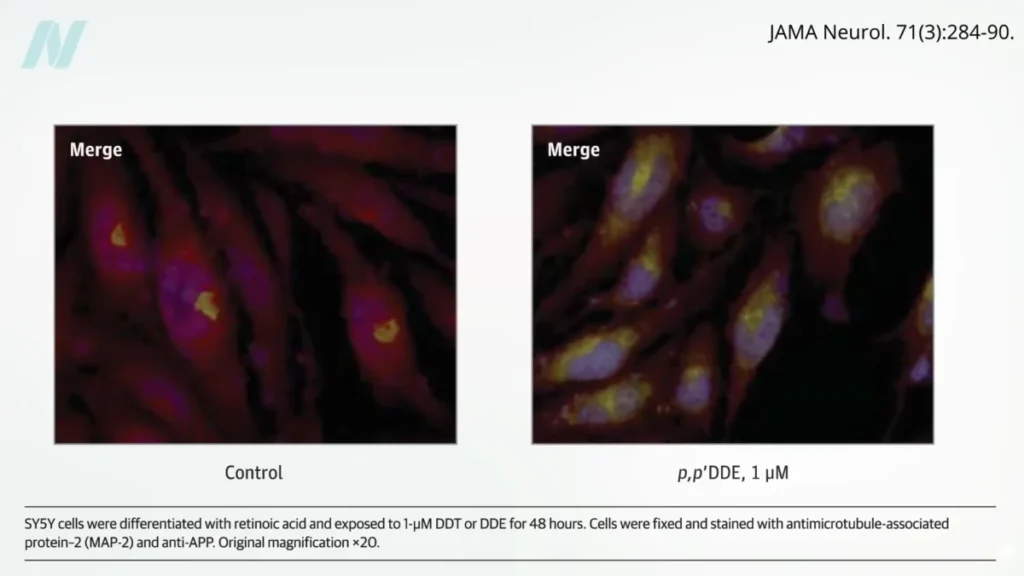
To understand how DDE might contribute to Alzheimer’s, researchers have turned to in vitro (cell culture) studies. These experiments revealed a critical mechanism: DDE increases the levels of amyloid precursor protein (APP) in human brain cells. APP is a transmembrane protein that, when cleaved by enzymes, produces amyloid-beta peptides. These peptides can then aggregate to form amyloid plaques, a hallmark pathological feature of Alzheimer’s disease. The accumulation of these sticky plaques is believed to disrupt neuronal function, trigger inflammatory responses, and ultimately lead to synaptic loss and neuronal death. The finding that DDE directly promotes a key step in amyloid pathology provides a powerful, plausible biological pathway linking the pesticide metabolite to the disease.
Beyond amyloid pathology, DDE and other organochlorine pesticides are known to exert neurotoxic effects through various other mechanisms. These include inducing oxidative stress, a state of imbalance between free radicals and antioxidants that damages cells; disrupting mitochondrial function, the energy powerhouses of cells; interfering with neurotransmitter systems; and promoting neuroinflammation. All these pathways are implicated in the complex pathogenesis of Alzheimer’s disease, suggesting that DDE’s impact on brain health is likely multifaceted.
Broader Pesticide Impact on Cognition
The evidence for DDE’s specific link to Alzheimer’s is strengthened by broader data on pesticide exposure and cognitive function. Studies have shown a doubling of risk for developing dementia among individuals who have experienced acute pesticide poisoning. While acute poisoning represents a high-dose, short-term exposure, it underscores the neurotoxic potential of these chemicals. Furthermore, among U.S. elders, DDT and DDE are associated with an increased risk of general cognitive decline, not just diagnosed Alzheimer’s. This suggests a continuum of harm, where even chronic, lower-level exposures contribute to a decline in memory, executive function, and other cognitive abilities over time.
The Food Chain: A Reservoir of Toxins
The persistence of DDE in human bodies, decades after the DDT ban, is largely due to its continuous presence in the food supply, a phenomenon known as bioaccumulation and biomagnification. DDT, DDE, dioxins, and polychlorinated biphenyls (PCBs) are lipophilic, meaning they dissolve readily in fats. When animals ingest these chemicals, they accumulate in their fatty tissues. As these animals are consumed by other animals higher up the food chain, the concentration of these toxins magnifies. This process explains why the most contaminated foods are typically animal products.
Extensive food sampling from supermarkets across the United States has consistently shown that levels of dioxins and PCBs are 5 to 10 times higher in meat, eggs, fish, and dairy products compared to plant-based foods. This disparity is critical for understanding human exposure. The study comparing breast milk from a vegetarian mother to her non-vegetarian sister offers a compelling real-world example: the vegetarian sister’s breast milk had significantly lower levels of DDT, DDE, and other banned pollutants, with DDE levels being four times lower. This highlights the effectiveness of dietary choices in mitigating exposure.
Compounding the problem, cooking does not destroy these stable pollutants like DDE. In fact, processes like frying or rendering fat can sometimes concentrate them further, as water evaporates but the fat-soluble toxins remain. This means that consuming animal products, even after preparation, continues to expose individuals to these accumulated environmental toxins, potentially contributing to a lifelong burden that impacts neurocognitive health.
Official Responses
The official responses to the risks posed by DDT and its metabolites have evolved significantly over time, reflecting a growing scientific understanding and increasing public pressure.
EPA Classification and the Stockholm Convention
The U.S. Environmental Protection Agency (EPA) classified DDT and its breakdown products, including DDE, as probable human carcinogens in the 1970s. This classification, primarily based on animal studies and some epidemiological data, was a key factor in the eventual ban of DDT in the United States in 1972. While this was a monumental step in environmental protection, the focus was largely on cancer risk and ecological damage, with neurodegenerative diseases like Alzheimer’s not yet fully understood or linked to these chemicals at that time.
Globally, the recognition of persistent organic pollutants (POPs) as a serious threat led to the adoption of the Stockholm Convention on Persistent Organic Pollutants in 2001. This international environmental treaty aims to eliminate or restrict the production and use of POPs, including DDT. While DDT is largely banned for agricultural use under the Convention, its use is still permitted for disease vector control, particularly in countries combating malaria, reflecting a complex balance between public health needs and environmental protection. However, the Convention also mandates that parties work towards eliminating DDT use for malaria control as safer, effective, and affordable alternatives become available.
Gaps in Current Regulatory Focus
Despite these significant regulatory actions, there remain gaps in addressing the full spectrum of risks posed by lingering POPs like DDE. The initial classifications and bans were driven primarily by concerns over carcinogenicity and acute toxicity to wildlife. The more subtle, chronic, and long-term neurotoxic effects, particularly on complex diseases like Alzheimer’s, have only come into sharper focus in recent decades. This delayed recognition means that public health advisories and regulatory frameworks may not yet fully account for the cumulative, lifelong exposure to these chemicals and their potential role in neurodegeneration.
There is a pressing need for regulatory bodies worldwide to update their risk assessments for POPs to include the growing evidence of neurodevelopmental and neurodegenerative impacts. Current monitoring programs track levels of these chemicals in the environment and in human populations, but the implications of these persistent background exposures for brain health are still being fully elucidated and translated into actionable public health guidance. The widespread presence of DDE in over 90% of Americans, decades after its ban, underscores the challenge and the need for comprehensive strategies that address legacy contamination.
Public Awareness and Advocacy
Official responses also extend to public health campaigns and research funding. While there is increasing awareness about general environmental toxins, the specific link between DDE, other pesticides, and Alzheimer’s disease is not yet widely known among the general public. Advocacy groups and researchers continue to call for increased funding for studies investigating the "exposome"—the totality of environmental exposures an individual experiences over a lifetime—and its impact on brain health. This includes not only direct pesticide exposure but also the broader chemical landscape that individuals navigate daily. The long latency period for diseases like Alzheimer’s makes establishing definitive causal links challenging, necessitating long-term epidemiological studies and robust mechanistic research to inform future policy.
Implications
The growing body of evidence linking DDE and other persistent pesticides to an increased risk of Alzheimer’s disease carries profound implications for individual health choices, public health policy, and future research directions. It offers a powerful message of empowerment, suggesting that while genetics play a role, we possess significant control over our susceptibility to this devastating disease through modifiable environmental factors.
Empowering Individual Action: Dietary Choices
The most direct and immediate implication for individuals lies in dietary choices. Given that persistent organic pollutants like DDE, dioxins, and PCBs accumulate predominantly in the fatty tissues of animals, consuming animal products represents the primary route of human exposure. The scientific data consistently shows that meat, fish, eggs, and dairy products harbor significantly higher concentrations of these toxins compared to plant-based foods.
Therefore, adopting a predominantly or entirely plant-based diet emerges as a highly effective strategy to drastically reduce one’s lifelong exposure to these neurotoxic chemicals. Shifting towards a diet rich in fruits, vegetables, whole grains, legumes, nuts, and seeds not only minimizes pesticide intake but also offers a wealth of other health benefits, including reduced risk of heart disease, type 2 diabetes, and certain cancers, all of which are themselves risk factors for cognitive decline. While choosing organic produce can further reduce exposure to currently used pesticides, the issue of legacy POPs like DDE, which are ubiquitous in the environment, makes a focus on reducing animal product consumption even more critical.
Furthermore, individuals can take steps to minimize overall chemical exposure by opting for less processed foods, filtering drinking water, and being mindful of household and personal care products. While DDE is particularly problematic due to its fat-solubility and bioaccumulation, a holistic approach to reducing toxic load is beneficial for overall health.
The Imperative for Policy and Regulatory Reform
At a societal level, these findings underscore the urgent need for a re-evaluation of current environmental policies and regulatory frameworks. While DDT has been banned in many countries for decades, its lingering presence and the ongoing production and use of other persistent chemicals demand continued vigilance.
Policymakers must:
- Strengthen Monitoring and Research: Invest in comprehensive, long-term monitoring of POPs in the environment and human populations, focusing specifically on their neurotoxic potential. Fund research into the "exposome" to understand the cumulative impact of various environmental toxins on brain health.
- Update Risk Assessments: Regulatory bodies should update their risk assessment models for pesticides and other environmental chemicals to include chronic neurodegenerative effects, not just carcinogenicity or acute toxicity.
- Promote Sustainable Agriculture: Encourage and incentivize agricultural practices that minimize the use of harmful pesticides, supporting organic and regenerative farming methods.
- Facilitate Remediation: Explore and fund innovative strategies for environmental remediation of contaminated sites, though this remains a monumental challenge for globally dispersed pollutants.
- Public Education: Implement robust public health campaigns to educate the populace about the risks of environmental toxins, particularly their link to neurodegenerative diseases, and provide clear, actionable advice on how to reduce exposure.
A New Horizon for Alzheimer’s Prevention
The link between DDE and Alzheimer’s disease offers a new and hopeful perspective on prevention. For too long, the narrative around Alzheimer’s has been dominated by a sense of inevitability, particularly for those with genetic predispositions. This research, however, reinforces the idea that Alzheimer’s is not solely a genetic lottery but a complex disease influenced by a lifetime of environmental interactions.
By understanding that factors like DDE exposure can dramatically increase risk, potentially on par with strong genetic markers, individuals and societies can focus on actionable prevention strategies. This knowledge empowers healthcare providers to offer more comprehensive advice on lifestyle interventions beyond diet and exercise, specifically addressing environmental chemical exposures. It also opens avenues for novel therapeutic approaches that might target the pathways by which these chemicals exert their neurotoxic effects.
In conclusion, the shadow of DDT and its breakdown product DDE continues to fall over public health, decades after its ban. Its indelible mark on our bodies and brains serves as a powerful reminder of the long-term consequences of persistent environmental pollutants. However, this understanding also illuminates a path forward: by recognizing the profound impact of these chemicals and making informed choices, particularly regarding diet, we can collectively work towards a future with a reduced burden of Alzheimer’s disease, transforming a seemingly insurmountable genetic challenge into a modifiable environmental imperative.