Unraveling the Roots of Hair Loss: Beyond Biotin and Zinc Myths
Main Facts
Hair loss is a widespread concern affecting nearly half of all adults, both men and women, by the age of 50. This common phenomenon often sparks a search for solutions, leading many down paths paved with popular myths and unproven remedies. Contrary to long-held beliefs, excessive hair washing or vigorous brushing are not culprits behind this gradual thinning. Instead, scientific research has increasingly pointed to a more fundamental cause: genetics. For men, the heritability of baldness is remarkably high, around 79%, indicating that roughly 80% of the variations in hair loss between individuals are genetically predetermined. While this genetic blueprint plays a dominant role, it doesn’t tell the entire story, leaving a crucial "wiggle room" for environmental and lifestyle factors. In this landscape of widespread concern and evolving understanding, the efficacy of common over-the-counter supplements like biotin and zinc often comes under scrutiny. Do these popular remedies truly offer a solution, or are they yet another myth in the complex narrative of hair health? This article delves into the evidence, separating fact from fiction and exploring the genuine factors influencing hair loss.
Chronology
The understanding of hair loss has evolved significantly over centuries, moving from anecdotal observations to rigorous scientific inquiry. Historically, explanations for hair loss were often rudimentary or linked to unrelated ailments. For instance, the tragic case of William Shakespeare, whose early baldness has been hypothesized to be linked to mercury poisoning from syphilis treatment, illustrates a period where medical treatments themselves could be inadvertently harmful. This era predated any nuanced understanding of hair follicle biology or genetics.
The late 19th and early 20th centuries saw the emergence of dermatology as a specialized field, bringing more systematic observation to conditions like alopecia. However, it wasn’t until the mid-20th century that the genetic component of hair loss began to be scientifically established. Landmark studies, particularly those involving twins, provided compelling evidence for the strong heritability of pattern baldness in both men and women. These studies, which compared identical twins (sharing nearly identical DNA) with fraternal twins (sharing about half their DNA), allowed researchers to quantify the genetic contribution versus environmental influences. By the 1990s and early 2000s, specific genes associated with androgenetic alopecia were being identified, solidifying the genetic framework.
Concurrently, the dietary supplement industry began to burgeon, fueled by a growing public interest in wellness and self-care. Biotin (Vitamin B7) and zinc, both essential nutrients, gained traction as supposed panaceas for hair health, despite a lack of robust scientific evidence supporting their widespread use for hair growth in non-deficient individuals. The "can’t hurt, might help" mentality became prevalent, leading to a proliferation of products marketed for hair growth containing these ingredients.
However, as the 21st century progressed, scientific scrutiny intensified. Research began to clarify that while severe deficiencies in certain nutrients like vitamin C, zinc, or biotin could indeed cause hair loss, supplementing these nutrients in individuals with normal levels provided no additional benefit. More critically, regulatory bodies like the U.S. Food and Drug Administration (FDA) started issuing warnings, particularly regarding biotin. In 2017, the FDA released a safety communication highlighting how high doses of biotin could significantly interfere with various laboratory tests, including those for thyroid function, cardiac health, and hormone levels, potentially leading to misdiagnosis and inappropriate treatment. This marked a pivotal shift, moving beyond the question of efficacy to the very real and sometimes life-threatening risks associated with indiscriminate supplement use. The journey from Shakespeare’s mercury to modern genetic research and FDA warnings underscores a continuous evolution in our understanding and approach to hair loss.
Supporting Data
The journey to understanding hair loss is a complex tapestry woven from genetic predispositions, environmental factors, and occasionally, specific medical conditions or toxic exposures. Scientific research has provided a wealth of data to support these multifaceted causes, moving beyond old wives’ tales and pointing towards actionable insights.
Genetic Predisposition: The Unseen Hand
The most compelling data concerning hair loss points squarely to genetics. Studies, particularly those analyzing identical and fraternal twins, have unequivocally demonstrated that the majority of age-related hair loss is genetically determined for both men and women. For instance, research indicates that the heritability of baldness in men stands at a staggering 79%. This means that approximately four-fifths of the variations observed in hair loss patterns among men can be attributed to their genetic makeup. While the exact genes and pathways are still being fully elucidated, this strong genetic link underscores why some individuals experience significant hair thinning early in life, while others maintain a full head of hair well into old age. This primary genetic influence explains the pattern of androgenetic alopecia, the most common form of hair loss, characterized by a receding hairline and thinning crown in men, and diffuse thinning over the scalp in women.
Environmental Modulators: The "Wiggle Room"
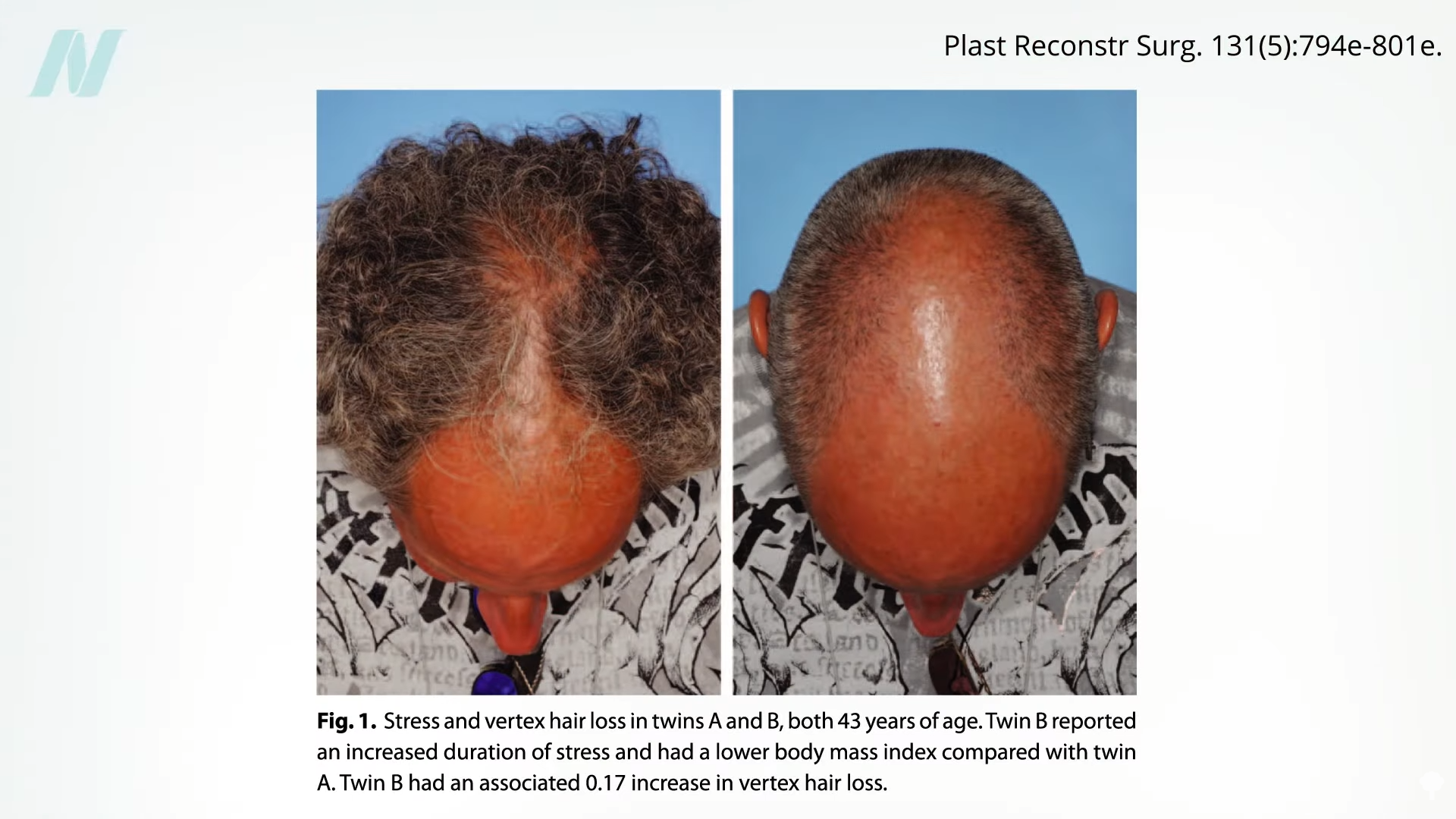
Despite the powerful genetic component, even identical twins—who share nearly identical DNA—can exhibit different degrees of hair loss. This "wiggle room" highlights the significant role of environmental and lifestyle factors in modulating genetic expression. Twin studies have been particularly insightful in this regard.
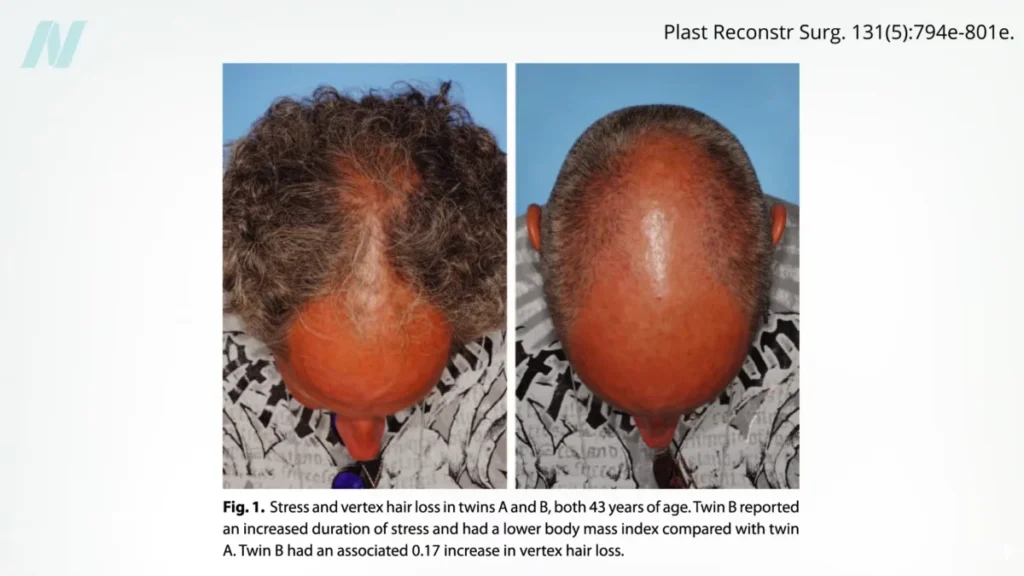
- Stress: In one notable case, identical twin brothers with the same genetic blueprint showed differing levels of hair loss. The twin experiencing more chronic stress in his life exhibited greater hair thinning. Chronic stress is known to push hair follicles prematurely into the telogen (resting) phase, leading to increased shedding, a condition known as telogen effluvium. The sustained elevation of stress hormones like cortisol can disrupt the normal hair growth cycle.
- Smoking and Alcohol: Another pair of identical twins demonstrated a clear link between lifestyle choices and hair health. The twin who was a smoker and consumed more alcohol experienced more significant hair loss. Smoking is particularly detrimental, contributing to both male and female pattern baldness. Cigarettes contain genotoxic compounds that can damage the DNA within hair follicles, impairing their ability to function correctly. Furthermore, smoking causes microvascular poisoning at the base of the hair follicle, constricting blood vessels and reducing the essential nutrient and oxygen supply needed for healthy hair growth. Alcohol, while less directly implicated than smoking, can contribute to nutritional deficiencies and overall systemic stress, indirectly affecting hair health.
- Other Factors: Beyond stress and smoking, other factors observed in twin studies, such as having more children (which can induce temporary hair loss due to hormonal shifts post-pregnancy), a history of high blood pressure, or cancer treatments, can also exacerbate or trigger hair loss episodes. These factors often induce systemic stress or interfere with normal physiological processes critical for hair follicle health.
Heavy Metal Toxicity: A Hidden Culprit
While not as common as genetic or lifestyle factors, exposure to heavy metals can be a treatable cause of hair loss. Mercury, in particular, has been identified as a significant culprit. It concentrates in growing scalp hair at approximately 250 times the level found in blood, making hair a sensitive indicator of exposure. The historical anecdote of William Shakespeare’s possible mercury poisoning from syphilis treatment underscores the long-known link. In contemporary times, the primary source of mercury exposure is no longer outdated medical treatments but primarily seafood consumption, as highlighted by the U.S. Centers for Disease Control and Prevention.
A compelling case study involved a 43-year-old woman evaluated for early menopause and hair loss. Her blood tests revealed elevated mercury levels, directly correlating with her diet, which was notably high in tuna. The good news was that her mercury levels significantly decreased after she eliminated fish from her diet. Within two months, her hair began to regrow, and after seven months on a fish-free diet, her hair fully recovered. This case powerfully illustrates that screening for mercury toxicity should be considered by doctors when evaluating hair loss, as it represents a treatable cause often linked to dietary habits.
Nutrient Deficiencies: Specificity is Key
The notion that nutrient deficiencies broadly cause hair loss is often oversimplified. While it’s true that severe deficiencies can impact hair health, general supplementation for individuals with normal nutrient levels is largely ineffective.
- Bariatric Surgery: A clear example of deficiency-induced hair loss occurs after bariatric surgery. The surgical rearrangement of the digestive anatomy intentionally causes malabsorption, leading to frequent nutrient deficiencies and, consequently, hair loss as the most common post-operative symptom. This is a specific medical context, not a general phenomenon.
- Vitamin C: Historically, scurvy (severe vitamin C deficiency) was known to cause hair loss. However, once a baseline sufficiency of vitamin C is achieved (enough to prevent symptoms like bleeding gums), increasing intake further does not promote additional hair growth.
- Zinc: Zinc deficiency can indeed cause hair loss, often seen in individuals with chronic alcohol abuse or certain malabsorption conditions. However, if blood zinc levels are normal, taking additional zinc supplements provides no benefit for hair growth and can even lead to negative side effects such as copper deficiency, immune dysfunction, and gastrointestinal distress.
- Biotin (Vitamin B7): Biotin is a star ingredient in many hair loss products, yet its efficacy for promoting hair growth in healthy individuals is largely a myth. While severe biotin deficiency does cause hair loss, such deficiencies are exceedingly rare in healthy individuals consuming a normal diet. One specific cause of deficiency can be the consumption of large amounts of raw egg whites, which contain avidin, a protein that binds to biotin and prevents its absorption. Beyond these rare deficiency syndromes, there are no evidence-based data to support the idea that biotin supplementation promotes hair growth in the general population.
The "Can’t Hurt, Might Help" Fallacy: Hidden Dangers
The casual attitude of "can’t hurt, might help" towards supplements is particularly perilous, primarily due to the severe lack of regulatory oversight in the supplement industry.
- Biotin and Lab Test Interference: The most alarming risk associated with biotin supplements is their interference with various laboratory tests. Many hair health supplements contain biotin doses up to 650 times the recommended daily intake. When ingested in such high quantities, excess biotin in the blood can significantly skew results for crucial diagnostic tests, including thyroid function tests, other hormone assays (such as pregnancy tests), and even tests used to diagnose heart attacks (e.g., troponin assays). This interference can lead to false positives or false negatives, resulting in misdiagnosis, delayed treatment, or unnecessary medical interventions. The consequences, especially for conditions like heart attacks or thyroid disorders, could potentially be life-threatening.
- Poor Regulation and Toxicity: The supplement industry’s lax regulation has led to numerous documented incidents of harm. For example, a widespread outbreak of selenium toxicity affected hundreds when a manufacturing error resulted in a supplement containing 200 times the labeled dose of selenium. Ironically, one of the symptoms of selenium toxicity is hair loss. Similarly, excessive intake of vitamin A, often found in high doses in certain supplements, can also lead to hair loss, among other adverse effects. These cases underscore that supplements, despite their "natural" perception, are potent biochemical agents that can cause significant harm when misused or improperly manufactured.
Official Responses
The medical and regulatory communities have increasingly voiced concerns and issued warnings regarding the indiscriminate use of supplements for hair loss, particularly biotin and zinc. Their stance is largely informed by a growing body of scientific evidence and reports of adverse events.
FDA Warnings on Biotin: The most significant official response concerning hair supplements has come from the U.S. Food and Drug Administration (FDA). In November 2017, the FDA issued a safety communication titled "The FDA Warns that Biotin May Interfere with Lab Tests." This communication specifically highlighted the serious potential for high levels of biotin in patient samples to cause clinically significant incorrect lab test results. The FDA noted that biotin interference could lead to either falsely high or falsely low results, depending on the specific test methodology. This impacts a wide range of tests, including:
- Cardiac Troponin Tests: Used to diagnose heart attacks. A falsely low result could lead to a missed diagnosis and delayed treatment, with potentially fatal consequences.
- Thyroid Hormone Tests: Essential for diagnosing hyperthyroidism or hypothyroidism. Incorrect results could lead to inappropriate treatment or monitoring.
- Hormone Tests: Including those for reproductive hormones and pregnancy.
The FDA urged healthcare providers to be aware of biotin use by their patients, especially those undergoing lab tests, and encouraged manufacturers to develop tests less susceptible to biotin interference. This warning underscored that biotin supplements are not merely ineffective but can actively undermine critical medical diagnostics.
Medical Community Consensus: Professional medical organizations and dermatologists generally align with the FDA’s cautious approach.
- Evidence-Based Practice: Dermatologists and trichologists (specialists in hair and scalp conditions) advocate for evidence-based treatments. They emphasize that while specific nutrient deficiencies (like iron, zinc, or biotin) can cause hair loss, supplementation is only beneficial when a confirmed deficiency exists. Routine supplementation without a diagnosed deficiency is not recommended.
- Diagnosis First: The consensus among medical professionals is to thoroughly investigate the underlying cause of hair loss before recommending any treatment. This typically involves a detailed medical history, physical examination, and blood tests to rule out conditions like thyroid disorders, anemia, autoimmune diseases, and nutritional deficiencies.
- Caution Against Unregulated Supplements: The medical community frequently cautions patients about the lack of stringent regulation for dietary supplements. Unlike pharmaceutical drugs, which must undergo rigorous testing for safety and efficacy before market approval, supplements do not face the same level of scrutiny. This regulatory gap means that product purity, potency, and even the accuracy of ingredient labels can be unreliable, leading to risks like contamination, incorrect dosages, or the inclusion of undeclared substances. The selenium toxicity outbreak cited in the original article serves as a stark reminder of these dangers.
- Focus on Lifestyle and Proven Treatments: Instead of unproven supplements, medical professionals guide patients toward established treatments for androgenetic alopecia (like minoxidil or finasteride, though these have their own benefits and risks, as noted in the linked series) or address underlying medical conditions. They also emphasize lifestyle modifications, such as stress management, smoking cessation, and a balanced diet rich in whole foods, which indirectly support overall hair health.
In essence, official responses from both regulatory bodies and the medical establishment strongly advise against the casual use of biotin and zinc supplements for hair loss, highlighting their limited efficacy in non-deficient individuals and the very real risks, particularly for biotin, in interfering with crucial medical diagnostics. The overarching message is to prioritize a professional diagnosis and evidence-based interventions.
Implications
The nuanced understanding of hair loss, moving beyond simplistic supplement solutions, carries significant implications for individuals, the healthcare system, and the supplement industry itself.
For Individuals Experiencing Hair Loss:
The primary implication is a call for a more informed and proactive approach to hair loss. Instead of self-diagnosing and self-treating with over-the-counter supplements, individuals are strongly advised to seek professional medical advice. A dermatologist or a primary care physician can conduct a thorough evaluation, including blood tests, to identify underlying causes such as:
- Genetic Predisposition: Understanding if one’s hair loss is primarily genetic can help manage expectations and explore proven medical treatments.
- Nutrient Deficiencies: If a true deficiency in iron, zinc, or biotin is identified, targeted supplementation under medical guidance can be highly effective. This moves away from indiscriminate use to a precise, evidence-based intervention.
- Hormonal Imbalances: Conditions like thyroid disorders or polycystic ovary syndrome (PCOS) can manifest as hair loss and require specific medical management.
- Heavy Metal Toxicity: As demonstrated by the mercury case, identifying and eliminating sources of heavy metal exposure can lead to complete hair regrowth, highlighting the importance of considering environmental toxins.
- Lifestyle Factors: Recognizing the impact of chronic stress, smoking, and unhealthy dietary habits empowers individuals to make lifestyle changes that can significantly improve hair health and overall well-being.
This personalized approach ensures that treatment is tailored to the root cause, increasing the likelihood of positive outcomes and avoiding potentially harmful or ineffective remedies. It also emphasizes the importance of a balanced, whole-foods diet for overall health, which naturally provides essential nutrients, rather than relying on isolated supplements.
For the Healthcare System:
The implications for healthcare providers are equally significant. Doctors should adopt a higher index of suspicion for both nutrient deficiencies and heavy metal toxicity when patients present with unexplained hair loss. Incorporating routine questions about supplement use during patient intake is crucial, especially regarding biotin, to prevent misinterpretation of lab results. Education campaigns for both patients and healthcare professionals about the risks of biotin interference are vital to prevent diagnostic errors and ensure patient safety. Furthermore, the emphasis on a comprehensive diagnostic approach can streamline care, reduce unnecessary treatments, and improve patient satisfaction by delivering effective, evidence-based solutions. The need for interdisciplinary collaboration between dermatologists, nutritionists, and environmental medicine specialists may also grow as understanding of multifactorial hair loss expands.
For the Supplement Industry:
The scientific evidence and regulatory warnings present a significant challenge and opportunity for the supplement industry.
- Increased Scrutiny and Regulation: There is a growing call for stricter regulatory oversight comparable to that for pharmaceuticals. This could include requirements for pre-market approval based on demonstrated efficacy and safety, mandatory adverse event reporting, and independent third-party testing for purity and potency.
- Ethical Marketing: The industry faces pressure to adopt more ethical marketing practices, moving away from unsubstantiated claims and towards transparency regarding the scientific basis (or lack thereof) for their products. This would involve clearly distinguishing between supplements intended to address a confirmed deficiency and those marketed for general wellness or aesthetic purposes without robust evidence.
- Product Reformulation: Manufacturers of biotin-containing supplements might need to reformulate their products or clearly label them with warnings about potential lab test interference. This could also spur innovation in developing new products with scientifically proven ingredients or delivery methods.
- Consumer Trust: Ultimately, the industry’s long-term viability hinges on consumer trust. By embracing greater transparency, adhering to higher standards of evidence, and prioritizing consumer safety, the industry can rebuild credibility and foster a more responsible market.
In conclusion, the journey to healthy hair is less about quick fixes from a bottle and more about understanding one’s unique biological and lifestyle landscape. While hair loss is a common and often distressing condition, effective management lies in evidence-based diagnosis, personalized medical care, and a critical perspective on the claims made by the vast and often unregulated supplement market. The future of hair loss management will likely focus on personalized medicine, leveraging genetic insights, environmental modifications, and proven pharmaceutical interventions, rather than relying on the speculative benefits of popular, yet often ineffective, supplements.
Doctor’s Note
This exploration into the complexities of hair loss is the first in a three-part series. For a deeper dive into the potential pharmaceutical solutions, be sure to read The Benefits and Risks of Hair Loss Drugs. We will also be exploring dietary strategies that genuinely support hair health in What Foods Help Hair Growth?.
For those concerned about heavy metal exposure, particularly mercury, our video How to Lower Heavy Metal Levels with Diet offers practical advice. Additionally, we encourage you to review related posts for further insights into the challenges and pitfalls within the dietary supplement industry.