The Art of the Perfect Gluten-Free Muffin: Why Texture and Technique Define This Banana Classic
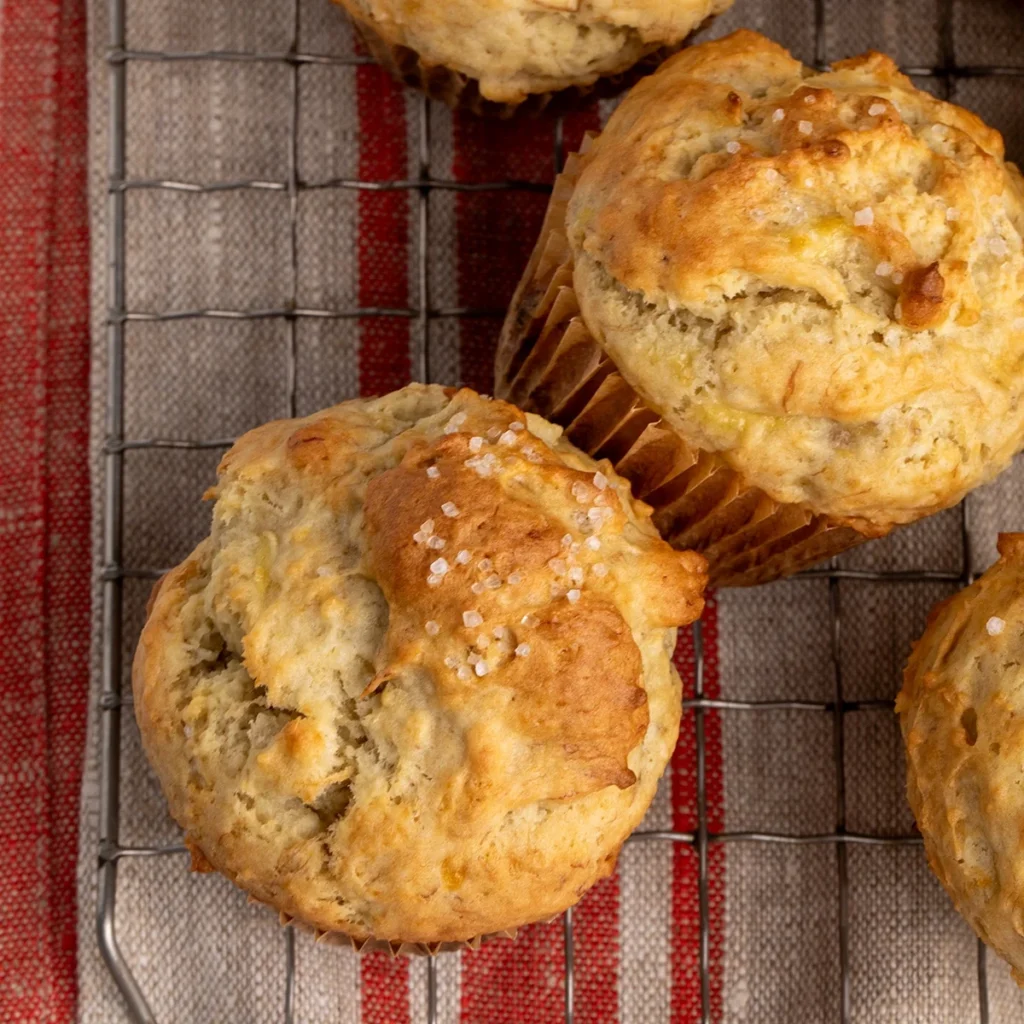
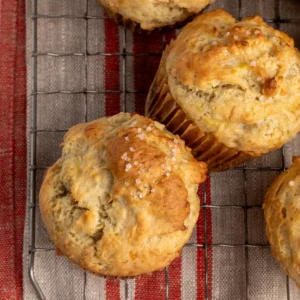
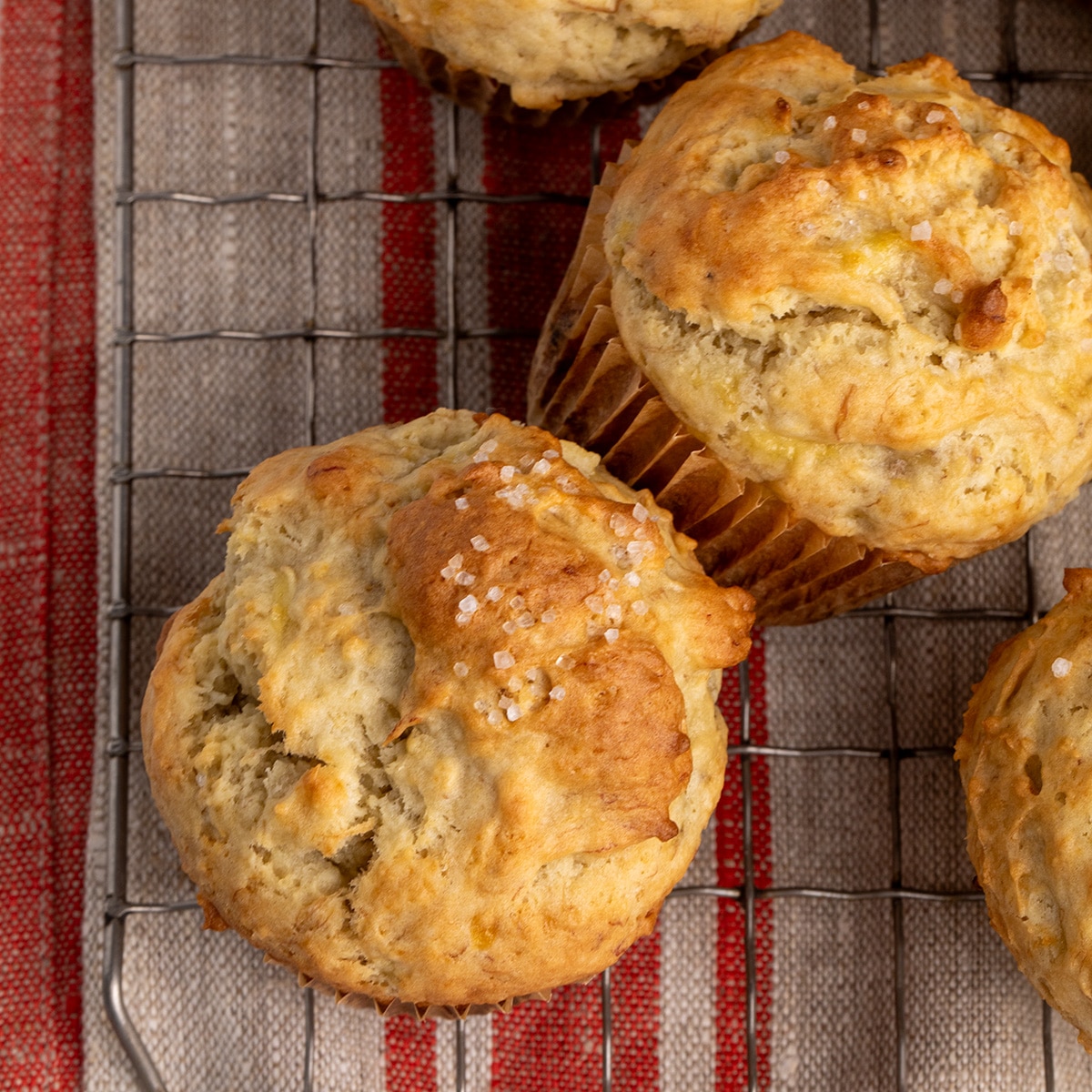
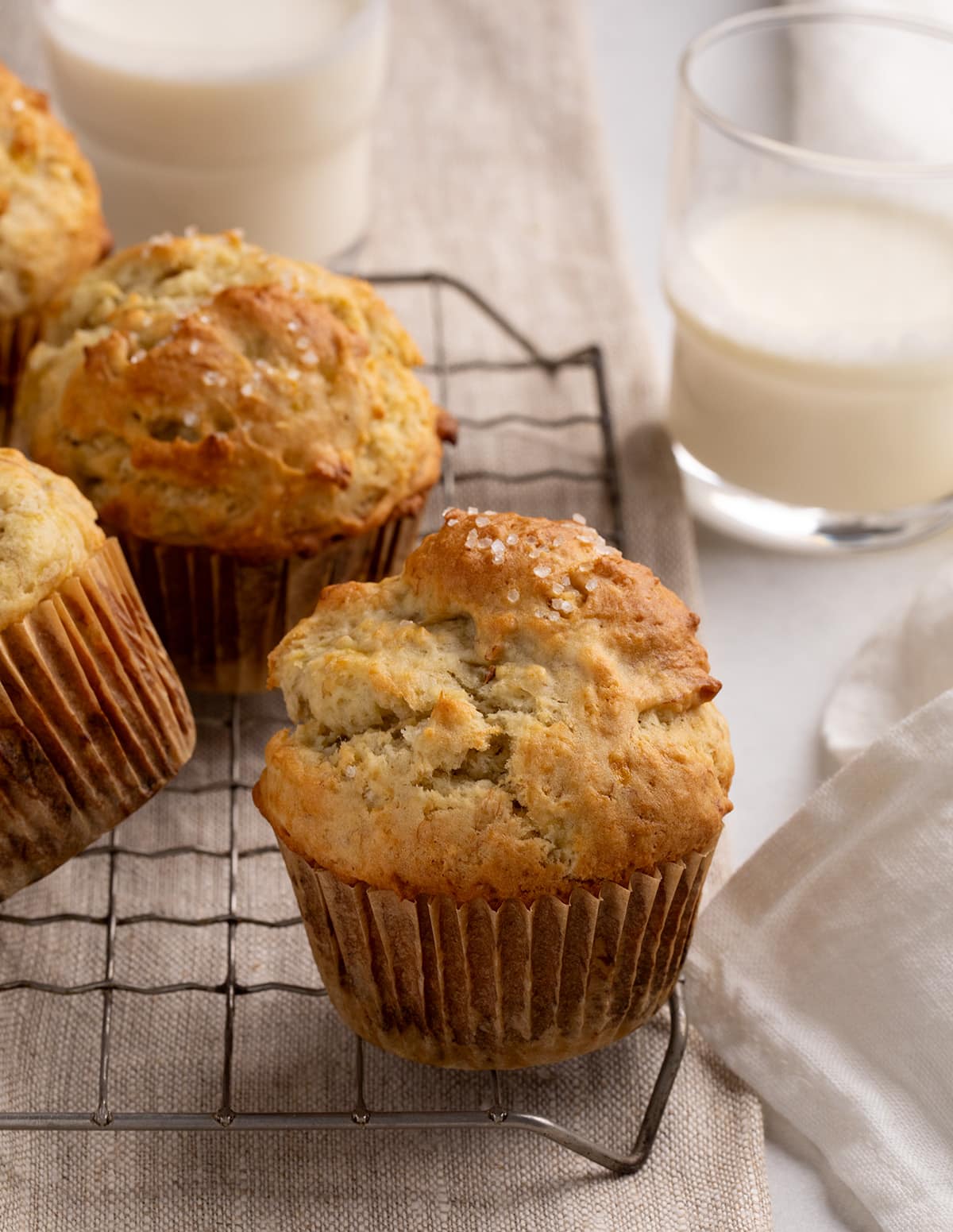
For those navigating a gluten-free lifestyle, the quest for the perfect muffin—one that possesses a lofty, golden crown and a tender, cloud-like crumb—has long been the "holy grail" of home baking. Too often, gluten-free baked goods suffer from a reputation for being dense, gummy, or prematurely dry. However, a breakthrough in baking technique has recently shifted the narrative. By utilizing a specific high-heat start and a precise folding method, bakers can now achieve bakery-quality banana muffins that are indistinguishable from their wheat-based counterparts.
Main Facts: Redefining Gluten-Free Baking
The secret to these superior muffins lies in a carefully calibrated balance of chemistry and physics. The recipe utilizes a generous 1 ¾ cups of mashed ripe bananas, which provides a profound depth of flavor. In traditional baking, such high moisture content often spells disaster for gluten-free structures, leading to a heavy, gummy texture.
To counteract this, the recipe employs a strategic "late-fold" method. By adding the mashed bananas only after the primary batter has been integrated, the baker prevents the fruit from releasing excessive moisture prematurely. Furthermore, the inclusion of both melted butter and oil creates a dual-threat fat profile: the butter provides essential flavor, while the oil ensures the crumb remains moist even after the muffins have cooled.
Chronology: The Step-by-Step Evolution of the Muffin
Achieving the perfect bake requires a disciplined adherence to the following sequence, which prioritizes structural integrity from start to finish.
1. The Foundation: Dry Ingredient Preparation
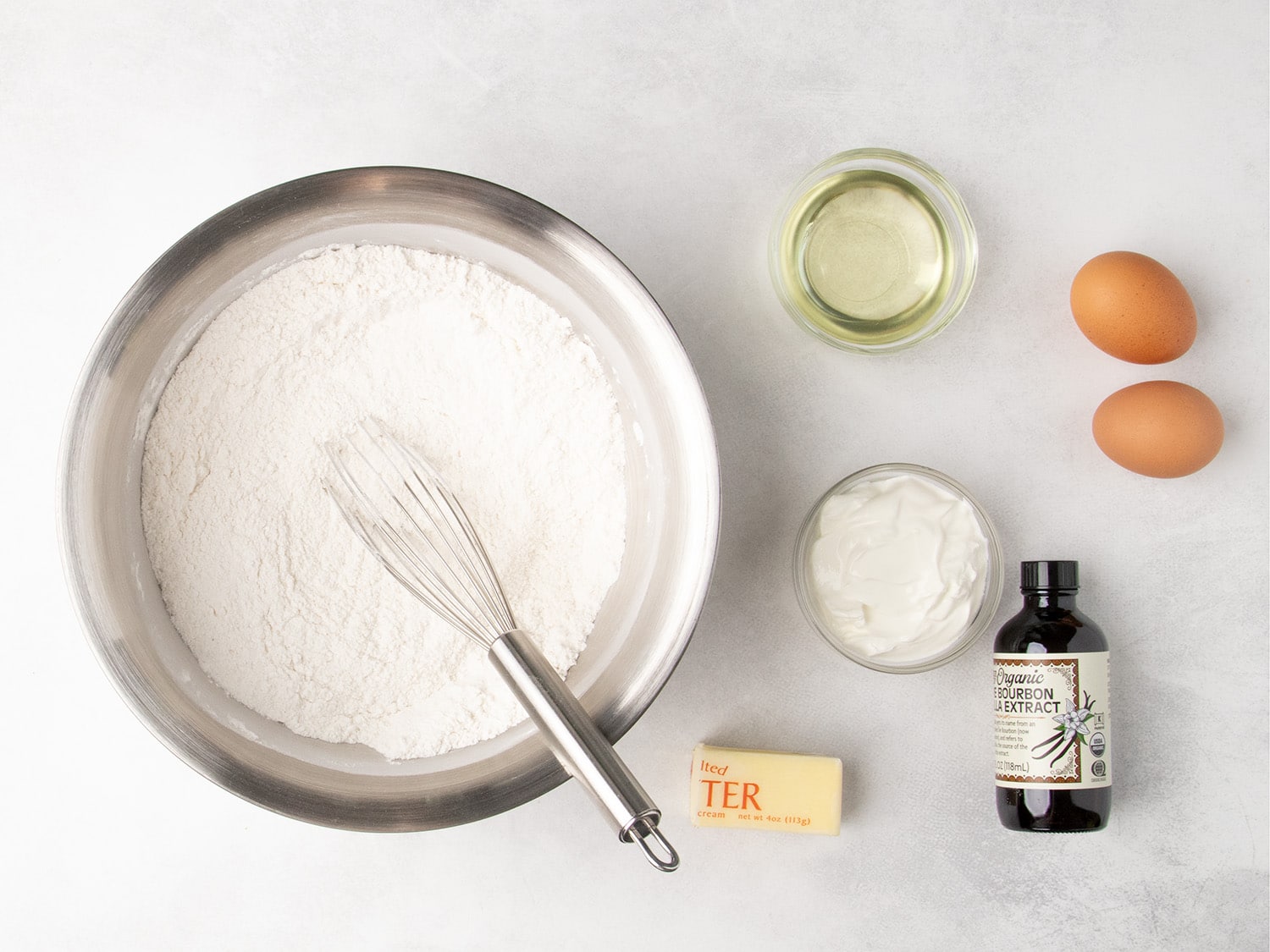
Success begins in a large mixing bowl. The baker must whisk together the gluten-free flour blend, leavening agents (baking powder and baking soda), salt, and sugar. Thorough whisking is not merely a suggestion; it is a necessity to ensure that the leavening agents are evenly distributed, preventing the dreaded "clump" that leads to uneven rising.
2. The Integration: Streamlined Wet Incorporation
Rather than dirtying a secondary bowl, the process is streamlined by creating a well in the center of the dry ingredients. Melted butter, neutral oil, eggs, sour cream, and vanilla are poured into this well and combined gently before being folded into the surrounding dry mixture. This method limits the amount of mixing required, which is vital in gluten-free baking to prevent overworking the starches.
3. The Final Fold: Managing Moisture
The mashed bananas are introduced as the final component. By folding them in with a spatula, the baker maintains the integrity of the fruit. This final step is crucial; folding, rather than aggressive mixing, preserves the delicate balance between the fruit’s natural sugars and the structure of the batter.
4. The Thermal Shock: High-Heat Activation
The baking process is perhaps the most unconventional step. The muffins are introduced to a 425°F oven for the first five minutes. This extreme heat forces an immediate "oven spring," causing the batter to rise rapidly and the exterior to set into a firm, golden dome. Following this, the temperature is reduced to 350°F to gently cook the interior without scorching the sugars.
Supporting Data: The Science of the "Tall Muffin"
The physics of the "tall-domed" muffin relies on thermal expansion and gas retention. Data from culinary testing suggests that filling the muffin liners to the very top, combined with using every other well in a standard 12-cup tin, provides the muffins with the necessary airflow and space to expand vertically rather than horizontally.
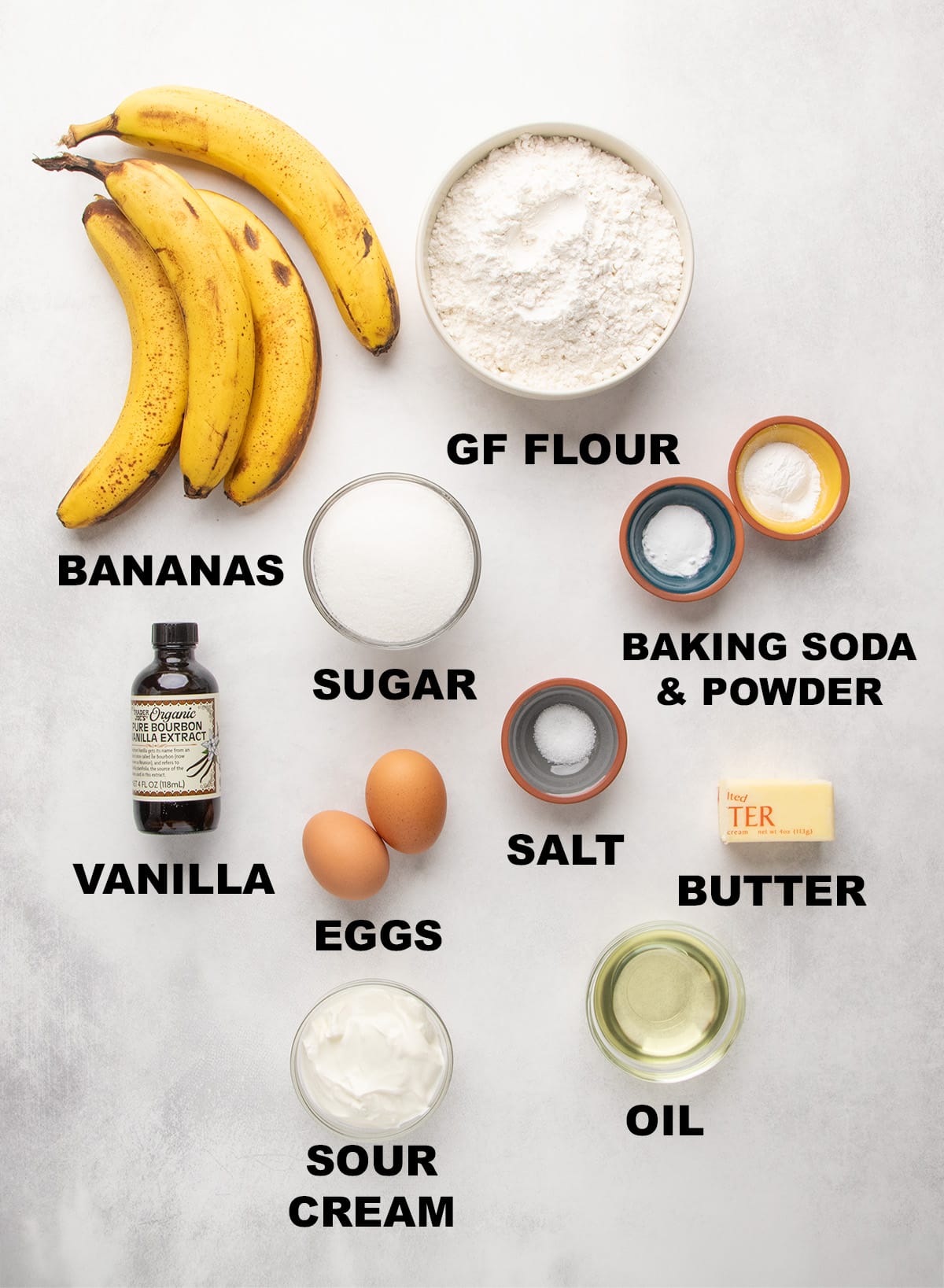
Regarding ingredients, the role of the flour blend cannot be overstated. According to industry standards for gluten-free baking, the use of a high-quality "1-to-1" blend—often fortified with xanthan gum—is essential. Without xanthan gum, the lack of gluten leaves the muffin structure fragile. Professional bakers recommend adding roughly ¼ teaspoon of xanthan gum if the chosen blend lacks sufficient binding agents, as this prevents the crumb from collapsing once the muffins exit the oven.
Official Responses and Expert Culinary Guidance
Nicole Hunn, the creator behind Gluten Free on a Shoestring, emphasizes that "good, for gluten-free" is no longer a standard worth accepting. Her approach to these muffins addresses common troubleshooting queries that haunt home bakers:
- On Sinking Centers: If a muffin sinks while cooling, it is almost certainly a sign of being underbaked. Hunn advises that the exterior of a gluten-free muffin can deceive the eye, appearing set when the center remains structurally raw. An oven thermometer is considered the only reliable way to ensure the internal temperature is consistent.
- On Frozen Bananas: Bakers often worry about the water content in frozen fruit. The consensus is that thawed bananas are excellent for this recipe, provided the liquid released during thawing is included in the total measurement. This "banana water" contains flavor and sugars that contribute to the final profile of the bake.
- On Substitutions: The recipe is highly adaptable. Dairy-free bakers can substitute butter with virgin coconut oil and sour cream with strained, dairy-free yogurt. For egg-free requirements, a "chia egg" (one tablespoon of ground chia seeds to two tablespoons of water) serves as an effective structural binder.
Implications: The Future of Home-Style Gluten-Free Baking
The implications of these findings are significant for the gluten-free community. For years, the barrier to entry for high-quality, homemade pastry has been the technical difficulty of mimicking wheat-based textures. This recipe demonstrates that through precise manipulation of oven temperatures and the strategic timing of ingredient integration, the "gluten-free" label no longer implies a compromise in taste or aesthetic.
Furthermore, the longevity of these muffins—lasting up to five days in an airtight container—highlights the efficacy of using a combination of fats (butter and oil). By moving away from recipes that rely solely on butter, which hardens when refrigerated, or oil, which can lack flavor, this hybrid approach sets a new benchmark for shelf-stable gluten-free treats.
Storage and Rejuvenation
For those who bake in batches, the storage protocol is simple yet essential: allow the muffins to cool completely on a wire rack before storage to prevent steam from softening the crust. If the muffins lose their freshness, a quick "refresh" cycle—a light misting of water followed by a brief stint in a 300°F toaster oven—restores the crispness of the exterior and the moisture of the crumb, effectively returning the muffin to a near-fresh state.
As the culinary world continues to innovate, the focus is clearly shifting from merely removing gluten to understanding the underlying mechanics of gluten-free ingredients. These banana muffins serve as a testament to that progress, offering a reliable, delicious, and professional-grade result for any home kitchen. Whether enjoyed fresh out of the oven or thawed from the freezer months later, the results confirm that with the right technique, the perfect muffin is not only possible—it is accessible.