The Art of the Italian Classic: Mastering Gluten-Free Tiramisu
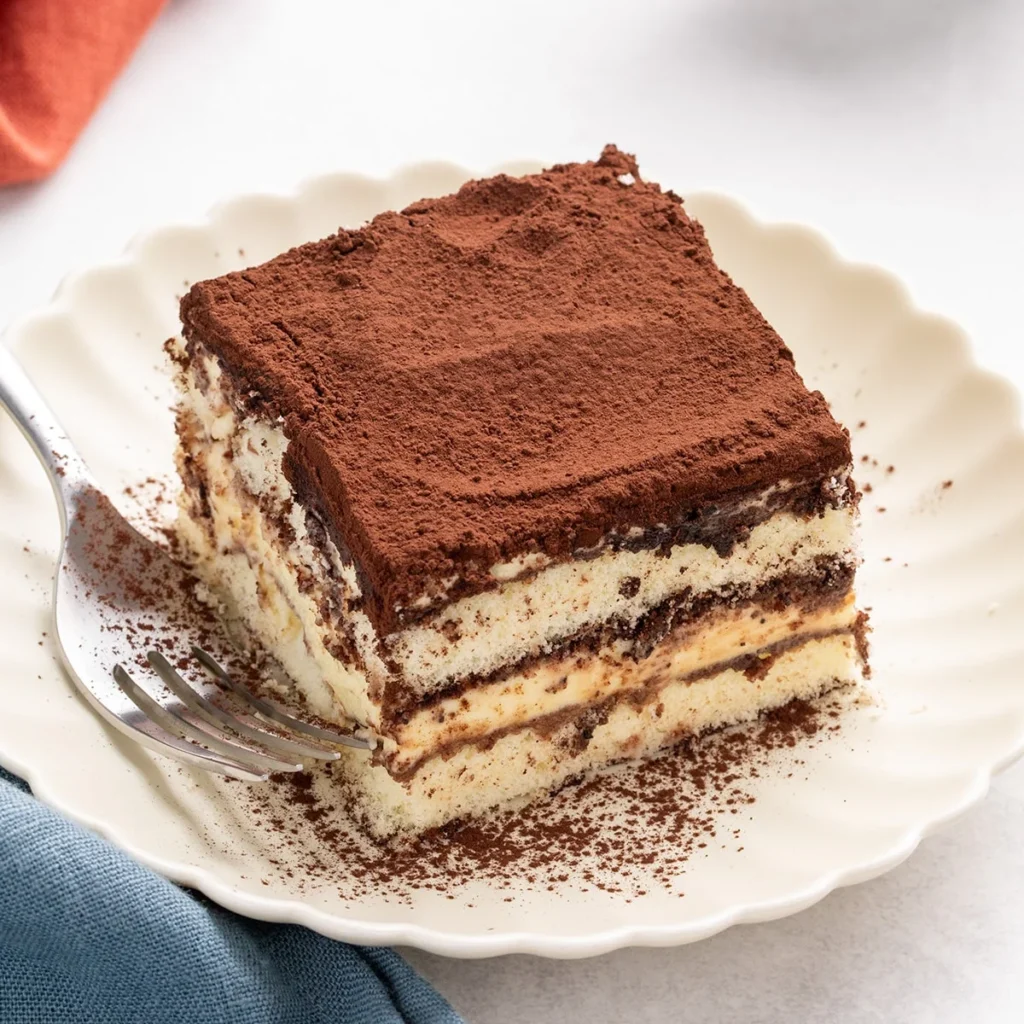
For many, the mention of tiramisu evokes memories of traditional Italian trattorias, where the delicate balance of bitter espresso, velvety mascarpone, and light, airy sponge creates an unparalleled dessert experience. For the gluten-free community, however, this classic has long been a source of culinary frustration. Replicating the structural integrity of ladyfingers—which must absorb liquid without disintegrating—without the use of wheat flour is a notoriously difficult task.
However, a new approach to this iconic dessert proves that "good, for gluten-free" is a standard of the past. By employing specific techniques regarding moisture control and structural stabilization, home bakers can now achieve a restaurant-quality, no-bake tiramisu that rivals any gluten-containing counterpart.
Main Facts: The Anatomy of a Perfect Tiramisu
At its core, a successful tiramisu relies on the harmony of three components: the coffee-soaked sponge, the custard-based cream, and the finish of cocoa powder. In a gluten-free adaptation, the challenge lies primarily in the sponge. Gluten-free ladyfingers, such as those produced by brands like Schär, are significantly more fragile than their traditional counterparts.
The secret to success in this recipe is not merely the ingredient list, but the methodology. By cooking the egg yolks over a double boiler, the chef creates a stable, custard-like foundation that provides the necessary structure to prevent the dessert from "weeping" or collapsing. This, combined with a precise folding technique for the whipped cream, ensures that the filling remains aerated and rich without becoming heavy.

Chronology: A Step-by-Step Culinary Blueprint
To achieve the perfect texture, the process must be approached with scientific precision.
Phase 1: The Custard Base
The preparation begins with the egg yolk base. By whisking sugar and egg yolks over indirect heat—a double boiler setup—the mixture reaches a temperature of approximately 170°F. This serves a dual purpose: it pasteurizes the eggs for food safety and thickens the yolks to create a stable base that will eventually support the weight of the mascarpone. The mixture should be removed from the heat when it achieves a pale, ribbon-like consistency.
Phase 2: The Whipped Cream and Mascarpone Fold
While the yolk base cools, the heavy cream is whipped. A critical expert tip here is to whip the cream on a medium-low speed over a longer period (8 to 10 minutes). This creates a highly stable foam that resists collapsing at room temperature. Once the mascarpone is loosened with a splash of rum (optional) and combined with the cooled yolk base, the whipped cream is folded in gently. This folding process is the most delicate stage; using a silicone spatula to incorporate the cream in two batches ensures that the air bubbles remain intact.
Phase 3: The Assembly and The "Brush" Technique
Traditional tiramisu recipes often call for dipping ladyfingers directly into coffee. In a gluten-free context, this is a recipe for disaster, as the cookies will immediately dissolve. The solution is to use a pastry brush. By brushing the coffee mixture onto the ladyfingers—first on the bottom, then on the top—the baker controls the exact level of moisture, allowing for the perfect infusion of flavor without compromising the structural integrity of the sponge.
Phase 4: The Critical Chill
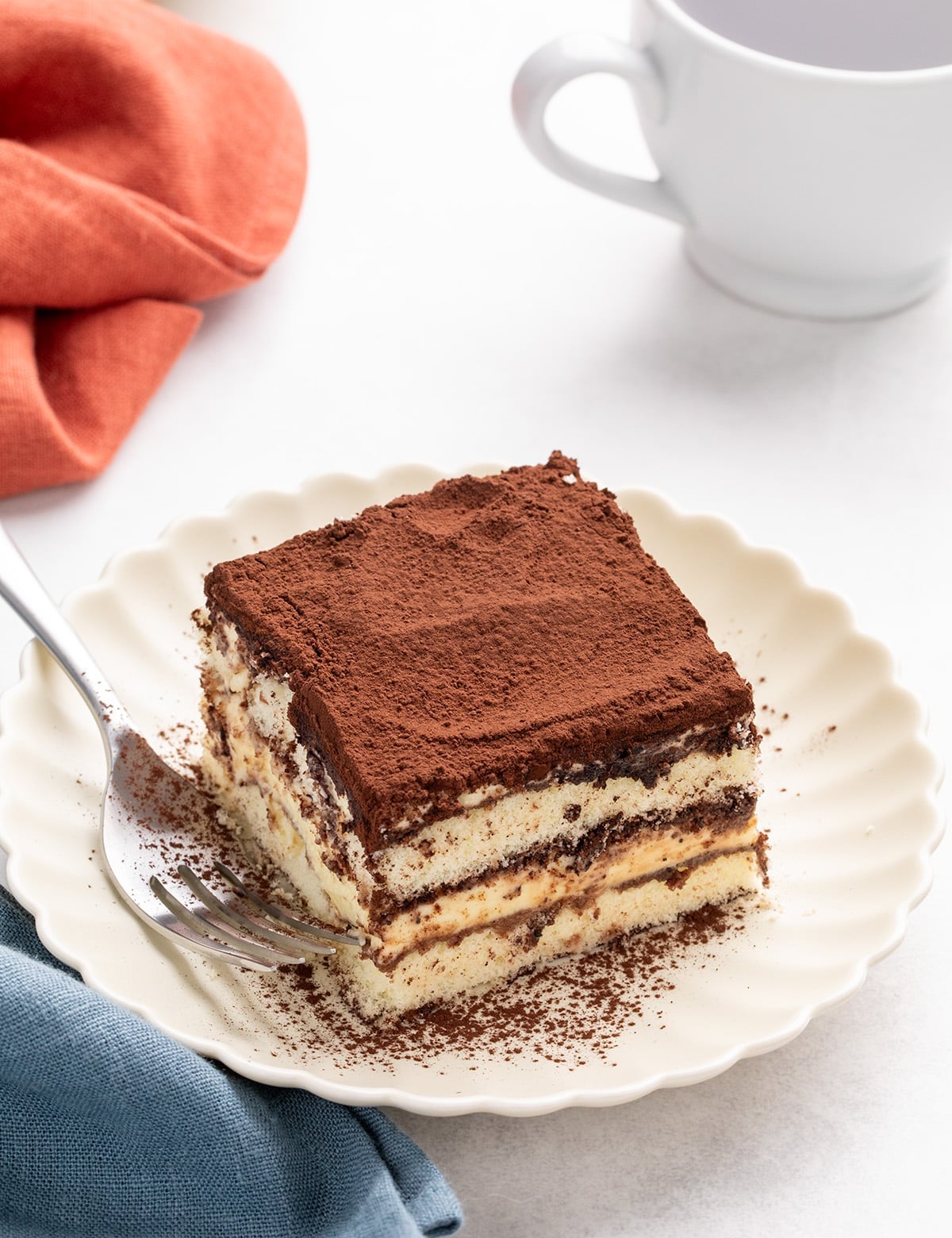
Once the layers are assembled, the dessert requires a minimum of six hours in the refrigerator. This "long chill" is not optional; it allows the ladyfingers to absorb the coffee and the filling to fully set, transforming the components into a cohesive, sliceable masterpiece.
Supporting Data: Why This Method Works
The chemistry of this recipe is grounded in the stability of fats and proteins. By cooking the egg yolks, the baker increases the volume and viscosity of the base, which prevents the mascarpone from thinning out. Furthermore, the decision to avoid dusting the cocoa powder until the final hour before serving is based on the hygroscopic nature of cocoa. When cocoa powder sits on a moist surface for too long, it absorbs moisture, turning from a beautiful, dusty finish into a dark, damp, and unappealing layer. Delaying this step ensures the presentation remains as pristine as the flavor.
Official Perspectives and Expert Guidance
Industry experts and culinary instructors emphasize that the shift toward high-quality gluten-free ingredients has changed the landscape of home baking. According to Nicole Hunn, a specialist in gluten-free culinary arts, the goal is to eliminate the compromise often associated with dietary restrictions.
"When you are working with gluten-free ladyfingers, you are essentially working with a different material than a wheat-based cookie," Hunn notes. "You cannot force a gluten-free product to behave exactly like its traditional counterpart using the same methods. You must adjust the application—in this case, using a brush rather than a dip—to honor the limitations of the ingredient while maximizing its potential."
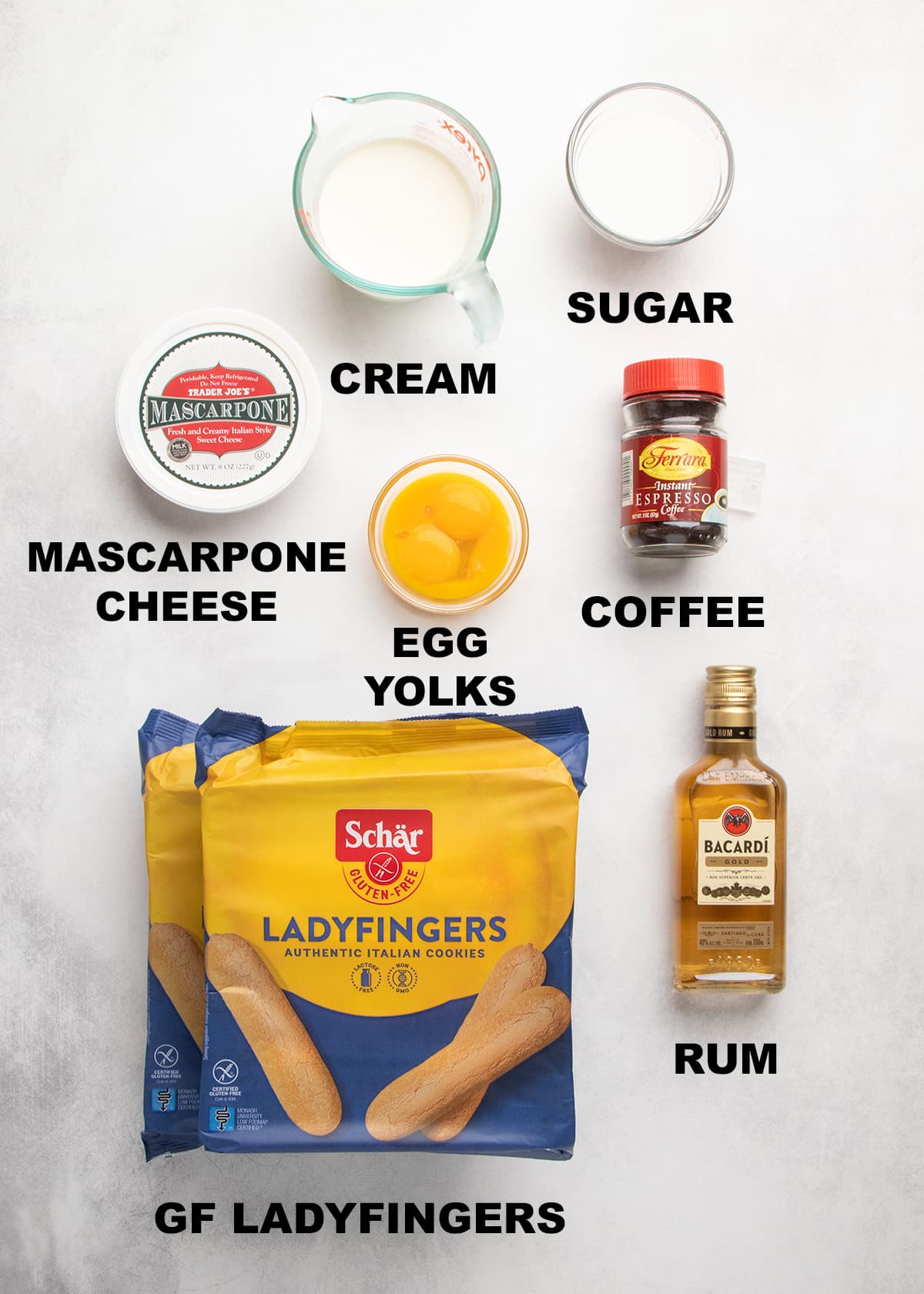
Regarding substitutions, experts suggest that while modifications can be made, they require careful calibration. For those seeking a dairy-free alternative, high-quality dairy-free cream cheese or coconut cream can mimic the fat profile of mascarpone, though the final flavor profile will inevitably shift toward the source of the fat.
Implications for the Modern Kitchen
The rise of recipes like this gluten-free tiramisu has significant implications for modern home dining. It signals a move away from the "alternative" dessert category, where gluten-free items were once viewed as secondary or "less than." Instead, the focus has shifted toward high-end, sophisticated desserts that just happen to be gluten-free.
This approach offers several key benefits:
- Inclusivity: Guests with celiac disease or gluten sensitivities no longer need to be relegated to fruit-based desserts or simple puddings while others enjoy the main course.
- Quality Control: By mastering these techniques, home bakers gain the confidence to serve desserts that hold their shape and flavor, making them suitable for dinner parties and celebratory events.
- Culinary Skill Development: Learning to manage delicate textures and temperature-sensitive ingredients like egg yolks and mascarpone elevates the home cook’s skill set, providing a transferable knowledge base for other complex pastry projects.
Conclusion
The pursuit of the perfect gluten-free tiramisu is a testament to the fact that dietary restrictions need not be a barrier to gourmet experiences. Through the combination of careful structural preparation, the use of a brush-on moisture technique, and the patience required for a long, refrigerated set, the home baker can recreate the essence of an Italian classic. It is a reminder that in the culinary world, technique is often just as vital as the ingredients themselves. By respecting the nuances of gluten-free baking, we can ensure that every guest at the table, regardless of dietary needs, can indulge in the rich, elegant, and timeless pleasure of a perfectly prepared tiramisu.