Unlocking Arterial Resilience: Can "Mitigating" Foods Counter the Damage of Unhealthy Meals?
Introduction: The Quest for Dietary Damage Control
In an era where convenience often trumps nutritional wisdom, the question frequently arises: if one succumbs to the temptation of an unhealthy meal, can other dietary choices mitigate the potential harm? This fundamental query drives a significant body of research into the acute and chronic impacts of food on cardiovascular health, particularly the critical function of our arteries. The ability of arteries to dilate and contract, known as endothelial function, is a cornerstone of cardiovascular health, dictating blood flow and nutrient delivery throughout the body. Impaired arterial function is an early indicator of cardiovascular disease, the leading cause of mortality worldwide. Recent studies delve into whether specific foods possess the power to counteract the detrimental effects of dietary indiscretions, offering a fascinating glimpse into the complex interplay between diet and vascular well-being.
The Foundational Evidence: A Clear Divide in Arterial Health
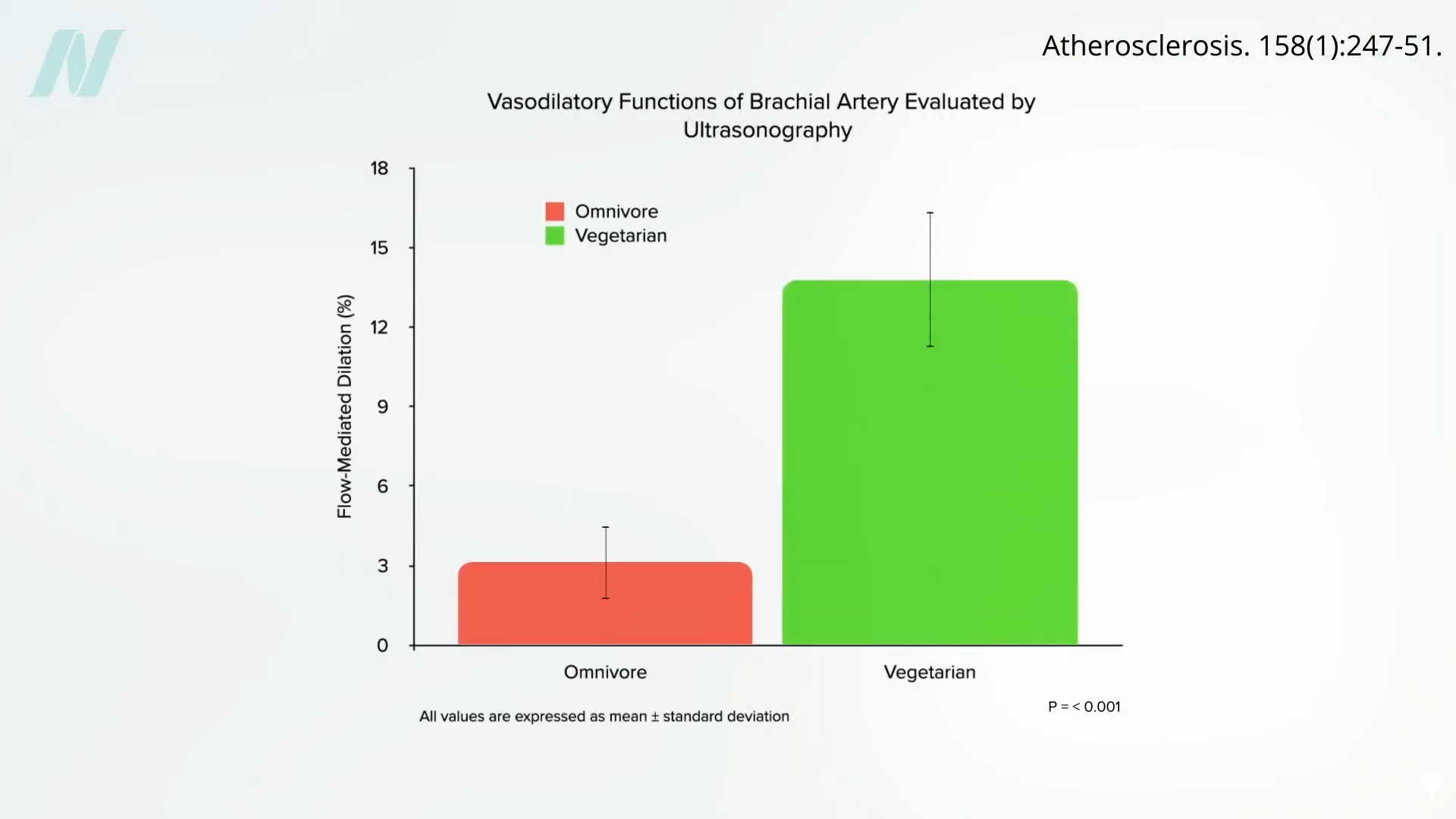
The journey into understanding dietary impacts on arterial health often begins with observational studies comparing different long-term eating patterns. A seminal study, published in a peer-reviewed journal, vividly illustrated the profound difference in artery function between vegetarians and meat-eaters. Researchers found that the healthy ability of arteries to dilate and accommodate increased blood flow was significantly superior among individuals adhering to a vegetarian diet – not by a small margin, but a remarkable fourfold improvement. This striking disparity underscored the potential protective effects of a plant-centric lifestyle on the vascular system.
To ensure the robustness of these findings, the research team meticulously controlled for various confounding factors typically associated with healthier lifestyles. While vegetarians often exhibit favorable health metrics such as younger age, lower smoking rates, slimmer physiques, and reduced incidences of diabetes, high cholesterol, high blood pressure, and heart disease, the study accounted for these variables. Only healthy non-smokers were included, and a group of meat-eaters was specifically recruited to match the vegetarians in terms of body mass, blood pressure, and cholesterol levels. Despite this careful matching, the arteries of the healthy omnivore cohort were demonstrably outperformed by those of their vegetarian counterparts.

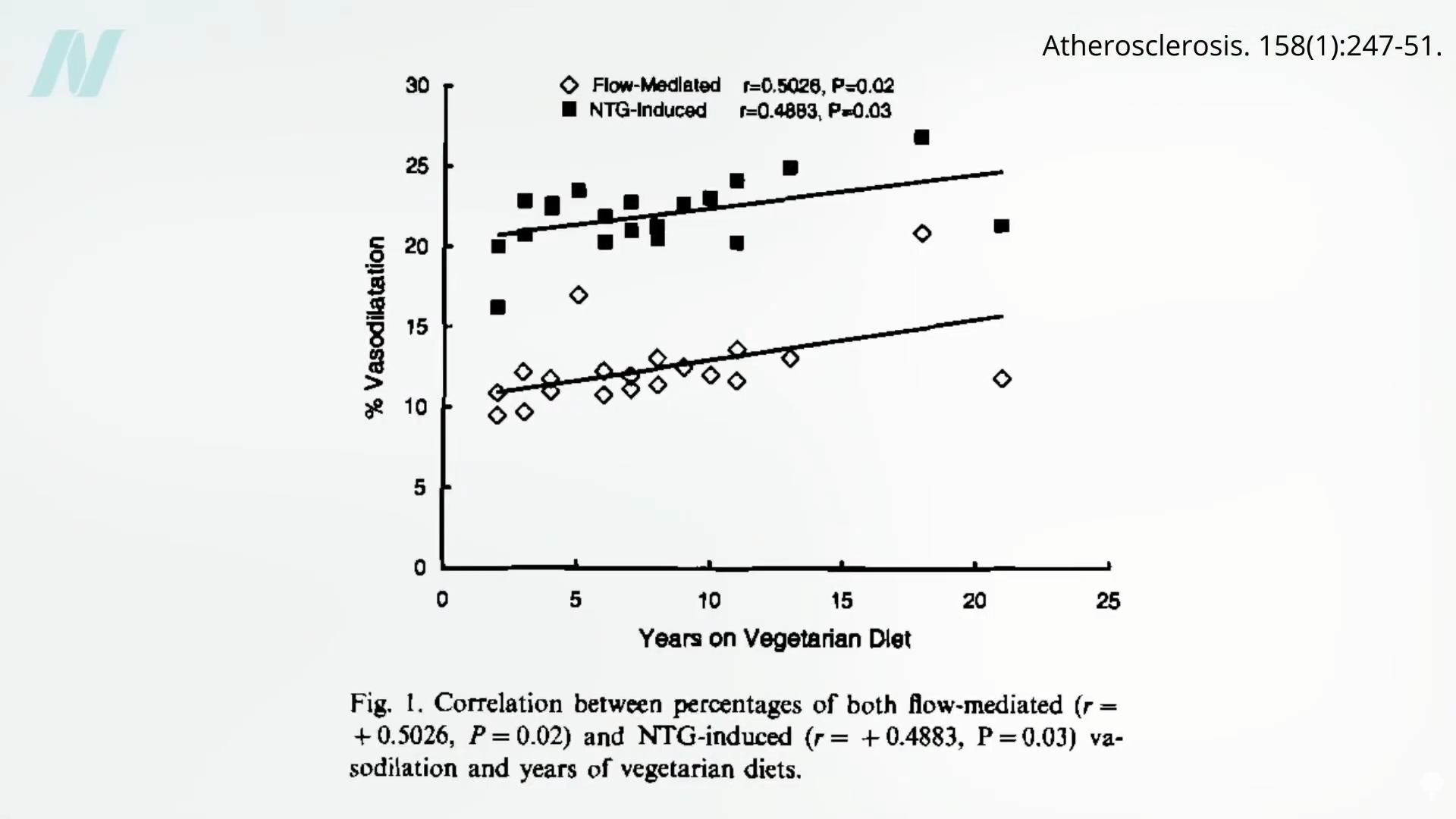
Furthermore, the study revealed a fascinating chronological trend: the longer an individual had maintained a meat-free diet, the better their arterial function. This suggested a cumulative and progressive benefit, indicating that instead of artery function worsening with age, it improved over time with sustained adherence to a vegetarian eating pattern. These findings strongly imply that vegetarian diets exert a direct and beneficial effect on arterial health, potentially explaining the observed lower rates of atherosclerosis and cardiovascular mortality in this population.
Unpacking the Mechanism: Beyond the Absence of Meat
With the clear advantage of vegetarian diets established, researchers turned their attention to the underlying mechanisms. Was the benefit solely due to the absence of meat’s potentially harmful components, or did the presence of abundant whole, healthy plant foods contribute significantly? It’s plausible that vegetarians consume more nutrient-dense foods, such as an additional serving of vegetables per day, which could confer protective effects. This led to a deeper investigation into specific food components and their immediate impact on arterial function.
Early comparative studies examined the acute effects of different "junky" meals. For instance, a high-fat fast-food meal comprising an Egg McMuffin, Sausage McMuffin, and hash brown patties was shown to impair artery function within hours of consumption. In contrast, a sugary cereal meal (Frosted Flakes) did not elicit the same immediate detrimental effect. While initial conclusions pointed to fat as the culprit, subsequent research refined this understanding, suggesting that it might specifically be animal fat that poses the primary threat. High-fat whole plant foods, such as nuts, were observed not to have the same adverse acute effects. This distinction is crucial, shifting the focus from fat in general to the type and source of fat.
The Power of Plant-Based Interventions: Nuts and Berries to the Rescue?
The evolving understanding prompted researchers to explore whether specific plant foods could actively mitigate the damage caused by less healthy choices or even enhance arterial function on their own.
The Nutty Advantage: Walnuts Lead the Pack
A systematic review of randomized controlled trials on nut consumption and artery function provided compelling evidence: regular nut intake leads to significant improvements in arterial health over time. However, not all nuts are created equal. The intriguing question arose: could nuts counteract the artery-crippling effects of a typically unhealthy meal, like a salami sandwich? Research indicated a nuanced answer: walnuts demonstrated this protective capacity, while almonds did not. This highlights that within a category of generally healthy foods, specific varieties may offer superior benefits. Walnuts, rich in omega-3 fatty acids, antioxidants, and other beneficial compounds, appear to be the "blueberries of nuts" in terms of their vascular protective properties.
Berry Breakthroughs: A Colorful Defense for Arteries
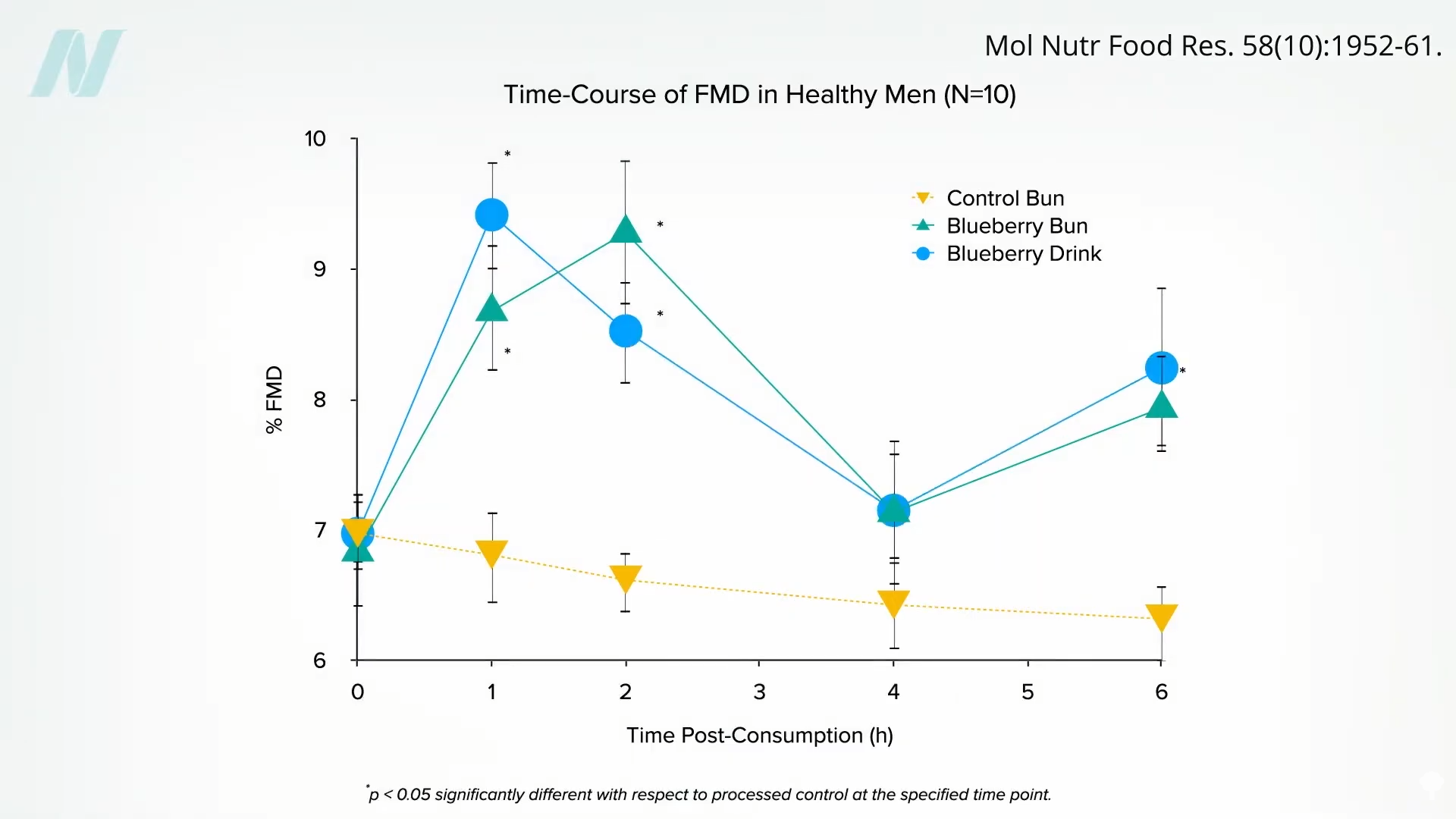
If walnuts are the "blueberries of nuts," then blueberries themselves stand as a paragon among berries for arterial health. A randomized, controlled crossover trial meticulously investigated the effects of blueberries. Participants consumed buns made from refined flour, eggs, butter, and salt – a combination largely devoid of beneficial nutrients and high in sugar and unhealthy fats. As expected, a gradual drop in artery function was observed over the subsequent six hours. Remarkably, when an equivalent of one cup of wild blueberries was incorporated into the same bun, a significant boost in artery function occurred, almost as if the blueberries had been consumed simply with water. This demonstrated a powerful protective effect, capable of buffering the immediate vascular insult of an otherwise unhealthy meal.
However, the protective capacity of berries, while potent, is not limitless. A similar amount of strawberries failed to rescue artery function from the severe challenge posed by a meal of two cheese blintzes, whipped cream, sugary syrup, egg, and bacon – a truly heavy load for the vascular system to bear. This suggests that while certain plant foods can mitigate harm, they cannot entirely neutralize the effects of an overwhelmingly unhealthy dietary pattern.
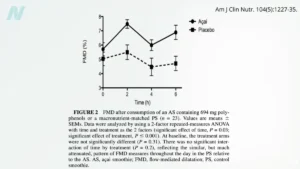
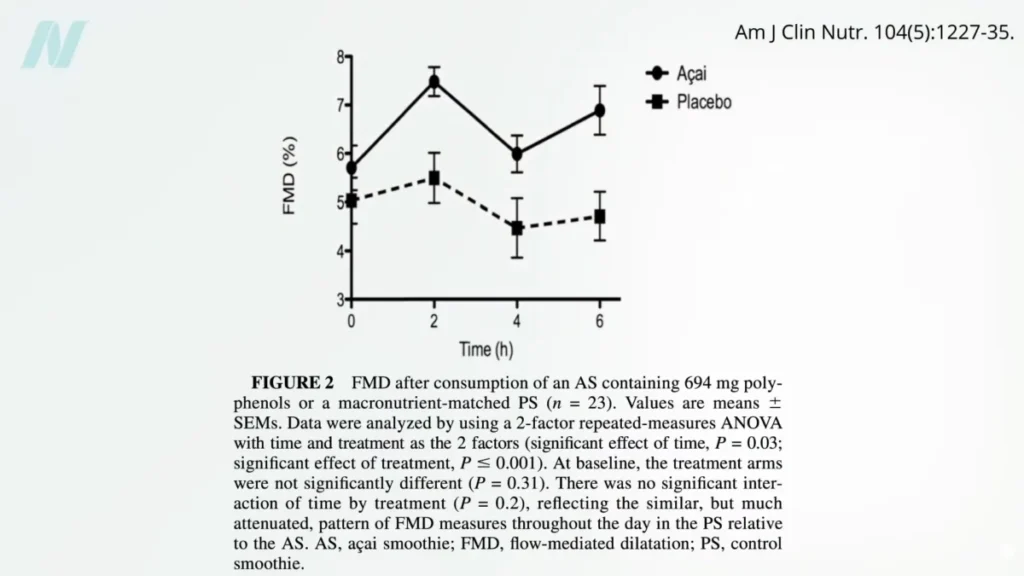
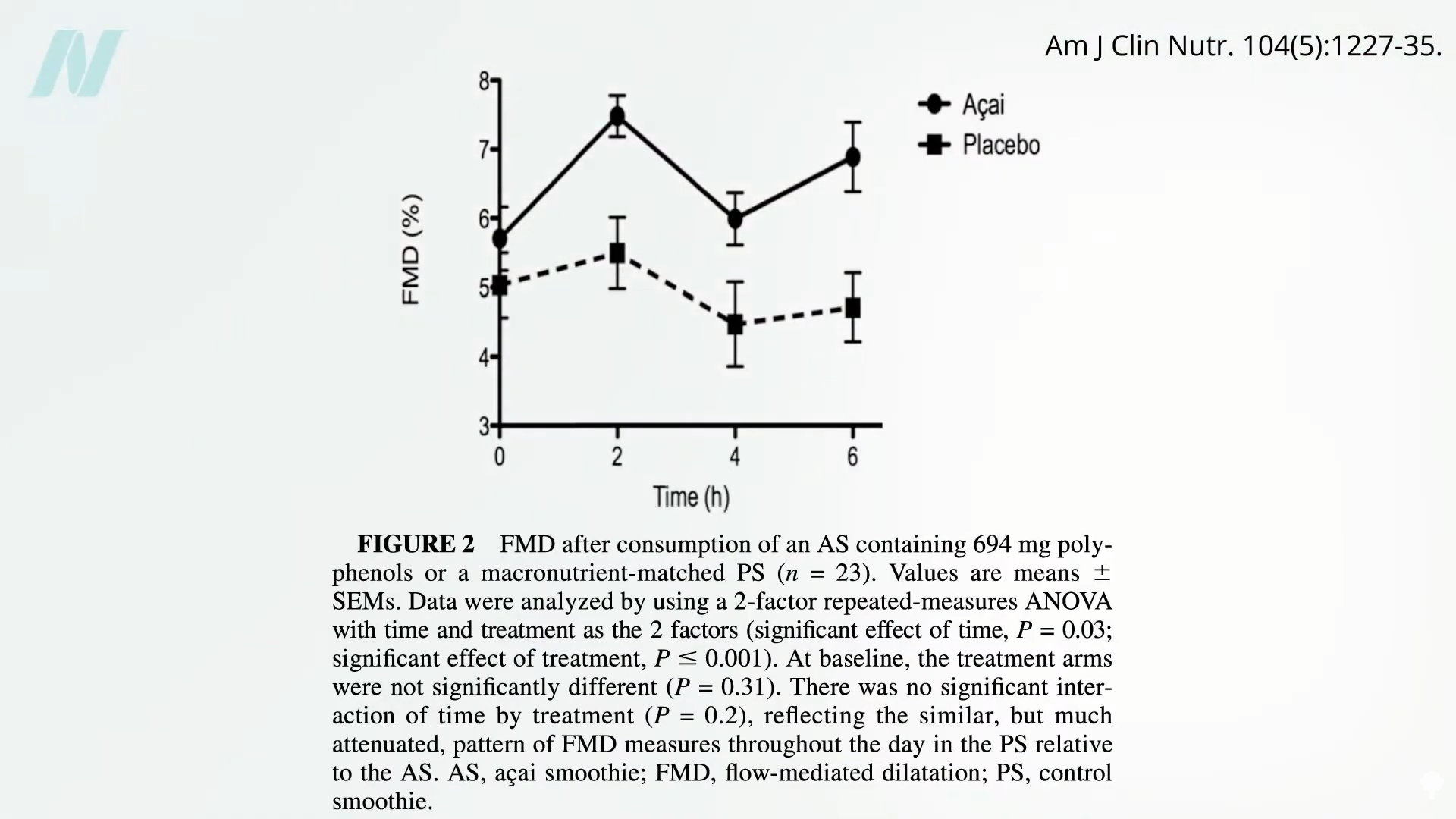
Further studies expanded the investigation to other berry types. Acai berries, when tested against a meal with a comparable fat content, showed promise. A smoothie made with 1.5 frozen acai smoothie packs blended with half a banana and water significantly rehabilitated arterial function compared to a control smoothie. This reinforced the idea that diverse berry species possess compounds beneficial for vascular health.
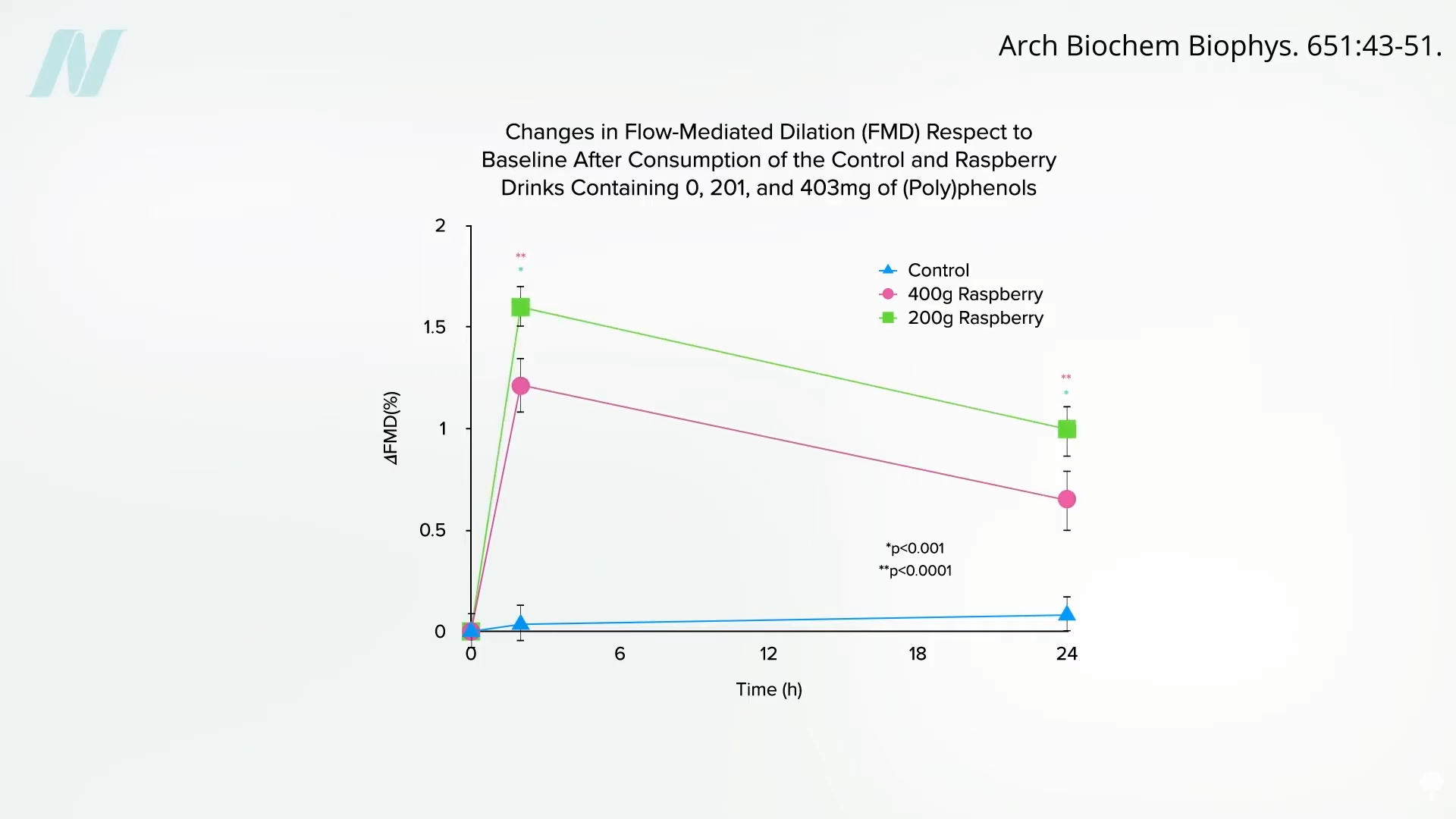
The robustness of berry benefits was further explored in a double-blind, randomized, controlled trial involving raspberries. Participants consumed smoothies made with either a moderate (¾ cup) or larger (1½ cups) serving of frozen red raspberries, or a placebo drink designed to match the taste and color. The placebo had no effect, but both raspberry doses significantly improved artery function, with effects observed at both 2 and 24 hours post-consumption. Interestingly, the ¾ cup dose proved as effective as the 1½ cups dose, suggesting a plateau in benefits after a certain intake level, a pattern also observed with blueberries. This "dietarily achievable amount" of red raspberries acutely improved artery function for up to 24 hours. While the immediate individual increase might seem modest (around 1%), at a population level, each 1% increase in artery function is associated with a remarkable 12% reduction in the risk of cardiovascular events like heart attacks or strokes. This underscores the profound public health implications of even small, consistent dietary improvements.
The Nuance of Juices: Whole Fruit Reigns Supreme
The benefits of whole berries naturally led to questions about berry juices. Researchers investigated various concentrations of cranberry juice, from 25% to ultraconcentrated versions, against a placebo. The results were largely positive: even the 25% cranberry juice provided a modest bump in artery function, with higher concentrations showing more sustained benefits up to eight hours later. All tested concentrations improved artery function within hours of consumption when consumed in isolation.
However, the efficacy of berry juice as a mitigating factor against unhealthy meals proved less straightforward. A cocktail of grapes, blueberries, strawberries, lingonberries, and black aronia berries, consumed alongside a high-fat meal, failed to significantly alter the anticipated artery dysfunction. While consuming these berries alone would likely improve arterial function, they couldn’t entirely counteract the acute negative impact of the high-fat meal.
This observation extended to other common beverages. A study examining the effects of orange juice, green tea, or red wine consumed with a high-fat meal of ham and cheese croissants found no significant protective effect from any of these drinks. The arteries still reacted negatively to the croissants, suggesting that even purported "healthy" beverages may not undo the damage of a fundamentally unhealthy meal.
In a surprising twist, drinking orange juice with a fatty meal could potentially worsen outcomes. When participants consumed bacon and cheese muffins with or without orange juice, the juice led to a longer period of elevated fat levels in the blood. This phenomenon is likely due to the body preferentially burning the rapidly absorbed free sugars in the juice for energy. Unlike whole fruit, where sugars are encased in cell walls and released slowly, the sugars in juice are quickly assimilated, potentially delaying the metabolism of dietary fats and extending their presence in the bloodstream, thereby prolonging the period of vascular stress. This highlights a critical distinction: the beneficial compounds in fruits are often best delivered within the whole food matrix, alongside fiber and other components that modulate sugar absorption.
Supporting Data: The Science Behind Arterial Function
The improvements in arterial function discussed throughout these studies primarily refer to enhanced endothelial function. The endothelium, the inner lining of blood vessels, plays a vital role in regulating vascular tone, blood clotting, and inflammation. A healthy endothelium produces nitric oxide (NO), a potent vasodilator that helps arteries relax and expand, ensuring optimal blood flow. Unhealthy diets, particularly those high in saturated and trans fats, refined sugars, and processed ingredients, can impair endothelial function, reducing NO production and leading to arterial stiffness, a precursor to atherosclerosis.
Plant-based foods, especially berries and nuts, are rich in polyphenols, flavonoids, anthocyanins, and other antioxidants. These compounds combat oxidative stress and inflammation, two key drivers of endothelial dysfunction. For instance, the omega-3 fatty acids in walnuts contribute to arterial flexibility and reduce inflammation. The vibrant pigments in berries (anthocyanins) are powerful antioxidants that directly protect endothelial cells and enhance nitric oxide bioavailability. Fiber, abundant in whole plant foods, also plays a role by modulating gut microbiome health, which in turn influences systemic inflammation and cardiovascular risk factors.
The correlation between a 1% increase in artery function and a 12% reduction in cardiovascular event risk is not merely an academic statistic. It underscores the profound cumulative impact of even small, consistent dietary improvements at a population level. If millions of people collectively improve their endothelial function by a small percentage, the public health burden of heart attacks and strokes could be significantly reduced, translating into countless saved lives and improved quality of life.
Official Responses and Broader Dietary Guidelines
The findings from this extensive body of research align closely with official dietary guidelines from leading health organizations worldwide, such as the American Heart Association, the World Health Organization, and national dietary advisory committees. These bodies consistently advocate for diets rich in whole, unprocessed plant foods, including fruits, vegetables, nuts, seeds, and whole grains, while limiting intake of saturated fats, trans fats, added sugars, and processed meats.
While these studies don’t feature direct "official responses" in the form of government statements, their implications reinforce the established scientific consensus. The emphasis on whole plant foods for cardiovascular health is not new, but these detailed investigations provide a deeper understanding of the acute physiological mechanisms at play. They demonstrate that the benefits are not solely long-term, but can manifest within hours of consumption, highlighting the dynamic and responsive nature of our vascular system to dietary inputs.
Implications: Navigating Dietary Choices for Optimal Vascular Health
The overarching implication of this research is clear: while certain plant foods like walnuts, blueberries, acai, and raspberries possess remarkable properties to enhance arterial function and even mitigate some acute dietary damage, they are not a "get out of jail free" card for consistently unhealthy eating. The studies that showed these foods failing to counteract extremely unhealthy meals serve as a crucial reminder that the overall dietary pattern is paramount.
For individuals, the takeaway is multifaceted:
- Prioritize Whole Plant Foods: A diet rich in fruits, vegetables, nuts, and whole grains forms the bedrock of arterial health. The consistent consumption of these foods, as seen in vegetarian diets, leads to superior long-term vascular function.
- Strategic Inclusion of Protective Foods: Incorporating "superstar" foods like walnuts and a variety of berries into the daily diet can offer immediate and sustained benefits to arterial function. Even modest, dietarily achievable amounts can contribute to significant population-level health improvements.
- Beware of "Mitigation" Limitations: While some foods can buffer the impact of less healthy choices, they cannot fully negate the damage. Relying on a handful of "healthy" additions to compensate for a diet dominated by processed, high-fat, high-sugar foods is an ineffective strategy.
- Whole Fruit Over Juice: The distinction between whole fruit and fruit juice is critical. While some berry juices show acute benefits, the absence of fiber and the rapid absorption of sugars in juice can, in certain contexts, undermine their protective potential, as demonstrated by the orange juice study. Whole fruits provide a more complete and beneficial nutritional package.
- Holistic Approach: Optimal cardiovascular health is a result of a holistic lifestyle that includes a balanced diet, regular physical activity, stress management, and avoidance of smoking. Diet is a powerful lever, but it operates within a broader context.
Future research will likely continue to unravel the precise molecular mechanisms by which different plant compounds influence endothelial function and vascular health. Further studies could also explore the synergistic effects of combining various beneficial foods and investigate optimal dosages for specific populations. However, the current body of evidence strongly underscores that making conscious, plant-forward dietary choices is a powerful strategy for promoting and preserving the health of our arteries, thereby reducing the risk of cardiovascular disease. The quest for dietary damage control ultimately leads to the wisdom of consistent, wholesome eating.