The Soul of Spain: An Insider’s Guide to Five Unforgettable Days in Madrid

Madrid is not merely the geographic center of Spain; it is the country’s pulsating, nocturnal, and artistic heart. Home to approximately 3.5 million residents, the capital serves as a sprawling tapestry of imperial history, avant-garde culinary innovation, and a social rhythm that defies the traditional nine-to-five. While coastal rivals like Barcelona often capture the international spotlight, Madrid remains the true cultural heavyweight of the Iberian Peninsula, drawing over 10 million visitors annually who come to witness its seamless marriage of 17th-century grandeur and 21st-century energy.
To experience Madrid is to surrender to its tempo. This is a city for the night owl—a place where the dinner hour begins when most of the world is finishing their workday, and the streets hum with vitality well past dawn. For the uninitiated, navigating such a sprawling metropolis can be daunting. However, beneath its vast exterior lies a navigable, intimate city waiting to be decoded.
The Cultural Landscape: Madrid by the Numbers
Madrid’s significance is rooted in its density of heritage. In 2021, UNESCO designated the "Landscape of Light"—a prestigious corridor encompassing the Paseo del Prado and the Retiro Park—as a World Heritage site. This area alone contains over 40 monuments and 40 historic buildings, serving as an open-air museum that charts the evolution of Spanish architectural ambition.
Economically and socially, the city acts as the primary hub for the Spanish tourism sector. Data indicates that Madrid’s tourism footprint has grown consistently, fueled by a resurgence in museum investment and a culinary scene that currently boasts some of the highest concentrations of Michelin-starred establishments in Europe. Yet, despite its global prestige, the city maintains an accessible quality; with a robust public transit network and a culture that prioritizes public spaces, it remains a surprisingly affordable destination for the discerning traveler who knows where to look.
Day 1: Immersion in the Art Walk
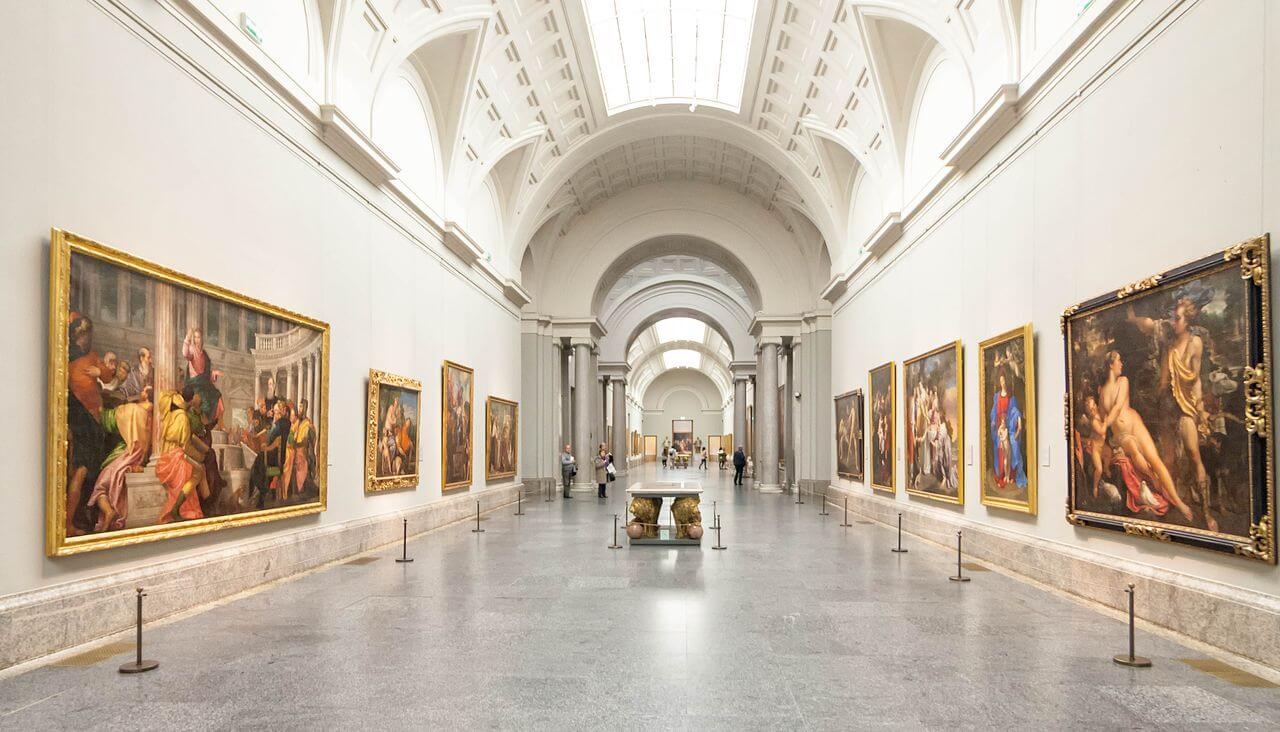
The most logical starting point for any visitor is the "Golden Triangle of Art." Your journey begins at the Prado Museum, a gargantuan institution that holds the definitive collection of Spanish masters. Here, the works of El Greco, Velázquez, and Goya serve as a foundational education in European art history. Dedicate at least three hours to the Prado; it is a marathon, not a sprint.
A short walk along the Paseo del Prado leads to the Thyssen-Bornemisza Museum, which provides a bridge between the Renaissance and the modern era with its extensive private collection. Your day concludes at the Reina Sofía National Art Center, the bastion of 20th-century innovation. The museum’s crown jewel, Pablo Picasso’s Guernica, remains perhaps the most visceral anti-war statement in the history of art.
After absorbing the masters, shift your focus to the "House Museums." The Sorolla Museum, the former home of the "painter of light," is a masterpiece of domestic architecture, featuring lush gardens that offer a respite from the city’s concrete. Alternatively, the Museum of Romanticism offers a chance to experience 19th-century bourgeois life, complete with a secret garden perfect for a mid-afternoon espresso.
Day 2: The Grandeur of the Habsburg Era
Madrid is a city of layers, and nowhere is this more evident than in the Madrid de los Austrias (Habsburg Madrid). Begin at Puerta del Sol, the beating heart of the nation. Seek out the "Kilometer Zero" plaque, the literal point from which all Spanish road distances are measured, and the iconic El Oso y el Madroño (The Bear and the Strawberry Tree) statue—a symbol of the city’s heraldry.
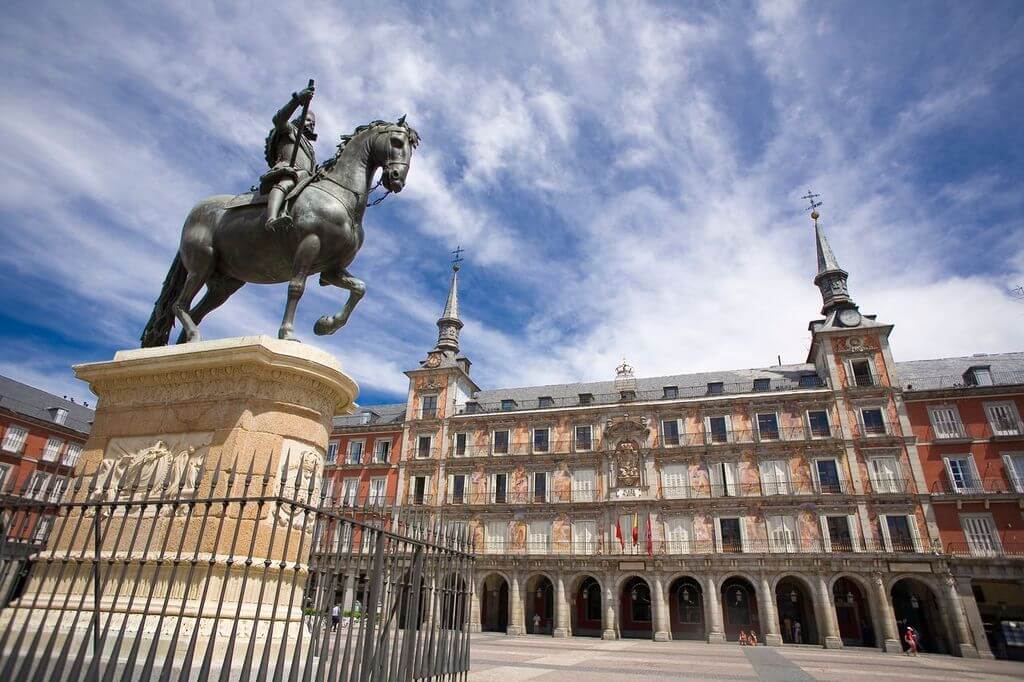
From there, transition to the Plaza Mayor. Once the site of grand spectacles, including bullfights and the Spanish Inquisition’s auto-da-fé, it remains the city’s most significant social square. For an authentic experience, duck into the surrounding side streets for a traditional calamari sandwich—a humble but essential rite of passage.
The afternoon belongs to the Royal Palace of Madrid. As the largest royal residence in Western Europe, its 3,400 rooms reflect the sheer scale of the Spanish Empire. While no longer the primary residence of the royal family, the palace serves as a living museum, housing works by Caravaggio and Goya alongside a stunning collection of medieval weaponry. Conclude your historical tour at the Almudena Cathedral, a 19th-century structure that contrasts the city’s ancient roots with a modern, neo-classical finish.
Day 3: A Culinary Pilgrimage
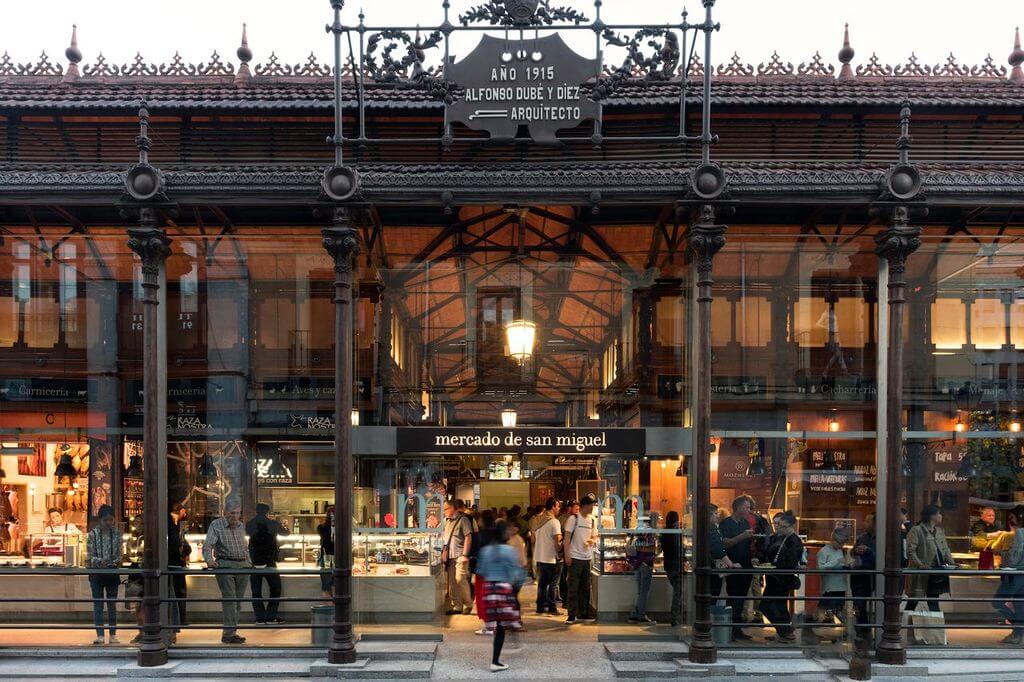
Madrid has evolved into a global culinary powerhouse. The city’s markets are not just tourist traps; they are the backbone of local life. The Mercado de San Miguel, with its iron-and-glass structure, is the epicenter of gourmet tapas. For a more localized experience, the Mercado de San Antón in the Chueca district or the Mercado de Vallehermoso offer a deeper look at regional ingredients.
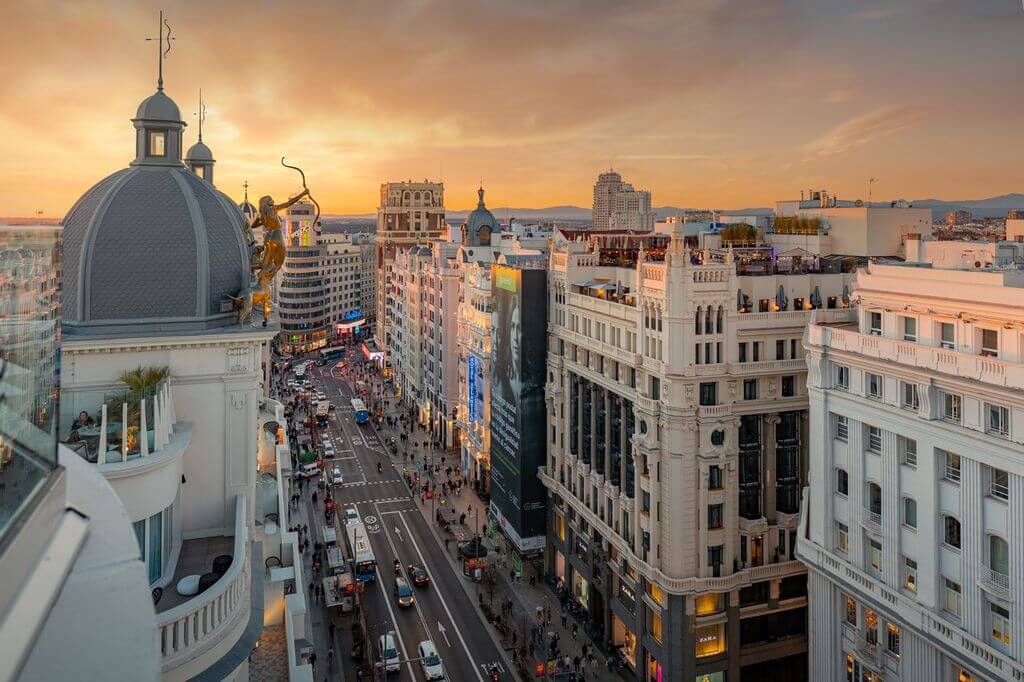
Dinner in Madrid is a late-night affair. For a touch of history, dine at Sobrino de Botín, officially the oldest restaurant in the world, famously frequented by Ernest Hemingway. As night falls, explore the "rooftop culture" of the Gran Vía. Bars like the RIU 360° Sky Bar provide a vantage point that transforms the city into a sea of glittering lights. If you are looking for plant-based options, the Malasaña neighborhood has become a leader in the vegan movement, reinventing traditional Spanish classics without the use of animal products.
Day 4: UNESCO Wonders and Day Trips
While the city is intoxicating, the surrounding region offers profound historical depth. A one-hour journey brings you to the Monastery of San Lorenzo de El Escorial. Built by Philip II in the 16th century, this granite monolith is a somber, magnificent testament to the piety and power of the Spanish crown.
Alternatively, the Royal Palace of Aranjuez provides a glimpse into the spring lives of the monarchy, with gardens that rival the opulence of Versailles. If your interests lean toward literature and academia, the university city of Alcalá de Henares—the birthplace of Miguel de Cervantes—offers a perfectly preserved window into the Spanish Golden Age.
Day 5: Off the Beaten Path
On your final day, seek out the city’s quieter treasures. The Monastery of Las Descalzas Reales and the Royal Monastery of La Encarnación are often overlooked, yet they house some of the most significant private art collections in Spain. These cloisters were once sanctuaries for aristocratic women, who left behind vast collections of Renaissance art and religious relics.
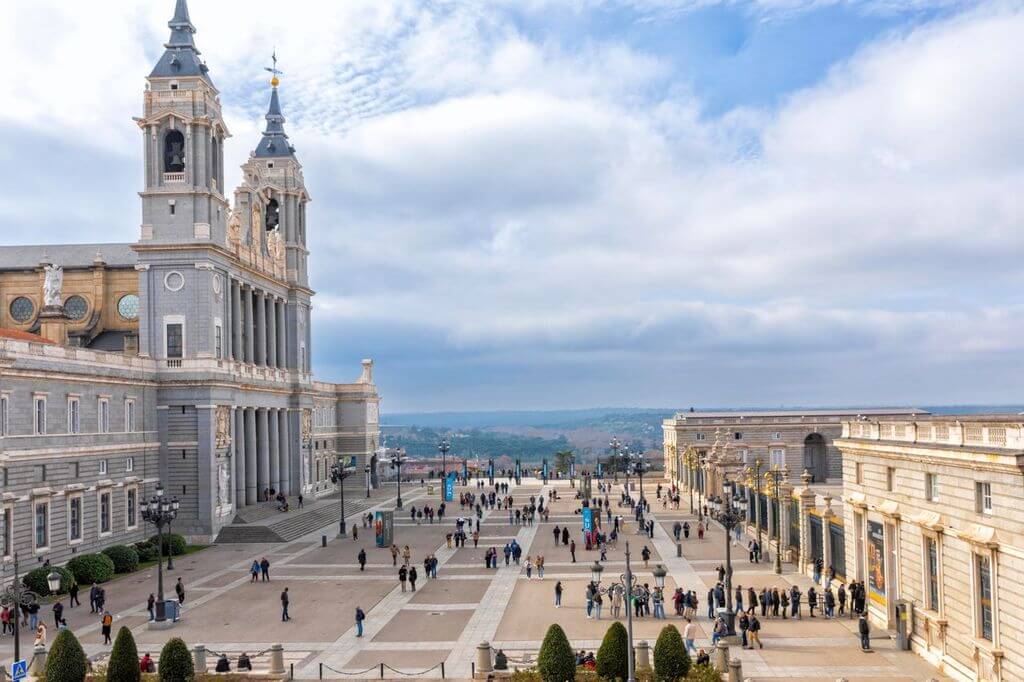
Conclude your five-day immersion in the Casa de Campo. Once a royal hunting ground, this 17-square-kilometer park is now the lungs of the city. Enjoy a final sunset on one of the lakeside terraces, watching the silhouettes of the Royal Palace and the Almudena Cathedral against the horizon. It is a moment of reflection that underscores why Madrid remains an essential destination.
Implications for the Modern Traveler
The true beauty of Madrid lies in its resilience. It is a city that has survived empires, civil strife, and modernization, yet it retains a distinct, unhurried character. For the traveler, the implication is clear: do not rush. The best experiences in Madrid—a long lunch, a late-night conversation in a plaza, an afternoon spent in a quiet gallery—are those that cannot be scheduled.
Whether you are seeking the world-class art of the Golden Triangle or the simple pleasure of a perfectly poured caña, Madrid rewards curiosity. It is a city that demands you leave your itinerary behind, embrace the late-night culture, and find your own rhythm within its historic walls. As you navigate the city, remember the advice of those who know it best: eat slowly, walk often, and never plan to be in bed before midnight. Madrid is not just a destination; it is a way of life.