The Ultimate Nutrient-Dense Solution: Why the Chocolate Peanut Butter Banana Smoothie is Winning Over Families
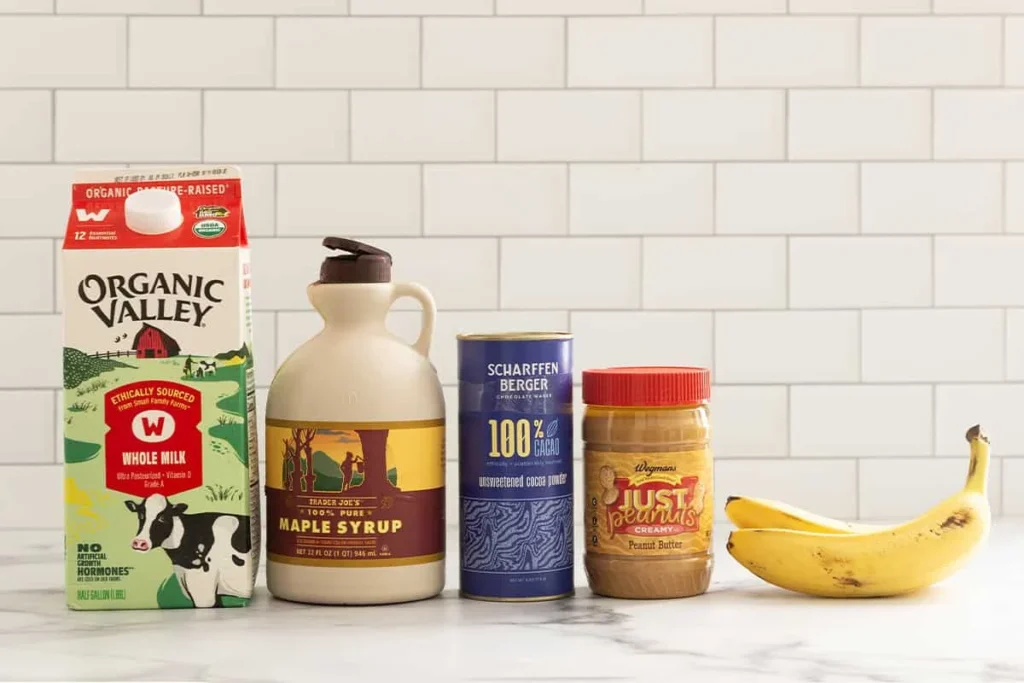
In the fast-paced world of modern parenting, the struggle to provide snacks that are simultaneously nutritious, quick to prepare, and universally loved by children is a constant battle. However, a simple, three-ingredient powerhouse has emerged as the definitive solution for families seeking a balanced alternative to processed snacks: the Chocolate Peanut Butter Banana Smoothie.
Beyond its flavor profile, which mirrors that of a decadent milkshake, this smoothie represents a shift in how parents are approaching "hidden nutrition." By leveraging the natural sweetness of fruit, the healthy fats of nut butters, and the versatility of cocoa, this drink has become a staple in households looking to fuel growing bodies without relying on added refined sugars.
Main Facts: The Anatomy of a Perfect Snack
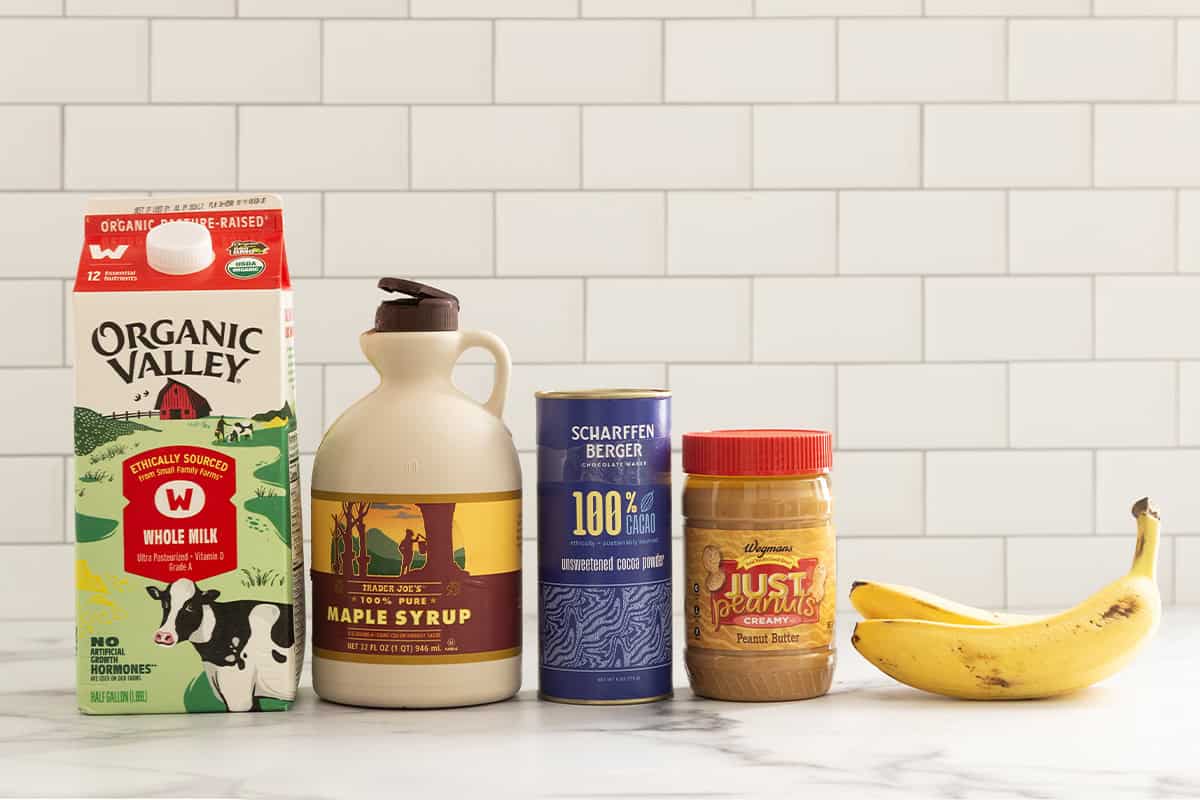
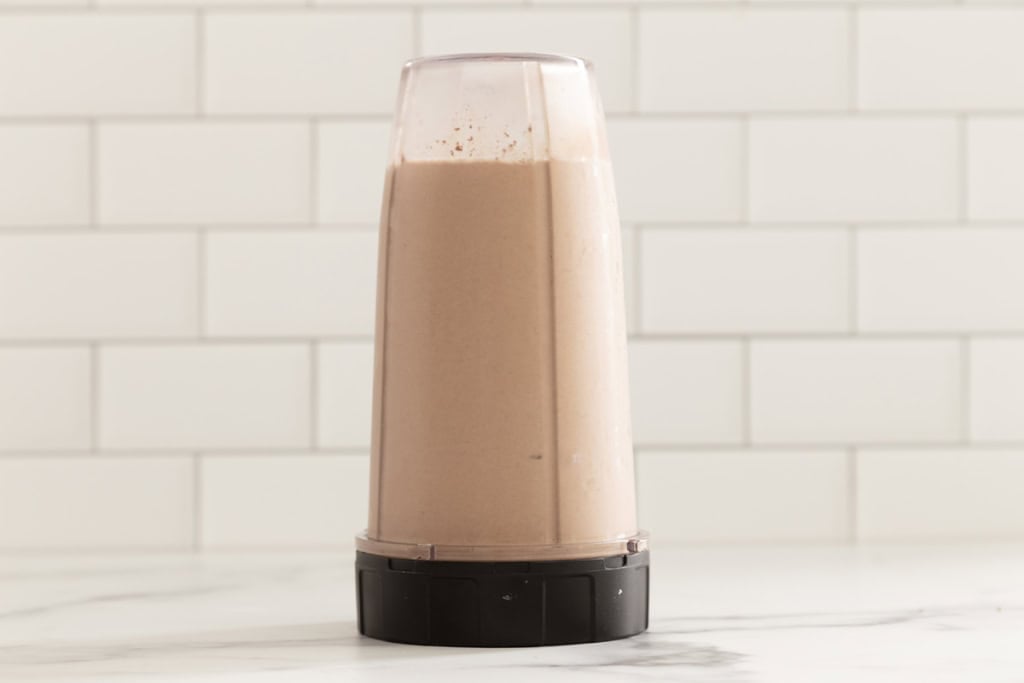
The Chocolate Peanut Butter Banana Smoothie is not merely a drink; it is a meticulously balanced nutritional profile disguised as a treat. At its core, the recipe relies on the synergy of three primary components: frozen bananas for texture and potassium, natural peanut butter for satiety and plant-based protein, and high-quality cocoa powder for antioxidants and flavor.
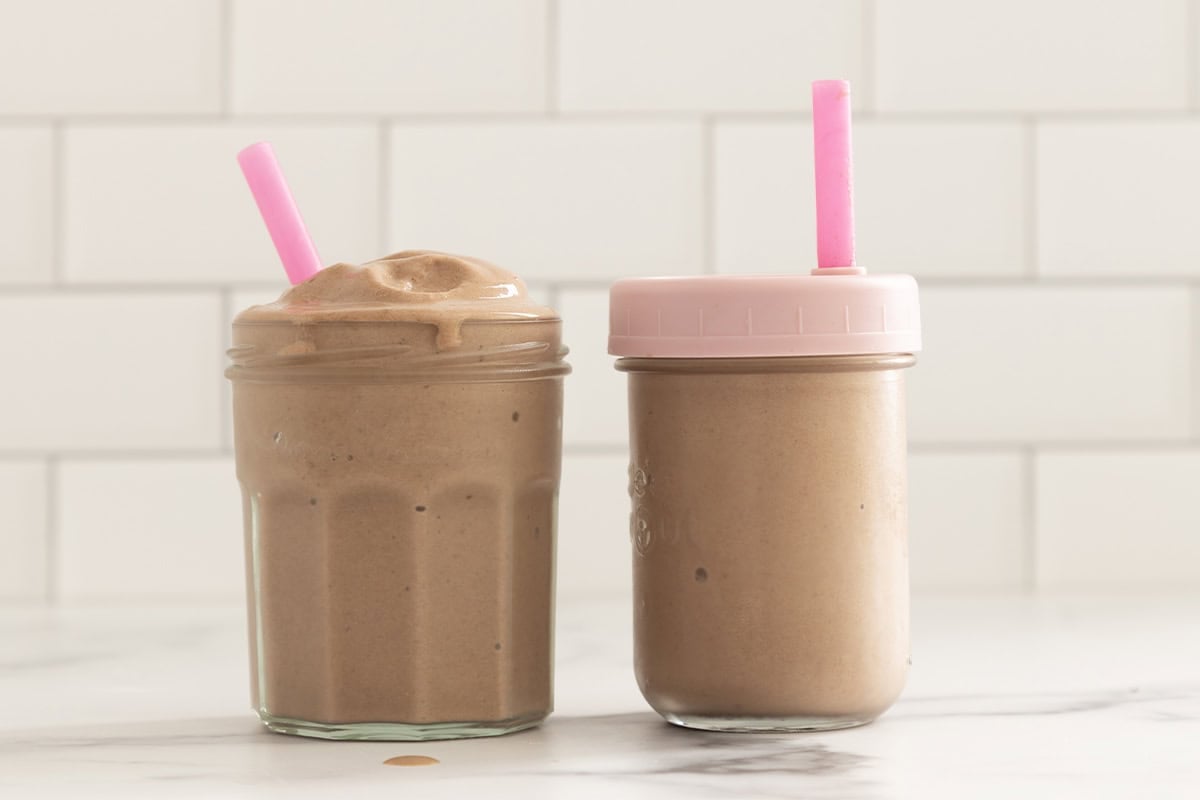
From a nutritional standpoint, this smoothie provides a comprehensive macro-nutrient profile. With approximately 235 calories per serving, it offers 7 grams of protein, 5 grams of fiber, and essential micronutrients including calcium and iron. The inclusion of healthy fats from the peanut butter ensures that the natural sugars from the banana are absorbed slowly, providing a sustained energy release—a crucial factor for children returning from school or heading into afternoon extracurricular activities.
Chronology: The Evolution of the Kid-Friendly Smoothie
The rise of the Chocolate Peanut Butter Banana Smoothie didn’t happen in a vacuum. It is the latest iteration in a multi-year evolution of the "toddler-friendly" smoothie movement.
- Phase 1: The Green Movement. Several years ago, the trend was dominated by "hidden veggie" smoothies. Parents were blending spinach, kale, and avocado into fruit mixtures to ensure vegetable intake. While effective, the novelty eventually wore off as children grew more discerning about flavor profiles.
- Phase 2: Tropical Exploration. The second phase saw a surge in popularity for mango and pineapple-based smoothies. These offered a vibrant, refreshing profile but often lacked the sustained "staying power" of a heartier snack.
- Phase 3: The Current Comfort Era. The current "Chocolate-Banana" phase represents a return to comfort. Parents have realized that by using real-food ingredients to achieve a "dessert-like" quality, they can ensure their children are actually consuming the drink, rather than letting it sit on the counter. This shift prioritizes consistent consumption over "hiding" ingredients, fostering a better long-term relationship between children and nutritious foods.
Supporting Data: Why It Works for Growing Bodies
The efficacy of this smoothie is backed by both culinary practicality and physiological necessity.
Nutritional Density
The inclusion of fiber (5g) and protein (7g) makes this an ideal bridge between meals. Many after-school snacks are high in simple carbohydrates, which lead to a quick blood sugar spike followed by a "crash." Because the peanut butter contains healthy monounsaturated fats, it slows digestion, keeping children satiated until dinner.
Flexibility for Every Diet
One of the most compelling aspects of this recipe is its adaptability. Data from child nutrition surveys suggest that parents are increasingly looking for recipes that can accommodate various dietary restrictions. This smoothie is naturally gluten-free and can be easily adapted to be vegan (by using plant-based milk and ensuring the cocoa is dairy-free) or nut-free (by substituting sunflower seed butter for peanut butter).
The "Freezer Convenience" Factor
The reliance on frozen bananas is a masterclass in food waste reduction. By taking bananas that are beginning to brown—which are actually at their peak sweetness—and freezing them, parents create a thick, creamy base that eliminates the need for ice, which can often water down the flavor.
Official Perspectives: Expert Insights on Snack Optimization
Nutritionists and pediatric dietitians often emphasize that the "best" snack is the one a child will actually eat. Dr. Sarah Jenkins, a specialist in pediatric nutrition, notes: "When we talk about snacks, we are talking about ‘bridge meals.’ The goal is to provide a nutrient-dense package that mimics the flavors children crave. A chocolate-peanut butter profile is biologically attractive to children because it combines sweet, salty, and creamy textures—the ‘holy trinity’ of palatable foods."
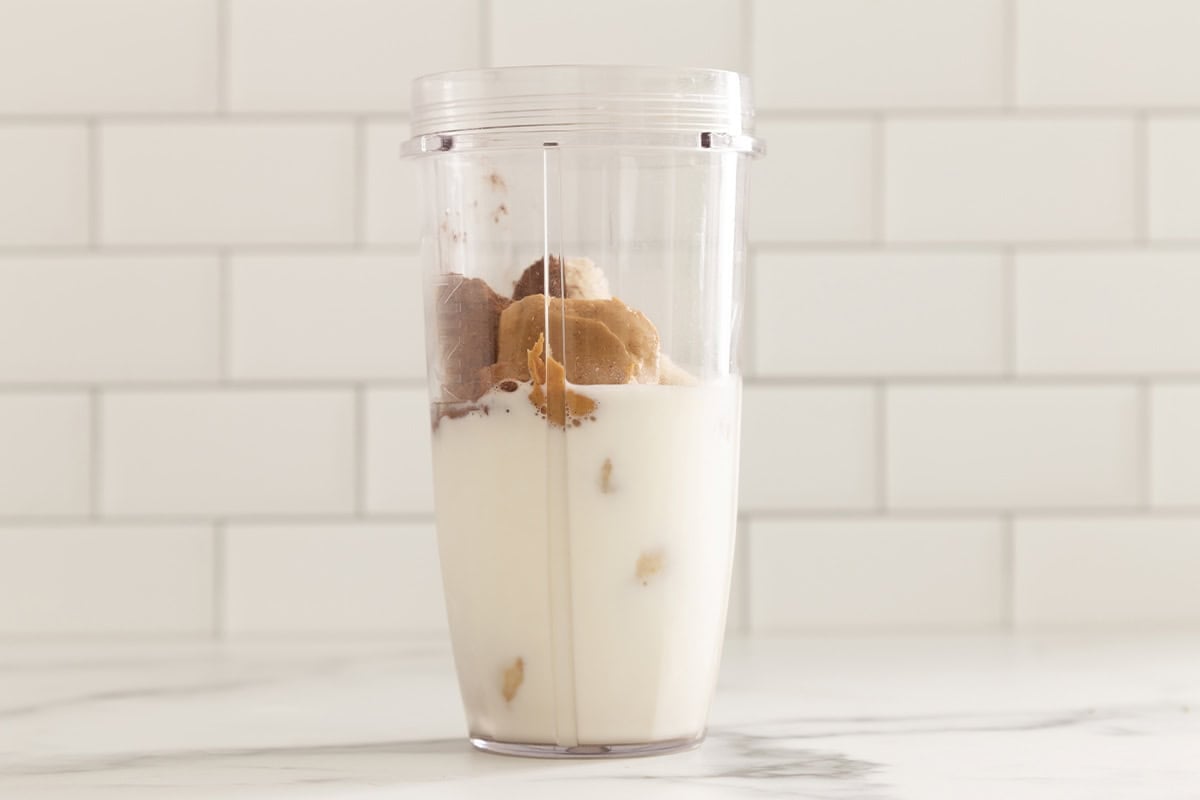
Furthermore, kitchen efficiency experts point out that the two-minute preparation time is a critical factor for adoption. In a modern household where time is the scarcest resource, a recipe that requires nothing more than a blender and a minute of cleaning is far more likely to be integrated into a weekly routine than complex cooking projects.
Implications: Building Healthy Habits Through Enjoyment
The long-term implications of normalizing this type of snack are profound. By introducing children to smoothies that are high in fiber and protein but low in processed sugar, parents are recalibrating their children’s palates.
Cultivating Independence
Because the process is so straightforward, older children can eventually take ownership of the task. Teaching a child to measure out peanut butter, peel a banana, and operate a blender fosters kitchen confidence. It turns nutrition into an active, creative process rather than a passive experience of being "fed."
Sustainability and Waste
The practice of using overripe bananas is a small but significant step toward more sustainable household habits. Every banana saved from the trash is a reduction in household food waste, contributing to a more mindful approach to grocery management.
Emotional Connection
Finally, food is inextricably linked to memory. The simple act of sharing a chocolate-peanut butter smoothie after a long day at school creates a positive ritual. It turns the "snack time" window into a period of decompression and connection, rather than just a functional requirement to stop hunger.
Tips for Success: Maximizing the Experience
To ensure the best results, consider these expert-level refinements:
- The "Hemp Seed" Boost: If you want to increase the Omega-3 fatty acid content without altering the flavor, a tablespoon of hemp hearts blends perfectly into the mixture, adding an extra layer of healthy fats.
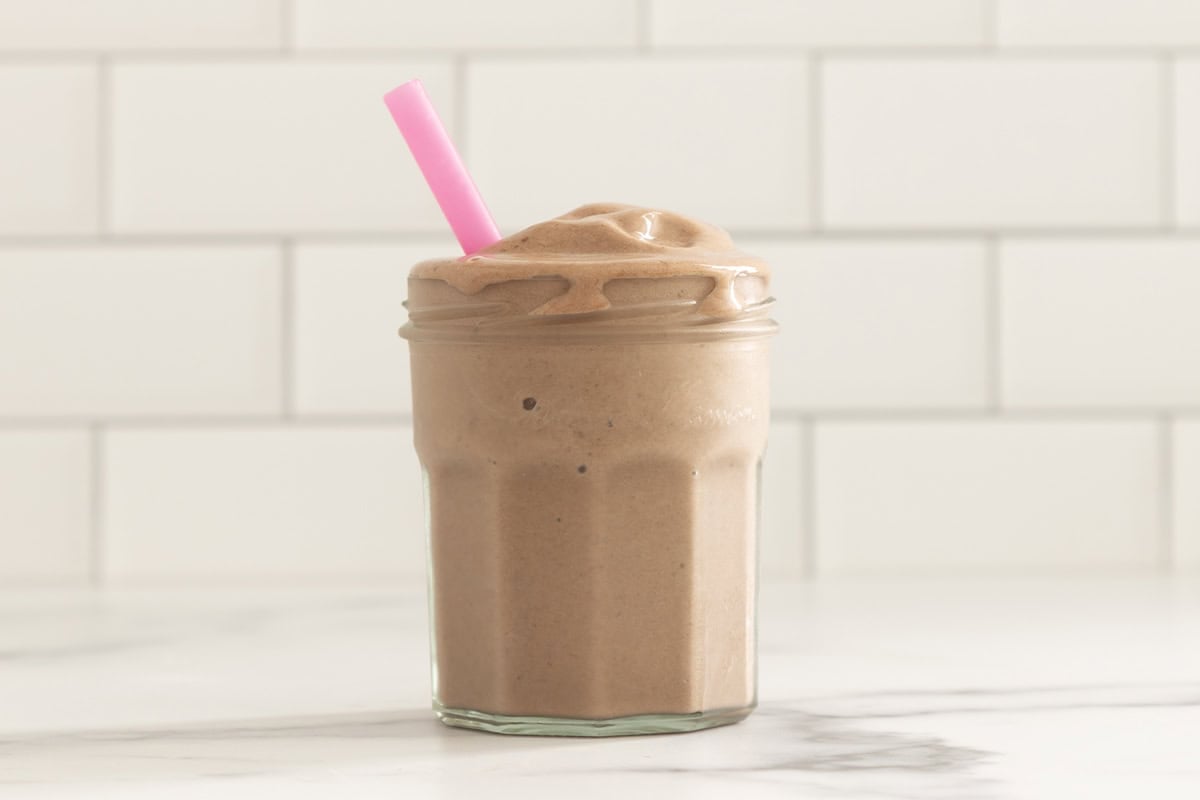
- Texture Control: For a thinner, drinkable consistency, increase the liquid content (milk or water). For a texture closer to a milkshake or soft-serve, use less liquid and ensure the bananas are frozen solid before blending.
- Storage Realities: While the smoothie is best consumed fresh, it can be kept in the refrigerator for up to 24 hours. Be aware that the texture will change—the fiber in the banana will cause the liquid to thicken significantly. A quick stir or a brief pulse in the blender will restore the consistency.
- Serving Versatility: Using reusable silicone pouches is a game-changer for younger toddlers who may be prone to spills. For school-aged children, a sturdy insulated cup with a wide straw makes the drink portable and enjoyable.
Conclusion
The Chocolate Peanut Butter Banana Smoothie is a testament to the fact that healthy eating does not have to be an arduous chore. By focusing on high-quality, recognizable ingredients and leveraging the natural appeal of classic flavor combinations, parents can provide a snack that supports physical growth, mental focus, and emotional well-being. As we continue to navigate the complexities of modern nutrition, simple, effective, and delicious solutions like this one prove that the best approach to feeding a family is often the most straightforward.