The Gold Standard: Mastering the Art of the Perfect Gluten-Free Banana Muffin
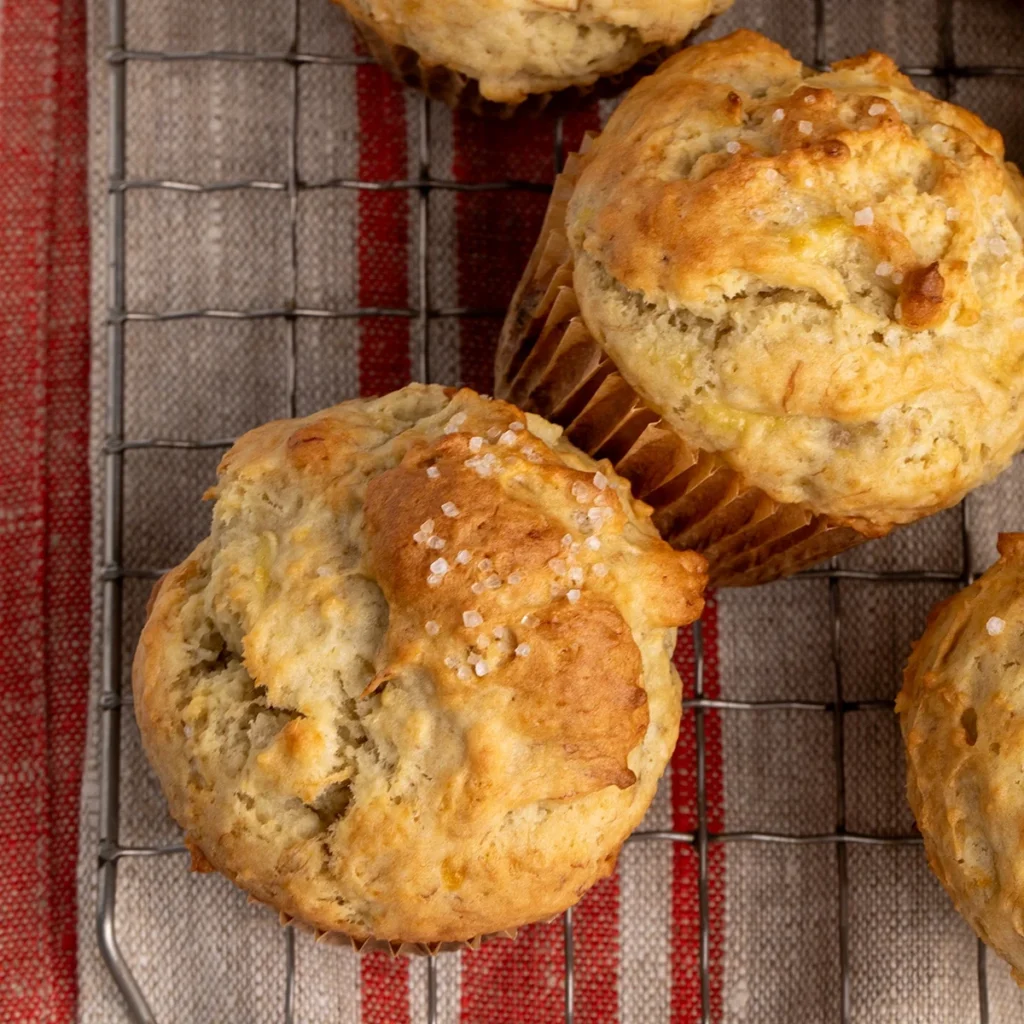
In the world of gluten-free baking, the banana muffin is often considered the ultimate litmus test. Achieving the perfect balance—a soaring, golden dome that hides a soft, cloud-like interior without veering into the gummy, dense territory that plagues many flour-free recipes—is a feat of culinary engineering. For those navigating celiac disease or gluten sensitivities, the quest for a muffin that tastes like it came from a traditional bakery is constant.
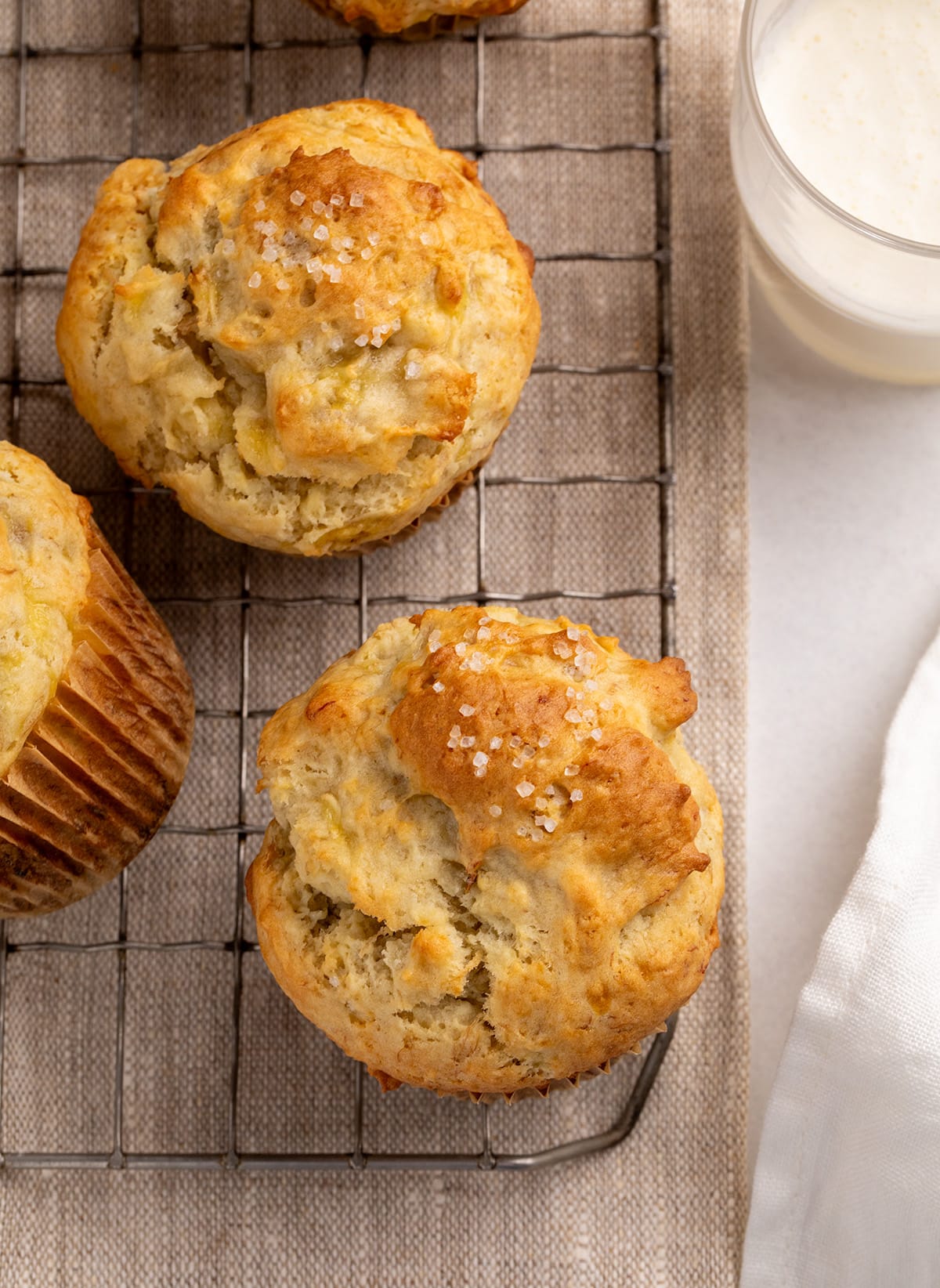
However, a new standard has emerged, proving that with the right technique, gluten-free baking doesn’t just "pass"—it excels. By rethinking the chemistry of the batter and the physics of the oven, bakers can now produce banana muffins that stand tall, boast a deep, caramelized flavor, and maintain a tender crumb for days.
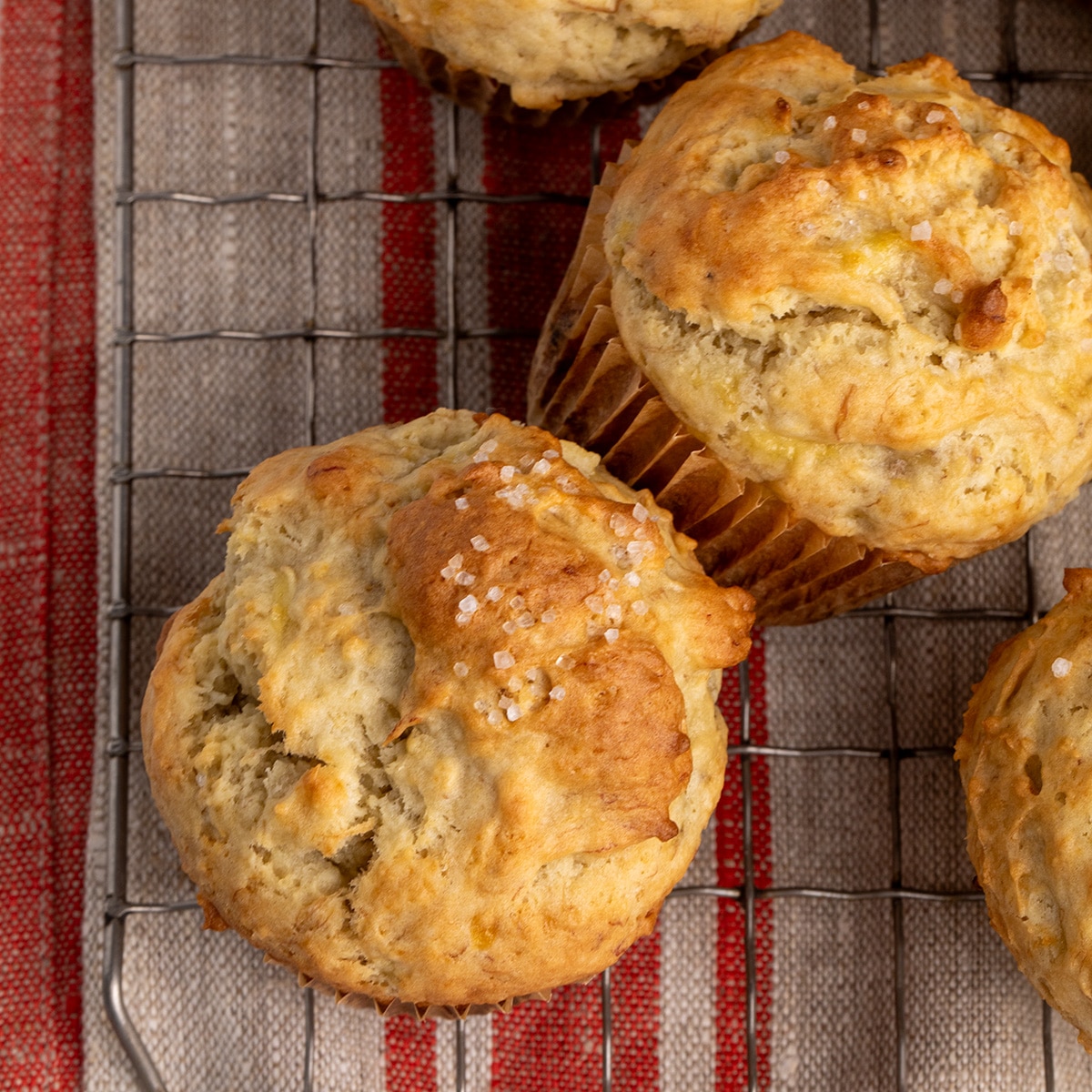
Main Facts: The Science of the Perfect Crumb
At the heart of this success is a strategic approach to moisture and heat. Standard gluten-free recipes often fail because they treat bananas as a single-step addition. In this refined method, the bananas—nearly two cups of them—are folded in only at the final stage of mixing. This critical timing prevents the fruit from breaking down too prematurely, which would otherwise release excess moisture and turn the final product into a heavy, gummy mess.
Furthermore, the recipe relies on a dual-fat system. By utilizing a combination of melted butter and oil, the muffins achieve the rich, milky flavor profile of butter while benefiting from the moisture-retaining properties of oil. This ensures that even on the second or third day, the crumb remains light rather than drying out, a common pitfall for gluten-free baked goods.
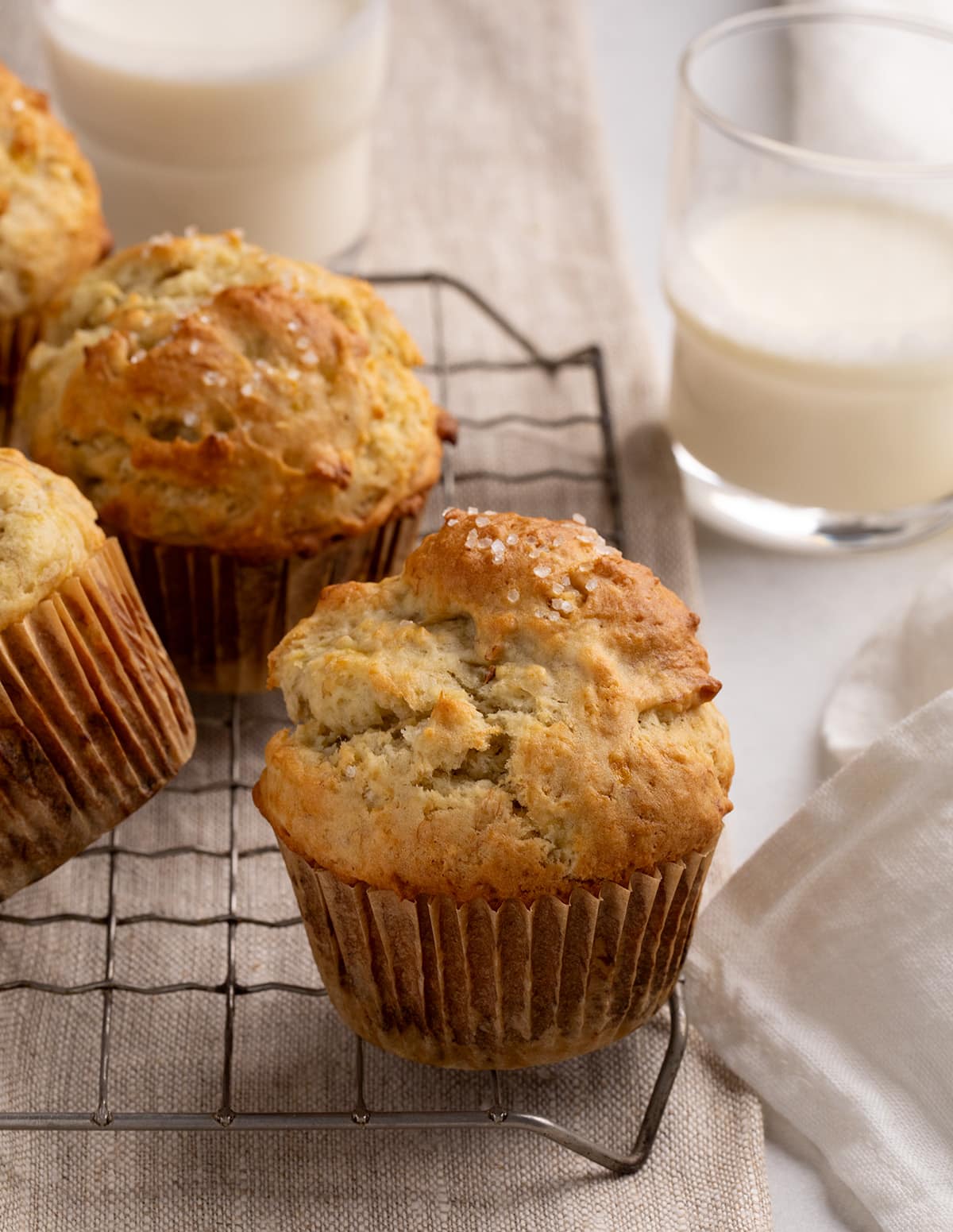
Chronology: A Step-by-Step Culinary Workflow
The process of creating these muffins is designed for efficiency and structural integrity.
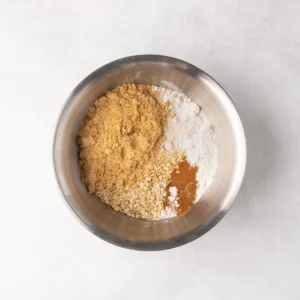
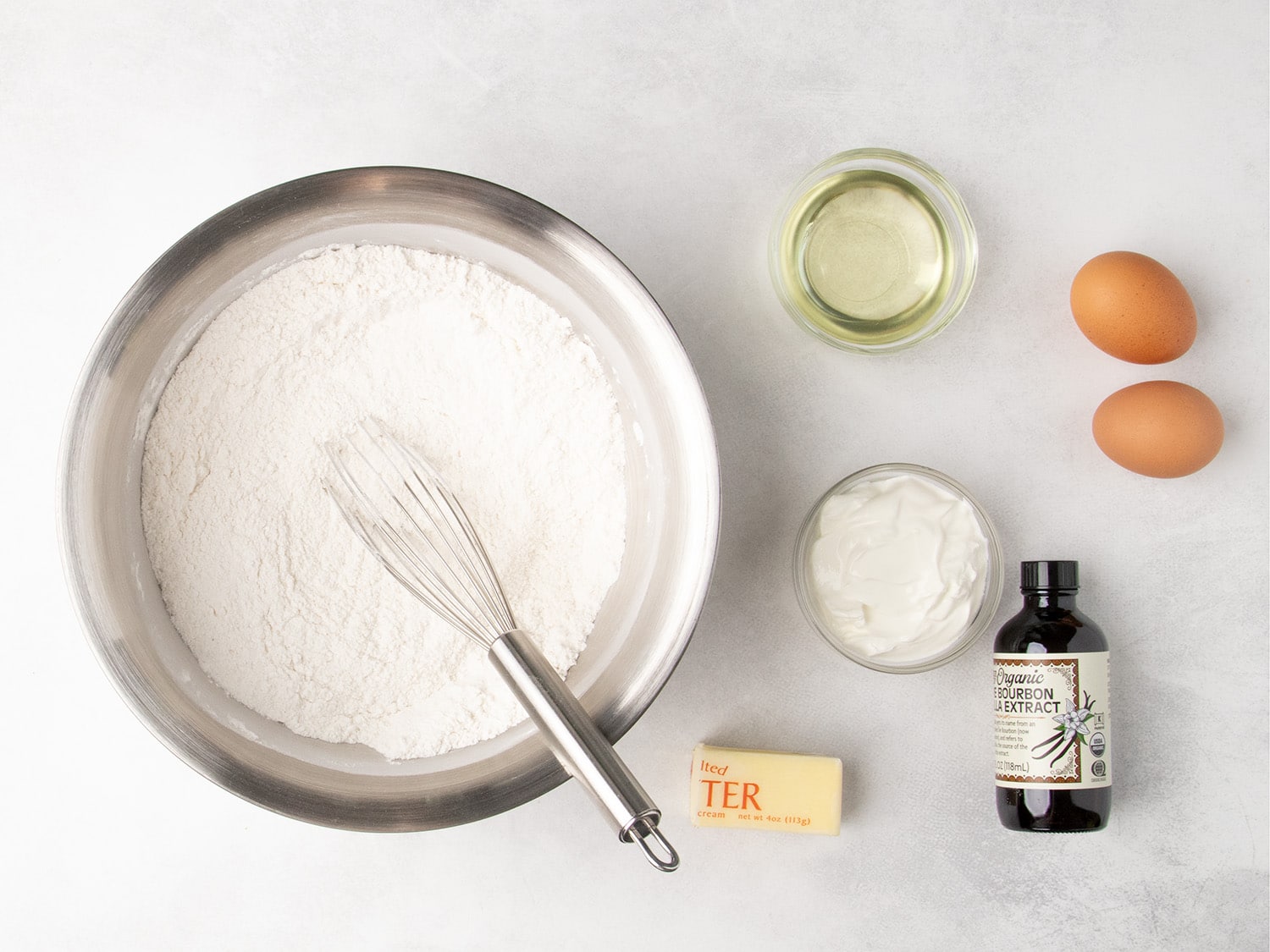
- Preparation of Dry Ingredients: The foundation begins in a large mixing bowl. A high-quality gluten-free flour blend—ideally one balanced with the correct ratio of starches and proteins—is whisked together with baking powder, baking soda, salt, and sugar. This initial aeration is vital for consistent rise.
- The Integrated Wet Mixture: Rather than creating a separate bowl for wet ingredients, the recipe employs a streamlined "well" method. The butter, oil, eggs, sour cream, and vanilla are added directly into the center of the dry ingredients. By mixing the wet components within the bowl before fully incorporating the dry, the baker minimizes the number of steps and reduces the risk of overworking the batter.
- The Banana Fold: The mashed bananas are introduced last. Using a gentle hand, the baker folds them into the thickened base. This step is the most critical for texture; the goal is to retain small pockets of banana for flavor without compromising the structural integrity of the crumb.
- The Thermal Shock (The Bake): The baking process is split into two phases. The muffins are initially blasted at 425°F for five minutes. This "oven spring" forces the baking powder to react immediately, causing the muffins to rise rapidly and set in a tall, professional dome.
- The Finishing Temperature: The heat is then reduced to 350°F to ensure the centers reach the desired temperature without burning the exterior. This transition is essential for achieving a bakery-quality finish.
Supporting Data: Understanding the Ingredients
The success of this recipe is heavily dependent on the "flour blend" variable. Gluten-free baking is not a monolith; the choice of flour determines the final success.
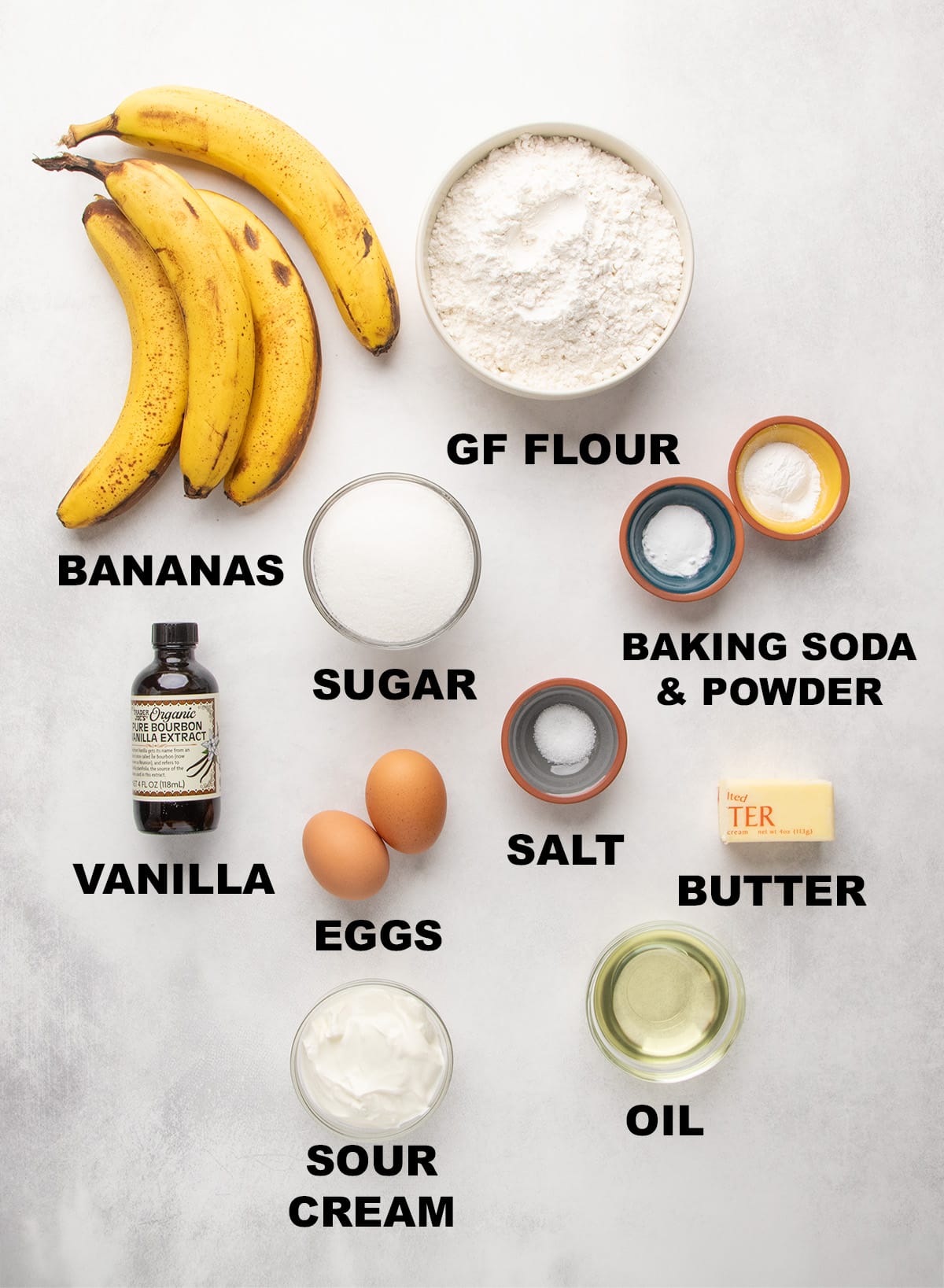
- Flour Blends: Experts recommend high-performing blends like Better Batter (original) or Bob’s Red Mill 1-to-1. When using blends that lack sufficient stabilizers, the addition of xanthan gum is mandatory to prevent the muffins from crumbling upon the first bite.
- The Role of Sour Cream: The inclusion of sour cream provides a subtle acidity that interacts with the baking soda, aiding in the lift and contributing a nuanced tang that cuts through the sweetness of the bananas.
- Nutritional Profile: Each muffin contains approximately 234 calories, with 37g of carbohydrates and 2g of protein. While these are a treat, the use of wholesome ingredients like bananas and high-quality fats provides a more satiating experience than processed gluten-free alternatives.
Official Perspectives: The Philosophy of "Good Enough"
Nicole Hunn, the authority behind Gluten Free on a Shoestring, emphasizes that the "good for gluten-free" mentality is a barrier to culinary progress. According to Hunn, there is no reason that a gluten-free muffin should not taste identical—or even superior—to its wheat-based counterpart.
"At Gluten Free on a Shoestring, ‘good, for gluten-free’ just isn’t good enough," Hunn notes. This philosophy drives the development of recipes that prioritize the sensory experience: the smell of fresh-baked goods, the snap of a golden crust, and the moisture of a perfectly baked interior. By focusing on the "why" behind every measurement, the recipe allows home bakers to move beyond simple substitution and into the realm of true culinary mastery.
Implications for the Home Baker
The implications of this refined method are significant. For families with mixed dietary needs, the ability to produce a high-quality gluten-free muffin means that separate menus are no longer necessary. These muffins appeal to everyone, regardless of their dietary restrictions.
Furthermore, the versatility of the recipe is a major asset. The inclusion of add-ins like dark chocolate chips, toasted pecans, or a dusting of cinnamon allows for endless customization. This adaptability ensures that the recipe remains a staple in the household repertoire.
Storage and Longevity
One of the most important takeaways is the handling of the finished product. To prevent the "steaming" effect—where moisture trapped in the liner turns the muffin exterior soft and chewy—the muffins should be removed from the tin within five minutes of leaving the oven. For long-term storage, freezing is the optimal method. By placing cooled muffins on a baking sheet to harden before moving them to a zip-top bag, the baker can ensure they retain their shape and texture for up to two months. When ready to eat, a quick trip through a low-temperature toaster oven restores them to a state nearly identical to when they were first pulled from the oven.
Troubleshooting Common Issues
- Sunken Centers: If your muffins collapse, it is a clear indicator of underbaking. Always use an oven thermometer, as many home ovens run hotter or cooler than their dial indicates. The "spring back" test is your best indicator of doneness.
- Frozen Bananas: Utilizing frozen, overripe bananas is actually encouraged. However, the liquid released during thawing is pure flavor and moisture—do not discard it. Incorporate the liquid into the batter to maintain the correct hydration levels.
Ultimately, by embracing these techniques—the high-heat start, the careful folding of fruit, and the selection of the right flour blend—the elusive goal of the perfect gluten-free muffin becomes an achievable reality in any kitchen.