The Art of the Rustic Bake: Mastering the Gluten-Free Strawberry Galette
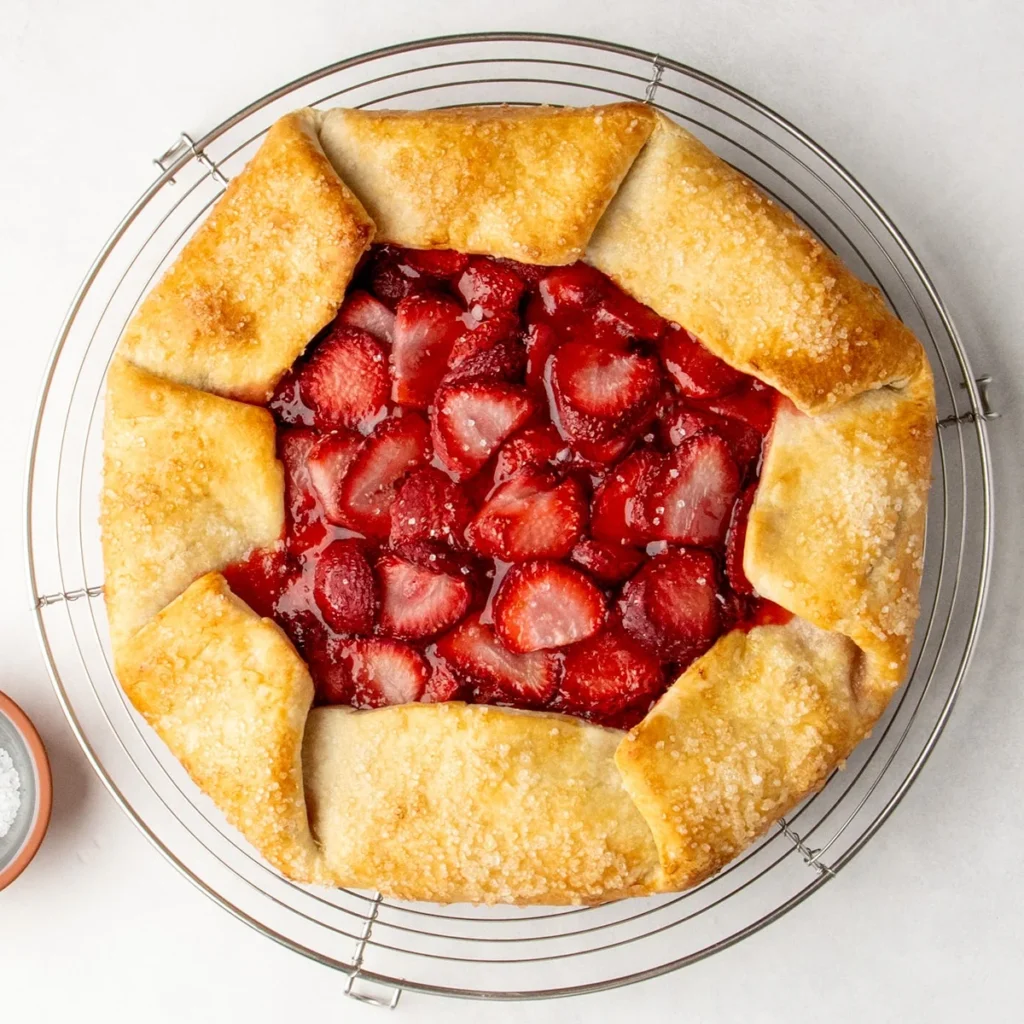
In the world of professional pastry, the galette occupies a unique space. It is the sophisticated, unpretentious cousin of the traditional fruit pie—a dish that prizes the natural, vibrant essence of fresh produce over the structural rigidity of a formal tart pan. For those navigating the complexities of gluten-free baking, the galette is not just an aesthetic choice; it is a tactical one. By embracing a rustic, free-form design, bakers can achieve a high-end dessert that sidesteps the common pitfalls of gluten-free crusts.
Main Facts: A Symphony of Texture and Seasonality
The gluten-free strawberry galette is defined by a flaky, golden-brown crust that serves as a vessel for a glossy, concentrated berry filling. Unlike standard pie crusts, which require a delicate balance of tension and precision to fit into a tin, the galette is built on a "fold-and-bake" philosophy.
The primary appeal of this recipe lies in its structural integrity. Because the crust is rolled slightly thicker—approximately one-quarter of an inch—it provides a sturdy, biscuit-like foundation capable of containing the juices of fresh strawberries without succumbing to the dreaded "soggy bottom." This is further reinforced by a strategic application of honey, which acts as both a flavor enhancer and a moisture-resistant barrier between the pastry and the fruit.

Chronology: The Evolution of the Perfect Galette
The creation of a successful galette follows a specific, time-honored sequence designed to maximize the characteristics of gluten-free dough, which behaves differently than its wheat-based counterpart.
1. The Foundation: Dough Development
The process begins with the careful whisking of dry ingredients, specifically a high-quality gluten-free flour blend fortified with xanthan gum. The secret to the flakiness of this crust is the temperature of the butter. By pressing cold butter shards into the flour, the baker creates distinct layers that, when baked, turn into steam-filled pockets. Once the dough is hydrated with ice-cold water, it must be chilled. This rest period is non-negotiable; it allows the fats to solidify, ensuring the crust holds its shape when it eventually meets the heat of the oven.
2. The Filling: Concentrating Flavor
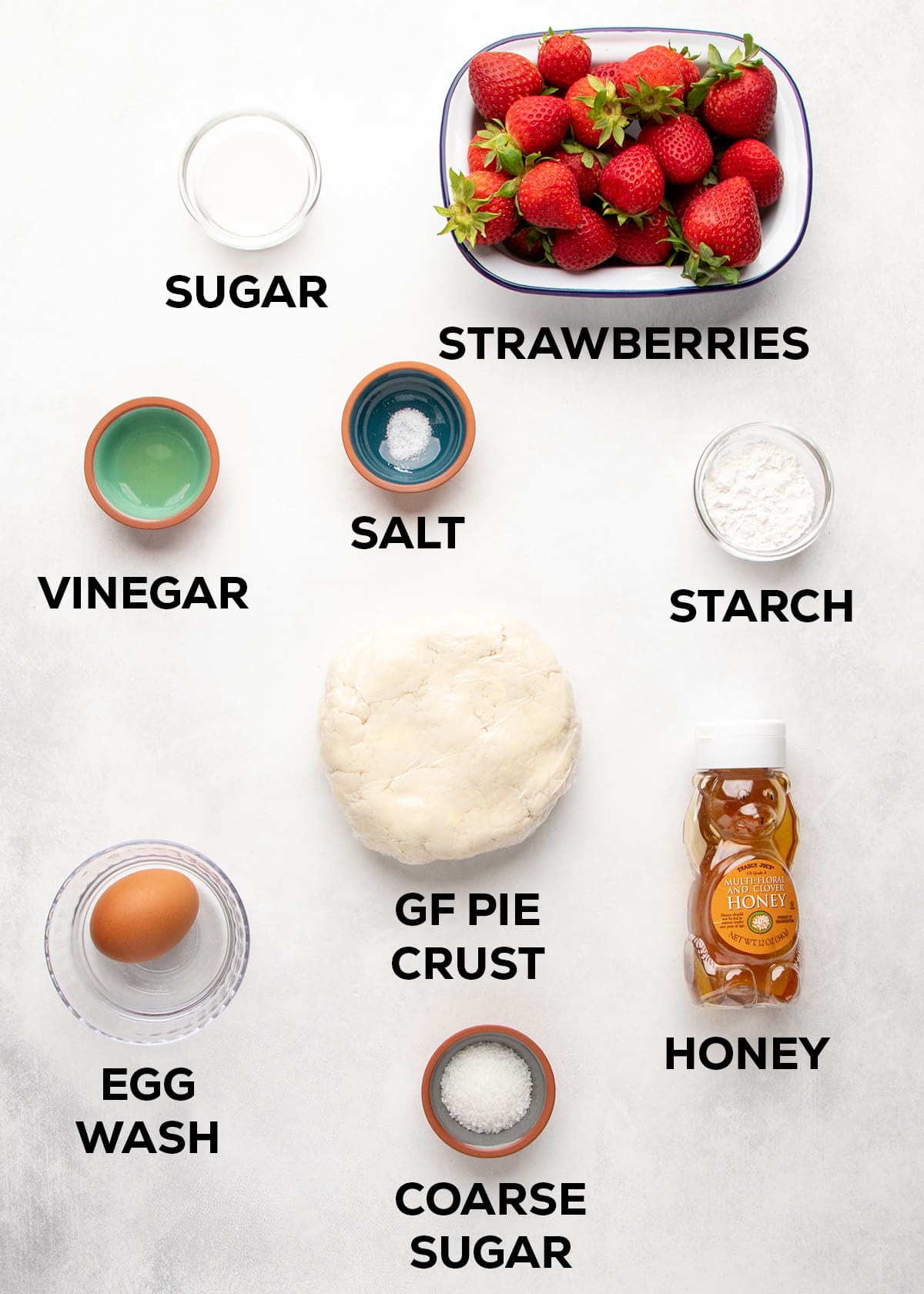
While the dough rests, the strawberries undergo a transformative process. By tossing the berries with granulated sugar, a dash of salt, and a touch of vinegar, the natural pectin and juices are drawn out. The addition of tapioca starch is a critical professional step; it transforms the berry juice into a stable, glossy gel that clings to the fruit rather than running off into the oven.
3. Assembly and Thermal Management
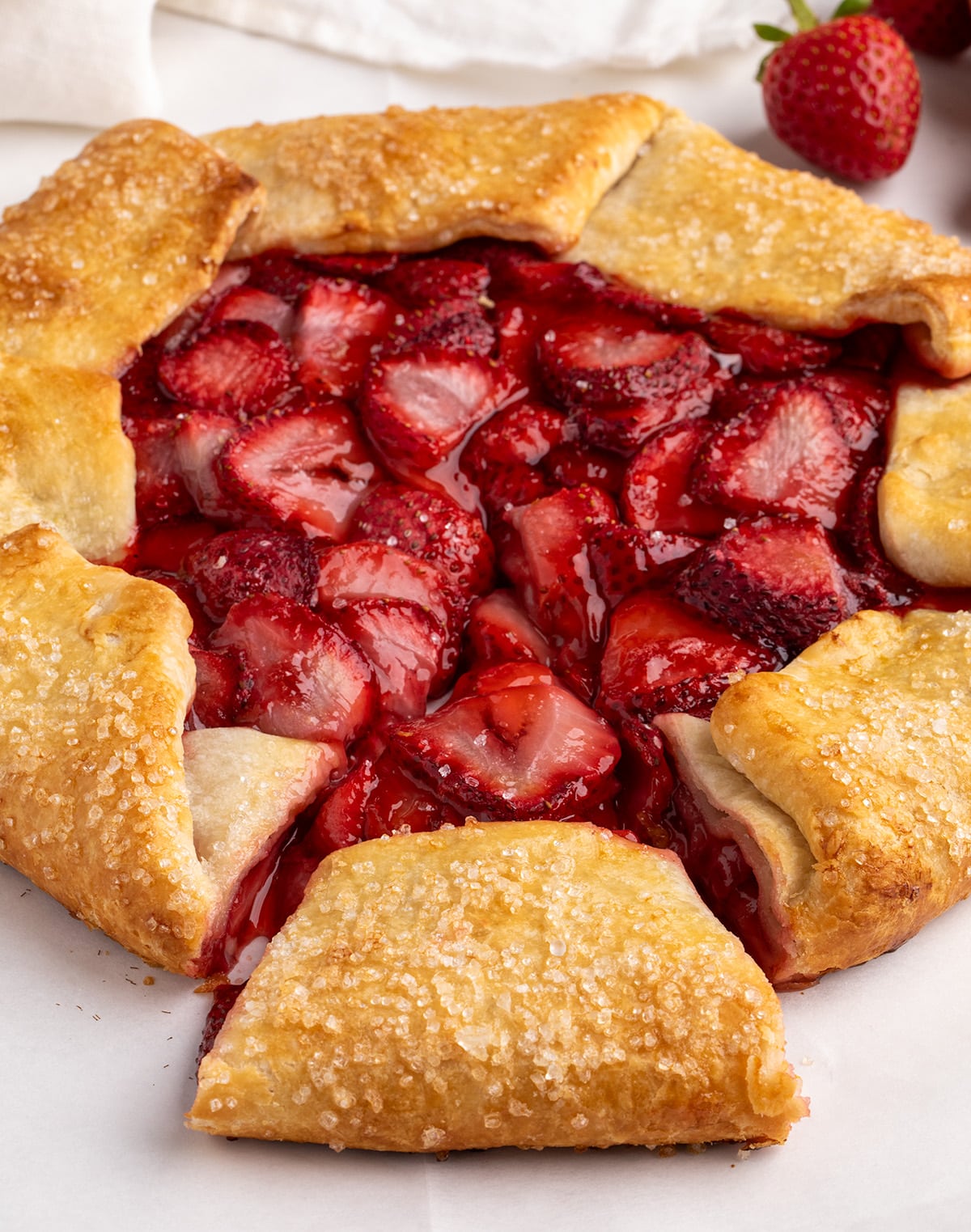
The final assembly requires a steady hand. The dough is rolled into a 14-inch round, brushed with honey, and loaded with the prepared fruit. The edges are pleated, overlapping in a rustic pattern that leaves the center of the fruit exposed. Crucially, before the galette enters the oven, it undergoes a final chill. This "thermal shock"—moving the cold dough into a 375°F oven—is what causes the butter to expand rapidly, creating the characteristic flakiness of a premium pastry.
Supporting Data: Understanding Gluten-Free Dynamics
When baking without gluten, the absence of protein strands makes the dough inherently more fragile. Professional bakers and food scientists note several key metrics that differentiate this recipe from standard wheat-based iterations:
- Hydration Ratios: Gluten-free flour blends are highly absorbent. Adding water must be done gradually. The dough should only be hydrated until it holds together when pressed; an excess of water will lead to a dense, gummy texture.
- Starch Selection: Tapioca starch is the preferred thickening agent in this recipe. Unlike cornstarch, which can become cloudy or develop a "starchy" mouthfeel, tapioca remains translucent and provides a superior "pull" or chewiness that complements the texture of cooked fruit.
- Thermal Stability: The baking time of approximately 35 minutes is calibrated to ensure the center of the fruit reaches a bubbling point, activating the starch, while the edges of the pastry achieve a Maillard reaction—the browning process that yields flavor and aroma.
Expert Perspectives: The Philosophy of "Good, Not Just Good-For-GF"
Nicole Hunn, the developer behind this recipe and the voice behind Gluten Free on a Shoestring, emphasizes a shift in mindset. "At Gluten Free on a Shoestring, ‘good, for gluten free’ just isn’t good enough," she states. Her approach relies on rigorous testing of flour blends—specifically calling for brands like Better Batter or Nicole’s Best—to ensure the final product is indistinguishable from traditional pastry.
Expert pastry chefs note that the galette is an ideal vehicle for home bakers because it offers a higher margin of error. The "imperfection" of the pleats is the intended visual style, removing the anxiety associated with perfectly crimped pie edges.
Implications: The Versatility of the Method
The implications of mastering this specific recipe extend far beyond the strawberry season. The underlying methodology—the "build-and-protect" approach—can be applied to a variety of seasonal ingredients:
- Stone Fruits: Peaches, nectarines, and plums follow the same chemical requirements as strawberries. Because they share similar moisture profiles, the substitution is seamless.
- Hard Fruits: Apples and pears, which have higher pectin content and lower moisture, may require less starch but benefit from thinner slicing. This ensures the fruit reaches the appropriate level of tenderness at the same time the crust finishes browning.
- The Freezer Factor: Perhaps the most significant implication for the modern home cook is the ability to store the galette in a raw, frozen state. By freezing the assembled, unbaked galette, one can maintain a "fresh-baked" dessert on demand. This bypasses the typical issue of shelf-life for gluten-free goods, which often stale faster than their gluten-containing counterparts due to the lack of structure-preserving proteins.
Conclusion: A Masterclass in Simplicity
The gluten-free strawberry galette is more than just a recipe; it is an exercise in the importance of technique over complexity. By prioritizing the quality of the flour blend, the temperature of the fats, and the management of fruit moisture, the baker creates a result that honors the ingredients. Whether served warm with a scoop of vanilla bean ice cream or enjoyed the following day after a quick refresh in the oven, this dish proves that gluten-free baking does not have to be a compromise—it can be the highlight of the season.