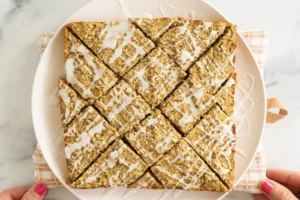
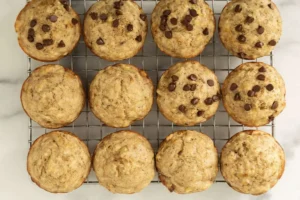
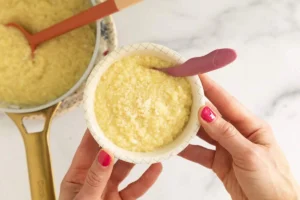
The Ultimate Kitchen Hack: Mastering the 5-Ingredient Peanut Butter Oatmeal Bar
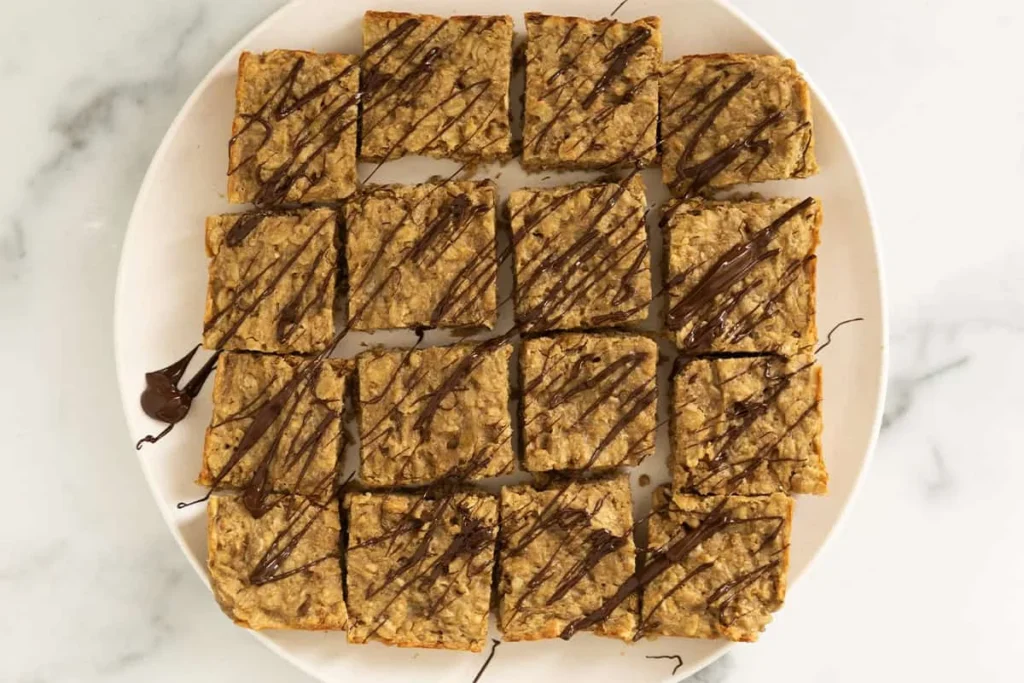
In the modern household, the struggle to balance nutritional requirements with the chaotic demands of a busy morning is a universal experience. As parents and professionals alike look for ways to streamline their meal preparation while maintaining a focus on wholesome, budget-friendly ingredients, one culinary innovation has risen to the top of the "make-ahead" charts: the 5-Ingredient Peanut Butter Oatmeal Bar.
Part cookie, part nutritional powerhouse, these bars represent a shift in how we approach convenience foods. By stripping away complex, processed additives and focusing on a core quintet of pantry staples, this recipe offers a blueprint for sustainable, healthy snacking that caters to both the toddler palate and the adult appetite.
Main Facts: The Anatomy of a Perfect Snack
The core appeal of the Peanut Butter Oatmeal Bar lies in its simplicity. When culinary professionals analyze why certain recipes achieve "cult status" in home kitchens, they look for a balance of texture, flavor, and preparation efficiency. This recipe delivers on all three fronts.
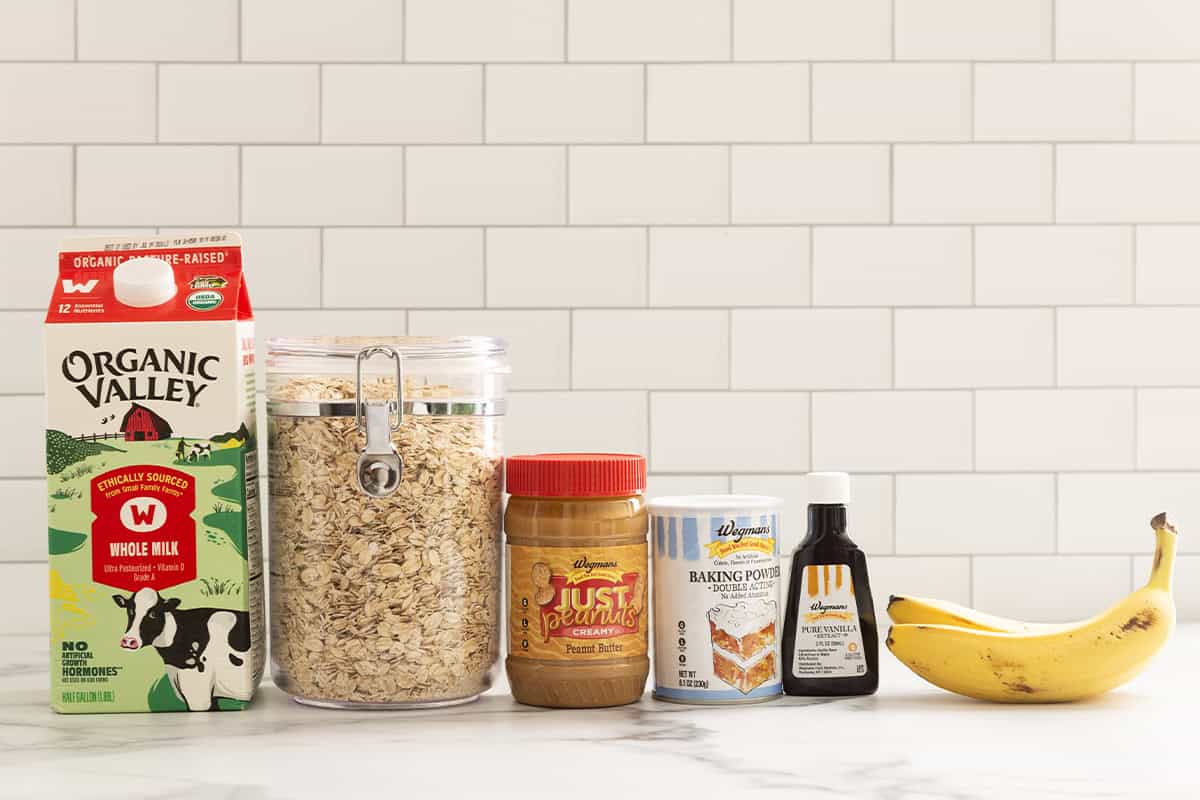
The Five Pillars
The foundation of the recipe relies on:
- Rolled Oats: Providing complex carbohydrates and essential fiber for sustained energy.
- Natural Peanut Butter: Serving as the primary source of healthy fats and plant-based protein.
- Mashed Banana: Acting as the natural binding agent and providing moisture, while eliminating the need for refined white sugar.
- A Natural Sweetener (e.g., Maple Syrup or Honey): Fine-tuning the flavor profile to ensure it appeals to younger palates.
- A Pinch of Salt or Vanilla: Elevating the flavor notes, transforming a simple mixture into something that tastes like a decadent treat.
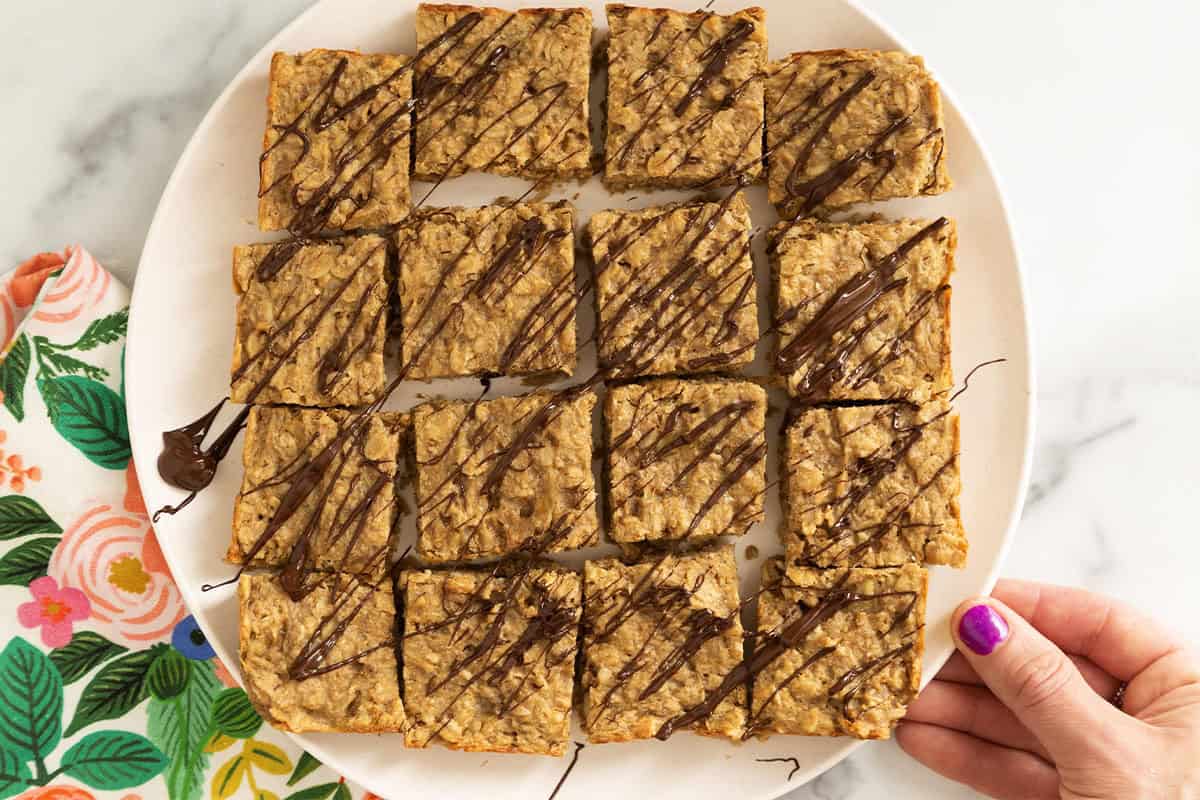
The result is a bar that mimics the comforting, chewy texture of a soft-baked peanut butter cookie while maintaining a nutrient density that supports metabolic health throughout the morning.
Chronology: From Pantry to Plate
Efficiency in the kitchen is often dictated by the "prep-to-plate" timeline. Unlike elaborate baking projects that require precise creaming, chilling, and lengthy oven times, the Peanut Butter Oatmeal Bar follows a streamlined, four-step process.
Step 1: The Foundation
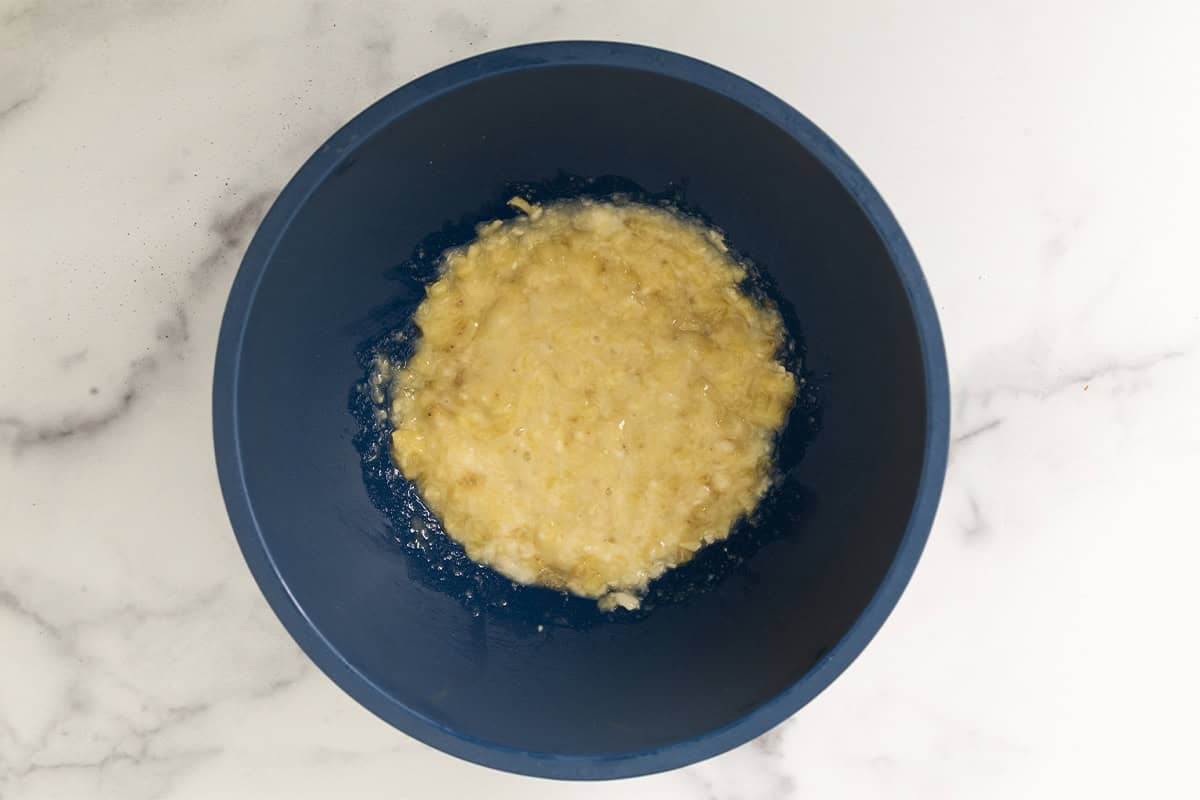
The process begins with the banana. Using a fork or a potato masher, the fruit is reduced to a consistent, smooth texture in a mixing bowl. This is the "glue" that will hold the structure together. The ripeness of the banana is critical; as the fruit matures, its natural sugar content increases, reducing the need for additional sweeteners.
Step 2: The Integration
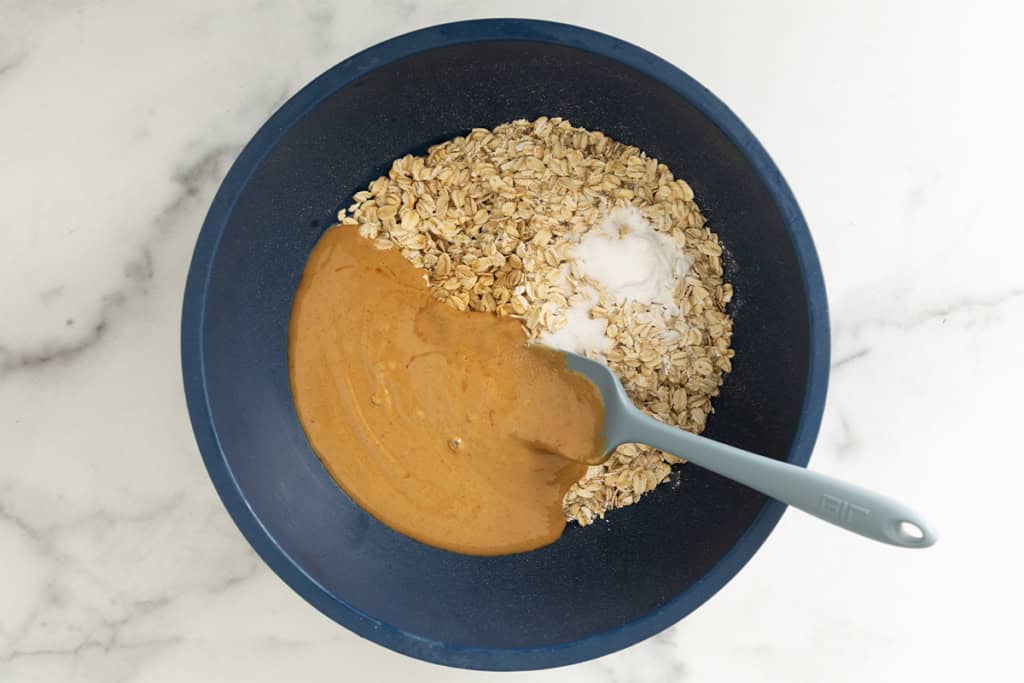
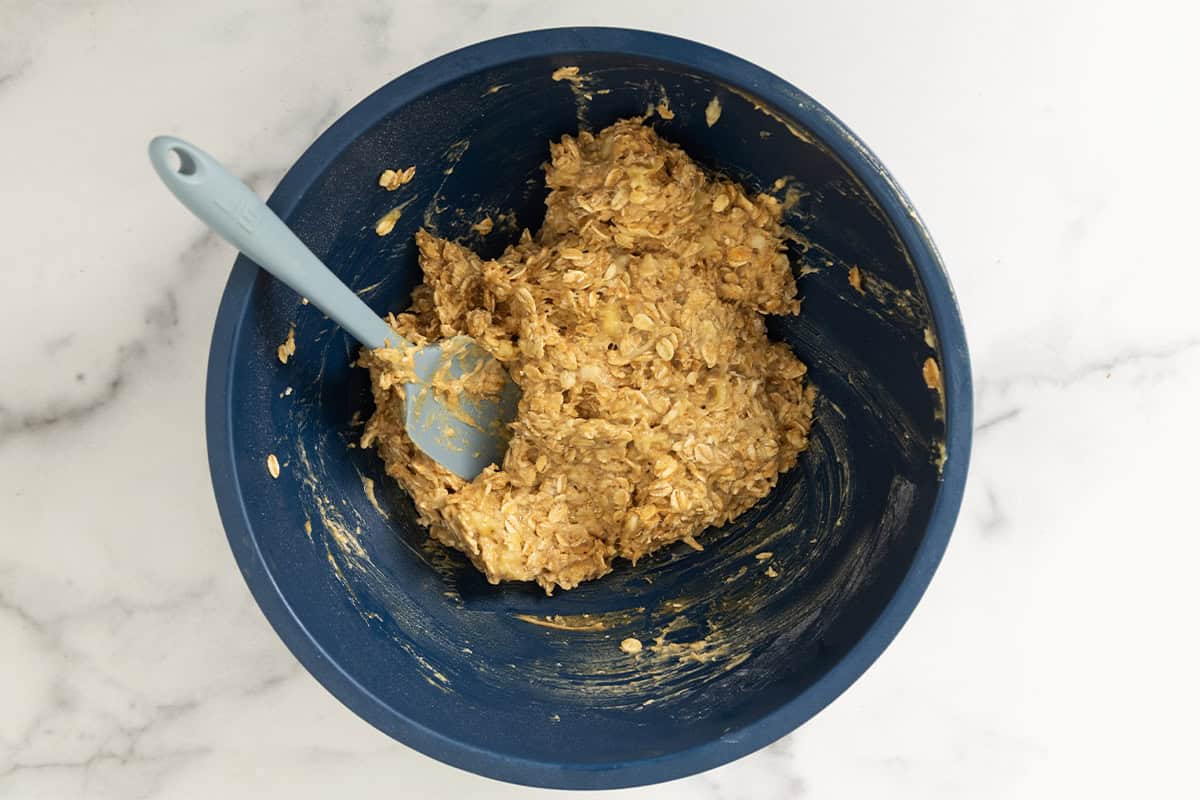
Once the banana is mashed, the remaining four ingredients are introduced. The key here is the order of operations—mixing the wet ingredients (peanut butter and sweetener) with the banana first creates a uniform slurry, ensuring that when the oats are folded in, every single flake is coated.
Step 3: The Assembly
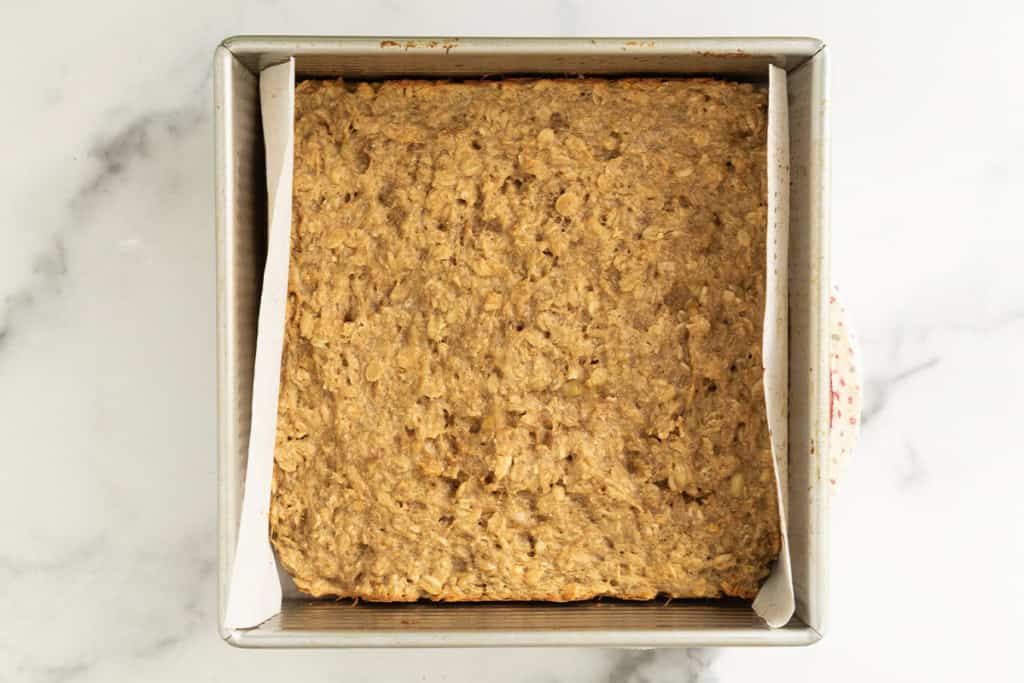
After the batter is thoroughly combined, it is transferred to a lined baking pan. The mixture is pressed down firmly. This compression is a vital, yet often overlooked, step. A tight, uniform layer ensures that the bars will hold their shape once sliced, preventing crumbling.
Step 4: The Transformation
A short stint in a moderate oven is all that is required. The goal is not to "cook" the ingredients—which are largely already edible—but to set the structure. Once the edges are golden brown and the center is firm to the touch, the bars are removed. A crucial tip for success: the cooling period. Slicing too early can compromise the structural integrity of the bars; using a serrated knife once they have reached room temperature is the professional standard for a clean, bakery-style finish.
Supporting Data: Nutritional Efficiency
When evaluating the dietary impact of these bars, the numbers are compelling. At approximately 176 calories per serving, they strike an optimal balance between indulgence and sustenance.
- Protein Profile: With 6 grams of protein per serving, these bars outperform many commercially available granola bars that are often laden with high-fructose corn syrup and artificial preservatives.
- Micronutrient Density: The inclusion of oats provides a significant dose of iron and essential B-vitamins, while the bananas contribute potassium—a mineral often lacking in processed snack foods.
- Glycemic Control: Because the fiber content (3g per serving) is paired with healthy fats from the nut butter, the energy release is more gradual. This helps avoid the "sugar crash" often associated with store-bought breakfast snacks, making them an ideal choice for toddlers and active individuals.
Official Perspectives: The Expert View on "Hidden Veggie" and Nutrient-Dense Snacking
Nutritionists and food scientists have increasingly pointed toward the "whole-food, homemade" trend as the most viable path to improving family eating habits.
"The beauty of this specific recipe," says one culinary consultant, "is that it lowers the barrier to entry for home cooking. When a parent knows they can create a high-quality, protein-rich snack in under 30 minutes with only five ingredients, they are far less likely to reach for pre-packaged, ultra-processed items. This is not just a recipe; it is a lifestyle modification tool."
Furthermore, the versatility of the recipe allows for customization. For those with nut allergies, the substitution of sunflower seed butter or tahini is not just an option—it is encouraged. This flexibility ensures that the recipe remains inclusive and adaptable to the specific needs of various households.
Implications: A Shift in Household Economics and Health
The rise of the homemade snack bar has significant implications for both the household budget and long-term health outcomes.
Economic Impact
By utilizing pantry staples—oats, peanut butter, and bananas—families can significantly reduce their weekly grocery expenditure. These ingredients have a long shelf life and are among the most affordable items in the supermarket. When compared to the cost-per-ounce of premium, "healthy" store-bought bars, the homemade version represents a savings of nearly 60-70%.
Behavioral Health
For parents, there is an added psychological benefit to knowing exactly what their children are consuming. The act of involving children in the mixing and pressing process also serves as a foundational lesson in food literacy. Children who participate in the preparation of their food are statistically more likely to develop positive associations with nutritious ingredients.
Future-Proofing the Kitchen
Looking forward, the success of this recipe suggests a broader trend: the "Simplified Home Kitchen." As technology makes information more accessible, the move away from complex, multi-step baking towards efficient, ingredient-focused preparation is likely to continue.
Whether these bars are served as a quick breakfast alongside a fruit smoothie, or as an afternoon snack for a busy professional, they demonstrate that "healthy" and "easy" do not have to be mutually exclusive. By mastering this simple, 5-ingredient formula, home cooks can ensure that when hunger strikes, the solution is already waiting in the pantry—wholesome, delicious, and entirely under their control.
As we continue to navigate the demands of a fast-paced world, the return to basic, high-quality ingredients remains the most reliable strategy for health, budget, and culinary satisfaction.