The Ultimate Guide to the Chocolate Peanut Butter Banana Smoothie: A Nutritional Powerhouse for Growing Families
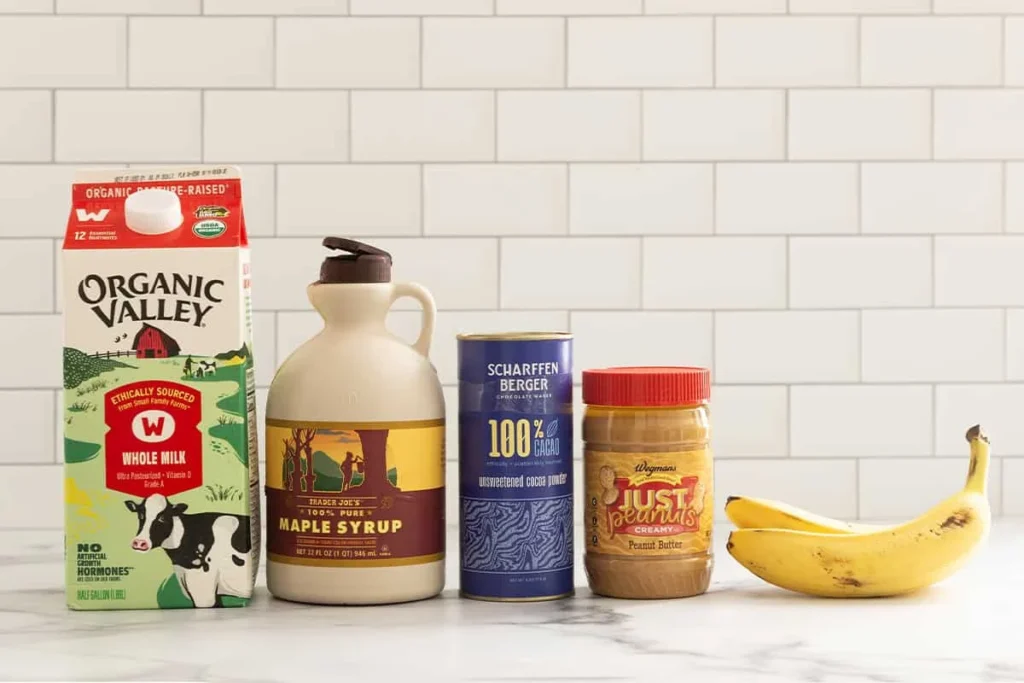
In the modern household, the search for a snack that satisfies a child’s craving for sweetness while meeting parental standards for nutrition is a perennial challenge. Enter the Chocolate Peanut Butter Banana Smoothie—a culinary solution that has transcended the "trend" phase to become a staple in kitchens across the country. Balancing the indulgence of chocolate with the functional benefits of protein-rich peanut butter and potassium-dense bananas, this smoothie offers a streamlined approach to fueling active, growing bodies.
Main Facts: Why This Smoothie Matters
The appeal of the Chocolate Peanut Butter Banana Smoothie lies in its simplicity and its robust nutritional profile. In an era where processed snacks often dominate school lunchboxes, this homemade beverage provides a controlled, whole-food alternative.
At its core, the recipe relies on four pillars of balanced nutrition:
- Complex Carbohydrates: Derived from frozen bananas, providing sustained energy levels for kids after school or sports.
- High-Quality Fats: Sourced from creamy peanut butter, which is essential for brain development and keeping children satiated longer.
- Plant-Based Protein: Essential for muscle growth and repair, which can be further amplified by the addition of hemp seeds or Greek yogurt.
- Micro-nutrients: The combination of ingredients provides a healthy dose of fiber, calcium, and potassium.
Unlike store-bought smoothies, which are frequently laden with excessive added sugars and preservatives, this version allows parents to manage the glycemic load while maintaining a flavor profile that children genuinely enjoy.
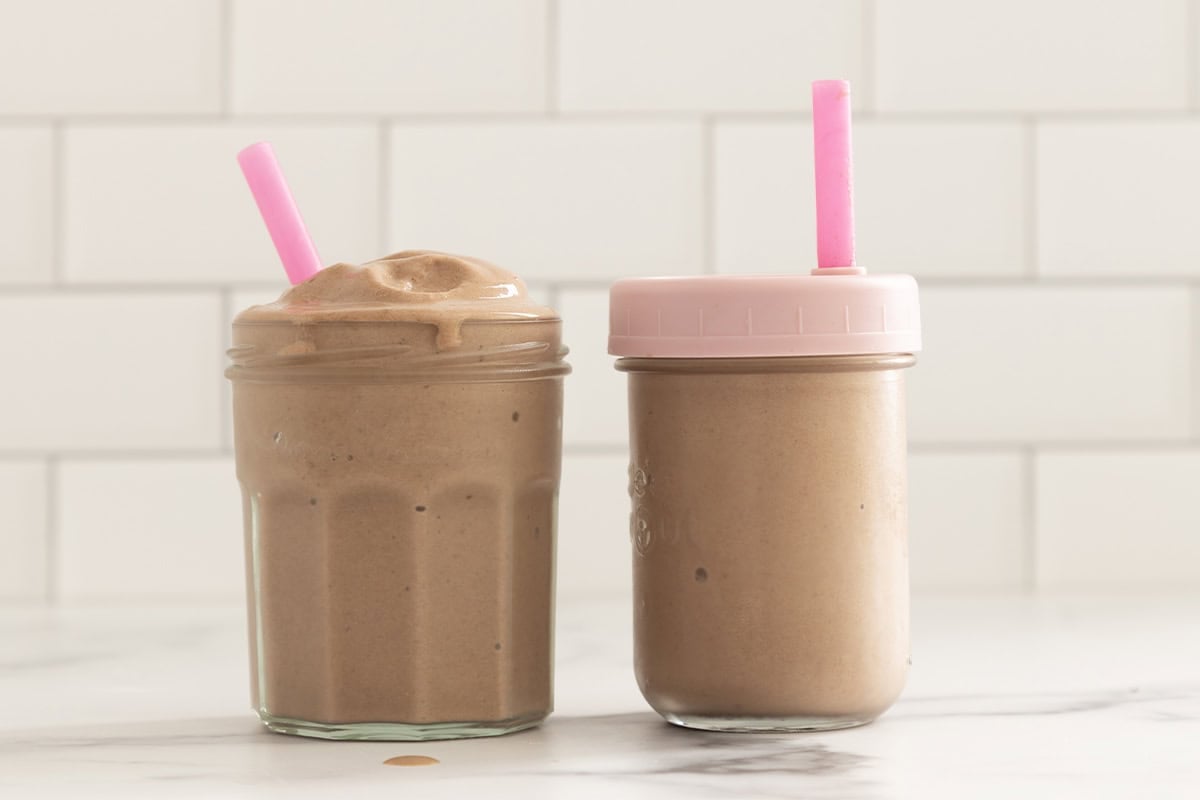
The Chronology of a Trend: From Green Smoothies to Chocolate Bliss
The evolution of the "toddler smoothie" has been a journey of discovery for many parents. Historically, the trend began with the "Green Smoothie," designed primarily to mask the taste of spinach and kale with fruit. While highly nutritious, these versions often faced resistance from pickier eaters who were skeptical of the vibrant green hue.
Following the Green Smoothie phase, the culinary focus shifted toward the "Mango Smoothie," which emphasized tropical flavors and vitamin C. However, as families sought more satiating options that could function as a meal replacement or a heavy snack, the "Chocolate Banana" movement gained momentum.
Over the past few months, this flavor combination has become the gold standard. It bridges the gap between a "healthy breakfast" and a "tasty dessert," effectively ending the daily struggle of coaxing children to finish their snacks. The psychological comfort of chocolate—combined with the creamy texture of blended banana—has proven to be the most successful iteration of the toddler-friendly smoothie to date.
Supporting Data: The Nutritional Breakdown
To understand why pediatric nutritionists and busy parents alike are embracing this recipe, one must look at the data. A standard serving of this smoothie (calculated for a child) typically contains approximately 235 calories.
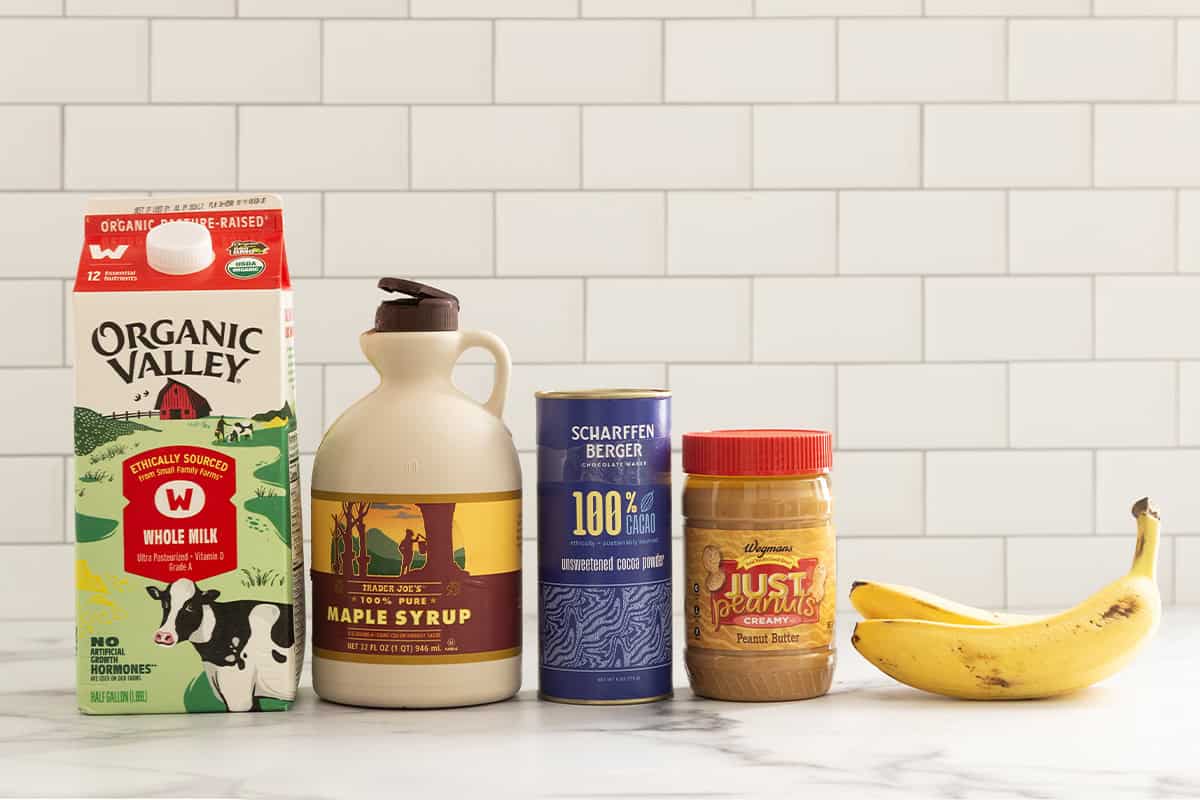
Key Nutritional Markers per Serving:
- Protein (7g): Sufficient to support developmental milestones.
- Fiber (5g): Crucial for digestive health, a common concern in early childhood.
- Calcium (188mg): Essential for bone density during peak growth years.
- Potassium (458mg): Vital for heart and muscle function.
The low saturated fat content (2g) and the high concentration of vitamins—including Vitamin A and Iron—make this a dense, efficient caloric intake for children who may have small appetites but high energy demands. By incorporating ingredients like hemp seeds or chia seeds, parents can further elevate the Omega-3 fatty acid profile, providing an extra boost for cognitive performance.
Expert Perspectives: Why This Recipe Works
From a culinary standpoint, the recipe’s success is rooted in the "flavor masking" principle. Chocolate acts as a bridge, making the more earthy notes of peanut butter and the fibrous texture of bananas palatable to even the most discerning toddler.
Nutritionists often emphasize the "satiety factor." When a child consumes a snack that is purely sugary, they often experience a blood sugar spike followed by a crash, leading to irritability or "hangry" behavior later in the day. The inclusion of peanut butter provides a slow-burning fuel source that stabilizes energy levels. This makes it an ideal "after-school" choice, providing the necessary stamina for homework, play, and evening extracurriculars.
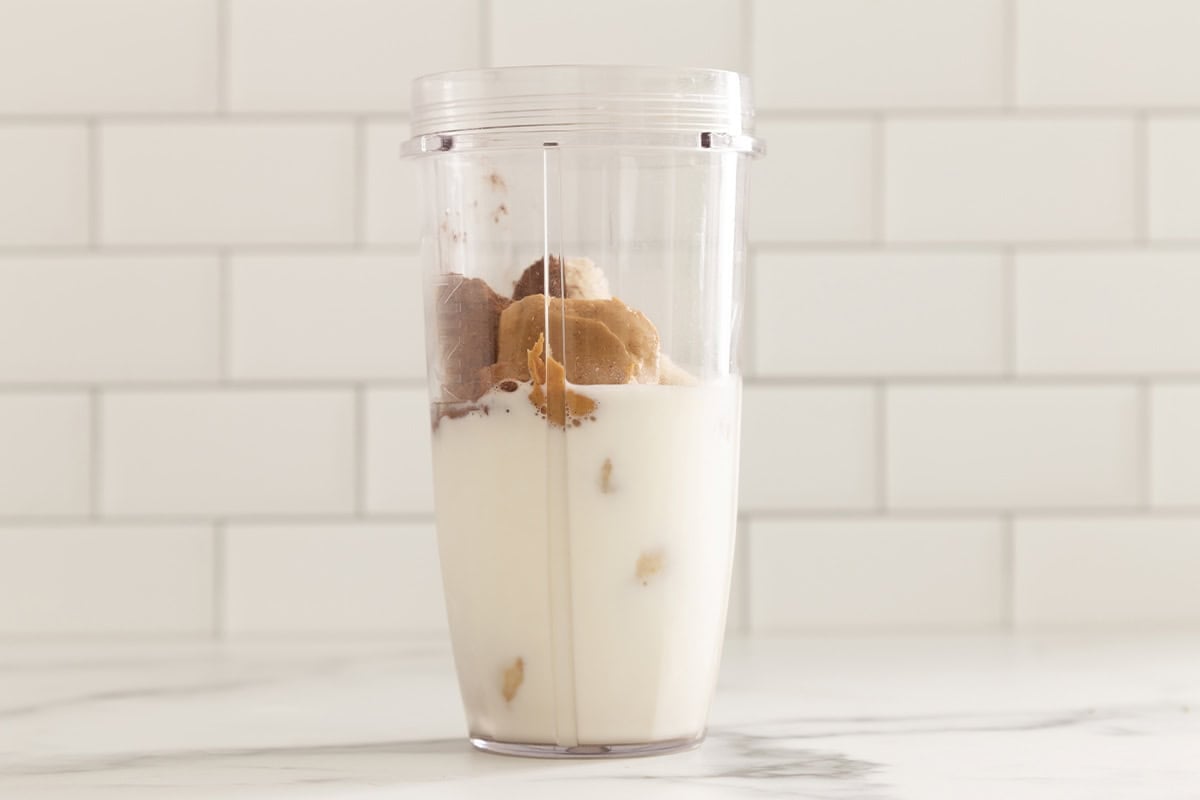
The Versatility of Preparation
One of the most frequently asked questions regarding this smoothie is its adaptability. Can it be modified for dietary restrictions? The answer is a resounding yes.
- Dairy-Free Alternatives: For children with lactose sensitivities, almond, oat, or soy milk serve as perfect substitutes, maintaining the creamy texture without the digestive distress.
- Protein Boosts: Adding a scoop of plain or vanilla Greek yogurt transforms the drink into a thicker, more substantial shake, ideal for children who may be transitioning away from heavy meals.
- The "Dessert" Factor: By using a higher ratio of cocoa powder and perhaps a small amount of maple syrup, this smoothie can serve as a healthier, nutrient-dense alternative to a milkshake, satisfying cravings without the artificial additives found in commercial frozen desserts.
Practical Implications: Tips for Success
To ensure the best results, the preparation method is just as important as the ingredients.
- The Frozen Advantage: Using frozen bananas is non-negotiable for texture. It eliminates the need for ice, which can water down the flavor, and creates a thick, "soft-serve" consistency that children love.
- Storage Logic: While best served fresh, the smoothie can be stored in the refrigerator for up to 24 hours. However, be aware that the texture will thin out, becoming more akin to a protein shake. A quick shake or stir before serving is recommended.
- Efficiency: For parents with tight schedules, pre-portioning ingredients into freezer-safe bags allows for a "grab-and-blend" routine, turning a 10-minute task into a 2-minute morning or afternoon ritual.
- Cleaning the Palate: When introducing this to kids who are used to high-sugar snacks, start with a lower cocoa-to-fruit ratio. Gradually increase the intensity of the chocolate flavor as the child’s palate adjusts to the natural sweetness of the fruit.
Addressing Common Concerns (FAQs)
Q: What is the best way to handle leftover bananas?
A: Do not discard them. Peel them, slice them, and place them in a reusable silicone bag in the freezer. They are the backbone of any good smoothie.
Q: Can I use different nut butters?
A: Absolutely. While peanut butter is the traditional choice, almond or cashew butter works beautifully. For nut-free households, sunflower seed butter provides a similar texture and fat content without the allergen risk.
Q: Is it okay to serve this as a meal replacement?
A: While it is nutritionally balanced, it is best utilized as a snack. For a full meal, consider pairing it with a small serving of whole-grain toast or a handful of berries to round out the meal’s structural variety.
Conclusion: A Balanced Future
The Chocolate Peanut Butter Banana Smoothie is more than just a drink; it is a testament to the fact that healthy eating does not have to be a battleground. By leveraging the natural appeal of chocolate and the functional power of whole foods, parents can provide a snack that supports physical health and emotional satisfaction.
As we continue to navigate the complexities of child nutrition, recipes like this serve as a vital tool. They are simple, cost-effective, and—most importantly—they turn the act of "eating healthy" into an enjoyable ritual for the whole family. Whether it is a quick breakfast on a busy morning or a calming snack after a long school day, this smoothie remains a reliable, delicious, and deeply nourishing choice.