The Great Homesteading Re-evaluation: Seven Years of Rural Reality in Vermont
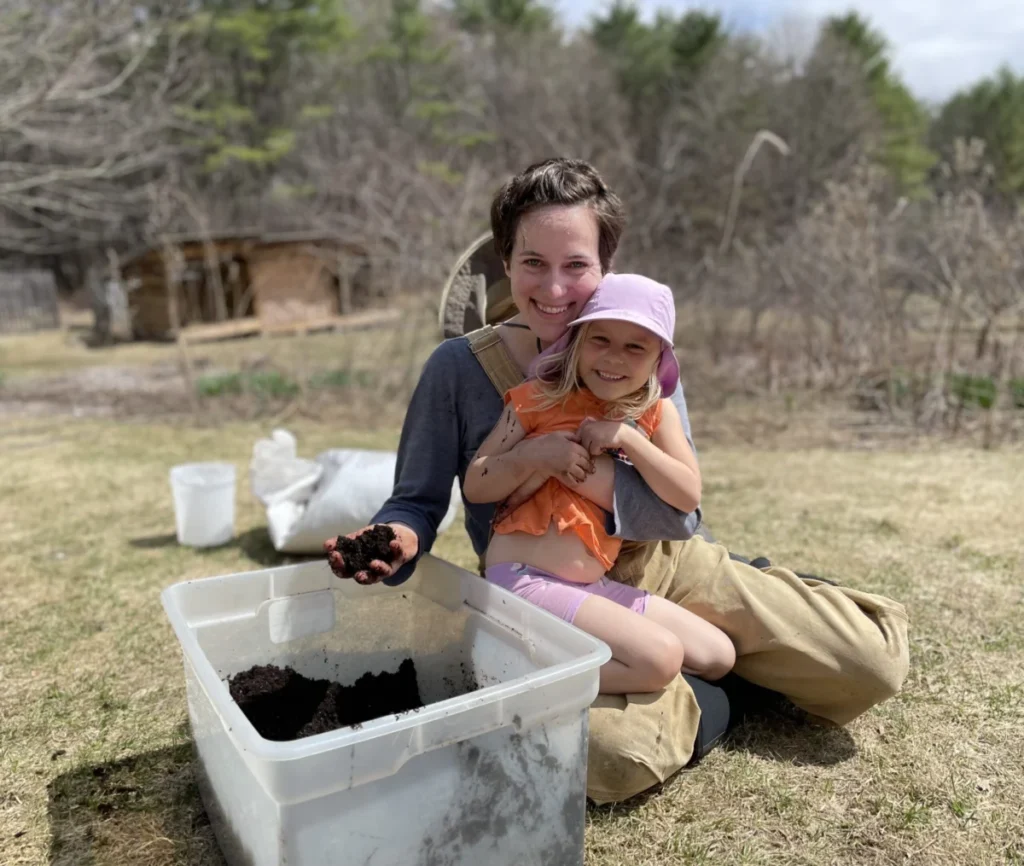
MONTPELIER, VT — Seven years after leaving the urban "rat race" for a 66-acre homestead in the woods of rural Vermont, the founders of the popular personal finance and lifestyle brand Frugalwoods have released a comprehensive retrospective on the realities of self-sufficiency. What began in May 2016 as an idyllic pursuit of total food independence has evolved into a nuanced lesson on the limits of human labor, the unpredictability of nature, and the psychological traps of productivity-obsessed culture.
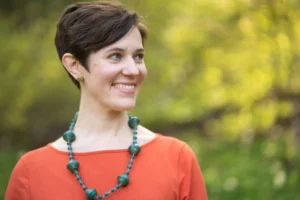
Elizabeth Willard Thames, known to her readers as Mrs. Frugalwoods, recently detailed the shift from "homesteading perfectionism" to a sustainable, balanced rural life. The findings offer a sobering look for the "Back-to-the-Land" movement, suggesting that the dream of growing 100% of one’s food may be less of a frugal triumph and more of a full-time logistical burden that mimics the very stress many urbanites flee.
Main Facts: The Transition from Urban Efficiency to Rural Reality
In 2016, Elizabeth and her husband, Nate, purchased a massive 66-acre plot in central Vermont. Their mission was clear: escape the "city rat race," eliminate external pressures, and live a life of modern-day sustainable, organic paradise. A cornerstone of this vision was the "gargantuan assumption" that they would grow, raise, and preserve all of their own food.
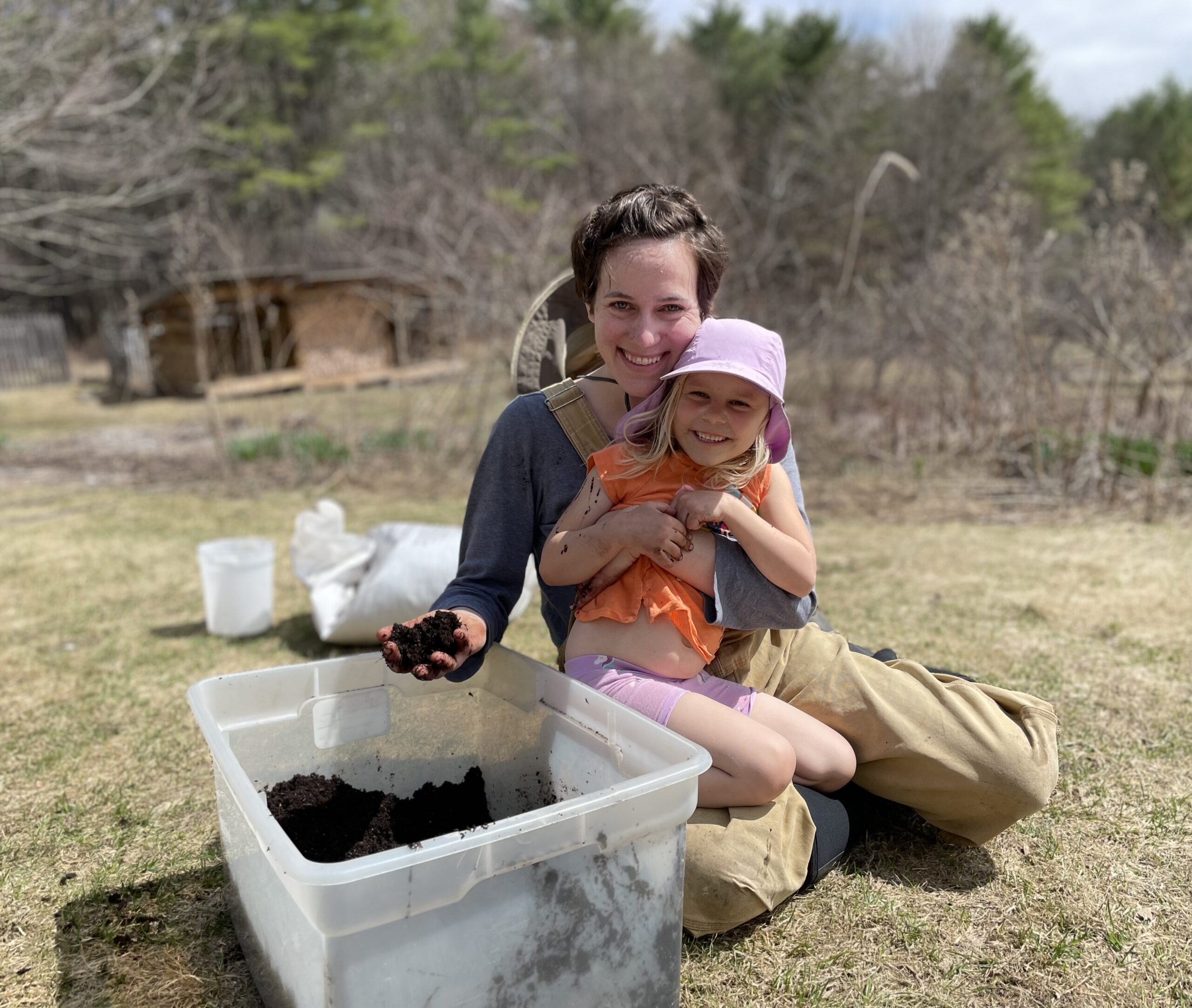
However, after seven years of trial and error, the Thames family has debunked their own initial aspirations. They have moved away from subsistence-level gardening, citing that the labor required to feed a family year-round is an "all-consuming, full-time job." Instead of total independence, they have embraced a "hybrid model" that involves growing what they enjoy and supporting local professional farmers for the rest.
The central takeaway of their seven-year journey is a rejection of the "perfect homesteader" archetype. "I’ve learned that chaining myself to my vegetable garden is really no different than chaining myself to my desk and computer," Elizabeth notes. This realization highlights a growing trend among modern homesteaders who find that the pressures of social media-driven "homesteading standards" can be just as taxing as corporate KPIs.

Chronology of a Paradigm Shift: 2016–2023
2016: The Arrival
The family moved to their homestead on May 18, 2016. The initial phase was defined by "preconceived notions" and "idyllic visions" influenced by 19th-century literature and modern organic movements. The focus was on infrastructure—learning the land, understanding the woodstove, and preparing the first garden plots.
2018: The "Kale and Chard Apocalypse"
The turning point for the family’s agricultural philosophy occurred two years in. In an attempt to maximize yield, they planted 80 kale and chard plants. The resulting harvest was overwhelming. Elizabeth describes days spent in a "rinsing station" comprised of a baby pool and giant plastic tubs. The sheer volume of produce required days of blanching, chopping, and freezing. Despite the monumental effort, much of the food eventually spoiled in the freezer, leading to a "demoralizing realization" about consumption rates versus production capacity.

2020: Infrastructure Refinement
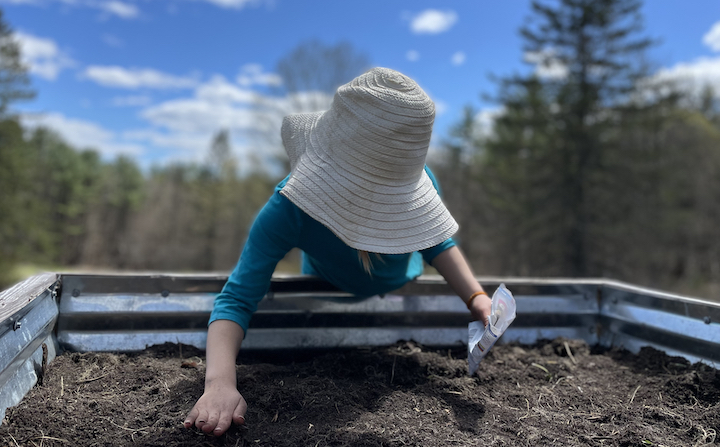
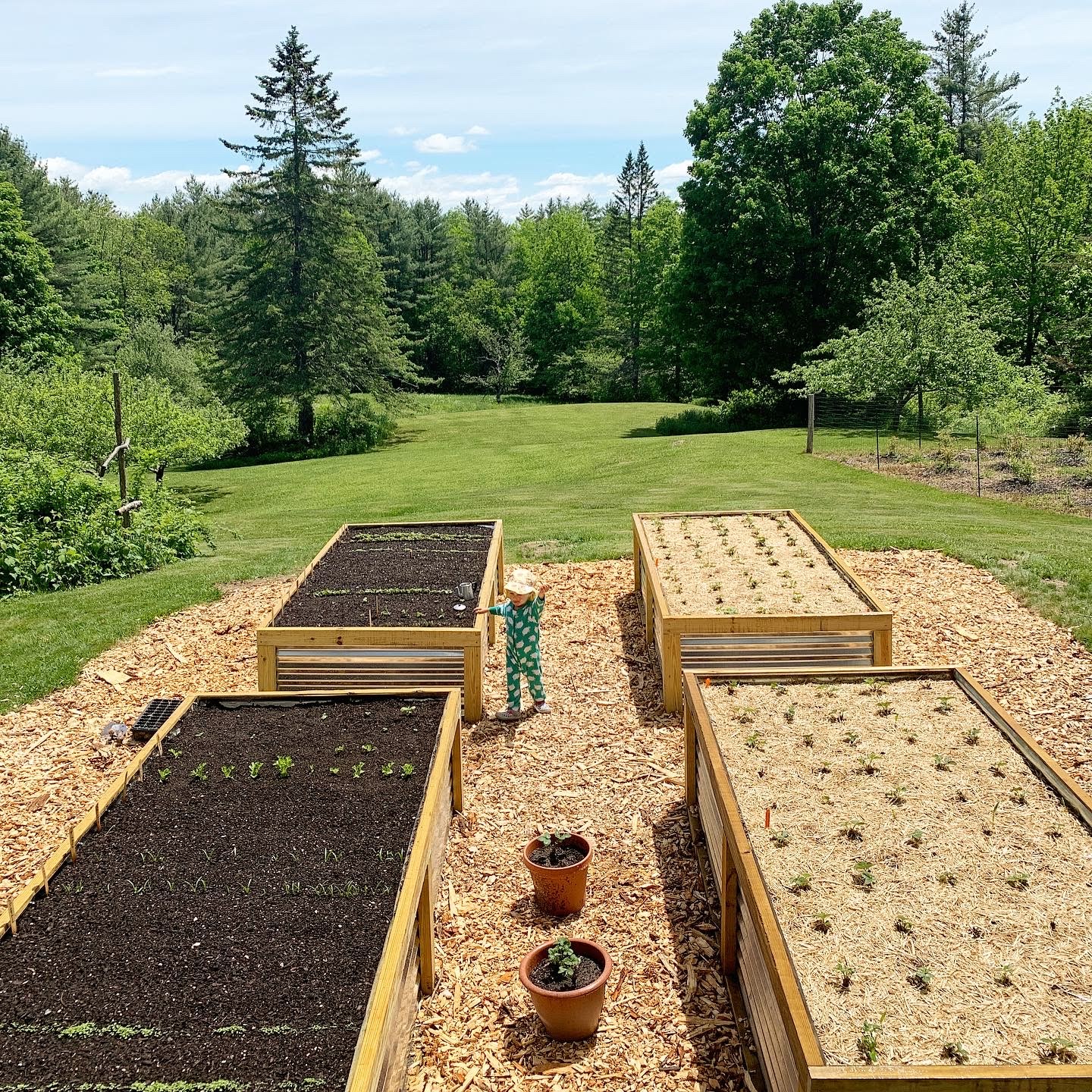
Recognizing that proximity to the house dictated the success of a garden, Nate built four large raised beds adjacent to the back porch. This move signaled a shift from "industrial-scale" gardening back to "accessible" gardening.
2023: The Acceptance Phase
Entering their seventh year, the family has reached a state of "homesteading acceptance." They have reduced their annual crop list to a manageable level, accepted the losses caused by local wildlife, and prioritized "joy, time, freedom, and space" over maximum caloric output.

Supporting Data: The Logistics of a 66-Acre Garden
The Thames’ current agricultural footprint is divided into three distinct zones, each with its own set of management challenges:
1. The Proximity Beds (Raised Beds)

- Location: Directly adjacent to the back porch.
- Contents: Two beds dedicated to strawberries; two beds for "cut-and-come-again" greens (lettuce, spinach, arugula) and herbs (parsley, sage, rosemary, thyme, chives).
- Strategy: Focus on high-rotation, fresh-consumption items that reduce grocery trips for perishables.
2. The "Big" Vegetable Garden
- Infrastructure: Fully fenced with cattle panels for vertical growth (tomatoes, snap peas).
- Contents: Annual vegetables including squash, beans, cucumbers, peppers, and pumpkins.
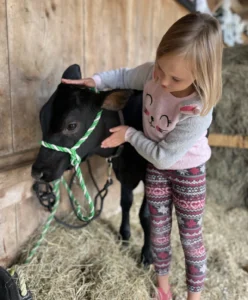
- Educational Component: Each child is allotted their own row to manage, teaching the mechanics of the food cycle without the pressure of survival.
3. The Perennial Orchard

- Inventory: 12 apple trees, 12 blueberry bushes, 4 plum trees, 4 cherry trees, 3 pear trees, 2 elderberry bushes, and various raspberries and asparagus.
- The Yield Gap: Despite the high number of plants, the family reports that actual yields are often low. Perennials like apple trees take approximately six years to reach production. Furthermore, the "Clever Varmint Patrol" (CVP)—local wildlife including turkeys, bears, and rodents—often harvests the fruit the moment it ripens.
The "Clever Varmint Patrol" and Environmental Hurdles
A significant portion of the Thames’ data centers on the "uncontrollables" of rural life. In New England, the agricultural success of a homestead is at the mercy of:
- Weather Extremes: Late spring frosts can kill blossoms on fruit trees, while early autumn frosts can end the growing season prematurely.
- Wildlife Competition: The family noted a specific incident where a flock of wild turkeys entered a fenced blueberry patch and became trapped, requiring manual herding to extract them.
- The Preservation Bottleneck: Professional-grade preservation (canning, pressing cider, freezing) requires industrial-scale time and equipment. Without a "work crew," the family found that the time cost of preserving every cucumber into a pickle outweighed the financial savings.
Official Responses and Expert Context
While the Thames’ account is personal, it aligns with broader agricultural and sociological observations in the Northeast.

Agricultural experts often point out that the "Back-to-the-Land" movements of the 1970s and the 2010s frequently underestimated the "labor-to-calorie" ratio. "Modern homesteading is often a hobby that people try to scale into a lifestyle," says one regional agricultural consultant. "The reality is that specialized farming—where one neighbor grows the beef and another grows the greens—is historically more efficient than the isolated, self-sufficient model."
Furthermore, the Thames’ decision to support neighboring farmers is seen by local economists as a "win-win." By purchasing from full-time farmers, homesteaders contribute to the local rural economy while freeing up their own time for other professional pursuits or family life.

Implications: Redefining the "Frugal" in Frugalwoods
The evolution of the Frugalwoods homestead has significant implications for the broader community of financial independence seekers and rural migrators.
1. The Myth of "Free" Food
The Thames’ experience proves that "home-grown" is rarely "free." When factoring in the cost of fencing, soil amendments, seeds, tools, and—most importantly—thousands of hours of labor, the price per pound of a homestead tomato often exceeds that of a store-bought organic one. The "frugality" of a garden, therefore, must be measured in psychological health and quality of life rather than just dollars and cents.
2. The Rejection of "Productivity Guilt"
Perhaps the most profound implication is the psychological shift. Elizabeth’s retrospective serves as a warning against "transplanting the stress and anxiety of an office job onto gardening." For those moving to the country to escape burnout, the pressure to be a "perfect homesteader" can lead to a new, more physically taxing form of burnout.
3. Sustainability Through Community
The Thames’ current model suggests that the most sustainable way to live rurally is through community integration rather than isolation. By "accepting" that they cannot do it all, they have found a balance that allows for the "joy and freedom" they originally sought.

Conclusion
As Elizabeth Willard Thames enters her eighth year on the Vermont land, her message to aspiring homesteaders is one of tempered expectations. The garden still grows, the kids still plant their rows, and the apple sauce is still canned—but only in "moderation."
The "Kale and Chard Apocalypse of 2018" remains a landmark in the family’s history—a reminder that in the woods, as in the city, the most valuable resource is not money or land, but time. For the Frugalwoods, the true success of their homesteading journey isn’t found in a full larder, but in the freedom to leave the garden behind for a day at the lake.