The Immediate Threat: How Unhealthy Meals Cripple Arteries, And How Exercise Can Offer a Timely Defense
Main Facts
A critical window of opportunity exists where physical activity can significantly counteract the acute damage inflicted upon our cardiovascular system by a single unhealthy meal. Emerging research underscores the rapid and profound impact that high-fat and high-sodium foods have on arterial function, potentially setting the stage for long-term heart disease. However, these studies also reveal that timely, moderate exercise can act as a potent mediator, protecting our vital blood vessels from immediate impairment. This insight highlights not only the pervasive dangers of modern dietary habits but also the remarkable resilience of the human body when given the right tools for recovery.
Chronology: The Rapid Deterioration of Vascular Health Post-Meal
The journey from a seemingly innocuous meal to impaired arterial function can be surprisingly swift, unfolding within hours of consumption. The immediate aftermath of indulging in foods rich in saturated fats and excessive sodium triggers a cascade of physiological responses that directly compromise the health and efficiency of our blood vessels.
The Immediate Aftermath: High-Fat Meals and Artery Function
Studies have meticulously documented the almost instantaneous detrimental effects of a single high-fat meal on arterial health. Prior research, for instance, has demonstrated that even one meal laden with saturated fat can impair the function of arteries in the arm, as measured by standard physiological assessments. However, the implications extend far beyond peripheral circulation, reaching the very core of our cardiovascular system: the heart’s own blood supply.
To investigate this critical aspect, researchers conducted a randomized controlled trial involving men. Participants were assigned to consume one of two distinct meals: a high-fat meal or a low-fat meal. The high-fat meal was meticulously designed to mimic typical unhealthy Western fare, deriving over 60% of its calories from fat, with half of that being saturated fat, and containing cholesterol equivalent to more than one egg. In stark contrast, the low-fat meal was predominantly carbohydrate-based, with less than 10% fat and a staggering 50-fold reduction in cholesterol content. Both meals were calorie-matched to ensure that the observed effects were attributable to macronutrient composition rather than caloric intake.
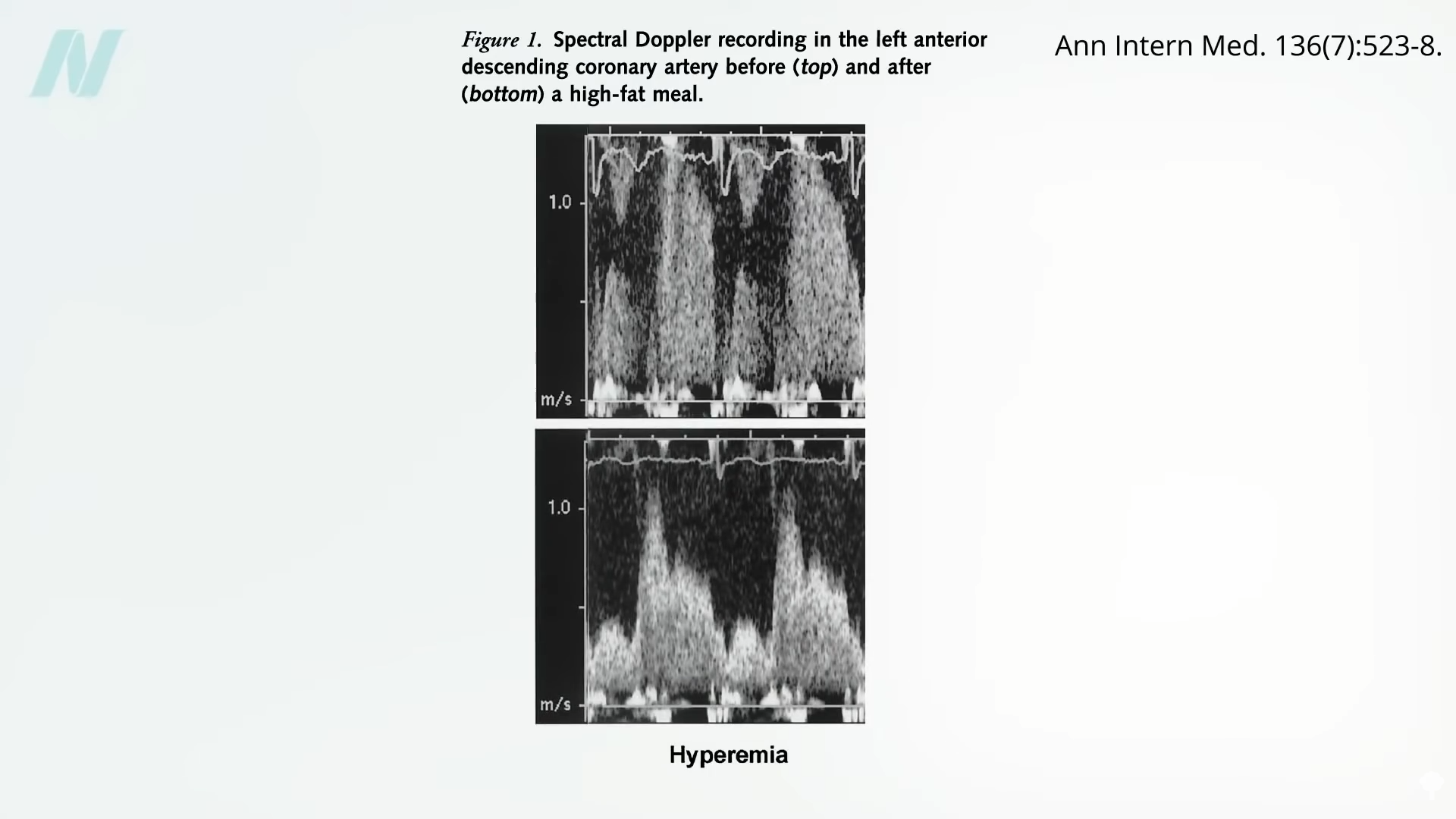
The findings were unequivocal. Within hours of consuming the high-fat meal, a noticeable impairment in arterial function was observed. Specifically, the blood flow to the wall of the heart itself, a measure of paramount importance for cardiac health, was significantly compromised.
Visualizing the Damage: Doppler Readings and Retinal Changes
The impact of these dietary choices can be visualized with striking clarity through advanced diagnostic tools. Doppler recordings of the left anterior descending coronary artery – colloquially known as the "widow-maker" due to its critical role in supplying blood to the heart and the severe consequences of its blockage – provide compelling evidence. Before the high-fat meal, a robust and strong signal indicating healthy blood flow is typically observed. However, just hours after consumption, this vital signal is visibly squeezed down, indicating reduced blood flow and compromised arterial integrity. Images taken five hours post-meal graphically illustrate this constriction, underscoring the rapid physiological shift.
This acute reduction in blood flow is reflected in what is known as the "coronary flow reserve." To understand this crucial concept, imagine the heart’s arteries as a network of pipes. When a part of this network becomes blocked, surrounding vessels have an inherent capacity to expand and reroute blood flow, acting as a compensatory mechanism to ensure the heart muscle continues to receive adequate oxygen and nutrients. This extra expansion capacity is precisely what constitutes the coronary flow reserve. The studies revealed that after a single high-fat meal, this critical reserve is significantly clamped down, impairing the heart’s ability to compensate for any existing or potential blockages. In essence, the heart’s safety net is undermined, leaving it more vulnerable. Crucially, this impairment was observed only after the high-fat meal, not the calorie-matched low-fat alternative.

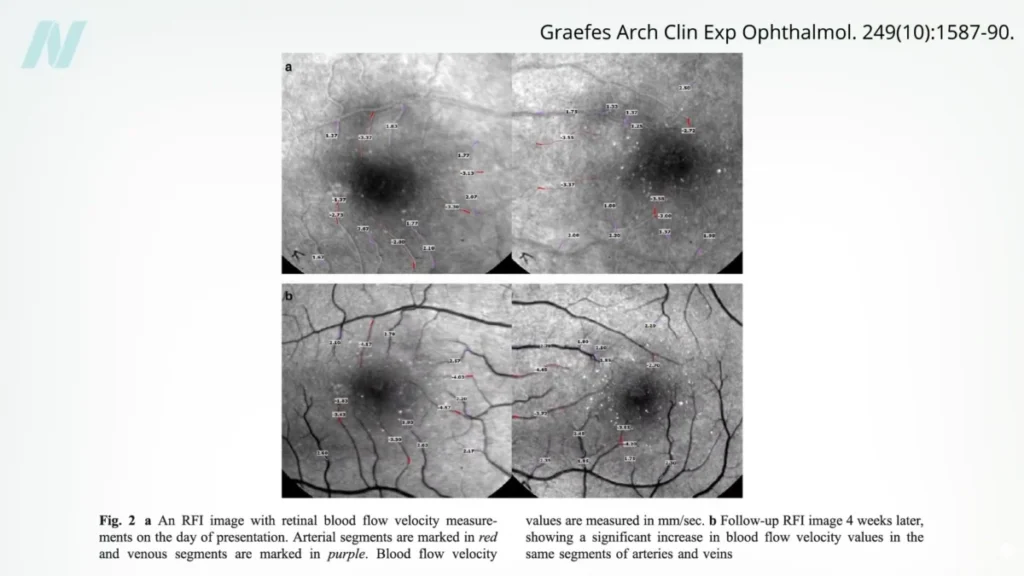
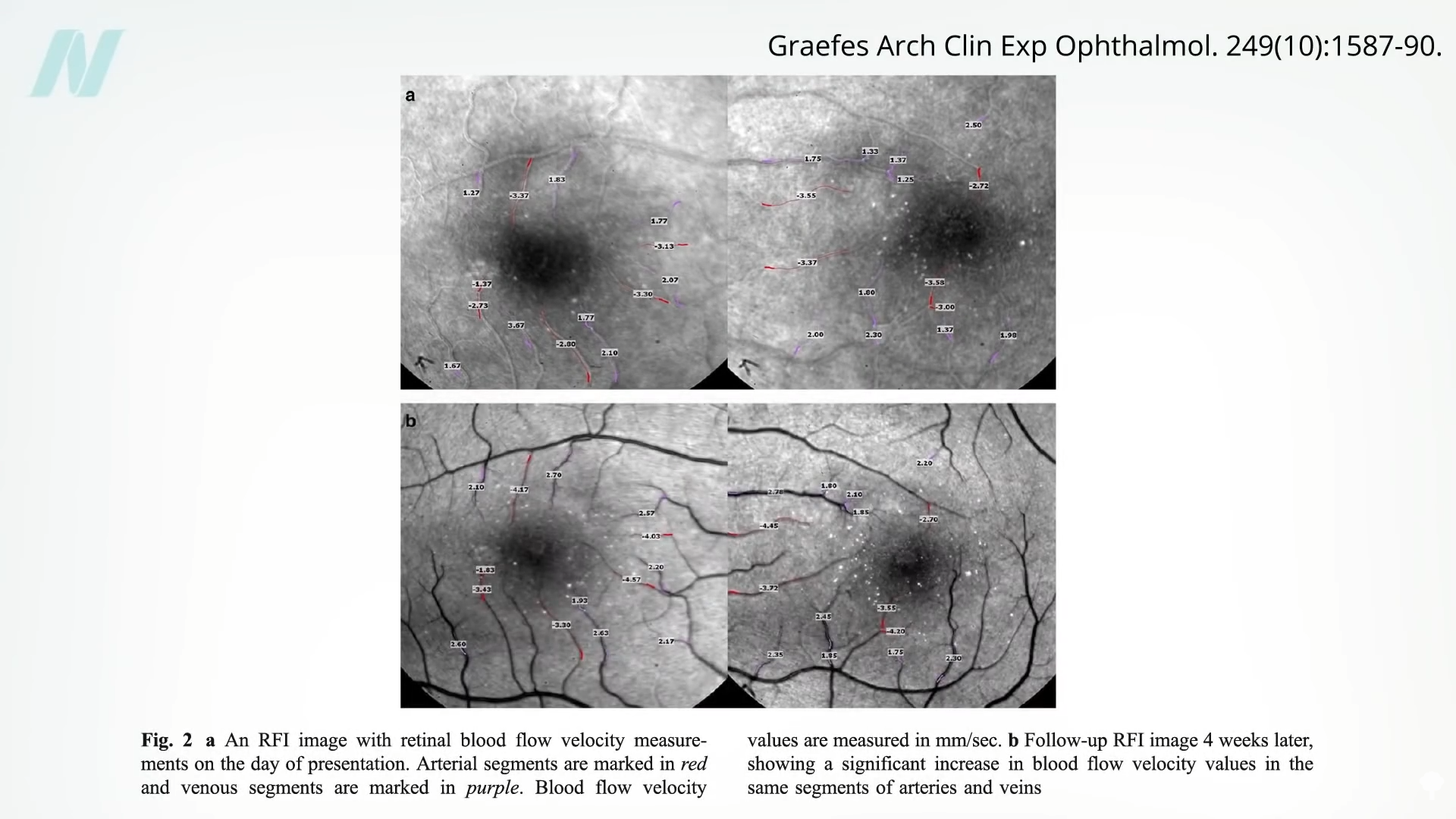
The systemic effects of these dietary choices can even manifest in unexpected parts of the body, offering a visible testament to the widespread vascular impact. In extreme cases, the changes can be witnessed in the retina at the back of the eye. Before-and-after images of the retina in affected individuals dramatically illustrate the transformation. Initially, the blood vessels may appear milky or opaque, a visual representation of fat globules circulating in the bloodstream, making the blood resemble a "milkshake." Following a regimen of a low-fat diet and appropriate medication to clear the fat from the bloodstream, the vessels regain their clarity, showcasing the direct link between dietary fat and vascular appearance.
The Sodium Factor: Impairing Arteries Beyond Blood Pressure
Beyond the concerns of saturated fats, another pervasive culprit in modern diets, sodium, exerts its own detrimental effects on arterial health, often independent of its well-known impact on blood pressure. A typical fast-food breakfast, for instance, can contain over 2,000 mg of sodium, far exceeding the American Heart Association’s recommended daily limit of 1,500 mg for most adults.
Research demonstrates that even a single meal with less salt – as much as a third less than a high-sodium meal – can still impair artery function within an hour of consumption. This impairment occurs regardless of whether the individual experiences an increase in blood pressure.
The conventional wisdom often categorizes individuals as "salt-sensitive" or "salt-resistant," based on how significantly their blood pressure responds to salt intake. While salt-sensitive individuals experience a notable spike in blood pressure with higher sodium consumption, salt-resistant individuals are thought to be less affected. However, a critical distinction emerges when considering arterial function. Studies conclusively show that high dietary sodium intake reduces artery function across the board, irrespective of an individual’s blood pressure sensitivity to salt. Whether one is salt-sensitive or salt-resistant, transitioning from a low-salt diet to a high-salt diet impairs arterial function. This highlights a nuanced understanding: while blood pressure is a significant metric, it does not fully encapsulate the systemic damage that excessive sodium inflicts upon the vascular system. The influence of dietary salt extends beyond mere blood pressure regulation, directly affecting the elasticity and responsiveness of our blood vessels.
Despite what some researchers, often with ties to the salt industry, might claim regarding the benefits of not cutting down on salt, the overwhelming scientific consensus remains firm. Just like saturated fat found in meat, dairy, and ultra-processed junk foods, sodium itself – not sodium reduction – stands as "the real villain" when it comes to cardiovascular health.
Supporting Data: The Science Behind the Damage and the Defense
The evidence base supporting these claims is robust, built upon numerous studies employing rigorous scientific methodologies. These investigations not only pinpoint the mechanisms of damage but also illuminate the pathways through which intervention, particularly exercise, can mitigate harm.
Exercise as a Post-Meal Antidote: Clearing Fatty Blood
Post-meal inflammation and the prolonged elevation of fats (lipids) in the blood, a condition known as postprandial lipemia, are widely recognized as significant contributors to increased cardiovascular disease risk. The body’s inability to efficiently clear these fats after a high-fat meal creates an environment conducive to arterial damage. However, substantial evidence suggests that acute exercise offers an effective strategy to accelerate the clearance of these harmful fats from the bloodstream.
The beneficial effects of acute exercise on postprandial lipemia, while potent, appear to be relatively short-lived. This underscores the importance of consistent physical activity. Going even a few days without exercising can completely negate any accrued benefits, regardless of an individual’s baseline fitness level. The timing of this exercise is also crucial. The optimal window for intervention appears to span from approximately 18 hours before the high-fat meal to around 90 minutes after consumption. In terms of intensity and duration, about an hour of moderate-intensity exercise has been shown to be effective in clearing some of that post-meal fat.
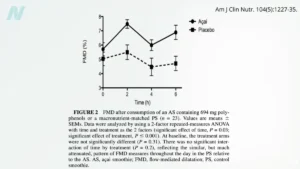
One compelling study provided a practical demonstration of this protective effect. Participants consumed a notoriously unhealthy fast-food breakfast, comprising hash browns, eggs, pancakes, an English muffin, sausage, and a milkshake – a meal designed to induce significant vascular stress. Following this meal, artery function significantly decreased in subjects who remained sedentary. However, in a contrasting group, subjects engaged in a regimen of 20 minutes of stair climbing, broken into five-minute intervals every hour for four hours after eating. The results were striking: artery function did not decline in the group that performed the hourly stair-climbing exercises.
This study vividly illustrates that incorporating brief, hourly bouts of exercise can attenuate the negative effects not only of prolonged sitting but also of consuming a high-fat meal. Researchers concluded that "stair climbing should be incorporated as an easily accessible lifestyle strategy to protect vascular [artery] function." While this offers a valuable mitigation strategy, the most effective defense, as the article subtly reminds us, is to avoid such artery-damaging meals in the first place.
The Nuance of Sodium: Beyond Blood Pressure
The scientific inquiry into sodium’s effects has moved beyond the simplistic view of blood pressure alone. Research published in reputable journals, like that cited in the original article, rigorously demonstrates that high dietary sodium intake directly impairs endothelial function – the health and responsiveness of the inner lining of blood vessels. This impairment can lead to increased stiffness of the arteries, reduced nitric oxide availability (a key molecule for vascular relaxation), and heightened oxidative stress, all of which contribute to the progression of atherosclerosis and other cardiovascular diseases.
The visual evidence provided in the video, showing impaired artery function when transitioning from a low-salt to a high-salt diet, further reinforces these findings. It illustrates that even for individuals considered "salt-resistant" in terms of blood pressure, the arteries themselves are not immune to the deleterious effects of excessive sodium. This provides a critical, often overlooked, dimension to the public health message surrounding sodium reduction.
Official Responses and Expert Consensus
The scientific community and major health organizations largely align on the dangers of excessive dietary fat and sodium, and the benefits of regular physical activity.
The American Heart Association and Sodium Guidelines
Organizations like the American Heart Association (AHA) have long advocated for significant reductions in dietary sodium intake. Their recommendation of staying under 1,500 mg of sodium per day for most adults is a testament to the overwhelming evidence linking high sodium to adverse cardiovascular outcomes. These guidelines are not arbitrary; they are meticulously crafted based on extensive epidemiological studies, clinical trials, and mechanistic research that collectively point to sodium as a critical determinant of cardiovascular health.
Debunking Industry-Funded Dissent
Despite this broad consensus, there remains a persistent undercurrent of dissent, often fueled by commercial interests. The article highlights that "some researchers (too often funded by the salt industry) claim that it’s actually not good to cut down on salt." This points to a recurring challenge in public health messaging: the influence of industry funding on scientific discourse. While scientific debate is crucial, it becomes problematic when financial ties skew research interpretations or promote narratives that contradict the majority of independent, peer-reviewed evidence. The phrase "seemingly unanimous consensus" implies that while the scientific community generally agrees, these industry-backed claims create noise and confusion, potentially undermining public health efforts.
The definitive statement that "the science indicates that sodium – not sodium reduction – is ‘the real villain’" serves as a clear rebuttal to these dissenting voices, firmly anchoring the argument in the weight of independent scientific evidence. This is analogous to the long-standing efforts to counter misinformation surrounding saturated fats and their role in heart disease.
Implications: From Acute Damage to Chronic Disease Prevention
The acute effects of unhealthy meals and the protective role of exercise carry profound implications for individual health and public health policy. Understanding these immediate impacts allows for a more proactive and nuanced approach to preventing chronic diseases.
Connecting Acute Impairment to Chronic Disease
The temporary clamping down of coronary flow reserve, the rapid impairment of artery function, and the prolonged presence of fats in the bloodstream after an unhealthy meal are not isolated incidents without long-term consequences. These acute responses are considered critical precursors and contributors to the development and progression of chronic cardiovascular diseases, including atherosclerosis (the hardening and narrowing of arteries), coronary artery disease, heart attacks, and strokes. Each instance of acute vascular impairment, particularly when repeated frequently due to habitual unhealthy eating, can contribute to cumulative damage, leading to structural and functional changes in the arteries over time. The endothelial dysfunction observed acutely can become chronic, perpetuating a cycle of inflammation and damage that ultimately culminates in overt disease.
Therefore, mitigating these immediate post-meal effects is not merely about short-term well-being; it is a vital strategy for preventing the onset and progression of life-threatening conditions.
Practical Strategies for a Healthier Lifestyle
The findings presented offer clear, actionable advice for individuals seeking to protect their cardiovascular health:
- Prioritize Whole, Plant-Based Foods: The most effective strategy remains prevention. Opting for meals rich in whole, unprocessed plant foods – fruits, vegetables, legumes, and whole grains – naturally minimizes intake of saturated fats and excessive sodium, thereby safeguarding arterial function from the outset. This dietary pattern is inherently low in the "villains" identified by research and rich in protective nutrients, fiber, and antioxidants.
- Be Mindful of Sodium and Saturated Fat: Consciously reduce consumption of highly processed foods, fast food, and restaurant meals, which are often hidden sources of excessive sodium and unhealthy fats. Reading food labels and preparing meals at home offer greater control over ingredients.
- Embrace Regular Physical Activity: Beyond structured workouts, integrate movement throughout the day. The studies show that even short, frequent bursts of activity, like stair climbing, can be beneficial. Aim for at least 30-60 minutes of moderate-intensity exercise most days of the week, but recognize that even smaller, consistent efforts can contribute to vascular health.
- Strategic Timing of Exercise: If an unhealthy meal is unavoidable, consider the timing of your physical activity. Exercising within the 18-hour window before the meal and up to 90 minutes afterward can help mitigate some of the immediate damage. This isn’t an excuse to eat unhealthily, but rather a harm-reduction strategy.
- Understand Your Body’s Response: Recognize that even if you are "salt-resistant" in terms of blood pressure, your arteries are still vulnerable to sodium’s negative effects. This broader understanding encourages a more holistic approach to dietary choices.
In conclusion, the intricate dance between diet, exercise, and cardiovascular health is more immediate and profound than often perceived. While the allure of convenience and taste in modern diets can be strong, the scientific evidence provides a stark reminder of their rapid impact on our most vital vessels. Fortunately, it also offers a powerful antidote: the simple, accessible act of physical activity, which, when strategically employed, can serve as a critical defense against the silent, insidious damage that begins long before chronic disease takes hold. The ultimate message is clear: vigilance in both dietary choices and activity levels is paramount for protecting the longevity and vitality of our hearts and arteries.