The Art of the Reduction: Mastering Homemade Pumpkin Butter for Seasonal Baking and Beyond
As the autumn air turns crisp and the culinary world turns its attention toward the earthy, comforting flavors of the harvest, one ingredient stands out as a versatile powerhouse: pumpkin butter. While many home cooks are accustomed to the standard canned pumpkin puree, seasoned bakers and culinary enthusiasts are increasingly turning to a concentrated, stove-top reduction known as pumpkin butter.
This transformation of simple pumpkin puree into a velvety, spiced spread is more than just a seasonal indulgence; it is a masterclass in moisture control and flavor intensification. By slowly reducing pumpkin puree with warm spices, maple syrup, and apple cider, cooks can create a product that elevates everything from morning toast to complex holiday pastries.
The Science of Flavor Concentration: Why Reduction Matters
At its core, pumpkin butter is the result of removing excess water from pumpkin puree. Standard canned pumpkin is inherently high in moisture, which provides volume but can compromise the structural integrity of delicate baked goods. When you add standard puree to a recipe, you are often inadvertently adding too much water, which can lead to cakes that are overly soft, soggy, or excessively "puffy."
By simmering the puree on the stove, you are effectively performing a controlled reduction. This process serves three primary functions:
- Flavor Density: As the water evaporates, the natural sugars and earthy compounds of the pumpkin become more concentrated, yielding a much deeper, more robust flavor profile.
- Structural Integrity: Reducing the moisture content allows the pumpkin to be incorporated into doughs, batters, and fillings without destabilizing the crumb or texture.
- Texture Refinement: The long, slow cooking process creates a smooth, spreadable consistency that mimics high-end fruit preserves, making it an ideal condiment.
A Chronological Guide to Crafting the Perfect Batch
Creating high-quality pumpkin butter at home is a process that rewards patience and attention to detail. The following timeline outlines the professional approach to achieving the perfect consistency.
Phase 1: Preparation and Initial Emulsion
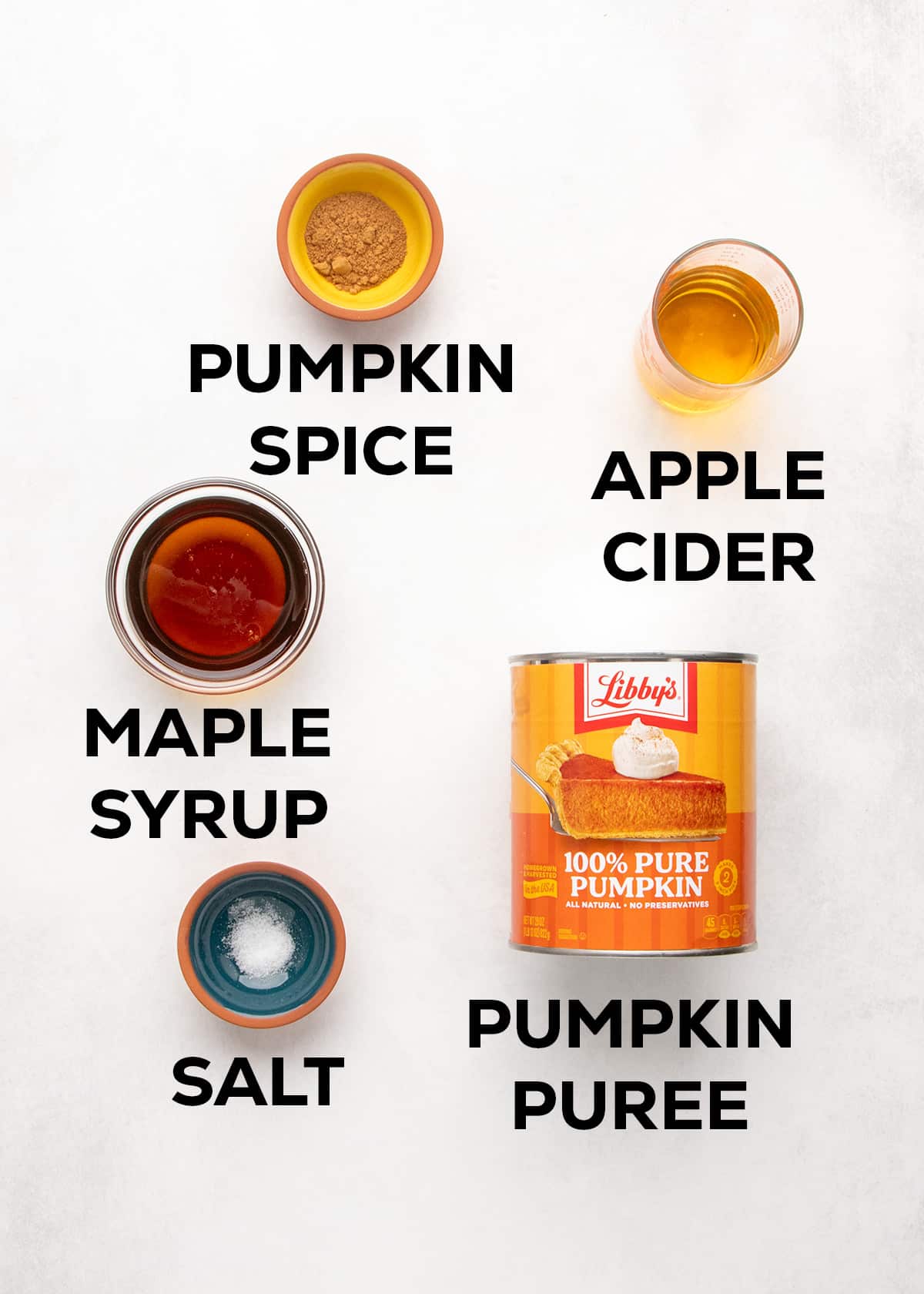
The process begins by combining pumpkin puree, high-quality maple syrup, apple cider (or juice), aromatic pumpkin spice, and a pinch of salt in a heavy-bottomed pan. A heavy-bottomed vessel is crucial; it distributes heat evenly, preventing localized hot spots that could result in bitter, burnt flavors. Stirring is essential during this phase to ensure that the spice blend is fully integrated, creating a uniform flavor profile.
Phase 2: The Initial Simmer
Cooking the mixture over medium-low heat for the first 15 minutes initiates the reduction. At this stage, the goal is to evaporate roughly half of the targeted moisture. It is a time for vigilance; the mixture will begin to bubble and potentially "spurt." Utilizing a large-capacity pot helps contain the mess and ensures that the steam can escape efficiently.
Phase 3: The Refinement Stage
For those who prefer a sweeter, more dessert-forward profile, this is the window to introduce brown sugar. Adding the sugar toward the end of the cooking process—rather than at the start—significantly reduces the risk of caramelization or burning, which can occur if the sugars are exposed to high heat for too long. Depending on the desired thickness, continue cooking for an additional 5 to 15 minutes.
Phase 4: Determining the End-Use
The final texture of your pumpkin butter depends entirely on how you intend to use it.
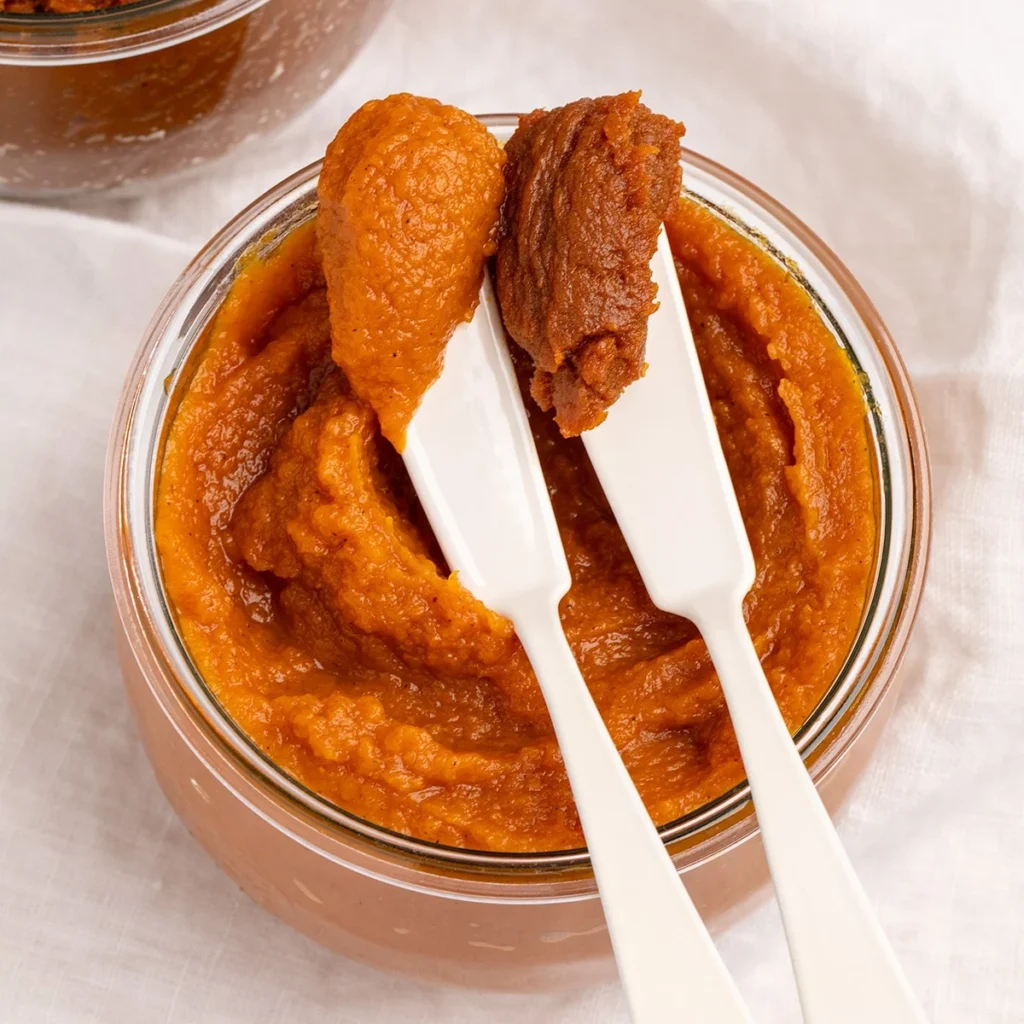
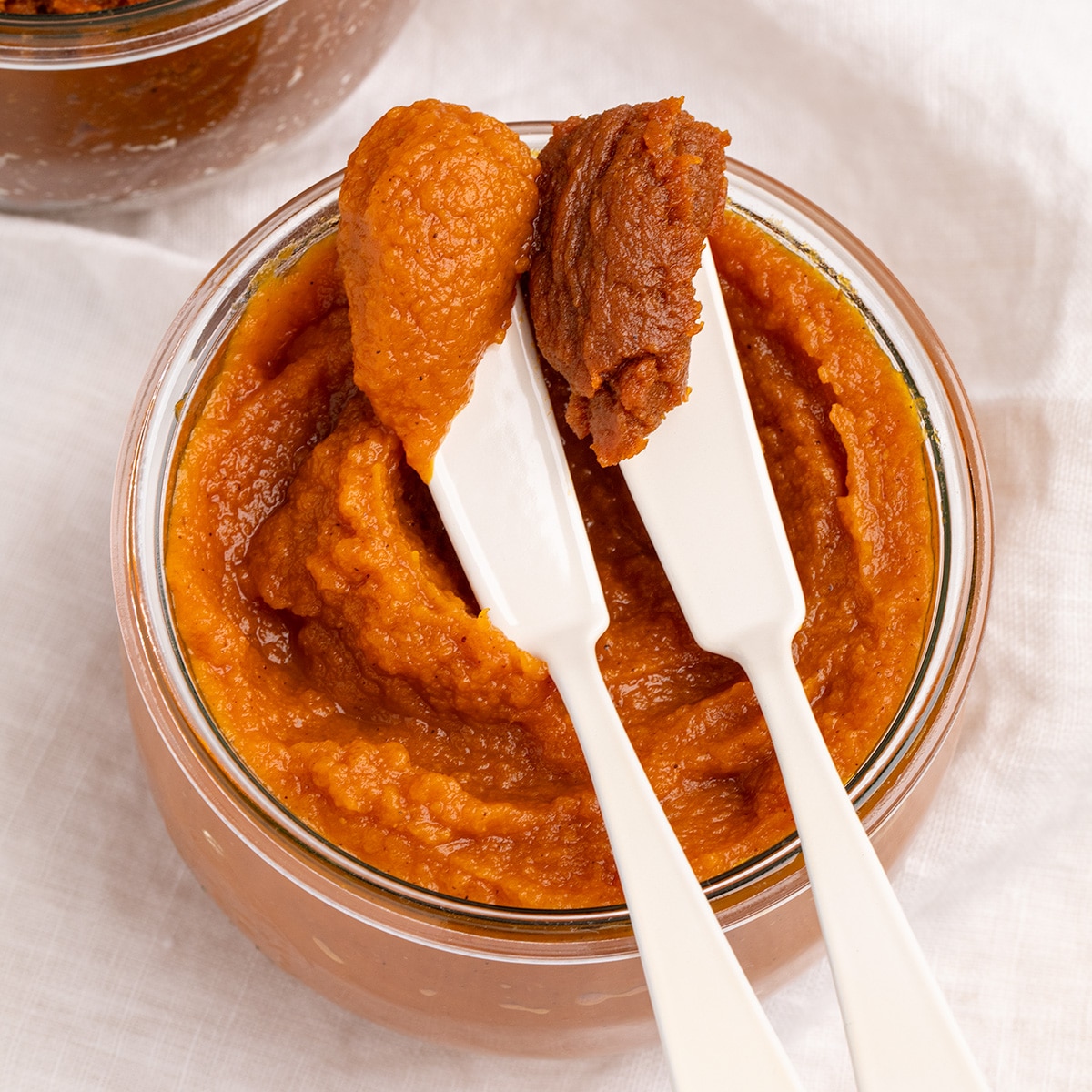
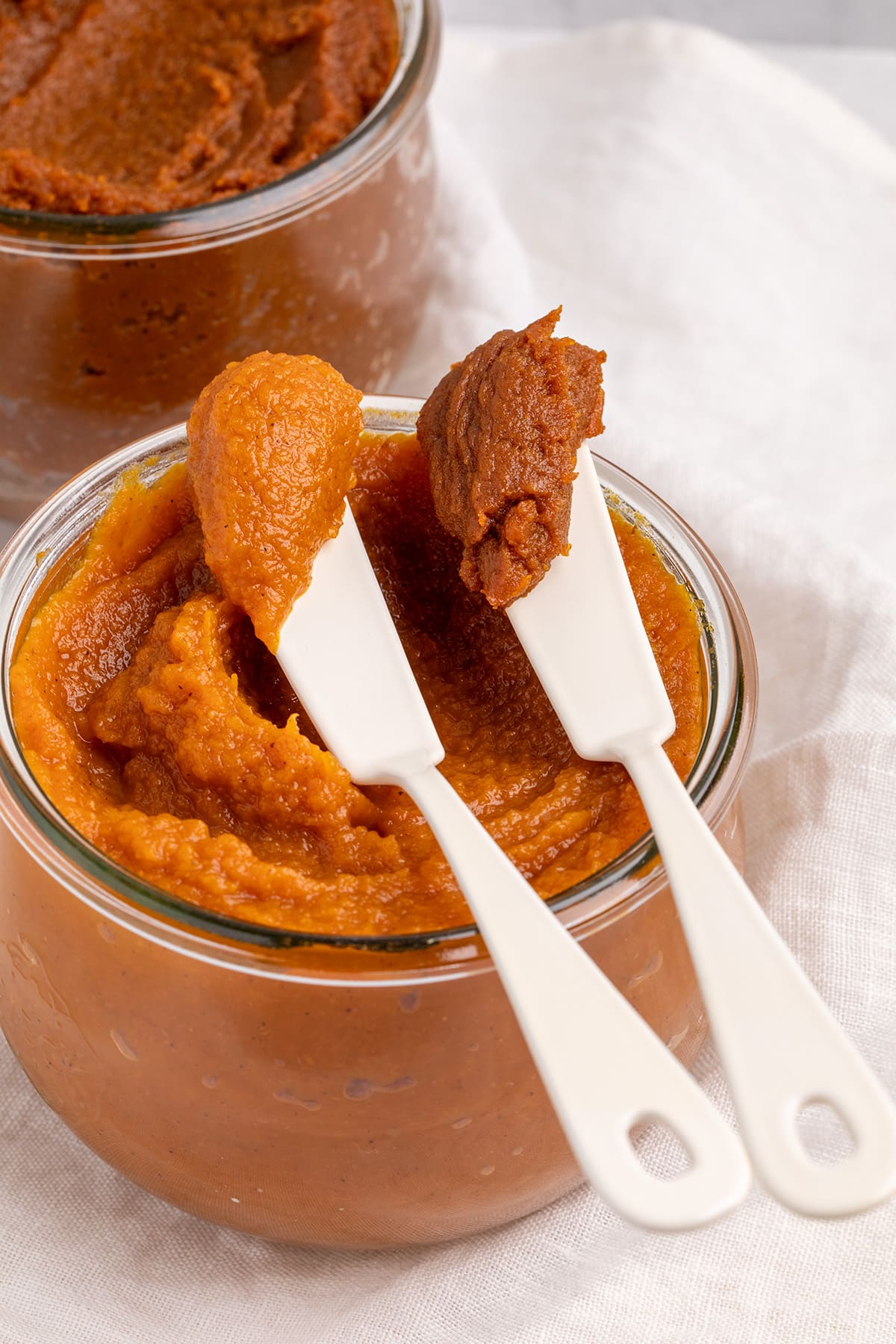
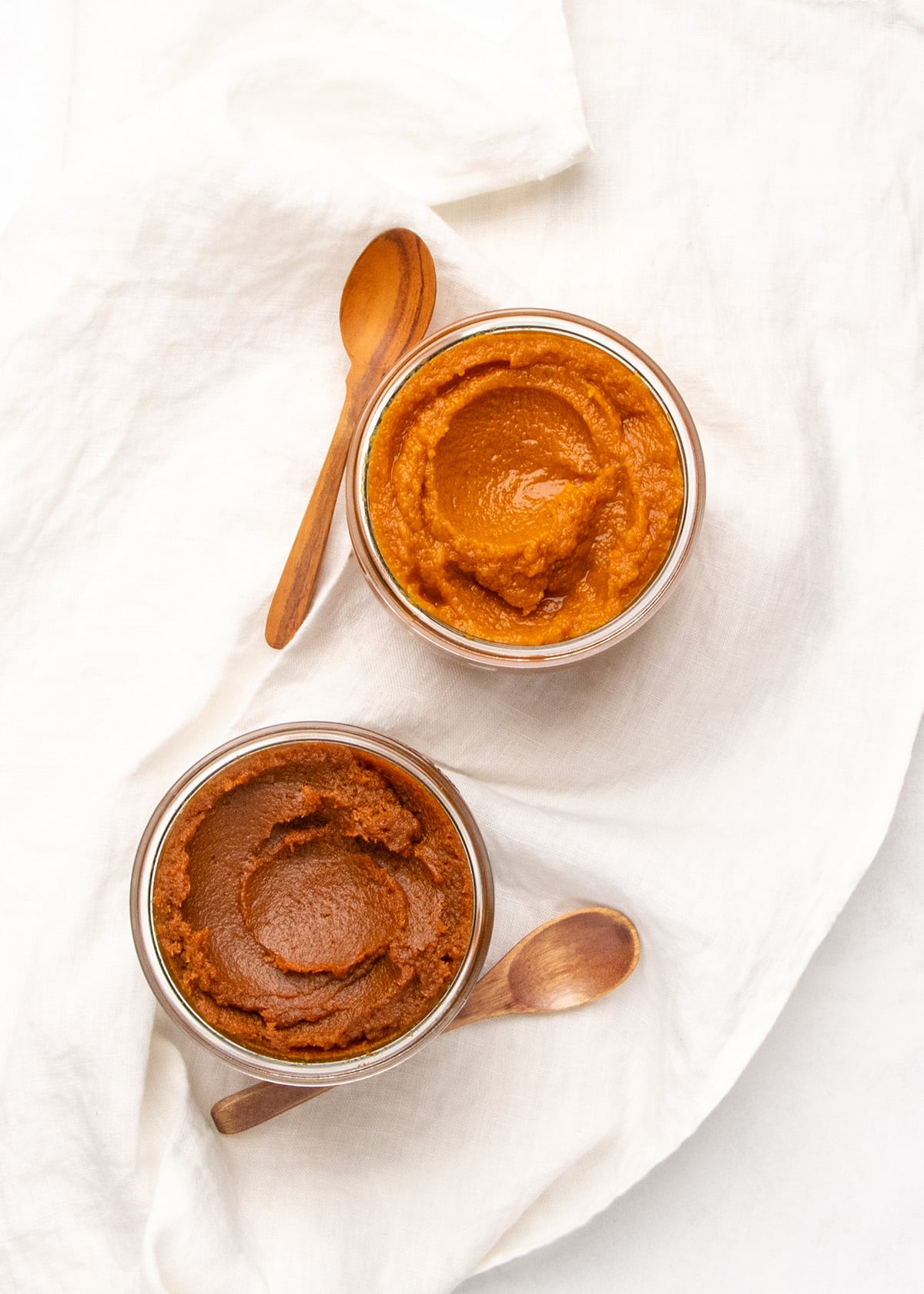
- For Condiments: Stop the reduction when the mixture still retains a slight sheen and a spreadable, jam-like consistency. If the result is too thick or leans toward bitter, a slow whisking of a small amount of apple cider can restore the balance.
- For Baking: Continue to cook until the moisture is almost entirely gone, resulting in a dark, rich orange-brown paste. This concentrated form is ideal for replacing wet ingredients in baking, as it provides maximum flavor without compromising the "bake" of the finished product.
The Whole-Pumpkin Alternative
For the purist, starting with a whole sugar pumpkin is the gold standard. During the autumn season, these small, dense pumpkins are both economical and superior in flavor to large, watery carving pumpkins.
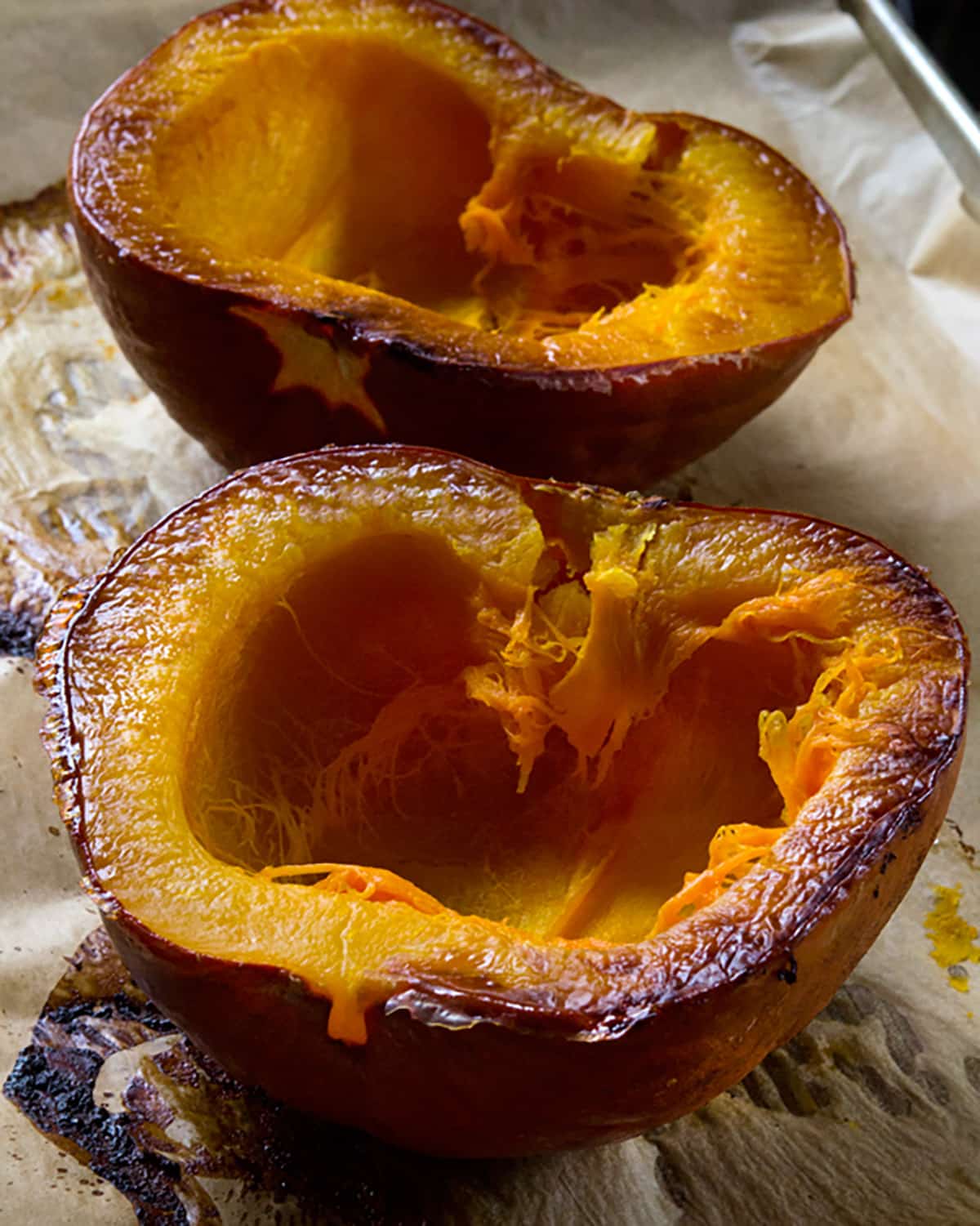
The procedure is straightforward: pierce the skin, halve the pumpkin, and roast it cut-side down until tender. Once cooled, the flesh can be processed into a smooth puree. An added benefit of this approach is the opportunity to reclaim the seeds. Properly cleaned, dried, and toasted with kosher salt in a dry cast-iron skillet, they provide a nutritious, crunchy snack that perfectly complements the soft, sweet notes of the butter.
Ingredient Substitutions and Culinary Adaptations
Flexibility is a hallmark of this recipe. While the classic profile relies on pumpkin, maple, and cider, substitutions can be made based on availability and preference.
- Squash Varieties: If pumpkin is unavailable, kabocha squash is an excellent substitute due to its naturally sweet, fragrant, and starchy flesh. Butternut squash is a viable secondary choice, though it may result in a lighter color profile. Acorn and spaghetti squashes are generally discouraged due to their high water content and lack of depth.
- Sweeteners: While maple syrup is preferred for its complexity, honey can be used, though it requires an adjustment in volume—usually three tablespoons per quarter-cup of syrup—and an increase in cider to maintain proper consistency.
- Acidity: Apple cider is the traditional acidic component, providing a crisp brightness. However, pineapple juice offers a more complex, slightly more acidic profile that pairs beautifully with the warm spices. White grape juice serves as a neutral alternative for those who prefer a less aggressive flavor.
Culinary Implications: Elevating Your Baking
Once you have produced your pumpkin butter, the culinary applications are vast. Integrating this ingredient into your repertoire can transform standard recipes into seasonal showstoppers:
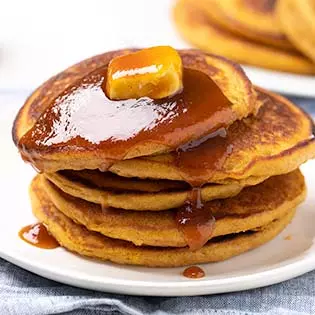
- Gluten-Free Pumpkin Pancakes: Replacing standard moisture sources with 5 ounces of concentrated pumpkin butter adds a depth of flavor that is difficult to achieve with raw puree, all while maintaining a light, fluffy texture.
- Pumpkin Cornbread: The addition of 6 ounces of pumpkin butter creates a moist, tender crumb that pairs perfectly with chili or a simple pat of butter.
- Pastry and Scones: Using pumpkin butter in scones allows for the creation of a rich, pastry-like texture that remains stable during the baking process, preventing the "soggy middle" often associated with pumpkin-based pastries.
- Cinnamon Rolls: The richness of the butter allows for a concentrated flavor injection in the filling of cinnamon rolls, providing a luxurious mouthfeel without the excess moisture that usually plagues yeast-based pumpkin doughs.
Storage and Safety Protocols
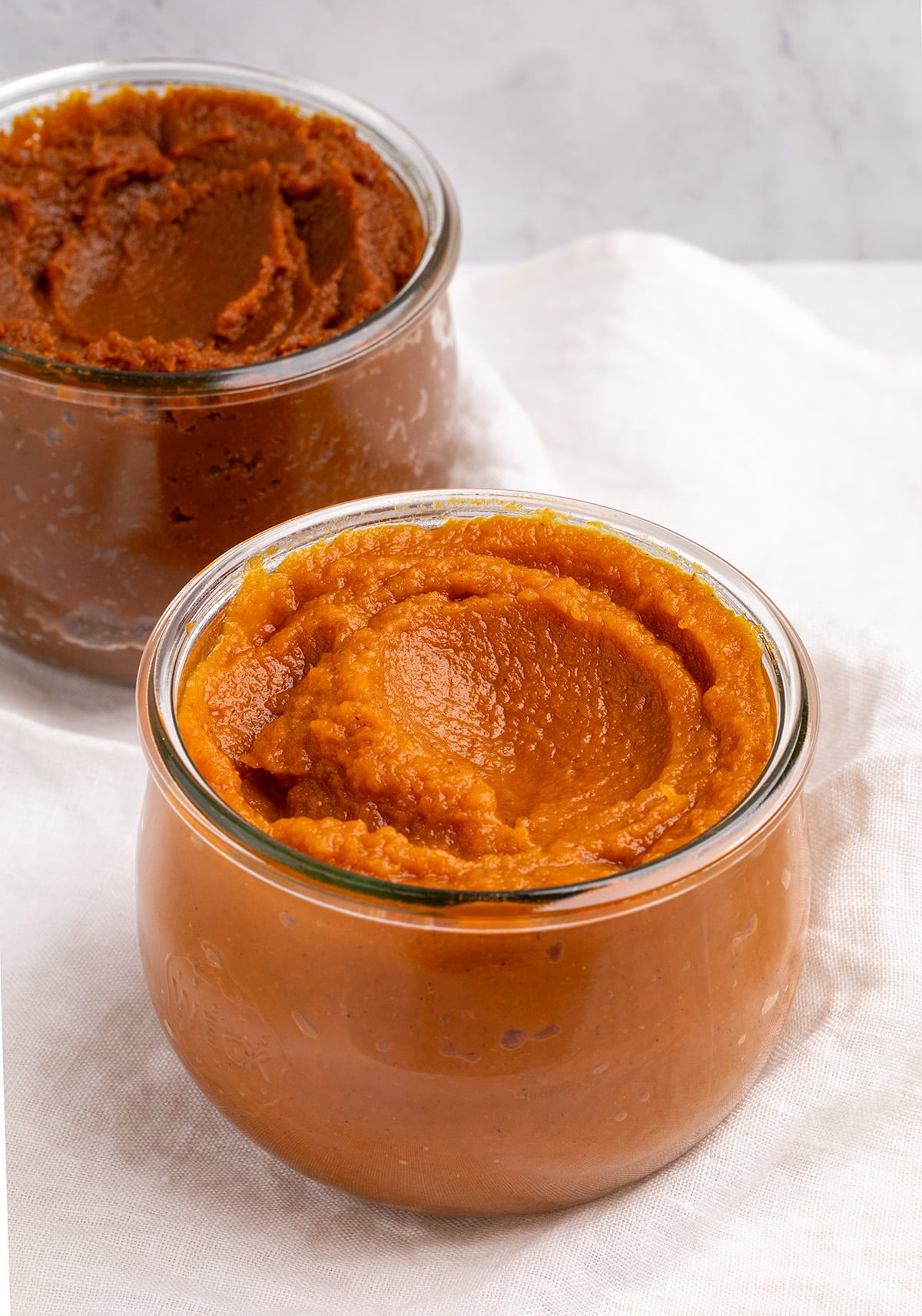
Homemade pumpkin butter, by virtue of its sugar content and reduced moisture, has a respectable shelf life when handled correctly. In a sealed, refrigerated glass container, it will remain fresh for approximately two weeks.
For long-term storage, freezing is the recommended method. Professional bakers often utilize ice cube trays to portion the butter, transferring the frozen cubes into airtight freezer-safe bags. This allows for precise measurement when the time comes to bake.
A Critical Note on Canning
It is imperative to note that homemade pumpkin butter should not be canned for shelf-stability. Because pumpkin is a low-acid food, it creates an environment where Clostridium botulinum—the bacteria responsible for botulism—can thrive. Unless one has access to a professional-grade pressure canner and adheres to strict, validated laboratory recipes, it is significantly safer to store the product in the refrigerator or freezer.

Conclusion
Pumpkin butter is more than a mere seasonal trend; it is a fundamental tool for the serious baker. By mastering the art of the reduction, you unlock the ability to harness the full, concentrated potential of the pumpkin, ensuring that your autumn-inspired creations are defined by their depth of flavor, perfect texture, and professional quality. Whether you are spreading it on a warm slice of sourdough or incorporating it into a complex pastry, the effort put into a well-crafted reduction is always evident on the palate.