The Hidden Cost of Convenience: Ultra-Processed Foods and the Unseen Health Crisis
Main Facts
A groundbreaking randomized controlled trial has delivered a stark warning about the pervasive impact of ultra-processed foods (UPFs) on human health. For the first time, researchers meticulously matched diets for calories, sugar, fat, and fiber content, yet found that individuals consuming ultra-processed meals spontaneously ate significantly more, leading to measurable weight gain. This pivotal study challenges the notion that simply tweaking nutrient profiles can mitigate the harm of industrial food formulations, underscoring a deeper issue rooted in the very nature of these widely available products.
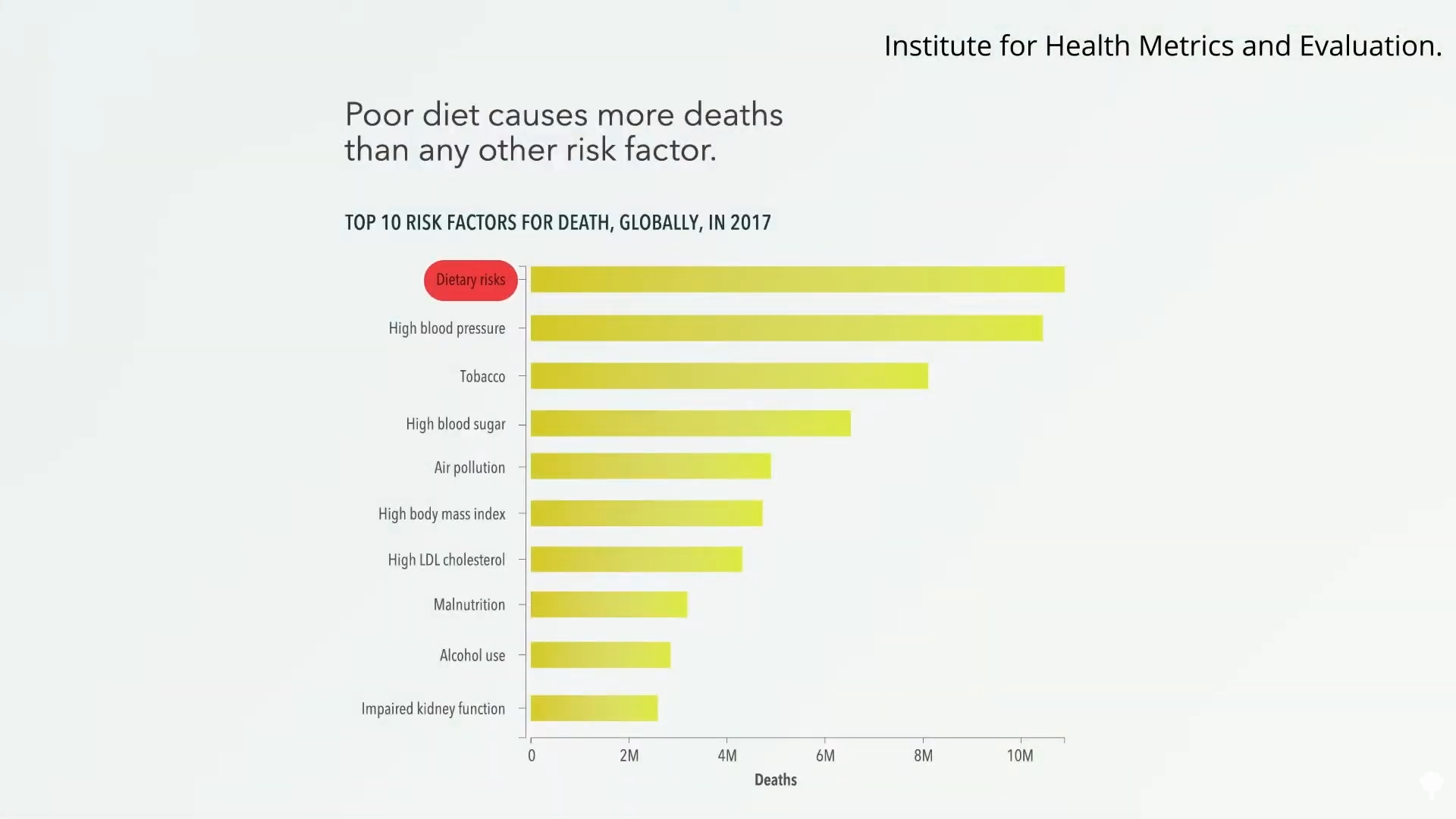
Often dismissed colloquially as "junk food," the scientific community has embraced the more precise term "ultra-processed food" to categorize a vast array of industrial formulations that dominate modern diets. These foods, characterized by long ingredient lists featuring substances rarely found in home kitchens—such as emulsifiers, artificial flavors, sweeteners, and colors—are engineered to be hyper-palatable, convenient, and highly profitable. Their widespread consumption has been linked to a litany of adverse health outcomes, ranging from obesity and cardiovascular disease to certain cancers and mental health issues, making unhealthy diets humanity’s leading killer.
Chronology: The Rise of Ultra-Processed Foods
For decades, terms like "junk food" have been casually applied to less healthy dietary choices such as candy, chips, and ice cream in the United States. However, without a consistent scientific definition, the true scope of the problem remained obscured. Nutrition researchers recognized this ambiguity and introduced the concept of "ultra-processed food" (UPF) to provide a clearer framework for understanding and studying these pervasive products.
The formal definition of ultra-processed food describes industrial formulations typically identified by extensive ingredient lists. Beyond common culinary staples like salt, sugar, and fat, these lists often include additives such as various flavors, artificial sweeteners, colors, emulsifiers, and other compounds designed to mimic natural foods or mask undesirable qualities of the final product. This category broadly aligns with what some health advocates might label "red light foods" in a "traffic light" dietary system—items to be minimized or avoided due to their poor nutritional profile.
The trajectory of ultra-processed foods in the global food supply has been nothing short of dramatic. Research indicates a significant and continuous rise in their consumption. In fact, the food supply in the United States is overwhelmingly dominated by UPFs. Assessments of over 200,000 products revealed that a staggering 71% are classified as ultra-processed. This dominance isn’t confined to grocery store aisles; sugary drinks and processed snacks are ubiquitous, appearing in gas stations, chiropractors’ offices, and even bowling alleys, a testament to aggressive marketing strategies that aim to keep these products "within an arm’s reach of desire." A former Coca-Cola executive famously articulated this strategy, while a major candy brand once boldly declared, "We put them everywhere: grocery stores and supermarkets, gas stations and chiropractors’ offices, bowling alleys and grocery stores, which we already mentioned. Not sorry."
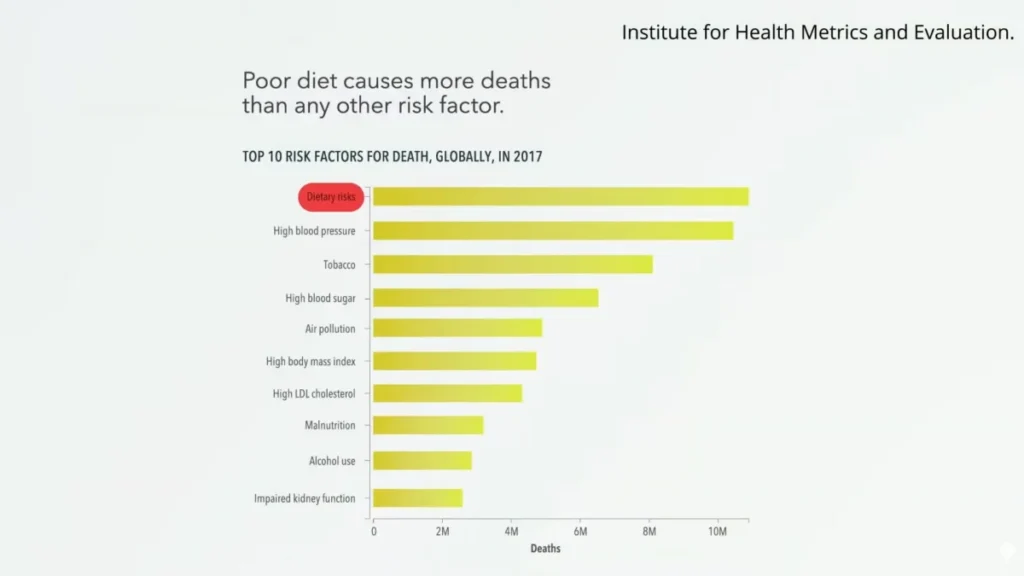
The societal implications of this shift are profound. In the U.S., an astonishing 56% to 70% of the daily caloric intake for children and adolescents is classified as ultra-processed. Across the general population, more than half of all calories consumed come from these foods. This trend is not unique to the U.S.; higher-income countries worldwide consistently report that UPFs account for over 50% of their dietary caloric intake. This pervasive presence of ultra-processed foods has coincided with a significant increase in diet-related chronic diseases, solidifying the grim reality that unhealthy diets are now the leading risk factor for death globally.
Supporting Data: The Science Behind the Crisis
The biological consequences of modern ultra-processed diets have been extensively investigated, with animal studies providing early insights. Research on rats, for instance, demonstrated that a diet rich in highly processed foods led to dramatic weight gain, systemic inflammation, and a range of cognitive and metabolic abnormalities. These findings offered a prelude to the human health crisis unfolding globally.
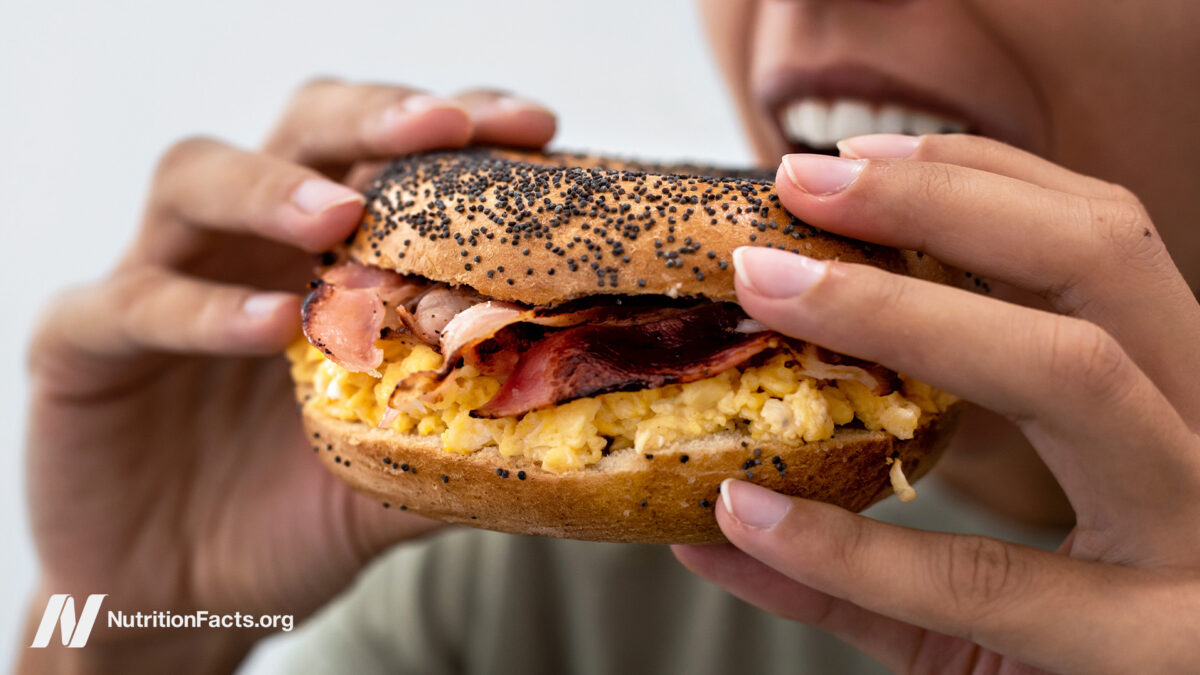
Perhaps one of the most striking coincidences is the parallel rise of binge eating disorder, now recognized as the most common eating disorder, alongside the ascendancy of ultra-processed foods. Studies have found that the foods most commonly associated with binge eating episodes are almost exclusively ultra-processed. This is hardly surprising; these products are meticulously engineered by food scientists to be hyper-palatable and to override natural satiety signals, making it incredibly difficult for consumers to stop at just one serving. As the saying goes, "People don’t tend to binge on broccoli."
A comprehensive review of the scientific literature reveals a consistent pattern: approximately 9 out of 10 studies examining ultra-processed food consumption have found associations with adverse health outcomes. Beyond the well-known link to obesity, these foods are implicated in a wide spectrum of chronic conditions, including various cancers, cardiovascular diseases, type 2 diabetes, irritable bowel syndrome, depression, frailty, and increased all-cause mortality, signifying a shorter lifespan. Studies focusing on youth have added asthma to this growing list and have even reported higher levels of DNA damage in adolescents with high UPF intake. Crucially, not a single study has ever reported a link between ultra-processed foods and beneficial health outcomes.
In stark contrast, populations whose diets primarily consist of minimally processed foods, feature low meat consumption, and are rich in fiber exhibit significantly lower rates of chronic diseases, enjoy healthier body weights, and experience longer, disease-free lives. However, much of the evidence linking UPFs to poor health outcomes historically came from observational studies. While these studies identified strong correlations, they couldn’t definitively prove causation. The scientific community recognized the critical need for a more rigorous approach to determine if ultra-processed foods themselves, rather than merely their nutrient content, were to blame.
The Landmark Randomized Controlled Trial
This critical gap in evidence was addressed by the first-ever randomized controlled trial on ultra-processed foods. In a meticulously designed study, 20 participants were housed in a controlled hospital ward environment for 28 days, where they alternated between two distinct diets for 14 days each: one composed entirely of ultra-processed foods and the other of unprocessed foods.
The key innovation and "kicker" of this trial was its design: both diets were precisely matched for calories, sugar, fiber, fat, and all macronutrients (carbohydrates and protein). This crucial methodology aimed to isolate the effect of "ultra-processing" itself, rather than simply differences in nutrient profiles. The motivation behind this specific design stemmed from the food industry’s response to growing criticism: manufacturers were proposing to "reformulate" their products by tweaking ingredients—adding fiber, or reducing sugar, fat, or salt—while keeping them fundamentally ultra-processed. Researchers wanted to test if such reformulations would genuinely make a difference.
To illustrate, a typical ultra-processed breakfast might include Cheerios and a muffin, or an egg and cheese muffin with turkey bacon and orange juice. In contrast, an unprocessed breakfast offered during the study might consist of oatmeal with blueberries and almonds. Both options provided the same amount of overall sugar and fat, but the unprocessed option was presented in its whole food form. Similarly, for lunch, the ultra-processed group might receive a turkey sandwich with nonfat Greek yogurt, canned peaches, baked potato chips, and sugar-free Crystal Light Lemonade. The unprocessed alternative might be a Southwest entrée salad with black beans, carrots, corn, avocados, and nuts, complemented by fresh grapes and apples. Participants in both groups were offered the same caloric content and instructed to eat as much or as little as they desired.
The results were unequivocal and profoundly impactful. When consuming the ultra-processed diet, participants spontaneously ate approximately 500 more calories per day compared to when they were on the unprocessed diet. Unsurprisingly, this increased caloric intake led to an average weight gain of about two pounds during the ultra-processed diet phase. Conversely, participants actively lost about two pounds during the less-processed diet phase. This demonstrated a direct causal link between the degree of food processing and caloric intake, irrespective of matched nutrient content.
Official Responses and Industry Tactics
The findings of this landmark trial directly challenge the food industry’s preferred "unobtrusive strategy" of reformulation. The study demonstrated that simply tweaking the nutrient profile of ultra-processed foods—adding fiber here, reducing sugar there—does not magically render them healthy. The problem is not merely the unbalanced nutrient composition, but the very nature of ultra-processing. The industry, however, largely favors this approach, as it promises "nutritional improvement without dietary change," thus preserving existing product lines and consumer habits.
The industry’s deep affection for ultra-processed foods is rooted in economics. These products are typically made with dirt-cheap, taxpayer-subsidized ingredients, such as corn syrup, which allow for enormous corporate profit margins. This financial incentive fuels a cycle where the food industry reaps more than a trillion dollars annually. Yet, this profit comes at a staggering societal cost. A significant portion of healthcare expenditures is directed toward treating chronic diseases—like diabetes and heart disease—that are directly exacerbated by the consumption of these very same foods. Some critics argue that society effectively loses triple what the food industry makes when accounting for healthcare burdens.
The food industry often defends its products by arguing that, in modern society, it is "unrealistic" to expect people to avoid ultra-processed foods, citing societal time constraints and the perceived difficulties of food preparation. This argument, however, is increasingly viewed as an acquiescence to, or even a continuation of, a decades-long propaganda and disinformation campaign designed to co-opt families into reliance on processed foods. Advocates for whole foods swiftly counter this narrative, often quipping that "those who think healthy foods can’t be convenient have never met an apple."
Dr. Robert Lustig, a prominent critic of processed foods, eloquently described the current situation as a "failed experiment," lamenting that "one-third of American mothers today don’t even know what real food is or how to cook; they and their children are destined to remain hostages to the processed food industry." While his "mother-blaming" perspective has drawn criticism, his prescription for change remains widely endorsed: "There’s only one recourse—real food, which is low in sugar and high in fiber."
Implications: A Call for Dietary Revolution
The implications of the randomized controlled trial are profound and far-reaching. It provides irrefutable evidence that ultra-processed foods drive overconsumption and weight gain, even when their macronutrient and fiber content is identical to unprocessed alternatives. This suggests that the complex interplay of ingredients, additives, textures, and palatability engineering inherent in ultra-processing fundamentally alters how our bodies and brains regulate appetite and satiety.
The study underscores the critical need to move beyond mere nutrient-focused dietary guidelines and instead emphasize the degree of processing as a primary factor in food choices. Limiting the consumption of ultra-processed foods altogether appears to be a more effective strategy for public health than simply relying on industry-led reformulation efforts.
This evidence calls for a societal paradigm shift, challenging deeply ingrained habits and convenience-driven food choices. It necessitates a renewed focus on food literacy, teaching individuals and families how to identify, prepare, and prioritize whole, minimally processed foods. Policymakers also face the imperative to consider interventions that could reduce the prevalence and accessibility of ultra-processed foods, while simultaneously supporting access to healthier alternatives.
Moving forward, the conversation must shift from merely discussing "good" or "bad" nutrients to understanding the fundamental impact of industrial food processing on our health. As Dr. Lustig suggests, we need to start "thinking outside the box" of conventional dietary advice and embrace a return to real food. The health of current and future generations depends on our collective ability to recognize the hidden costs of convenience and reclaim our diets from the pervasive influence of ultra-processed foods.