The Art of the Drizzle: Mastering the Professional "Pour Shot" in Food Photography
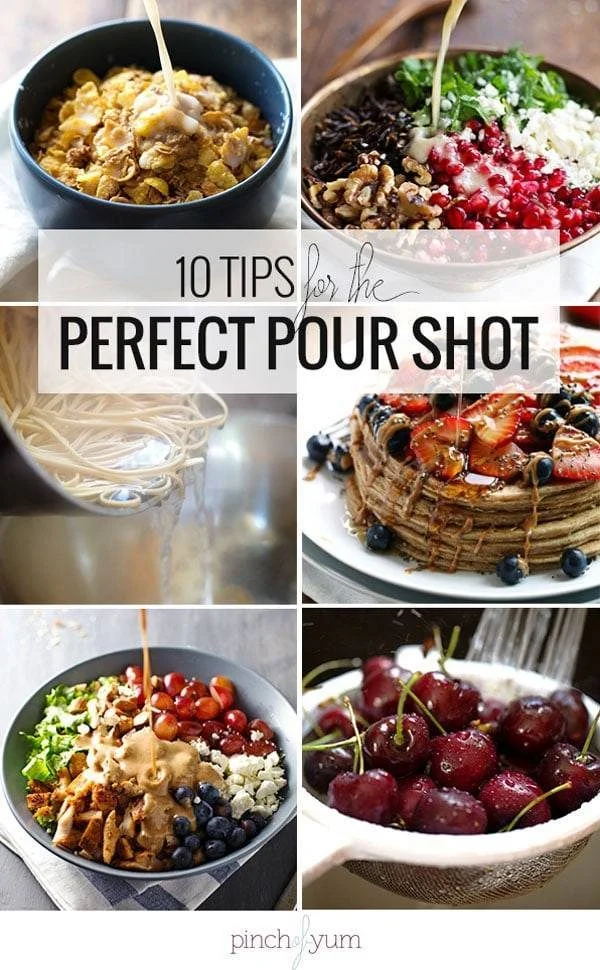
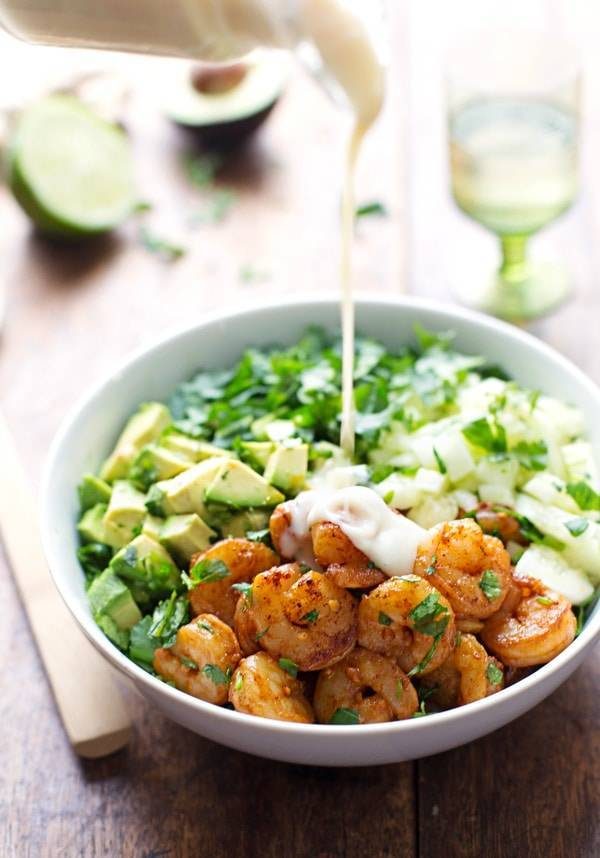
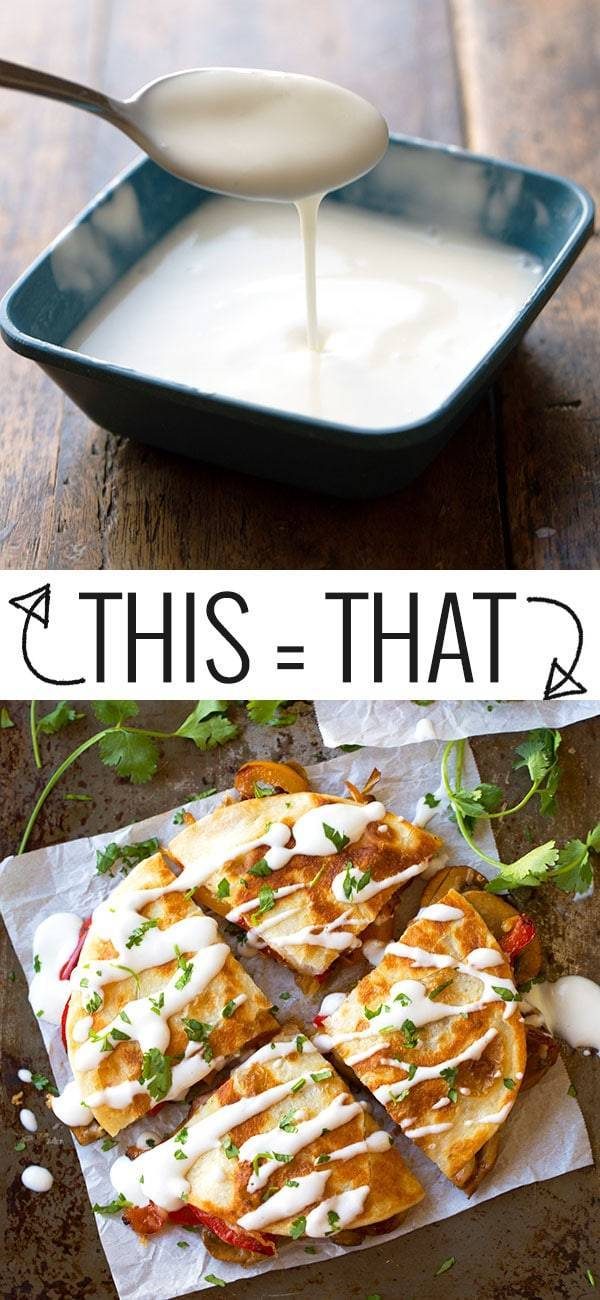
In the competitive world of food blogging and digital culinary media, the "pour shot"—that tantalizing, high-speed image of syrup cascading over pancakes, dressing coating a salad, or milk swirling into a bowl—has become a hallmark of quality. These images do more than just document a recipe; they provide a visceral, sensory experience that invites the viewer to taste the dish. However, beneath the polished, aesthetic veneer of these "drool-worthy" photographs lies a reality of patience, technical precision, and, quite often, a very messy kitchen.
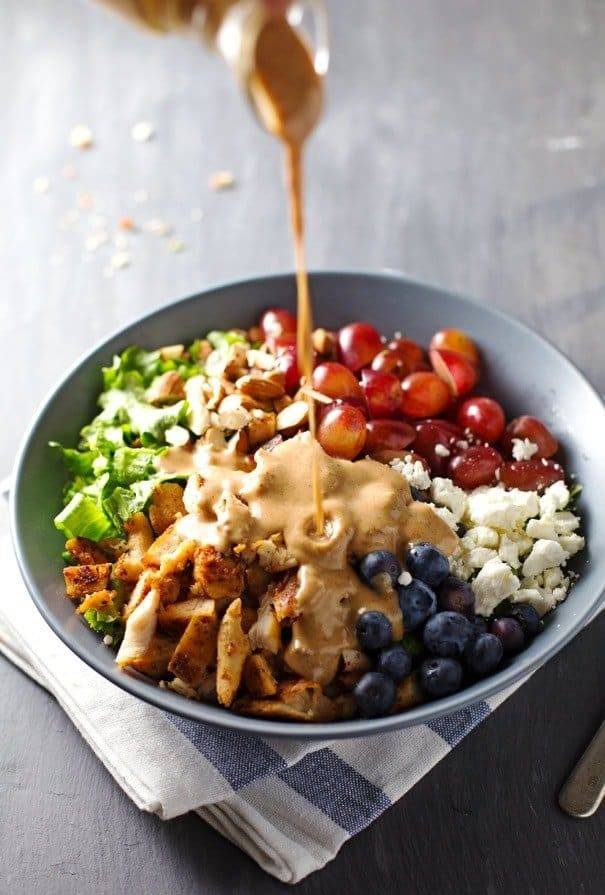
The Anatomy of a Perfect Pour Shot
For the uninitiated, a pour shot appears effortless. It is a singular moment of liquid elegance frozen in time. Yet, seasoned food photographers often confirm that for every high-definition, perfectly focused pour shot that makes the cut for a final publication, there are hundreds of discarded attempts. The process is a classic example of the "iceberg effect" in content creation: the public sees the 1% of success, while the photographer contends with the 99% of "blobby" failures and sauce-covered tabletops.
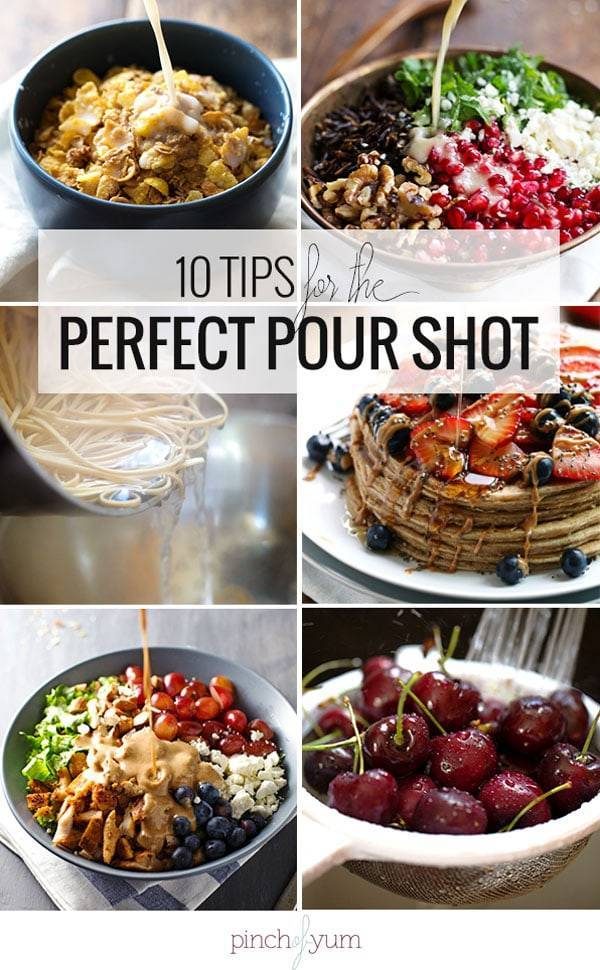
Achieving this look is not merely a matter of luck; it is a calculated blend of equipment choice, manual camera settings, and iterative testing. As photographers move from hobbyists to professionals, the ability to control the movement of liquids becomes an essential skill set.
Chronology of the Process: From Setup to Shutter
The methodology for capturing liquid movement has evolved significantly with the advent of high-speed digital sensors. However, the fundamental steps remain consistent for anyone looking to professionalize their portfolio.
1. Selecting the Right Vessel
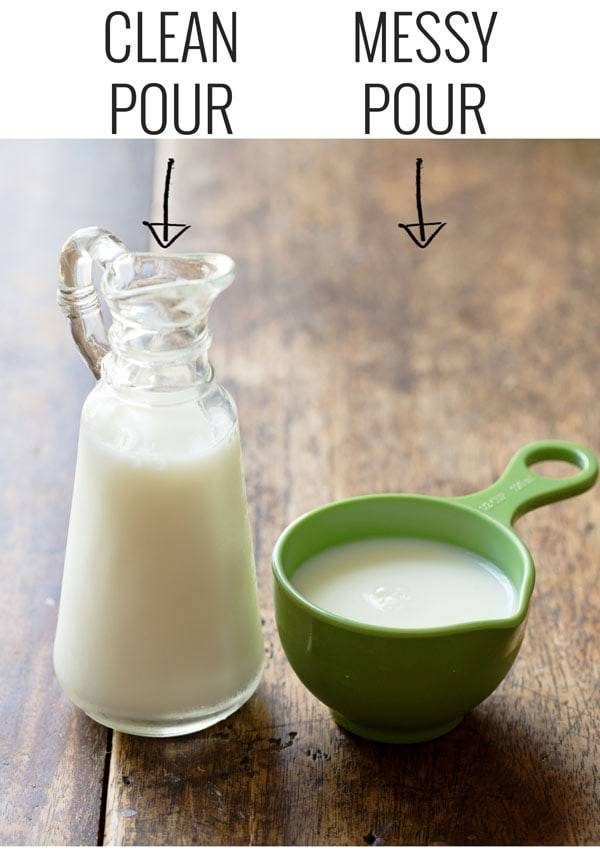
The foundation of a clean pour is the physics of the container. While measuring cups or bowls may appear aesthetically pleasing, their wide rims often result in a broad, uncontrolled splash rather than a crisp stream. Professionals recommend choosing vessels with long, narrow, and defined spouts. Furthermore, the ergonomics of the container—specifically the placement of the handle—is critical. A handle positioned on the rear allows for ambidextrous pouring, preventing the photographer from having to pour "backwards" over a non-spouted edge, which is the primary cause of spills.
2. The Technical Requirement: Shutter Speed
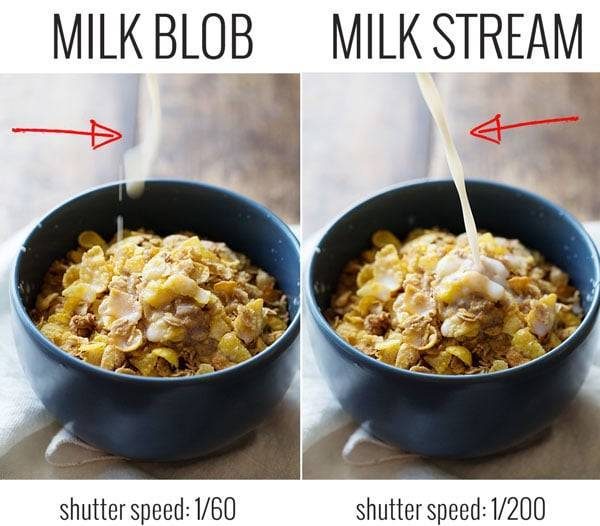
In standard food photography, a "slow" shutter speed (such as 1/60th of a second) is often preferred to allow for more natural light intake. However, in the context of liquid motion, this setting is detrimental. A slow shutter will result in a motion-blurred "blob" of liquid that lacks definition. To freeze the action of a falling droplet or a steady stream, photographers must increase the shutter speed significantly—typically to 1/200th of a second or faster. This "open-close" speed ensures that the liquid is captured mid-air with surgical precision.
3. Mastering Focal Points
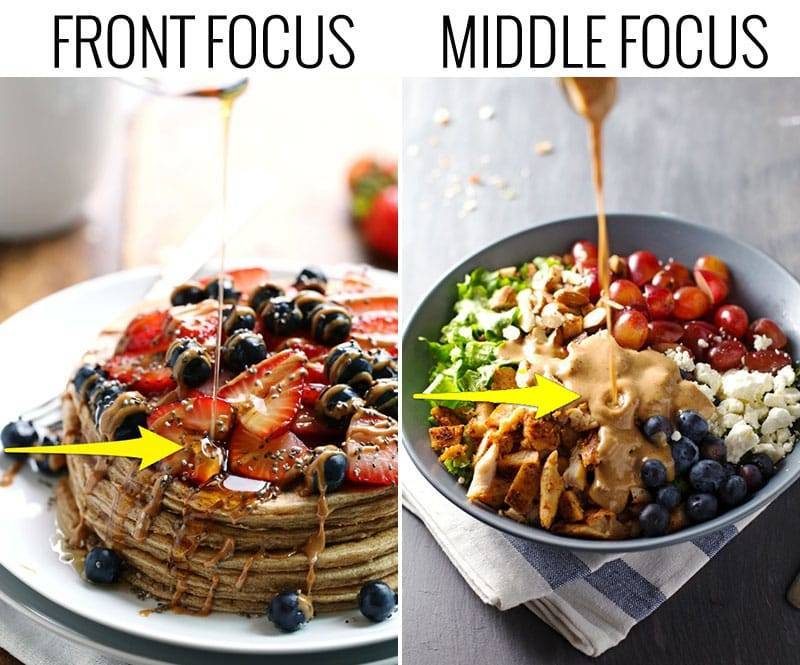
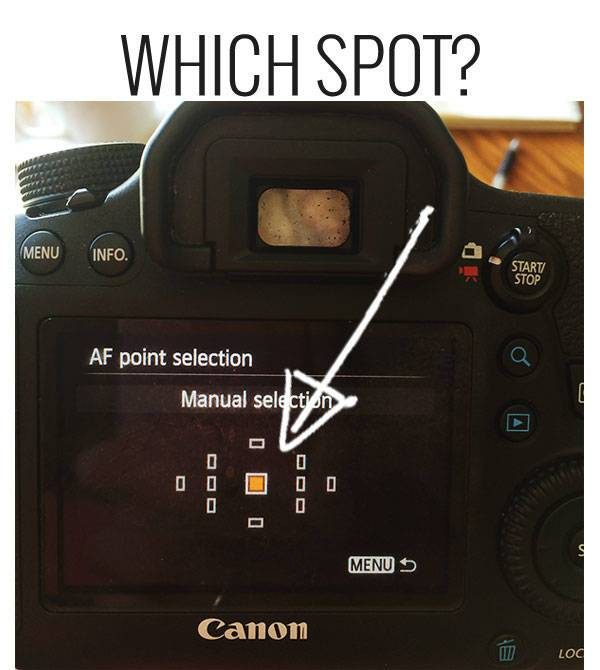
Automated camera settings often struggle with the unpredictability of a moving pour. To ensure the liquid remains in focus, photographers must manually select their focal point. By utilizing the camera’s "Q" menu or focus-point selection tools, the photographer can instruct the camera to prioritize the exact area where the liquid will land, rather than defaulting to the center of the frame. This "bossing around" of the camera hardware is essential for maintaining sharpness in dynamic compositions.
4. Lighting and Exposure Compensation
The direct trade-off for increasing shutter speed is a reduction in light. When the shutter closes faster, the sensor has less time to absorb photons, resulting in a darker image. To compensate, photographers must adjust their aperture (the f-stop) or their ISO sensitivity. This balancing act requires a deep understanding of the exposure triangle. Failure to correctly calibrate these settings often leads to noisy or underexposed images, necessitating a workflow of "shoot, check, adjust" until the exposure is perfectly balanced.
Supporting Data: The Impact of Preparation
One of the most counterintuitive aspects of professional food photography is the "manipulation" of ingredients for the sake of the image. Culinary stylists and photographers often note that what tastes best in a kitchen does not always look best under a lens.
- Viscosity Control: Dressings, syrups, and creams are often too thick for a graceful pour. Diluting these liquids with a small amount of water or thinning agents can drastically improve the aesthetic outcome.
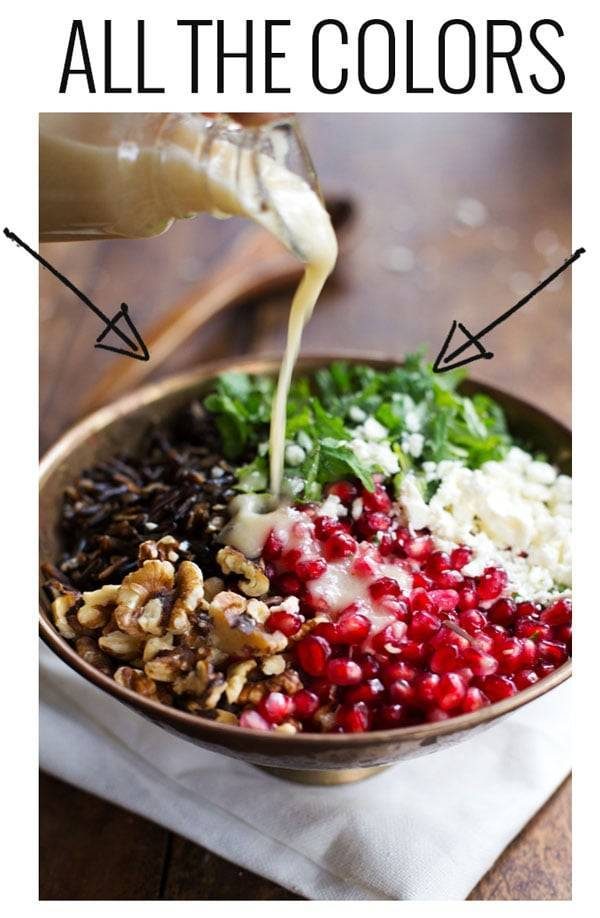
- Contrast Enhancement: A lens struggles to autofocus on a transparent liquid against a neutral background. By ensuring the "landing spot" of the liquid has strong color contrast and texture, the camera’s autofocus system can lock on more reliably, reducing the frustration of "hunting" lenses.
- The Tripod vs. Handheld Debate: While the use of a tripod is considered the industry standard—allowing for consistent framing and the use of a remote trigger—many modern bloggers have developed "handheld" techniques. This requires the photographer to align the composition while holding the camera in one hand and the pouring vessel in the other. While significantly more difficult, it offers a level of agility that some argue creates a more "homemade" and authentic feel.
Professional Responses and Industry Standards
In recent industry discussions, such as the Google Hangouts on Air sessions dedicated to culinary arts, experts have emphasized that there is no "secret button" to achieving the perfect shot. Instead, there is a recurring consensus on the importance of practice.
The industry standard, as supported by resources like Tasty Food Photography, suggests that photographers should not wait for a major project to practice. Every time a chef or blogger is in the kitchen—even when rinsing vegetables or pouring water into a glass—is an opportunity to practice the timing and coordination required for a pour shot.
"The goal is to move from the chaotic, messy, ‘scrappy’ phase of learning toward a more refined, deliberate workflow," says one industry expert. The consensus is clear: the professional image is the result of repetition. The 800 failed shots are not mistakes; they are the training data that leads to the one perfect, viral-ready photograph.
Implications for Future Food Media
The emphasis on high-speed liquid photography has significant implications for how food is marketed and consumed digitally. As social media platforms like Instagram and TikTok prioritize high-motion, visually stimulating content, the ability to produce these shots has become a form of "visual currency."
Brands are increasingly seeking out creators who can master these techniques because they translate into higher engagement rates. A static photo of a bowl of cereal is easily ignored; a photo of milk mid-pour, capturing the splash and the texture of the cereal, creates an emotional, sensory reaction.
However, this trend also highlights a growing tension between "real" food and "photographed" food. As photographers continue to modify textures and manipulate lighting to achieve the perfect pour, the gap between the image and the edible reality continues to widen. This necessitates a degree of transparency in the industry, where creators are encouraged to share the "truth" behind their work—the messy tables, the spilled milk, and the hours of labor—to maintain trust with their audiences.

Ultimately, the pour shot is more than just a technique; it is a testament to the dedication required to elevate the mundane act of eating into an art form. Whether achieved with a tripod and a team or a single pair of hands and an impatient spirit, the pursuit of that elusive, crystalline stream remains one of the most rewarding challenges in the culinary photography world. For those willing to put in the time, the results are, quite literally, worth every drop.