Boosting Nutrition: A Comprehensive Guide to Iron-Rich Snacks for Growing Children
For parents and caregivers, ensuring children receive adequate nutrition is a cornerstone of healthy development. Among the essential micronutrients, iron holds a position of critical importance, yet it is one that many children frequently fall short of in their daily diets. Iron is fundamental to cognitive development, immune function, and the production of hemoglobin, which carries oxygen throughout the body.
When children do not get enough iron, it can lead to fatigue, difficulty concentrating, and a weakened immune system. Because toddlers and young children have high nutrient requirements relative to their small stomach capacities, every bite counts. Incorporating iron-rich snacks into their routine—rather than relying solely on main meals—is an effective, low-stress strategy for meeting these daily requirements.
The Vital Role of Iron in Pediatric Development
Why Iron Matters
Iron is a trace mineral that acts as a primary building block for red blood cells. In the first few years of life, when brain growth and physical development occur at a rapid pace, the demand for iron is significant. According to the Centers for Disease Control and Prevention (CDC), iron deficiency is the most common nutritional deficiency in children worldwide.

Understanding Daily Requirements
To manage these needs, parents should be aware of the specific daily intake guidelines:
- Toddlers (1–3 years): 7 milligrams per day.
- Children (4–8 years): 10 milligrams per day.
By selecting snacks that provide at least 1–2 milligrams of iron per serving, caregivers can systematically bridge the gap between a child’s current intake and these recommended targets, ensuring they remain within the healthy range without the need for forced mealtime battles.

Strategic Snacking: A Culinary Approach
The philosophy behind "snack-time nutrition" is to view these moments as opportunities for growth rather than just temporary hunger fixes. The following collection of recipes focuses on high-density iron sources—such as oats, chickpeas, beans, and seeds—while ensuring the final products remain palatable and appealing to young, often discerning, palates.
The Power of Oats and Grains
Oats are a fantastic, accessible source of plant-based iron. By transforming them into bars, cookies, or cups, you can pack a significant nutritional punch into a portable format.
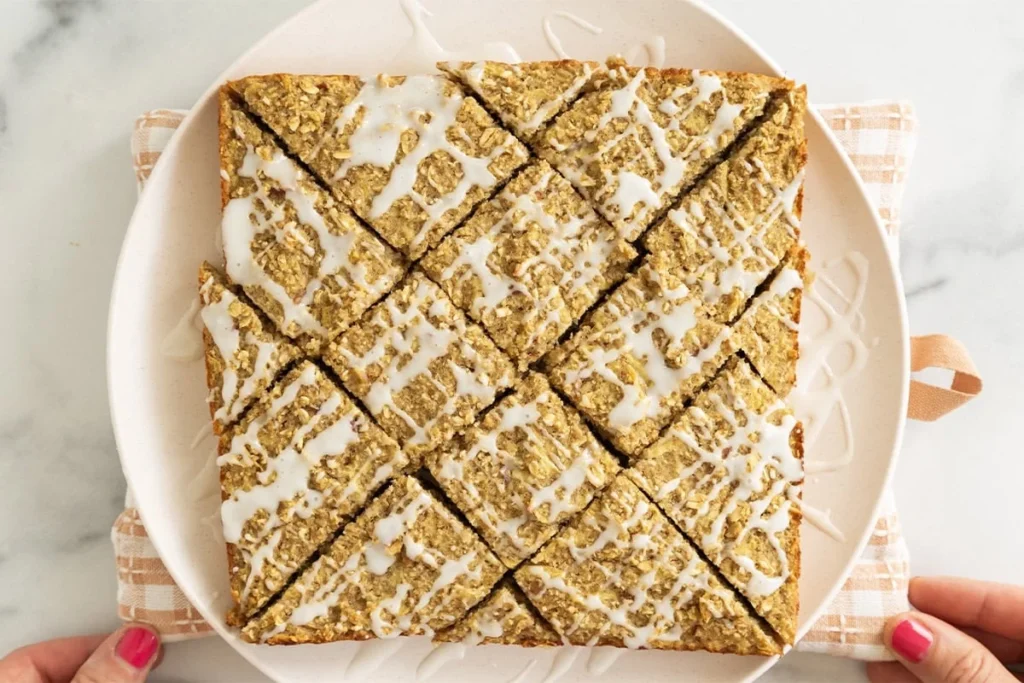
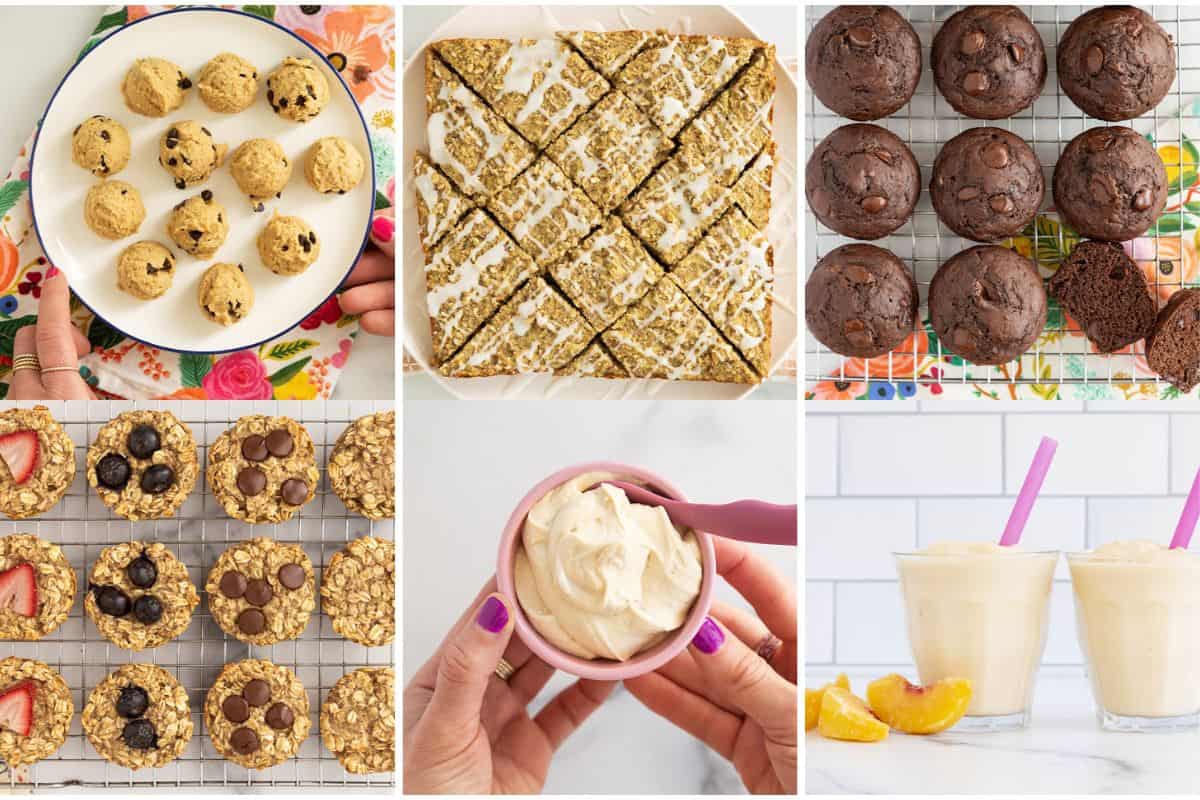
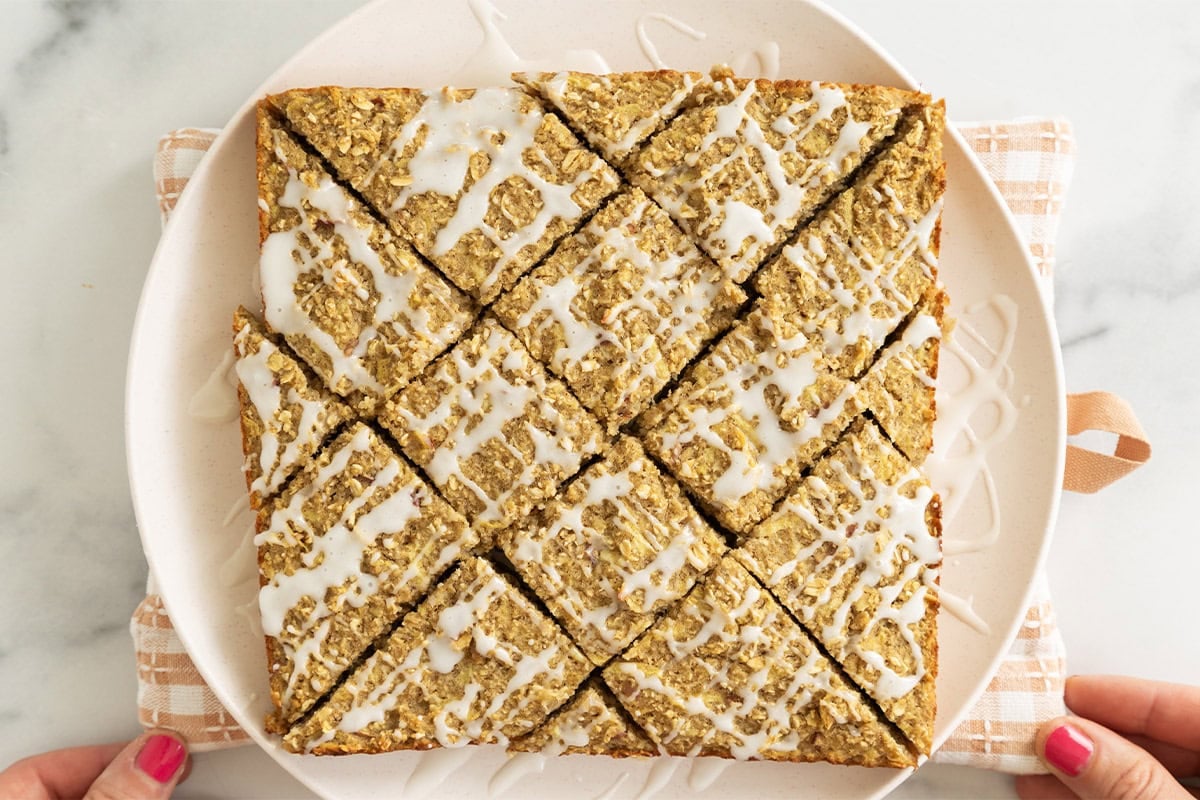
- Apple Oatmeal Bars: Combining the fiber-rich goodness of apples with the iron density of oats, these bars offer a texture reminiscent of soft oatmeal cookies.
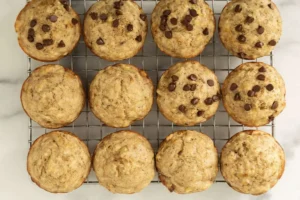
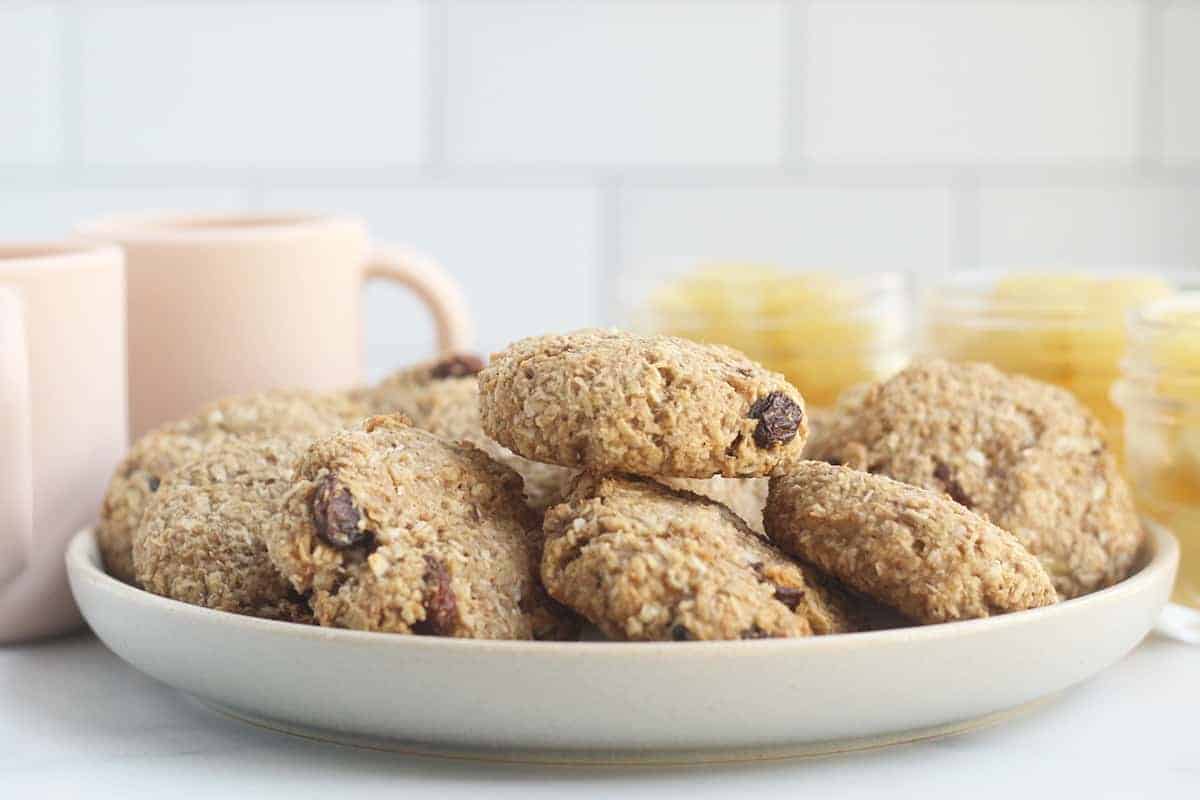
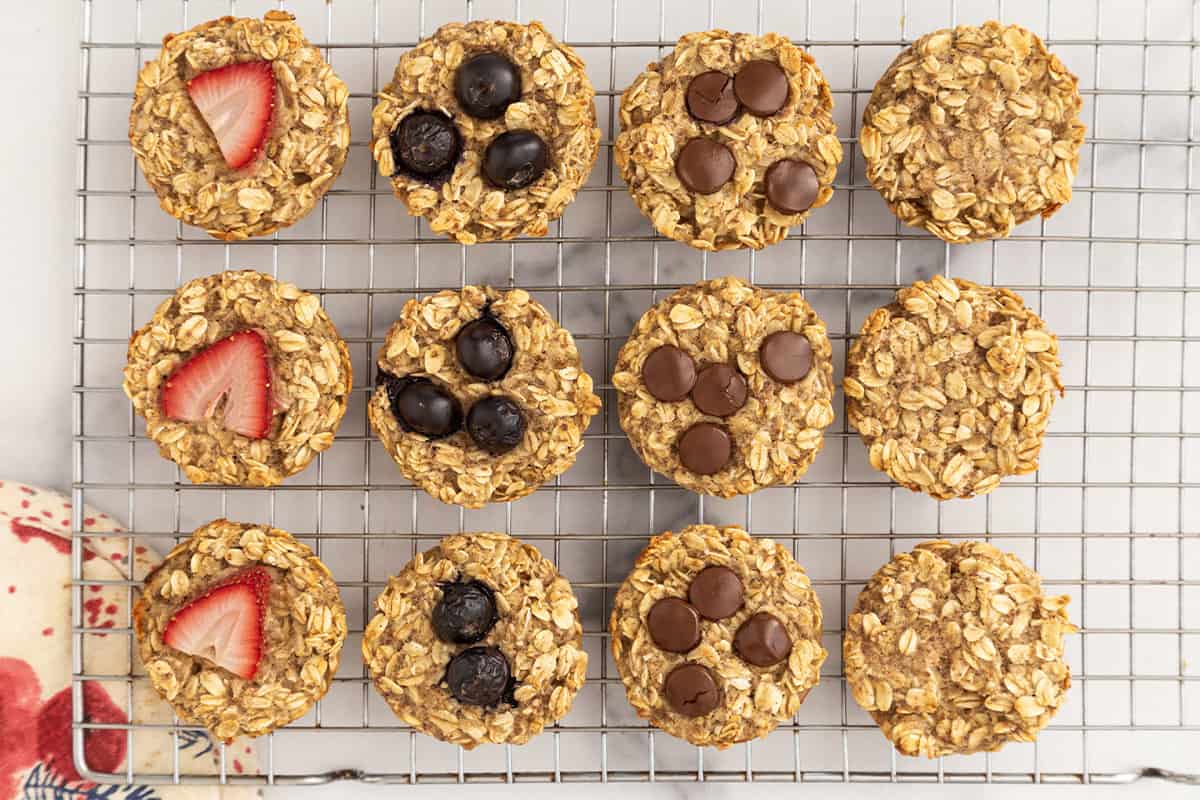
- Banana Oatmeal Breakfast Cookies: A 30-minute preparation makes these an ideal solution for busy mornings or afternoon snacks that provide sustained energy.
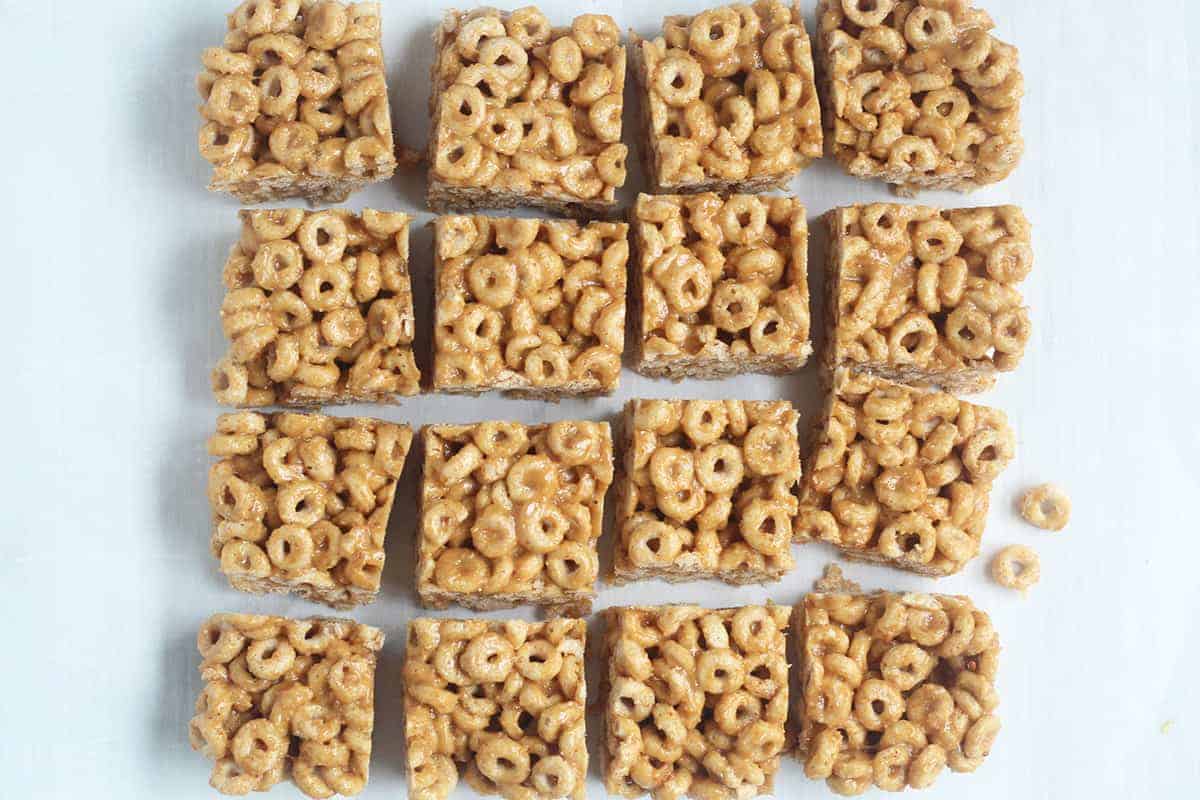
- Cereal Bars: Utilizing fortified cereals is a clever way to boost iron intake. These 3-ingredient bars are designed to stay crispy, making them an excellent "make-ahead" snack that lasts throughout the week.
Harnessing the Versatility of Legumes
Chickpeas are a nutritional powerhouse, offering both iron and protein. Their mild flavor makes them the perfect "hidden" ingredient in sweet treats.
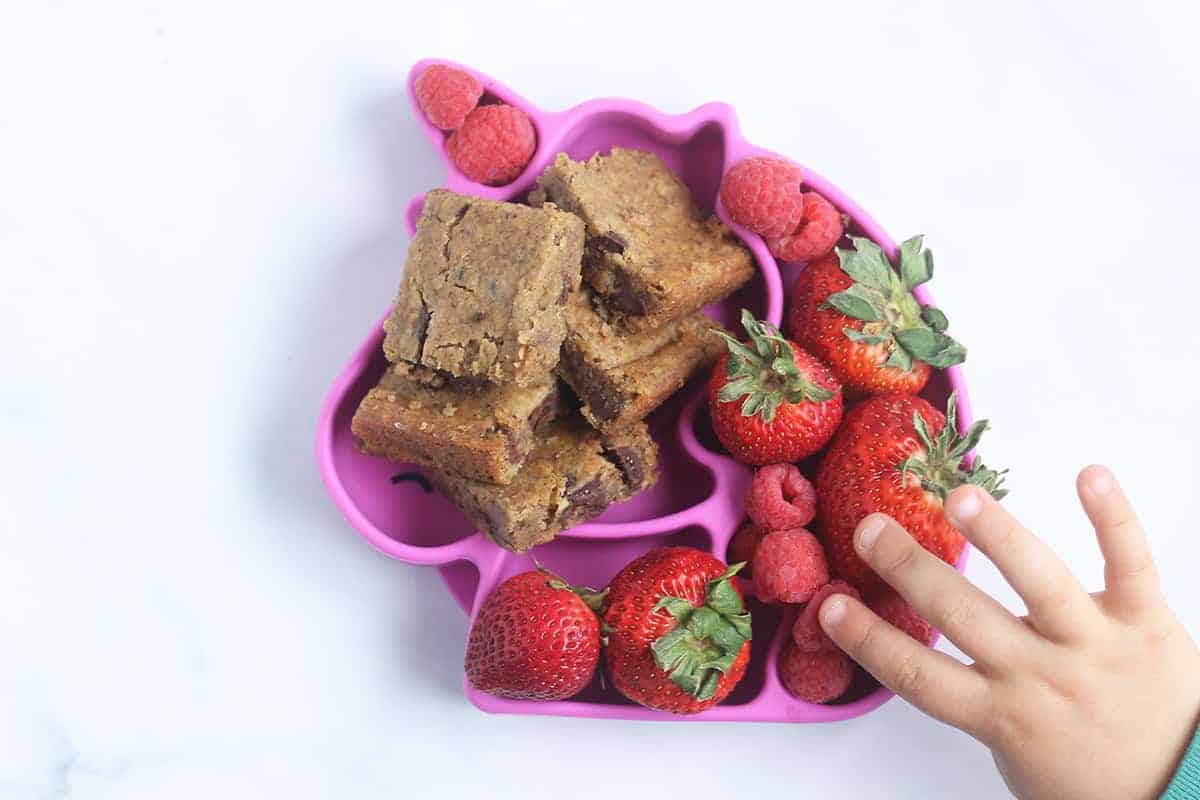
- Chickpea Blondies: By blending chickpeas into a batter, the texture becomes creamy and decadent while the nutritional profile shifts toward a fiber-and-iron-rich snack.
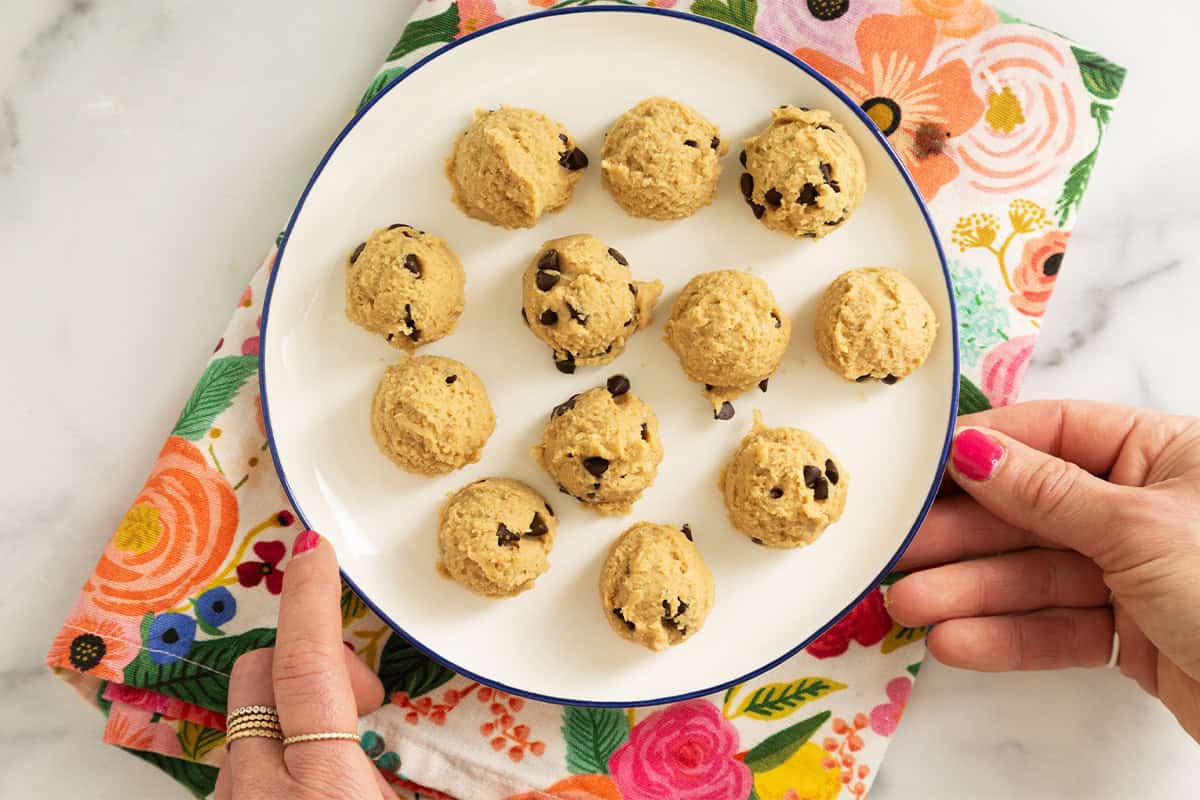
- Chickpea Cookie Dough: Safe to eat raw and naturally lower in added sugar, this treat is a fan favorite for kids who love the taste of "dough" but need something more substantial.
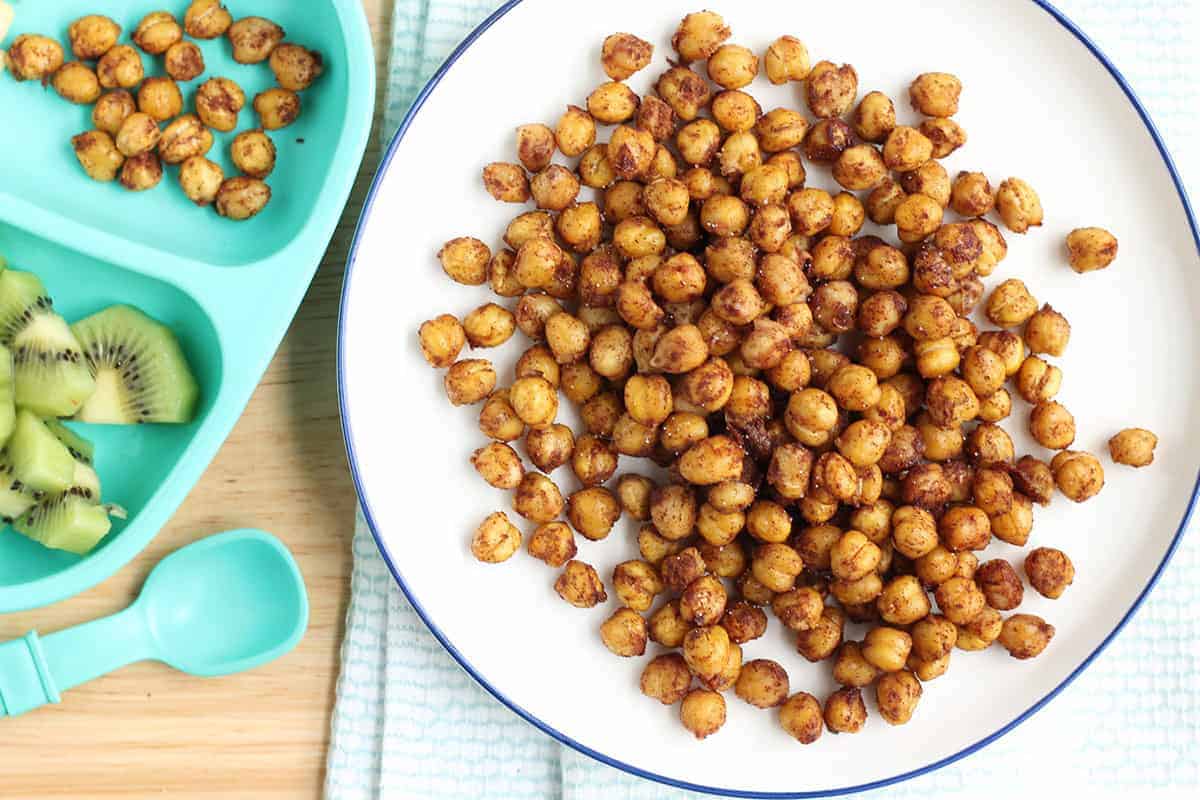
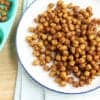
- Soft Roasted Chickpeas: For a savory option, roasting chickpeas with cinnamon or mild spices provides a satisfying crunch that is easy for toddlers to chew.
Expert Tips for Integrating Iron-Rich Foods
To maximize the benefits of these snacks, it is helpful to understand the relationship between food sources and absorption.
Enhancing Absorption
Dietary iron comes in two forms: heme (found in animal products) and non-heme (found in plant sources like grains, beans, and lentils). Non-heme iron is more sensitive to absorption inhibitors and enhancers.
- The Vitamin C Connection: Pair iron-rich plant snacks with a source of Vitamin C (such as strawberries, citrus, or bell peppers). Vitamin C significantly increases the body’s ability to absorb non-heme iron.
- Consistency Over Perfection: The goal is not to reach the daily requirement in one sitting, but to distribute iron intake across the day.
Utilizing Leftovers
Efficiency is key for the modern parent. Many iron-rich dinners can easily transition into the next day’s snack menu.

- Baked Chicken Meatballs: Lean meats are excellent sources of highly absorbable heme iron.
- Lentil-Based Sauces: Lentils are among the best plant-based iron sources. Leftover lentil pasta sauce or lentil patties serve as a nutrient-dense, savory snack that can be served cold or warmed up quickly.
Implications for Long-Term Health
The decision to focus on iron-rich snacking has profound implications for a child’s long-term health trajectory. Beyond the immediate prevention of anemia, establishing a preference for whole-grain, legume-based snacks helps set the stage for better dietary habits in adolescence and adulthood.
When children become accustomed to the flavors of fiber-rich, nutrient-dense foods, they are less likely to rely on hyper-processed snacks that offer high calories but low nutritional value. This proactive approach to nutrition reduces the risk of childhood obesity and ensures that physical growth is supported by a stable, consistent intake of micronutrients.
Official Guidance and Clinical Perspectives
Health organizations emphasize that parents should consult with pediatricians if they suspect a child is showing signs of iron deficiency, such as persistent fatigue, pale skin, or irritability. While snacks are an excellent tool for prevention, they are not a substitute for medical treatment if a clinical deficiency exists.

Pediatricians often suggest that while supplementation is sometimes necessary, the primary goal should always be a diet rich in iron-fortified cereals, legumes, lean meats, and green leafy vegetables. By normalizing these ingredients through kid-friendly recipes, parents remove the "medical" stigma from nutrition and turn it into a positive, shared experience.

Conclusion: A Sustainable Path Forward
Feeding children is a complex, daily task that requires patience and creativity. By curating a list of "go-to" snacks that are intentionally designed to be iron-rich, parents can remove the guesswork from their daily routine.
Whether it is a batch of double-chocolate muffins fortified with Greek yogurt, or a quick, blender-based peach smoothie, the strategy is clear: focus on nutrient density, leverage the power of pantry staples like chickpeas and oats, and remember that consistent, small additions to a child’s diet lead to significant long-term benefits. By making these recipes a staple of your household, you are not just filling hungry bellies; you are building a stronger, healthier foundation for the future.
Summary of Key Snack Ideas
- Sweet Treats: Chickpea Blondies, Banana Oatmeal Cookies, Double Chocolate Muffins.
- Savory Bites: Soft Roasted Chickpeas, Chickpea Fritters, Peanut Butter Crackers.
- On-the-Go Options: Oatmeal Cups, Pumpkin Protein Balls.
- Hydration: Fresh Strawberry Juice (a source of Vitamin C to aid iron absorption).
Note: Always remember to adjust textures and ingredients based on the age and developmental stage of your child, and consult with your healthcare provider if you have specific concerns regarding your child’s dietary intake or growth.