The Timeless Comfort of Pastina: Why This Italian-American Staple Remains a Culinary Essential
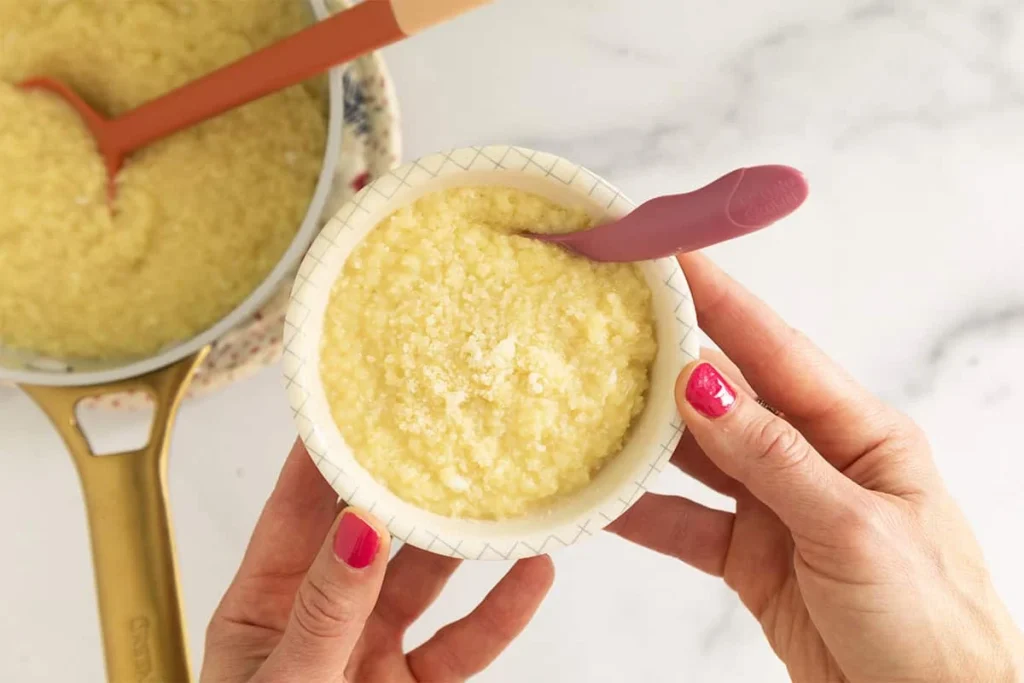
In the landscape of modern cuisine, where trends shift as rapidly as the seasons, few dishes possess the enduring, cross-generational appeal of Pastina with Egg. Often referred to as "Italian penicillin," this modest bowl of tiny, star-shaped pasta simmered in broth and enriched with a delicate egg emulsion is more than just a meal; it is a cultural touchstone. Whether it is being served to a teething toddler, a sick family member, or an adult seeking a moment of culinary nostalgia, the dish remains a reliable, nutritious, and deeply comforting staple of the Italian-American home.
Main Facts: The Anatomy of a Classic
At its core, the beauty of Pastina with Egg lies in its radical simplicity. The term "pastina" refers to a variety of minuscule pasta shapes—stars (stelline), tiny rings (anelli), or rice-sized grains (acini di pepe)—that are designed specifically to cook quickly and provide a gentle texture.
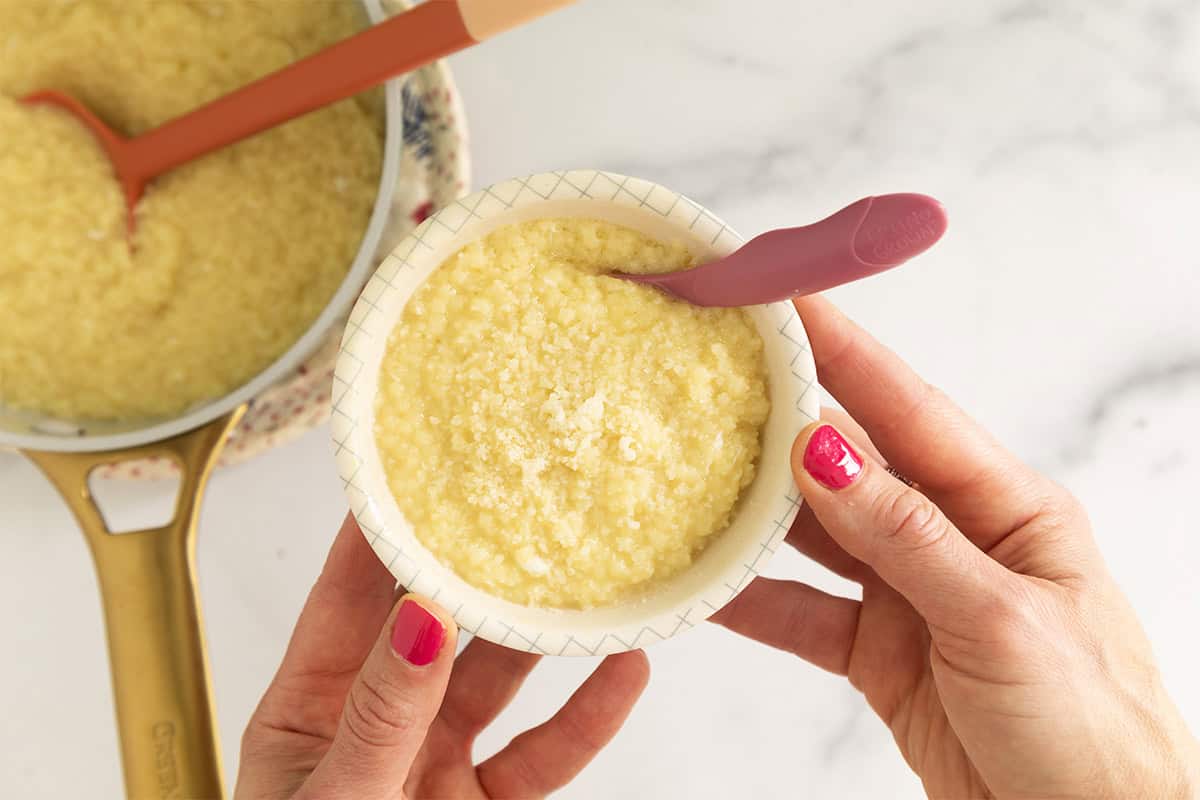
When these tiny grains are simmered in a high-quality broth, they release their starches, creating a naturally creamy, thickened consistency that is easy to digest. The addition of a beaten egg at the final stage of cooking serves two purposes: it acts as a thickening agent, transforming the soup into a velvety, protein-rich porridge, and it adds a depth of flavor that balances the saltiness of the broth.
Key nutritional highlights include:
- Digestibility: The soft texture of the cooked pasta makes it an ideal introduction to solids for infants and a soothing option for those recovering from illness.
- Protein Enrichment: By incorporating an egg, the dish transitions from a simple carbohydrate base to a balanced meal.
- Efficiency: The entire process takes approximately 10 minutes, making it a "quick-fix" meal for busy parents or those lacking the energy for complex cooking.
Chronology: The Evolution of a Household Ritual
The history of pastina is inextricably linked to the waves of Italian immigration to the United States during the late 19th and early 20th centuries. For families arriving with limited resources, pastina provided an inexpensive, shelf-stable way to ensure children were fed something warm and filling.
- The Immigrant Experience: Initially, pastina was a way to stretch meager supplies. A small amount of pasta in a large pot of water or broth could feed a large family.
- The "Sick Day" Transformation: Over the decades, the recipe evolved into a medicinal comfort food. The inclusion of egg and parmesan cheese became the standard "recovery" meal, passed down from grandmother to mother, becoming a hallmark of care-taking within the community.
- Modern Adaptation: Today, while many households still prepare it from scratch using traditional methods, the dish has seen a resurgence in popularity among parents seeking "shortcut" meals that are both healthy and appealing to picky eaters.
Supporting Data: Nutritional and Practical Utility
For the modern cook, understanding the functional benefits of this dish is essential. According to nutritional breakdown data, a standard one-cup serving contains approximately 219 calories, with 12 grams of protein and 3 grams of fiber.
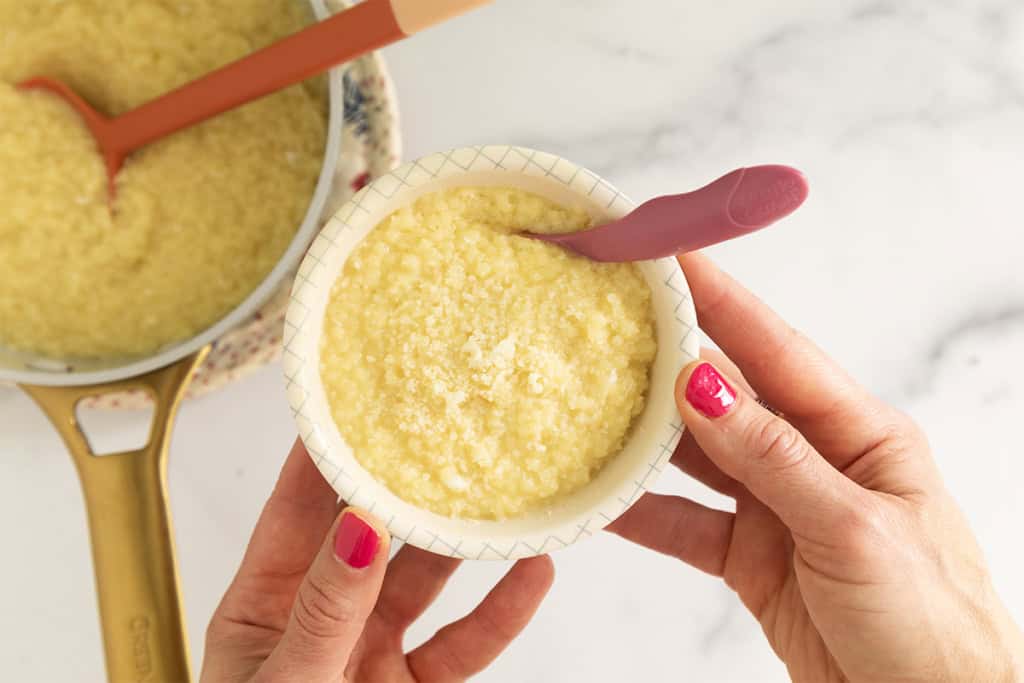
Beyond the numbers, the dish’s versatility is its greatest strength. It functions as a "blank canvas." For those who are not strictly vegetarian, the broth can be changed from vegetable-based to chicken or bone broth to increase the collagen and nutrient profile.
Essential Ingredients
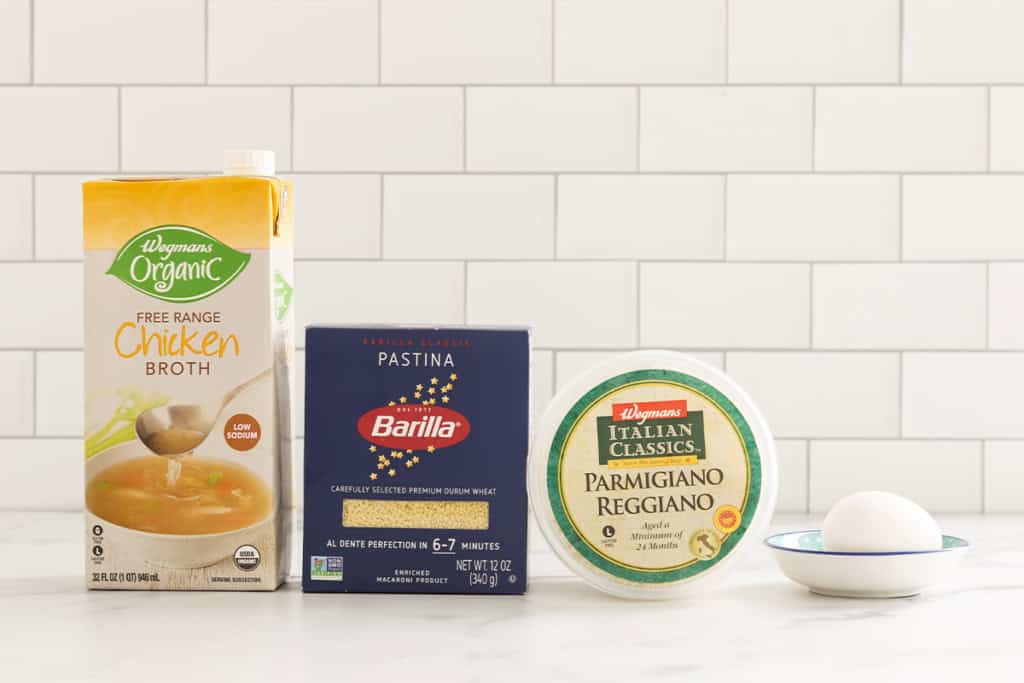
To prepare an authentic, high-quality bowl, the following components are recommended:
- The Pasta: While stelline (stars) are the traditional choice, any tiny pasta shape like orzo or alphabet pasta will yield the same texture.
- The Liquid: A high-quality chicken or vegetable stock is preferred over water to maximize flavor.
- The Emulsion: A fresh egg and high-quality, finely grated Parmesan or Pecorino Romano cheese.
- The Finish: Freshly cracked black pepper, which adds a gentle heat that helps clear sinuses during a cold.
The Process: A Step-by-Step Guide
The preparation of Pastina with Egg follows a specific, rhythmic process that prioritizes the texture of the starch.
Phase 1: The Simmer
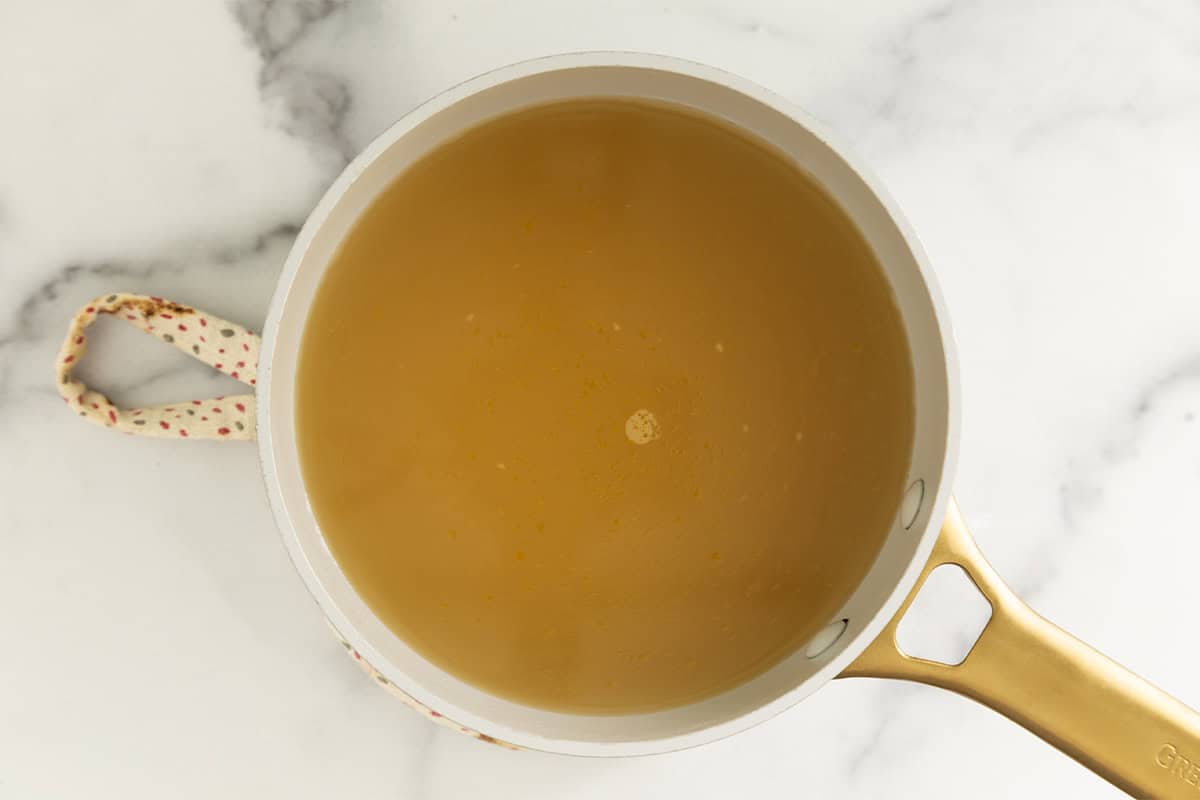
Begin by bringing your broth to a gentle simmer in a saucepan over medium heat. It is crucial to maintain a consistent heat so the pasta cooks evenly without sticking to the bottom.
Phase 2: The Incorporation
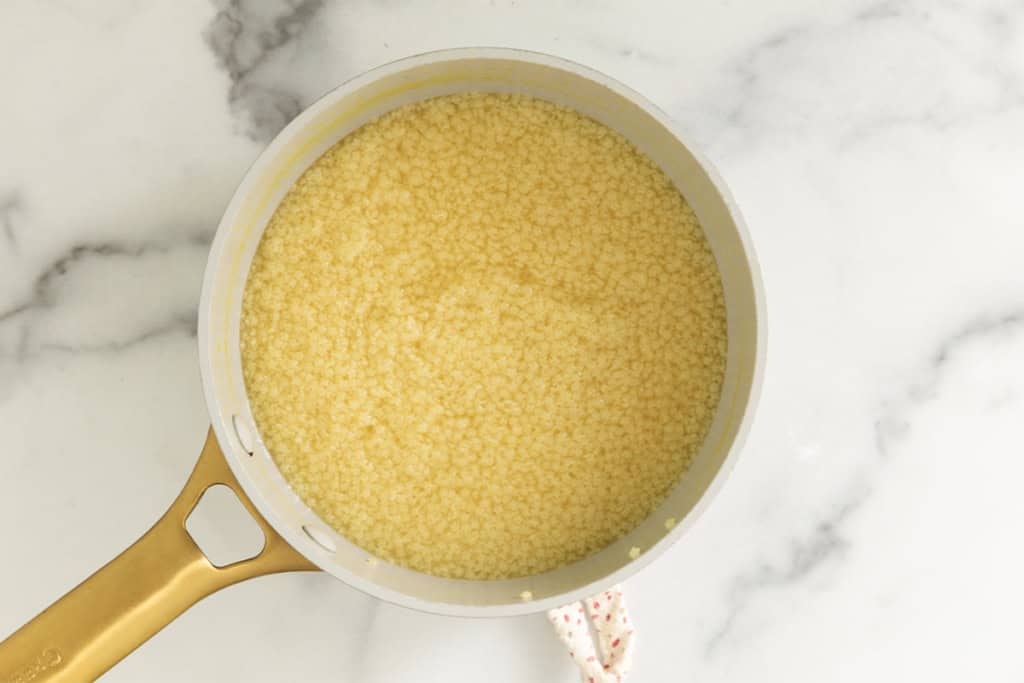
Add the pastina. Stirring occasionally is required to ensure the starches distribute evenly throughout the liquid. Continue until the pasta is tender and the broth has been absorbed to your desired consistency—some prefer a soupier version, while others enjoy a thicker, risotto-like texture.
Phase 3: The Tempering
This is the most critical step. Once the pasta is cooked, turn off the heat. While the residual heat is still high, quickly stir in the beaten egg and grated cheese. The goal is to emulsify the egg into the pasta without scrambling it into large, solid chunks. The constant, rapid motion of the spoon is the secret to a smooth, creamy finish.
Implications: A Sustainable Comfort Food
The enduring nature of Pastina with Egg highlights a shift in how we view "comfort food." In an era dominated by processed snacks and complex meal-prep kits, the return to this simple, three-ingredient dish signals a desire for transparency and connection.
Why It Works for Families
For parents of toddlers, the dish is a lifesaver. It is easy for a child to manipulate with a spoon, and its neutral, savory flavor profile is rarely offensive to sensitive palates. Furthermore, because it can be stored in an airtight container for up to five days, it serves as an excellent meal-prep solution. When reheating, a simple splash of water or additional broth restores the moisture, ensuring the quality remains high throughout the week.
Culinary Flexibility
The dish also encourages culinary exploration. While the base recipe is standard, it can be served as a side dish alongside Baked Chicken Meatballs or Marinated Chicken Tenders for a more substantial dinner. For those who wish to avoid dairy, simply omitting the cheese does not sacrifice the structural integrity of the dish, making it a highly inclusive meal.
Conclusion: A Bowl of History
Pastina with Egg is more than a recipe; it is a testament to the idea that the most profound culinary experiences are often the simplest. By utilizing staple ingredients and a straightforward, rapid cooking technique, home cooks can produce a meal that heals, nourishes, and comforts.
As we look toward the future of home cooking, the simplicity of pastina serves as a reminder that we do not need elaborate techniques or expensive ingredients to provide high-quality, soulful food for our families. Whether it is a quick weeknight dinner or a remedy for a mid-winter cold, the little bowl of stars remains a timeless essential in the modern kitchen.
For those seeking to perfect their technique, remember: the secret lies in the speed of the final stir. Keep your spoon moving, your heat low, and your broth high-quality, and you will achieve the perfect, creamy consistency every time.