The Science of the Perfect Gluten-Free, Dairy-Free Cookie: A Culinary Breakthrough
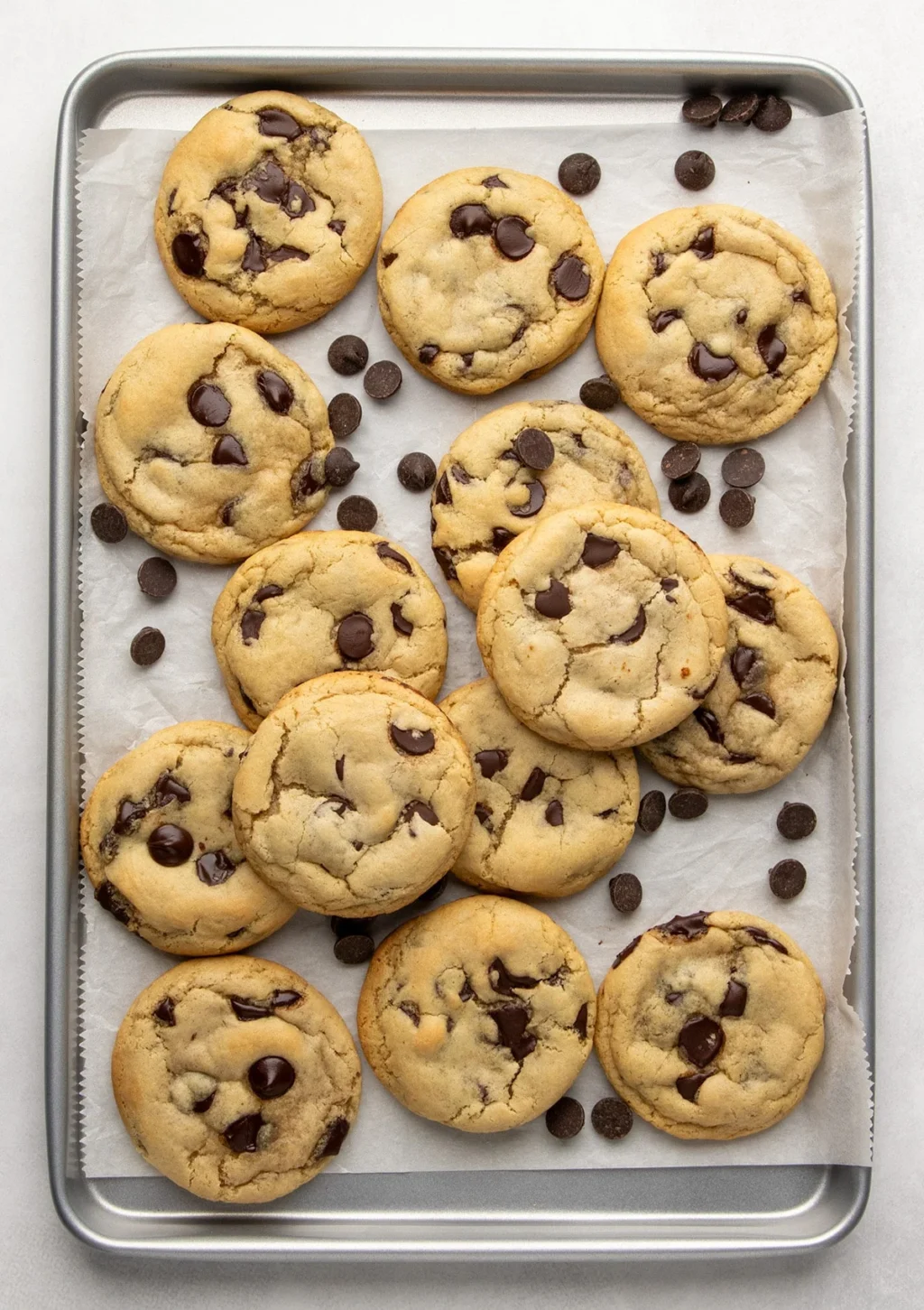
For many home bakers, the intersection of gluten-free and dairy-free baking has long been considered a "no man’s land" of culinary disappointment. Too often, attempts at these specialized cookies result in thin, greasy puddles or dry, crumbly discs that lack the nostalgic comfort of a classic bakery-style treat. However, a new approach to ingredient management and thermal control is changing the narrative, proving that restrictive diets do not have to result in restrictive flavors.
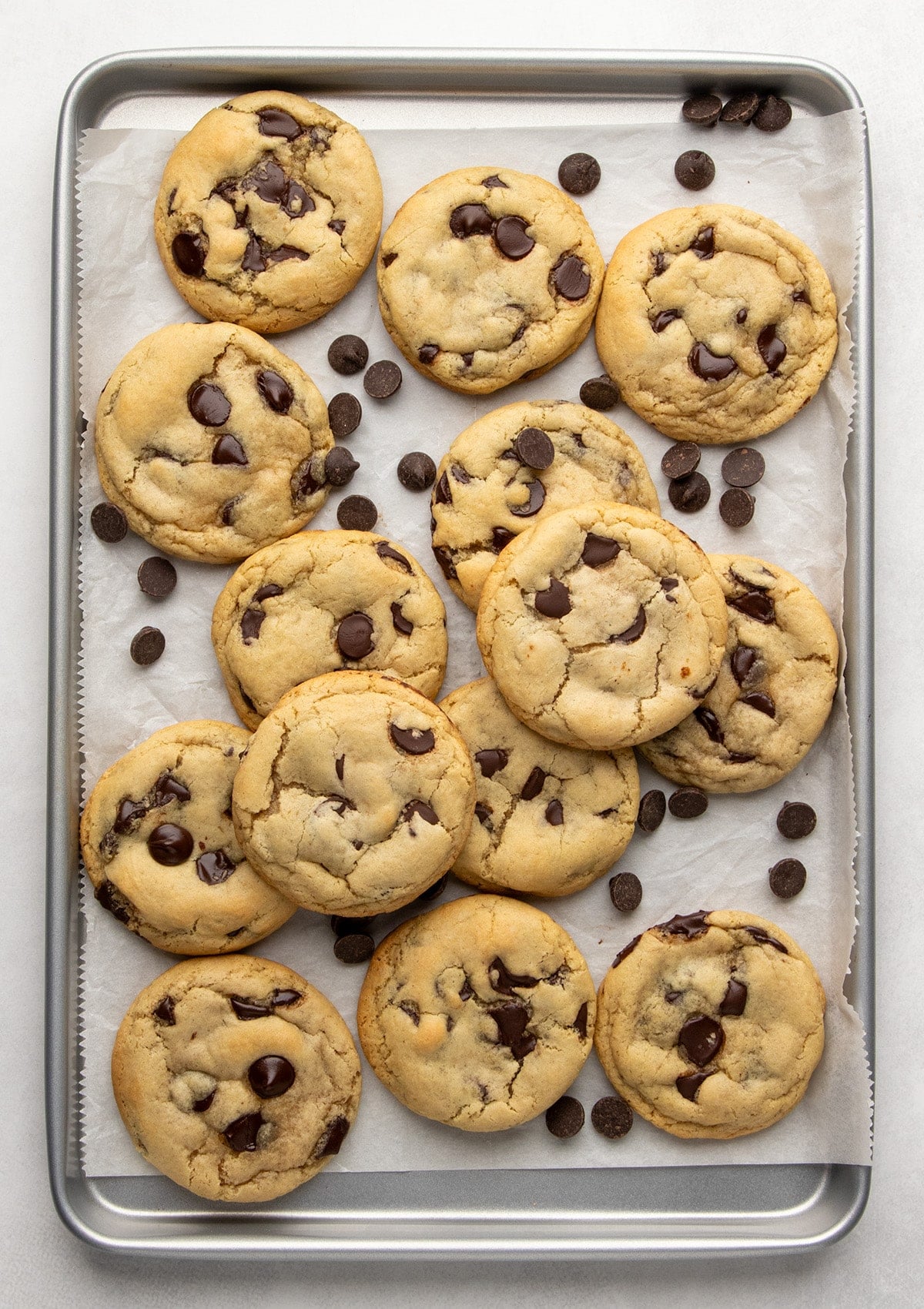
By rethinking the fundamental chemistry of cookie dough—specifically how fats interact with flour alternatives—bakers can now achieve the "holy grail": a thick, chewy, golden-brown chocolate chip cookie that is entirely free of both gluten and dairy.
Main Facts: Redefining Cookie Chemistry
The primary challenge in creating a successful gluten-free and dairy-free (GFDF) cookie lies in the stability of the fats. Traditional recipes rely on the emulsification of dairy butter and sugar to provide structure. When vegan butter—which often contains higher water content and different melting points—is substituted directly into standard recipes, the resulting dough often loses its structural integrity.

The breakthrough, as demonstrated in recent culinary developments, involves two key tactical shifts:
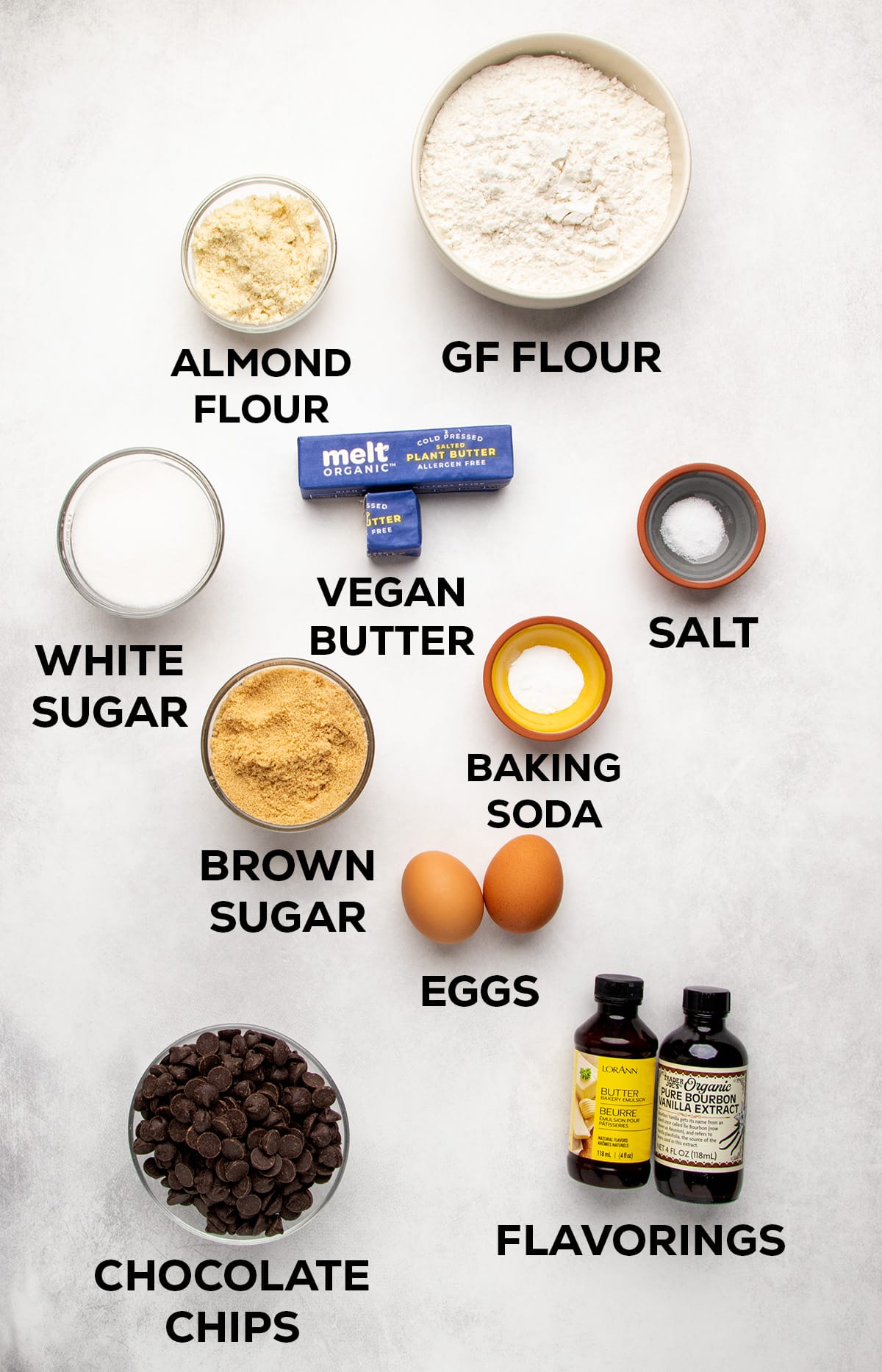
- Cold-Cut Emulsification: Rather than creaming butter and sugar (the standard method for traditional cookies), this method involves cutting cold, block-style vegan butter directly into the dry ingredients. This technique mirrors the process used for pastry crusts, ensuring the fat remains encapsulated and preventing the "greasy spread" common in vegan baking.
- The Almond Flour Advantage: The incorporation of almond flour serves a dual purpose. Beyond providing essential moisture, the fat content in almond flour aids in browning and adds a rich, nutty depth that masks the often "flat" flavor profile of some gluten-free flour blends.
Chronology: The Evolution of the Recipe
The journey to this perfected recipe followed a rigorous testing process, focusing on how different temperatures and techniques impacted the final crumb.
- Phase 1: Identification of the "Greasy" Variable. Initial tests revealed that when vegan butter is allowed to reach room temperature, it separates during the baking process. The solution was identified as using high-fat, block-style vegan butter, kept chilled until the exact moment of incorporation.
- Phase 2: Developing the Structure. Bakers found that a standard gluten-free flour blend—while essential for the "chew"—often required a binding agent like xanthan gum to mimic the elasticity of wheat flour. By pairing this with almond flour, the recipe achieved a superior texture that resists the brittleness typical of GF goods.
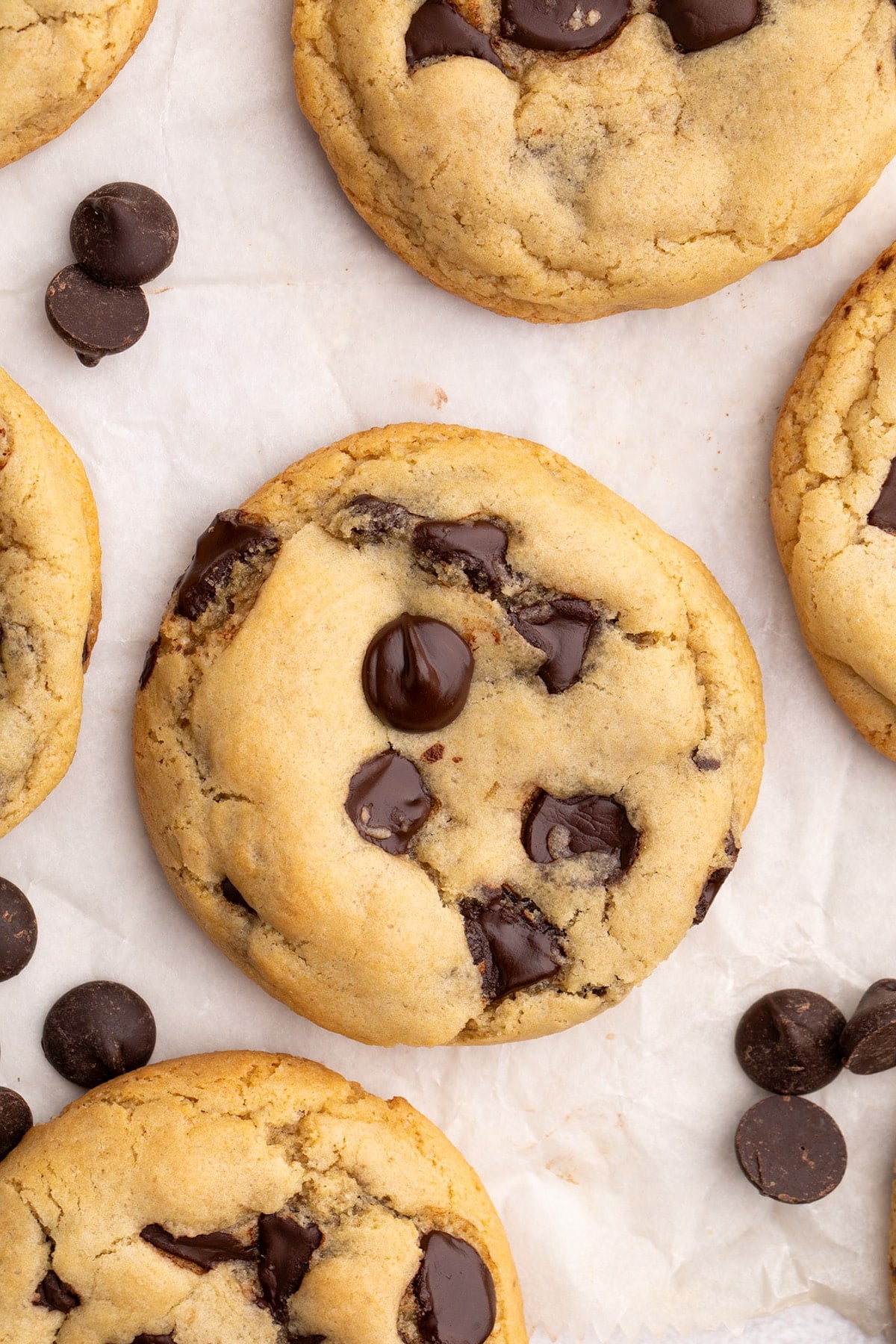
- Phase 3: The Thermal Calibration. The final step in the process was determining the optimal "chill time." Testing indicated that a 10-minute chill for the dough portions (after initial mixing) allows the fats to solidify, ensuring the cookies bake into thick, uniform rounds rather than spreading into thin, brittle sheets.
- Phase 4: Precision Baking. The final adjustment was the removal time. By pulling the cookies from the oven when the centers appear slightly underbaked, the "carryover heat" finishes the process, locking in moisture that lasts for several days.
Supporting Data: Understanding the Nutritional Profile
While the goal of this recipe is sensory satisfaction, it is also important to understand the nutritional impact of these choices. A single cookie, as formulated in this approach, contains approximately 264 kcal.
Key Nutritional Metrics (per serving):
- Total Carbohydrates: 37g
- Total Fat: 13g (Saturated fat accounts for 5g, emphasizing the need for high-quality plant-based fats)
- Protein: 3g (largely supported by the inclusion of almond flour)
- Sodium: 177mg
These metrics demonstrate that while the recipe remains an indulgent treat, the use of almond flour and precise sugar ratios provides a more balanced profile than many processed, store-bought gluten-free alternatives, which often rely heavily on starches like tapioca or potato flour.
Expert Perspectives: Why "Good for Gluten-Free" Is Not Enough
Nicole Hunn, a leading authority on gluten-free culinary arts and the mind behind Gluten Free on a Shoestring, emphasizes that the industry has reached a point where compromise is no longer necessary.
"For too long, the bar for gluten-free baking was set artificially low," Hunn notes. "We have moved beyond the era where we have to apologize for our food. When someone asks for a gluten-free or dairy-free cookie, they shouldn’t be getting a consolation prize; they should be getting a cookie that holds its own in any kitchen."
According to Hunn, the "secret" isn’t a secret at all—it is simply a matter of treating gluten-free flours with the same respect as traditional ingredients. By adjusting hydration levels and temperature, the "off-flavor" often associated with gluten-free products is mitigated, allowing the chocolate and the buttery notes to take center stage.
Implications: The Future of Inclusive Baking
The success of this recipe has significant implications for home bakers and professional kitchens alike. As dietary restrictions become more common—whether due to celiac disease, lactose intolerance, or personal health choices—the demand for high-quality, inclusive recipes is skyrocketing.
Scalability and Professional Application
The method of cutting cold fat into dry ingredients is highly scalable. Commercial bakeries looking to expand their allergen-friendly menus can adopt these techniques to ensure consistency across large batches. By removing the need for "creaming" (which is time-consuming and prone to human error in large volumes), kitchens can streamline production without sacrificing the quality of the final product.
The Rise of "Hybrid" Flour Blends
This recipe also highlights the importance of the "hybrid" flour approach. By combining a starch-heavy GF blend with a protein-heavy nut flour, bakers are creating a new standard for home-baked goods. This approach encourages home cooks to experiment with almond, hazelnut, and oat flours, potentially leading to a wave of innovation in gluten-free pastry development.
Long-Term Storage and Sustainability
One of the most practical implications for the home baker is the newfound shelf-life. Because the recipe relies on stable, high-fat inputs, these cookies maintain their texture for up to five days at room temperature—an eternity in the world of gluten-free baking, where most products turn into "bricks" within 24 hours. The ability to freeze raw, pre-portioned dough for up to three months also provides a level of convenience that rivals traditional refrigerated cookie doughs found in supermarkets.
Final Thoughts: A New Standard
As we look toward the future of baking, it is clear that the divide between "regular" baking and "specialty" baking is narrowing. By understanding the chemical properties of our ingredients, we can bypass the pitfalls of traditional substitution and create something that is, quite simply, excellent.
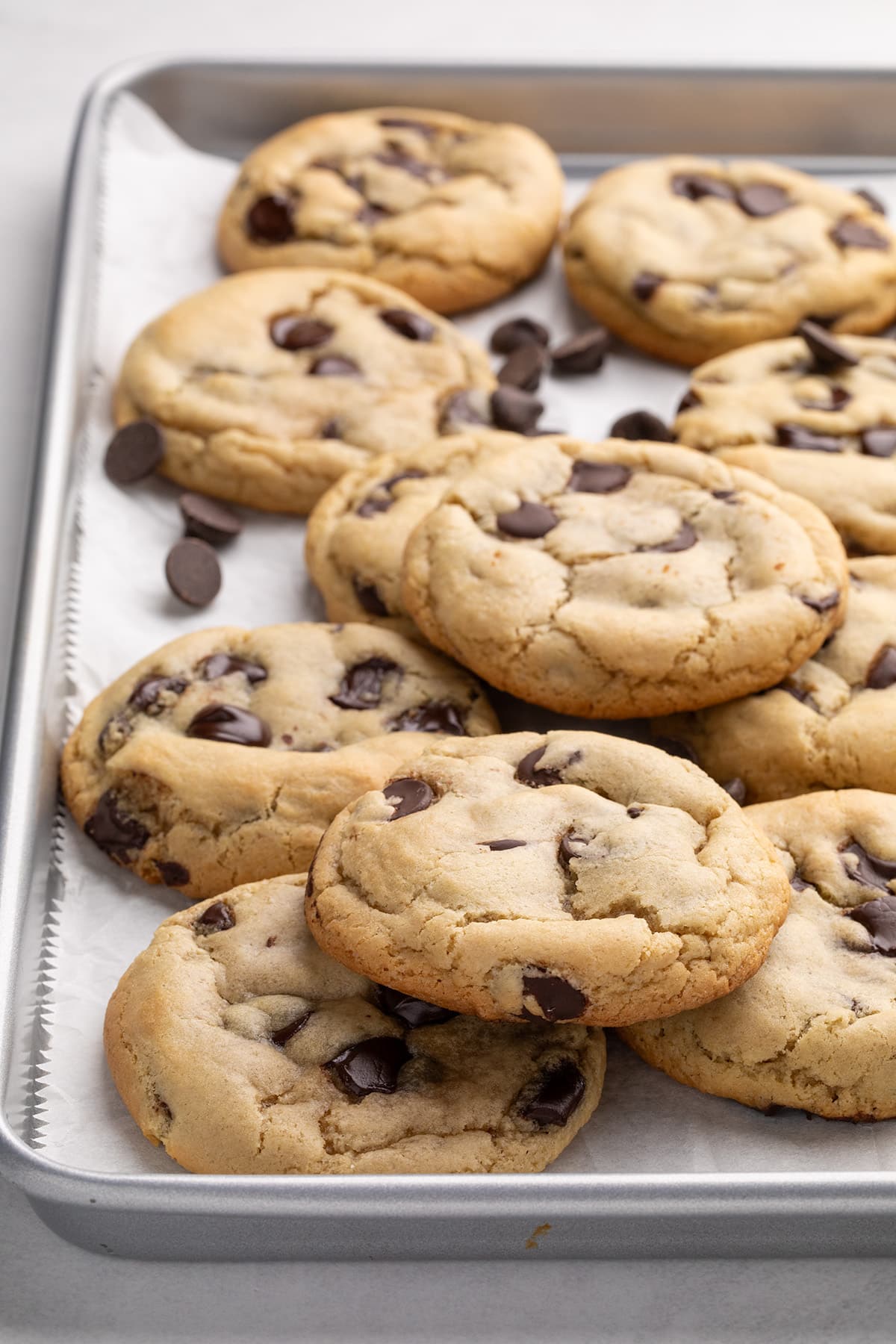
Whether you are baking for a holiday gathering, a school event, or just a Tuesday night craving, this method for gluten-free, dairy-free chocolate chip cookies proves that with the right technique, you never have to choose between your dietary needs and the perfect, gooey, chocolate-filled bite. The science is settled: the best cookie is one that everyone at the table can enjoy.