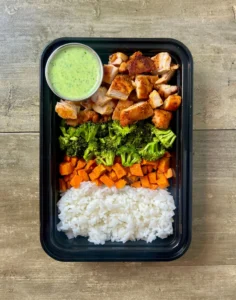
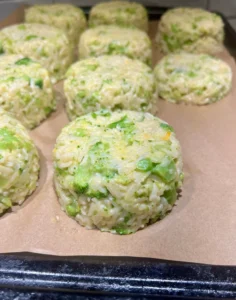
The Ultimate Freezer Staple: Revolutionizing Home Cooking with Nutrient-Dense Veggie Rice
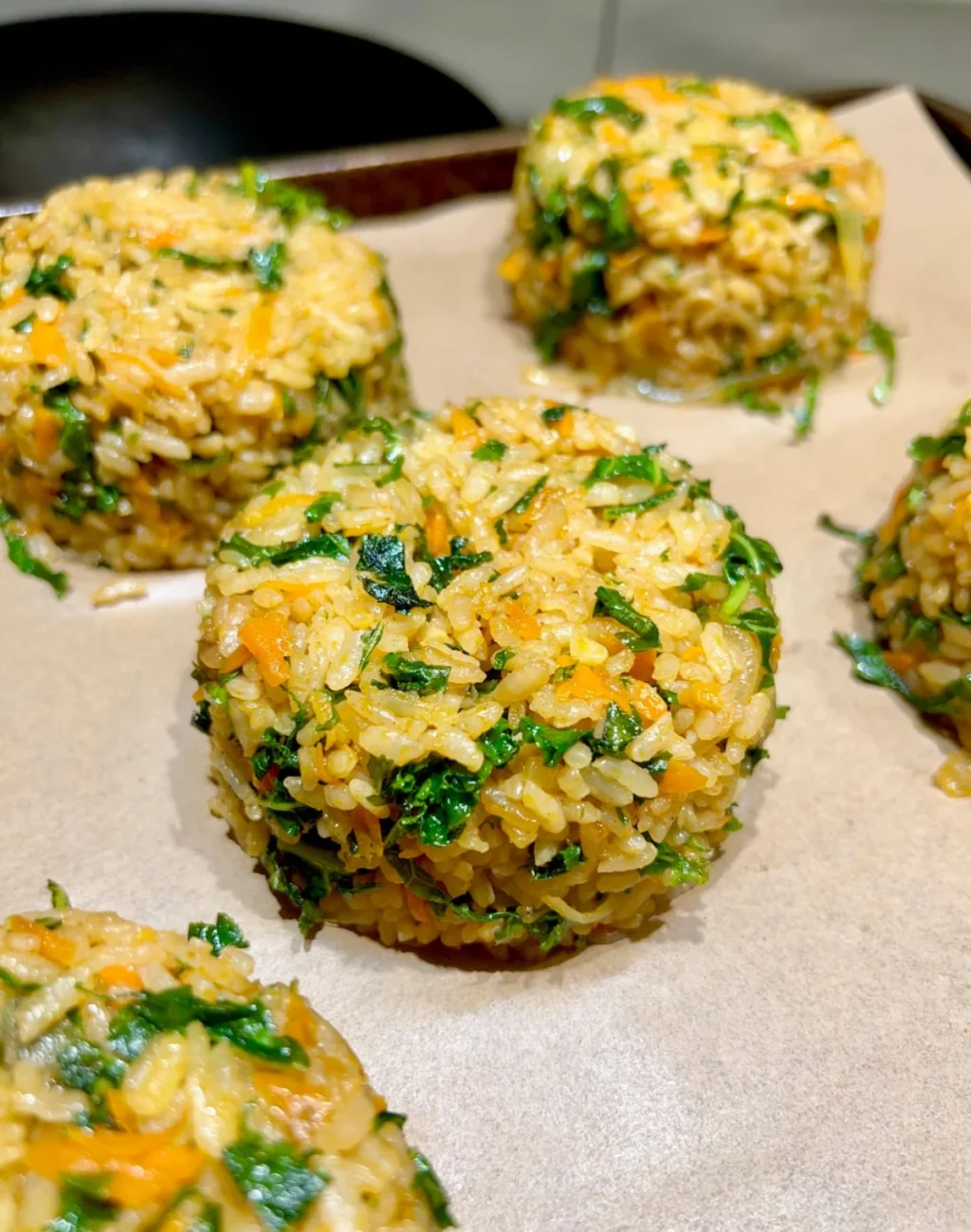
In the fast-paced landscape of modern life, the ability to maintain a healthy, balanced diet often falls victim to the constraints of time. For many, the transition from busy workdays to nutritious evening meals is the most significant hurdle in maintaining a wellness-focused lifestyle. Enter the "Veggie Rice" concept—a meticulously engineered, freezer-friendly side dish designed to bridge the gap between convenience and nutrition. By integrating fiber-rich kale, carrots, and onions into a foundational rice dish, home cooks can now ensure that a high-quality, plant-based side is always within reach, regardless of how chaotic their schedule becomes.
Main Facts: The Concept of Purposeful Meal Prep
At its core, the Veggie Rice initiative is an exercise in efficiency. Developed for the modern kitchen, this recipe is not merely about combining ingredients; it is about creating a stable, reliable resource that thrives under the conditions of long-term storage.
The primary objective is to provide a versatile, nutrient-dense base that can complement a wide variety of proteins or stand alone as a light, vegan-friendly meal. By batch-preparing this dish, individuals can bypass the temptation of processed convenience foods. The recipe yields seven generous servings, each clocking in at approximately 287 calories. With a macro-nutrient profile of 45.4g of carbohydrates, 4.9g of protein, and 9.6g of healthy fats per serving, it offers a balanced energy source that avoids the common "empty calorie" trap of plain white rice.
The selection of ingredients—kale for micronutrient density, carrots for beta-carotene and texture, and onions for aromatic depth—was intentional. These vegetables are robust enough to withstand the freezing and reheating process without losing their structural integrity, a common failing in lesser-developed freezer recipes.
Chronology: The Evolution from Raw Produce to Frozen Staple
The transformation of these raw ingredients into a shelf-stable, high-quality side dish follows a disciplined process that ensures food safety and optimal texture.
Phase 1: Preparation and Mise en Place
The process begins with a 15-minute prep window. This involves the meticulous cleaning and dicing of the vegetables. The kale must be de-stemmed and chopped to ensure consistent distribution, while the carrots and onions require precise dicing to match the size of the rice grains. This uniformity is crucial for even cooking and consistent texture upon reheating.
Phase 2: The Cooking Methodology (40 Minutes)
The cooking phase is split into distinct steps: the preparation of the vegetables and the preparation of the rice. Cooking the vegetables separately allows for better control over the moisture content—a vital factor in preventing the "soggy" texture often associated with frozen rice dishes. Once the vegetables are sautéed to the perfect al dente state and the rice is steamed to a fluffy consistency, the components are folded together.
Phase 3: The Cooling and Storage Protocol
The final, and perhaps most critical, phase is the cooling process. To maintain quality, the rice must be cooled rapidly before being portioned into airtight containers. This prevents the formation of large ice crystals that can destroy the cell structure of the vegetables, ensuring that the dish tastes as fresh on day thirty as it did on day one.
Supporting Data: Nutritional Analysis and Macro-Composition
Understanding the nutritional value of one’s intake is a cornerstone of effective meal planning. The Veggie Rice recipe provides a transparent breakdown of its nutritional contribution to the daily diet.
Macronutrient Breakdown
- Calories: 287 kcal
- Total Carbohydrates: 45.4g
- Protein: 4.9g
- Total Fat: 9.6g
- Dietary Fiber: 2.3g
The inclusion of fiber-dense vegetables slightly elevates the nutrient profile compared to traditional plain rice. While the protein content is moderate, the recipe is designed to be paired with lean meats, tofu, or legumes, allowing the consumer to customize their protein intake based on specific fitness goals.
The Mathematics of Meal Prep
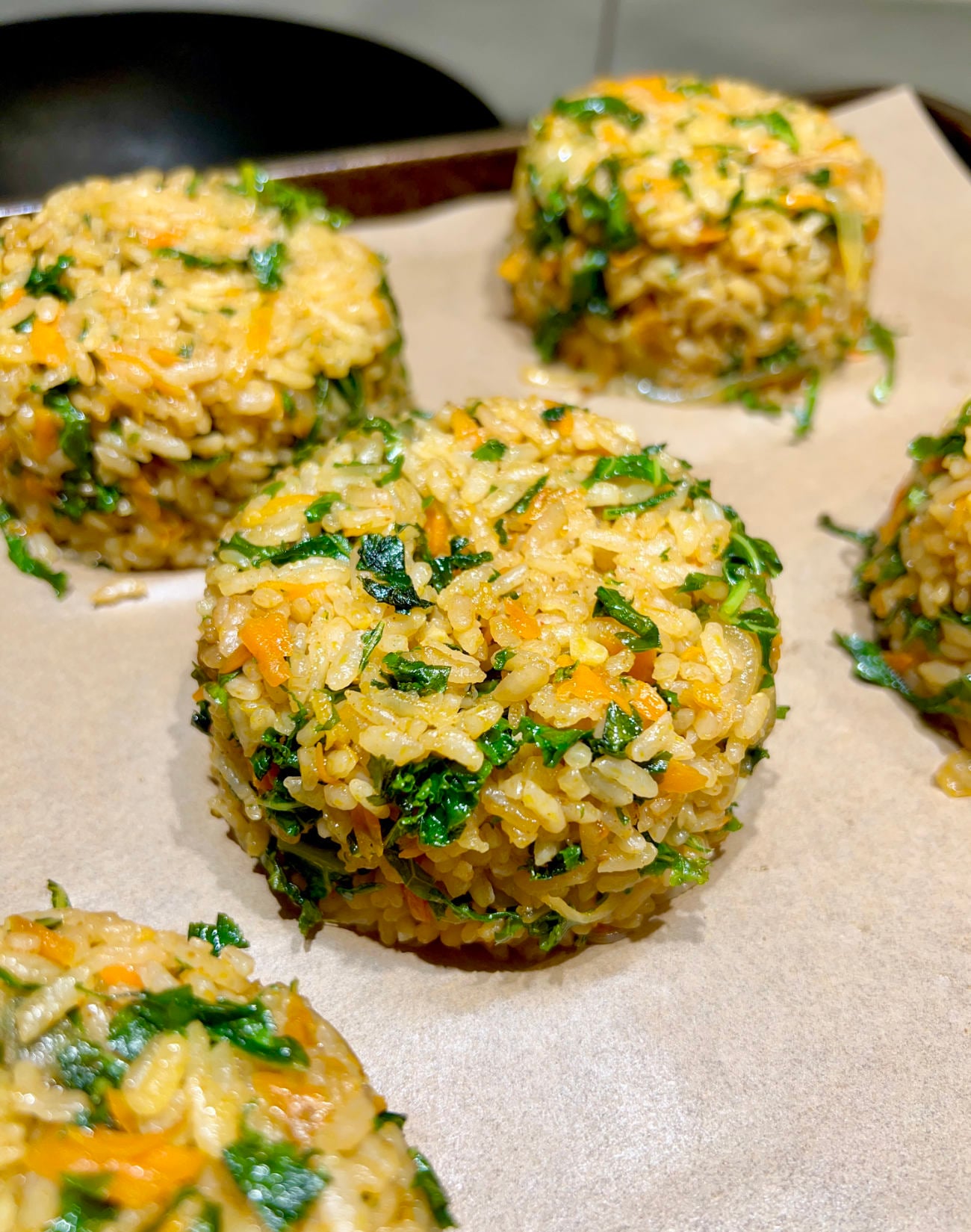
The recipe’s scalability is one of its most valuable features. Because the nutritional data is provided on a per-serving basis (based on a total of seven servings), users can adjust their intake according to their metabolic needs. However, as noted in professional culinary guidelines, any alteration to the total number of servings or the ingredient ratios will necessitate a recalibration of the nutritional table to ensure accuracy.
Official Perspectives: The Philosophy of Sustainable Nutrition
Professional nutritionists and home-cooking advocates have long debated the merits of "batch cooking." The consensus, particularly regarding this specific approach to Veggie Rice, is overwhelmingly positive.
Experts emphasize that the primary barrier to healthy eating is not a lack of willpower, but a lack of preparation. By treating the freezer as a "bank" for healthy food, individuals effectively "outsource" their future labor. When asked about the importance of incorporating cruciferous vegetables like kale into staple sides, nutritionists highlight the antioxidant benefits and the stabilizing effect these vegetables have on blood glucose levels when paired with complex carbohydrates.
Furthermore, the "freezer-friendly" designation is not merely a marketing term; it is a technical standard. Recipes that qualify for this label must be formulated to resist oxidation and freezer burn. The use of onions and carrots—ingredients with lower water content—acts as a natural preservative during the freezing process, maintaining the integrity of the rice starch.
Implications: Changing the Future of Home Cooking
The implications of adopting a "prepared-side" system like this are profound. On a macro level, it represents a shift away from the "all-or-nothing" approach to cooking. Many people fail at meal prepping because they attempt to prepare elaborate, multi-course meals for every day of the week. This approach, which focuses on the strategic preparation of a single, highly versatile side, is far more sustainable.
Environmental and Economic Impact
Beyond personal health, there is an economic and environmental incentive. By preparing rice in bulk, households reduce food waste associated with half-used bags of produce. The use of fresh, seasonal vegetables—or even frozen ones—minimizes the carbon footprint associated with repeated, small-scale grocery store trips.
The Psychological Benefit
The psychological impact of having a "ready-to-go" nutritious side dish cannot be overstated. It reduces the "decision fatigue" that sets in after an eight-hour workday. When the choice is between ordering expensive, high-sodium takeout or pulling a pre-portioned, nutrient-dense Veggie Rice from the freezer, the barrier to making the healthy choice is significantly lowered.
A Scalable Model
This recipe serves as a blueprint. Once a home cook masters the ratios of vegetables to rice, they can begin to experiment with different flavor profiles—adding turmeric for anti-inflammatory benefits, or swapping kale for spinach or Swiss chard. The framework is inherently flexible, allowing it to evolve alongside the dietary needs and preferences of the household.
In conclusion, the Veggie Rice is more than a recipe; it is a tactical tool for the modern, health-conscious individual. By combining the convenience of freezer-ready storage with the fundamental tenets of balanced nutrition, it provides a viable, long-term solution to the challenges of modern meal management. Whether for the professional looking to streamline their evenings, or the student aiming to maintain health on a budget, this dish stands as a testament to the power of simple, intentional, and well-executed home cooking.