The Weeknight Revolution: Mastering Easy Ground Chicken Tacos for the Whole Family
For the modern parent, the pursuit of a "quick, healthy, and kid-approved" dinner is often the ultimate domestic challenge. With schedules packed tight between school runs, extracurricular activities, and professional obligations, the kitchen can quickly become a source of stress rather than a heart of the home. Enter the humble ground chicken taco—a culinary bridge that connects the desire for wholesome, nutrient-dense ingredients with the practical reality of a 20-minute time constraint.
This article explores the methodology behind the viral "Easy Ground Chicken Taco" recipe, breaking down why this specific approach has become a staple for families nationwide and offering a deep dive into the nutritional and practical implications of incorporating hidden vegetables into classic comfort foods.
Main Facts: The Anatomy of a Perfect Taco
The essence of this recipe lies in its simplicity and versatility. By swapping traditional ground beef for ground chicken, home cooks can achieve a lighter, leaner protein profile without sacrificing the savory, spiced satisfaction that defines "Taco Tuesday."
The "Hidden Veggie" Strategy
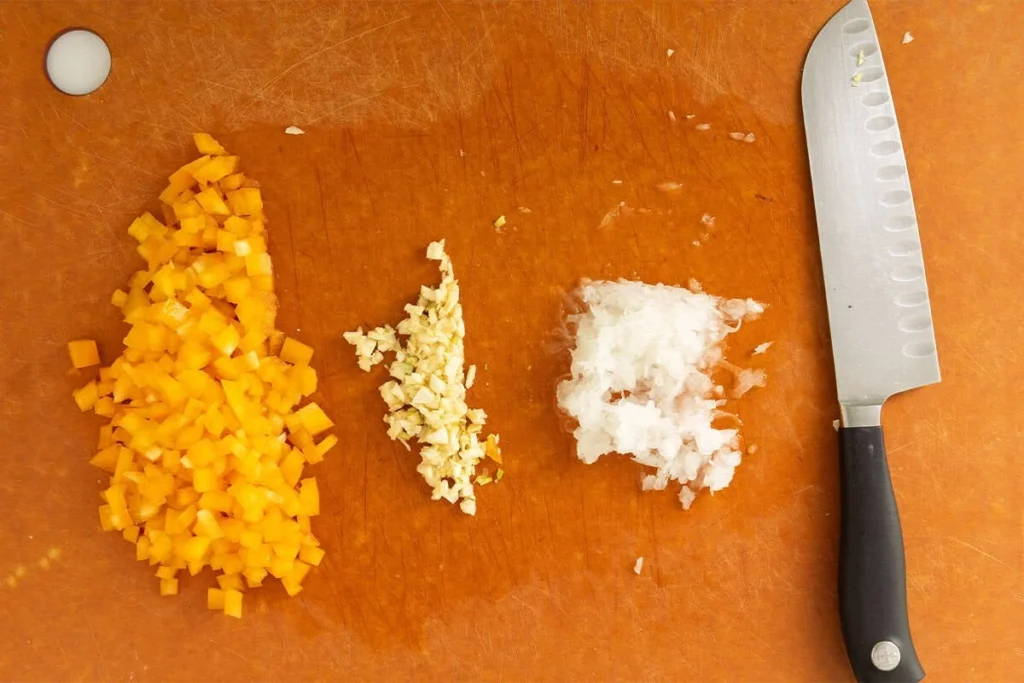
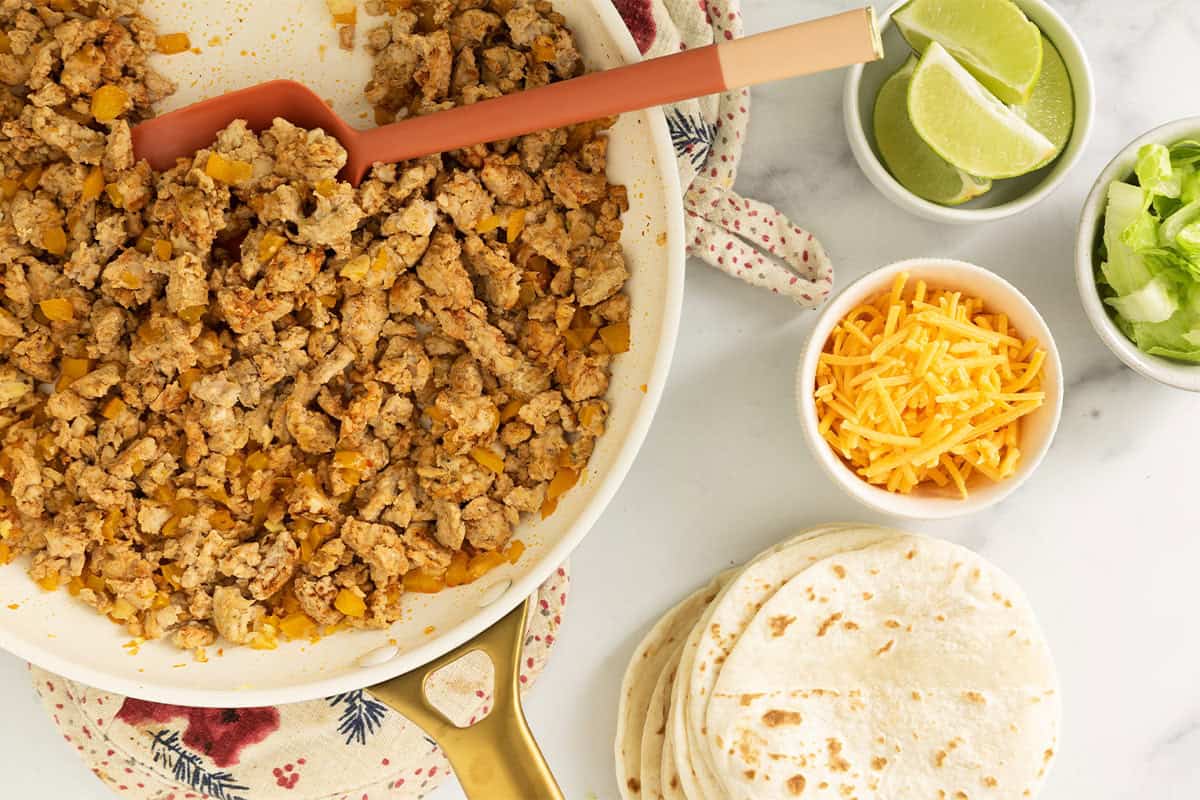
One of the most compelling aspects of this recipe is the integration of minced vegetables directly into the meat mixture. This is not merely a stylistic choice; it is a nutritional strategy. By finely mincing vegetables—such as bell peppers, onions, or zucchini—and sautéing them until they are indistinguishable from the browned chicken, parents can increase the fiber and micronutrient content of the meal without triggering the common "veggie resistance" often seen in toddlers and younger children.
Speed and Accessibility
The entire process is designed for maximum efficiency. With a total preparation and cook time of under 20 minutes, it serves as a viable alternative to processed convenience foods. The ingredients are accessible at any standard grocery store, requiring no specialized equipment other than a reliable skillet or pan.
Chronology: The Evolution of the Recipe
The journey to this specific taco preparation didn’t happen overnight. It evolved from a long-standing "Easy Taco Meat" standard.
- The Foundation: The original concept focused on a basic, high-protein beef base. While effective, the culinary team looked for ways to increase dietary variety.
- The Pivot to Poultry: Experimenting with ground chicken presented a challenge—chicken is naturally leaner and can dry out faster than beef. The solution was the addition of tomato paste and a specific sequence of sautéing vegetables to create a moisture-rich base.
- Refining the Texture: The "mincing" technique was developed to ensure that the vegetables softened completely, blending seamlessly with the protein. This eliminated the "chunky" texture that can sometimes deter younger eaters.
- The "Finger Food" Adaptation: Recognizing that toddlers often struggle with structural integrity in food, the recipe was adjusted to be "deconstructible." By serving the meat alongside strips of tortillas rather than pre-assembled shells, the dish became an accessible finger food.
Supporting Data: Nutritional Breakdown
Understanding what goes onto the dinner plate is paramount for health-conscious families. A standard serving (as outlined in the current recipe framework) provides a balanced macronutrient profile.
Per-Serving Nutritional Profile:
- Calories: 131 kcal
- Protein: 14g (Essential for growth and muscle maintenance)
- Carbohydrates: 5g
- Total Fat: 6g (Including healthy monounsaturated fats)
- Fiber: 1g (Boosted by the vegetable integration)
- Key Micronutrients: High levels of Vitamin A (721 IU) and Vitamin C (28 mg) are present due to the inclusion of fresh vegetables.
This profile indicates that the meal is energy-dense enough to satisfy, yet lean enough to remain a staple in a balanced diet. The low sugar content (2g) and absence of heavy, saturated-fat-laden binders make this a superior choice compared to many restaurant-style taco kits.
Expert Perspectives: Why This Works
Nutritionists and family feeding specialists often emphasize the importance of "repeated exposure" when introducing new flavors to children. By serving these tacos in a deconstructed format, parents are employing a proven psychological tactic: autonomy.
When a child is given the power to assemble their own taco, or to choose which components (the meat, the cheese, the cilantro, or the beans) to interact with, the pressure of "eating dinner" is removed. This lowers the cortisol levels associated with mealtimes, leading to a more positive association with food.
The Role of Spices
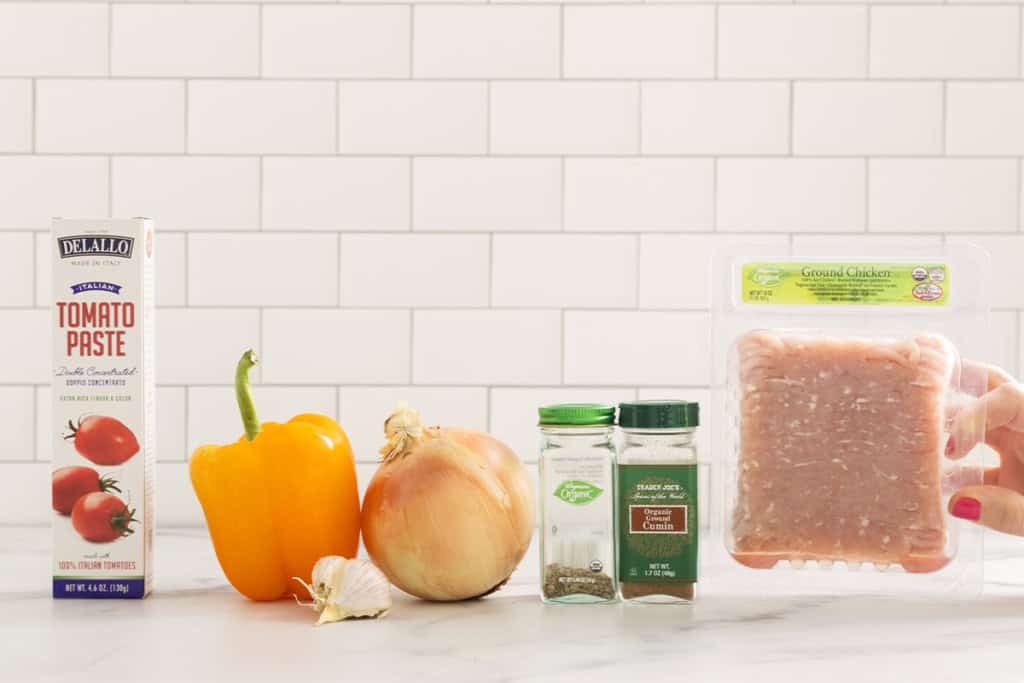
Flavor profiles play a critical role in the success of this dish. The recipe utilizes traditional taco spices—chili powder, cumin, and garlic—which provide a complex flavor bridge. For families looking to experiment, the addition of lime juice or fresh cilantro can heighten the acidity, which helps cut through the savory fat, making the meal more palatable for adult palates while remaining accessible for children.
Implications: The Future of the "Taco Tuesday" Tradition
The cultural phenomenon of "Taco Tuesday" is more than just an excuse for a specific meal; it is a ritual. In the context of modern family life, ritualizing dinner helps provide a sense of stability.
Economic Efficiency
With food costs rising, the reliance on affordable proteins like ground chicken is a significant financial benefit. Chicken is often more cost-effective than beef or plant-based alternatives, and when combined with seasonal, low-cost vegetables, the cost per serving is significantly lower than ordering takeout.
Storage and Scalability
The ability to store leftovers for up to five days in an airtight container provides a "meal-prep" advantage. For working parents, this means the labor invested on a Tuesday can pay dividends on a Wednesday or Thursday, reducing the temptation to rely on expensive, less-nutritious convenience options.
How to Execute: A Step-by-Step Guide
To ensure the best results, adhere to the following procedural standards:
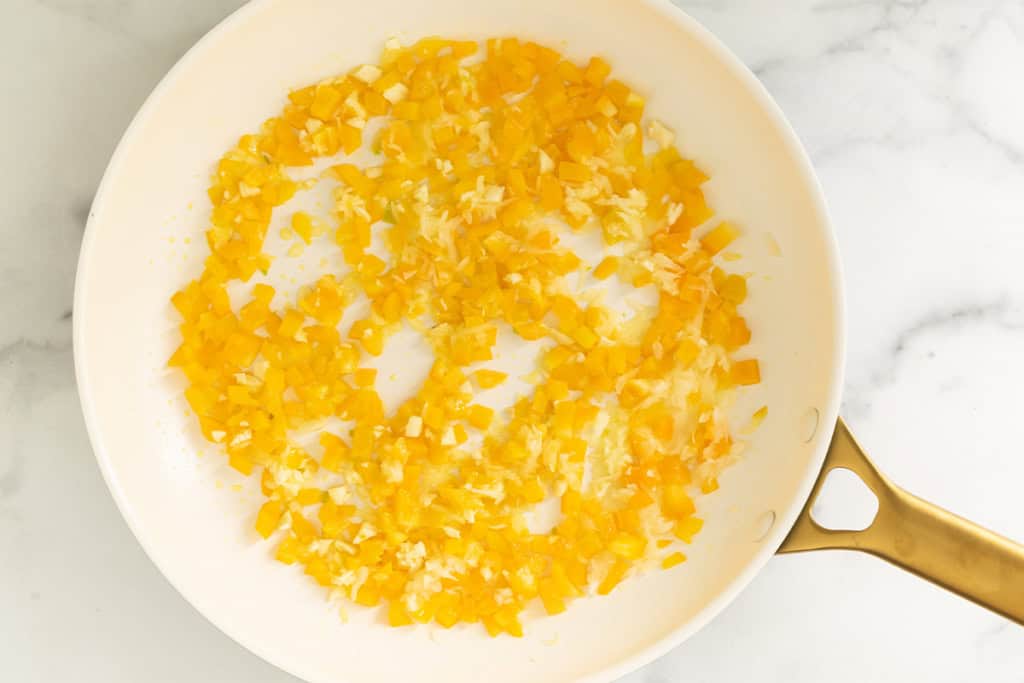
1. Preparation of the Aromatics
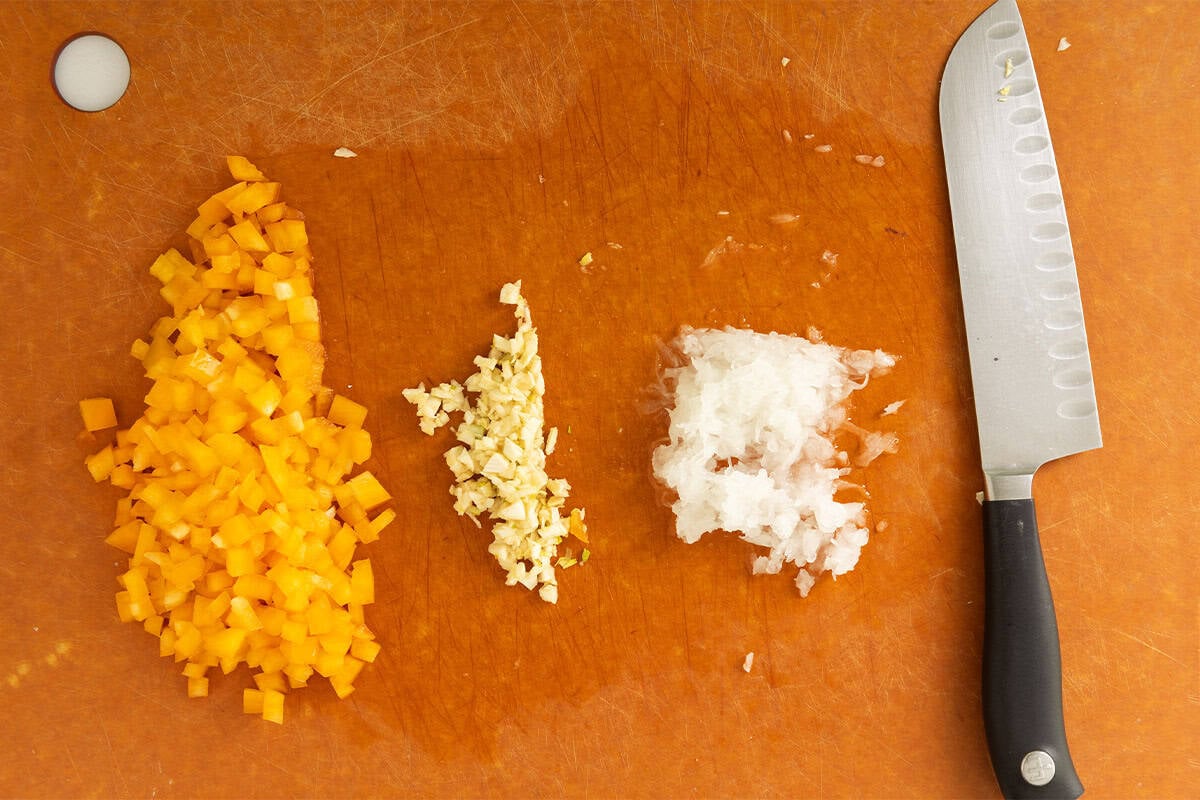
Mince your chosen vegetables—peppers, onions, or even grated carrots—until they are uniform. If you own a food processor, a quick "pulse" is sufficient. Do not over-process into a paste; you want to retain some texture.
2. The Sauté Phase
Warm olive oil or butter in your skillet. The heat should be medium—high enough to sauté, but low enough to prevent burning the delicate spices you will add later. Cook the vegetables until they are soft and translucent. This is the "flavor extraction" phase.
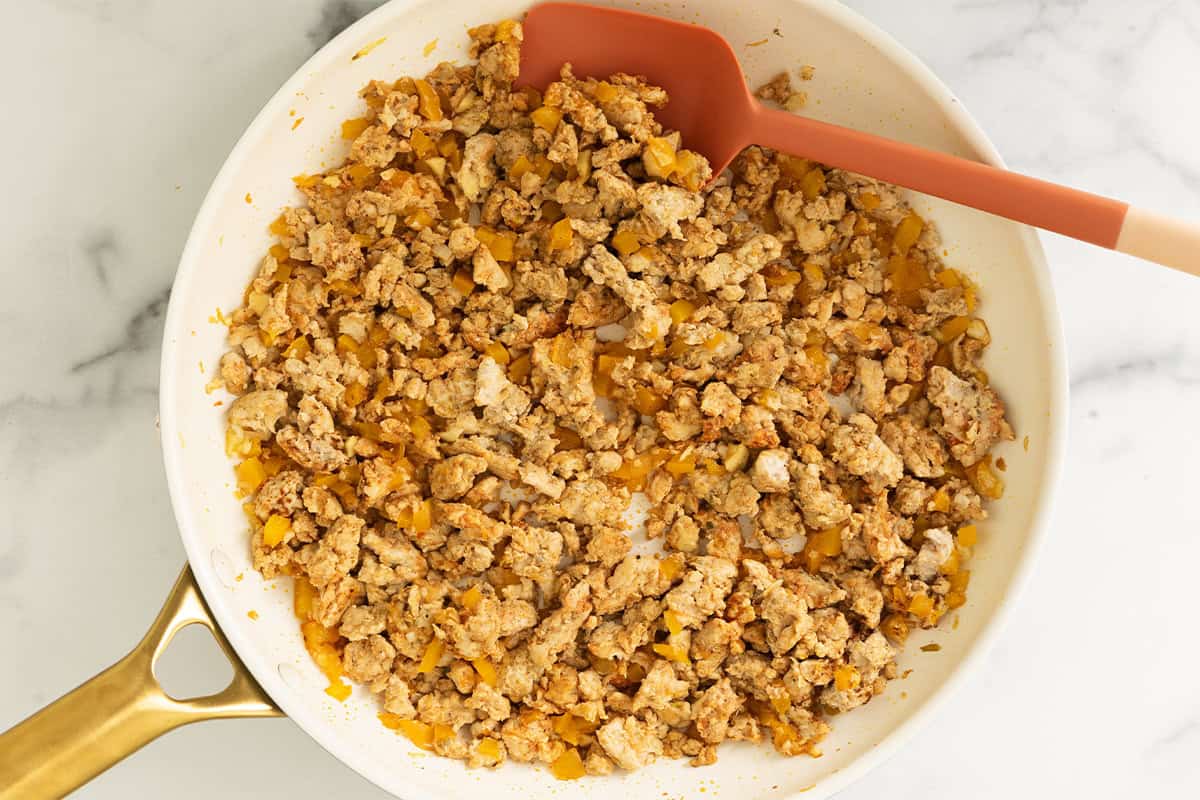
3. Protein Integration
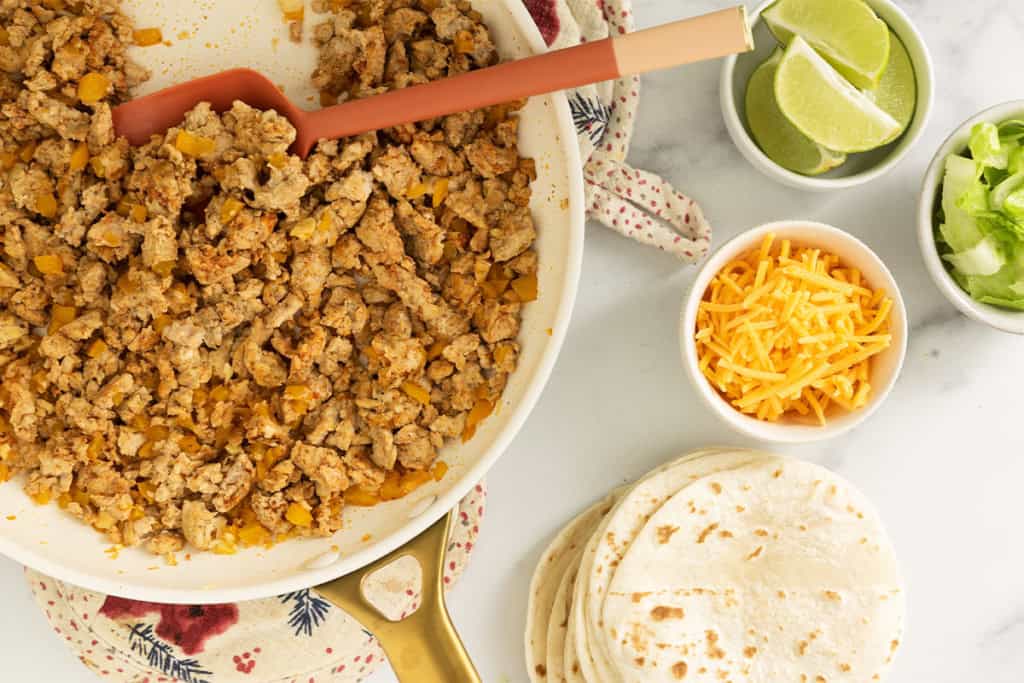
Add the ground chicken. Break it up with a spatula immediately to ensure uniform browning. Add the tomato paste and your spice blend (chili powder, cumin, salt). The tomato paste acts as a thickening agent, binding the juices of the chicken and the moisture of the vegetables into a cohesive sauce.
4. Serving Dynamics
If serving toddlers, cut the tortillas into thin strips. If serving older children or adults, consider offering a variety of "traditional" toppings—cilantro, sour cream, black beans, and salsa—in separate bowls. This allows for customization, which is the cornerstone of a successful family-style meal.
Addressing Common Queries
"My child is a picky eater. Will they notice the vegetables?"
The key is the "mince" size. By cutting the vegetables to match the size of the ground chicken crumbles, you ensure they are visually indistinguishable. Most children are deterred by texture more than flavor; if the vegetables are soft and integrated into the meat, the sensory barrier is largely removed.
"How can I adjust the heat level?"
The provided recipe is mild by design. To increase the heat for adult preferences, consider adding a dash of hot sauce to the individual adult portions or using a smoked paprika/chipotle powder blend to add depth without overwhelming a child’s palate.
"Are there any specific tortilla recommendations?"
For toddlers, "soft" is the operative word. Slightly warmed flour tortillas are often the easiest to handle. If using corn tortillas, ensure they are fresh and warm, as they can become brittle when cool.
Conclusion
The Easy Ground Chicken Taco is a testament to the idea that healthy family dining does not need to be complicated. By focusing on high-quality, simple ingredients and utilizing techniques that minimize prep time and maximize nutritional value, families can reclaim the dinner hour. Whether you are navigating the complexities of toddler feeding or simply looking for a reliable, fast, and delicious Tuesday night tradition, this recipe stands as a cornerstone of modern, efficient home cooking.
For more tips on navigating family mealtimes and discovering one-pan dinner solutions, stay tuned to our regular updates and join our community of home chefs dedicated to making dinner time easier, one meal at a time.