A Silent Crisis: How Our Diets Are Shaving Years Off Lives and Why 99.99% of Americans Are Falling Short
Washington D.C. – In an alarming revelation that underscores a profound public health crisis, a staggering 99.99% of Americans are failing to meet the minimum recommended potassium intake while simultaneously exceeding recommended sodium levels. This critical nutritional imbalance, far from being a minor dietary oversight, is identified as a leading driver of preventable disease and premature death, eclipsing the health burden of physical inactivity by nearly 20-fold globally.
The data paints a stark picture: unhealthy diets are responsible for hundreds of millions of disability-free years lost annually worldwide. While physical inactivity accounts for over 10 million years of healthy life lost, the impact of what we eat is nearly 20 times more devastating. This report delves into the core issues of this dietary dilemma, examining the specific culprits in our food supply, their devastating health consequences, and the urgent calls for systemic change from leading health organizations.
The Pervasive Imbalance: A Dual Dietary Failure
At the heart of this health emergency lies a widespread failure to consume adequate amounts of potassium and a rampant overconsumption of sodium. Our bodies, finely tuned through millennia of evolution, are designed to thrive on a diet rich in potassium and low in sodium – a stark contrast to the modern American diet.
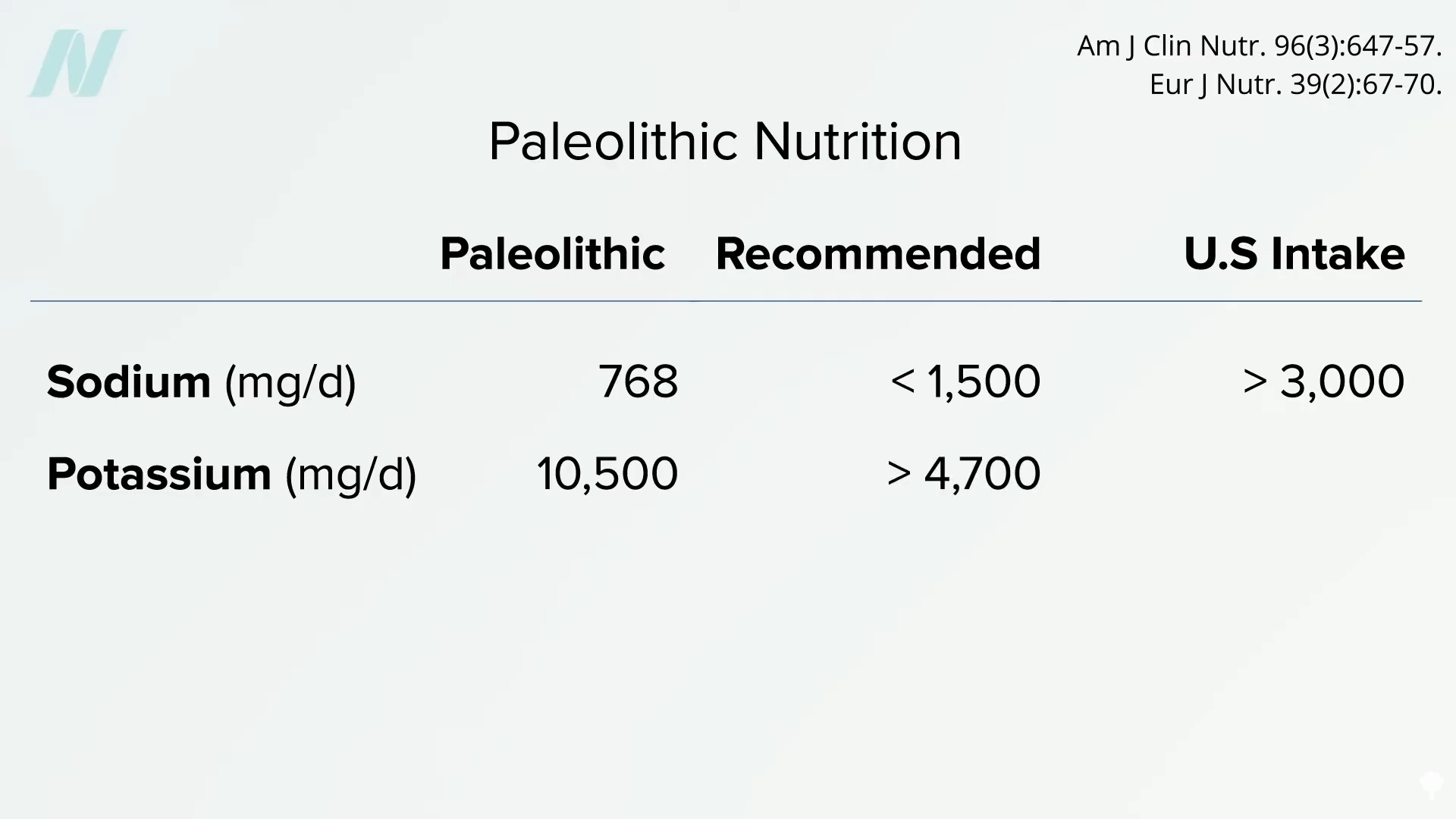
The average American’s sodium intake is roughly double what our ancestors consumed and more than four times the amount our bodies are naturally equipped to handle, which is estimated to be around 750 mg per day. Despite the American Heart Association recommending an upper limit of 1,500 mg, a shocking 98.8% of Americans were found to exceed this threshold more than a decade ago, a figure that has only worsened over time.
Conversely, potassium, a vital mineral that actively works to lower blood pressure and counteract the negative effects of sodium, is critically under-consumed. Less than 2% of U.S. adults meet the recommended daily minimum intake. Our ancestors likely consumed upwards of 10,000 mg of potassium daily, primarily from plant-based foods. Today, most Americans fall dramatically short of even half that amount, perpetuating a severe potassium deficiency that has profound health implications.
When these two critical guidelines – adequate potassium and limited sodium – are considered together, the compliance rate plummets to a dismal 0.015%. This means fewer than 1 in 6,000 Americans achieve the recommended balance, highlighting a near-total noncompliance that demands immediate attention.
The Global Burden: Diet Outweighs Inactivity
The human cost of these dietary failings is immense and global. Researchers have quantified the impact of various risk factors on global health, often using metrics like "years of healthy life lost" or "disability-adjusted life years" (DALYs). These metrics combine years of life lost due to premature mortality and years lived with disability due to disease. The evidence overwhelmingly demonstrates that dietary risks far surpass other behavioral risks, including physical inactivity, in contributing to this global health burden.
The sheer scale of disability-free years lost due to unhealthy eating habits is a testament to the pervasive and chronic nature of diet-related diseases. These aren’t just about reducing lifespan; they’re about diminishing the quality of life for millions, leading to years spent battling chronic conditions that could have been prevented through better nutrition. This perspective shifts the focus from merely surviving to thriving, emphasizing the profound societal and individual impact of dietary choices on overall well-being and productivity.
Dissecting the Dietary Traps: What’s Harming Us Most
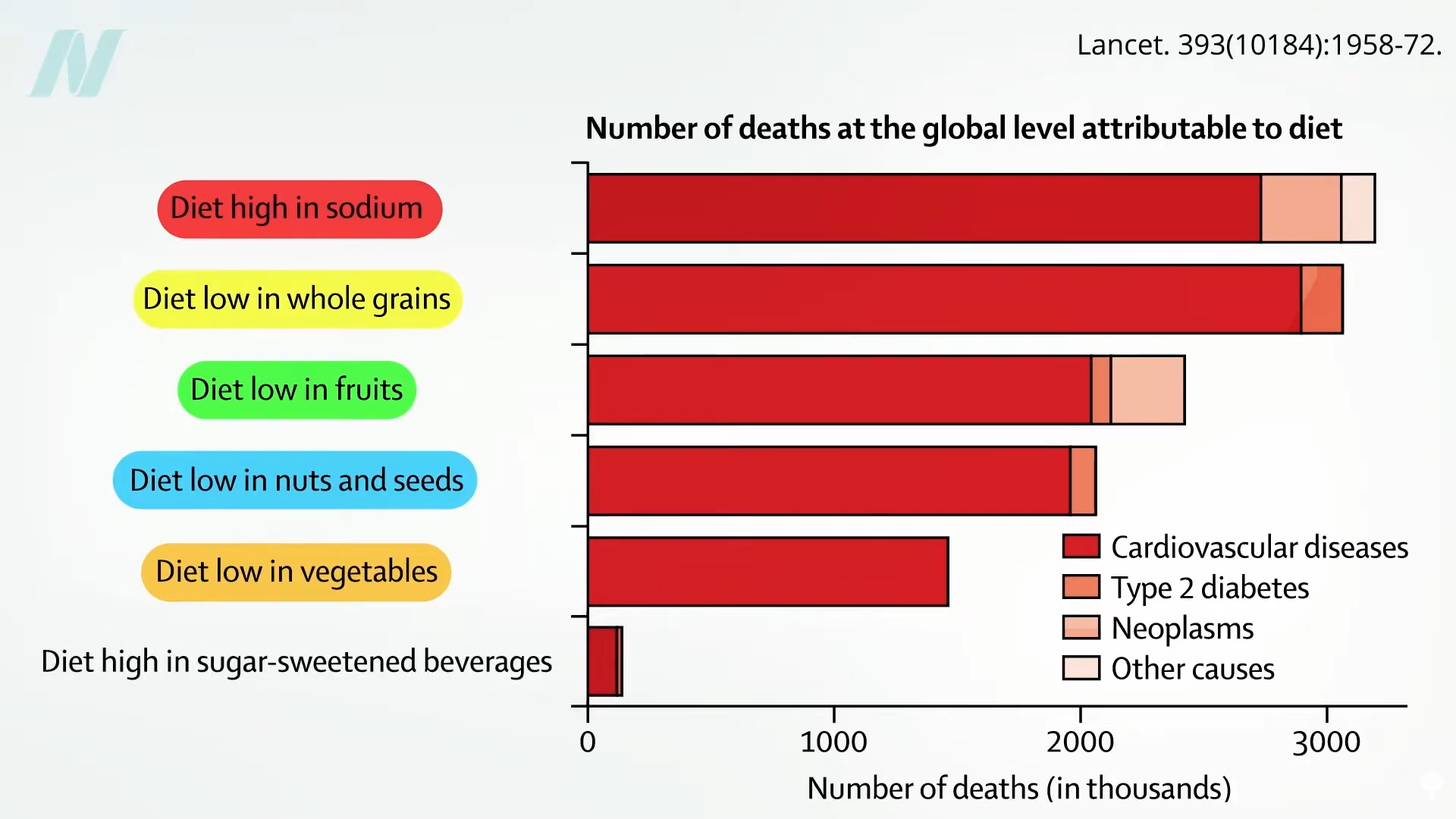
According to comprehensive research, the most perilous aspects of our diets are not always what we might intuitively expect. While processed foods, sugary drinks, and unhealthy fats often grab headlines, the deadliest dietary traps reveal a more nuanced picture. Four out of the five most fatal dietary flaws involve a lack of certain beneficial foods: insufficient intake of whole grains, fruits, nuts and seeds, and vegetables. These foods are rich in essential nutrients, fiber, and, notably, potassium, which are crucial for maintaining health and preventing disease.
However, the single most fatal flaw in the modern diet is excessive salt consumption. This ubiquitous ingredient is about 15 times deadlier than diets that are too high in sugary sodas, putting its pervasive danger into stark perspective. The insidious nature of salt lies in its presence across a vast array of processed and restaurant foods, making it incredibly difficult for individuals to control their intake without significant effort or systemic changes in the food industry.
The graphical representations of these dietary contributions to disease burden, often illustrated in health reports, visually reinforce the magnitude of salt’s impact, dwarfing other dietary risks and underscoring its role as a primary driver of preventable mortality and morbidity.
Sodium: A Silent Assassin of Health
The health consequences of excessive sodium intake are well-documented and far-reaching, affecting multiple organ systems and contributing to a cascade of chronic diseases.
The Immediate and Chronic Impacts
The most immediate and widely recognized effect of high sodium intake is elevated blood pressure, or hypertension. Blood pressure is the force of blood pushing against the walls of your arteries. When it’s consistently too high, it damages artery walls, making them less elastic and narrowing them over time. This forces the heart to work harder, leading to:
- Heart Disease: Prolonged hypertension strains the heart muscle, leading to conditions like coronary artery disease, heart failure, and heart attacks. It accelerates the buildup of plaque in arteries, a process known as atherosclerosis.
- Stroke: High blood pressure is a leading risk factor for stroke, which occurs when blood supply to part of the brain is interrupted or severely reduced, depriving brain tissue of oxygen and nutrients. This can be due to a blocked artery (ischemic stroke) or a leaking or burst blood vessel (hemorrhagic stroke).
- Kidney Disease: The kidneys play a crucial role in filtering waste and excess fluid from the blood. High blood pressure can damage the small blood vessels in the kidneys, impairing their ability to function properly and potentially leading to chronic kidney disease or kidney failure.
- Stomach Cancer: Emerging research also links high sodium intake to an increased risk of stomach cancer, possibly by damaging the stomach lining and making it more susceptible to infection by Helicobacter pylori, a known carcinogen.
The Inflammatory Connection
Beyond the cardiovascular system, excessive sodium also fuels inflammation, a fundamental process involved in many chronic diseases. Studies have demonstrated a clear link between sodium intake and increased inflammatory markers in the body. For instance, in individuals with multiple sclerosis (MS), an inflammatory autoimmune nerve condition, higher sodium intake is associated with a three to four times greater exacerbation rate compared to those consuming less than a teaspoon of salt per day.
This inflammatory effect is not isolated to MS. Higher sodium levels have been observed in the tissues of individuals suffering from lupus, another serious inflammatory autoimmune disease. Furthermore, a direct correlation has been found between elevated sodium levels in the spinal cord of MS patients and disease progression, along with decreased structural integrity of neural tissues. This suggests that sodium isn’t just a marker for an unhealthy diet but actively contributes to the pathological processes of these complex conditions.
The Gut Microbiome: A New Frontier
A more recent understanding of sodium’s detrimental effects points to its impact on the gut microbiome – the trillions of beneficial bacteria residing in our digestive tracts. Research suggests that high salt intake can disrupt the delicate balance of these friendly flora, leading to dysbiosis. A compromised gut microbiome is increasingly linked to a wide range of health issues, including inflammatory conditions, metabolic disorders, and even neurological problems. This discovery adds another layer of complexity to the mechanisms through which excessive sodium harms our health, suggesting that its reach extends beyond the cardiovascular system to influence systemic inflammation and overall well-being.
A Historical Perspective on Salt Consumption
The stark contrast between ancestral and modern diets provides crucial context for understanding the current sodium crisis. For millennia, human diets were predominantly plant-based, rich in whole foods, and naturally low in sodium. Our evolutionary physiology adapted to these conditions, developing mechanisms to conserve sodium rather than excrete it in large quantities. The estimated ancestral intake of around 750 mg per day reflects this adaptation.
However, with the advent of agriculture, food processing, and global trade, diets underwent a radical transformation. Salt became a primary preservative and flavor enhancer. Today, the vast majority of sodium in our diets comes not from the salt shaker on our tables, but from processed foods, restaurant meals, and packaged goods. This hidden salt makes it incredibly challenging for consumers to accurately monitor and control their intake. The data confirms this trend, showing that sodium consumption has only increased over the last decade, indicating a worsening public health trajectory.
Potassium: The Neglected Counterpart and Its Power
While sodium garners attention for its detrimental effects, potassium often remains in its shadow, despite being an equally critical player in maintaining health. Potassium is an essential mineral and electrolyte that plays a vital role in numerous bodily functions, including nerve signal transmission, muscle contraction, and maintaining fluid balance. Crucially, it works antagonistically with sodium to regulate blood pressure.
A diet rich in potassium helps to counteract the effects of sodium, promoting its excretion from the body and relaxing blood vessel walls, thereby lowering blood pressure. This makes potassium a powerful, natural hypotensive agent. Given the widespread issue of hypertension, the severe deficiency in potassium intake among Americans (less than 2% meet recommended levels) represents a missed opportunity for widespread disease prevention.
The recommended daily intake for potassium is significantly higher than what most people consume, yet still considerably less than the estimated 10,000 mg or more our ancestors obtained from their naturally potassium-rich, unprocessed diets. This historical comparison highlights how dramatically our food environment has shifted away from foods that naturally support optimal blood pressure and cardiovascular health.
The Dire Convergence: A Crisis of Compliance
The convergence of excessive sodium intake and severe potassium deficiency creates a perfect storm for chronic disease. It’s not just about one mineral being too high or too low; it’s the profound imbalance between the two that amplifies the health risks. The fact that fewer than 0.015% of Americans achieve both recommended guidelines simultaneously speaks volumes about the pervasive nature of this dietary crisis. This isn’t merely a statistic; it represents a widespread failure of public health messaging, food industry practices, and individual dietary choices, leading to a population teetering on the brink of preventable illnesses.
Calls for Action: Official Responses and Public Health Strategies
The severity of this issue has not gone unnoticed by health authorities. Leading medical experts and public health officials have issued urgent calls for action. A former commissioner of the U.S. Food and Drug Administration (FDA) unequivocally stated, "There remains no single more effective public health action related to nutrition than the reduction of sodium in the diet." This powerful declaration underscores the consensus among experts regarding the paramount importance of tackling sodium intake.
In response to this pressing need, national and international health organizations have advocated for aggressive public health interventions, including the implementation of warning labels on salt packets and shakers. These labels would carry clear, concise messages such as: "Too much sodium in the diet causes high blood pressure and increases risk of stomach cancer, stroke, heart disease, and kidney disease. Limit your use."
The rationale behind such warning labels is rooted in public health precedents, particularly those from tobacco control. Similar to how graphic warnings on cigarette packs have raised awareness and influenced consumer behavior, prominent labels on salt products aim to educate consumers about the direct link between excessive sodium and life-threatening diseases. This strategy seeks to empower individuals to make more informed choices while simultaneously pressuring the food industry to reduce sodium content in their products.
Beyond labeling, comprehensive public health strategies are essential. These include:
- Government Regulations: Setting stricter limits on sodium content in processed foods and restaurant meals.
- Public Awareness Campaigns: Educating the public about the dangers of high sodium and the benefits of potassium-rich foods.
- Dietary Guidelines: Promoting diets rich in whole grains, fruits, vegetables, nuts, and seeds, which are naturally low in sodium and high in potassium.
- Food Industry Reformulation: Encouraging manufacturers to voluntarily reduce sodium in their products and develop healthier alternatives.
Innovative Solutions: The Promise of Salt Substitutes
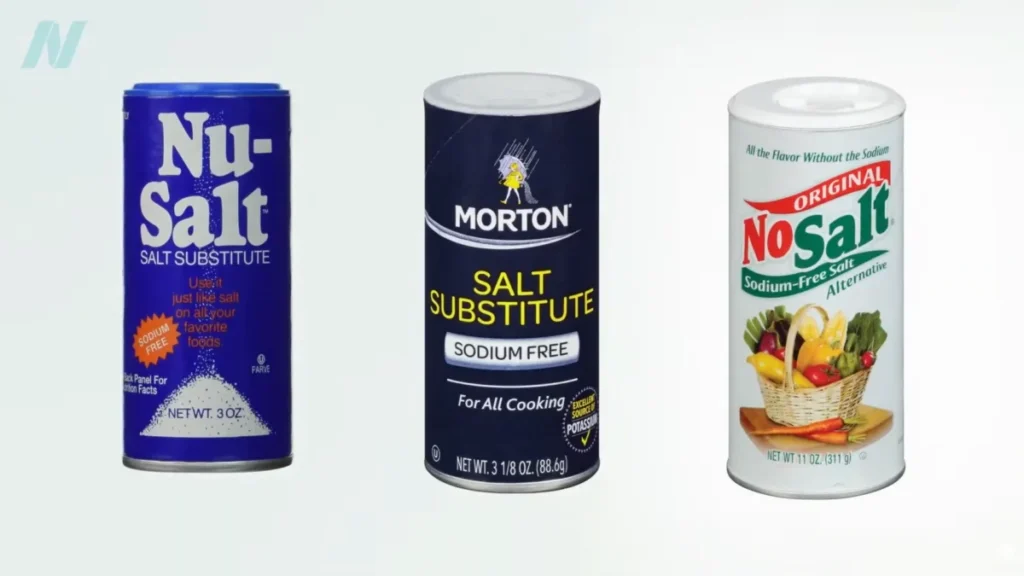
Given the widespread challenge of reducing sodium and increasing potassium intake, innovative solutions are being explored. One such avenue is the use of potassium-based salt substitutes. These products typically replace a significant portion of sodium chloride with potassium chloride, aiming to provide a salty taste without the same detrimental health effects of pure sodium chloride.
The concept is compelling: achieve the desired salty flavor while simultaneously reducing sodium and boosting potassium intake. On the surface, it seems almost too good to be true, offering a dual benefit that addresses both sides of the dietary imbalance. However, questions naturally arise regarding their safety and effectiveness. Are these substitutes truly harmless? Do they deliver the promised health benefits in real-world settings?
Research into potassium chloride salt substitutes has shown promising results in reducing blood pressure and lowering cardiovascular disease risk in some populations. These substitutes offer a practical strategy, particularly for individuals who find it challenging to eliminate the salty taste from their diet entirely. However, potential considerations, such as taste perception, consumer acceptance, and the need for medical advice for individuals with certain kidney conditions, warrant careful evaluation. This ongoing area of research holds significant promise for public health, as further studies continue to clarify their role in a comprehensive dietary strategy.
Beyond the Myths: Addressing Misconceptions
Despite the overwhelming scientific evidence, skepticism and misinformation surrounding salt’s role in health persist. Some claim that salt isn’t a problem for everyone or that the recommendations are overly restrictive. However, such claims are largely unsupported by robust scientific inquiry. The causal link between high salt intake and high blood pressure, for example, is not merely correlational; it has been definitively established through over a hundred randomized controlled trials. These trials, considered the gold standard in medical research, consistently demonstrate that reducing added salt leads to a measurable fall in blood pressure, with greater reductions observed when more salt is cut.
The consistency and volume of this evidence leave little room for doubt: for the vast majority of the population, reducing sodium intake is a crucial step towards better health. Dismissing these findings ignores decades of rigorous research and jeopardizes public health.
Conclusion: A Path Forward for Healthier Lives
The widespread dietary imbalance of excessive sodium and deficient potassium represents one of the most pressing public health challenges of our time. Its profound impact on chronic disease and the loss of healthy life years demands a concerted, multi-faceted approach.
Addressing this crisis requires a collective effort from individuals, policymakers, and the food industry. Consumers must be empowered with knowledge and access to healthier food options. Policymakers must implement stronger regulations and support public health campaigns. The food industry bears a significant responsibility to reformulate products, reducing sodium content and offering more potassium-rich, whole food options.
By prioritizing a shift towards diets rich in whole grains, fruits, vegetables, nuts, and seeds – foods naturally high in potassium and low in sodium – and by actively reducing our reliance on processed foods and added salt, we can collectively reverse this alarming trend. The potential gains are enormous: healthier populations, reduced healthcare burdens, and a future where more individuals live full, disability-free lives. The science is clear; the time for action is now.