Cranberries and Pumpkin Seeds: Natural Allies in the Fight Against Enlarged Prostate
MAIN FACTS
Benign Prostatic Hypertrophy (BPH), commonly known as an enlarged prostate, is a pervasive health concern for aging men, affecting over 50% of men in their 50s and at least 70% of those over 60. This condition can lead to a range of distressing lower urinary tract symptoms (LUTS), including frequent nighttime urination (nocturia), urgency, and a weak urine stream, significantly impacting quality of life. While conventional medical treatments offer clinical effectiveness, they are often plagued by undesirable side effects such as sexual dysfunction, dizziness, and a potential link to high-grade prostate cancer, leading to poor patient compliance. When medication fails, invasive surgical procedures like transurethral resection of the prostate (TURP) become necessary, underscoring the urgent need for safer, more tolerable, and effective alternatives.
Amidst this challenge, growing scientific interest is turning towards dietary interventions. Recent research, drawing inspiration from traditional medicine and modern randomized controlled trials, highlights the significant potential of common superfoods: cranberries and pumpkin seeds. These natural remedies are demonstrating promising results in alleviating BPH symptoms, offering a glimmer of hope for millions seeking a more holistic approach to prostate health. Unlike previously heralded but ultimately ineffective supplements like saw palmetto, the efficacy of cranberries and pumpkin seeds is now being substantiated by rigorous scientific inquiry, suggesting they could play a vital role in managing mild-to-moderate BPH symptoms with minimal to no adverse effects.
CHRONOLOGY
The quest for effective treatments for prostate ailments spans centuries, with traditional medicine often pointing towards natural remedies long before modern science could quantify their benefits.
Ancient Wisdom and Early Observations:
The use of cranberries for urinary ailments dates back to Native American traditions, where these vibrant berries were recognized for their medicinal properties. Similarly, pumpkin seeds have been a staple in folk medicine across various cultures for centuries, specifically noted for their reputed benefits in addressing prostate disorders. These historical applications, though lacking empirical data at the time, laid the groundwork for future scientific exploration.
The Rise and Fall of Saw Palmetto:
In the late 20th and early 21st centuries, the herbal extract saw palmetto gained widespread popularity as a natural treatment for BPH. Its market presence soared, driven by anecdotal evidence and initial promising (though often methodologically flawed) studies. However, the subsequent era of robust scientific scrutiny, marked by more than 30 randomized controlled trials, ultimately revealed its limitations. Despite its widespread use, these comprehensive studies conclusively demonstrated that saw palmetto was "totally useless" in alleviating BPH symptoms, serving as a critical lesson in the importance of evidence-based medicine.
Pioneering Dietary Research and Population Studies:
Parallel to the saw palmetto saga, population-based studies began to shed light on the broader impact of diet on prostate health. These epidemiological investigations, emerging from the late 1990s into the 2000s, consistently suggested a protective effect of diets low in animal protein and high in fruits and vegetables against BPH progression. More refined analyses further indicated that certain animal products like eggs and poultry, along with refined grains, might exacerbate BPH risk, while red meat and dairy showed no consistent association in these specific studies. This research provided a compelling rationale for exploring specific plant-based foods as therapeutic agents.
Cranberry Research Takes Center Stage:
Building on traditional knowledge and general dietary insights, modern research began to focus on specific whole foods. Cranberries, already known for their role in urinary tract health, became a subject of interest for BPH.
- Early 2010s: The first significant randomized controlled trials on cranberries for BPH emerged. A pivotal study demonstrated that consuming approximately a teaspoon (around 3 grams) of powdered whole cranberries daily led to "significant improvements in BPH symptoms, quality of life, and all urination parameters." This marked a turning point, providing concrete evidence for their efficacy.
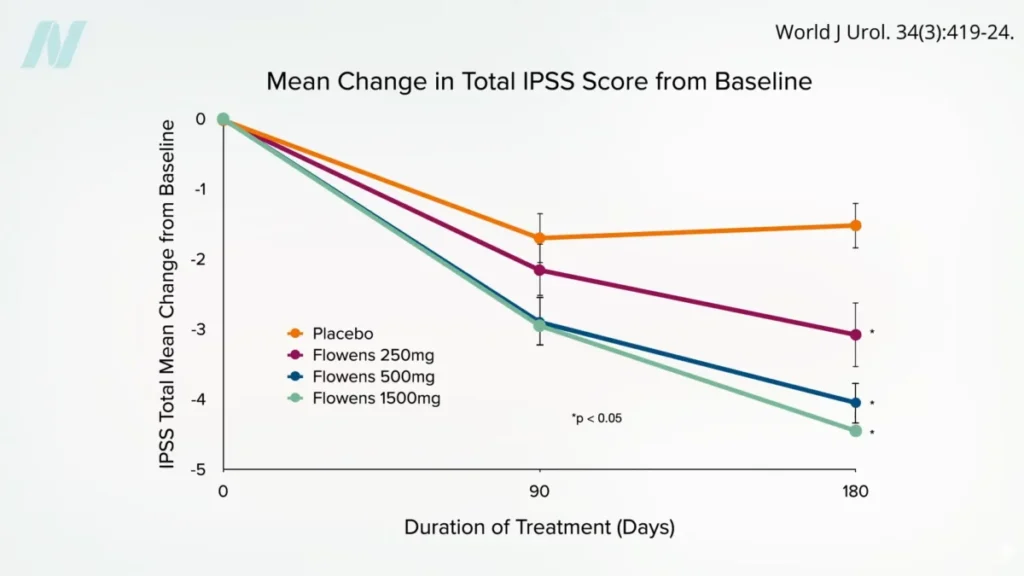
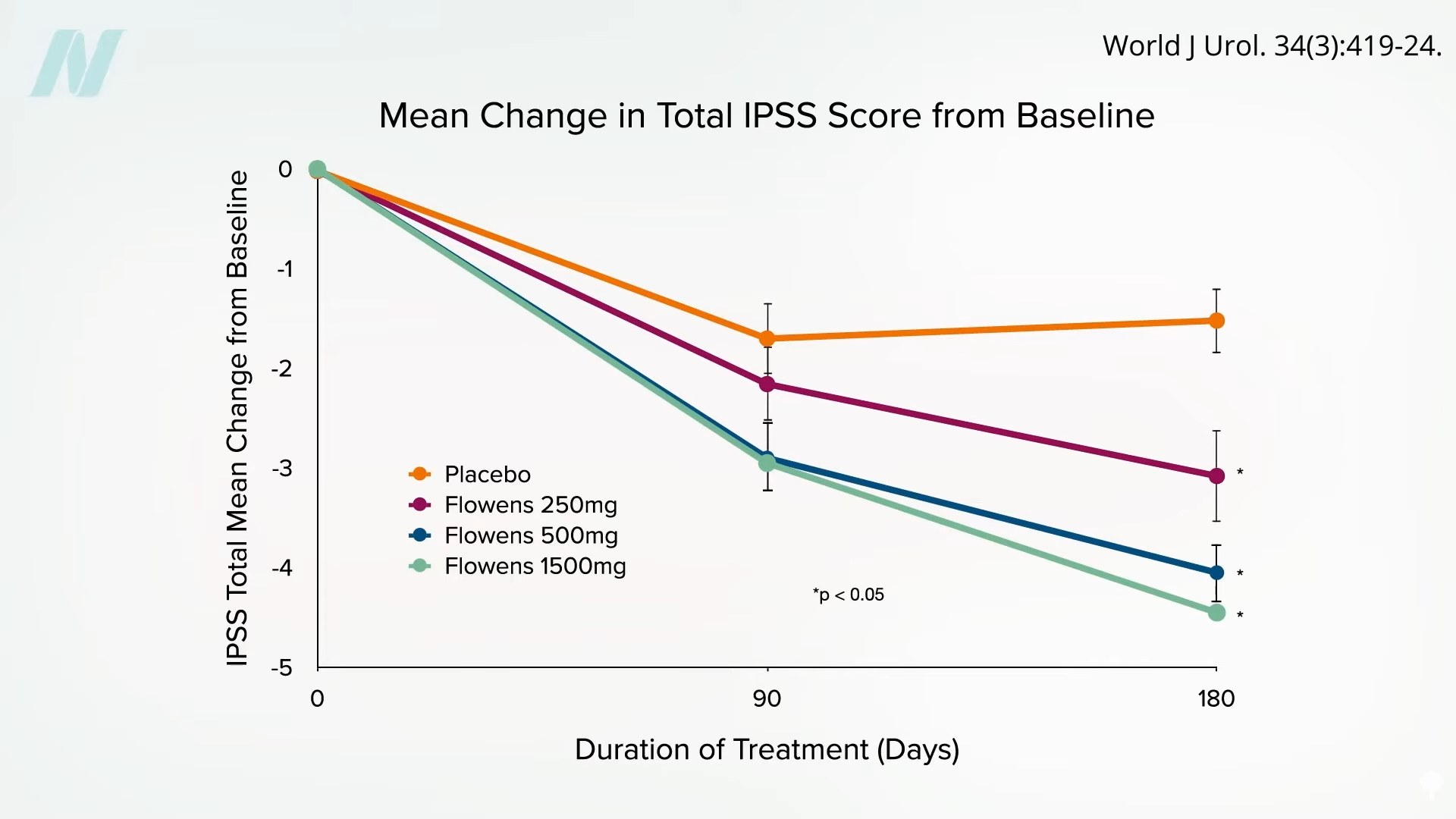
- Mid-2010s: Further research explored dose-response relationships, revealing that even smaller quantities—such as a third or a sixth of a teaspoon of powdered cranberries—could still yield beneficial effects, expanding the practical applicability of this intervention.
Unveiling the Power of Pumpkin Seeds:
Concurrent with cranberry research, the scientific community began to rigorously investigate pumpkin seeds.
- In Vitro and Animal Studies (1990s-2000s): Initial laboratory studies showed that pumpkin seed extracts could dramatically reduce the growth of BPH prostate cells in petri dishes, cutting proliferation by half. Early animal models, such as injecting pumpkin seed extracts into rabbits, further suggested biological activity relevant to prostate health.
- Human Trials with Pumpkin Seed Oil (Late 2000s – Early 2010s): Clinical trials began to evaluate pumpkin seed oil. Head-to-head studies against conventional alpha-blocker drugs like Prazosin and Terazosin indicated that pumpkin seed oil could perform comparably in reducing BPH symptoms. However, a critical limitation in many of these early oil studies was the absence of a placebo control group, making it difficult to definitively attribute observed improvements solely to the oil.
- The Landmark Whole Seed Study (Mid-2010s): A crucial large-scale randomized controlled trial involving over a thousand men provided definitive clarity. This study directly compared a pumpkin seed extract supplement, a placebo, and approximately one tablespoon (about 7.5 grams) of plain whole pumpkin seeds daily. The results were striking: while the supplement (extract) performed no better than placebo, the group consuming whole pumpkin seeds experienced genuine and significant improvements in BPH symptoms. This study underscored the importance of consuming the whole food rather than isolated extracts, suggesting a synergistic effect of compounds within the seed.
- Subsequent Discoveries: Further investigations have indicated that even oil-free extracts of pumpkin seeds retain therapeutic properties, broadening the understanding of the active compounds beyond just the fatty acids.
This chronological progression highlights a shift from anecdotal beliefs to rigorous scientific validation, moving from general dietary advice to specific food-based interventions, and distinguishing between ineffective supplements and potent whole foods.
SUPPORTING DATA

The debilitating impact of BPH on men’s health is a stark reality. The condition’s high prevalence—affecting a majority of men over 50—translates into a massive public health burden. Symptoms, collectively known as LUTS, include increased urinary frequency (especially at night, disrupting sleep), urgency, hesitancy, weak stream, and incomplete bladder emptying. These are not merely inconveniences; they severely diminish quality of life, contribute to chronic sleep deprivation, and can even lead to secondary issues like depression and anxiety. Furthermore, the long-term use of certain conventional BPH medications has been associated with adverse effects, including sexual dysfunction (e.g., erectile dysfunction, decreased libido), dizziness, and even a potential increased risk of high-grade prostate cancer with some 5-alpha-reductase inhibitors. Given these challenges, the search for natural, side-effect-free alternatives is paramount.
The Dietary Connection: Beyond Just "Healthy Eating"
Population studies have consistently provided a macro-level view, suggesting that dietary patterns significantly influence BPH risk. Diets characterized by low intake of animal protein and high consumption of fruits and vegetables are associated with a reduced incidence and progression of BPH. Delving deeper, specific dietary components have been implicated:
- Detrimental Foods: Research indicates that eggs, poultry, and refined grains are among the animal proteins and processed carbohydrates that may contribute to BPH risk. The mechanisms are complex but could involve inflammatory pathways, hormonal imbalances (e.g., insulin-like growth factor 1, sex hormones), and oxidative stress.
- Neutral Findings: Interestingly, some studies have found no significant association between red meat or dairy intake and BPH, challenging common assumptions and underscoring the need for nuanced dietary advice specific to BPH, distinct from other prostate conditions like cancer.
These population-level observations set the stage for investigating specific plant foods, leading to the targeted research on cranberries and pumpkin seeds.
Cranberry Efficacy: A Deeper Dive into the Evidence
The historical use of cranberries by Native Americans for urinary issues finds robust validation in modern clinical trials for BPH.
- Mechanism of Action: While best known for preventing urinary tract infections by inhibiting bacterial adhesion (due to proanthocyanidins), cranberries’ benefits for BPH likely extend to their rich profile of antioxidants and anti-inflammatory compounds. These bioactives may help reduce inflammation in the prostate, slow the proliferation of prostatic cells, and improve overall bladder function.
- Clinical Trial Results (Powdered Cranberries):
- Study 1 (e.g., 2008-2010 trials): Participants consuming a modest daily dose of approximately 3 grams (about one teaspoon) of powdered whole cranberries—crucially, not the sugary, oil-coated "craisins" or diluted juices—experienced remarkable improvements. These included:
- Significant reduction in BPH symptoms: Measured by standardized scores like the International Prostate Symptom Score (IPSS).
- Enhanced quality of life: Reflecting a reduction in the bothersome nature of LUTS.
- Improved urination parameters: This encompasses objective measures such as increased maximum urinary flow rate (Qmax), reduced post-void residual urine volume, and decreased frequency of urination, particularly nocturia.
- Dose-Response Efficacy: Further studies investigated lower doses, demonstrating that even a third or a sixth of a teaspoon of powdered cranberries could still provide noticeable benefits. This suggests a potent effect, making daily incorporation achievable and cost-effective. The graphical representations from these studies (as described in the original text) visually depict a progressive improvement across different dosage levels, with the highest dose yielding the most significant positive change.
- Study 1 (e.g., 2008-2010 trials): Participants consuming a modest daily dose of approximately 3 grams (about one teaspoon) of powdered whole cranberries—crucially, not the sugary, oil-coated "craisins" or diluted juices—experienced remarkable improvements. These included:
- Specificity of Form: It is critical to emphasize that these benefits were observed with whole powdered cranberries, which retain the full spectrum of beneficial compounds. In contrast, trials with purple grape juice, for example, showed no comparable benefits, highlighting that the effects are specific to the cranberry’s unique phytochemical profile. Furthermore, the convenience of bulk cranberry powder (easily added to smoothies or yogurt) offers an affordable and effective alternative to often more expensive, company-funded supplements that essentially contain the same product.
Pumpkin Seed Efficacy: From Petri Dish to Clinical Practice
Pumpkin seeds, with their long history in folk medicine, are now backed by compelling scientific evidence.
- In Vitro Evidence: Early laboratory studies provided a strong foundation, showing that extracts from pumpkin seeds could inhibit the proliferation of BPH-affected prostate cells by as much as 50% in a petri dish setting. This direct cellular effect points to active compounds within the seeds that interfere with the pathological growth process characteristic of BPH.
- Proposed Mechanisms: The therapeutic effects of pumpkin seeds are attributed to a synergistic blend of bioactive compounds, including:
- Phytosterols: Beta-sitosterol is particularly noted for its ability to reduce inflammation and inhibit prostate cell growth by modulating hormonal pathways.
- Zinc: The prostate gland contains high concentrations of zinc, and deficiencies have been linked to prostate enlargement. Zinc plays a crucial role in immune function, cell growth regulation, and hormone metabolism.
- Fatty Acids: Specific fatty acids, including omega-3 and omega-6, possess anti-inflammatory properties that can benefit prostate health.
- Lignans: These phytoestrogens may help regulate hormone levels, potentially reducing the impact of testosterone and dihydrotestosterone (DHT) on prostate growth.
- Clinical Trials (Oil and Whole Seeds):
- Pumpkin Seed Oil Trials: Initial human studies focused on pumpkin seed oil, showing promising results when pitted against conventional alpha-blockers like Prazosin and Terazosin. These trials indicated comparable efficacy in symptom reduction, suggesting the oil’s therapeutic potential. However, the absence of a placebo arm in many of these studies limited the definitive interpretation of the results, as patient improvement could partly be attributed to the placebo effect.
- The Landmark Whole Seed Study (2014): This large-scale, randomized, placebo-controlled trial was instrumental in solidifying the evidence for pumpkin seeds. Over a thousand men were divided into three groups: one receiving a pumpkin seed extract supplement, another a placebo, and a third consuming approximately one tablespoon (7.5 grams) of plain whole pumpkin seeds daily. The results were clear:
- The pumpkin seed extract supplement showed no significant improvement over placebo, highlighting that isolated extracts might lack the full therapeutic potential of the whole food.
- Crucially, the group consuming plain whole pumpkin seeds demonstrated significant and tangible improvements in BPH symptoms, including reductions in IPSS scores and improvements in urinary flow. This finding strongly suggests that the comprehensive matrix of compounds present in the whole seed, rather than just isolated components, is responsible for its efficacy.
- Further Elucidation: Subsequent research has supported the idea that even oil-free extracts retain benefits, indicating that the active compounds are not solely fat-soluble and that a broader spectrum of nutrients contributes to the therapeutic effect.
The collective body of supporting data for both cranberries and pumpkin seeds paints a compelling picture of their potential as effective and well-tolerated natural interventions for BPH.
OFFICIAL RESPONSES
The growing body of evidence supporting the therapeutic benefits of natural remedies like pumpkin seeds has not gone unnoticed by regulatory bodies. The European Medicines Agency (EMA), the European Union’s equivalent of the U.S. Food and Drug Administration (FDA), has officially acknowledged and endorsed the use of pumpkin seeds for certain prostate-related conditions.
EMA’s Endorsement of Pumpkin Seeds:
In a significant move, the EMA has concluded that Cucurbita pepo L. semen (pumpkin seeds) can be used to "relieve lower urinary tract symptoms related to an enlarged prostate." This official recognition is a powerful validation of centuries of traditional use now supported by modern scientific inquiry.
Key Conditions for Recommendation:
It is important to note the specific conditions attached to this recommendation. The EMA explicitly states that pumpkin seeds can be used "after more serious conditions have been ruled out by a medical doctor." This crucial caveat underscores the importance of a proper medical diagnosis before initiating any self-treatment. BPH symptoms can sometimes mimic those of more serious conditions, including prostate cancer, which requires different and often urgent medical interventions. Therefore, consultation with a healthcare professional to ensure an accurate diagnosis and rule out malignancy is an indispensable first step.
Significance of Regulatory Acknowledgment:
This official endorsement from a respected regulatory body like the EMA carries substantial weight.
- Credibility: It provides a level of scientific and medical credibility to pumpkin seeds that many other herbal or natural remedies lack.
- Guidance for Healthcare Professionals: It offers a clear guideline for medical doctors and pharmacists, allowing them to confidently recommend pumpkin seeds as a viable option for patients with mild-to-moderate BPH symptoms, particularly for those seeking non-pharmacological approaches or struggling with the side effects of conventional drugs.
- Patient Empowerment: For patients, it signifies that this natural option is not merely a folk remedy but one that has undergone a degree of official scrutiny and found to be beneficial under appropriate circumstances.
While the EMA’s specific endorsement pertains to pumpkin seeds for LUTS, the strong and consistent findings for cranberries in clinical trials suggest that similar regulatory recognition for powdered whole cranberries may also be a future possibility as the evidence base continues to grow. These official responses mark a turning point, bridging the gap between traditional wisdom and modern medical practice, and opening pathways for integrating these accessible natural remedies into mainstream healthcare advice for BPH.
IMPLICATIONS
The validated efficacy of cranberries and pumpkin seeds in managing benign prostatic hypertrophy carries profound implications for patients, healthcare providers, public health, and future research directions.
For Patients:
The most immediate and significant implication is the provision of accessible, affordable, and well-tolerated alternatives for men grappling with BPH symptoms. For many, the side effects of conventional medications (sexual dysfunction, dizziness) are a significant deterrent, leading to poor compliance and continued suffering. Cranberries and pumpkin seeds offer a pathway to improved quality of life without these debilitating trade-offs.
- Empowerment: Patients can actively participate in their prostate health management through dietary choices.
- Cost-Effectiveness: Whole foods like pumpkin seeds and bulk cranberry powder are considerably less expensive than long-term pharmaceutical regimens, reducing the financial burden on individuals and healthcare systems.
- Holistic Well-being: Incorporating these foods into the diet contributes to overall health due to their rich nutrient profiles, extending benefits beyond just prostate health.
For Healthcare Providers:
These findings broaden the therapeutic toolkit available to clinicians. Doctors can now confidently discuss and recommend these natural interventions, especially for patients with mild-to-moderate BPH, those with contraindications to conventional drugs, or those who express a preference for natural remedies.
- Enhanced Patient Compliance: Offering options with fewer side effects can lead to better patient adherence to treatment plans.
- Integrated Care: It encourages a more holistic approach to patient care, integrating dietary advice alongside medical oversight. The EMA’s caveat regarding ruling out serious conditions remains paramount, emphasizing the continued need for medical diagnosis and supervision.
For Public Health:
The widespread adoption of these simple dietary modifications could have a substantial public health impact.
- Reduced Disease Burden: By effectively managing symptoms in a significant portion of the BPH population, it could reduce the overall burden of the disease, including complications, hospitalizations, and surgical interventions.
- Decreased Pharmaceutical Reliance: A shift towards natural alternatives could lead to a reduction in the consumption of pharmaceuticals, potentially lowering associated healthcare costs and minimizing the environmental impact of drug manufacturing and disposal.
- Preventative Potential: While the focus here is on treatment, the underlying dietary patterns associated with reduced BPH risk also highlight the potential for preventative strategies, encouraging healthier eating habits across the male population.
For Future Research:
The success of cranberries and pumpkin seeds opens numerous avenues for further scientific inquiry.
- Optimal Dosing and Long-Term Effects: While current studies indicate effective doses, further research could refine optimal daily intake and assess long-term efficacy and safety over several years.
- Mechanistic Studies: Deeper investigation into the precise molecular mechanisms by which these foods exert their effects could lead to the identification of novel therapeutic targets. This includes exploring the synergy between different compounds within the whole food matrix.
- Combinatorial Therapies: Research could explore the combined effects of cranberries, pumpkin seeds, and other beneficial foods like flaxseeds (which have also shown promise, as noted in the "Doctor’s Note" section) to potentially achieve even greater therapeutic outcomes.
- Comparative Effectiveness: More large-scale, placebo-controlled trials comparing these natural options directly against conventional drugs, including long-term follow-up, would further solidify their position in evidence-based medicine.
- Broader Applications: Investigations into whether these foods can impact other prostate conditions, such as chronic prostatitis or even act as chemo-preventative agents for prostate cancer (as suggested by links to "Cranberries vs. Cancer" and "Flaxseeds vs. Prostate Cancer"), would be invaluable.
In conclusion, the scientific validation of cranberries and pumpkin seeds for BPH marks a significant step forward in men’s health. It underscores the powerful link between diet and disease management, offering a safe, effective, and accessible pathway for millions to reclaim their quality of life. As scientific understanding evolves, these natural allies are poised to play an increasingly central role in the comprehensive management of enlarged prostate.