Rethinking the Lunchbox: How Rising Cafeteria Costs and Policy Shifts Are Redefining Back-to-School Meal Prep
Main Facts
The daily ritual of preparing school lunches has evolved from a simple household chore into a complex logistical and financial challenge for American families. Every morning, parents navigate a high-stakes trifecta of tight morning schedules, strict school allergy guidelines, and the picky preferences of school-aged children.
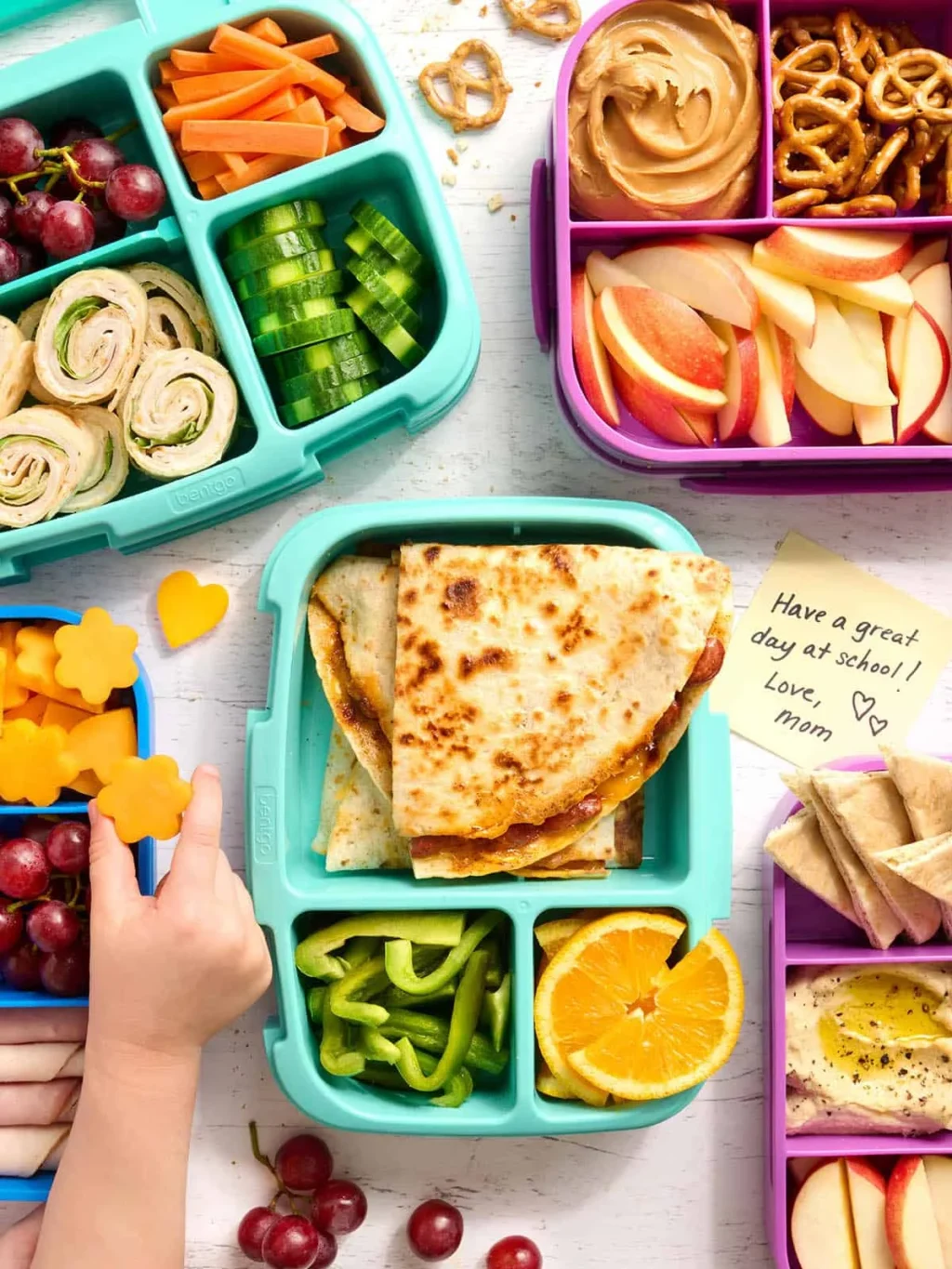
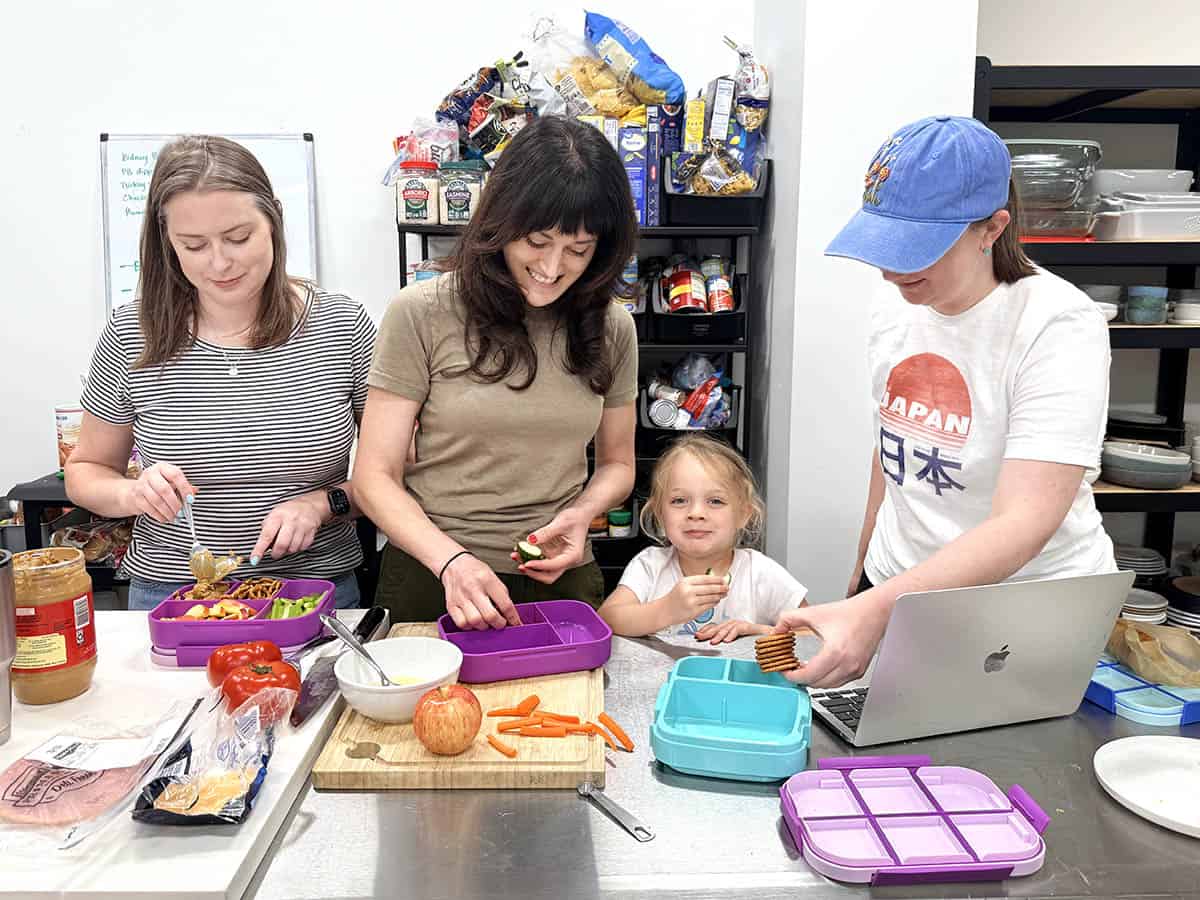
To address these challenges, culinary experts and nutritionists are advocating for structured, budget-conscious meal-prep systems. Jess Rice, a professional chef, former Chef Professor at Niagara College, and developer at the Nashville Test Kitchen, has designed a weekly five-day bento box rotation. This system utilizes ingredient cross-utilization to provide affordable, balanced, and kid-approved lunches from Monday through Friday.
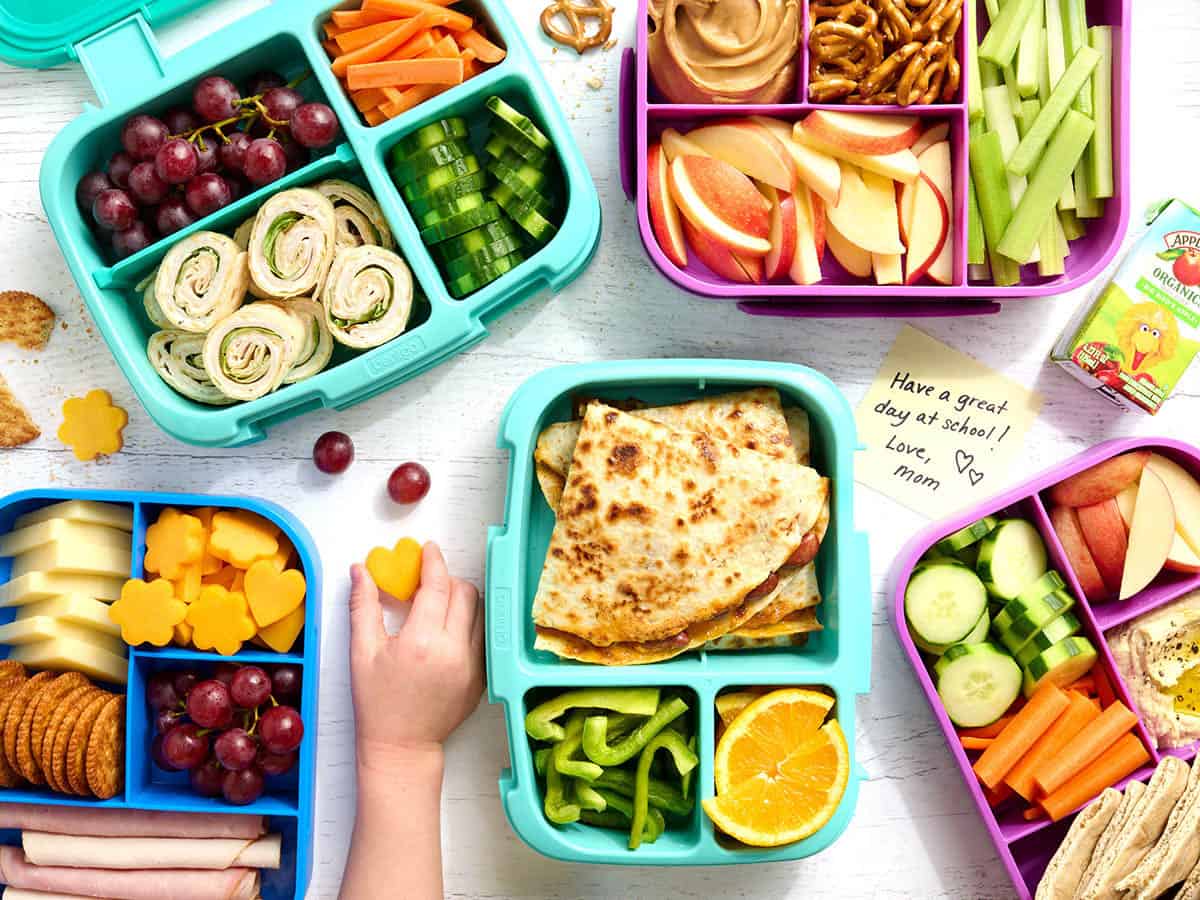
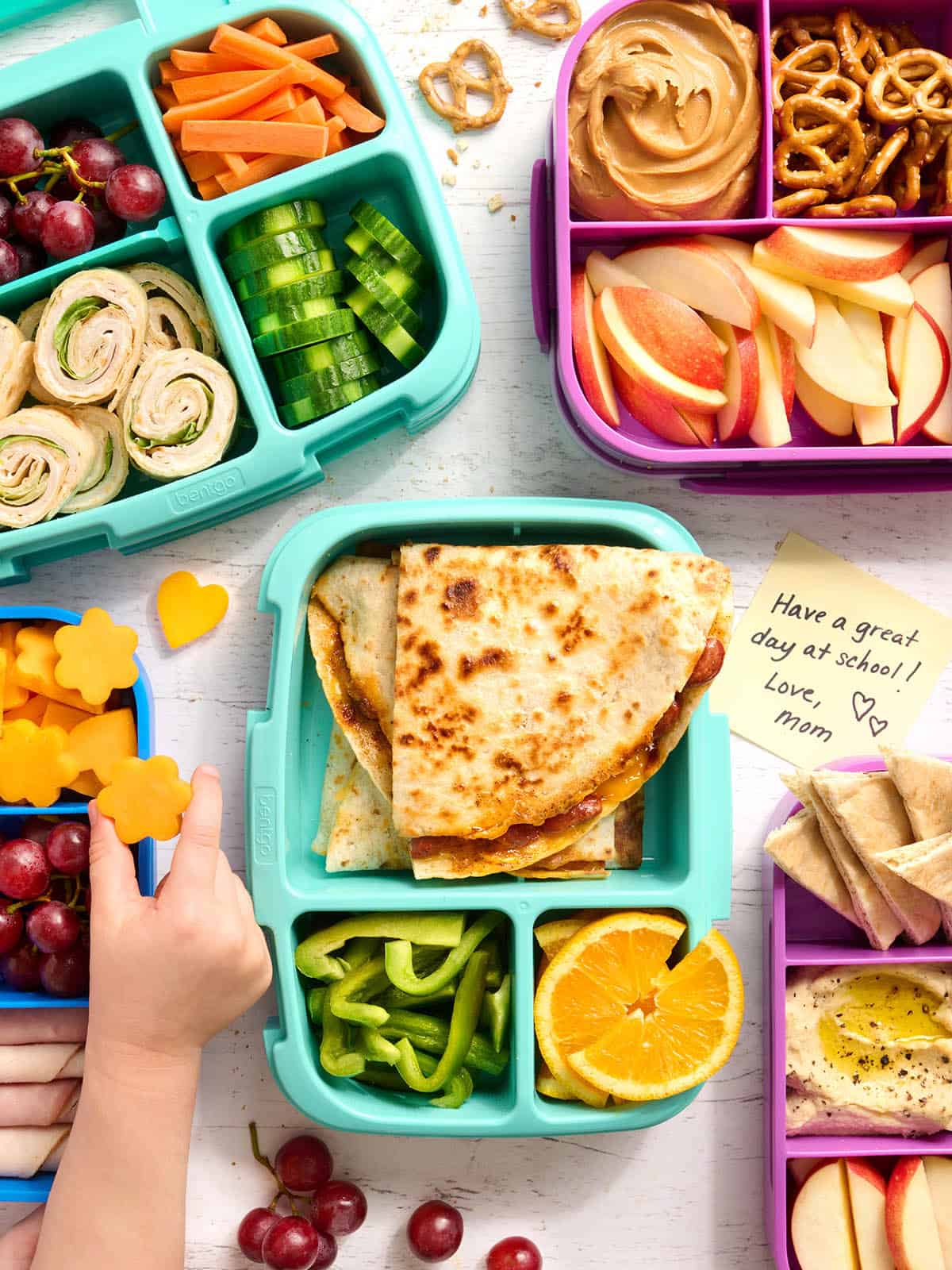
The five strategic bento box configurations developed and rigorously tested in the Nashville Test Kitchen include:
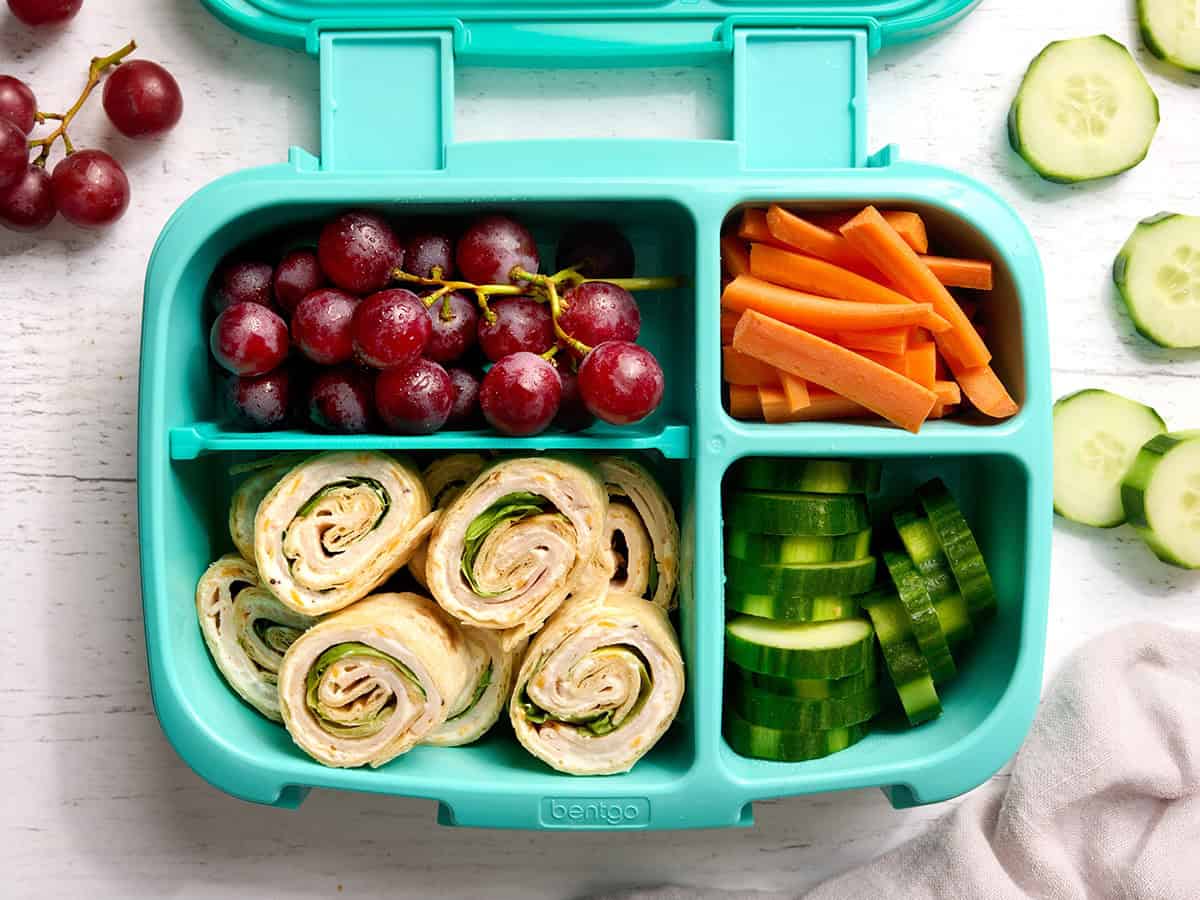
- Turkey Pinwheels ($3.16 – $3.83 per serving): A visually engaging wrap using flour tortillas, deli turkey, cream cheese, and fresh vegetables.
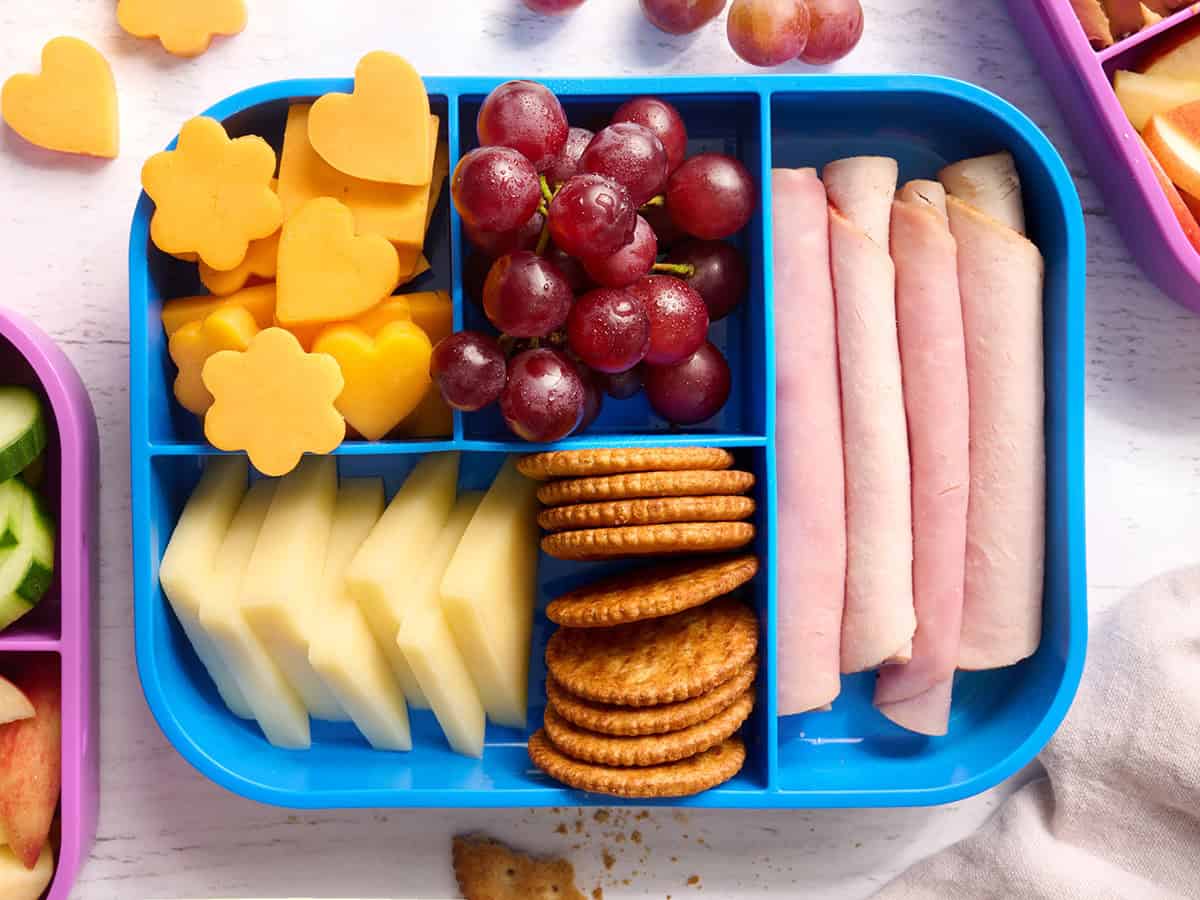
- Cheese Board "Lunchable" ($1.81 – $3.41 per serving): A wholesome, low-sodium DIY alternative to processed, store-bought lunch kits.
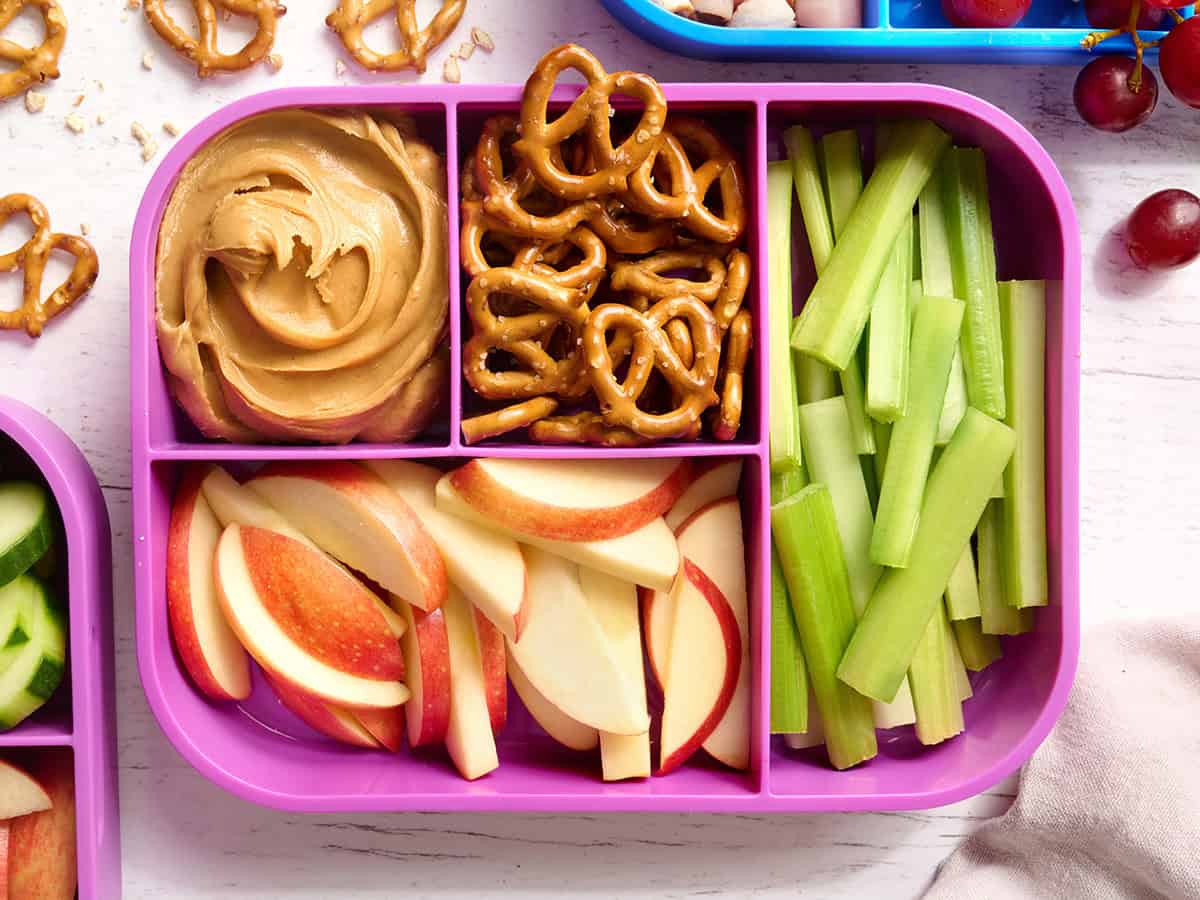
- Peanut Butter Dippers ($1.09 per serving): A highly economical, shelf-stable option featuring apples, celery, and pretzels paired with a high-protein dipping spread.
- Cheesy Kidney Bean Quesadillas ($1.41 per serving): A warm or cold plant-based protein meal utilizing pantry staples.
- Hummus Box ($1.66 – $1.91 per serving): A nutrient-dense, no-cook option leveraging fresh vegetables and pita bread.
These configurations are designed to address a growing crisis in school nutrition: the widening gap between the rising costs of school-provided meals and the declining nutritional quality of cafeteria food.
Chronology
The current state of the American school lunch program is the result of over a decade of legislative changes, economic shocks, and shifting administrative priorities.
[2010] Healthy, Hunger-Free Kids Act sets strict nutrition standards.
   │
[2020-2022] Pandemic-era federal waivers grant universal free school meals.
   │
[2022] Congress allows universal free meal waivers to expire.
   │
[2025] SNA Trends Report: Cafeteria lunch costs average $3.09; 90% of schools face labor shortages.
   │
[2026] Deloitte Back-to-School Report: Average packed lunch cost hits $6.15 amid historic inflation.
2010: The Healthy, Hunger-Free Kids Act
Signed into law during the Obama administration, this landmark legislation set new nutritional standards for the National School Lunch Program. It mandated increased portions of fruits, vegetables, and whole grains while reducing sodium and trans fats in cafeteria meals.
2020–2022: Universal Free School Meals
In response to the COVID-19 pandemic, the federal government issued waivers allowing all public school students, regardless of income, to receive free school meals. This initiative provided critical financial relief to families and streamlined cafeteria operations.
June 2022: The Expiration of Federal Waivers
Despite lobbying from school districts and anti-hunger advocacy groups, Congress allowed the universal free meal waivers to expire. School cafeterias were forced to transition back to the pre-pandemic, income-verified free, reduced, and paid-meal tiers.
2025: The School Nutrition Association (SNA) Trends Report
By 2025, the average cost of a paid cafeteria lunch rose to approximately $3.09. At the same time, school districts struggled with rising food prices and a severe labor shortage, with nearly 90% of school nutrition directors reporting staffing deficits.
2026: The Intersection of Inflation and Tightening Budgets
According to the Deloitte Back-to-School Report, the average cost of a home-packed lunch climbed to $6.15 per day, driven by historic food inflation. This increase has forced families to seek more cost-effective DIY solutions that do not compromise on nutrition.
Supporting Data
The economics of school lunches reveal a stark contrast between institutional cafeteria pricing, typical home-prepared lunches, and optimized meal-prepped bento boxes.
| Lunch Option | Cost Per Day | Projected Weekly Cost (1 Child) | Projected Annual Cost (180 School Days) |
|---|---|---|---|
| Standard Packed Lunch (Deloitte Avg.) | $6.15 | $30.75 | $1,107.00 |
| Average Cafeteria Paid Lunch | $3.09 | $15.45 | $556.20 |
| Optimized Bento: Peanut Butter Dippers | $1.09 | $5.45 | $196.20 |
| Optimized Bento: Kidney Bean Quesadilla | $1.41 | $7.05 | $253.80 |
| Optimized Bento: Hummus Box | $1.79 (Avg.) | $8.95 | $322.20 |
| Optimized Bento: DIY Cheese Board | $2.61 (Avg.) | $13.05 | $469.80 |
| Optimized Bento: Turkey Pinwheels | $3.50 (Avg.) | $17.50 | $630.00 |
Financial Efficiency of Optimized Bento Boxes
While the standard packed lunch cost of $6.15 represents a premium convenience tax, the optimized bento boxes designed by Rice bring the average cost down to $2.08 per day. This approach yields a 66% cost reduction compared to standard packed lunches, and a 32% cost reduction compared to school cafeteria meals. Over a 180-day school year, this saves parents approximately $732.60 per child compared to typical packed lunches.
Minimizing Food Waste Through Ingredient Cross-Utilization
A primary driver of high grocery bills is food waste. The five-day bento rotation combats this by sharing fresh ingredients across different days:
- Carrots and Cucumbers: Utilized in the Turkey Pinwheels (Monday), the Peanut Butter Dippers (Wednesday), and the Hummus Box (Friday).
- Cheddar Cheese Blocks: Purchased in bulk, shredded for the Kidney Bean Quesadillas (Thursday), and sliced for the DIY Cheese Board (Tuesday).
- Apples and Grapes: Distributed across the Cheese Board, Peanut Butter Dippers, and Hummus Box.
Official Responses
The debate over school lunch policies has drawn responses from federal agencies, local administrators, and child welfare advocates.
The United States Department of Agriculture (USDA)
The USDA, which oversees the National School Lunch Program, continues to advocate for stricter nutritional limits on added sugars and sodium. However, agency officials acknowledge that supply chain disruptions, rising procurement costs, and pushback from food manufacturers have delayed the full implementation of these standards.
In public statements, the USDA has emphasized its commitment to supporting local food systems but notes that federal funding formulas are struggling to keep pace with inflation.
School Nutrition Directors
Local school nutrition directors find themselves in a difficult position. The School Nutrition Association has repeatedly called on Congress to restore universal free meals, pointing out that administrative costs for income verification often outweigh the revenue generated by paid meals.
Directors report that severe labor shortages prevent them from preparing fresh, scratch-cooked meals. Consequently, many cafeterias must rely on pre-packaged, heat-and-serve items that meet basic USDA nutritional standards but lack culinary variety and appeal.
Child Advocacy Organizations
Groups such as the Food Research & Action Center (FRAC) have criticized the rollback of universal free meals, arguing that the income eligibility thresholds are outdated and leave many food-insecure families without access to school meals. FRAC advocates argue that packing lunches is not a viable option for all families, making robustly funded school meal programs essential for public health.
Implications
The shifting landscape of school lunches has significant implications for family finances, childhood development, and consumer behavior.
Cognitive and Behavioral Impacts of Balanced Nutrition
Nutritional science consistently demonstrates that stable blood sugar levels are critical for children’s cognitive function and emotional regulation. Lunches high in processed sugars and refined carbohydrates cause rapid energy spikes followed by crashes, which can lead to fatigue, irritability, and difficulty concentrating in afternoon classes.
By prioritizing complex carbohydrates (whole-wheat tortillas, pita, crackers), lean proteins (turkey, cheese), and healthy plant-based fats (peanut butter, hummus), the optimized bento boxes provide sustained energy release, directly supporting academic performance and classroom behavior.
Balanced Macronutrients (Complex Carbs + Lean Proteins + Healthy Fats)
   │
   ▼
Stable Blood Glucose Levels
   │
   ▼
Sustained Energy & Focus ──► Improved Classroom Behavior & Academic Performance
Navigating Allergen Restrictions and Food Safety
As food allergies become more common, school districts are implementing stricter allergen policies, with many banning peanuts entirely. This requires parents to adapt classic recipes.
For example, the Peanut Butter Dippers box can be modified using sunflower seed butter (SunButter) or soy-based alternatives.
Additionally, because many schools lack facilities to reheat home-packed lunches, parents must prioritize food safety. Utilizing insulated lunch bags, cold-retaining bento boxes, and non-toxic ice packs ensures that perishable items like turkey, cream cheese, and hummus remain within safe temperature zones (below 40°F) until lunchtime.
The Psychological Benefit of Food Autonomy
Child psychologists and pediatric nutritionists emphasize that involving children in their meal preparation fosters a healthier relationship with food. The modular nature of bento boxes—such as the DIY Cheese Board and the Peanut Butter Dippers—gives children a sense of autonomy.
When children can assemble their own cracker stacks or dip their own vegetables, they feel in control of their eating experience. This autonomy has been shown to reduce picky eating behaviors and significantly decrease the amount of untouched food sent back home.
Long-Term Economic Resilience for Households
As food inflation persists, adopting structured meal-prep strategies like the five-day bento rotation helps families build economic resilience. By moving away from expensive, pre-packaged convenience foods and systematically purchasing versatile, bulk-friendly ingredients, households can reclaim control over their monthly food budgets without sacrificing their children’s nutritional well-being.