Unkinking the Truth: How the Squatty Potty and the "Thinker" Position are Revolutionizing Our Daily Rituals
The Squatty Potty is put to the test, alongside a re-examination of ancestral habits and modern dietary choices in the quest for optimal bowel health.
For generations, the act of defecation in Western societies has been a largely unexamined, private affair, performed in a seated posture on the ubiquitous porcelain throne. Yet, a growing body of scientific inquiry, bolstered by the surprising success of products like the Squatty Potty, is challenging this long-held convention, suggesting that our modern toilet habits may be at odds with our body’s natural design. This paradigm shift, moving from a seated stance to a more ancestral squat, promises not only increased comfort but also significant health benefits, prompting a deeper look into our anatomy, lifestyle, and even the historical evolution of our plumbing.
The journey to optimal bowel health often involves considering dietary interventions, such as the efficacy of prunes and dried figs in maintaining regularity, as previously explored. However, an equally critical, yet often overlooked, factor is the influence of body position on defecation dynamics. While squatting remains the traditional and primary position for billions of people across Asia and Africa, Westerners have become accustomed to the elevated comfort of sitting on toilet seats. This seemingly innocuous difference, however, creates a fundamental anatomical challenge.
The Anatomical Conundrum: Why Western Toilets Might Be Flawed
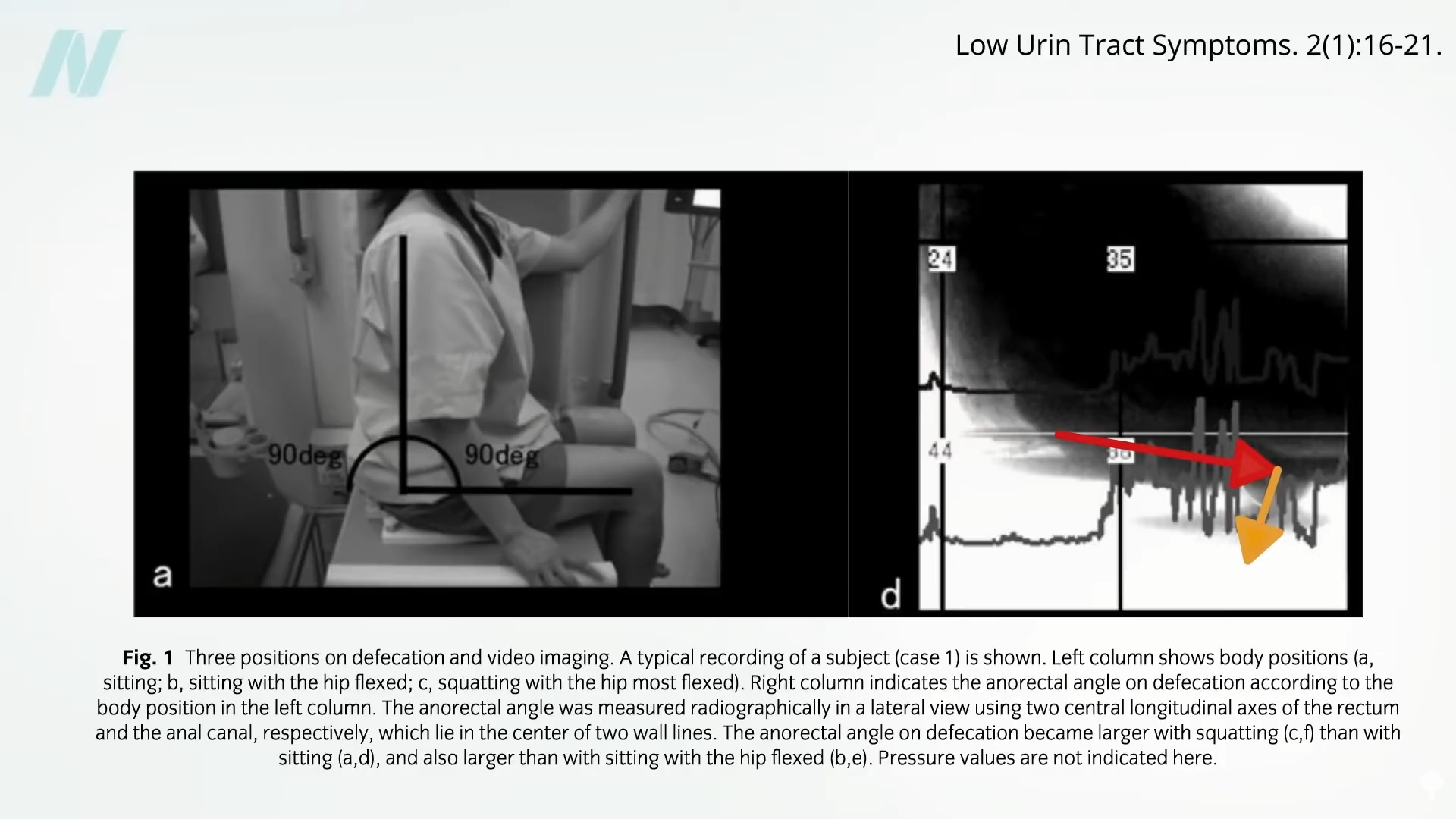
The human digestive system is a marvel of biological engineering, but its final act – defecation – is profoundly influenced by posture. When we sit upright on a standard toilet, our colon, particularly the rectum, is designed to make a nearly 90-degree turn. This acute bend, known as the "anorectal angle," is primarily maintained by the puborectalis muscle, a sling-like structure that wraps around the rectum.
The Anorectal Angle Explained
The anorectal angle serves a crucial purpose: continence. It acts like a kink in a garden hose, preventing involuntary defecation and allowing us to hold stool until an appropriate time. This anatomical design is brilliant in its ability to keep us from "pooping our pants every time we sit down," as the saying goes. However, when it comes time to "do our business," this very mechanism, while excellent for retention, becomes a significant impediment to efficient evacuation. It’s akin to trying to drive a car with the parking brake partially engaged – possible, but far from optimal and requiring undue effort.
In essence, our modern sitting posture forces our stool to navigate this sharp, near-90-degree turn. This requires considerable straining, which can lead to a host of uncomfortable and potentially harmful conditions, including hemorrhoids, constipation, and even more severe issues over time. The natural relaxation of the puborectalis muscle, essential for straightening the anorectal angle and facilitating smooth passage, is inhibited in the seated position.
The Evolutionary Mismatch
From an evolutionary perspective, our ancestors, and indeed a significant portion of the global population today, have always squatted to defecate. This natural posture straightens the anorectal angle, effectively relaxing the puborectalis muscle and creating a more direct, unimpeded pathway for stool to exit the body. The transition to seated toilets, a relatively recent development in human history, represents an evolutionary mismatch, prioritizing convenience and perceived hygiene over biomechanical efficiency.
Despite the clear anatomical rationale, discussion around "such an unmentionable bodily function" often faces societal taboos, even within the medical community. Many physicians, either due to discomfort or a lack of specific training in this area, remain hesitant to discuss the nuances of defecation posture. As one expert wryly noted, "Doctors don’t know squat," highlighting a surprising gap in medical education regarding this fundamental aspect of human physiology.
The Rise of the Squatty Potty: A Chronological Look at Solutions
The recognition of the potential benefits of squatting for defecation has led to various attempts to bridge the gap between traditional practices and modern plumbing. The market has seen a proliferation of devices designed to modify toilet posture, with varying degrees of success.
Early Attempts: Shorter Stools and Limited Success
Initial efforts to mimic the squatting position on Western toilets often involved simple footstools designed to elevate the knees. These early iterations, typically providing a modest four-inch boost, aimed to reduce the anorectal angle. However, research into these shorter stools yielded disappointing results. Studies found that they did not significantly improve self-described difficulty in defecating or reduce the average time spent emptying one’s bowels. The minimal elevation proved insufficient to achieve the necessary anatomical changes for a noticeable difference. It became clear that a more substantial elevation was required to effectively simulate a natural squat.
The Squatty Potty Enters the Scene: Design and Promise
Enter the Squatty Potty, a device that has transcended its humble origins to become a household name, partly due to its viral marketing campaigns and appearances on popular television shows like "Shark Tank." Unlike its predecessors, the Squatty Potty offered a more substantial elevation, typically around eight inches – double the height of earlier footstools. This increased height was engineered to bring the user’s knees significantly higher, more closely replicating the physiological alignment achieved in a full squat. The premise was simple yet profound: by raising the knees above the hips, the puborectalis muscle could relax more effectively, straightening the anorectal angle and facilitating easier, more complete bowel movements.
The conceptual design of the Squatty Potty quickly garnered anecdotal support from users who reported experiencing significant improvements in their digestive health. However, the true test lay in scientific validation. Could a simple plastic stool truly make a measurable difference in a process as fundamental as defecation? The scientific community soon took notice, recognizing the need for rigorous testing to substantiate these claims.

Putting it to the Test: Evidence and Effectiveness
The effectiveness of the Squatty Potty, or more broadly, Defecation Posture Modification Devices (DPMDs), has been subjected to scientific scrutiny, yielding results that largely confirm the anecdotal evidence and the underlying anatomical principles.
Clinical Trials Confirm Efficacy
Researchers embarked on studies to formally evaluate the impact of using such devices. In a notable trial, a Defecation Posture Modification Device, essentially a Squatty Potty, was implemented, and its effects were meticulously observed. The findings were compelling. Participants consistently reported:
- Increased feelings of bowel emptiness: This is a crucial indicator of complete evacuation, reducing the sensation of needing to go again shortly after.
- Reduced straining: A significant benefit, as straining is a major contributing factor to various digestive ailments, including hemorrhoids, anal fissures, and diverticular disease. Less straining also reduces pressure on the cardiovascular system.
- About a minute less of on-the-pot reading time: While perhaps presented humorously, this metric translates to more efficient and quicker bowel movements, a practical benefit for anyone seeking to optimize their daily routine. This reduction in time spent also implies less overall effort.
These findings provided robust scientific backing for the efficacy of the Squatty Potty, moving it beyond a mere fad to a scientifically supported tool for improving digestive health. The device effectively achieved its design goal of modifying the anorectal angle to facilitate smoother defecation.
Beyond the Data: User Experience and Reported Benefits
Beyond the clinical metrics, the qualitative experiences reported by users underscore the Squatty Potty’s impact. Many individuals struggling with chronic constipation, incomplete evacuation, or discomfort during bowel movements have found profound relief. The device is often praised for making defecation feel more "natural" and less strenuous, echoing the experiences of populations who traditionally squat. This improved user experience translates to a better quality of life for those who previously endured significant discomfort or anxiety surrounding their bowel habits. The reduction in straining, in particular, is a frequently cited benefit, as it directly alleviates the physical effort and potential pain associated with difficult bowel movements.
The Discomfort Factor: A Potential Drawback
Despite the overwhelmingly positive results, one potential downside identified in some studies was initial discomfort. Even a slightly lower six-inch riser was found to cause such extreme discomfort in research participants in a previous trial that they abandoned trying to study it. This highlights a potential challenge for some individuals transitioning to the squatting position, especially those with pre-existing mobility issues, joint pain, or who are simply unaccustomed to the posture. The human body is remarkably adaptable, but for some, the change might require a period of adjustment. This discomfort could stem from unfamiliar muscle engagement, hip flexion, or knee positioning. Manufacturers and users alike must acknowledge this potential hurdle, suggesting that a gradual introduction or finding the optimal height for individual comfort might be necessary.
Beyond the Footstool: Exploring Alternative Postures
While devices like the Squatty Potty offer a practical solution, researchers continue to explore other methods to achieve the desired anatomical changes without necessarily requiring a separate device. The goal remains the same: to straighten the anorectal angle for more efficient defecation.
The "Thinker" Position: A Rodin-Inspired Approach
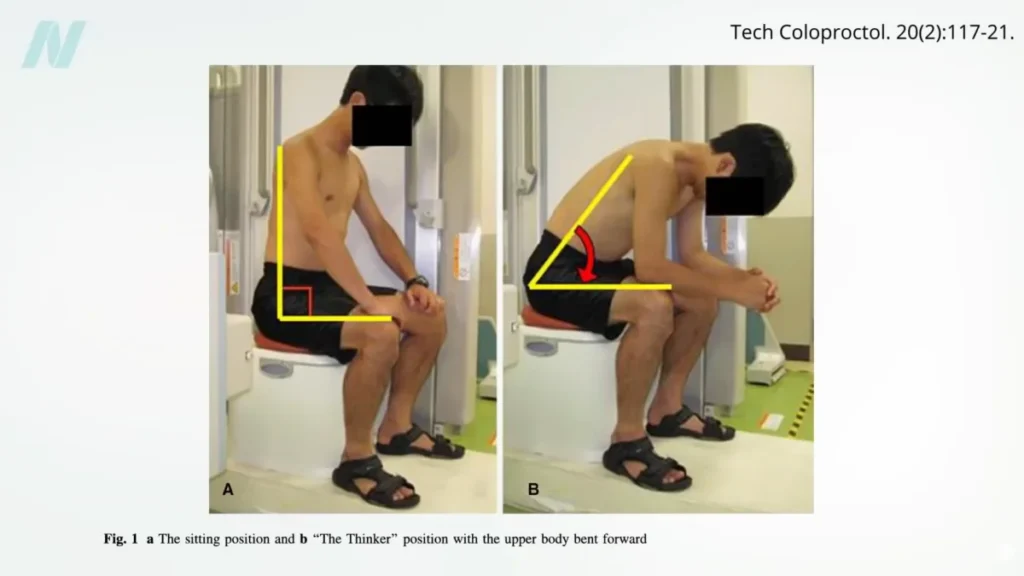
One intriguing alternative gaining scientific attention is the "Thinker" position. Inspired by Auguste Rodin’s famous sculpture, this posture involves leaning significantly forward while seated on a standard toilet. The idea is that by bringing the torso closer to the thighs, one can manually compress the abdomen and, more importantly, modify the anorectal angle.
Cleveland Clinic researchers, recognizing the potential of this intuitively effective posture, set out to study "The Thinker" position for defecation. Their investigations provided fascinating insights, showing that this forward-leaning posture could significantly open the anorectal angle.
Cinedefecography: X-Ray Vision for Bowel Movements
To precisely measure these changes, researchers employed a sophisticated diagnostic technique called cinedefecography. This term, a mouthful and perhaps your "SAT word for the day," essentially means an x-ray poop movie. It involves real-time radiological imaging of the defecation process, allowing clinicians to observe the dynamic changes in the anorectal angle and other pelvic floor structures.
Using cinedefecography, the Cleveland Clinic team was able to demonstrate that "The Thinker" position opened the anorectal angle to more than 130 degrees. This is a significant improvement compared to simply raising one’s feet (as with a shorter stool), which typically opens the angle to only around 90 degrees. The greater the angle, the straighter the pathway, and theoretically, the easier the evacuation. Thus, "The Thinker" position may represent an even more efficient method for defecation than simply elevating the feet. While promising, its effectiveness in reducing constipation or other symptoms has not yet been formally put to the test in extensive clinical trials, leaving an exciting avenue for future research.
The Dangers of Supine Defecation: Bedpans and Cardiovascular Risk
On the opposite end of the spectrum of efficient defecation postures lies the bedpan, used when individuals are unable to get out of bed. Lying flat on one’s back is arguably the worst possible position for defecation. In this supine position, the anorectal angle is maximally acute, making bowel movements extremely difficult and necessitating considerable straining.
This straining is not merely uncomfortable; it carries significant health risks. The act of "bearing down" dramatically increases blood pressure in the heart and brain. This sudden surge can have catastrophic consequences, particularly for vulnerable individuals. Straining while passing stool is strongly associated with sudden death from heart attack and stroke. In fact, in countries like Japan, where detailed mortality statistics are meticulously collected, defecation-related straining has been identified as a daily activity most often occurring at the time of death. Those who are bedridden are especially at risk due to the inherent difficulty of the bedpan posture.
Recognizing these severe risks, medical protocols emphasize the importance of sitting patients up in bed, if at all possible, when using a bedpan. Elevating the torso, even partially, helps to slightly modify the anorectal angle and reduce the exertion required, thereby mitigating the dangerous spike in cardiovascular pressure. This medical imperative underscores the profound impact of body posture on the physiological demands of defecation.
Official Responses and Medical Perspectives
The re-evaluation of defecation posture has slowly begun to penetrate the medical establishment, though progress is often hampered by ingrained habits and a historical reluctance to discuss such intimate bodily functions.
The Silence of the Sages: Physician Hesitancy
For decades, the topic of optimal defecation posture has largely remained outside the purview of standard medical education and routine patient consultations. The societal taboos surrounding bowel movements have contributed to a "silence of the sages," where even gastroenterologists might hesitate to delve into the mechanics of toilet habits beyond diet and medication. This reticence often leaves patients without guidance on a fundamental aspect of their daily health. The assumption has been that the seated toilet, being the norm, is inherently benign, without critically examining its physiological implications. This lack of discussion contributes to a broader ignorance, where many healthcare providers, as the original article implies, "don’t know squat" about the biomechanics of defecation.
Integrating Posture into Medical Advice
However, as research accumulates and public awareness grows (often driven by consumer products like the Squatty Potty), there is a slow but steady shift. Some progressive physicians and pelvic floor therapists are now actively incorporating advice on defecation posture into their patient education. They emphasize that while diet and hydration are paramount, optimizing posture can be a valuable adjunct, particularly for patients struggling with chronic constipation, hemorrhoids, or pelvic floor dysfunction. This includes recommending footstools or suggesting the "Thinker" position. The increasing understanding of the puborectalis muscle’s role and the anorectal angle’s importance is slowly making its way into clinical guidelines and best practices, moving this topic from the realm of anecdotal advice to evidence-based recommendations.
The Bigger Picture: Diet, Fiber, and Lifestyle
While the evidence for modifying defecation posture is compelling, it’s crucial to take a step back and view this sitting versus squatting debate within a broader context. A nearly 50-year-old commentary wisely cautioned against overly simplistic conclusions, a sentiment that remains highly relevant today.
Challenging the "Toilet-as-Villain" Narrative
Advocates of squatting often point to so-called "primitive peoples" who easily pass large stools, attributing their superior bowel health directly to their squatting posture. They blame the modern porcelain throne for "all manner of Western maladies," from constipation to hemorrhoids. While posture undoubtedly plays a role, this narrative risks oversimplification. The critical question becomes: Does the position really make a difference if you are eating the right foods?
The insightful observation from that decades-old commentary hits home: "The man who squats because he has no modern plumbing also tends to eat food that is less refined." This statement encapsulates a fundamental truth. Traditional societies that squat also typically consume diets rich in unprocessed, whole foods, brimming with natural fiber. Their lifestyles are often more active, contributing to overall gut motility and health.
The Primacy of Fiber: A Dietary Solution
The stark contrast between these traditional diets and the typical Western diet is profound. The modern Western diet is characterized by highly refined foods that have had much of their natural fiber processed out. Fiber, the indigestible part of plant foods, is the cornerstone of healthy bowel function. It adds bulk to stool, helps retain water, and acts as a natural laxative, making stool softer and easier to pass.
Adding adequate fiber to the diet can enable constipated patients to achieve effortless bowel movements without necessarily having to squat over a hole in the ground or invest in a specialized stool. Foods like fruits, vegetables, whole grains, legumes, nuts, and seeds are packed with fiber and contribute significantly to regular, healthy bowel habits. A diet rich in these natural foods often eliminates the need for excessive straining, regardless of toilet posture.
A Holistic Approach to Digestive Health
Therefore, the debate is not necessarily an either/or proposition. While modifying defecation posture can offer immediate and tangible benefits, especially for those with existing issues, it should not overshadow the foundational importance of diet. If we primarily focus on changing the design of our diets – by embracing whole, unprocessed, fiber-rich foods – we might find that the need to radically change the design of our plumbing becomes less pressing.
Ultimately, optimal digestive health is a multifaceted endeavor. It involves a synergistic combination of factors: a high-fiber diet, adequate hydration, regular physical activity, and indeed, a posture that supports the body’s natural biomechanics. The Squatty Potty and the "Thinker" position are valuable tools in the arsenal against digestive woes, offering practical ways to align our modern habits with our evolutionary design. However, they serve as reminders, rather than replacements, for the timeless wisdom that true wellness begins with what we put into our bodies. By understanding and addressing both our dietary choices and our daily habits, we can unlock a new level of comfort and health in one of life’s most fundamental, yet often overlooked, rituals.
Further Reading and Expert Insights
For those interested in delving deeper into these topics, additional resources offer valuable perspectives:
- Prunes: A Natural Remedy for Constipation: Exploring the specific dietary interventions that can significantly impact bowel regularity.
- Should You Sit, Squat, or Lean During a Bowel Movement?: A comprehensive look at the various postures and their physiological implications.
- How Many Bowel Movements Should You Have Every Day?: Addressing common questions about what constitutes a "normal" frequency for bowel movements.