Multistate Salmonella Javiana Outbreak Traced to Jalapeño Peppers: A Comprehensive Report
Executive Summary
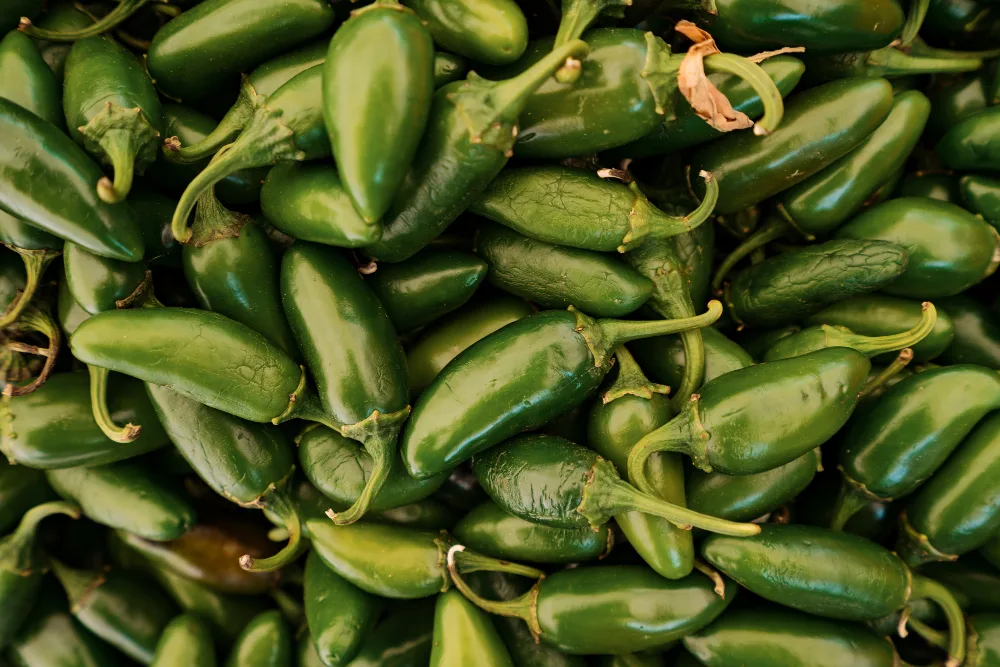
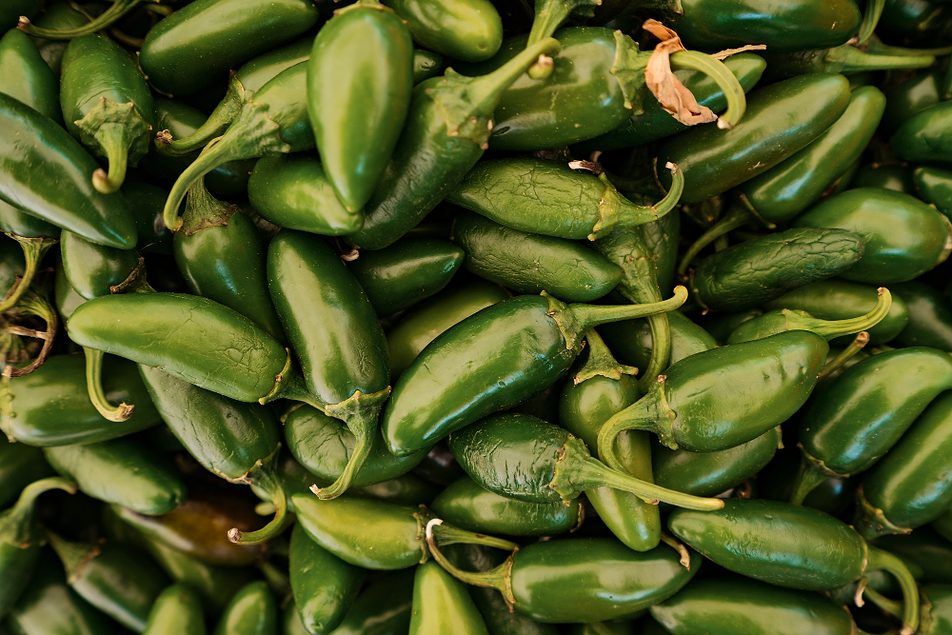
In a rapidly evolving public health situation, a multistate outbreak of Salmonella Javiana has been traced to contaminated jalapeño peppers, triggering widespread recalls and urgent operational changes across the fast-casual restaurant sector. As of August 7, 2026, federal authorities have identified the source of the pathogen as jalapeño peppers imported from Sinaloa, Mexico, and distributed by Coast Citrus Distributors. The outbreak has sickened hundreds across the United States, leading to significant hospitalizations and prompting major industry players—including Chipotle Mexican Grill and Qdoba Mexican Eats—to overhaul their supply chain protocols in an effort to contain the spread.
Chronology of the Outbreak
Early Detection and Initial Reporting
The public health crisis began to take shape in early August 2026, as the U.S. Food and Drug Administration (FDA) and the Centers for Disease Control and Prevention (CDC) began observing a statistical spike in Salmonella Javiana cases. By August 4, the FDA’s Coordinated Outbreak Response and Evaluation (CORE) network officially added the incident to its active investigation table. At that time, the source of the contamination remained elusive, with 212 reported cases, including a notable cluster of 110 illnesses concentrated in Minnesota.
Industry Response and Traceability
On August 4, Chipotle Mexican Grill took proactive measures following reports of potential links between its menu items and the outbreak. Utilizing its advanced ingredient traceability system, the chain successfully isolated the affected lot of jalapeños. Chipotle leadership stated that they immediately removed the suspect product from its supply chain and replaced it with shipments from alternate, unaffected growers.
Escalation and Expansion
By August 6, the situation intensified significantly. Updated data from the FDA placed the case count at 321, while the CDC reported a higher, more comprehensive figure of 345 illnesses across 27 states, with 36 hospitalizations. Crucially, the CDC confirmed a definitive link between the illness and jalapeño peppers. On the same day, the impact widened to include other major foodservice retailers; notably, Qdoba Mexican Eats announced the removal of specific jalapeño shipments from its locations across seven states following reports of illnesses linked to its menu offerings.
Identification of the Source
The definitive breakthrough occurred on August 7, when epidemiologic and traceback data confirmed that the contaminated jalapeños originated from Sinaloa, Mexico, and were distributed by Coast Citrus Distributors. In response to these findings, the distributor has initiated a recall of the affected product, working in conjunction with federal health authorities to pull the contaminated produce from the market.
Supporting Data and Epidemiological Findings
The Salmonella Javiana strain is a specific serotype of the Salmonella bacteria, known for causing symptoms such as diarrhea, fever, and abdominal cramps. The current outbreak is classified as a "foodborne illness outbreak of national significance" due to its broad geographic spread.
Geographic and Demographic Impact
With 345 confirmed cases across 27 states, the outbreak highlights the interconnected nature of the modern food supply chain. The disproportionate concentration of cases in Minnesota—initially accounting for over half of the reported infections—suggests a localized initial distribution point that quickly expanded as the supply chain pushed product into broader regional markets.
Clinical Severity
While many Salmonella infections are self-limiting, the 36 documented hospitalizations indicate a significant level of virulence or a high susceptibility among the affected population. Health officials continue to monitor these figures, as there is often a "reporting lag" in foodborne illness tracking; consequently, experts warn that the true number of cases is likely higher than the currently verified count.
Official Responses and Regulatory Oversight
The FDA’s Role in Traceback
The FDA has employed its CORE network to facilitate the investigation. The agency’s primary objective during such outbreaks is to conduct "traceback" investigations, which involve reviewing invoices, bills of lading, and shipping manifests to follow the path of the contaminated produce from the point of service back to the original farm or packing house. The identification of Coast Citrus Distributors as the key node in the supply chain was the culmination of this rigorous, data-intensive process.
The CDC’s Clinical Guidance
The CDC has served as the primary clinical authority, providing guidance to state and local health departments on how to handle patient samples and interview victims. By conducting case-control studies, the CDC was able to correlate the consumption of fresh jalapeño peppers with the onset of symptoms, effectively narrowing the scope of the investigation from a broad search to a specific product class.
Industry Accountability: The Role of Traceability
The swift actions taken by Chipotle and Qdoba reflect a shift in food safety culture. Modern fast-casual chains now invest heavily in "farm-to-fork" traceability software. By being able to identify the specific "lot" of peppers, these companies were able to mitigate their exposure and prevent further harm to the public. However, the incident serves as a stark reminder that even with sophisticated systems, reliance on international suppliers requires constant auditing and rigorous verification processes to prevent microbiological contamination.
Implications for the Food Industry
Supply Chain Vulnerabilities
This outbreak highlights a recurring vulnerability in the produce industry: the difficulty of maintaining microbial safety throughout the long-haul transit of fresh items. Jalapeños are prone to environmental contamination, particularly when grown in open-field settings where irrigation water quality, wildlife interference, and sanitation practices during harvest play critical roles in the final safety of the product.
Economic and Reputational Consequences
For the companies involved, the financial implications are significant. Beyond the immediate costs of product disposal, logistics, and potential litigation, the damage to consumer confidence can be substantial. The transparency exhibited by the affected chains in their public statements is a strategic attempt to maintain trust; however, the incident will likely lead to increased regulatory scrutiny for importers of Mexican-grown produce.
The Future of Produce Safety
In the wake of this event, the food safety community is calling for several systemic changes:
- Enhanced Pathogen Testing: Increased frequency of testing at the distribution level, rather than just at the point of origin, to detect contamination before it reaches restaurants.
- Standardization of Food Safety Audits: While growers are subject to various certifications, this outbreak suggests a need for more unified, stringent, and transparent food safety standards for international suppliers.
- Technological Integration: Further investment in blockchain or similar ledger technologies that allow for real-time visibility into the movement of produce, enabling companies to identify and isolate contaminated batches in hours rather than days.
Conclusion
The Salmonella Javiana outbreak of 2026 serves as a sobering reminder of the inherent risks in the globalized food system. While the identification of the source in Sinaloa and the subsequent recall of jalapeños from Coast Citrus Distributors represents a successful intervention, the human toll—345 illnesses and 36 hospitalizations—underscores the critical importance of vigilance.
As the investigation concludes, the focus will shift to how the industry can prevent similar occurrences in the future. For consumers, the message remains clear: while the current contaminated product is being removed from the market, food safety remains a shared responsibility between regulators, distributors, and retailers. As the industry continues to refine its safety protocols, the lessons learned from this outbreak will undoubtedly inform the next generation of supply chain management and public health response strategies.
For those seeking further information or real-time updates regarding food safety alerts, please consult the official FDA CORE Outbreak Investigation Table or the CDC’s Salmonella surveillance website. Industry professionals are encouraged to utilize resources like "Ask FSM" for rapid guidance on microbiological control and supply chain mitigation strategies.