Navigating the Thicket: A Critical Look at FDA-Approved Hair Loss Treatments
Written By Michael Greger M.D. FACLM • August 6, 2026
Last updated: August 6, 2026 • 3 min read
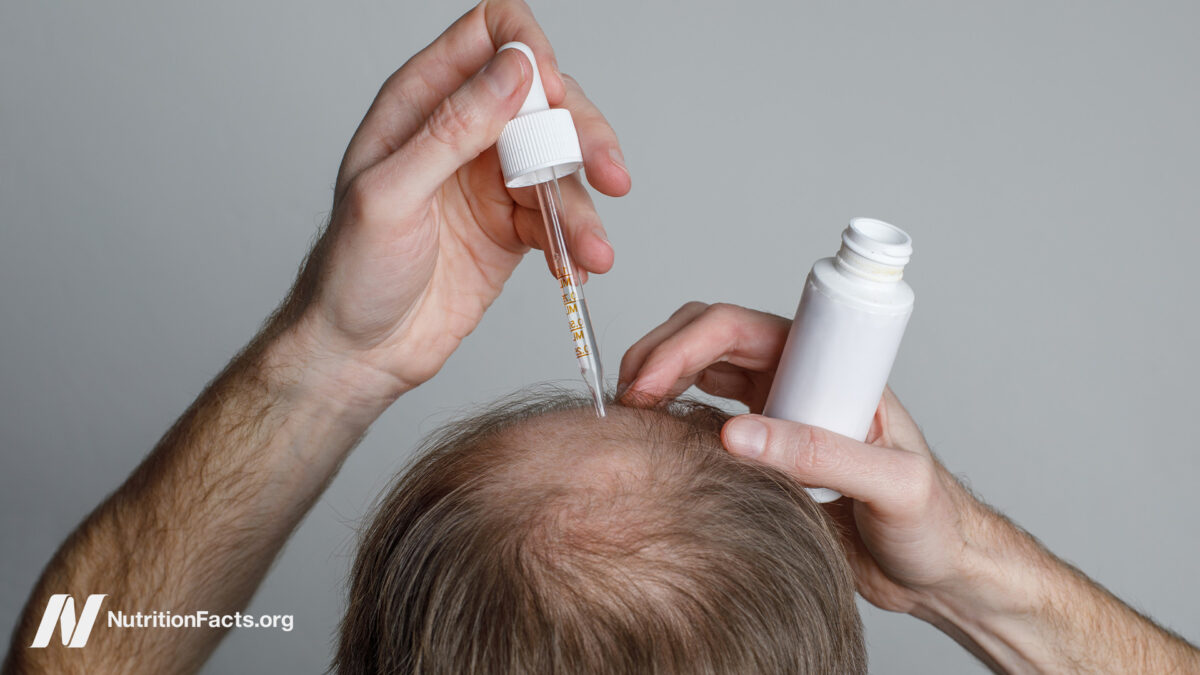
Hair loss, particularly androgenetic alopecia—commonly known as male or female pattern baldness—is a pervasive concern affecting millions globally. Beyond its physical manifestation, the psychological toll can be significant, leading many to seek remedies in a vast and often confusing market. From over-the-counter supplements promising miraculous regrowth to prescribed medications, consumers are exposed to a "multitude of remedies." However, as highlighted by medical professionals like Dr. Michael Greger, only a select few treatments have garnered robust scientific evidence and the crucial stamp of approval from regulatory bodies like the U.S. Food and Drug Administration (FDA).
This article delves into the efficacy, mechanisms, and, critically, the potential risks associated with the two primary FDA-approved pharmaceutical interventions for hair loss: finasteride (marketed as Propecia) and minoxidil (marketed as Rogaine). While these drugs offer a beacon of hope for some, a comprehensive understanding of their benefits, the underlying science, and particularly their array of side effects is paramount for informed decision-making.
The Treatment Landscape: Separating Fact from Fiction
The quest for a fuller head of hair often leads individuals down paths paved with unproven claims. The internet, a primary source for many seeking solutions, teems with patented hair-loss supplements and alternative concoctions. While these products frequently boast impressive testimonials, scientific scrutiny reveals a stark reality: the vast majority lack credible evidence to support their claims of increasing hair growth. This lack of efficacy is often compounded by a significant financial burden, with annual regimens of such supplements potentially exceeding $1,000.
In stark contrast, FDA-approved medications like finasteride and minoxidil, despite their own set of considerations, operate within a framework of rigorous testing and regulatory oversight. Their annual costs, typically ranging from $100 to $300, are often considerably lower than those of their unproven counterparts, presenting a paradoxical situation where scientifically validated options are more affordable. The FDA’s approval signifies that these drugs have demonstrated a measurable benefit that outweighs their known risks under specific conditions, setting them apart in a market flooded with speculative remedies.
Finasteride (Propecia): A Hormonal Intervention with Profound Implications
Finasteride, sold under the brand name Propecia, represents a systemic approach to combating hair loss, primarily targeting androgenetic alopecia. Its mechanism of action is rooted in the complex interplay of hormones, making it a powerful, yet potentially risky, intervention.
The Hormonal Cascade: How Propecia Works
To grasp the full scope of finasteride’s effects, it’s crucial to understand its biological target. Androgens, a group of male hormones including testosterone, are fundamental drivers of hair growth in both men and women. The influence of these hormones on hair follicles has been understood for over half a century, with early, ethically dubious studies demonstrating that the absence of androgens (through castration) could halt hair loss.
Testosterone, the primary androgen circulating in the bloodstream, is not the sole player in hair follicle biology. A more potent derivative, dihydrotestosterone (DHT), exerts a particularly strong influence on hair follicles, often contributing to their miniaturization and eventual loss in genetically predisposed individuals. The conversion of testosterone to DHT is facilitated by a specific enzyme known as 5-alpha reductase.
Finasteride operates as a 5-alpha reductase inhibitor. By blocking this enzyme, the drug effectively reduces the body’s production of DHT. The rationale is straightforward: lower DHT levels translate to less androgenic stimulation of hair follicles, thereby slowing or even reversing the process of hair thinning and loss. This targeted hormonal manipulation, while effective for many in promoting hair retention and regrowth, is also the source of its most significant side effects.
Unveiling the Side Effects: Beyond the Brochure
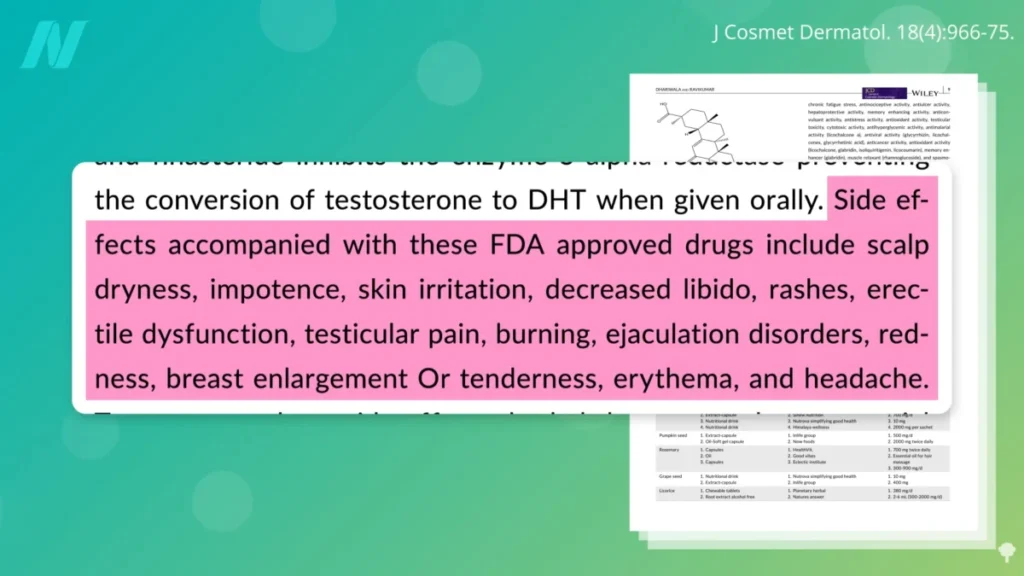
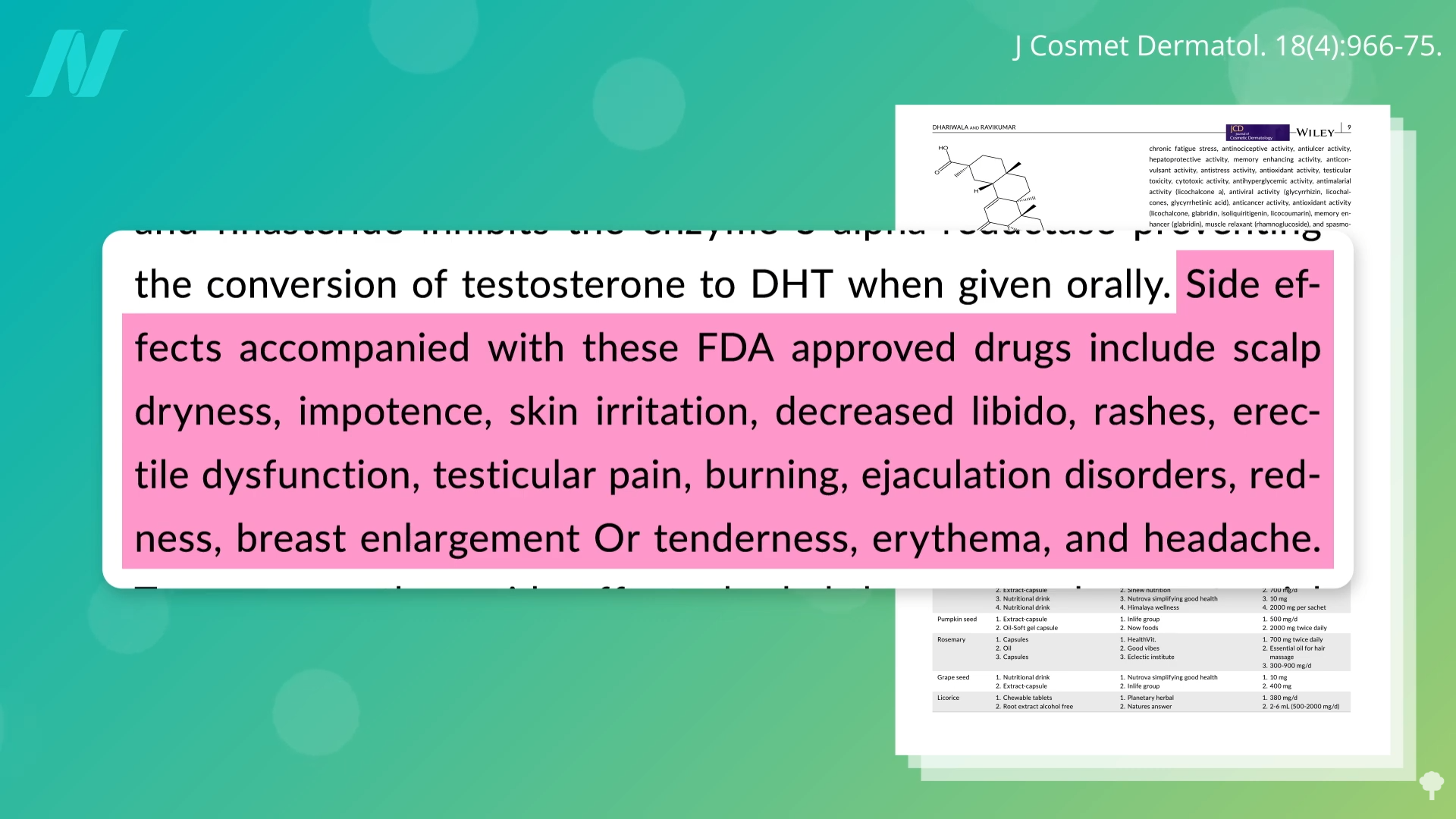
The hormonal nature of finasteride means its impact extends beyond the scalp, potentially affecting various physiological systems. The list of common side effects associated with finasteride includes diminished libido, erectile dysfunction, testicular pain, and even breast enlargement. For a drug primarily used for cosmetic purposes, these are considerable trade-offs.
However, a more alarming concern has emerged over the past decade: the persistence and potential permanence of certain sexual dysfunctions. While many drug-induced side effects resolve upon cessation of the medication, studies and patient reports indicate that finasteride can lead to "difficulty in achieving an erection that continues after stopping the medication." This phenomenon, often referred to as "Post-Finasteride Syndrome" (PFS), suggests that for a subset of users, the drug’s effects on sexual function may be irreversible.
Reports indicate that up to 20% of study participants have experienced "persistent sexual dysfunction" lasting six or more years after discontinuing the drug. The mechanisms behind this enduring impact are still under investigation, but hypotheses include structural changes in brain regions responsible for sexual function. While blood levels of hormones in affected individuals may appear normal, analyses of cerebrospinal fluid (CSF)—the fluid surrounding the brain and spinal cord—have revealed altered neurosteroid levels. This suggests that finasteride may indeed exert long-lasting effects on brain chemistry and neural pathways involved in sexual response.
The implications of such persistent side effects are profound. Regulatory bodies, including the FDA, have mandated that drug companies update their labeling to clearly disclose the potential for long-term or permanent sexual dysfunction. This underscores the serious nature of these risks, prompting a critical recommendation for both prescribers and potential users: "prescribers of finasteride, as well as potential users, be aware of the potential serious long-term risks of a medication used for a cosmetic purpose." Furthermore, finasteride is contraindicated for women, particularly those who are pregnant or may become pregnant, due to the risk of feminizing a male fetus.
Minoxidil (Rogaine): A Topical Approach
In contrast to finasteride’s systemic hormonal action, minoxidil (Rogaine) offers a topical treatment for hair loss. Originally developed as an oral medication for high blood pressure, its unexpected side effect of hair growth led to its reformulation as a topical solution for androgenetic alopecia.
Minoxidil is believed to work by widening blood vessels, thereby increasing blood flow to hair follicles and delivering more oxygen and nutrients. It may also prolong the anagen (growth) phase of the hair cycle and increase the size of miniaturized follicles. While its exact mechanism is not fully understood, it generally does not interfere with hormones in the same way finasteride does.
The primary side effect associated with topical minoxidil is localized irritation, most commonly itching or dryness of the scalp. Other less common side effects can include unwanted hair growth on other parts of the body if the solution spreads, and in rare cases, more systemic effects like lightheadedness or rapid heart rate, typically only seen with higher concentrations or excessive absorption. Overall, minoxidil is considered to have a more benign side effect profile compared to finasteride, particularly concerning sexual function. However, its efficacy can vary, and consistent, long-term application is necessary to maintain results.
Historical Context: Unsettling Origins of Androgen Understanding
The scientific understanding of androgens and their role in hair growth, which underpins the development of finasteride, has roots in a disturbing chapter of human history. The early 20th century saw the rise of eugenics laws in the United States, which aimed to "prohibit contribution to the genepool" by individuals deemed "mentally handicapped." Under these laws, "retarded persons were routinely sterilized without their consent or knowledge," often through forced castration or tubal ligations. The U.S. was pioneering in introducing such eugenic legislation, which was later upheld by its Supreme Court and, chillingly, became an inspiration for other nations, with a vocal proponent lamenting in the 1930s, "The Germans are beating us at our own game."
While these practices are ethically abhorrent and represent a profound violation of human rights, the grim irony is that they inadvertently provided early, albeit horrific, insights into human physiology. Observations from these forced castrations clearly demonstrated the significant role of androgens in various bodily functions, including hair growth. This historical context serves as a stark reminder of how scientific knowledge can sometimes emerge from deeply unethical practices, underscoring the ongoing need for strict ethical guidelines in medical research.
Official Responses and Ethical Considerations
The journey from initial drug development to widespread patient use is closely monitored by regulatory bodies like the FDA. Their role extends beyond mere approval to include continuous surveillance of drug safety and the mandatory updating of product labels to reflect emerging risks. The explicit inclusion of warnings about persistent sexual dysfunction for finasteride is a direct consequence of this regulatory oversight, driven by accumulating evidence and patient reports.
The ethical landscape surrounding hair loss treatments is complex. For many, hair loss is not merely a cosmetic issue but a source of profound emotional distress, impacting self-esteem and quality of life. This creates a strong demand for effective solutions. However, when those solutions carry the risk of severe, potentially irreversible side effects, particularly for a condition that is not life-threatening, a significant ethical dilemma arises. The question becomes: how much risk is acceptable for a cosmetic benefit?
The medical community, including prescribers, bears the responsibility of ensuring patients are fully informed about all potential risks, not just the common ones. The emphasis on "informed consent" takes on a heightened importance when dealing with drugs like finasteride, where the consequences of treatment can be life-altering in ways that extend far beyond the original concern of hair loss.
The Quest for Safer Alternatives
Given the limitations and significant side effects associated with current pharmacological interventions, particularly finasteride, there is an acknowledged and urgent "need for alternative treatments." The medical and scientific communities are actively exploring new avenues, ranging from advanced biotechnologies like stem cell therapies to more holistic and lifestyle-based interventions.
This growing demand for safer, effective alternatives naturally leads to questions about the role of diet and nutrition. Could what we eat, for instance, play a part in combating hair loss or promoting hair health? The potential for dietary interventions to influence hormonal balance, nutrient delivery to follicles, and overall physiological well-being suggests a promising, and potentially less risky, path forward. This exploration into the nexus of food and hair health represents a crucial area of future research and will be the focus of subsequent discussions, as Dr. Greger’s work often highlights the power of evidence-based nutritional strategies.
In conclusion, while finasteride and minoxidil offer the most scientifically validated options for hair loss management today, their use demands careful consideration. Finasteride, in particular, carries risks of profound and potentially permanent sexual dysfunction, underscoring the critical need for comprehensive patient education and cautious prescribing. The ongoing search for effective, safe, and ideally non-pharmacological alternatives continues, driven by both patient need and a commitment to ethical, evidence-based healthcare.
Doctor’s Note
This is the second in a three-part series on hair loss and growth. Do Hair Growth Supplements Work? is the first video, in case you missed it.
Antidepressants like Prozac can also cause sexual dysfunction, but there is something that may help. See Best Food for Antidepressant-Induced Sexual Dysfunction.