Precision in the Cold Chain: Tel-Tru Launches "Every Degree Matters" Initiative to Elevate Food Safety Standards
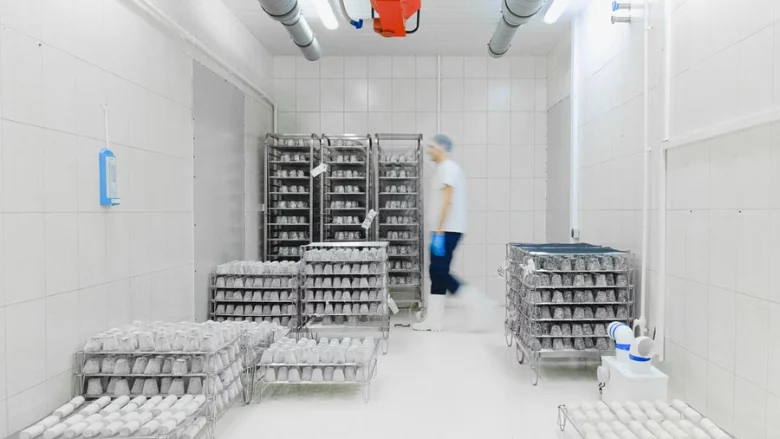
In the intricate ecosystem of global food production, temperature is not merely a variable—it is a critical control point (CCP) that stands between consumer safety and a public health crisis. Recognizing that even a minor deviation in thermal regulation can lead to bacterial proliferation, spoilage, and catastrophic regulatory failure, Tel-Tru Temperature Solutions has unveiled a comprehensive educational initiative: "Every Degree Matters."
Timed to coincide with National Food Safety Education Month this September, the campaign serves as a strategic call to action for food manufacturers, processors, and quality assurance (QA) professionals. By emphasizing the intersection of instrumentation accuracy, rigorous calibration, and audit readiness, Tel-Tru aims to move the industry toward a more proactive, data-driven approach to cold chain management.
The Core Mandate: Why Every Degree Matters
At the heart of the "Every Degree Matters" initiative is the recognition that the modern food supply chain is more complex than ever. From farm-to-fork, the "cold chain" represents a fragile sequence of temperature-controlled environments. If a single link—such as a loading dock freezer or a processing vat—deviates from the established thermal threshold, the integrity of the entire product batch is compromised.
Tel-Tru’s initiative focuses on three foundational pillars:
- Product Safety: Preventing the growth of foodborne pathogens like Listeria monocytogenes, Salmonella, and E. coli through precise thermal inhibition.
- Product Quality: Maintaining the sensory attributes, texture, and nutritional value of food products, which can be irreparably altered by temperature fluctuations.
- Regulatory Compliance: Ensuring that facilities meet the stringent requirements set forth by the FDA’s Food Safety Modernization Act (FSMA) and various Global Food Safety Initiative (GFSI) benchmarks.
Chronology of a Cold Chain Crisis (And How to Prevent It)
To understand the necessity of this initiative, one must look at the typical lifecycle of a food product and the specific points where thermal failure often occurs.
Phase 1: Receiving and Raw Material Intake
The chain begins at the loading dock. If raw ingredients are received at temperatures exceeding safety limits, the product enters the facility already "compromised." Tel-Tru emphasizes that verification at the point of receipt is the first line of defense.
Phase 2: Processing and Thermal Processing
During transformation—whether it is pasteurization, cooking, or cooling—temperature sensors must be calibrated to a standard that accounts for the specific thermal mass of the product. An uncalibrated sensor can lead to "false passes" where a product appears to be at the correct temperature but remains in the "danger zone."
Phase 3: Holding and Storage
Long-term storage is where "temperature creep" often goes unnoticed. Cumulative time-temperature abuse in cold storage is a leading cause of shelf-life reduction and spoilage.
Phase 4: Shipping and Logistics
The final stage of the journey often sees the greatest fluctuation. Monitoring during transit is critical, but the initiative highlights that internal audit trails must be established long before the truck departs the facility.
Supporting Data and Technical Frameworks
The scientific consensus is clear: biological growth rates are exponential functions of temperature. For every degree a product deviates from its optimal storage range, the window of safety narrows significantly. Tel-Tru’s initiative provides the tools necessary to bridge the gap between "operational temperature" and "auditable temperature."
Essential Toolkits for the QA Professional
To support this, Tel-Tru has curated a suite of high-utility resources designed to standardize temperature management protocols across the industry:

- Thermometer Verification Log Sheets: These provide a structured method for documenting daily, weekly, and monthly checks, ensuring that no device is used without a known "state of health."
- Calibration Standard Operating Procedure (SOP) Templates: Many facilities struggle to formalize their calibration processes. These templates offer a "plug-and-play" framework that aligns with SQF (Safe Quality Food) and BRCGS (Brand Reputation Compliance Global Standards) audit requirements.
- Audit Readiness Worksheets: These are designed to help plant managers conduct "mock audits," allowing them to identify gaps in documentation before a third-party inspector arrives.
- Temperature Verification Programs: The company has launched an online resource center dedicated to building a culture of verification rather than just "spot checking."
The "Five-Point" Assessment Strategy
Tel-Tru is encouraging facilities to adopt a holistic "Five-Point Assessment" model. By evaluating temperature measurement points across the five critical stages—receiving, processing, holding, storage, and shipping—facilities can create a robust thermal map of their operations.
This assessment is not just about having a thermometer in the room; it is about verifying the accuracy of the device. As the industry moves toward digital data logging and cloud-based monitoring, the human element—the person responsible for verifying that the sensor is reading correctly—remains the most important factor in the chain of custody.
Implications for Industry Standards
The "Every Degree Matters" initiative arrives at a pivotal time for the food industry. As supply chains become globalized and regulatory scrutiny intensifies, the cost of a recall has skyrocketed. Beyond the financial implications, the reputational damage of a foodborne illness outbreak can shutter a business permanently.
Moving from Reactive to Proactive
Historically, many food facilities operated on a "reactive" basis, addressing temperature issues only after an alarm sounded or a batch was flagged as spoiled. The "Every Degree Matters" movement promotes a "proactive" methodology. By standardizing the calibration and verification process, facilities move from identifying failures to preventing them entirely.
Empowering the Workforce
One of the most significant implications of this initiative is the empowerment of the frontline worker. By providing accessible checklists and SOPs, Tel-Tru is helping to standardize the training of plant floor employees. When every employee understands why a thermometer check is being performed—and the science behind the degree—the facility’s overall safety culture shifts from a "checklist mentality" to a "safety-first mentality."
Expert Perspectives and Future Outlook
The editorial team at Food Safety Magazine has long advocated for the integration of technology and rigorous documentation in food manufacturing. The collaboration with initiatives like "Every Degree Matters" underscores a growing industry realization: Data is only as good as the instrument that collects it.
If an instrument is out of calibration by two degrees, and those two degrees are the difference between a product being safe and a product being a vector for Listeria, the entire food safety system fails. This initiative serves as a reminder that instrumentation is the bedrock of food science.
The Role of Technology
As we look toward the future, the integration of AI-driven search tools (such as the new "Ask FSM" tool) and IoT-enabled temperature sensors will likely define the next generation of cold chain management. However, Tel-Tru’s initiative serves as a grounding force, reminding us that even the most advanced AI is useless if the initial calibration of the sensor is flawed.
Conclusion: A Commitment to Excellence
The "Every Degree Matters" initiative is more than a marketing campaign; it is an educational roadmap for the food industry to achieve higher levels of precision and reliability. By focusing on the fundamentals—verification, documentation, and systematic assessment—Tel-Tru is providing the industry with the tools to navigate the increasingly complex landscape of food safety.
As National Food Safety Education Month concludes, the hope is that these resources will remain in use throughout the year. In an industry where the margin for error is measured in fractions of a degree, the companies that thrive will be those that treat every temperature measurement as a vital piece of the safety puzzle.
For further information, industry professionals are encouraged to visit the Tel-Tru Food Safety Month resource center, where they can access the full suite of SOPs, log sheets, and audit readiness tools developed to ensure that, in every facility, every degree is accounted for.