Beyond the Turf: Transforming Challenging Shade Gardens into Vibrant Ecosystems
For many homeowners, the shaded areas of a landscape—those dark, often neglected corners where traditional turfgrass stubbornly refuses to grow—are viewed as a design failure. It is a common misconception that shade is a limitation, a “dead zone” where only a handful of weary hostas can survive. However, the botanical world tells a different story. For every light-deprived microclimate, there exists a specialized flora that has spent millennia evolving to thrive in the subtle, filtered light of the forest floor.
By looking to nature as our blueprint, we can move away from the frustration of failed lawns and toward the creation of lush, multi-seasonal garden sanctuaries. Whether your yard suffers from dry, root-choked soil or perpetually damp, heavy clay, there is a solution that is both ecologically sound and aesthetically rewarding.
The Science of Shade: Understanding Your Microclimate
The key to a successful shade garden lies in recognizing that not all shade is created equal. Shade is a product of its environment—the canopy density of overhead trees, the presence of neighboring structures, and the competitive nature of existing root systems.
When addressing these "problem" spots, professional horticulturists categorize sites based on three primary stressors: moisture levels, soil quality, and competition. By identifying these factors, gardeners can select "stalwart" plants—species that have developed evolutionary coping mechanisms, such as waxy cuticles to retain moisture, deep taproots to compete with trees, or the ability to enter metabolic dormancy during periods of extreme environmental stress.
Stalwarts of the Dry Shade: Conquering Root Competition
One of the most daunting environments for any gardener is the area beneath mature, shallow-rooted trees. Here, the struggle for water and nutrients is constant. Yet, certain plants are uniquely equipped to stand their ground.
Golden Ragwort (Packera aurea)
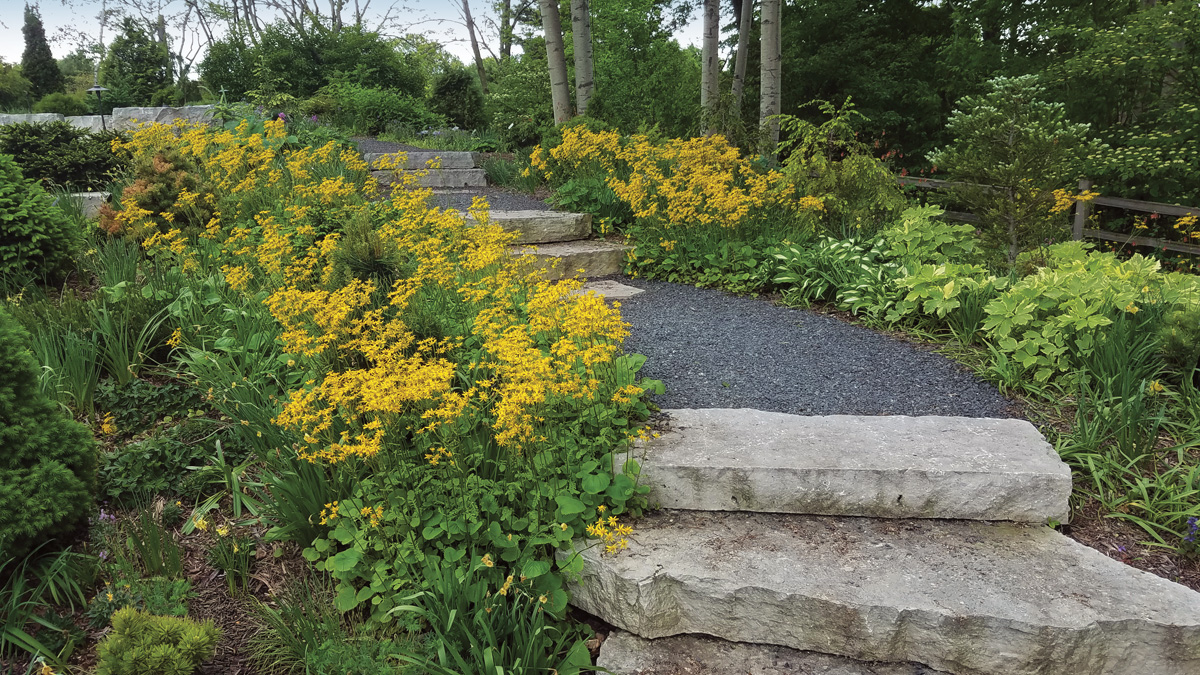
Often overlooked, golden ragwort is a powerhouse for the difficult road verge or the dense shade beneath a canopy. Native to Eastern North America, this plant is a testament to resilience. It thrives in conditions that would wither lesser perennials, including compacted soil and aggressive tree-root competition. Its ability to spread via rhizomes creates a lush, dark green carpet that provides an elegant backdrop for other late-emerging perennials. Beyond its structural utility, Packera aurea serves a vital ecological role as one of the few larval host plants for the northern metalmark butterfly.
Warley’s Epimedium (Epimedium × warleyense)
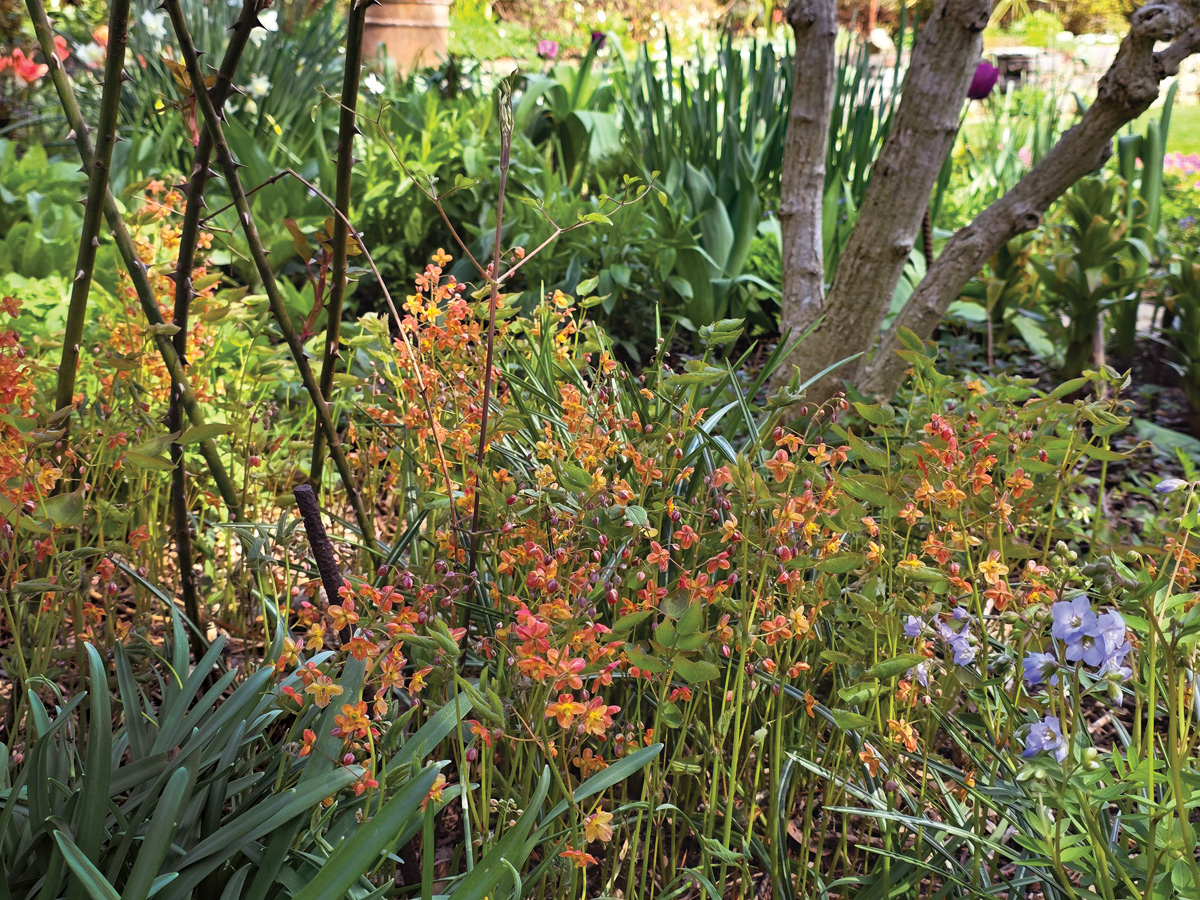
For those seeking a combination of durability and delicate beauty, the epimedium is a premier choice. Unlike many delicate woodland flowers, this hybrid possesses an extensive, wiry root system that allows it to coexist with established tree roots without retreating. Its drought tolerance is aided by a thick, waxy leaf cuticle, an evolutionary adaptation that minimizes transpiration. In mid-to-late spring, the plant rewards the gardener with unique, spurred flowers in shades of burnished orange and yellow, providing a vibrant contrast to the often monochromatic floor of a deep-shade garden.
Woodland Elegance: Adaptable Plants for Controlled Environments
When a garden transitions from deep shade to the dappled light of a woodland perimeter, the goal shifts from pure survival to aesthetic balance. In these spaces, we look for plants that provide seasonal interest without becoming aggressive, invasive competitors.
Meehan’s Mint (Meehania cordata)
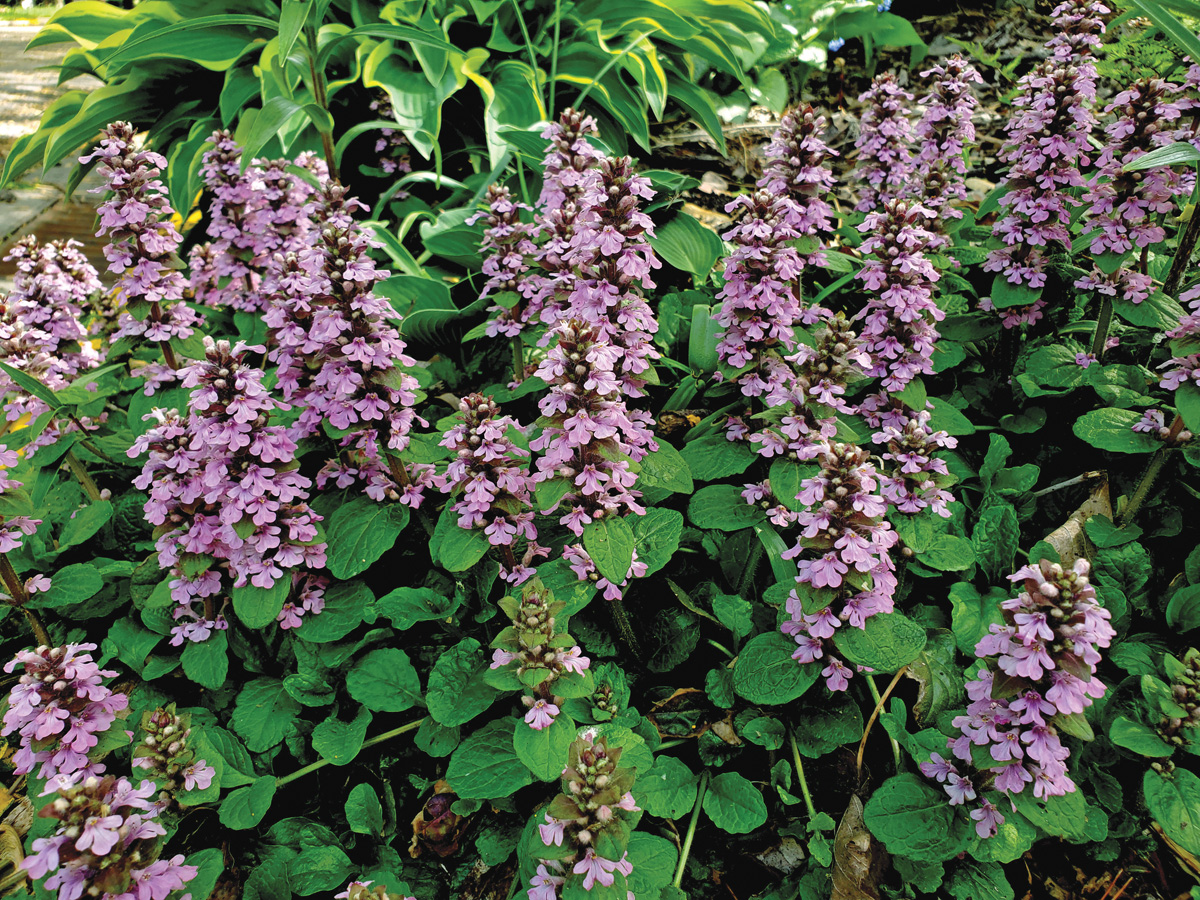
Meehan’s mint is a masterclass in polite ground cover. It expands through shallow, stoloniferous roots, yet it never reaches the "rampant" status of its mint-family cousins. Its semi-glossy, heart-shaped foliage remains attractive from early spring until the first heavy snows, while its violet-purple flowers offer a striking display early in the season. It is remarkably durable, having been proven successful even in the harsh, neglected environments of urban "hellstrips" and narrow sidewalk borders.
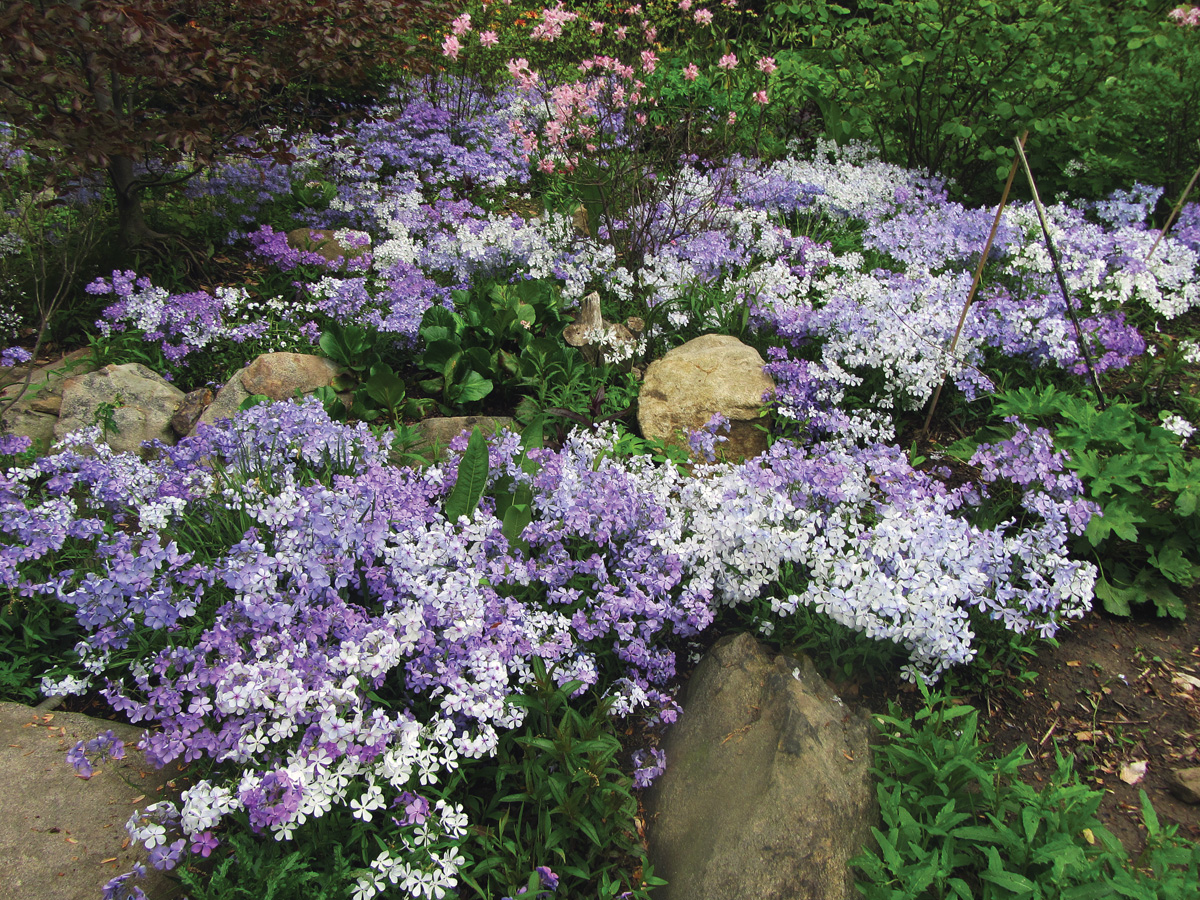
Woodland Phlox (Phlox divaricata)
Often mischaracterized as a strictly shade-loving plant, woodland phlox is actually a bridge-builder, thriving in the transitional zone between deep shade and partial sun. While it is technically a spring ephemeral—meaning its foliage may recede as the season progresses—it provides a crucial early-season nectar source for pollinators, including bees, moths, and hummingbirds. Cultivars like ‘Blue Moon’ have shown in rigorous trials at the Mt. Cuba Center to be as robust as the native species, making them excellent candidates for mass plantings where deep blue hues are desired.
Navigating the Wet Shade: Solutions for Poor Drainage
Excess moisture in shaded spots—often caused by roof runoff, low-lying topography, or heavy clay content—can lead to root rot in sensitive species. However, certain plants have evolved to turn these "soggy" challenges into a thriving habitat.
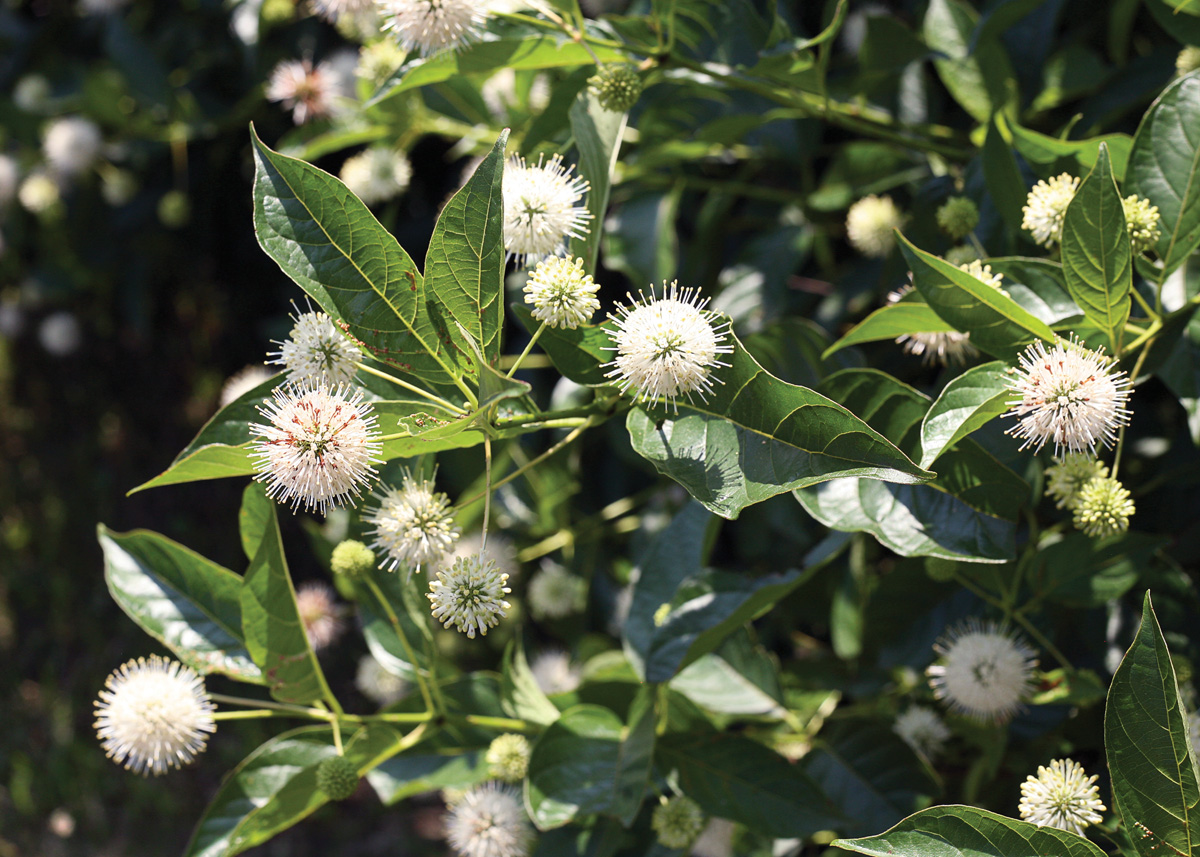
Sugar Shack® Buttonbush (Cephalanthus occidentalis ‘SMCOSS’)
For the gardener with an eye for the unique, the buttonbush offers a botanical spectacle. Its pincushion-like flowers are a magnet for hummingbirds and butterflies throughout the summer. As a native of marshy environments, it is perfectly adapted to wet feet, making it an ideal anchor for rain gardens or bioswales. While it can reach 4 feet in height, it is remarkably low-maintenance; should it ever outgrow its space, it responds well to coppicing, a process that can actually invigorate the plant.
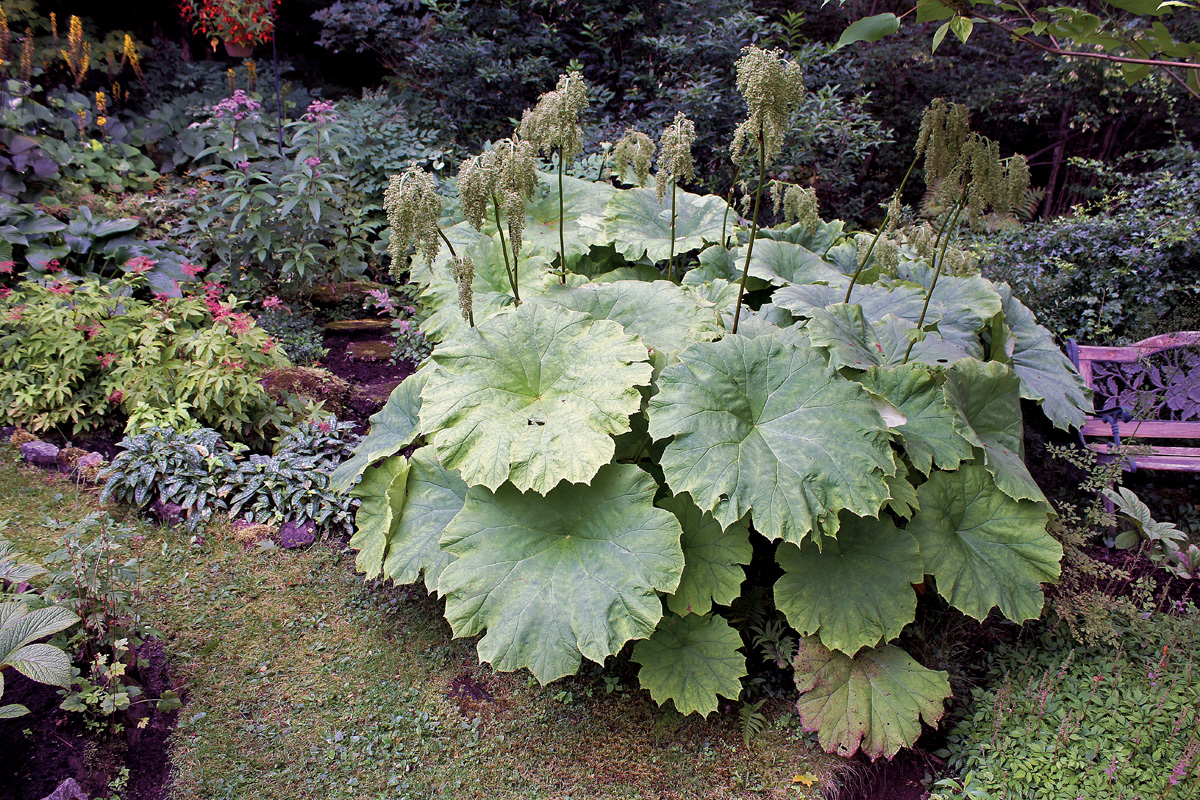
Astilboides (Astilboides tabularis)
When a dramatic visual statement is required for a wet, shaded area, Astilboides is unrivaled. Native to Northern China, this plant features massive, umbrella-like leaves that create an almost tropical aesthetic. It is specifically suited for the "problem" spots under downspouts or in clay-heavy soil. To maximize its impact, designers often pair it with fine-textured ferns, allowing the bold foliage of the Astilboides to stand out in sharp contrast.
Nutrient-Poor Soils: The Resilience of the Understory
Many shade gardeners fear thin, rocky, or nutrient-deficient soil. However, several hardy shrubs and perennials have evolved to thrive in these conditions, requiring little to no supplemental fertilization.
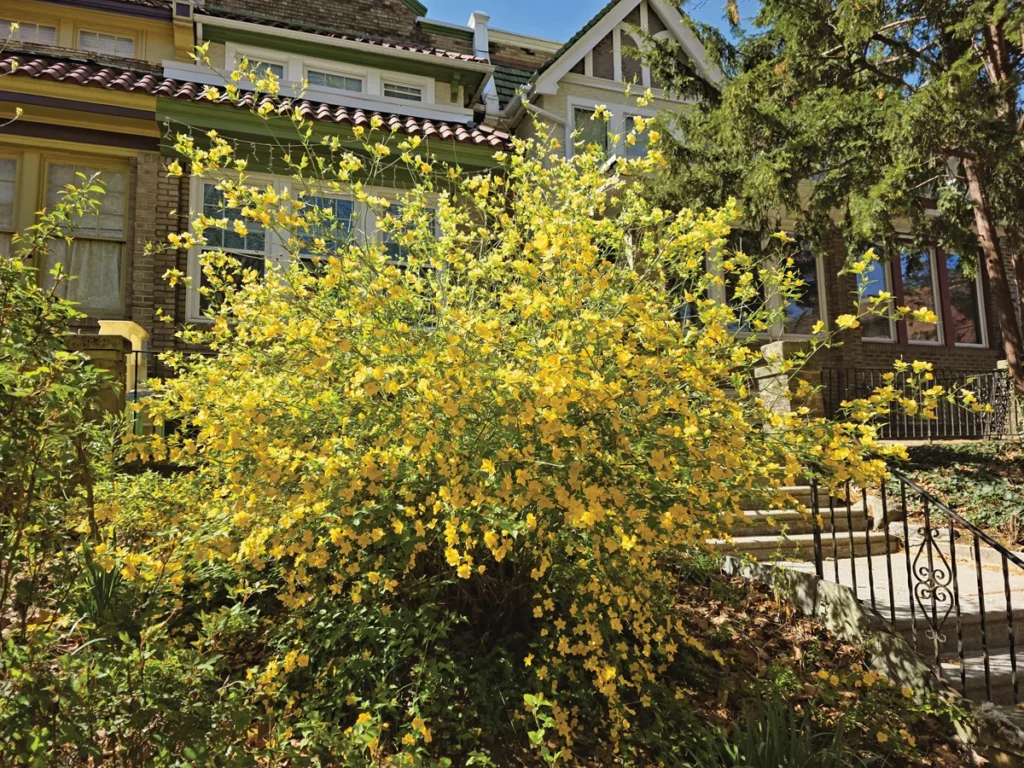
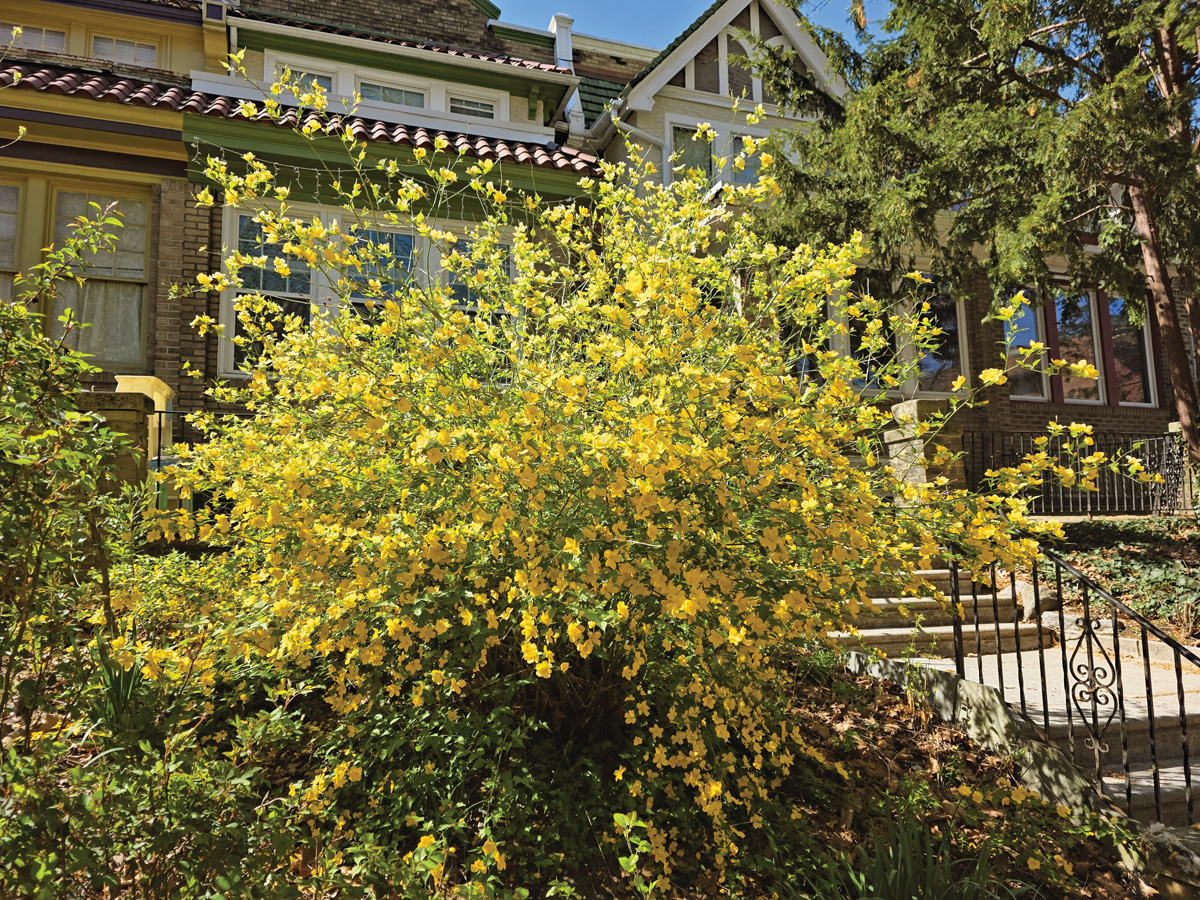
Japanese Kerria (Kerria japonica)
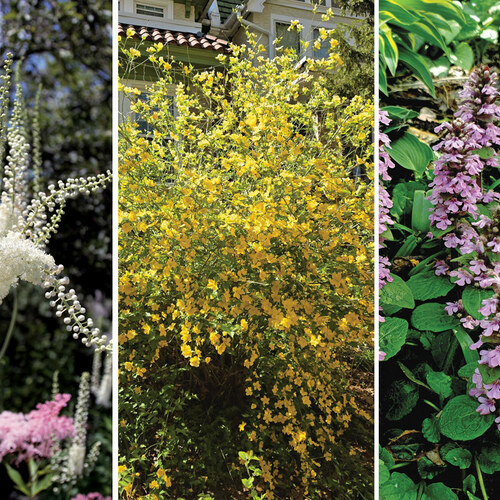
Japanese kerria is a four-season asset. Its arching green stems provide color throughout the winter, while its golden spring blooms bring light to the darkest corners of a yard. It is exceptionally tolerant of "lean" soil—those areas with low organic content that often leave other plants stunted. While it can tolerate full shade, gardeners should avoid planting it in direct afternoon sun, which can cause the blossoms to fade from a brilliant gold to a lackluster yellow.
White Wood Aster (Eurybia divaricata)
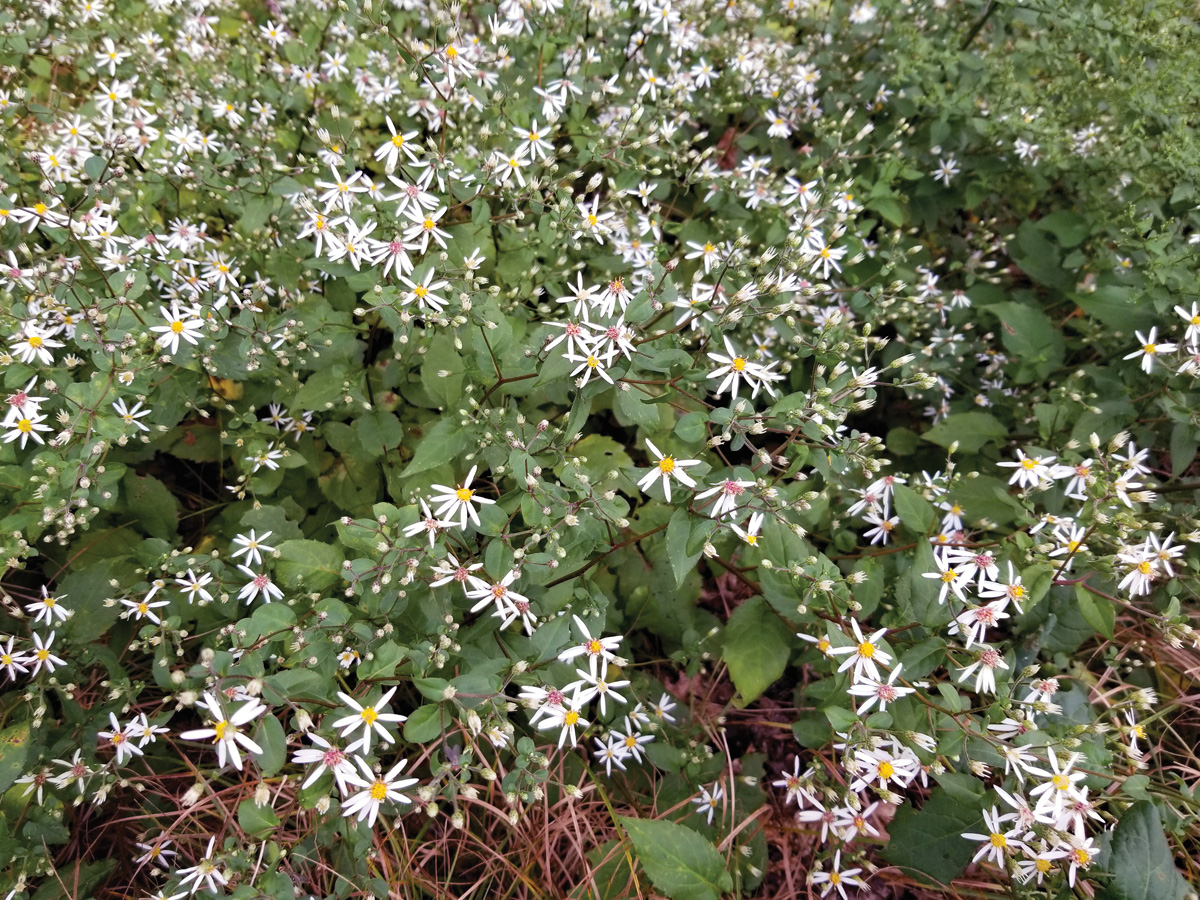
As summer fades into autumn, the woodland garden often loses its color. White wood aster fills this void. Unlike many asters that require full sun to thrive, this species is perfectly at home in the dry, shallow, rocky soil of the forest floor. Its star-like white flowers with golden-to-red centers offer a luminous quality in low light. For those interested in supporting local butterfly populations, planting this species along the sunny edges of a woodland boundary is an excellent strategy, as it provides a critical late-season nectar source.
The Deep Shade Frontier: The Final Challenge
The deepest shade—where sunlight is reduced to mere flickers—is the ultimate test of a plant’s biology.
Black Cohosh (Actaea racemosa)
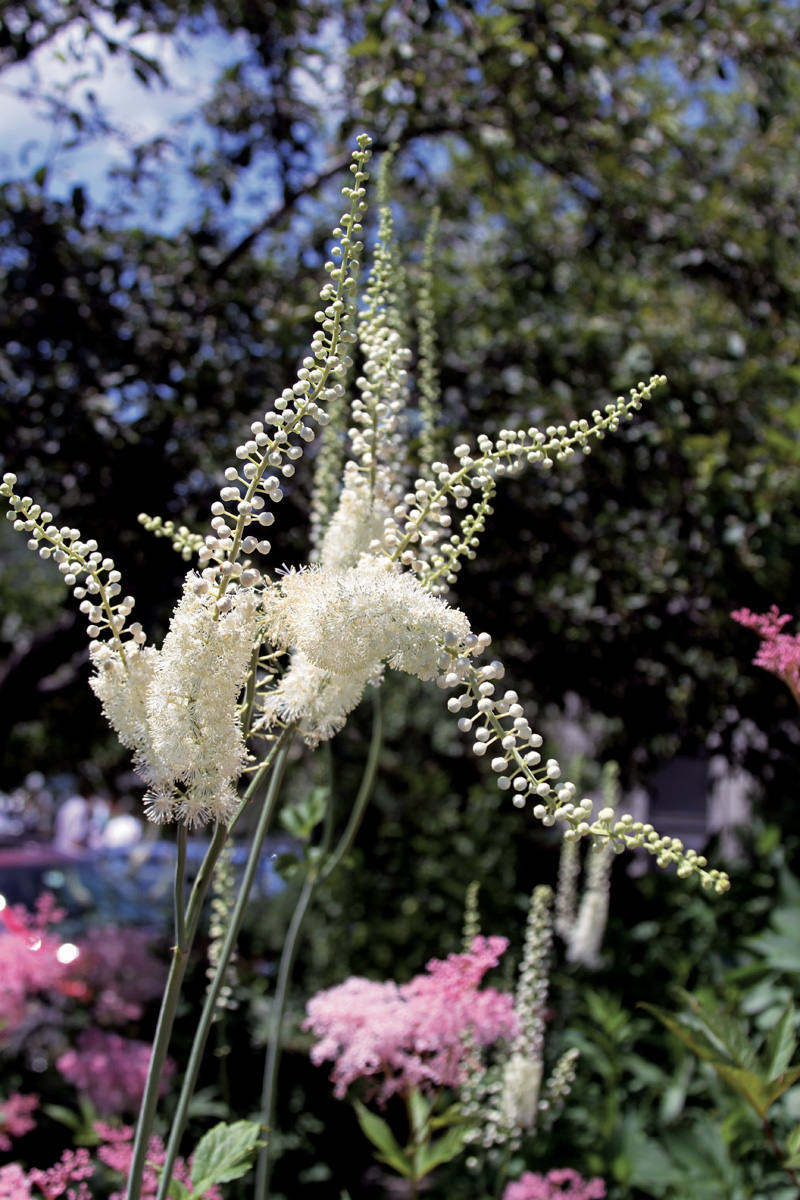
Black cohosh is a plant of quiet, structural elegance. Its racemes of white, candle-like flowers seem to float in the gloom, bringing a sense of tranquility to deep shade. While it is quite durable, it does require a bit of extra attention to soil chemistry; amending the area with organic compost will help retain the moisture it craves. Because it is sensitive to heat, it should be protected from the harsh afternoon sun.
Goldenstar (Chrysogonum virginianum)
For a ground cover that brings a "sunny" disposition to deep shade, look no further than goldenstar. It is a diminutive, deer-resistant plant that forms neat mats. Its ability to produce sporadic blooms throughout the summer, especially in cooler climates, makes it a reliable performer. While it can tolerate various soil conditions, it responds with the most vigor in moist, slightly acidic environments.
Implications for Future Garden Planning
The shift toward selecting plants based on environmental "fit" rather than aesthetic impulse represents a broader evolution in horticultural practices. By embracing the specific conditions of a site—whether it be the root competition of an oak tree or the persistent moisture of a low spot—gardeners can reduce their reliance on synthetic fertilizers, excessive watering, and chemical pest control.
This approach not only leads to more successful and sustainable gardens but also fosters a deeper connection between the gardener and the natural world. By understanding the "why" behind a plant’s survival strategy, we stop fighting against our landscape and start collaborating with it. As we move forward, the most beautiful gardens will not be those that force nature to conform to a manicured standard, but those that celebrate the unique, shaded niches that make each landscape a living, breathing ecosystem.