The 5-Minute Revolution: How the "Omelet Pizza" is Redefining Quick Family Meals
In the fast-paced landscape of modern parenting, the struggle to balance nutritional value with time constraints is a universal challenge. Culinary innovation often focuses on high-tech kitchen gadgets or complex meal-prepping systems, but a recent trend—the "Omelet Pizza"—suggests that the solution may lie in the simple, high-protein versatility of the humble egg. By merging the comfort-food appeal of pizza with the rapid preparation of an omelet, this hybrid dish is emerging as a staple for busy families, offering a bridge between breakfast and dinner that requires nothing more than five minutes at the stove.
Main Facts: The Anatomy of a Hybrid Meal
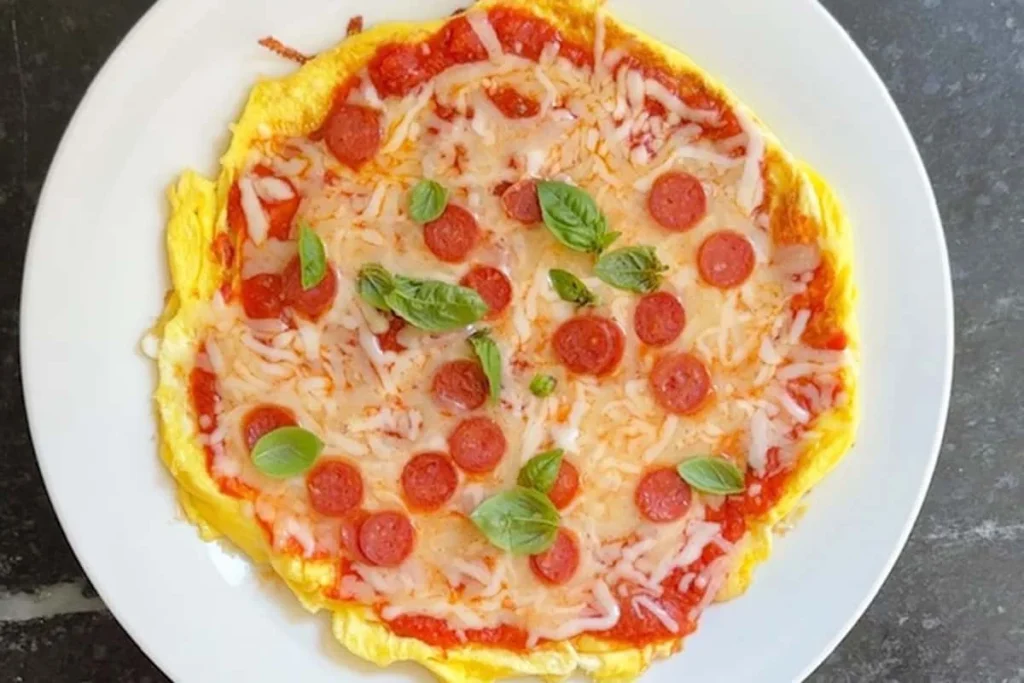
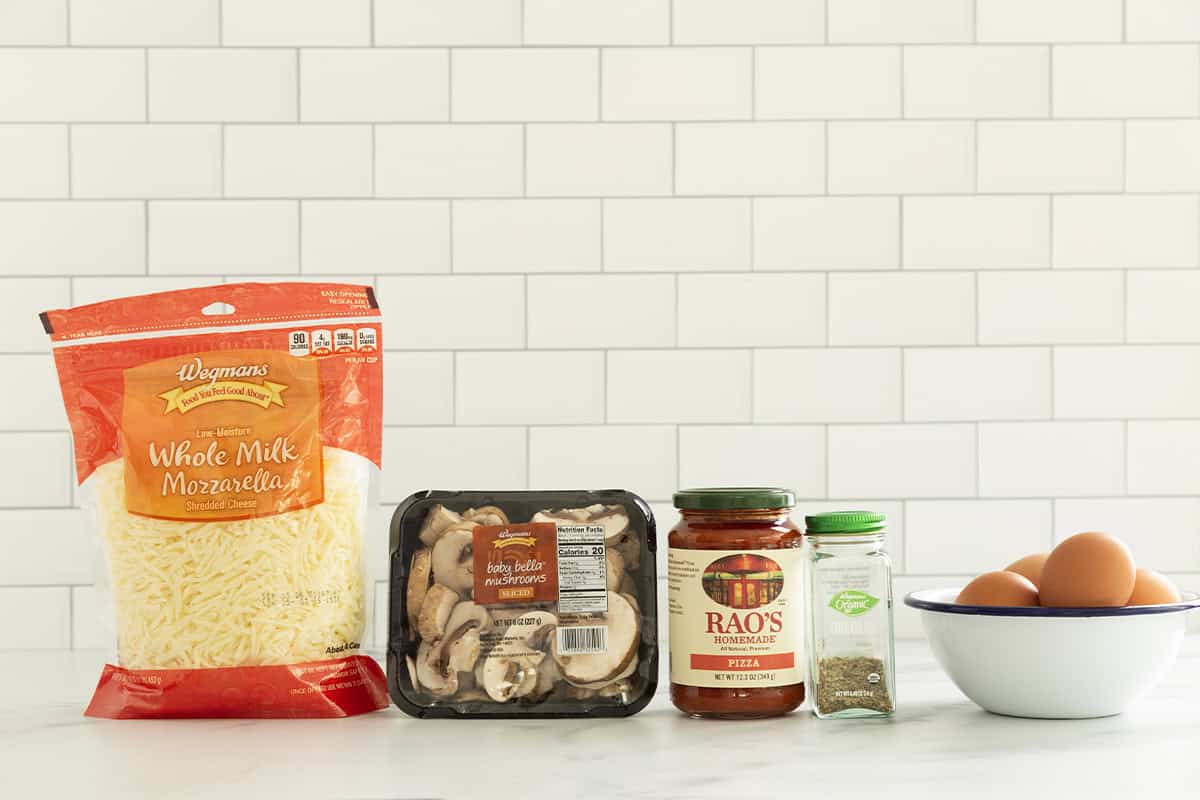
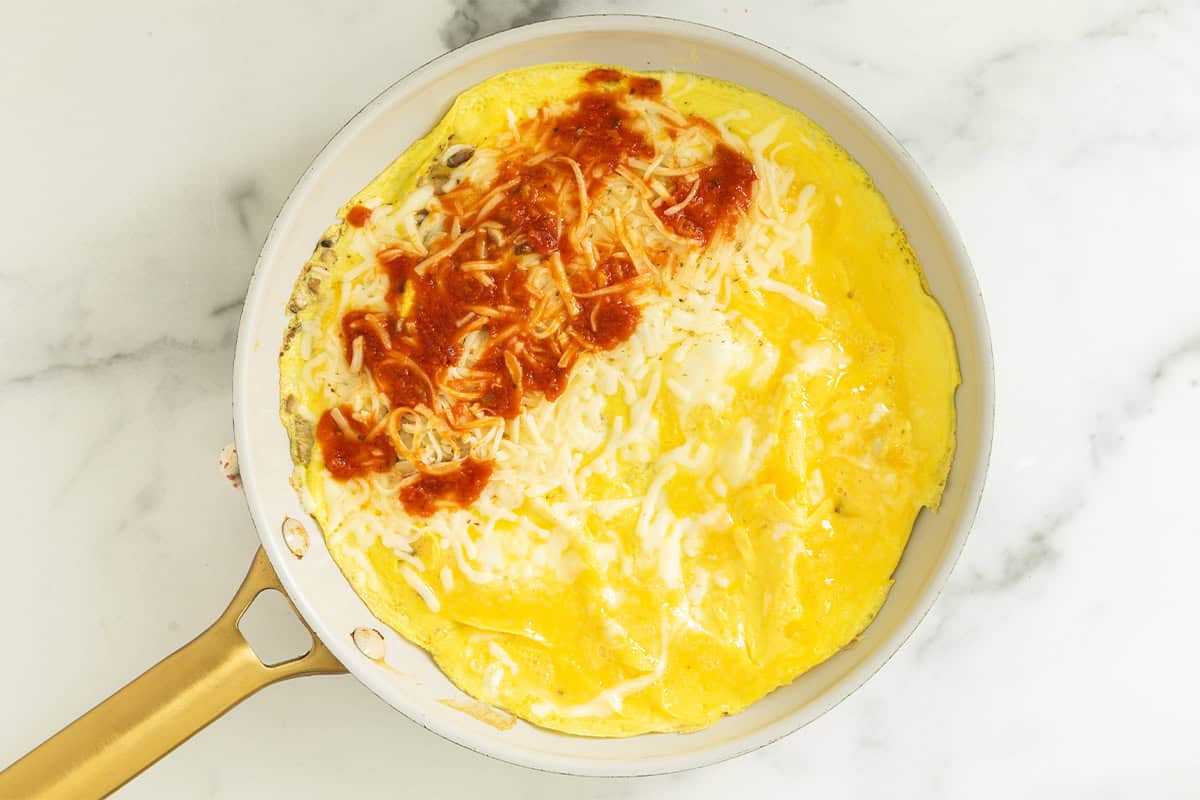
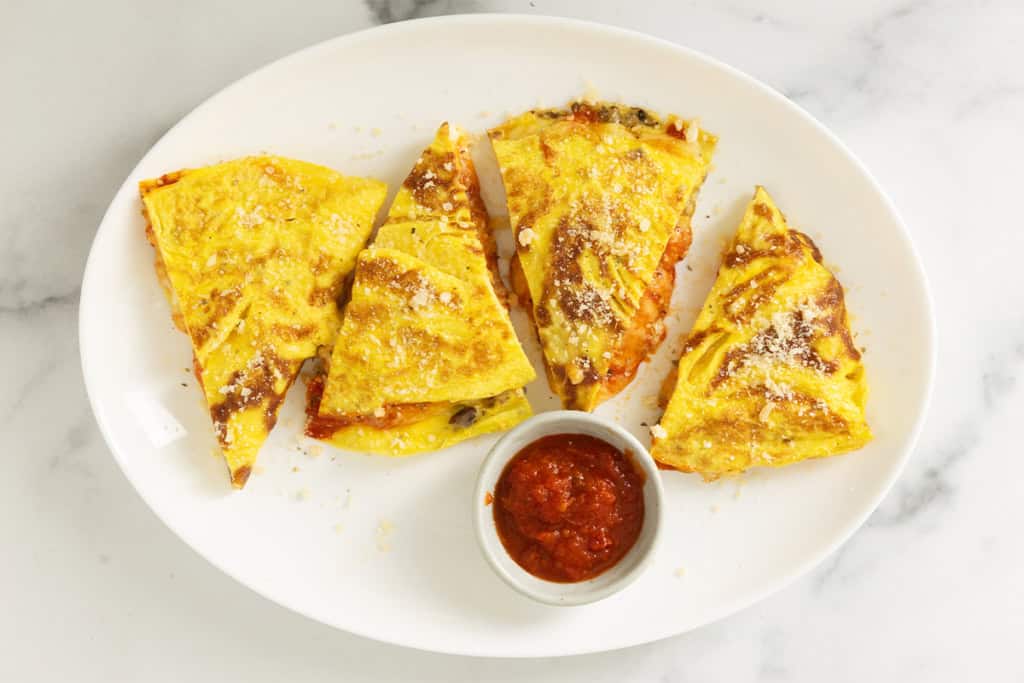
The Omelet Pizza is not a pizza in the traditional dough-based sense; rather, it is an elevated, folded omelet designed to mimic the flavor profile of a pizzeria favorite. The core concept relies on the structural integrity of eggs to serve as the "crust," while traditional toppings—mozzarella cheese, marinara sauce, and savory additions like mushrooms or peppers—provide the familiar palate.
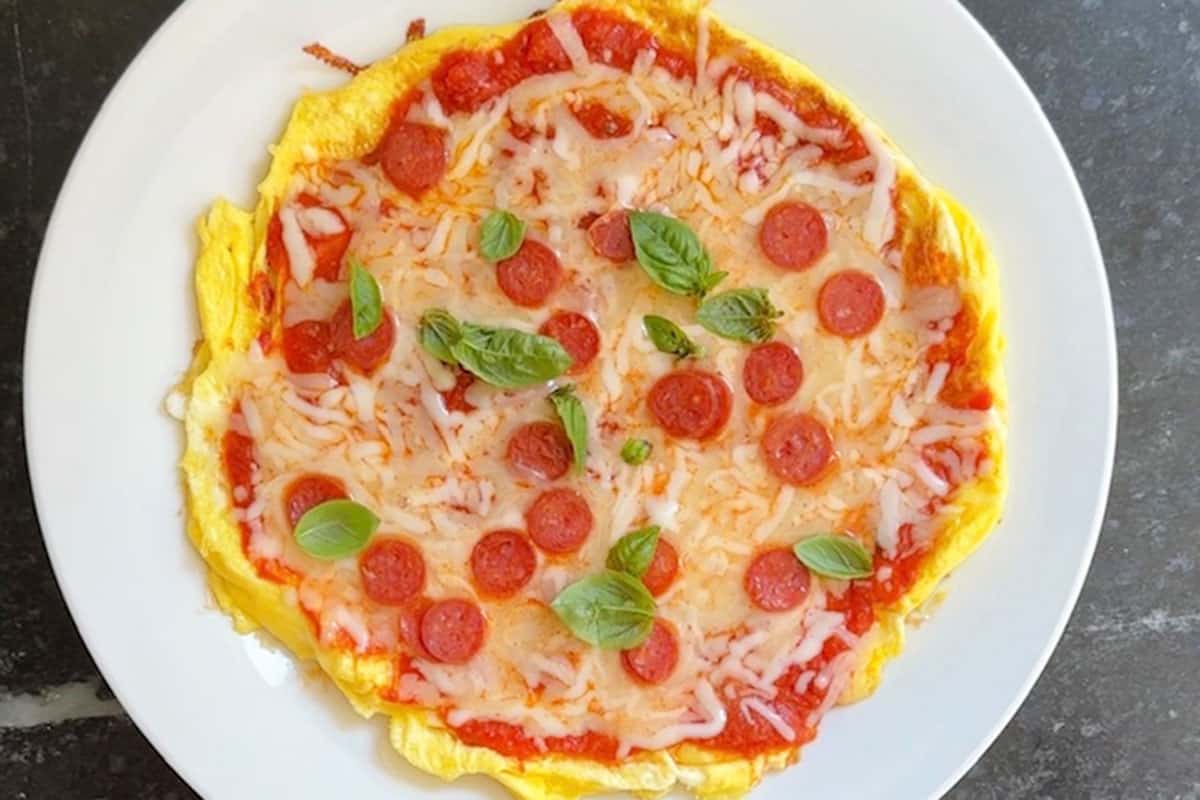
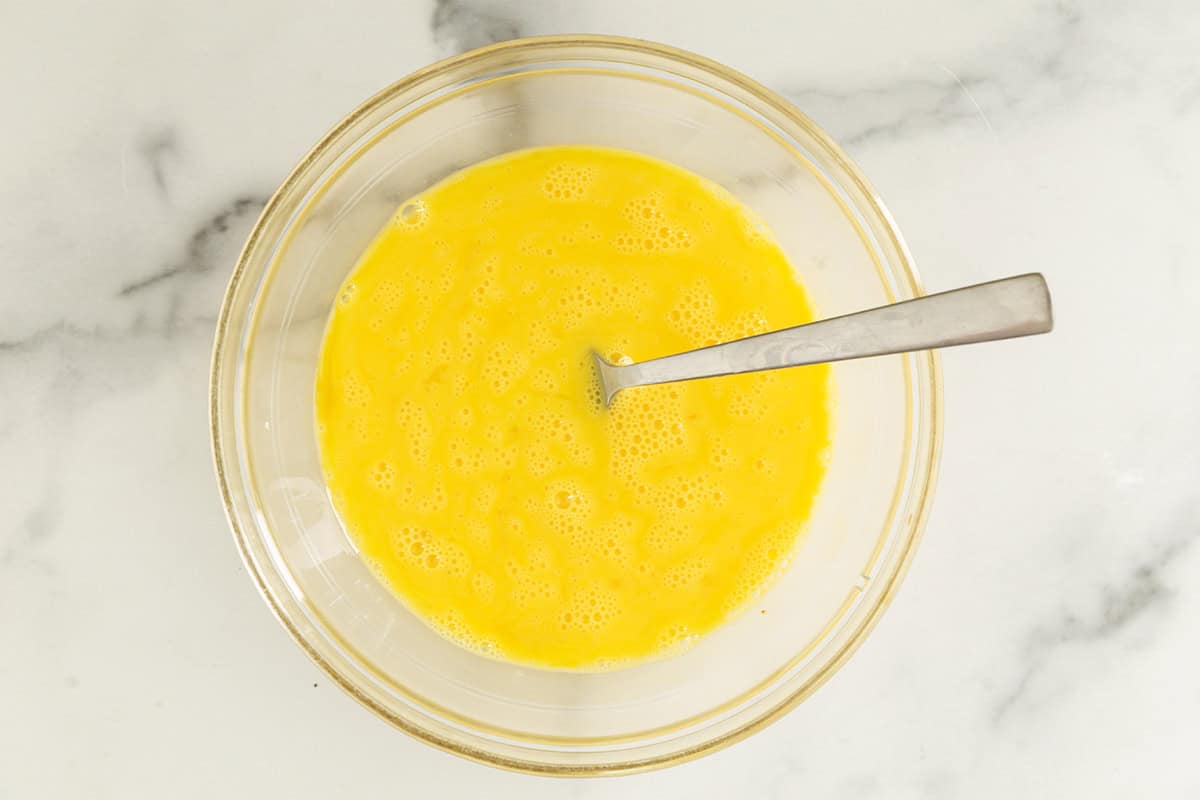
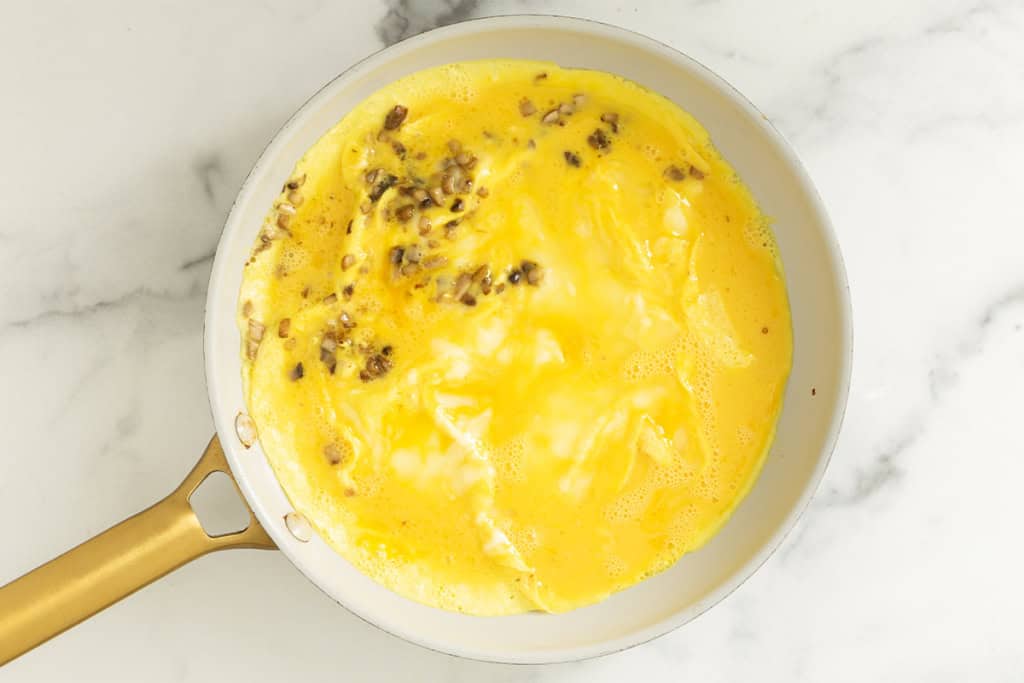
The dish functions on a "prep-to-plate" window of approximately five minutes. The process involves whisking eggs, pouring them into a buttered skillet, and utilizing the latent heat to melt cheese and soften chosen toppings. It is a dish characterized by its low-carb, high-protein nutritional profile, making it a viable alternative to heavy, flour-based snacks or frozen dinners. For parents, the primary appeal lies in its customization: the meal can be adapted to suit a picky toddler’s preference for plain cheese or an adventurous eater’s desire for spinach and sausage.
A Chronology of the Quick-Meal Evolution
The evolution of the "quick meal" has undergone significant shifts over the last decade. Historically, the "five-minute meal" was synonymous with pre-packaged, processed items. However, a growing movement in the culinary world—spearheaded by platforms like Yummy Toddler Food—has sought to disrupt this by emphasizing "assembly-style" cooking.
- Phase 1 (The Pre-Packaged Era): Through the early 2010s, convenience was defined by frozen chicken nuggets or microwaveable mac-and-cheese. These provided satiety but lacked the nutrient density required for growing children.
- Phase 2 (The "Toast" Movement): The middle years of the decade saw a rise in "Pizza Toast" and "Naan Pizza." These recipes introduced families to the idea of using a pre-made base to reduce cooking time, allowing for fresh vegetable integration.
- Phase 3 (The Egg Revolution): The current shift, exemplified by the Omelet Pizza, represents a pivot toward whole-food bases. By replacing bread-based carbohydrates with eggs, the meal moves from being a snack to a substantial protein-forward entree, marking a significant step forward in the nutritional quality of "fast food."
Supporting Data: Why Eggs are the Superior Base
From a nutritional and practical standpoint, the data supporting the move toward egg-based "crusts" is compelling. According to recent nutritional analyses, a standard serving of this Omelet Pizza provides approximately 19 grams of protein per serving, while maintaining a manageable 320 calories.
Nutritional Breakdown (per serving)
- Protein: 19g (Essential for muscle growth and satiety)
- Carbohydrates: 5g (Significantly lower than traditional dough)
- Fat: 25g (Healthy fats from eggs and cheese)
- Key Micronutrients: High concentrations of Vitamin A and Calcium, essential for pediatric development.
Beyond the numbers, the "success rate" of the meal—defined by the likelihood of a child consuming the entire portion—is high. The familiarity of pizza flavors acts as a "gateway" for children to consume vegetables (such as diced peppers or mushrooms) that might otherwise be rejected if served alone. The tactile nature of the dish, which can be cut into small, hand-held squares, also encourages self-feeding, a critical milestone in toddler development.
Official Perspectives: The Role of Dietary Flexibility
Dietitians and child nutritionists often emphasize the importance of "division of responsibility" at the table. The Omelet Pizza aligns perfectly with this philosophy: the parent provides the nutritious base, and the child is given autonomy over the toppings.
"When a child participates in the assembly of their meal, they are exponentially more likely to engage with the food," says one leading expert in child nutrition. "The Omelet Pizza turns a mundane breakfast item into an interactive event. By offering a side of warm marinara sauce, the meal gains the ‘dipping’ factor, which is a major psychological driver for younger eaters who enjoy the sensory experience of controlling their own portions."
The consensus among culinary educators is that by demystifying the preparation—making it a five-minute process—parents are less likely to resort to the "all-or-nothing" mentality of meal preparation. If a dinner plan falls through, the Omelet Pizza acts as a reliable safety net that is nutritionally superior to cereal or toast.
Implications for Modern Parenting and Future Trends
The rise of the Omelet Pizza is symptomatic of a broader cultural shift toward "flexible cooking." As families spend less time in the kitchen due to increased work-life pressures, the focus has shifted from complex recipes to "modular" cooking—where a few staple ingredients (eggs, cheese, sauce) can be combined in infinite variations.
The Impact on Household Logistics
The implications for the average household are three-fold:
- Reduction in Food Waste: Because the recipe relies on "pizza toppings," it is an excellent vehicle for using up leftover produce, such as half-empty bags of spinach or the last few slices of bell peppers.
- Economic Efficiency: Eggs remain one of the most cost-effective sources of high-quality protein available in the modern grocery store, making this a budget-friendly solution for families facing inflationary pressure.
- Skill Acquisition: For older children, the simplicity of the recipe makes it an ideal "starter" dish. Learning to whisk eggs and monitor a pan provides early culinary confidence.
Future Outlook
As we look toward the future of home dining, the "hybrid meal" will likely continue to gain traction. We are moving away from the era of distinct categories (breakfast foods vs. dinner foods). The Omelet Pizza is merely the vanguard of a movement that prioritizes speed, protein, and the integration of flavor profiles that children already find comforting.
In conclusion, the Omelet Pizza offers more than just a quick meal; it provides a framework for healthy eating that is sustainable, adaptable, and genuinely enjoyed by both parents and children. By stripping away the complexity of traditional dough and focusing on the rapid-fire utility of the egg, families can reclaim their evenings and ensure that even on the busiest days, the dinner table remains a place of nourishment rather than stress. Whether it is served for a Saturday brunch or a Tuesday night dinner, this dish is a testament to the fact that the best solutions are often the ones that are hiding in plain sight—or, in this case, inside the refrigerator.