The Art of the Modern Meal Prep: Elevating Your Routine with Creamy Cilantro Lime Chicken Bowls
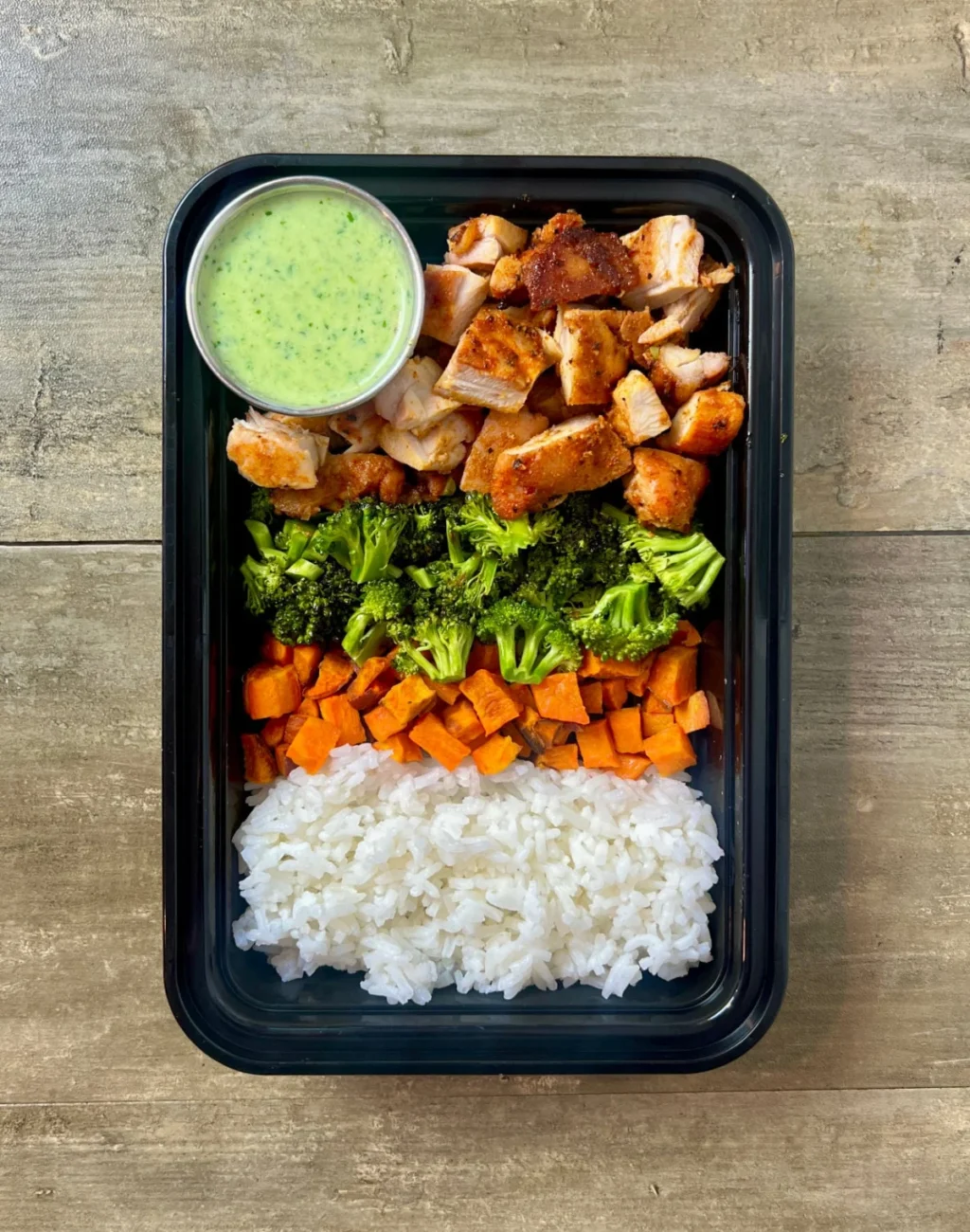
In an era defined by fast-paced schedules and an increasing emphasis on personal health, the art of meal preparation has transcended its origins as a niche fitness trend to become a cornerstone of the modern household. As consumers look for ways to balance nutritional intake with the constraints of a busy work week, the "Creamy Cilantro Lime Chicken Bowl" has emerged as a gold-standard recipe. This dish, which masterfully blends lean protein, complex carbohydrates, and a vibrant, nutrient-dense sauce, serves as a testament to how culinary efficiency can meet high-performance dieting.
Main Facts: The Anatomy of a Perfect Meal Prep Dish
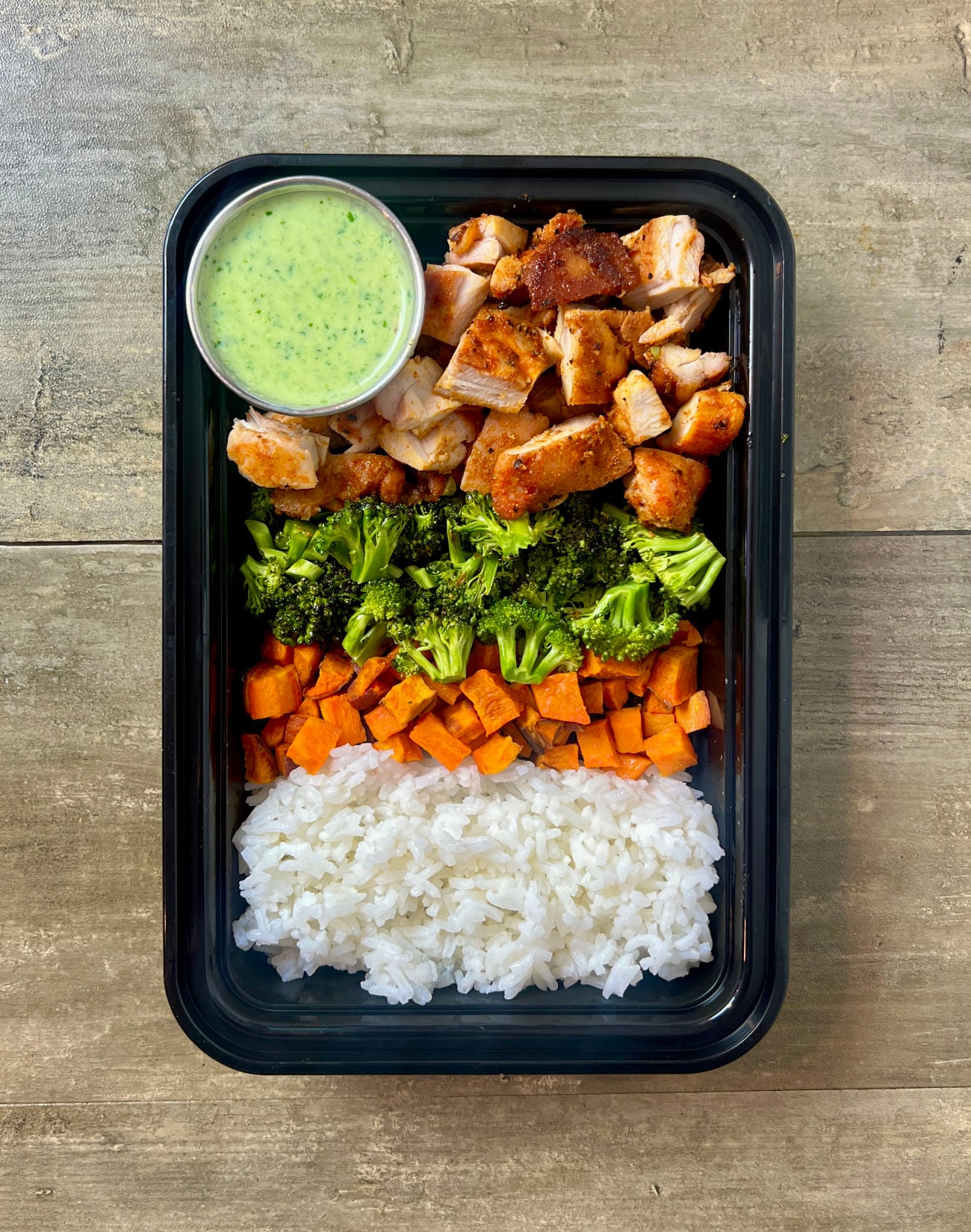
The Creamy Cilantro Lime Chicken Bowl is not merely a meal; it is a meticulously engineered solution to the common pitfalls of mid-week nutrition. Designed specifically for batch cooking, the recipe yields five distinct servings, ensuring that lunch or dinner is accounted for from Monday through Friday.
At its core, the recipe relies on a three-pillar structure:
- The Protein Foundation: Lean chicken breast provides a high-quality amino acid profile essential for muscle repair and satiety.
- The Complex Carbohydrate Base: A controlled portion of rice provides the steady glucose release required to sustain energy levels throughout the workday.
- The Signature Sauce: The differentiator in this recipe is the high-protein, flavor-packed sauce. By substituting traditional high-fat condiments with a base of Greek yogurt, lime, and cilantro, the dish achieves a velvety mouthfeel without the caloric density associated with mayonnaise or oil-based dressings. The addition of jalapeño introduces a metabolic boost through capsaicin while providing a sharp, acidic contrast to the creaminess of the yogurt.
With a calorie count of 490 per serving and a macro-split of 46g of carbohydrates, 43g of protein, and 15g of fat, this dish offers a balanced profile suitable for athletes, busy professionals, and anyone seeking to optimize their dietary intake.
Chronology of Preparation: From Kitchen to Container
Successful meal preparation is predicated on process. To execute this recipe effectively, one must approach the kitchen with a structured mindset, treating the prep time as a period of culinary optimization.
Phase 1: Preparation (0–20 minutes)
The initial stage focuses on Mise en place. This involves washing and chopping fresh cilantro, prepping the jalapeños—removing seeds to control the heat index—and measuring out the yogurt and lime juice. During this phase, the chicken is typically portioned into uniform cubes, which ensures even cooking and consistent texture across all five containers.
Phase 2: The Cooking Process (20–80 minutes)
The cooking phase is where the structural integrity of the meal is established.
- The Rice: Cooked separately to ensure the correct moisture content; it acts as the canvas for the other flavors.
- The Chicken: Sautéed or baked until golden, the chicken serves as the primary protein source.
- The Vegetables: Whether grilled or steamed, the vegetable component adds the necessary fiber (4.8g per serving) to aid digestion and provide essential micronutrients.
- The Emulsion: The sauce is prepared by whisking the yogurt, cilantro, lime, and jalapeño until smooth. This should be kept separate until the final plating or consumed shortly thereafter to maintain the freshness of the herbs.
Phase 3: Assembly and Storage
Once the components reach room temperature, they are divided into five containers. Proper storage—ensuring the containers are airtight—is critical to preventing the rice from hardening and the chicken from drying out over the course of the week.
Supporting Data: The Nutritional Breakdown
For those tracking their intake, the data provided by this recipe is both precise and reliable. The following table illustrates the nutritional profile per serving, designed for transparency in dietary tracking:
| Nutrient | Amount per Serving |
|---|---|
| Calories | 490 kcal |
| Protein | 43g |
| Carbohydrates | 46g |
| Fat | 15g |
| Fiber | 4.8g |
This macro-nutrient profile is particularly advantageous for individuals focused on body recomposition. The high protein content supports muscle maintenance, while the controlled carbohydrate load prevents the blood sugar spikes often associated with pre-packaged convenience meals. Furthermore, the fiber content, derived from the vegetable components and grains, promotes gut health, a growing concern in modern nutritional science.
Professional Perspectives on Meal Prep
Nutritionists and culinary experts frequently cite the "Creamy Cilantro Lime Chicken Bowl" as an ideal example of how to transition away from processed, "fast" convenience foods. By controlling the ingredients, the home cook eliminates hidden sugars, excessive sodium, and inflammatory seed oils commonly found in store-bought prepared meals.
"When you take the time to prepare your own sauces using yogurt-based foundations, you are fundamentally changing the caloric density of your lunch," says a prominent food science consultant. "You are moving from a meal that is essentially a vehicle for additives to one that is a tool for physiological optimization."
Furthermore, the "batch" nature of this recipe addresses the psychological barriers to healthy eating. Decision fatigue is a real phenomenon; by eliminating the need to decide what to eat at 12:00 PM on a Wednesday, the individual preserves mental energy for work and personal development.
Implications: The Long-Term Benefits of Consistency
The adoption of a meal prep habit involving recipes like this has profound implications for both physical health and financial stability.
Economic Implications
Purchasing ingredients in bulk—chicken breasts, bags of rice, large tubs of yogurt, and fresh produce—is significantly more cost-effective than purchasing daily lunches. Over a single year, the cumulative savings from preparing these bowls at home, as opposed to dining out, can amount to thousands of dollars.
Health Implications
Consistent consumption of high-protein, fiber-rich meals leads to improved satiety. This reduces the likelihood of "snacking" on high-calorie, low-nutrient foods between meals. Over the long term, this stabilizes energy levels, improves sleep quality, and contributes to better weight management outcomes.
Environmental Implications
Meal prep is also a sustainable practice. By cooking in larger batches, consumers reduce the frequency of their trips to the grocery store, lowering their carbon footprint. Additionally, the use of reusable containers significantly reduces the amount of single-use plastic waste generated by daily takeout lunches.
Conclusion: A Blueprint for Success
The Creamy Cilantro Lime Chicken Bowl represents more than just a recipe; it is a template for a disciplined, health-conscious lifestyle. By leveraging the principles of nutritional science, efficient time management, and culinary creativity, individuals can reclaim their health from the constraints of modern, busy environments.
As you look to integrate this into your routine, remember that the secret lies in the quality of the ingredients. Opt for fresh lime, high-quality Greek yogurt, and responsibly sourced poultry to ensure that every bite is as rewarding as it is functional. With 490 calories of balanced, flavor-packed nutrition, this meal prep staple is not just a way to survive the work week—it is a way to thrive within it.
Whether you are a fitness enthusiast tracking every gram of protein or a busy professional looking to save time and money, the Creamy Cilantro Lime Chicken Bowl stands as a testament to the fact that you do not need to sacrifice taste to achieve your dietary goals. Start your prep today, and experience the impact that a structured, purposeful approach to nutrition can have on your daily life.