The Potassium Paradox: Rebalancing Our Diets to Combat a Silent Killer
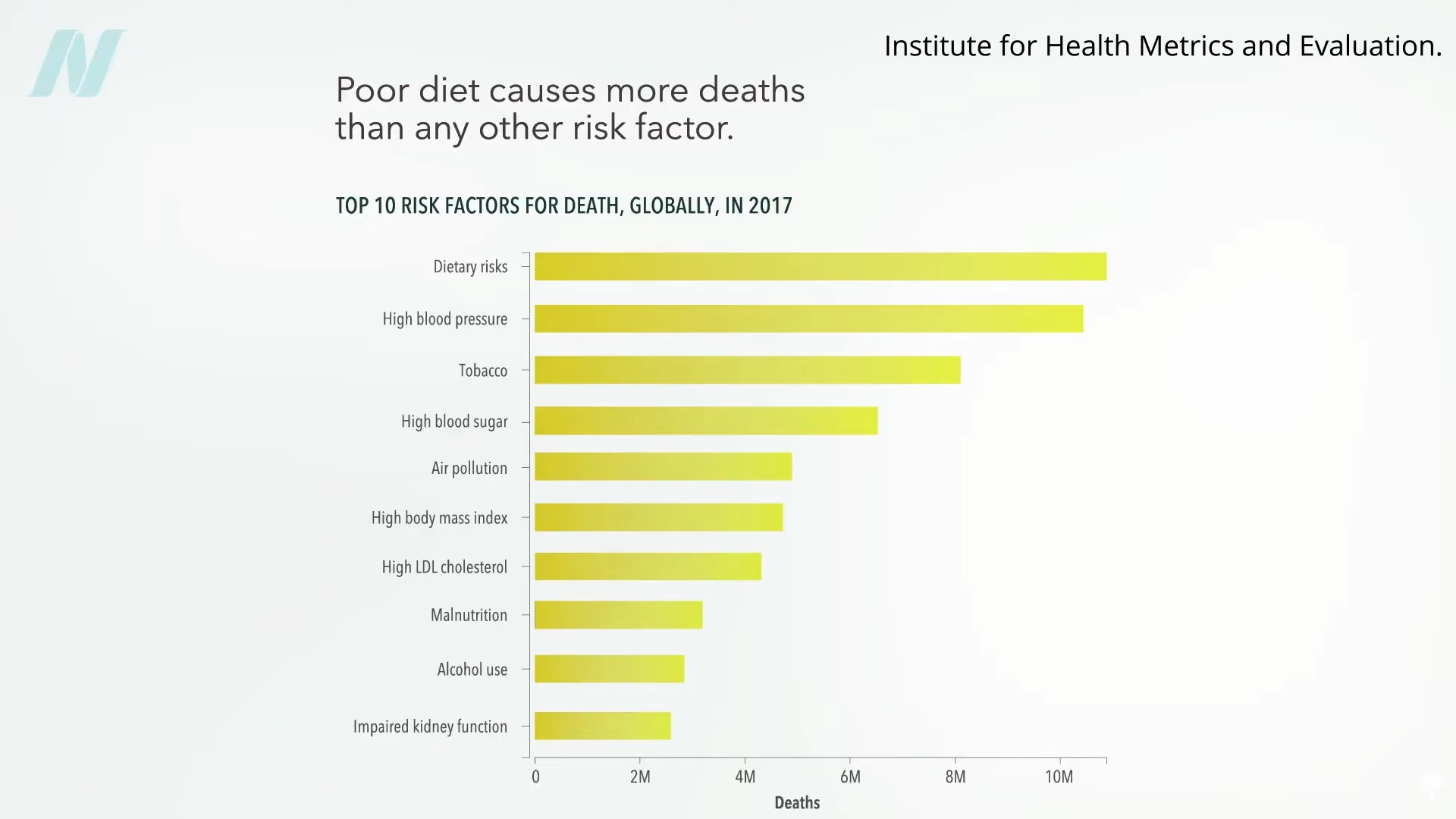
Global health statistics paint a stark picture: high blood pressure, or hypertension, stands as the second leading risk factor for death worldwide, claiming over 10 million lives annually. This pervasive health crisis is often attributed to an "unhealthy diet," a broad term that, upon closer inspection, reveals a critical imbalance: an abundance of sodium paired with a severe deficiency of potassium. Emerging research and evolving dietary guidelines are now highlighting the profound implications of this imbalance and the surprising role of potassium-rich plant foods and salt substitutes in potentially averting this global health catastrophe.
Main Facts: The Silent Epidemic and a Dietary Imbalance
At the heart of the modern health crisis lies a fundamental shift in human diet. For millennia, human physiology evolved on a diet rich in potassium from diverse plant sources and low in sodium. Today, however, our food landscape is dominated by processed, calorie-dense products laden with added fats, sugars, and — critically — excessive sodium, while being stripped of essential nutrients like fiber and potassium. This dramatic deviation from our evolutionary dietary blueprint has created a physiological environment conducive to chronic diseases, most notably hypertension.
Potassium is an essential mineral vital for numerous bodily functions, including maintaining fluid balance, nerve signals, muscle contractions, and heart rhythm. Crucially, it plays a direct role in counteracting the effects of sodium, helping to relax blood vessel walls and excrete excess sodium from the body. Healthy kidneys are indispensable for this process, efficiently regulating potassium levels. For those uncertain about their kidney health, consulting a doctor for kidney function testing is a critical first step.
The current recommended dietary potassium intake, while an improvement, still falls significantly short of what our ancestors likely consumed and what is considered optimal for human health. This deficiency, coupled with excessive sodium intake, sets the stage for elevated blood pressure, making it a primary driver of cardiovascular disease and premature death.
Chronology: From Ancestral Abundance to Modern Deficiency
The story of our dietary potassium deficit is a tale of two eras:
The Evolutionary Blueprint: Our hunter-gatherer ancestors consumed diets overwhelmingly rich in plant foods – fruits, vegetables, leafy greens, roots, and tubers. These natural sources provided a prodigious amount of potassium, often estimated to be in the range of 10,000 to 15,000 milligrams (mg) daily. Sodium intake, conversely, was naturally low, primarily derived from whole foods, not processed additives. This high potassium-to-sodium ratio fostered a physiological state that likely kept blood pressure in check, contributing to overall cardiovascular health.
The Industrial Revolution and Beyond: The advent of agriculture, and more dramatically, the industrialization of food production, marked a significant divergence. Food processing techniques, designed for preservation, convenience, and palatability, led to the widespread addition of sodium (as a preservative and flavor enhancer) and the removal of fiber and many micronutrients, including potassium. As diets shifted away from whole, unprocessed plant foods towards refined grains, added sugars, and animal products, the potassium-to-sodium ratio flipped. Packaged snacks, fast food, and ready-made meals became staples, contributing to an average daily sodium intake that far exceeds recommendations and a potassium intake that often barely reaches half of the suggested minimum.
This dietary evolution has had profound consequences. High blood pressure, once a rare condition, became increasingly prevalent, evolving into the silent killer it is today. The global health burden of hypertension is a direct reflection of this fundamental imbalance, underscoring the urgency of re-evaluating our dietary patterns and exploring effective interventions.
Supporting Data: The Power of Potassium and Salt Substitutes
Numerous scientific studies underscore the critical importance of adequate potassium intake and the potential benefits of strategic sodium reduction.
The Blood Pressure Connection: Research consistently demonstrates that increasing dietary potassium can significantly lower blood pressure. A traditional, predominantly plant-based diet inherently achieves a high potassium and low sodium profile, offering a natural defense against hypertension. However, for many, a complete overhaul of dietary habits can be challenging. This is where targeted interventions, such as potassium chloride salt substitutes, come into play.

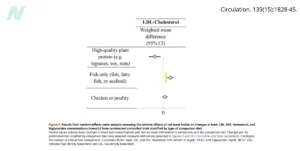
Potassium Chloride as a Game Changer: Potassium chloride is the most common salt substitute, designed to replace some or all of the sodium chloride in food. This simple swap directly addresses the dietary imbalance by reducing sodium while simultaneously increasing potassium intake. A meta-analysis of over a dozen randomized controlled trials unequivocally showed that replacing sodium chloride with potassium chloride effectively lowers blood pressure. Notably, many of these trials achieved significant results even when substitutes contained less than 30% potassium chloride, suggesting that even a partial swap can yield health benefits.
One of the practical advantages of these substitutes, particularly those with a lower percentage of potassium chloride, is their minimal impact on taste. Most individuals cannot discern a difference between regular salt and these blended substitutes, making them a palatable and sustainable option for dietary modification. The ability to maintain taste satisfaction while actively lowering blood pressure represents a significant advancement in public health strategy.
Potassium Levels: A Matter of Balance, Not Excess for Healthy Individuals: For individuals with healthy kidney function, concerns about consuming "too much" potassium from food or even moderate supplementation are largely unfounded. Healthy kidneys are remarkably efficient at excreting excess potassium, maintaining blood levels within a narrow, normal range (typically 3.5 to 5.0 mmol/L). Studies have shown that long-term potassium supplementation at doses up to 3,000 mg per day does not lead to adverse effects, and blood potassium levels remain stable even with intakes as high as 15,000 mg per day – a level consistent with our ancestral diet.
Even in salt substitution trials where participants received an average of 2,000 mg of potassium daily from the substitute, blood potassium levels typically increased by a mere 0.14 mmol/L. This modest rise keeps levels well within the safe range, far from the concerning threshold of 6 mmol/L.
Extreme Cases and Historical Lessons: While the human body is adept at handling high potassium intake from natural sources, there are theoretical limits. Cases of hyperkalemia (abnormally high potassium levels) due to dietary intake are exceedingly rare and typically involve extreme, non-standard eating patterns, such as consuming 20 bananas a day for years or 10 pounds of carrots daily (equivalent to 75 carrots, often facilitated by juicing as part of unproven "cancer cures"). These isolated incidents serve as reminders that moderation and a balanced diet are key, but do not negate the benefits of a generally high potassium intake from whole foods.
It’s also worth noting historical lessons regarding salt substitutes. A 1940s report highlighted lithium poisoning, not from potassium, but from the use of lithium chloride as a salt substitute – a stark reminder of the importance of rigorous testing and appropriate ingredient selection. Today, potassium chloride is recognized as safe, but like regular salt, ingesting massive amounts of any substance can be dangerous. A single documented suicide case involved a tablespoon of potassium chloride salt substitute, but it’s crucial to remember that even smaller amounts of regular sodium chloride, if ingested all at once, can be fatal. Ingesting saltwater, for instance, was a traditional suicide method in ancient China, underscoring that the danger lies in extreme overdose, not in the substance itself under normal use.
Official Responses: Shifting Paradigms and FDA Approval
The medical community and regulatory bodies have increasingly acknowledged the role of potassium and the safety of potassium chloride.
FDA’s "Generally Recognized As Safe" Status: The U.S. Food and Drug Administration (FDA) designates potassium chloride as "generally recognized as safe" (GRAS). This designation reflects a consensus among qualified experts that the substance is safe for its intended use, a testament to its long history of safe consumption and extensive scientific evaluation. For healthy individuals, the only significant concern with 100% sodium-free potassium chloride substitutes might be a slight bitter or metallic taste, which can vary by individual and food application. As one anecdote illustrates, some dishes (like pesto) might benefit perfectly from the substitute, while others (like watermelon with "salt") could be rendered unpalatable. This highlights the importance of personal experimentation and finding what works best for individual preferences.
Evolving Dietary Guidelines for Kidney Patients: Perhaps one of the most significant shifts in official medical guidance concerns dietary recommendations for patients with kidney disease. Traditionally, kidney patients were advised to limit their consumption of fruits and vegetables due to their high potassium content, out of concern for hyperkalemia. However, this paradigm is rapidly changing.
Mounting evidence now suggests that a whole-food, plant-based diet, despite its inherent high potassium content, can not only be safe for many kidney patients but may actually ameliorate chronic kidney disease (CKD) and delay its progression to kidney failure. Plant-based diets offer a wealth of benefits, including reduced inflammation, improved blood pressure control, and a lower acid load, all of which are beneficial for kidney health. The practice of restricting dietary potassium in kidney patients is increasingly being reserved for those with documented hyperkalemia (a potassium level of 6 mmol/L or higher). This critical re-evaluation underscores the understanding that for many, the vast benefits of a plant-rich diet for overall health, including kidney health, outweigh the theoretical risks of increased potassium from food. The "key to halting the progression of chronic kidney disease might in fact lie in the produce aisle."
Implications: A Healthier Future Through Dietary Choices
The implications of this growing body of evidence are far-reaching, impacting public health strategies, medical practice, and individual dietary choices.
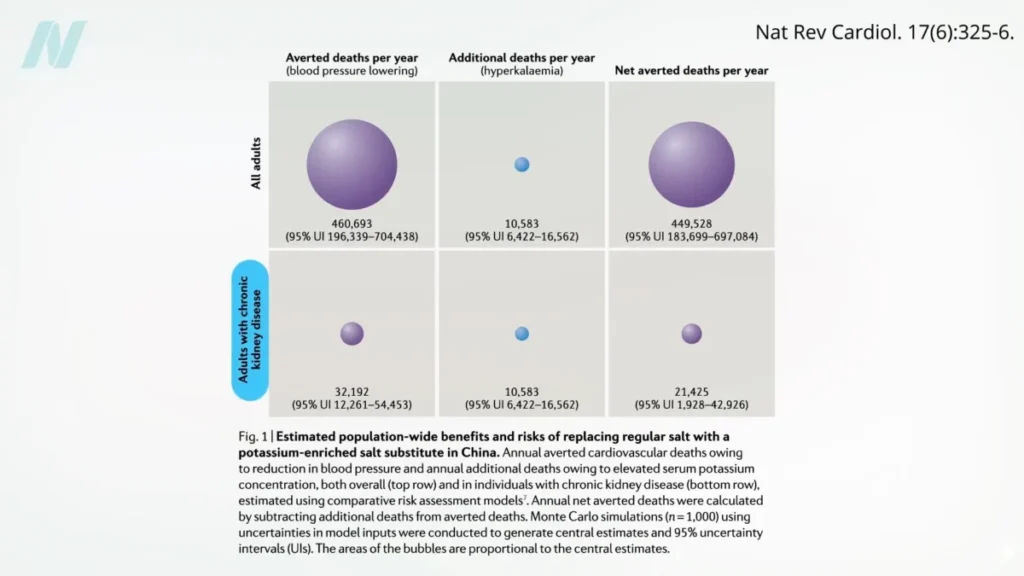
Public Health Imperative: The sheer scale of hypertension as a global killer necessitates a bold public health response. Promoting increased potassium intake through whole plant foods and encouraging the judicious use of potassium chloride salt substitutes offers a powerful, yet often overlooked, strategy to combat this epidemic. Despite historical reluctance to push potassium-based salt substitutes on a population level due primarily to concerns for at-risk individuals, the overall benefit-risk analysis suggests that such interventions would likely save more lives by significantly reducing deaths from high blood pressure, even among those with kidney disease.
Targeted Interventions for At-Risk Groups: While the general population can benefit immensely from higher potassium intake, specific groups must exercise caution. Individuals with severely impaired kidney function, known kidney disease, diabetes (which can lead to kidney damage), severe heart failure, those on medications that impair potassium excretion (e.g., certain diuretics, ACE inhibitors, ARBs), older adults, and people with adrenal insufficiency are at a higher risk of hyperkalemia. For these individuals, regular monitoring of kidney function and potassium levels, in close consultation with their doctor, is paramount before making significant dietary changes or using salt substitutes. The recommendation to "ask your doctor about getting your kidney function tested" is not a minor footnote but a crucial piece of advice for proactive health management.
Empowering Individual Choice: Ultimately, the message is one of empowerment. By understanding the critical role of potassium and the dangers of excessive sodium, individuals can make informed dietary choices that profoundly impact their long-term health. Prioritizing whole, unprocessed plant foods – the fruits, vegetables, leafy greens, roots, and tubers that fueled our ancestors – is the most natural and comprehensive way to achieve an optimal potassium-to-sodium ratio. For those seeking additional strategies, potassium chloride salt substitutes offer a practical and effective tool for reducing sodium intake while boosting potassium, without sacrificing flavor.
The journey back to a healthier dietary balance is not merely about restriction; it’s about enrichment. It’s about rediscovering the vibrant, nutrient-dense foods that our bodies are designed to thrive on, and embracing innovative solutions that bridge the gap between our evolutionary past and our modern nutritional needs. The silent killer of high blood pressure can be challenged, and ultimately defeated, by a conscious return to a potassium-rich, plant-forward way of eating.
Doctor’s Note
If you are in crisis, you can call the National Suicide Prevention Lifeline 24 hours a day, seven days a week, at 800-273-8255.
This is the final blog in a three-part series. If you missed the first two, check out The Mineral Intake Recommendations Only 1 in 6,000 U.S. Adults Meet and Are Potassium Chloride Salt Substitutes Worth Trying?.